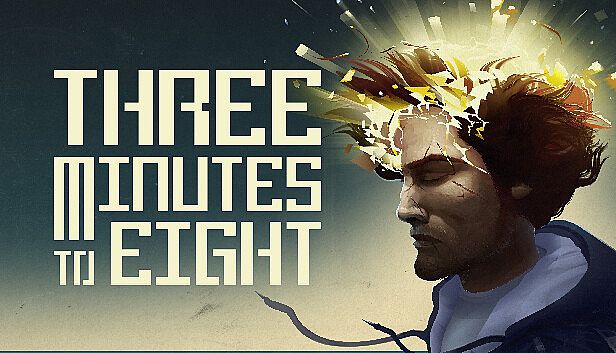













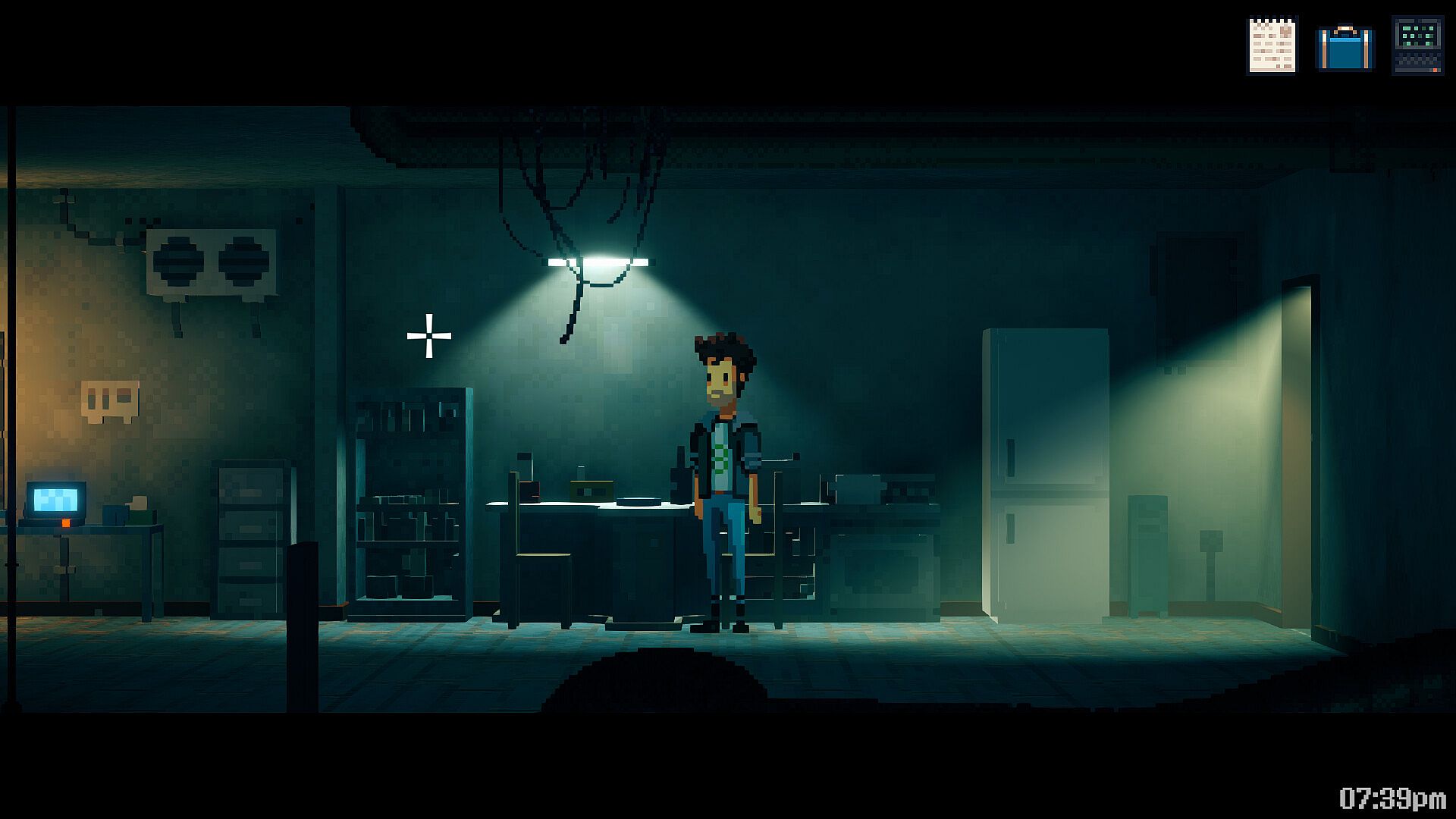
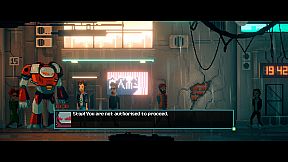
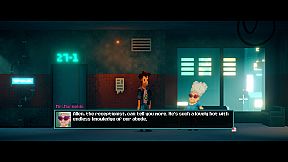
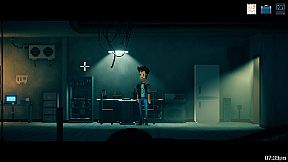
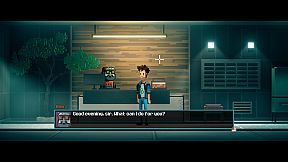
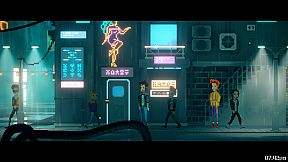
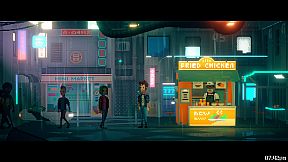
Three Minutes To Eight stands out as an indie adventure title built around pixel art visuals and a single-player experience focused on time manipulation. The core premise places the protagonist in a near-future setting where death arrives at exactly 7:57 PM during each cycle. Players must navigate the constraints of this repeating window to uncover hidden layers of the narrative and pursue alternate outcomes.
Gameplay
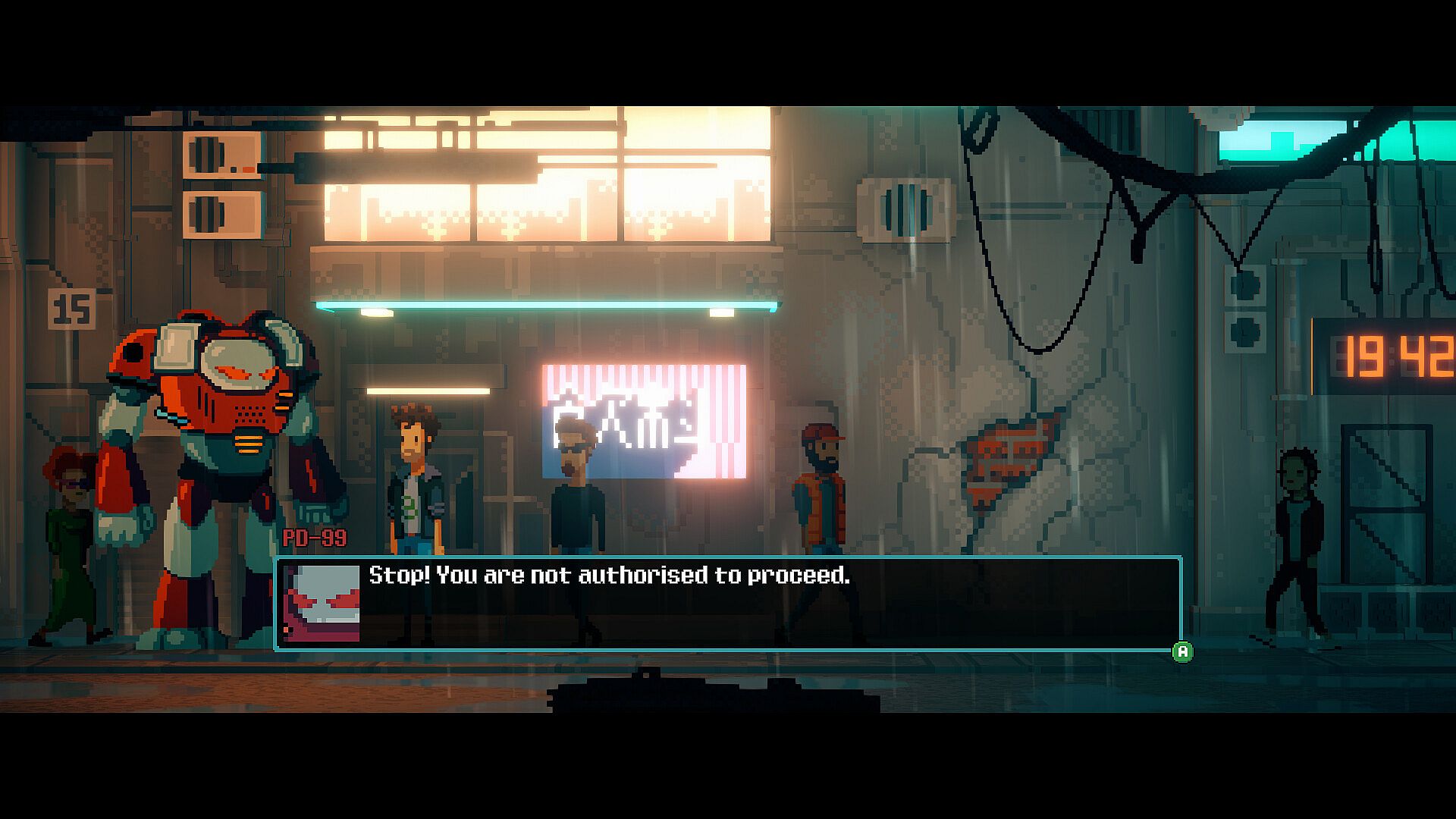
The game operates as a point-and-click adventure with inventory management at its center. Side-scrolling environments require careful exploration on foot, where clicking advances the character and interacts with objects or people. Items collected during one cycle carry potential value into subsequent attempts, encouraging experimentation with combinations and sequences.
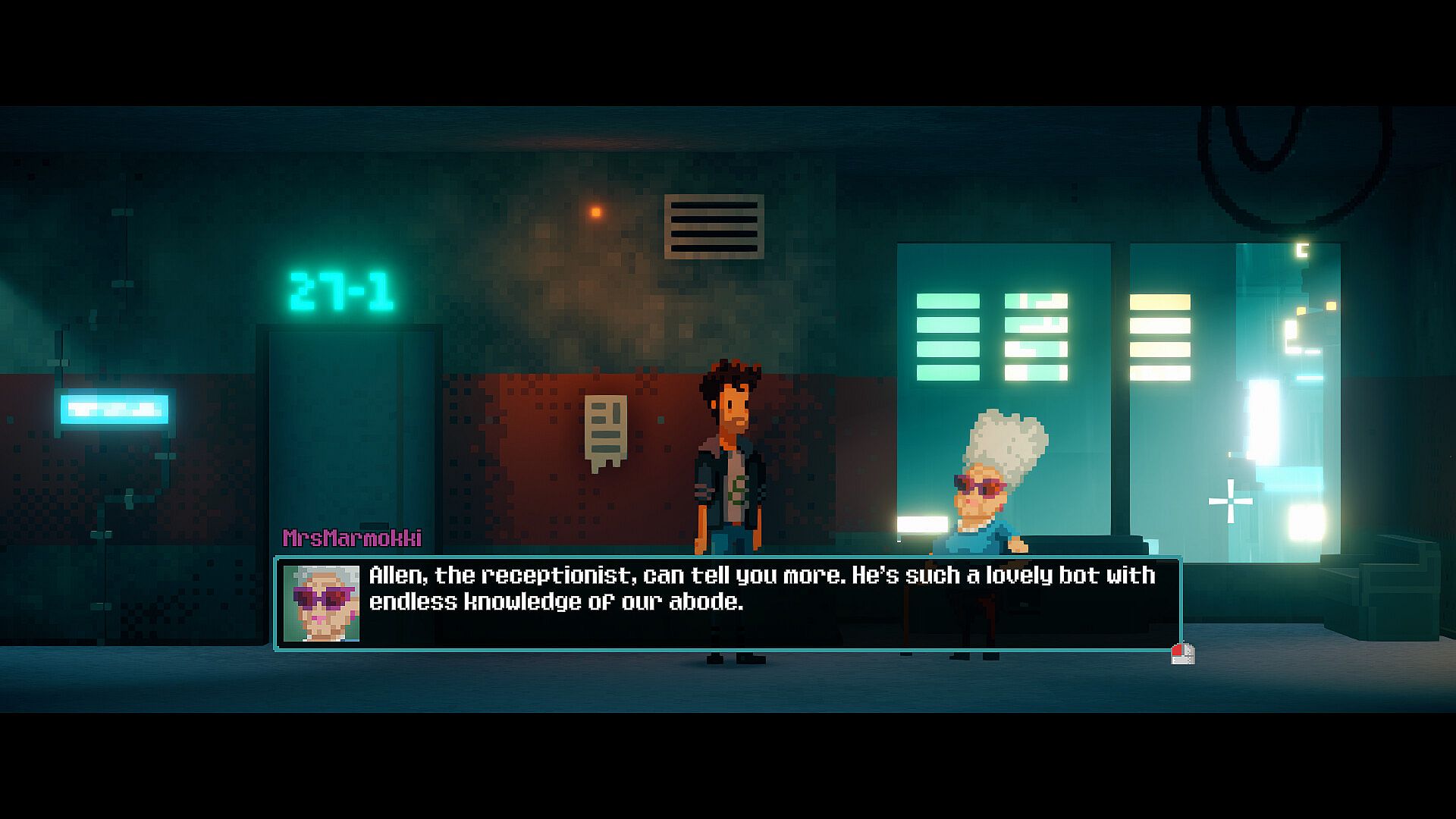
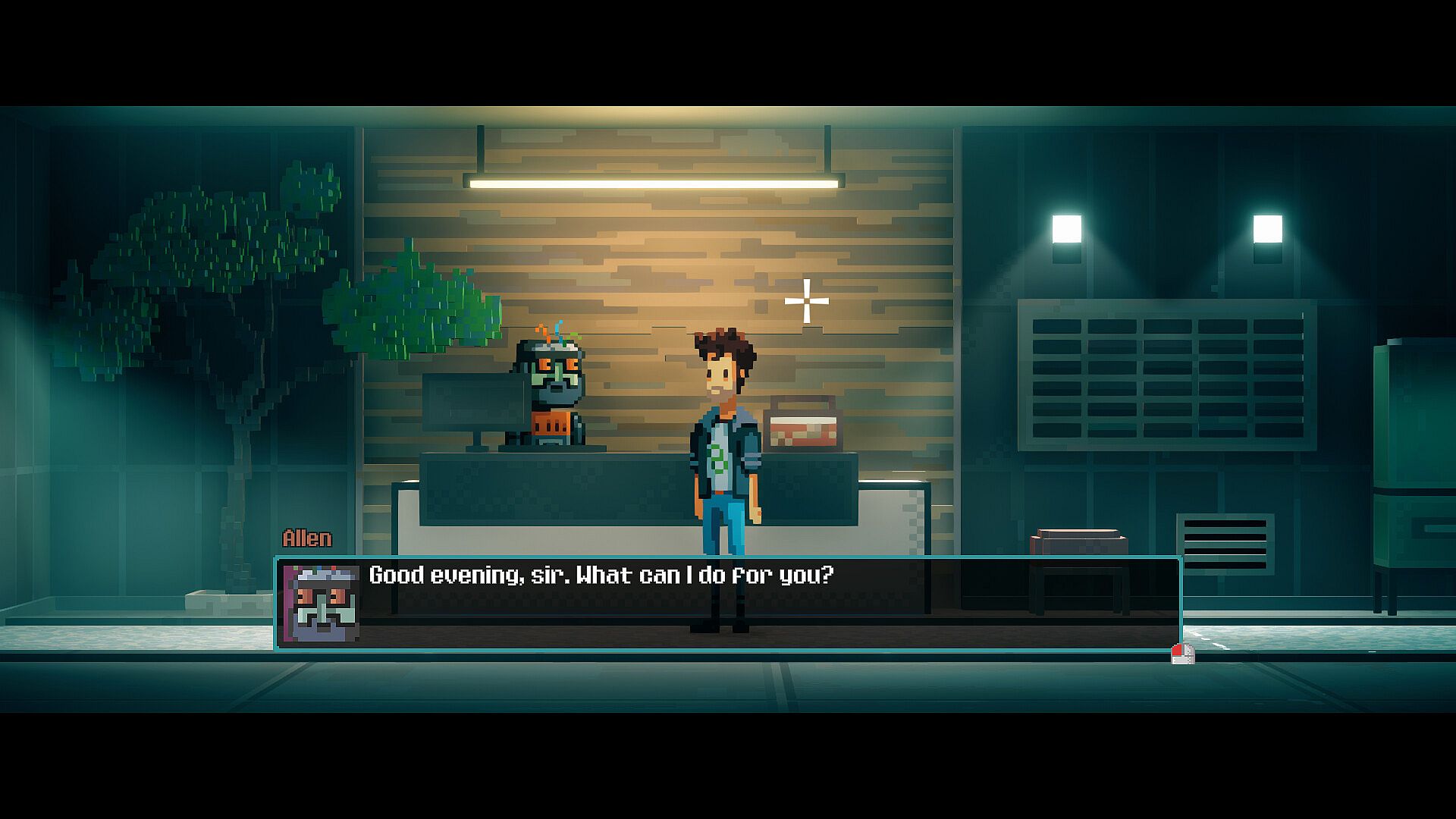
Dialogue forms a major pillar of progression. Conversations with non-player characters can unlock new information or shift events based on prior choices and timing. Certain lines trigger chain reactions that alter the immediate surroundings or future loops, rewarding attentive listening and selective responses.
Randomized elements ensure each attempt feels distinct. Unique events and variations appear across runs, pushing players to test different paths rather than repeating identical actions. The 24-minute structure keeps sessions focused while the constant countdown builds tension around every decision.
Game Modes
Three Minutes To Eight structures its experience entirely around repeated runs that begin from the same starting point. Each cycle lasts approximately 24 minutes and concludes with the protagonist's death unless new variables are introduced through exploration or interaction.
Progression relies on carrying knowledge and select items forward rather than traditional save systems. Players revisit locations multiple times within and across runs to observe changes triggered by previous actions. This loop-based format replaces conventional levels or campaigns with an emphasis on discovery and pattern recognition.
No separate multiplayer or competitive options exist. The design centers on solitary play where the goal shifts from survival in a single attempt to piecing together the larger picture through persistence and variation.
Story and Narrative
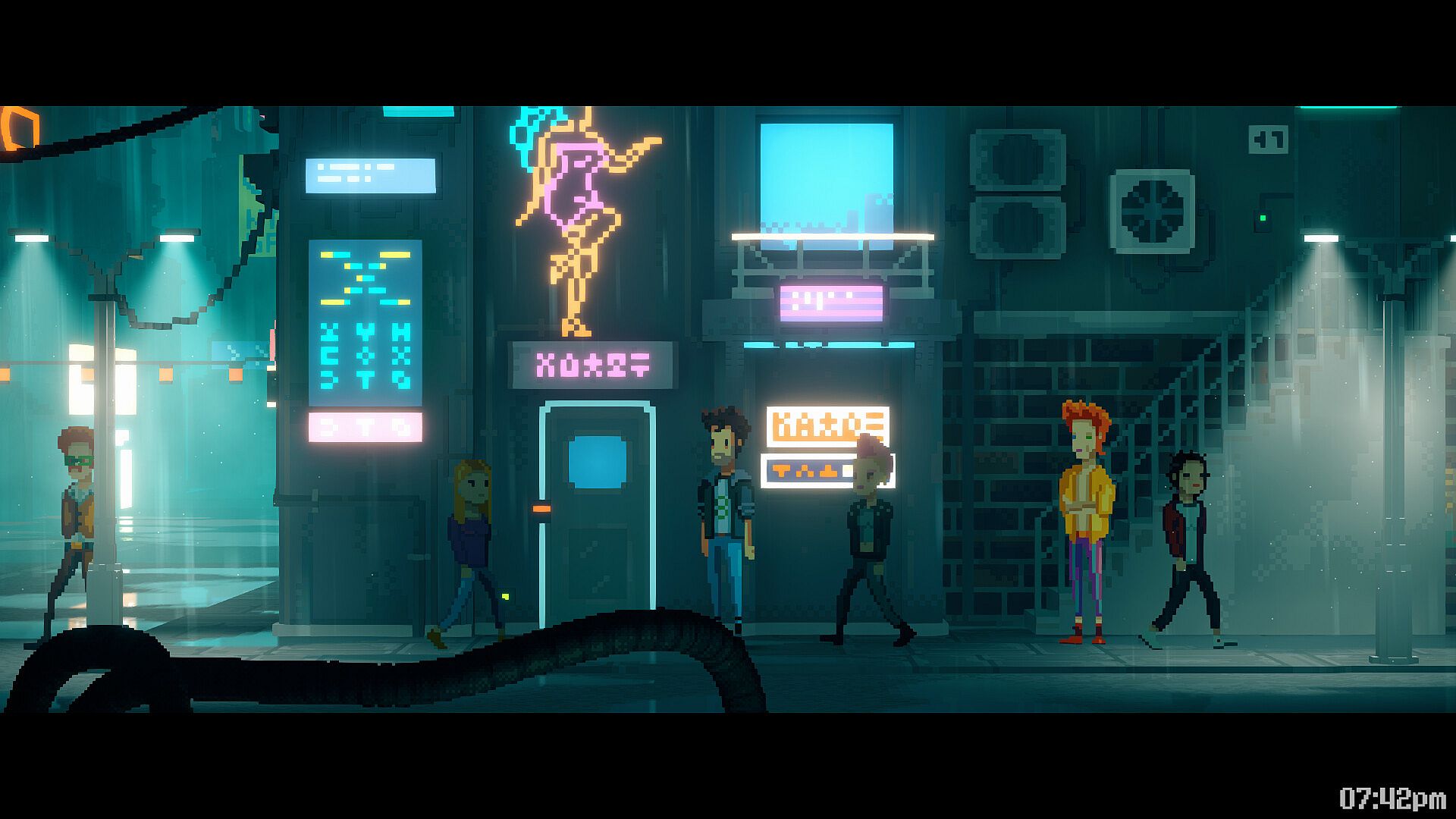
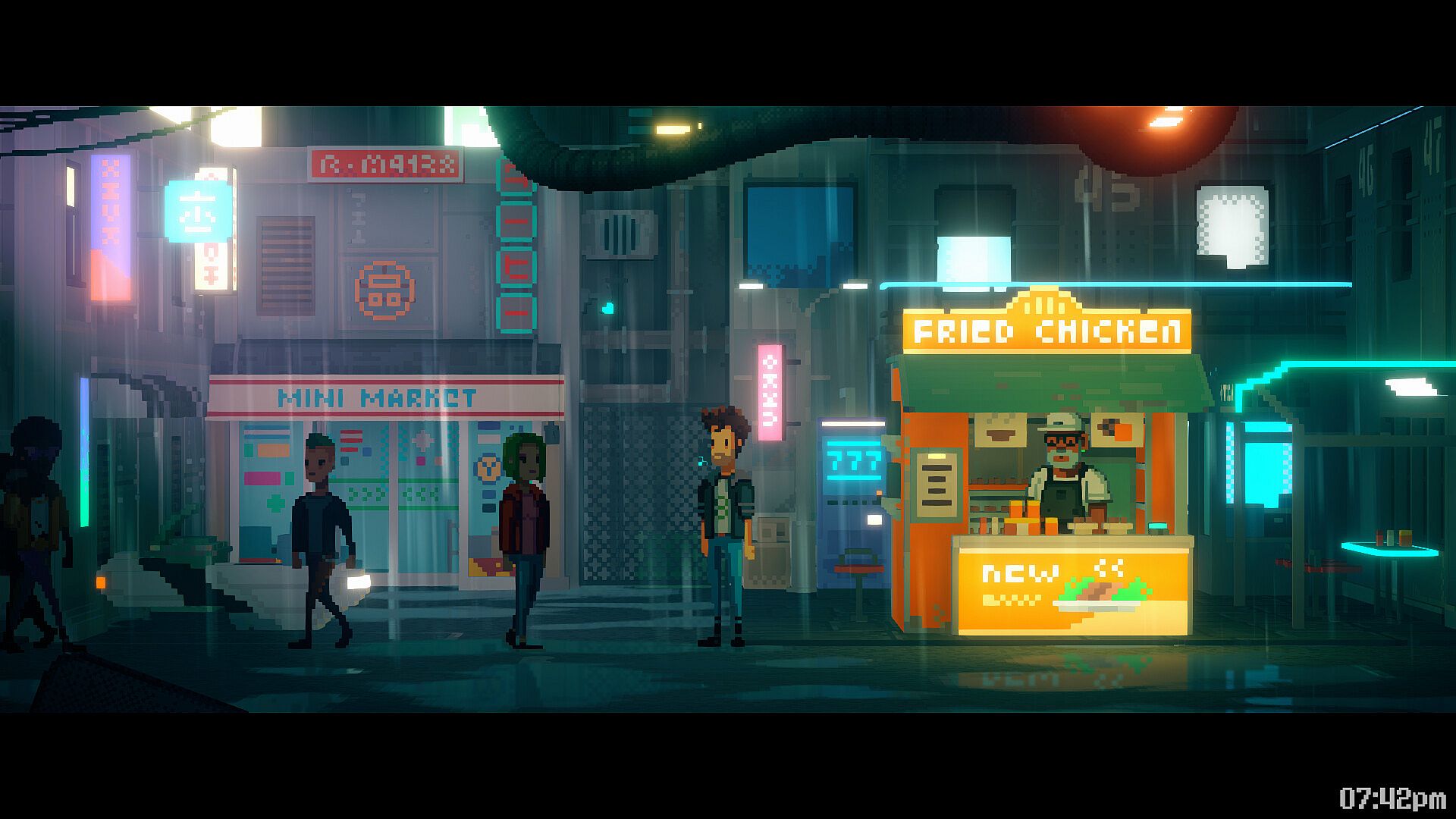
The narrative unfolds through fragmented memories and environmental clues in a rainy urban setting. The protagonist questions relationships and events while racing against the fixed deadline, with dialogue choices revealing layers of uncertainty about identity and reality.
Multiple endings emerge from different combinations of actions, conversations, and timing decisions. Some paths hint at deeper mysteries involving explosions, robotic elements, and mental states, all tied to the central time constraint. The structure mimics a borderline state of awareness where possibilities remain just out of reach until revisited.
Pixel art presentation supports the disorienting tone with detailed backgrounds and character designs that evolve subtly across cycles. Voice acting and sound design reinforce the looping atmosphere without relying on overt exposition.
Is It Worth Playing?
Three Minutes To Eight appeals most to players who enjoy narrative-driven adventures and time-loop mechanics that reward repeated playthroughs. The inventory puzzles and dialogue systems provide tangible feedback on experimentation, while the art style maintains visual interest throughout the runs.
Reception highlights the strength of the core concept and presentation alongside notes on repetition inherent to the format. Those comfortable with point-and-click conventions and willing to engage multiple cycles find value in uncovering the full range of outcomes and secrets.
The game remains available on PC with no additional modes or ongoing seasonal content required for the complete experience. It suits individuals seeking a focused, self-contained story that unfolds through persistence rather than linear progression or large-scale systems.