

Theorycraft: Raiding Guild Simulator is a single-player strategy, indie, RPG, and simulation game on PC that places players in the role of raid leader for a virtual raiding guild. The experience centers on managing the full progression cycle of a raid team, from building a roster to refining strategies for challenging encounters, all without the need to coordinate real players.
Gameplay
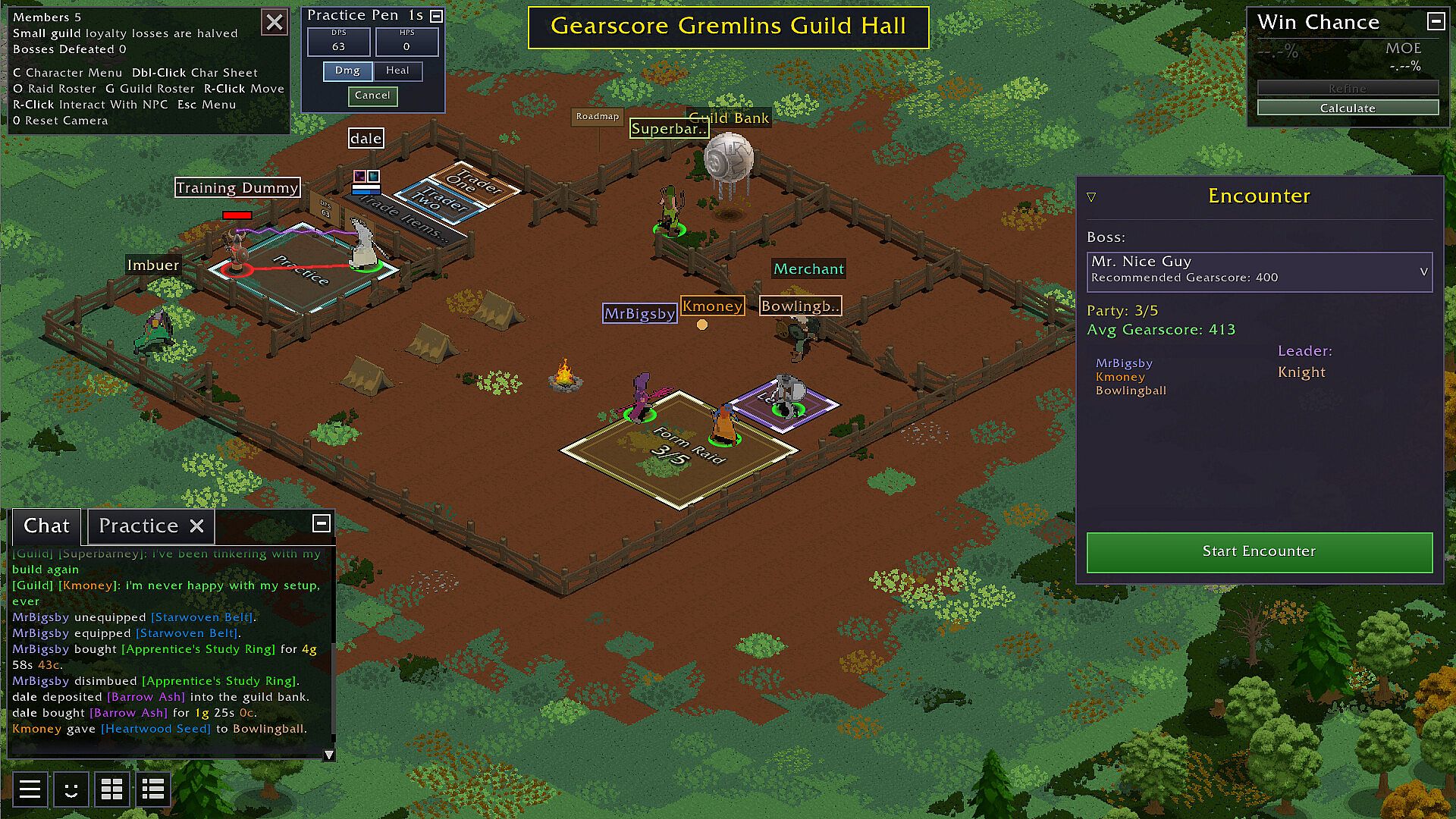
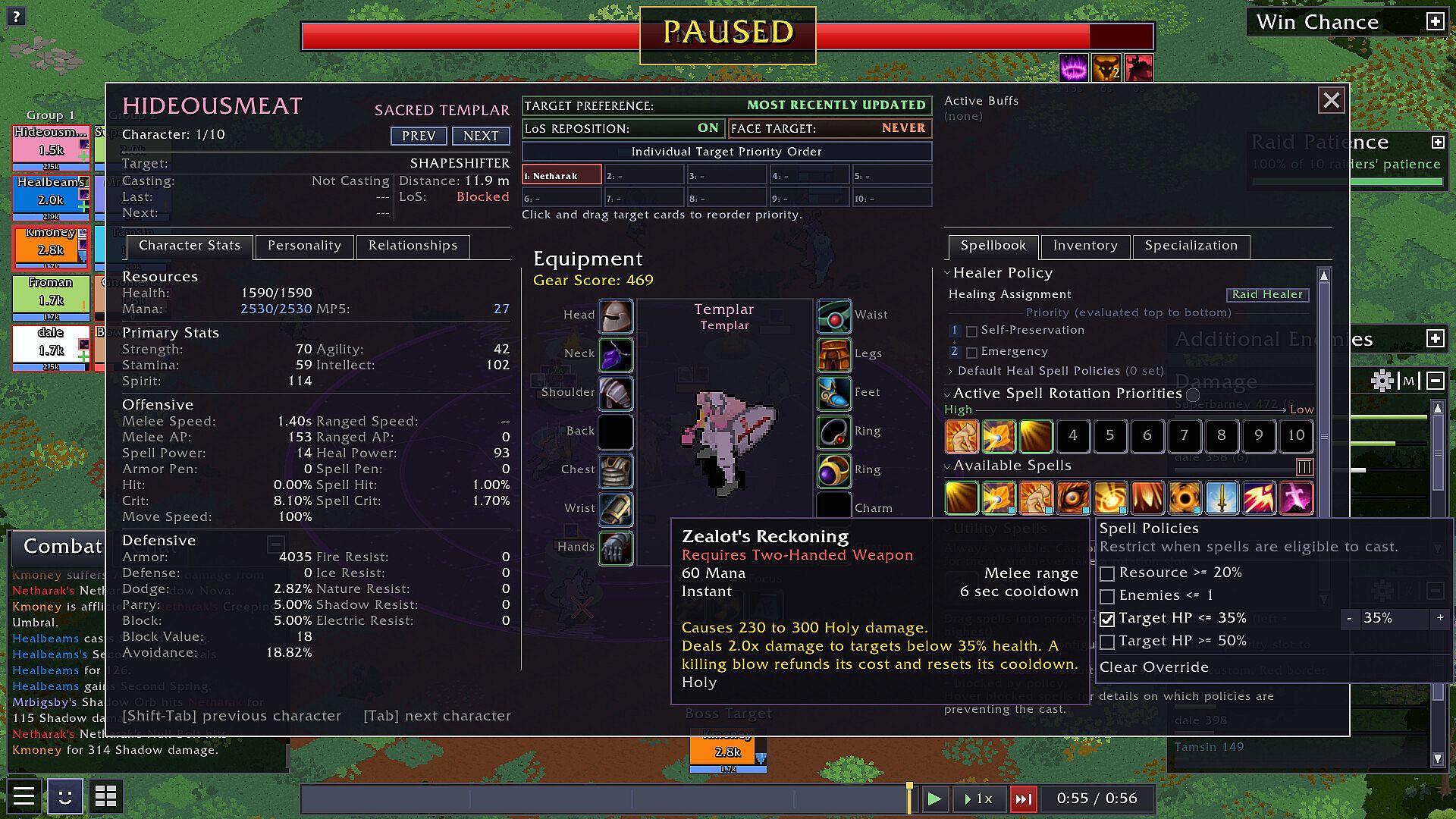
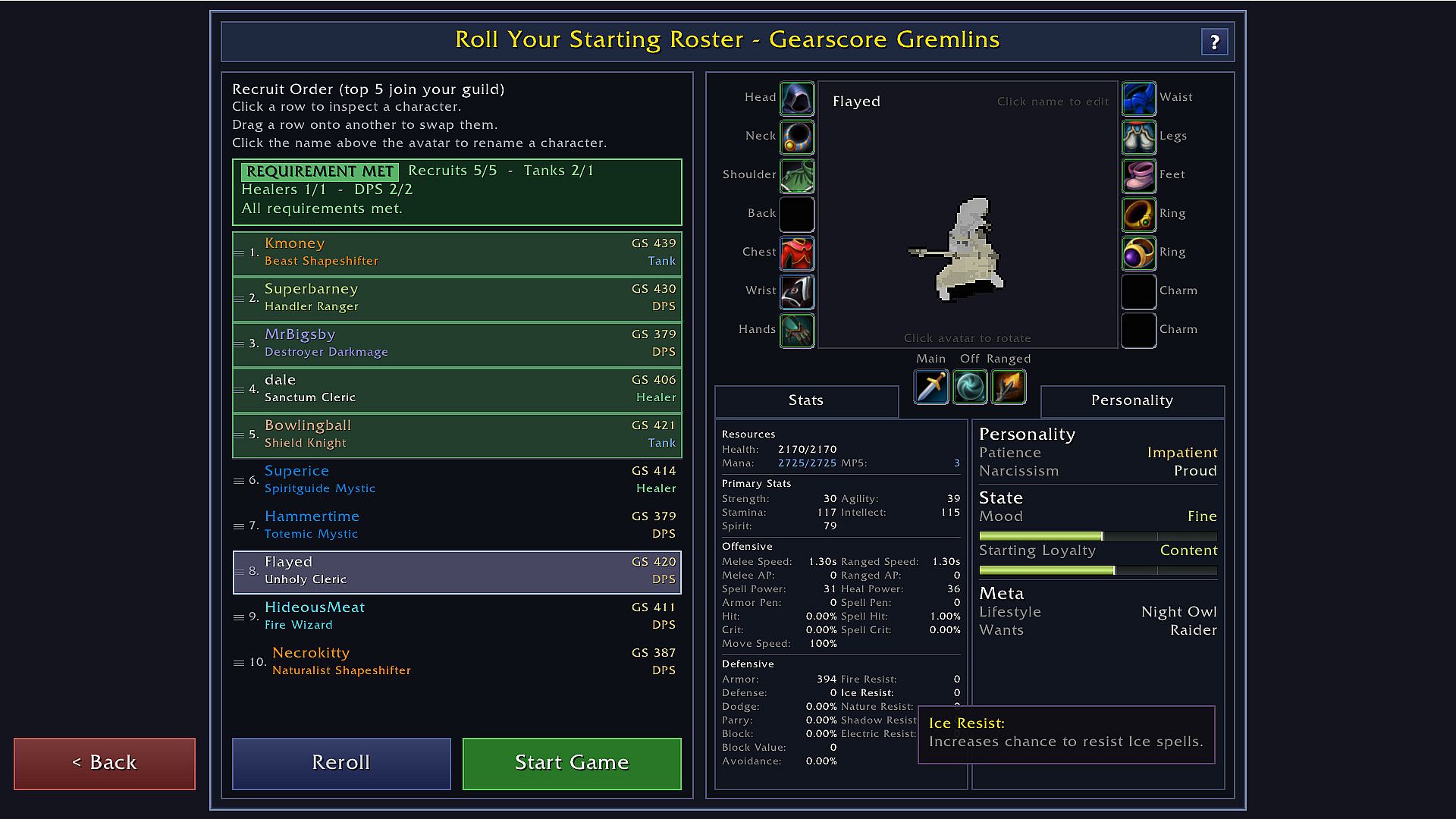
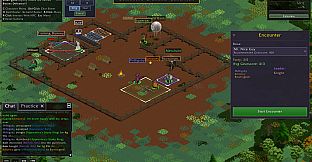
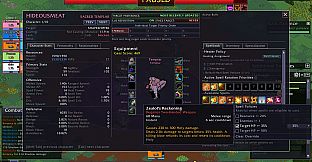
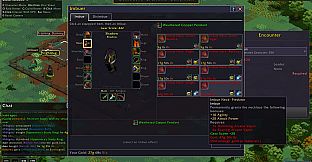
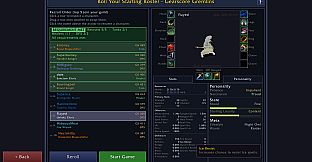
The core loop revolves around practical decision-making as raid leader. Players recruit characters to form a roster, define builds and priorities for each raider, and adjust policies to suit the group. Between encounters, guild management involves equipping gear, trading items, upgrading capabilities, and addressing bottlenecks that slow overall progress. Social dynamics come into play through character personalities and stat consequences that influence how individuals interact and perform under pressure.
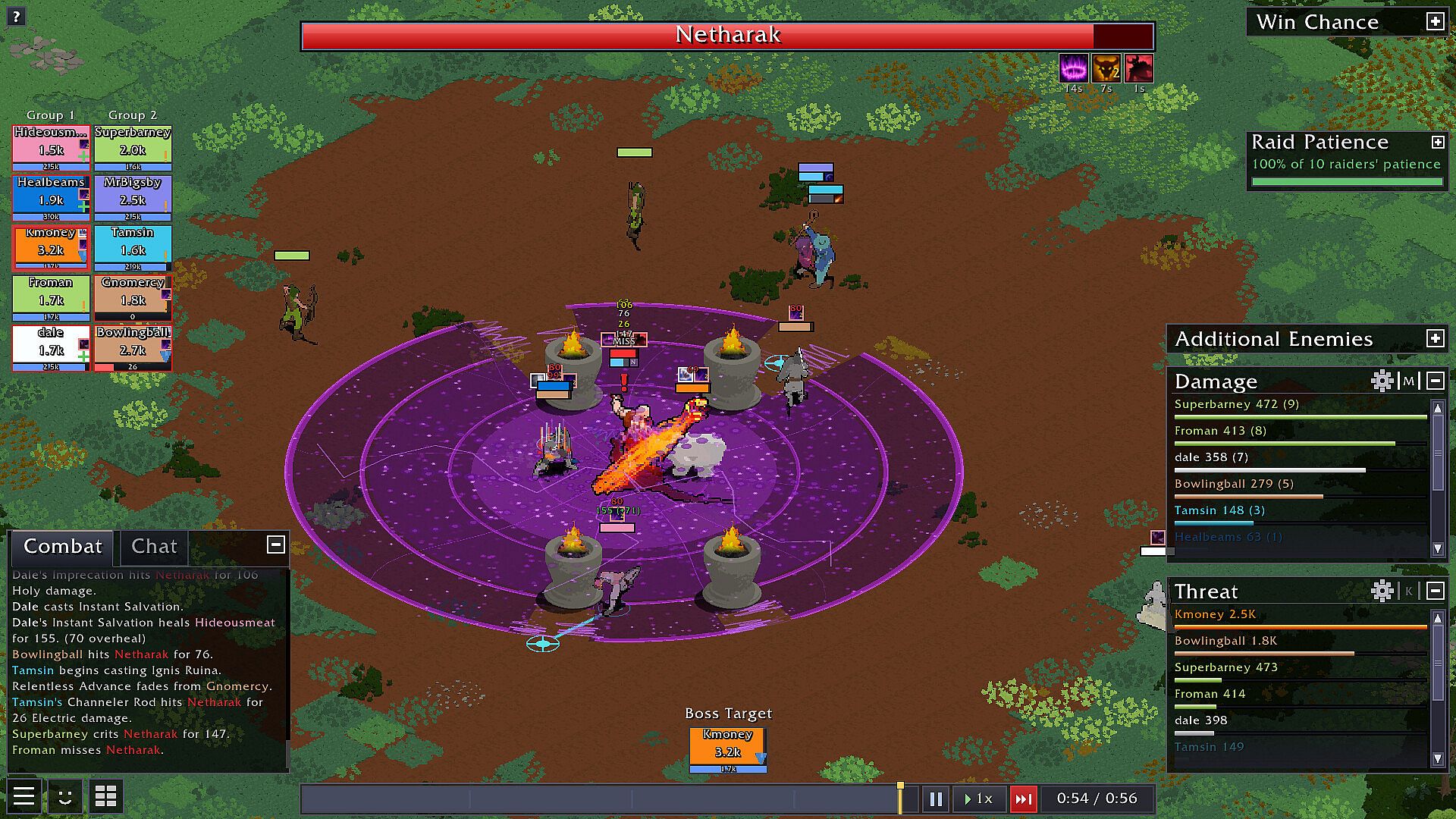
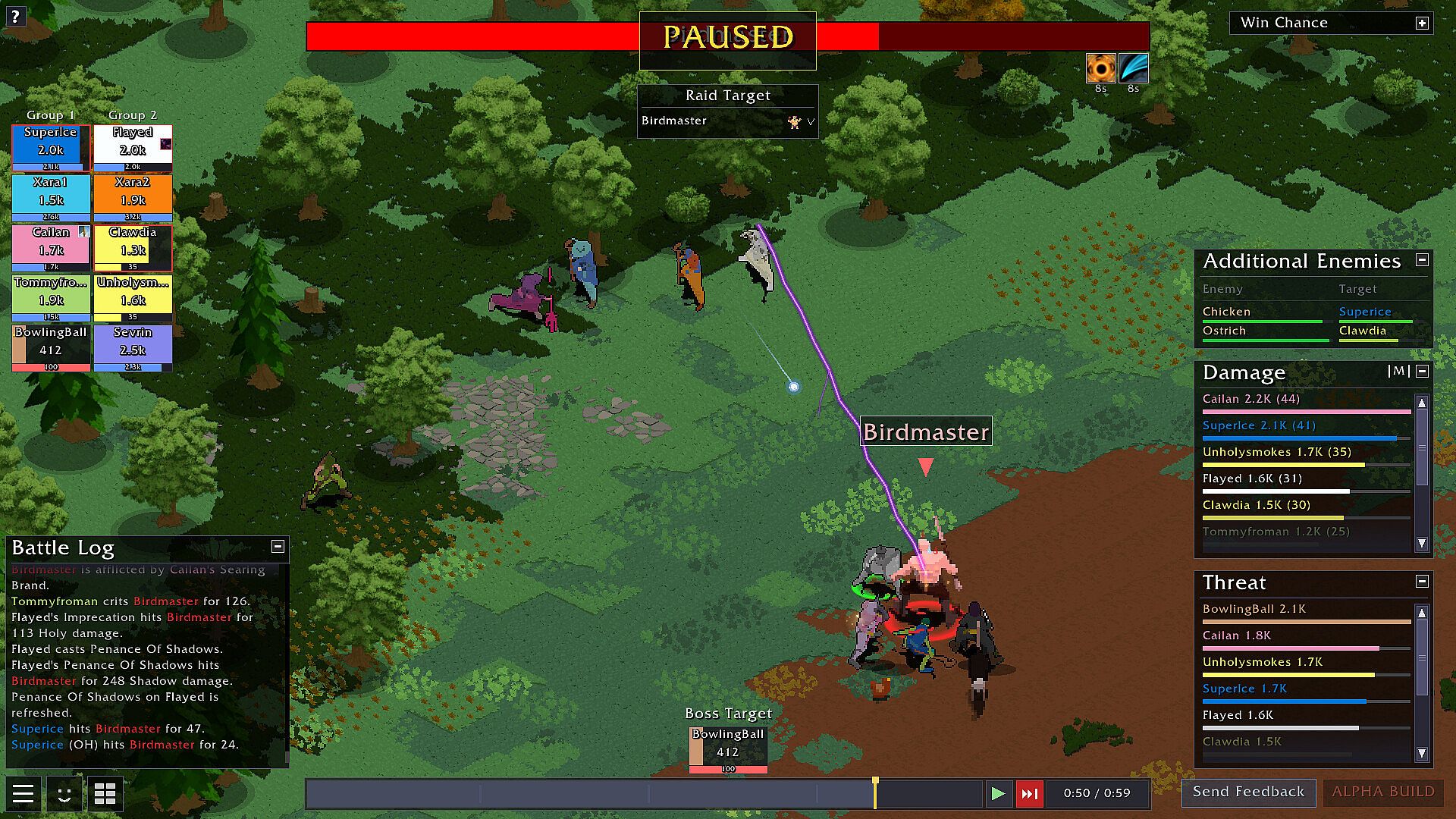
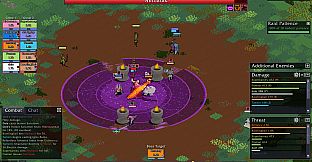
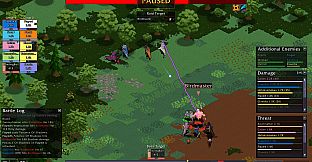
During fights, tools such as encounter replays, combat logs, DPS and HPS meters, threat tables, and a live win-rate prediction system help evaluate performance. These features turn raw data into actionable insights, allowing players to test adjustments before the next pull. Control options include pausing for detailed micro-management of key moments or allowing raiders to execute their rotations autonomously. The system emphasizes legible information through raid frames, a boss target panel, and clear panels for threat and metrics, keeping complex fights readable even during intense sequences.
Game Modes
The game operates as a unified raid leader sandbox focused on progression raiding. Distinct encounters and bosses provide varied challenges that test different compositions and strategies. Players progress through a series of these fights while managing the guild between attempts, creating a continuous campaign structure rather than separate modes. Save and load functions, along with autosave, support extended play sessions where guild progression carries forward across multiple encounters and decisions.
Guild Management and Character Systems
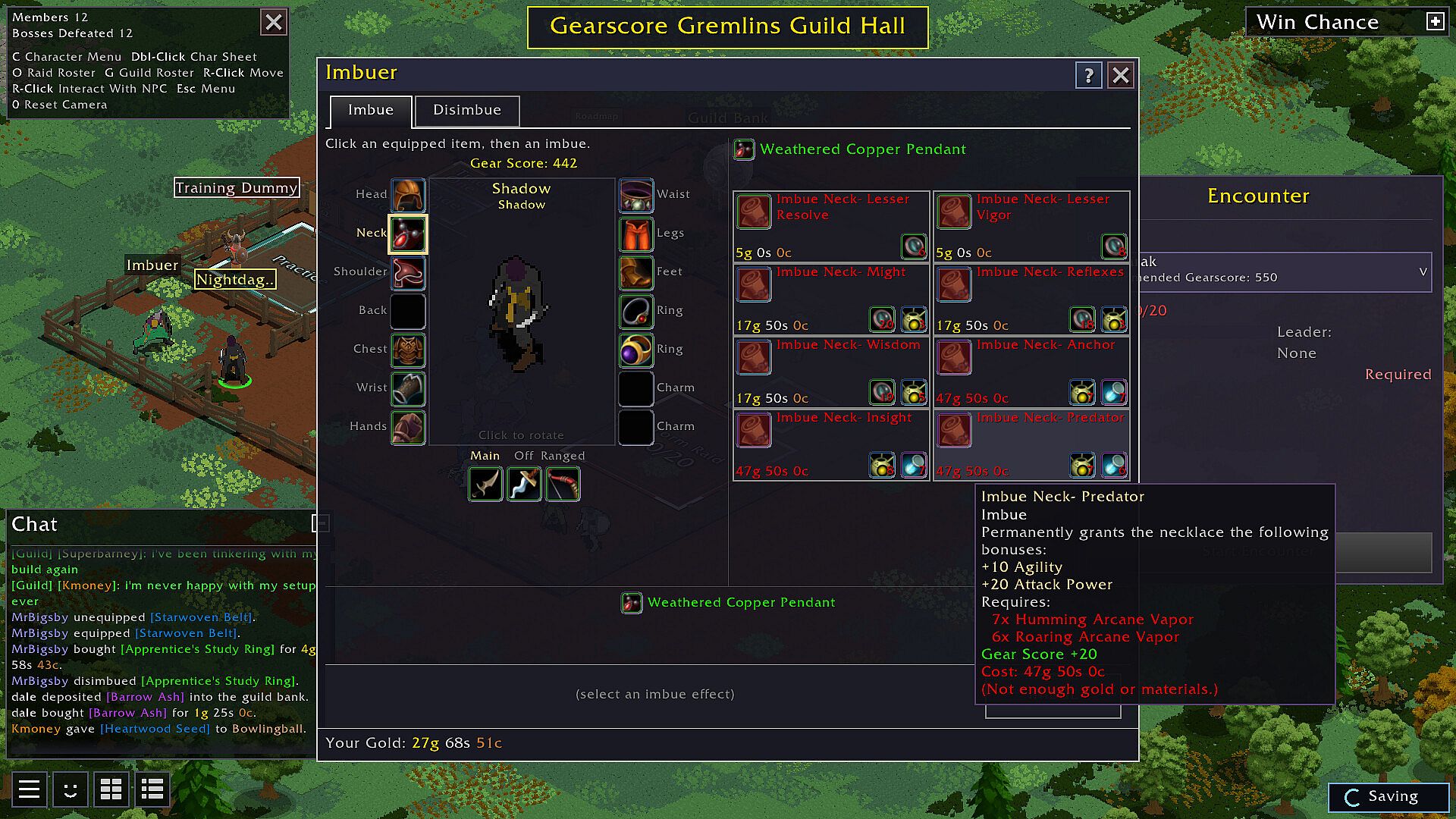
Recruitment and roster management form a key layer, with options to add new members as the guild hall evolves and unlocks additional functionality. Deep character systems include class spellbooks, specializations, gear choices, imbues, and policy tuning that allow customization for different playstyles and team compositions. The evolving guild hall introduces new preparation and optimization opportunities as progression advances, expanding choices for how to prepare for upcoming fights.
Hotseat control lets players step into individual raiders to handle rotations and cooldowns directly when needed. This flexibility supports both hands-off simulation and precise intervention, depending on the situation and player preference.
Is It Worth Playing?
Theorycraft suits players who enjoy strategy and simulation elements centered on raid leadership and guild oversight. Its focus on decision-making tools, replays, and prediction analysis provides a structured way to experiment with plans and learn from execution without external scheduling demands. The game remains in active development by a solo indie developer, with ongoing updates expected to add encounters, refine the interface, and improve quality-of-life features. Those drawn to long-form campaigns with persistent progression and detailed management layers will find the current systems rewarding, particularly if they value practical raid mechanics over multiplayer coordination. Save workflows support extended play, making it accessible for players who prefer to build and refine a guild over time.