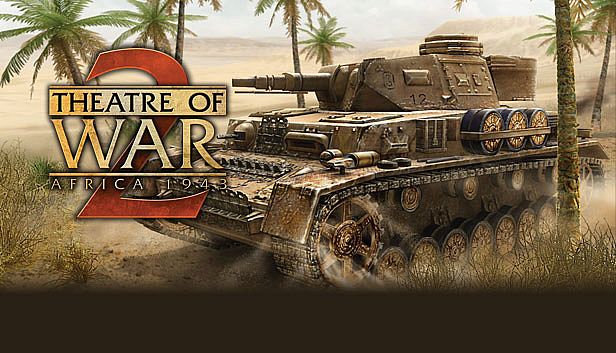




















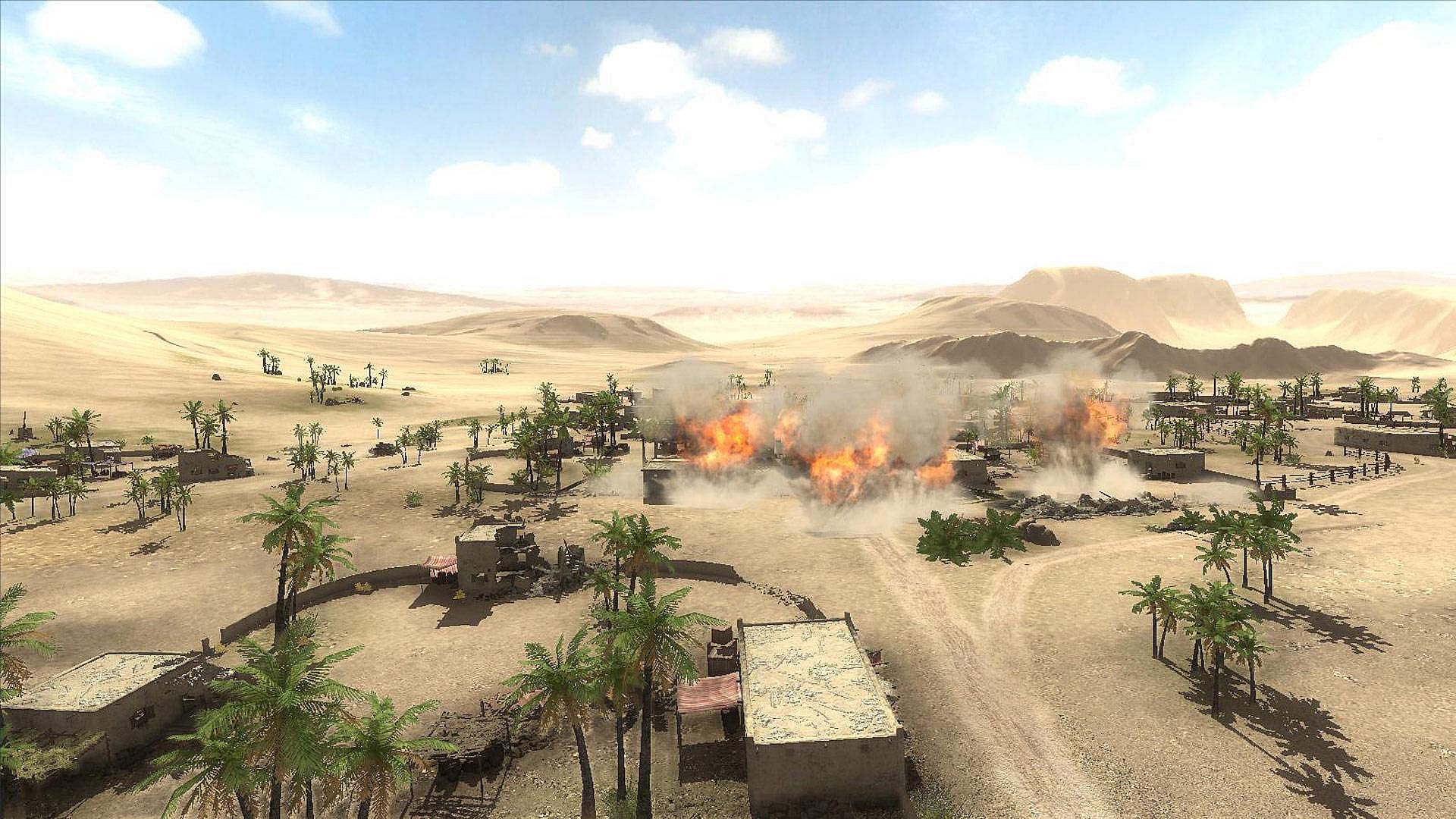
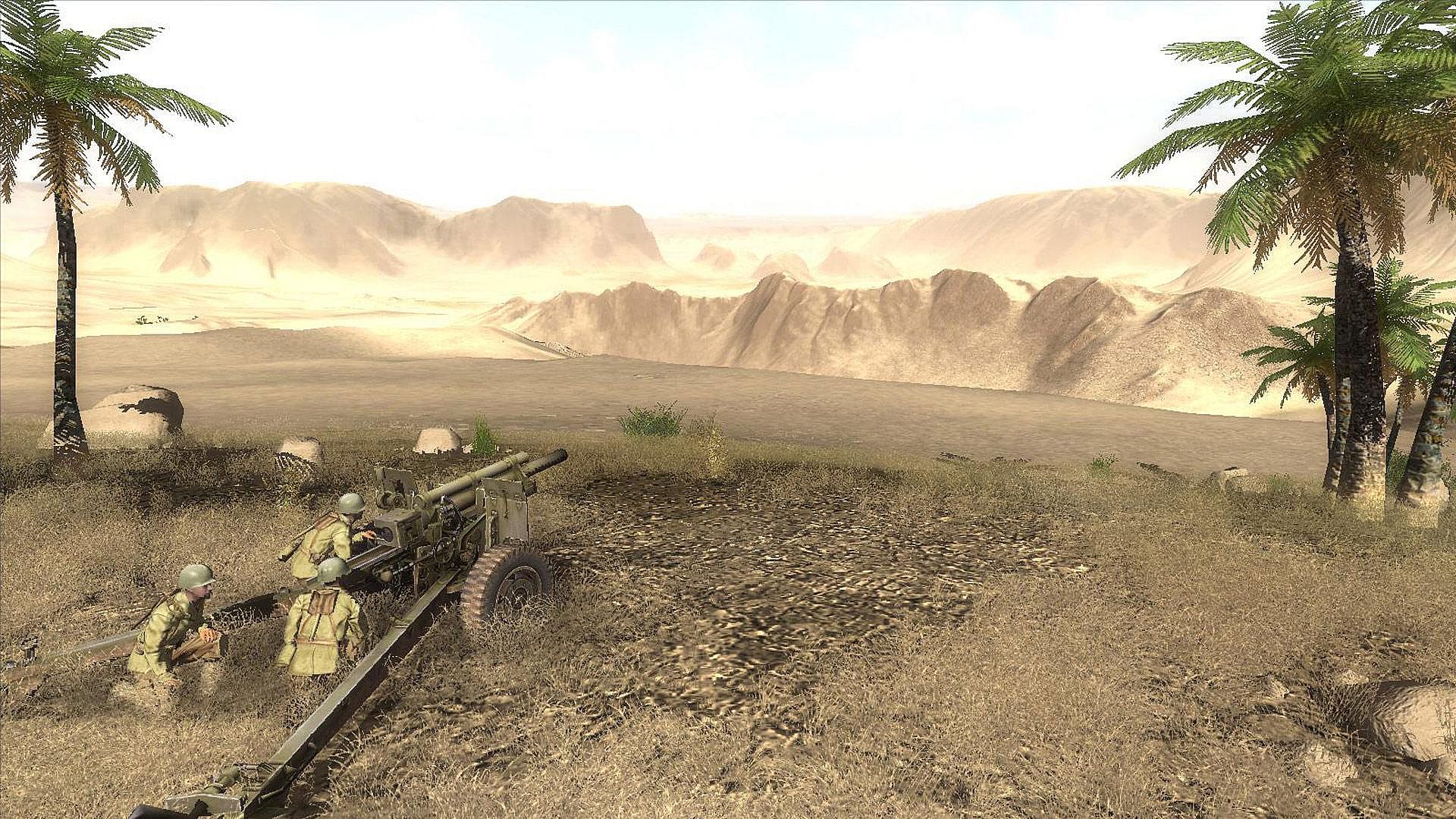
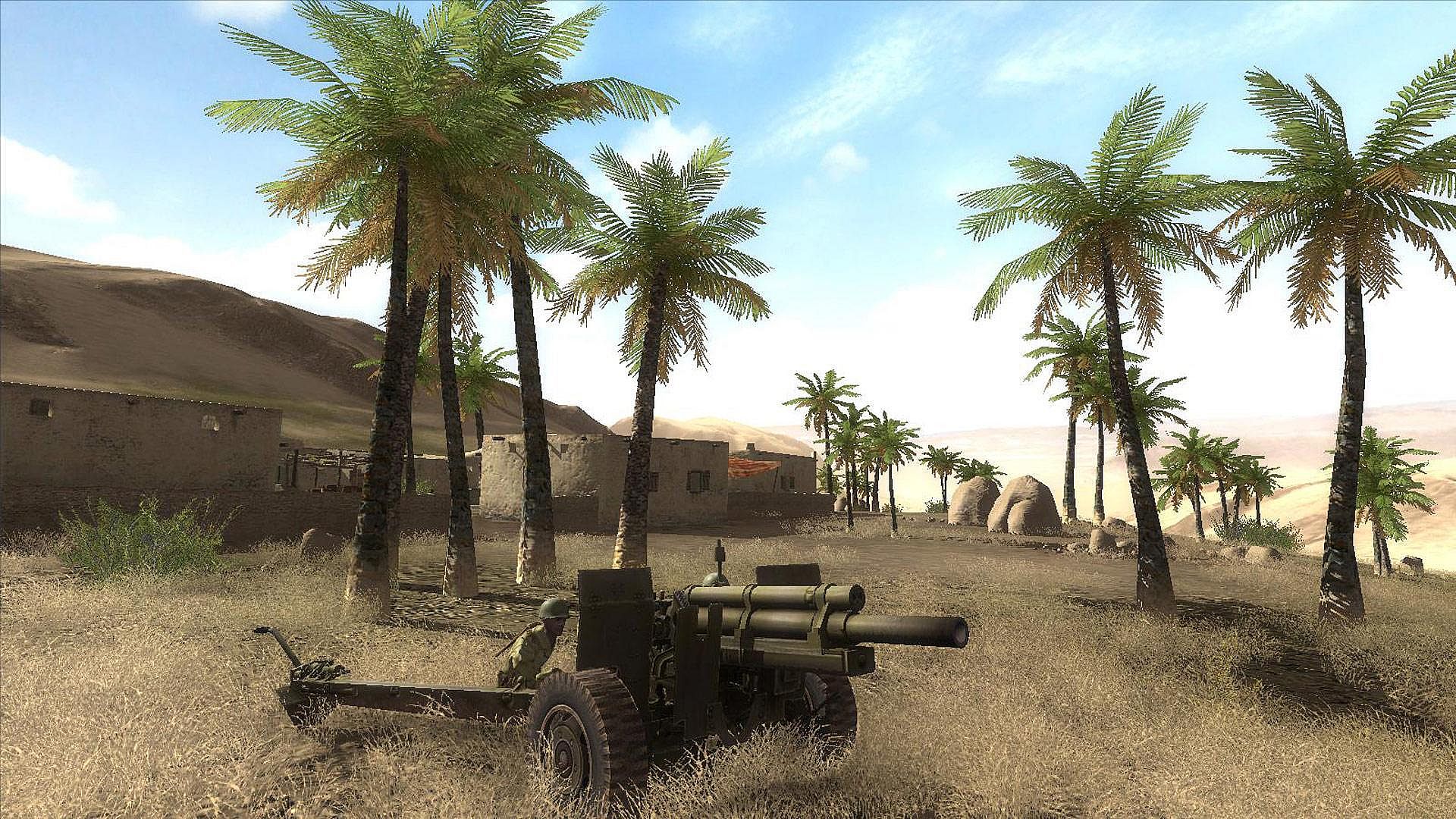
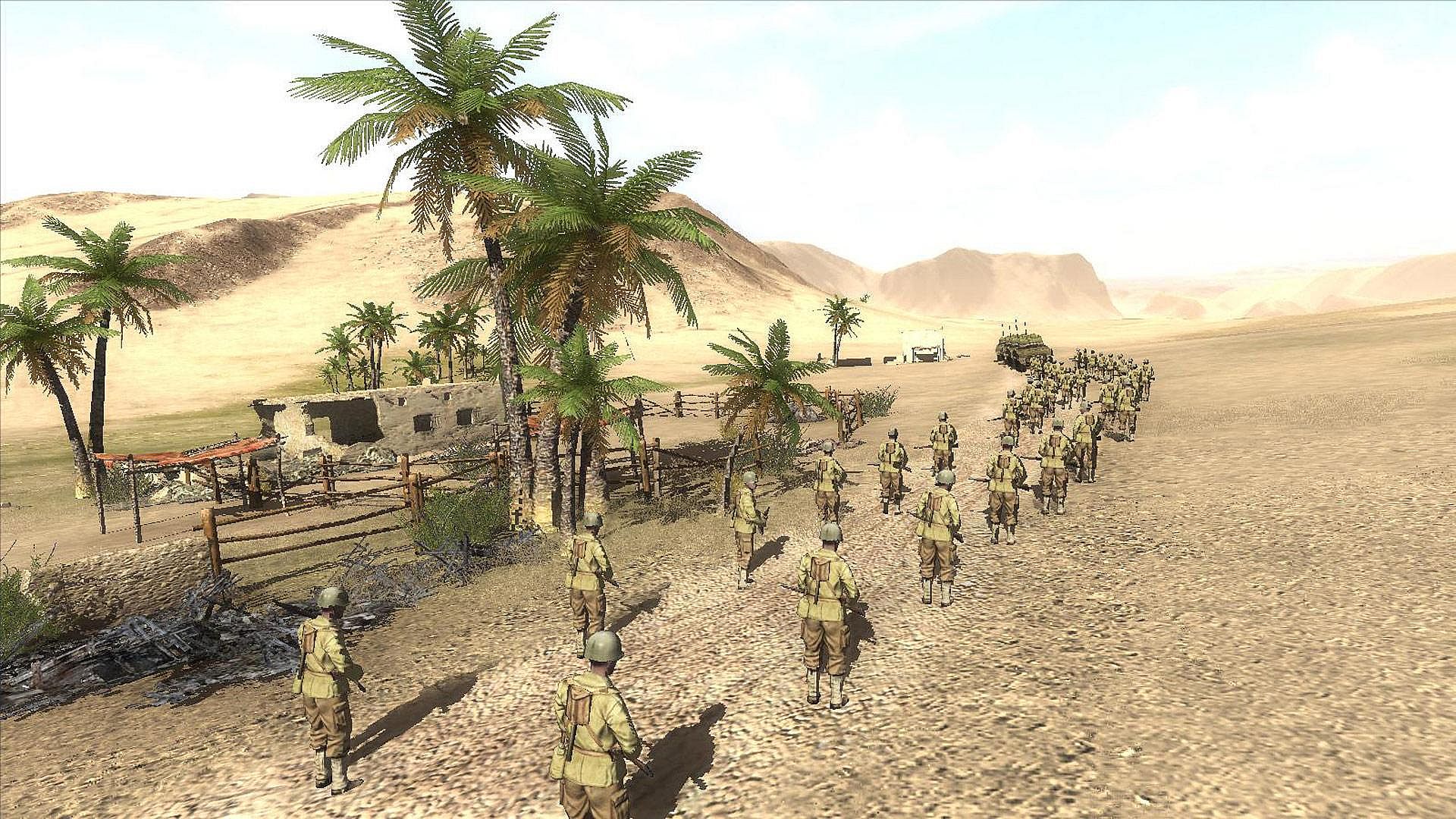
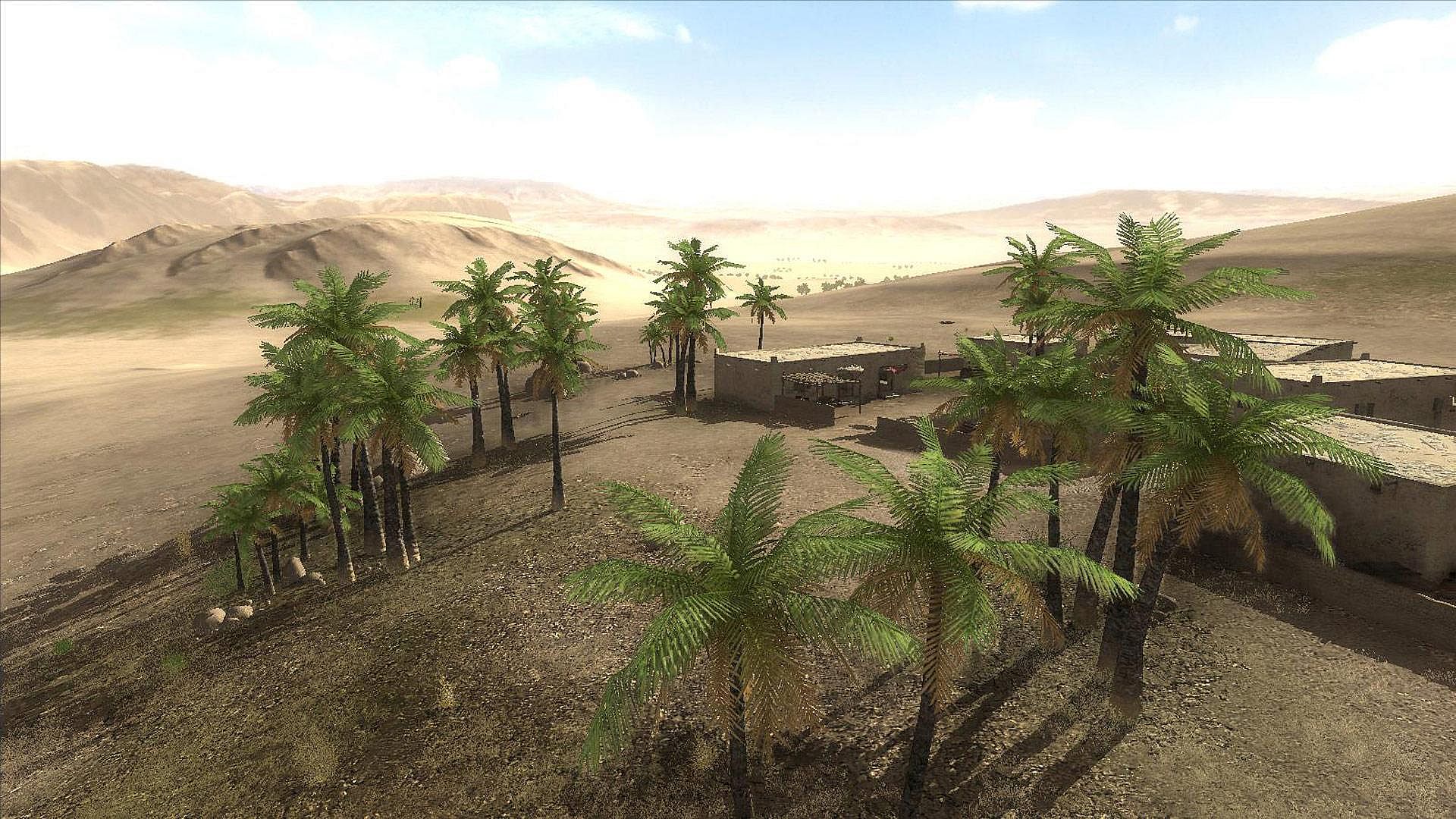
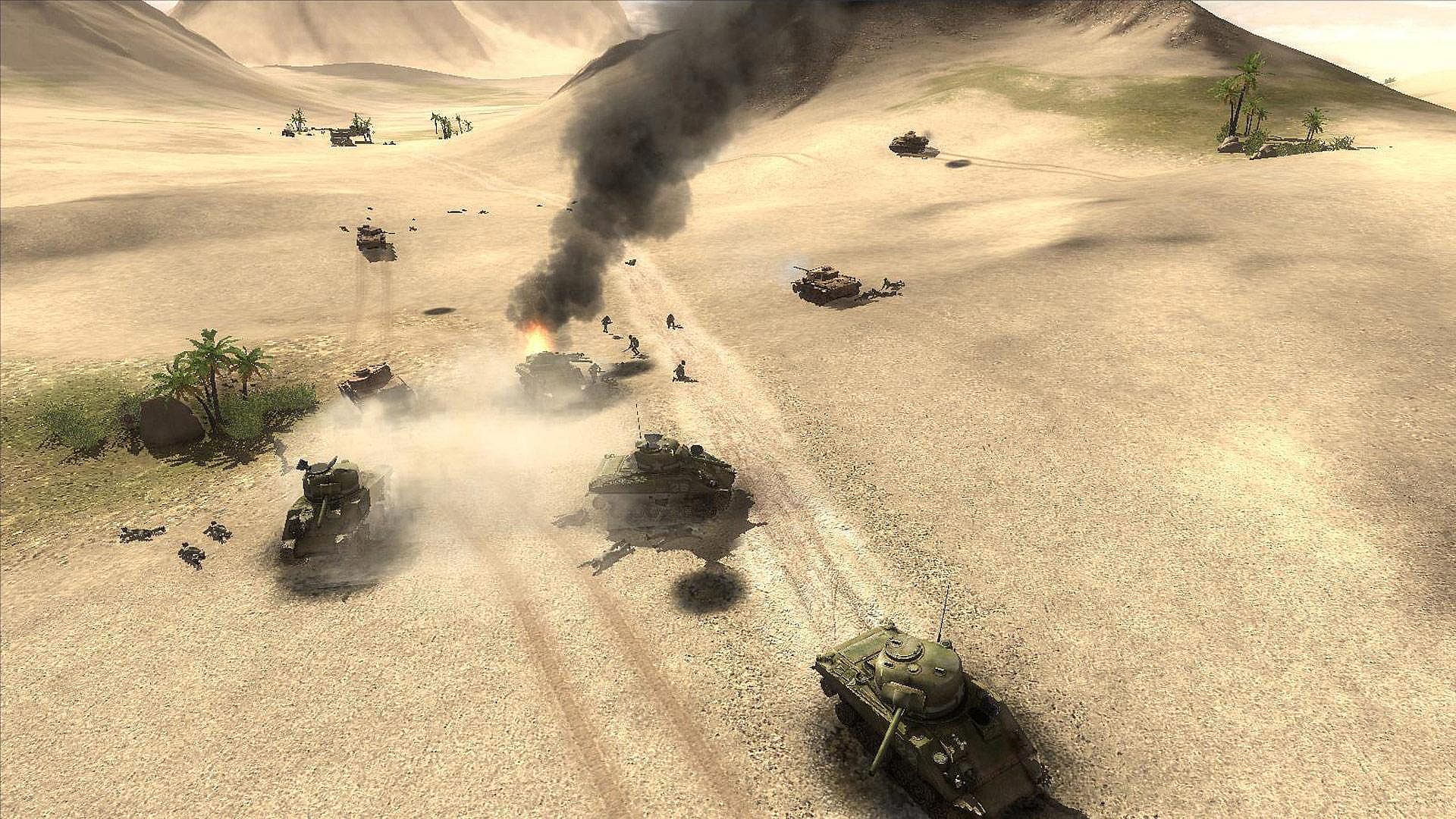
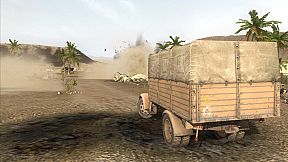
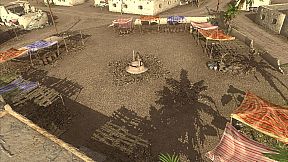
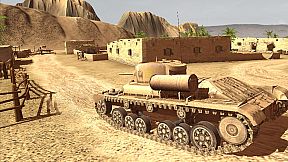
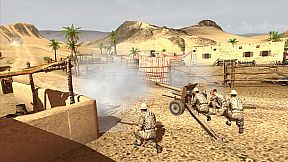
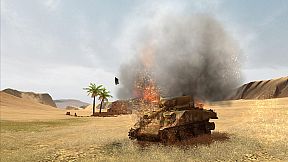
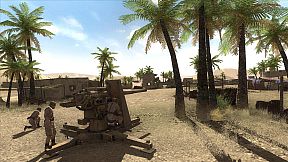
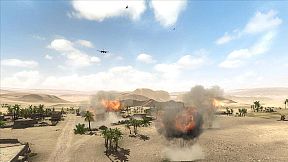
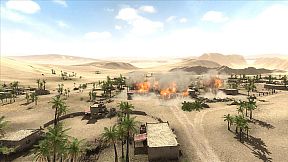
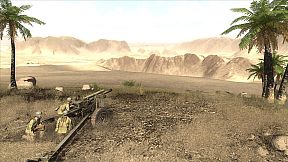
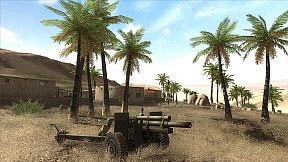
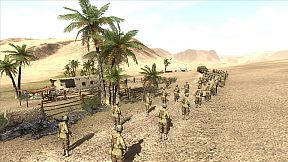
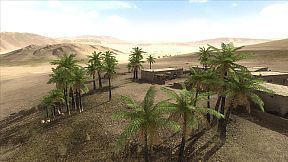
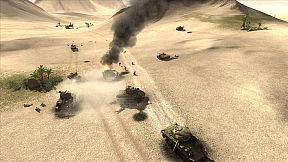
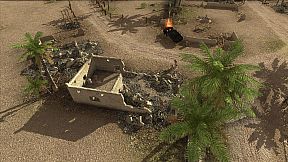
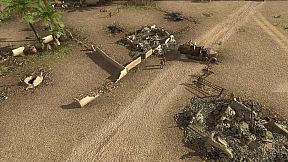
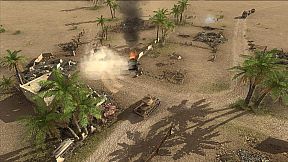
Theatre of War 2: Africa 1943 is a strategy simulation game set during the final phase of the North African campaign in World War II. Players take command of forces in the Tunisian theater of 1943, directing either the Axis push led by the Afrika Korps or the Allied effort to clear the continent. The title emphasizes realistic unit interactions, terrain effects, and command decisions across infantry, vehicles, and support elements in a real-time environment.
Gameplay
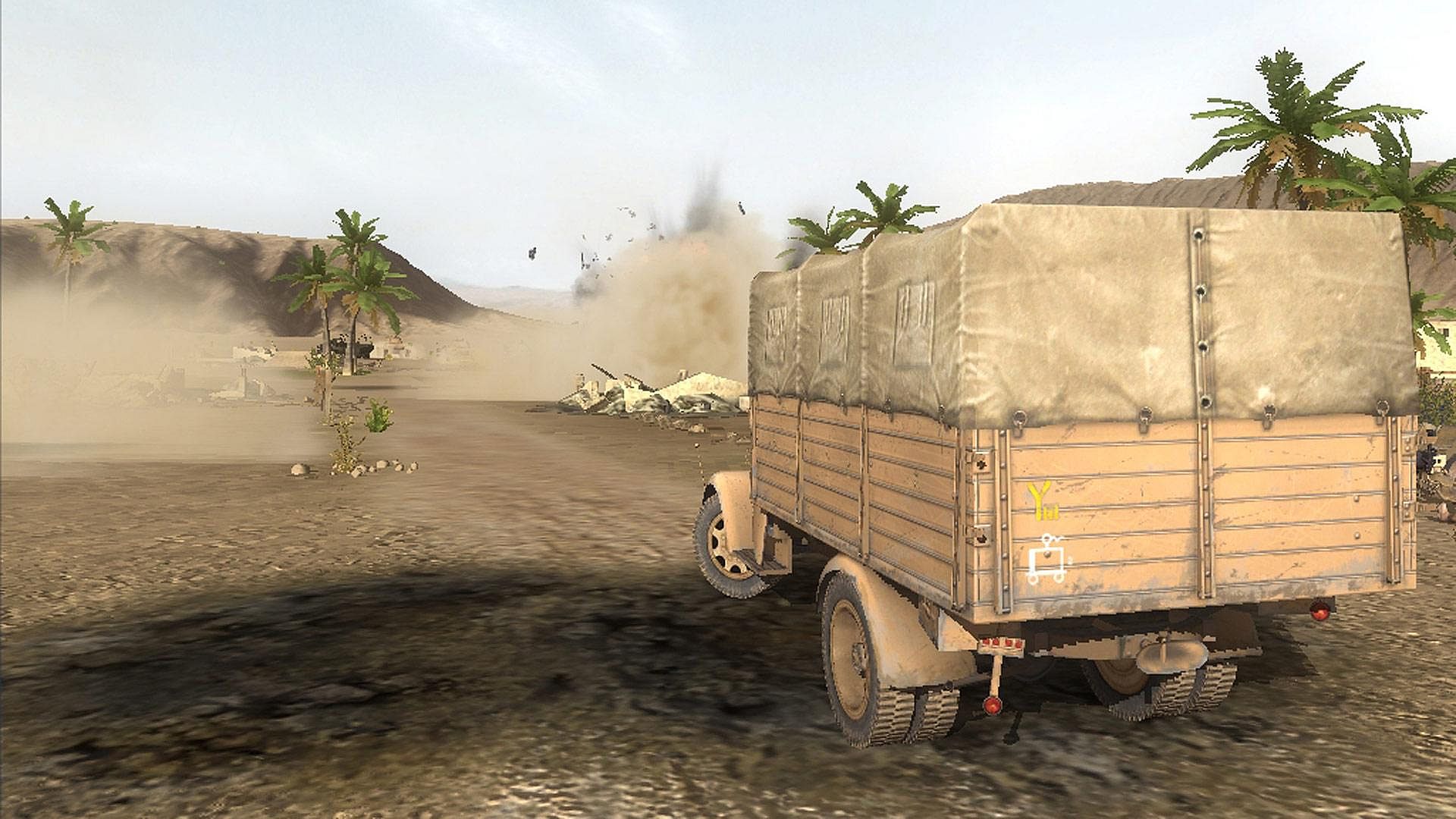
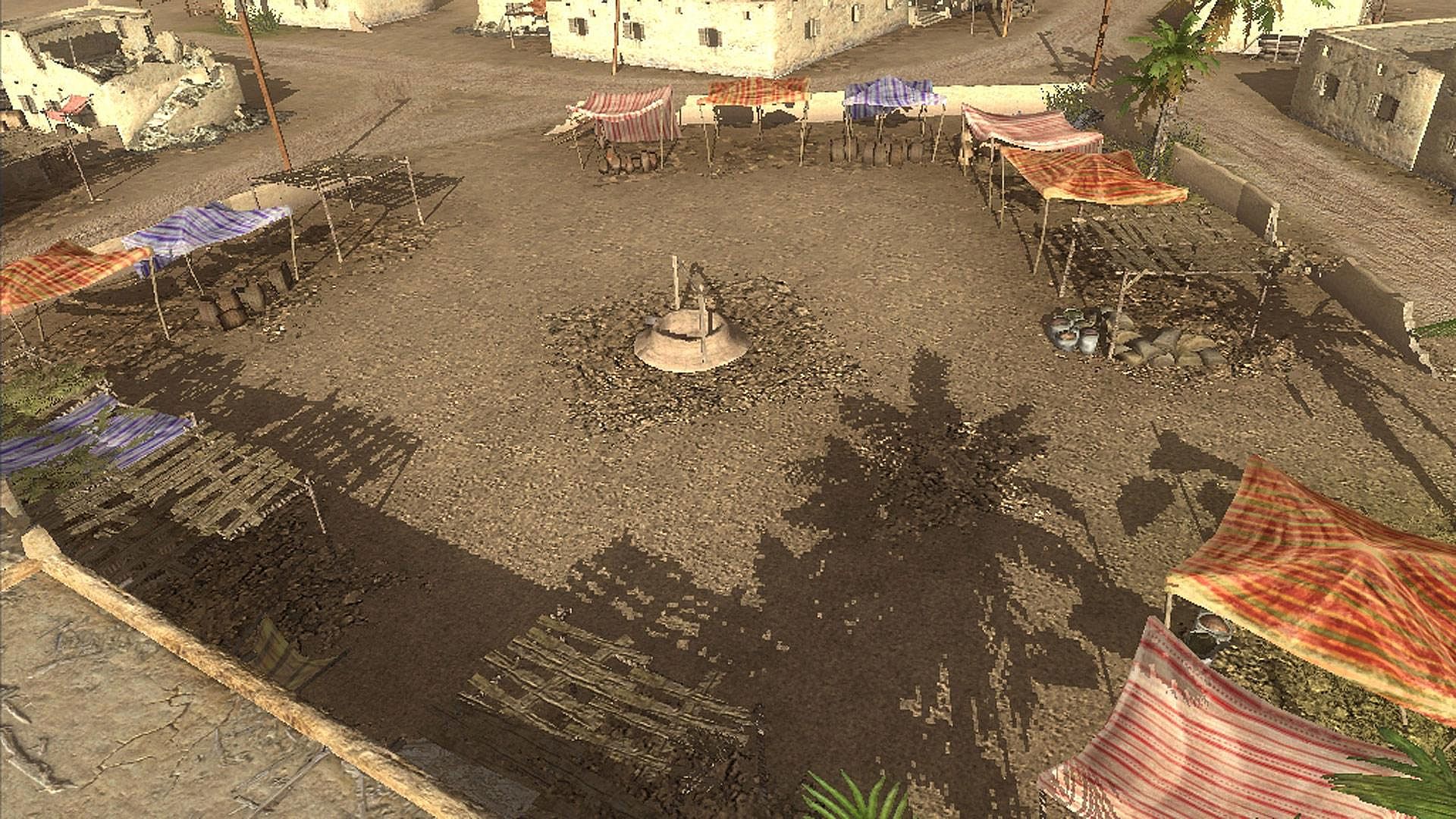
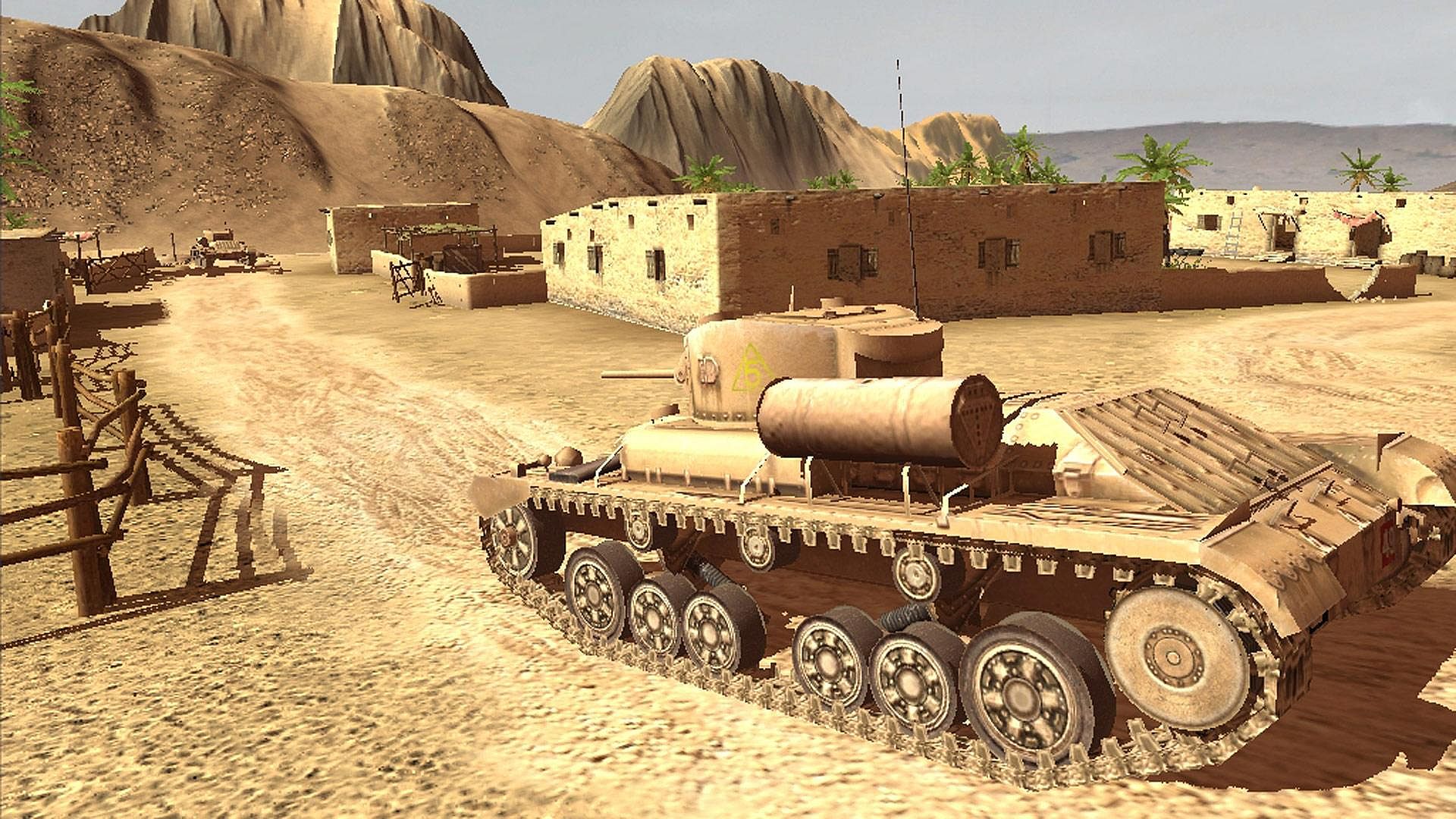
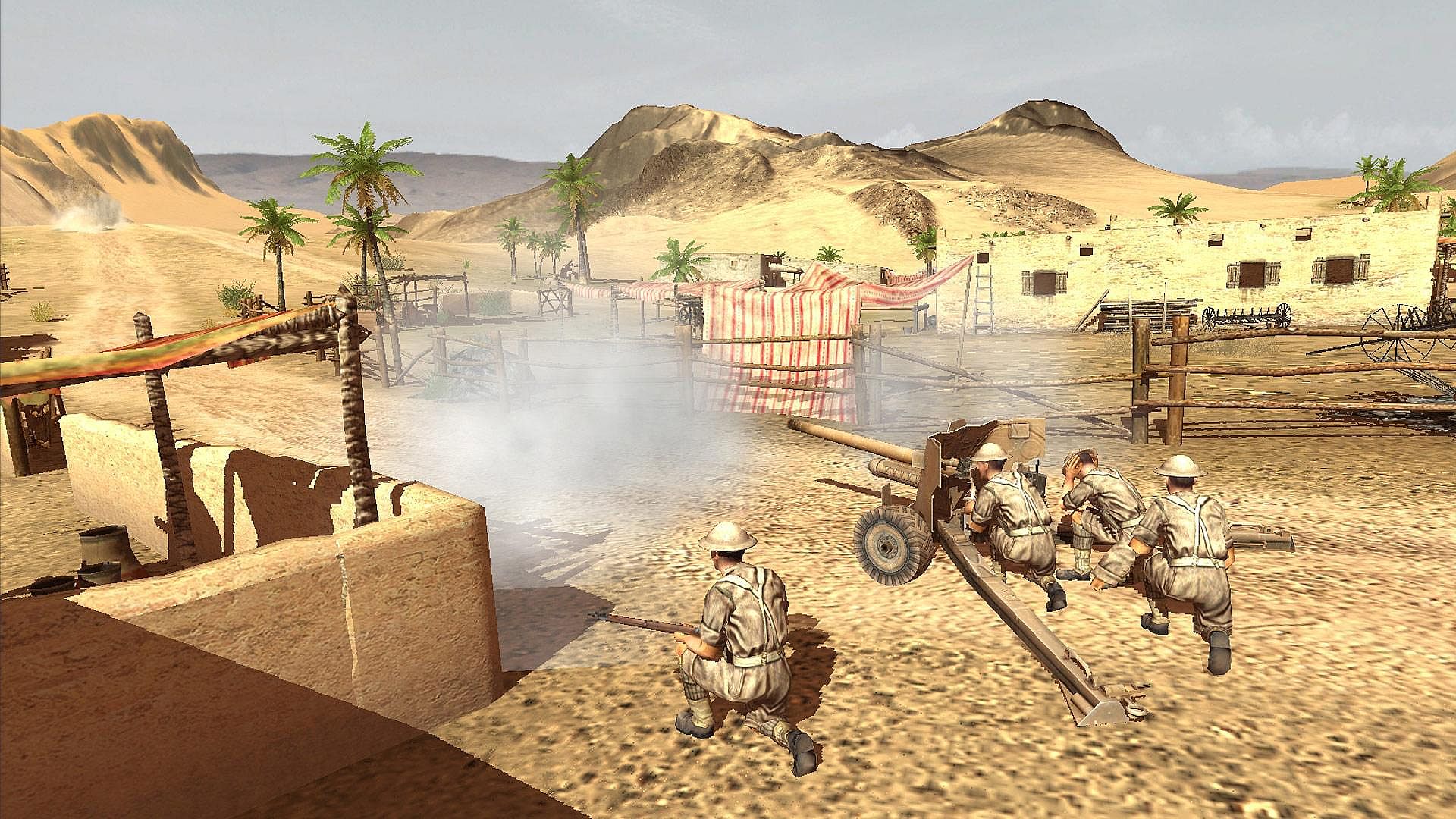
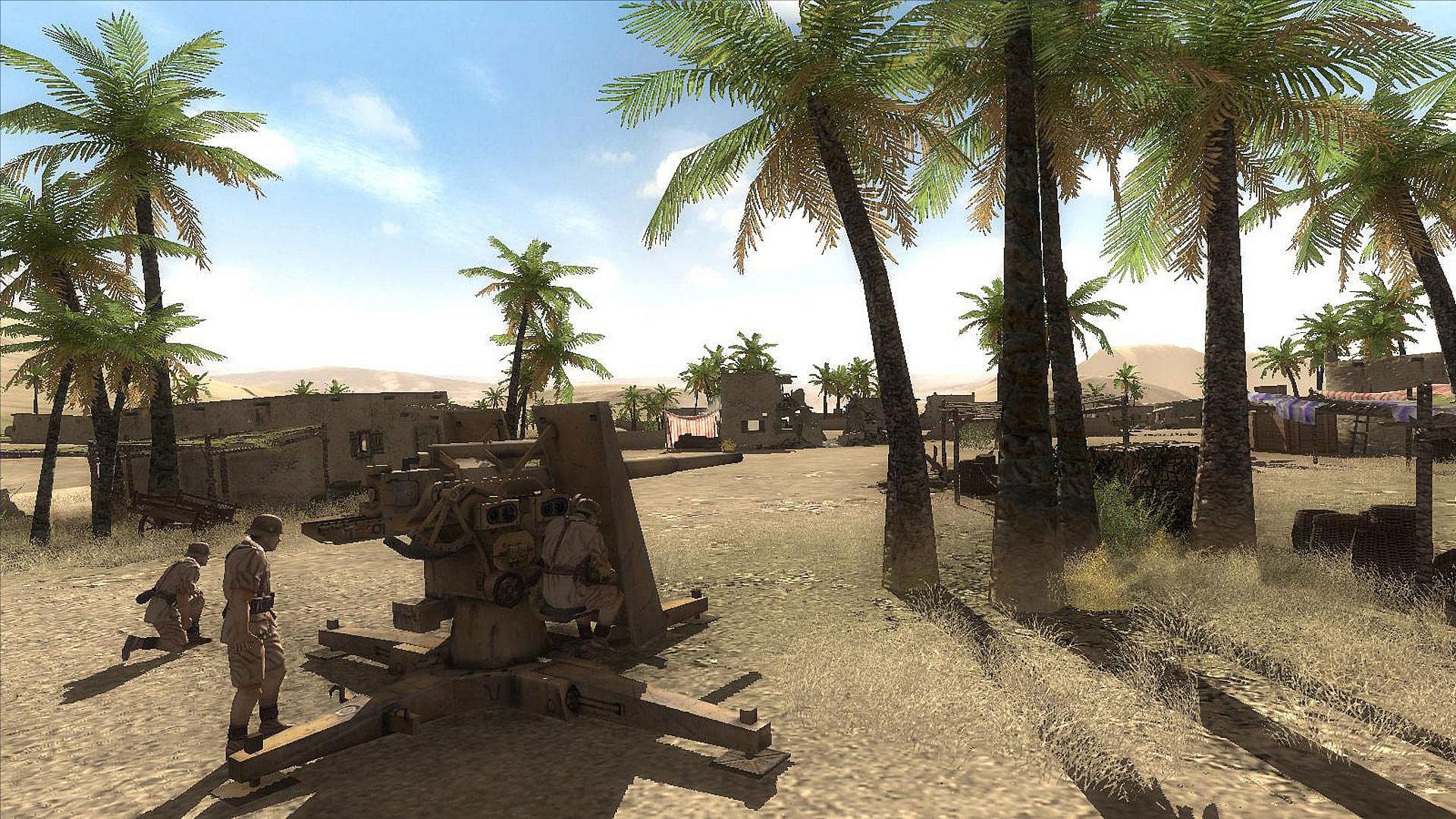
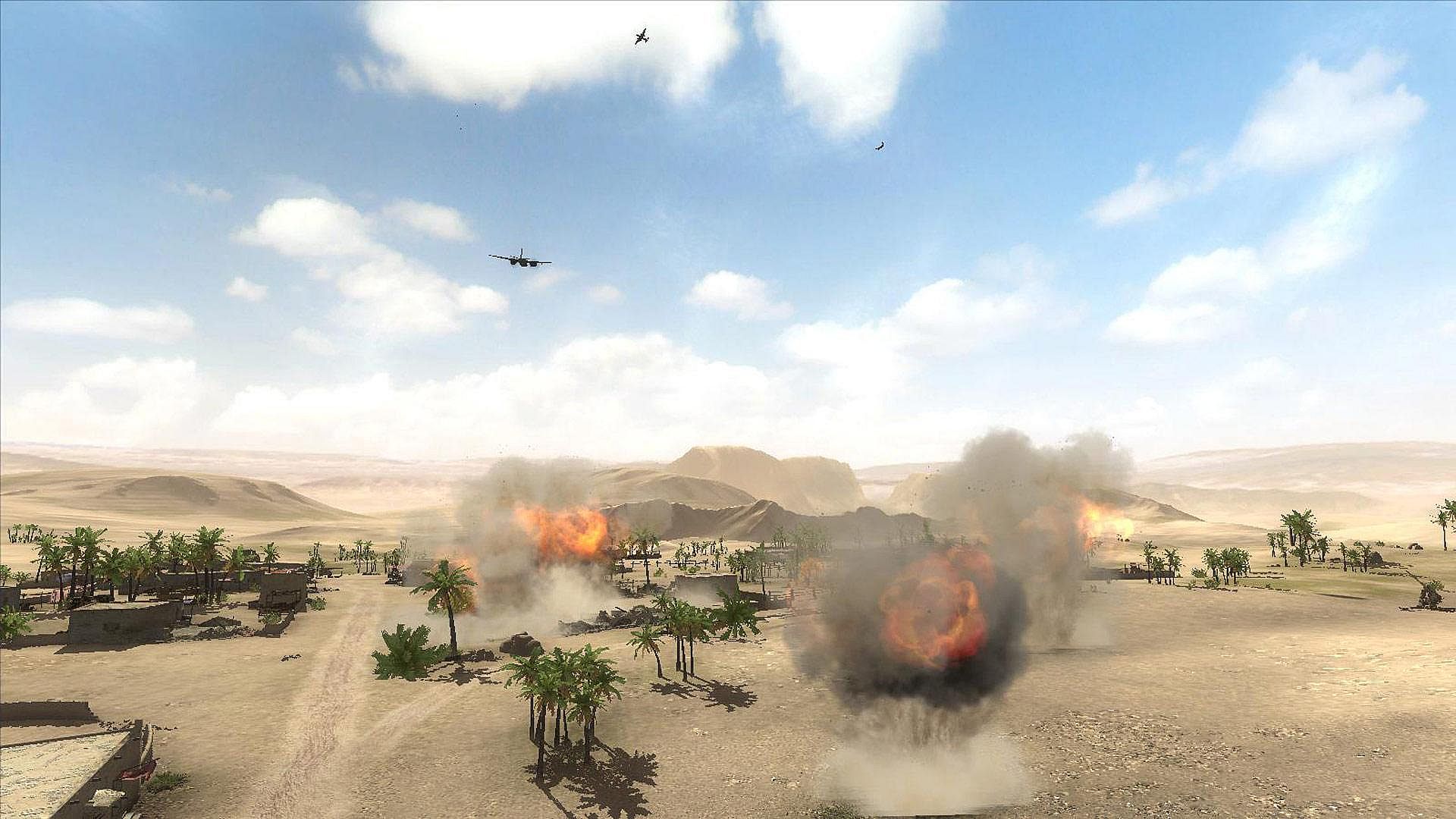
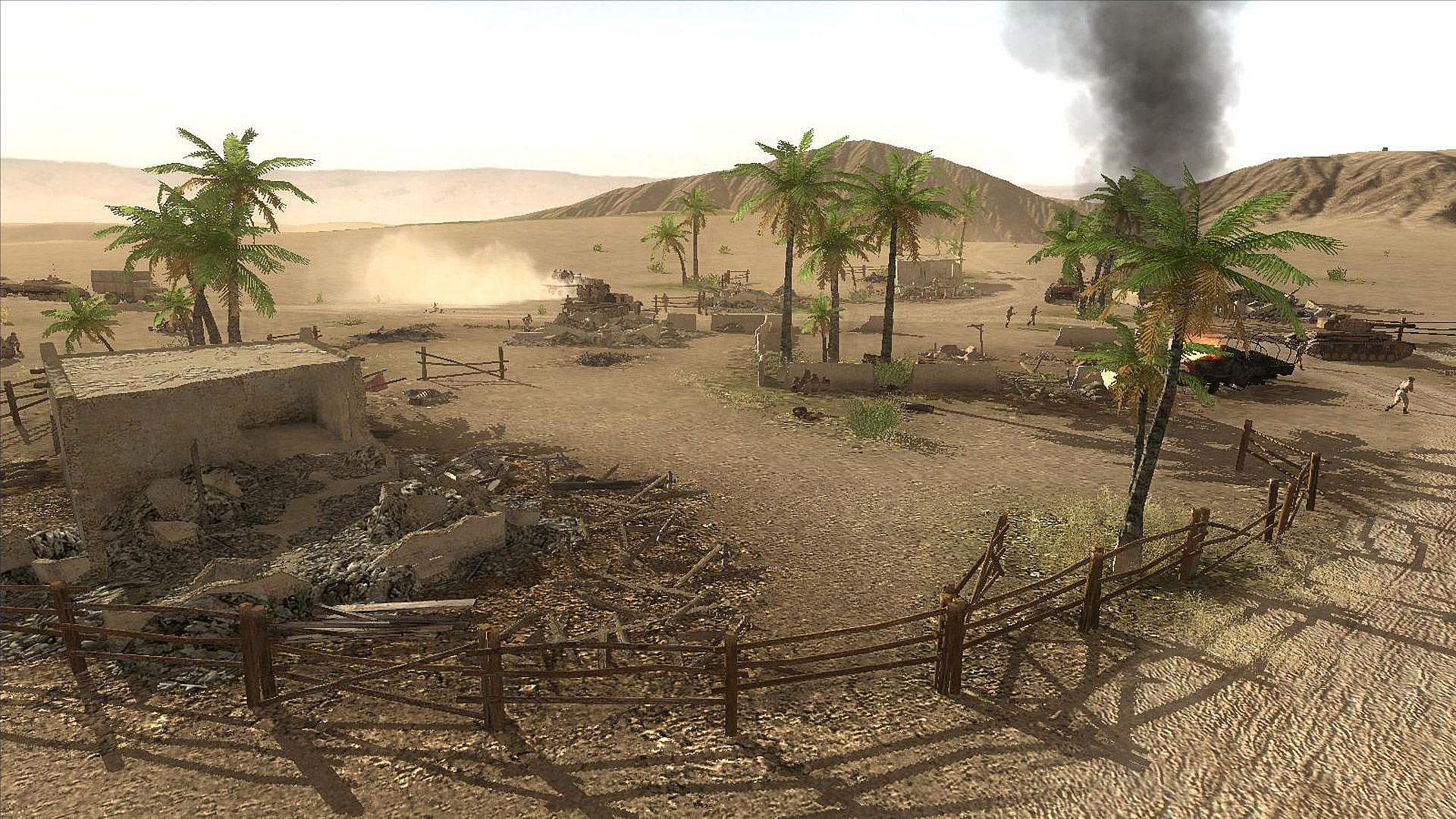
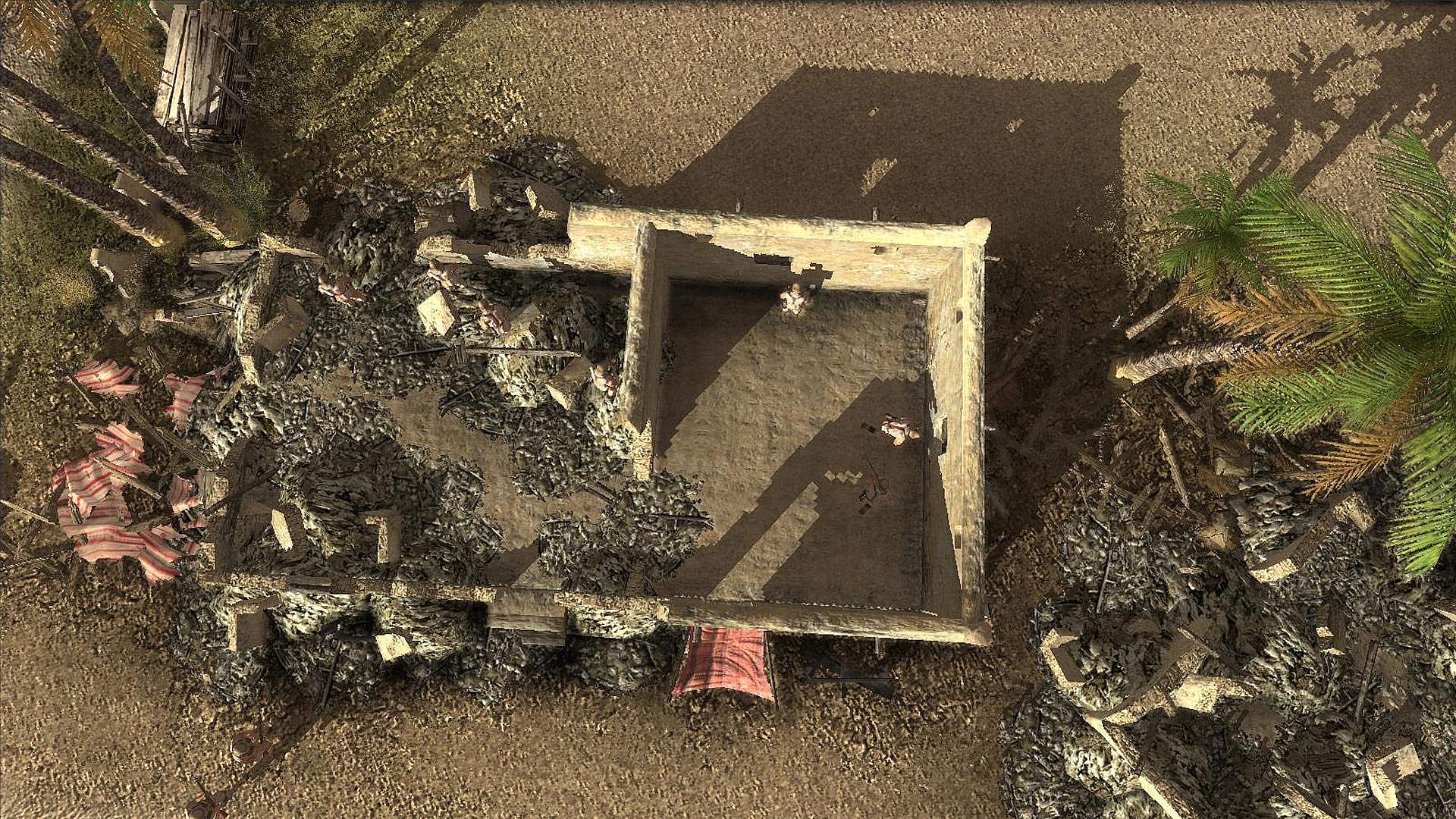
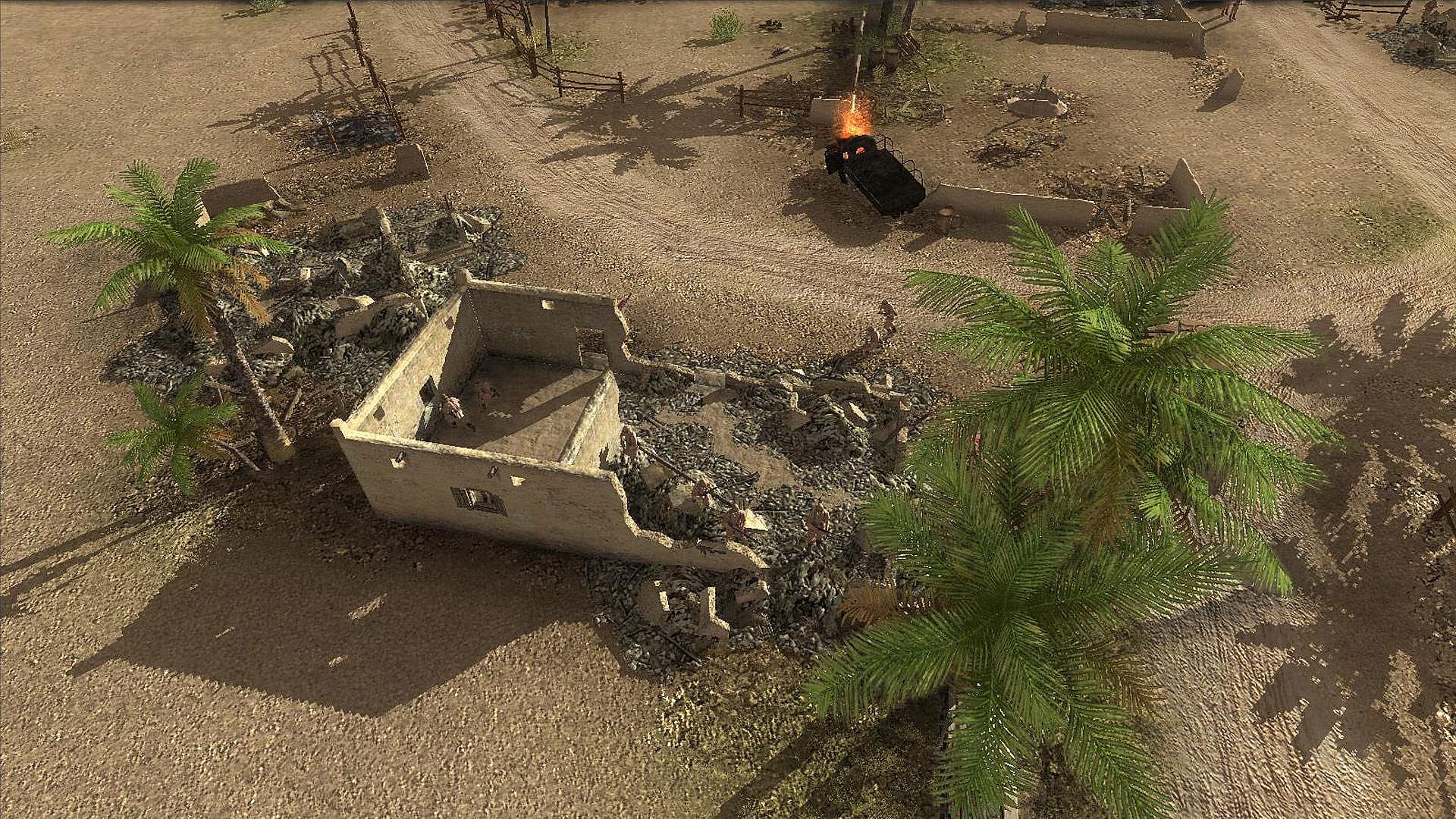
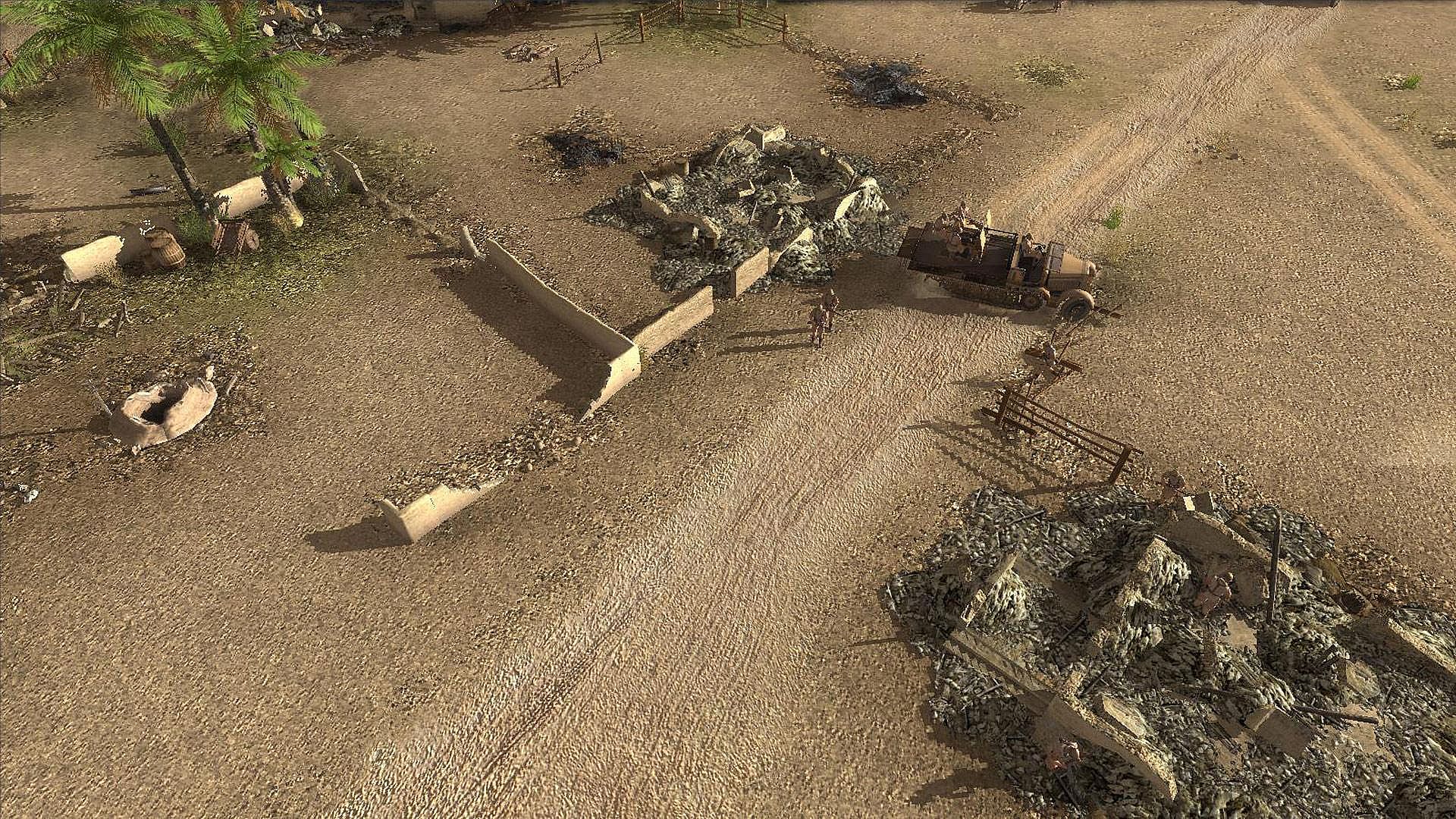
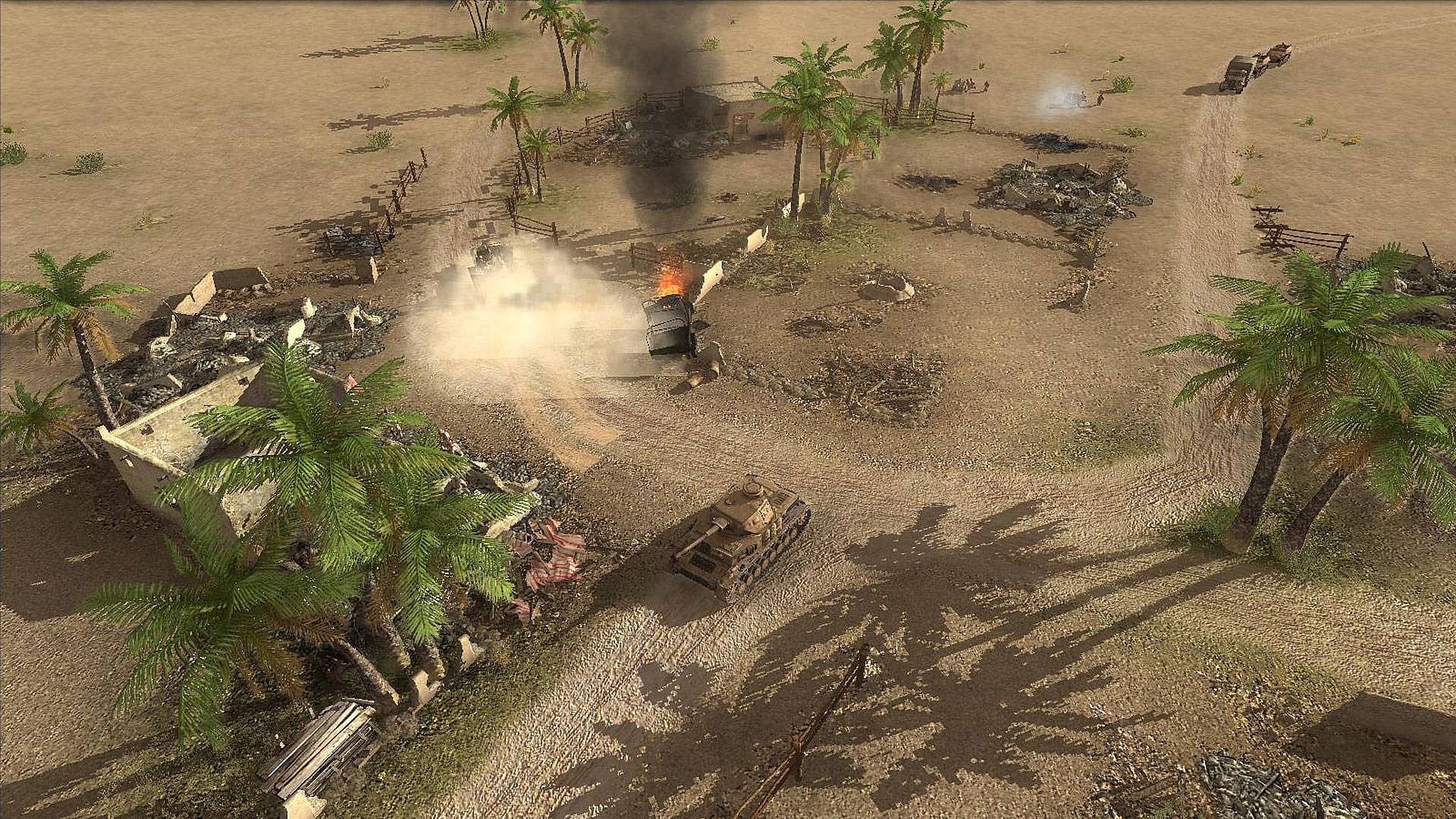
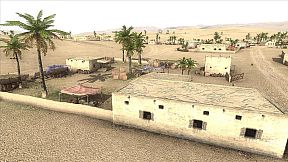
Core mechanics revolve around real-time command of mixed units on detailed battlefields that include urban areas, open desert, and defensive positions. Infantry engages in close-quarters fighting inside buildings and conducts hand-to-hand combat when positions close. Vehicles range across more than fifty types, from tanks and trucks to anti-aircraft platforms that players can operate directly against aerial threats. Smoke screens obscure lines of sight, while a visual spotting system factors in observation angles and environmental cover to determine detection ranges.
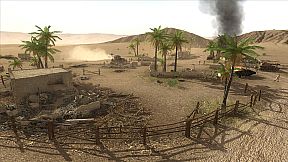
Defensive setups allow pre-battle placement of trenches, sandbags, roadblocks, and barbed wire to shape engagements. Unit formations provide tactical control options, and soldier artificial intelligence handles independent cover-seeking and ammunition sharing for heavy weapons. An improved damage model tracks injuries across body parts for infantry, leading to varied combat outcomes. The interactive tactical map supports overview planning and coordination during missions.
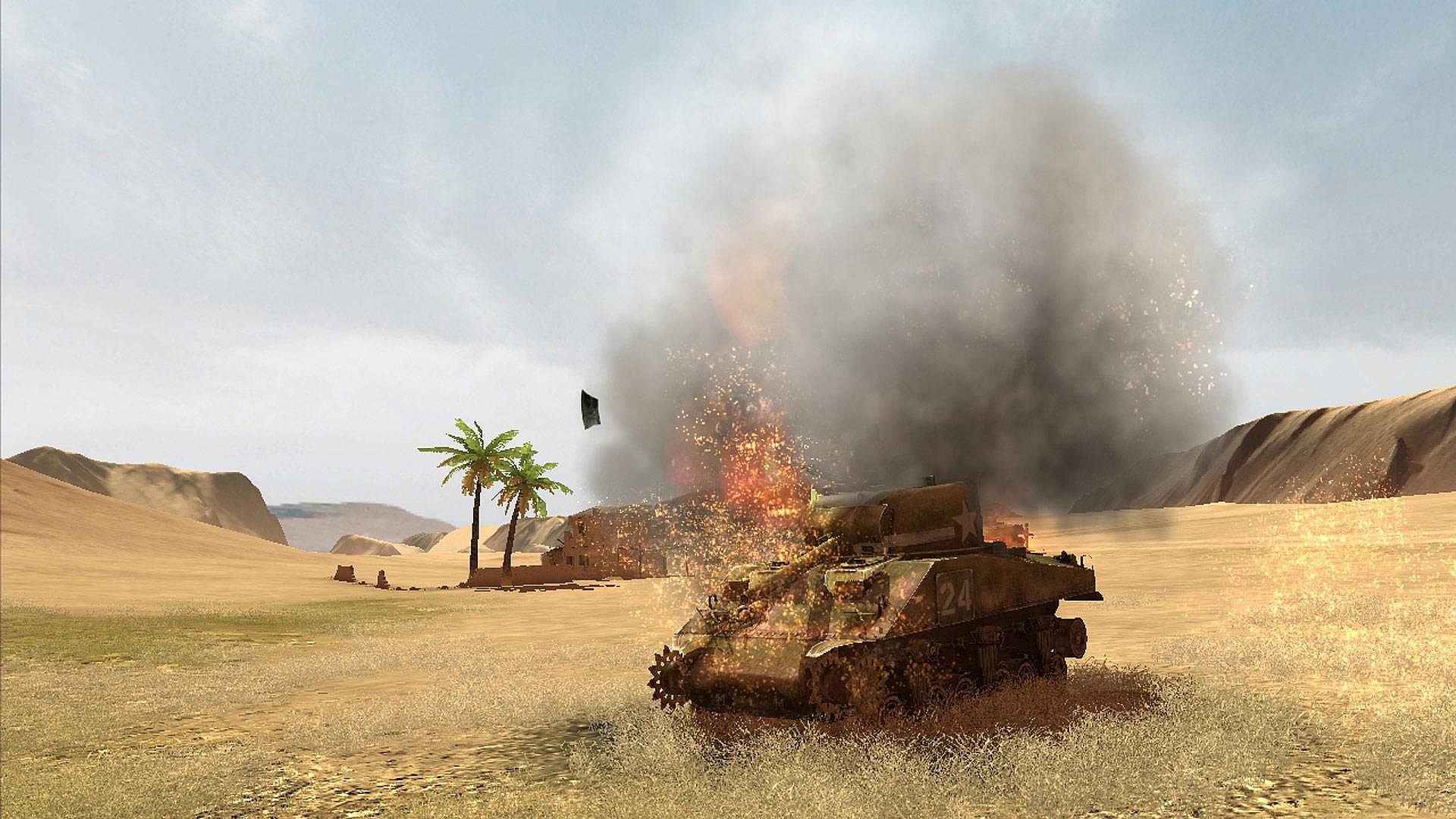
Visual and audio updates include revised soldier and vehicle models, new sound effects, music, and explosion animations that enhance the sense of scale in larger clashes. These elements combine to create a simulation focused on positioning, timing, and resource management rather than rapid unit production.
Game Modes
The primary experience consists of fifteen missions divided into three separate campaigns. One follows the German and Italian forces under Rommel, while the others place players in command of British and American units attempting to expel Axis troops from Tunisia. Key historical actions represented include the battles around Kasserine Pass, Sidi Bou Zid, Sbeitla, and Tebessa.
A mission editor enables creation of custom scenarios using the available maps, units, and environmental features. This tool supports experimentation with different force compositions and objectives beyond the preset campaigns. An online server browser facilitates connection to multiplayer matches, though options remain limited compared to dedicated skirmish systems in other titles.
Campaign Structure and Historical Context
Each campaign presents a sequence of linked missions that reflect the shifting momentum of 1943 operations in North Africa. Axis players manage a reinforced Afrika Korps supported by Italian units in an attempt to regain initiative after earlier setbacks. Allied campaigns focus on coordinated advances by British and American formations to secure the region. Mission variety incorporates urban clearing actions, defensive stands, and mobile engagements across varied terrain.
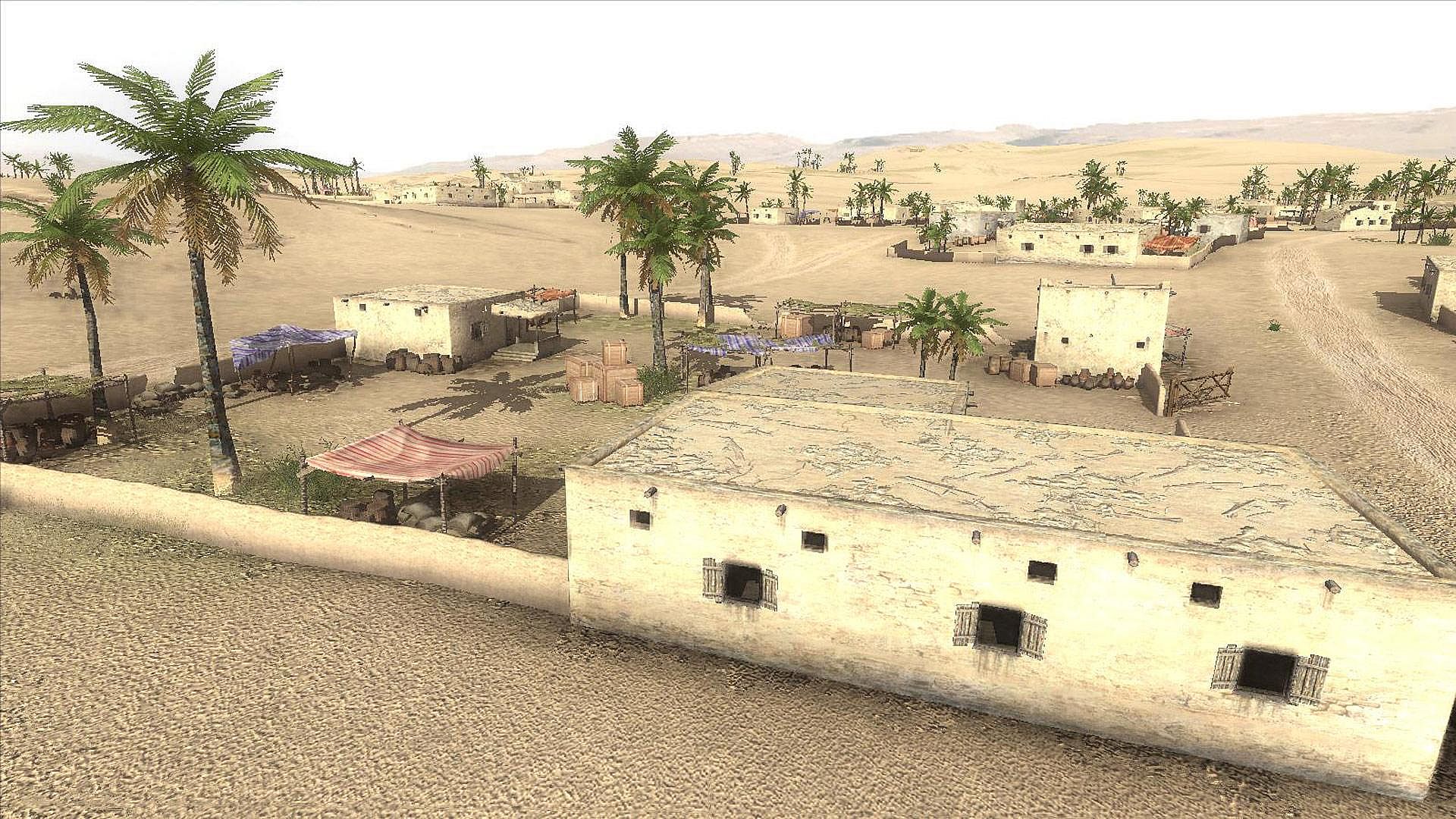
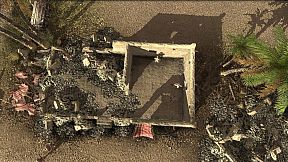
The structure rewards careful preparation and adaptation to enemy movements, with fortifications and smoke deployment playing recurring roles in successful defenses or breakthroughs. Over thirty unique building types populate the environments, adding verticality and cover options during house-to-house sequences.
Is It Worth Playing?
Player feedback on Steam rates the game as Mostly Positive based on more than two hundred reviews. Many highlight the attention to historical detail, unit variety, and the satisfaction of executing complex maneuvers with the available tools. Others note the slower pace and dated interface as factors that may not appeal to those seeking faster-paced strategy experiences.
The title suits players interested in deliberate, simulation-style command of World War II forces where terrain, line of sight, and unit capabilities determine outcomes. Its age means no ongoing updates or seasonal content, yet the core systems remain intact for single-player campaign runs or custom scenario creation. Those drawn to detailed infantry and vehicle interactions in the Tunisian setting will find substantial depth in the verified mechanics and mission content.