

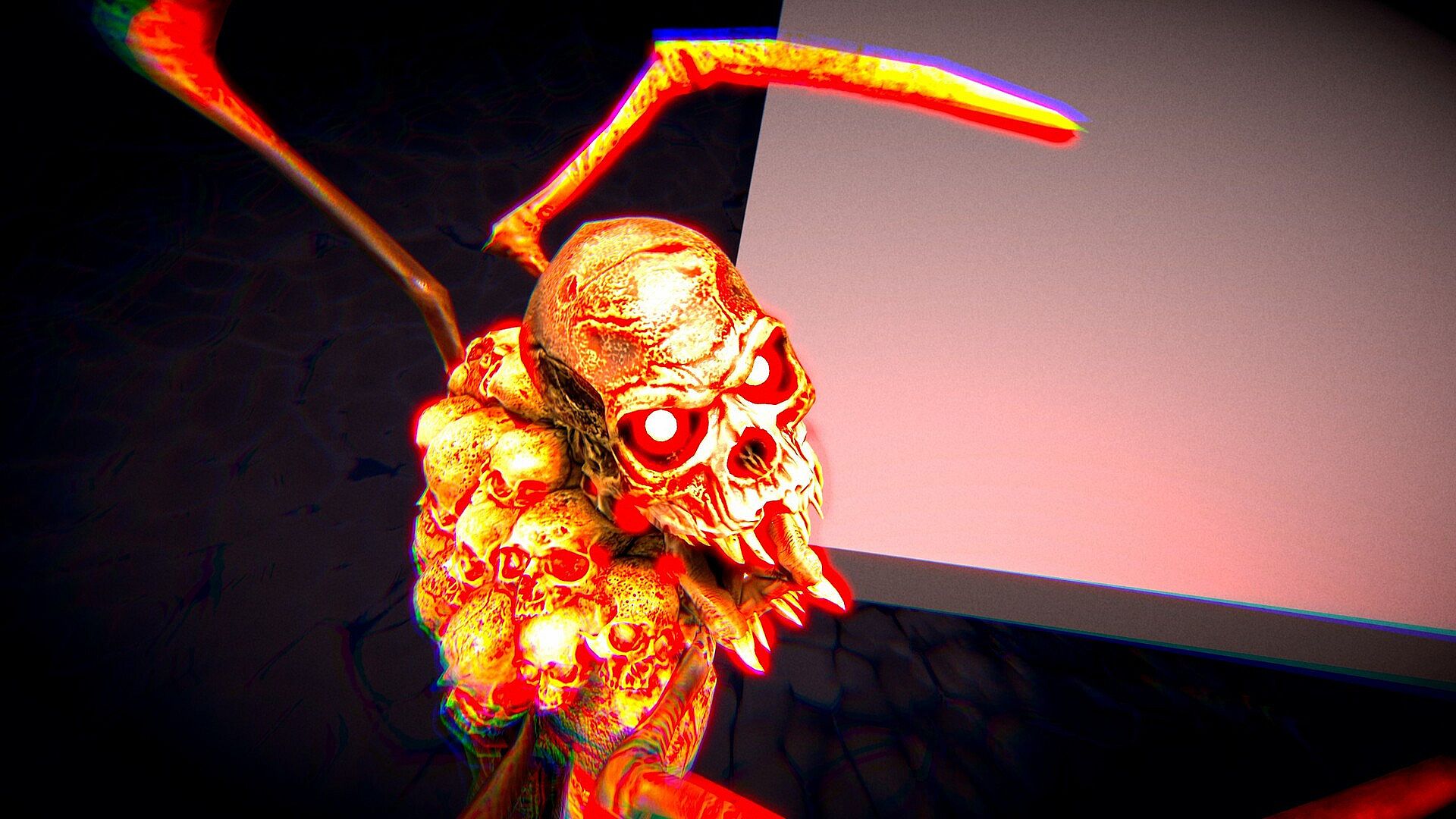
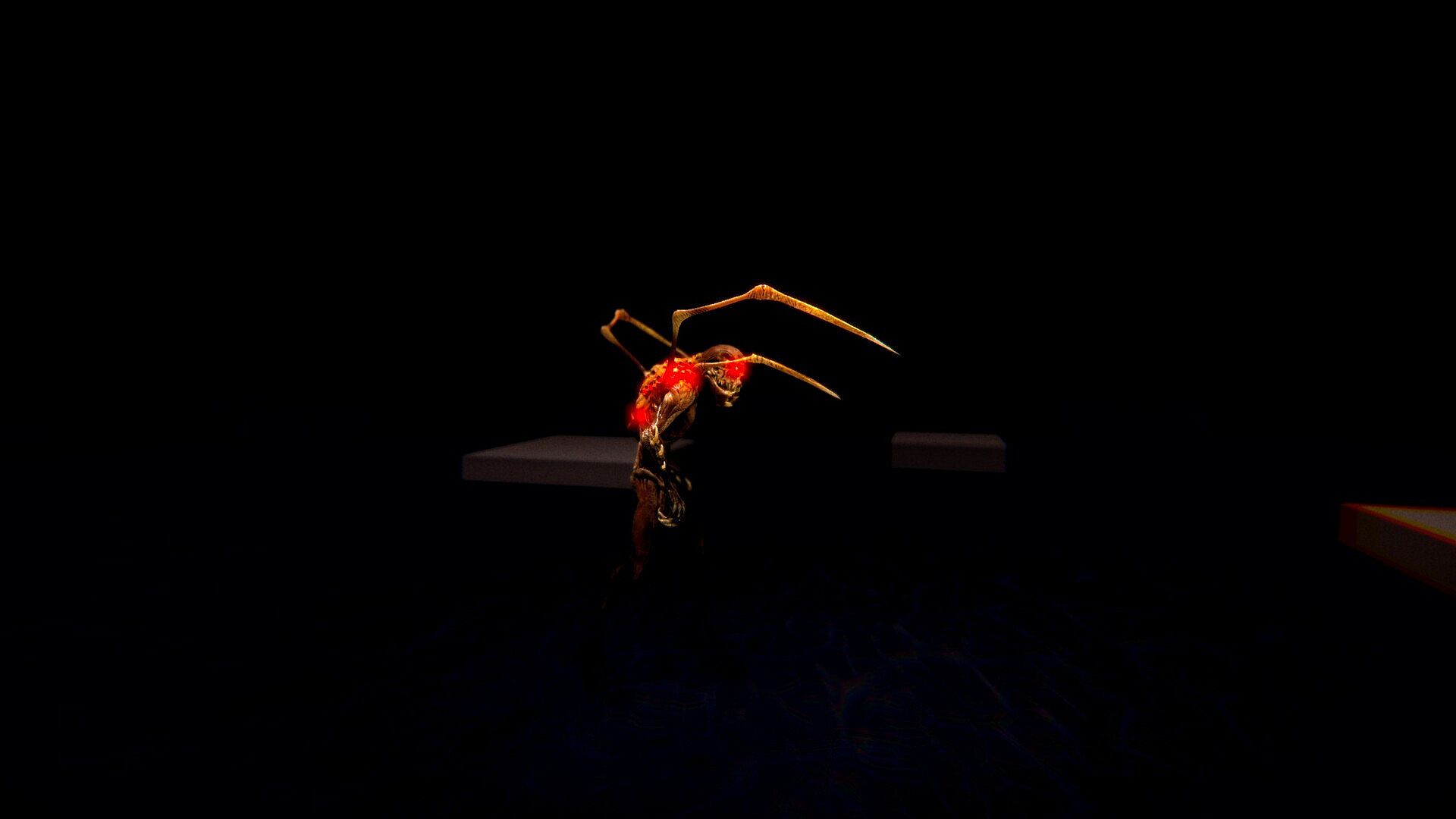
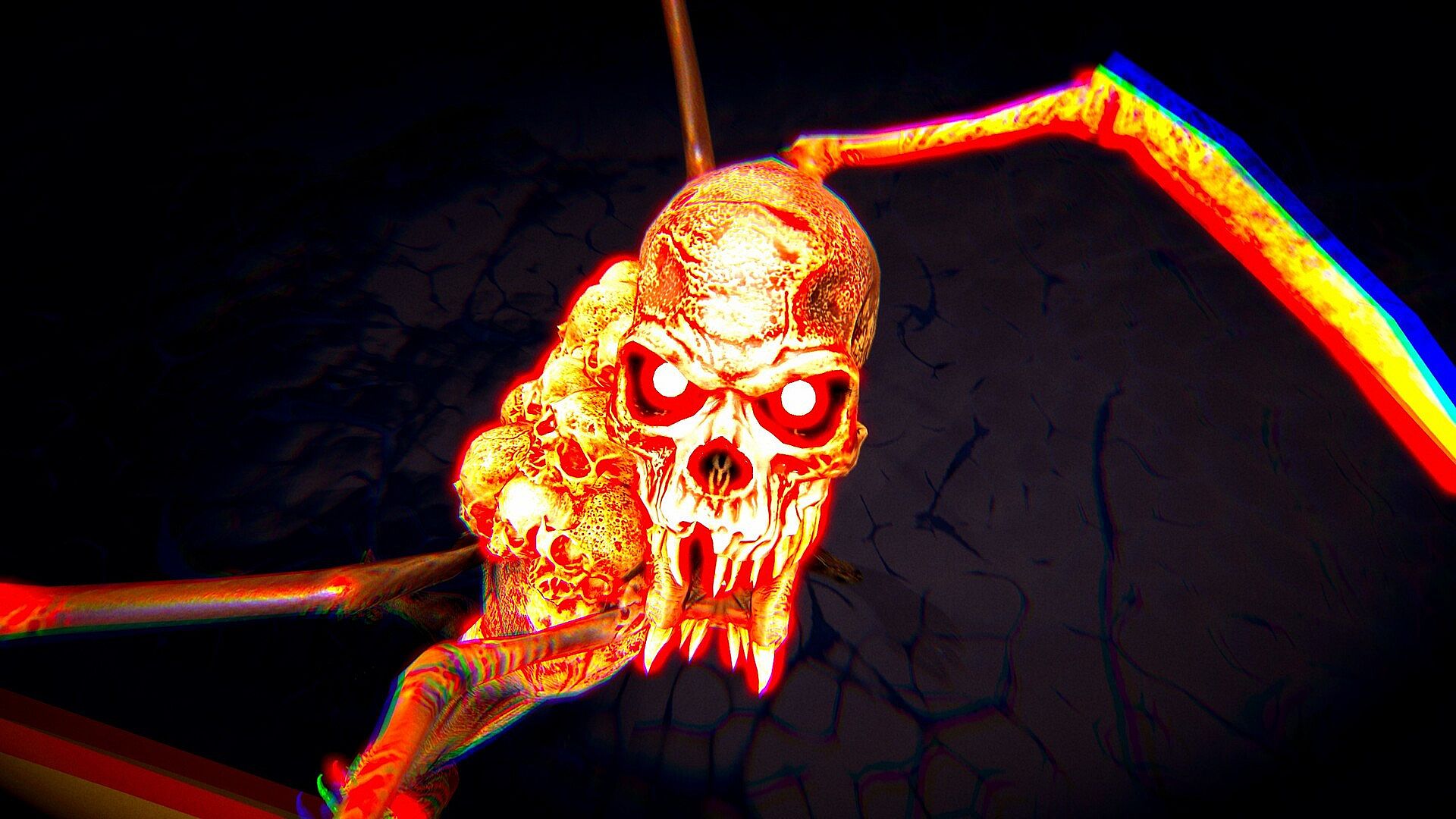
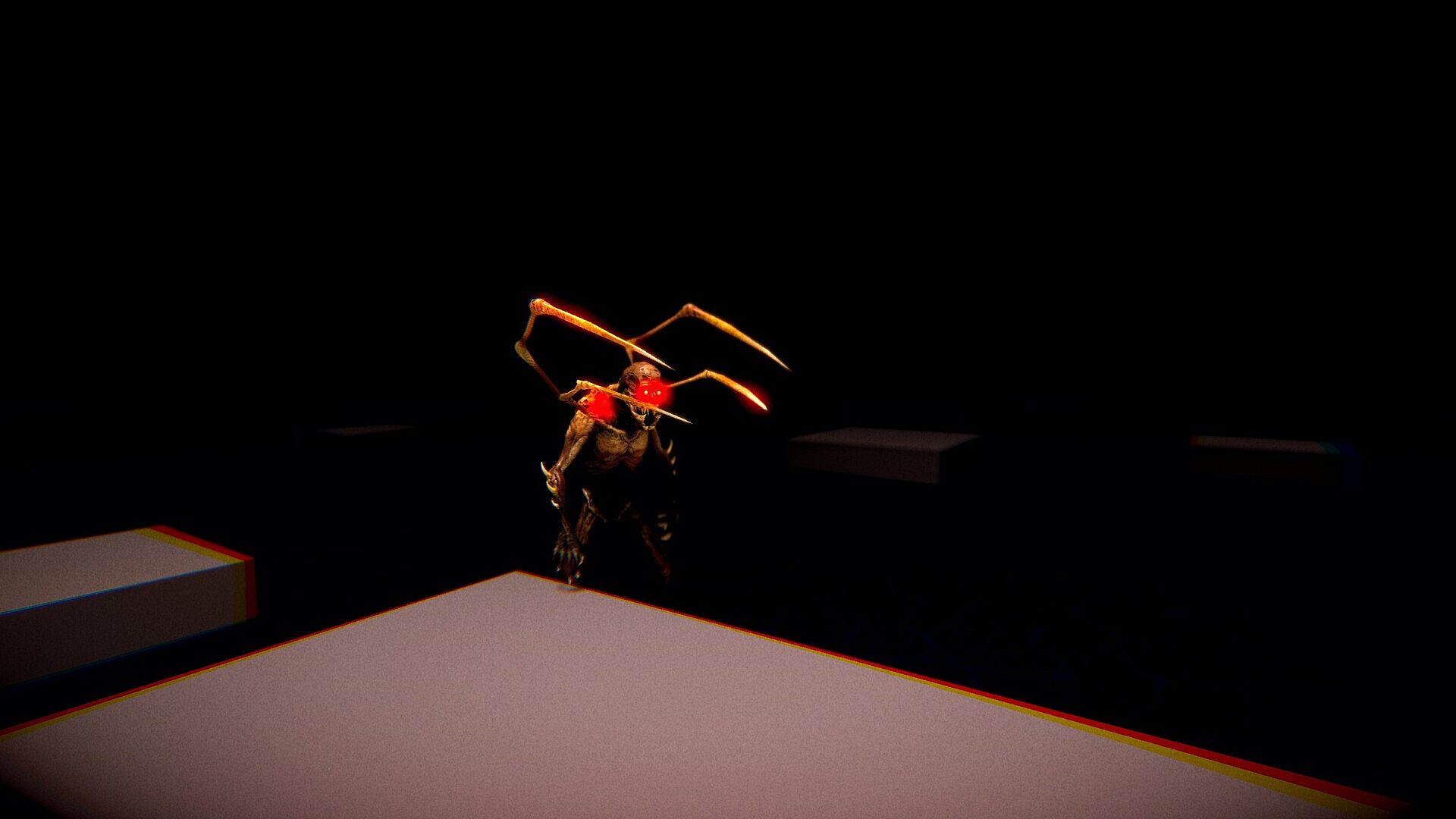
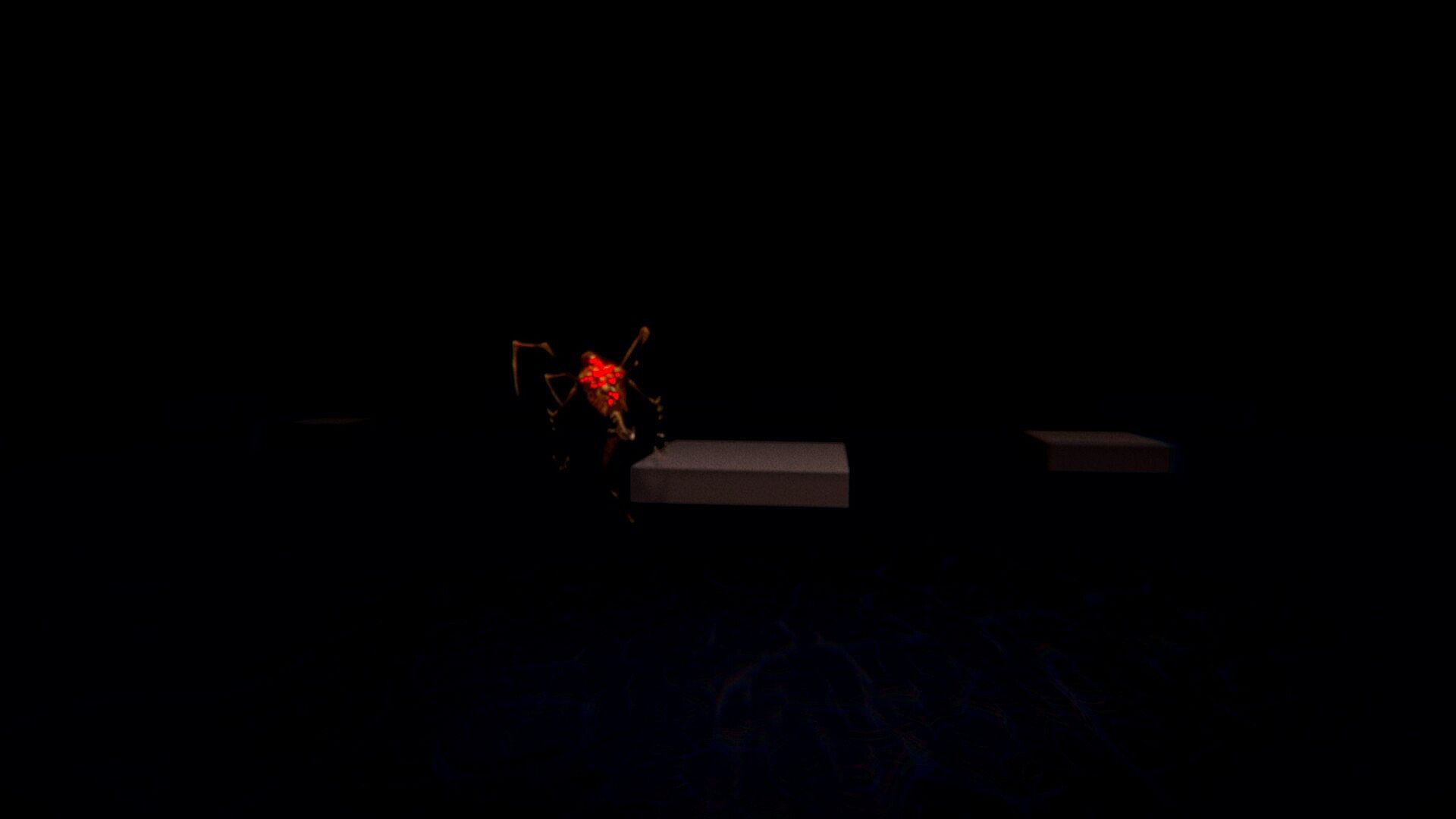





The Water Listens is an indie co-op horror game built around the tension of moving through water without alerting a pursuing monster. Players navigate dark, flooded environments where every step or splash carries sound that can draw the creature closer. The experience centers on careful timing, distraction tactics, and group coordination rather than direct confrontation or combat.
Gameplay
Sound travels through water in this title, turning simple movement into a calculated risk. Players must decide when to advance across open stretches, when to pause on dry ground, and when to create diversions. A thrown stone produces a splash that can pull the monster's attention in another direction, opening a brief window to cross safely. The audio cues matter as much as visual ones, since hearing the creature approach signals an immediate need to stop or redirect its path.
Teamwork forms the backbone of survival. One player's actions can either expose the group or create opportunities for others to reposition. When the monster grabs a teammate, the remaining players have a short window to intervene with a well-aimed stone throw that breaks the hold. Dry patches provide momentary relief, yet they never serve as permanent cover because the overall situation grows more urgent over time. The loop rewards patience and communication over speed or aggression.
Game Modes
The core experience revolves around cooperative sessions where up to several players share the same space and must manage collective noise levels. Sessions emphasize shared decision-making about movement order, distraction placement, and rescue timing. The structure keeps everyone engaged through overlapping responsibilities rather than separate roles or competitive elements. Progression comes from learning the monster's patterns and refining group strategies across repeated attempts in the same environments.
Core Mechanics and Tension
Water acts as both pathway and hazard. Crossing it generates audible signals that the monster tracks, forcing players to weigh the benefit of forward progress against the cost of increased exposure. Stones serve as the primary tool for manipulation, allowing indirect control over the creature's path without requiring line of sight or direct engagement. The balance between staying still and risking motion creates constant pressure that builds as sessions extend.
Communication between players becomes essential for success. Teammates can call out the monster's location or coordinate simultaneous movements to minimize overlapping noise. The limited time on safe ground pushes the group to re-enter the water before conditions worsen, adding a layer of urgency that prevents prolonged waiting. These systems combine to make each crossing feel distinct based on prior choices and current positioning.
Is It Worth Playing?
This game suits players who enjoy cooperative stealth horror focused on sound and positioning rather than action or exploration. The mechanics reward groups that communicate clearly and time their actions together, making it a strong fit for friends seeking a shared challenge. Sessions emphasize careful observation and quick reactions over individual skill, so the experience shines most when played with consistent teammates. Those who prefer tense, audio-driven survival without heavy combat or complex progression systems will find the core loop engaging. Availability on PC supports straightforward access for multiplayer groups looking for a focused co-op title centered on these specific risks and decisions.