




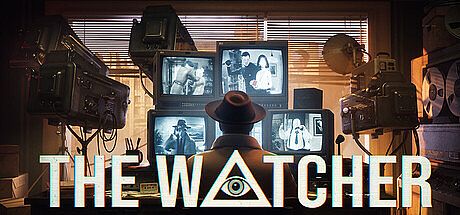


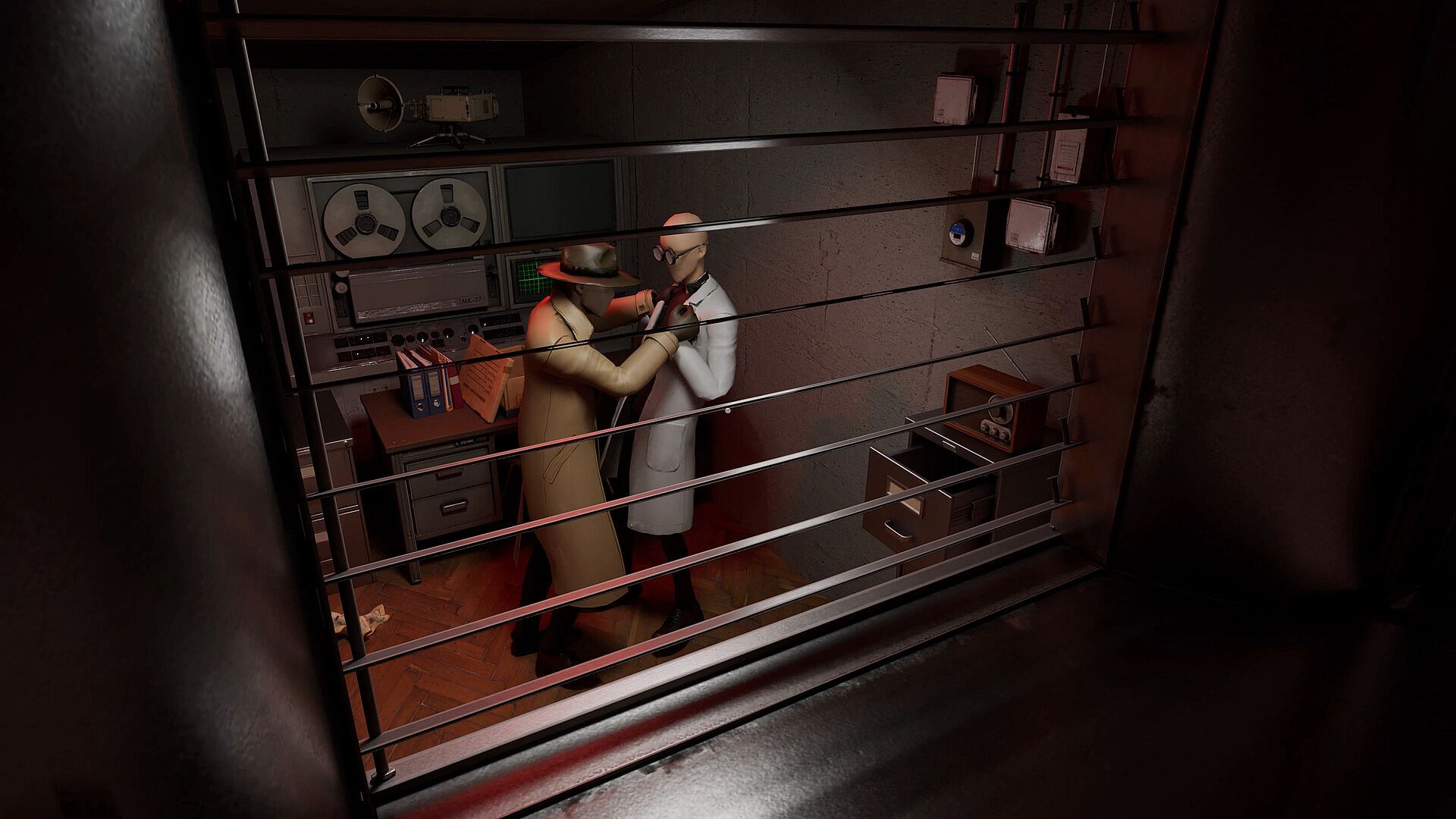
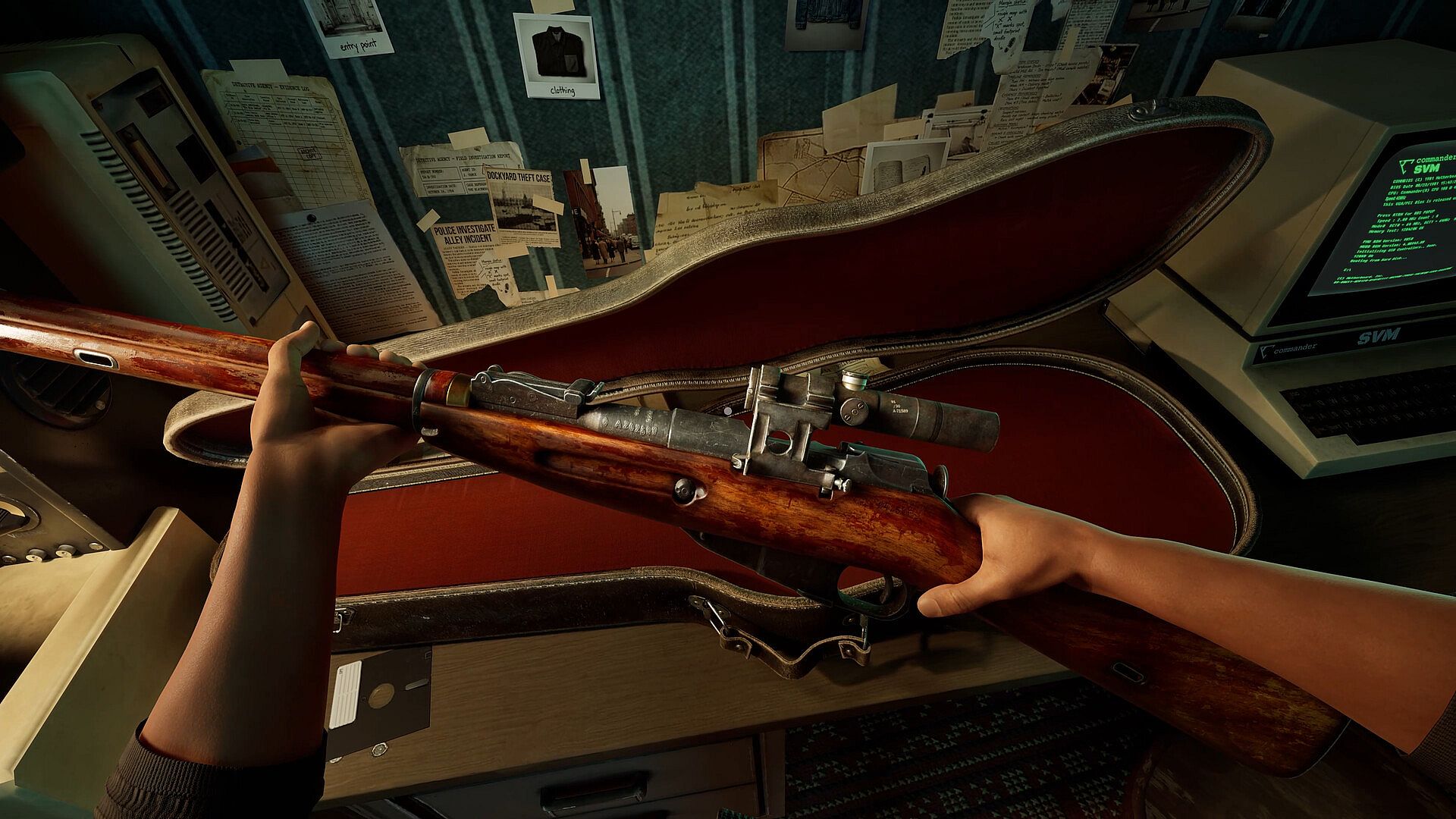
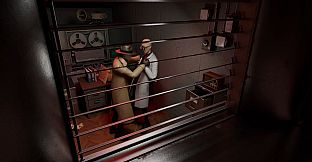
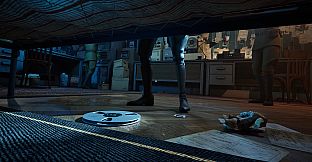
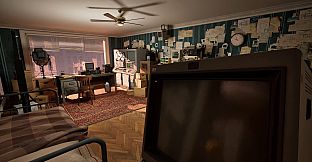
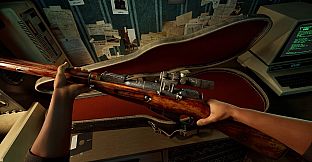
The Watcher is an indie simulation and adventure game that places players in the role of a surveillance operative monitoring residents in a mysterious apartment building. Set against the backdrop of a totalitarian regime, the experience revolves around observation, evidence collection, and moral decision-making in a single-player format on PC.
Gameplay
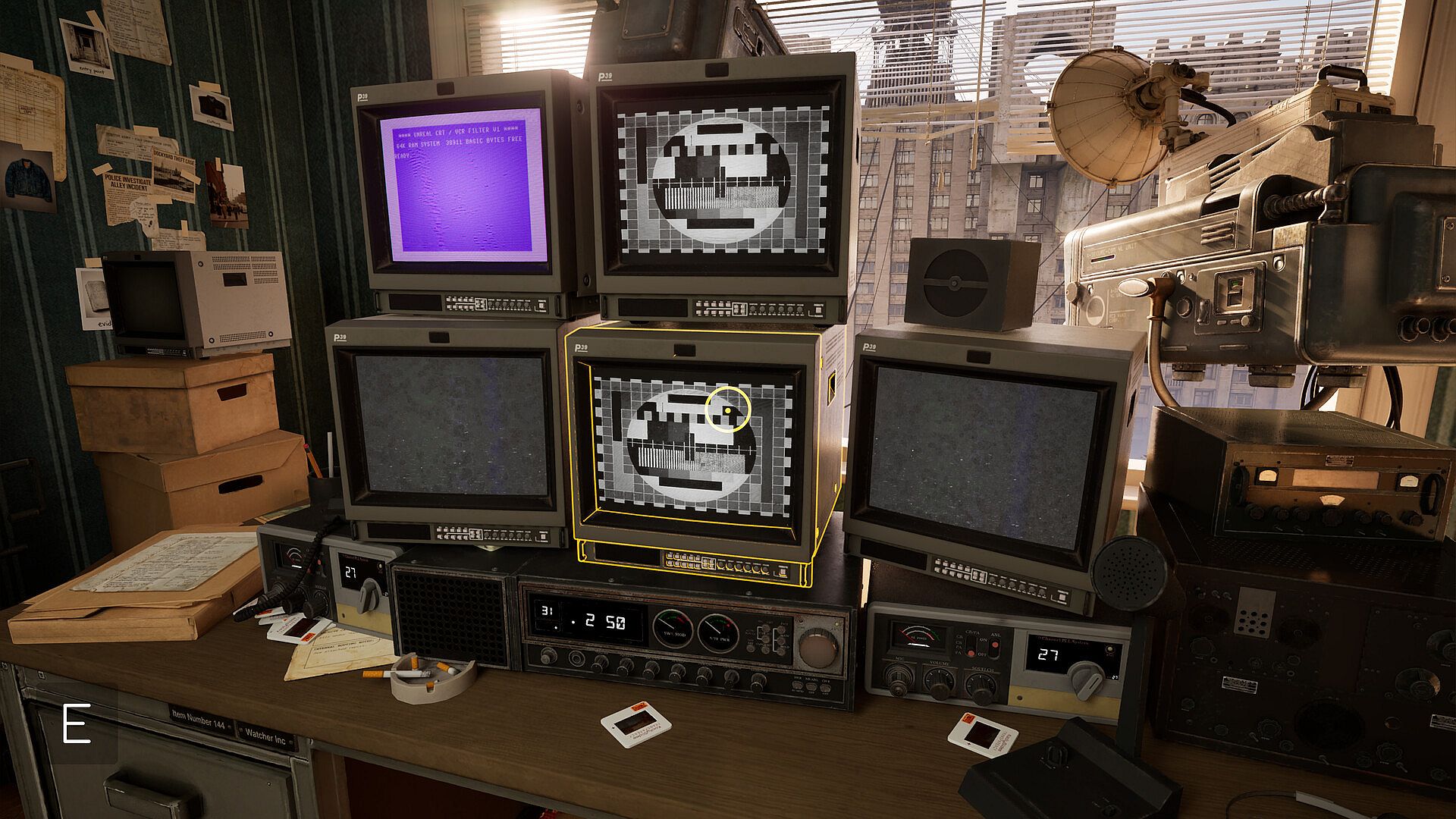
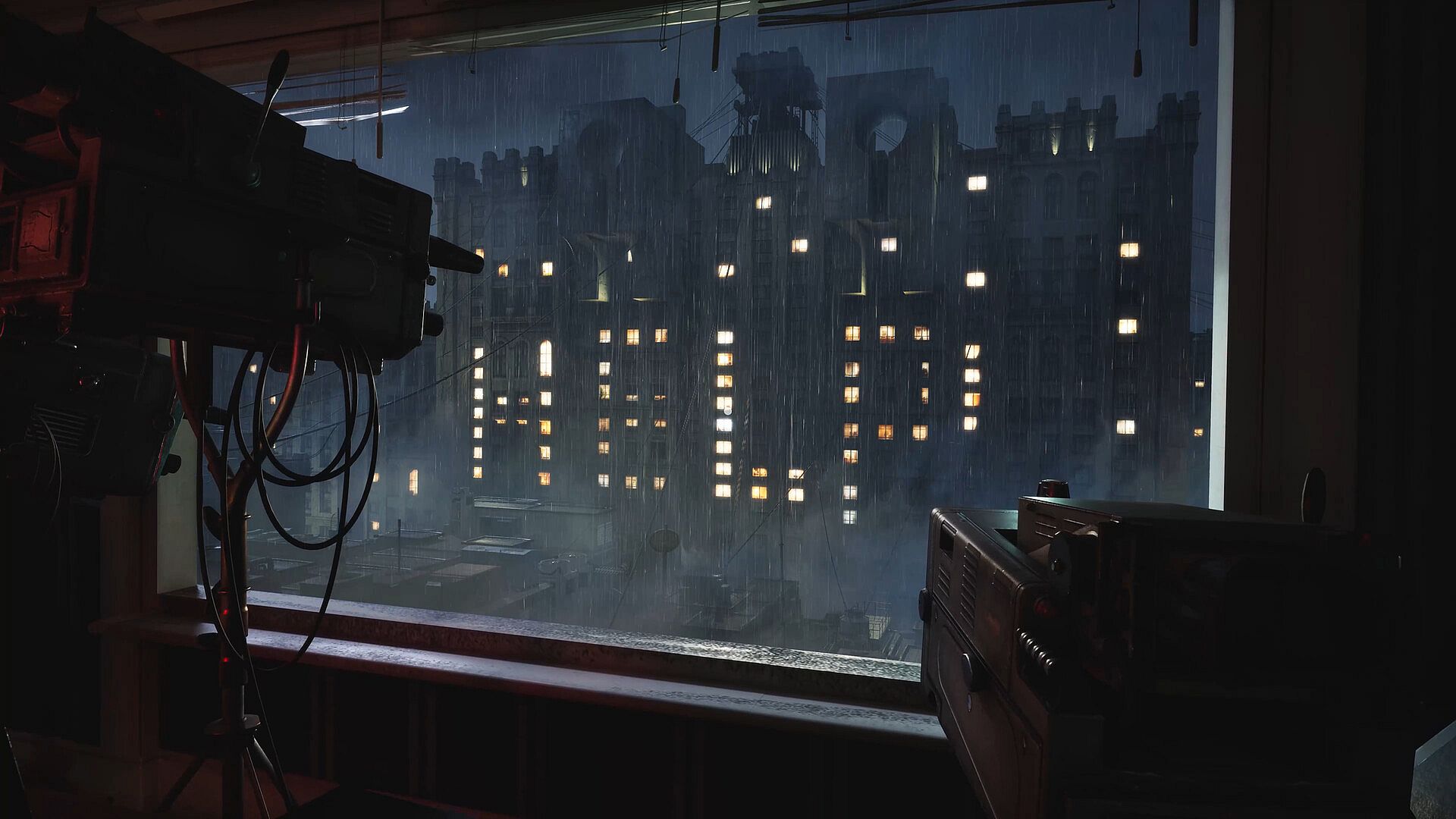
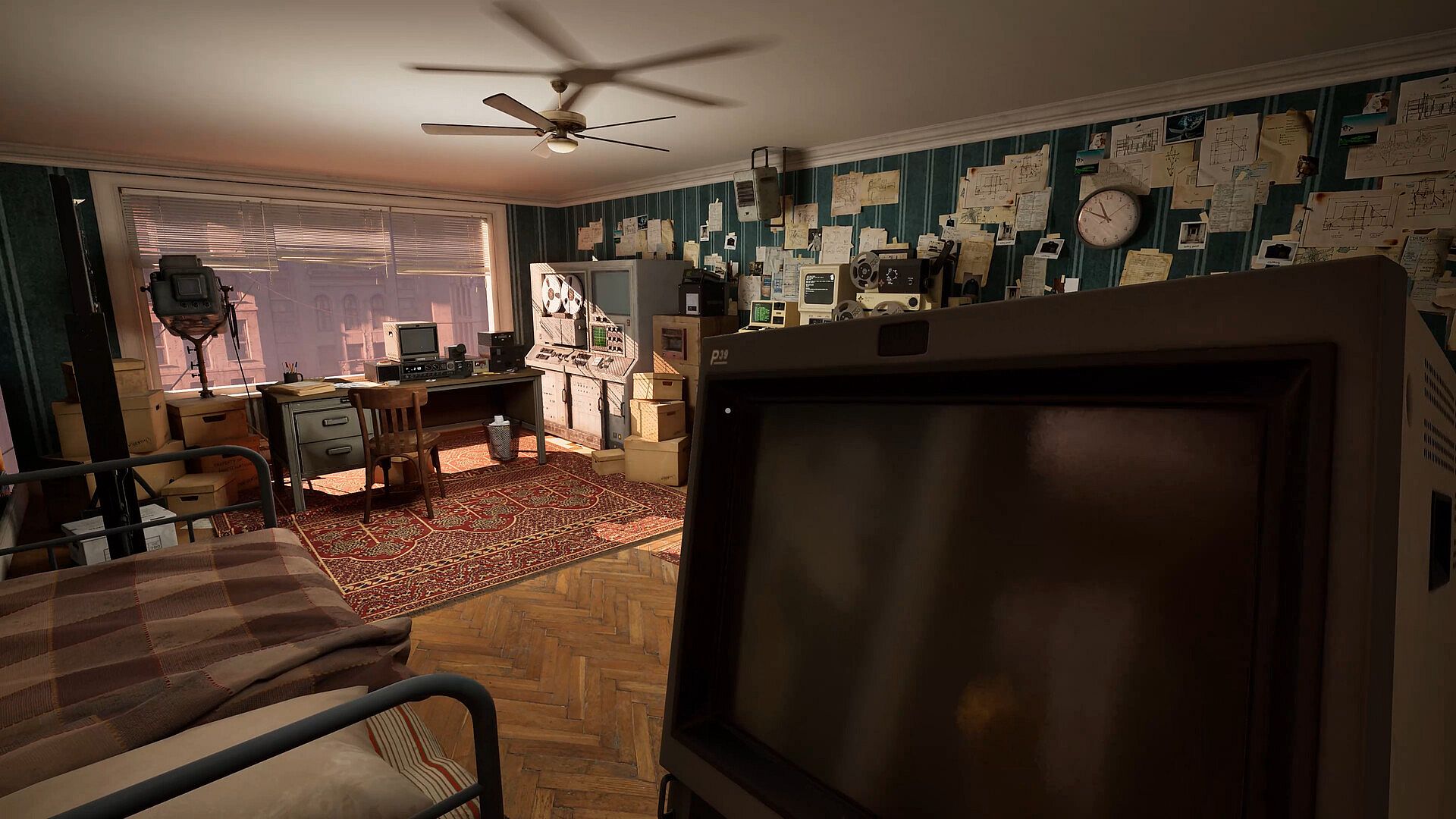
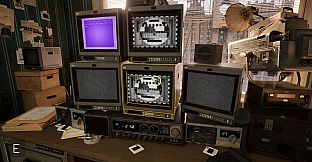
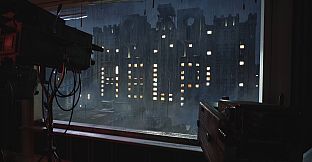
Core gameplay centers on establishing and maintaining a surveillance setup from a room overlooking the target building. Players position equipment to monitor windows, track daily routines, and identify any unusual activities among the residents. This involves careful placement of cameras and listening devices while managing limited space and resources for upgrades.
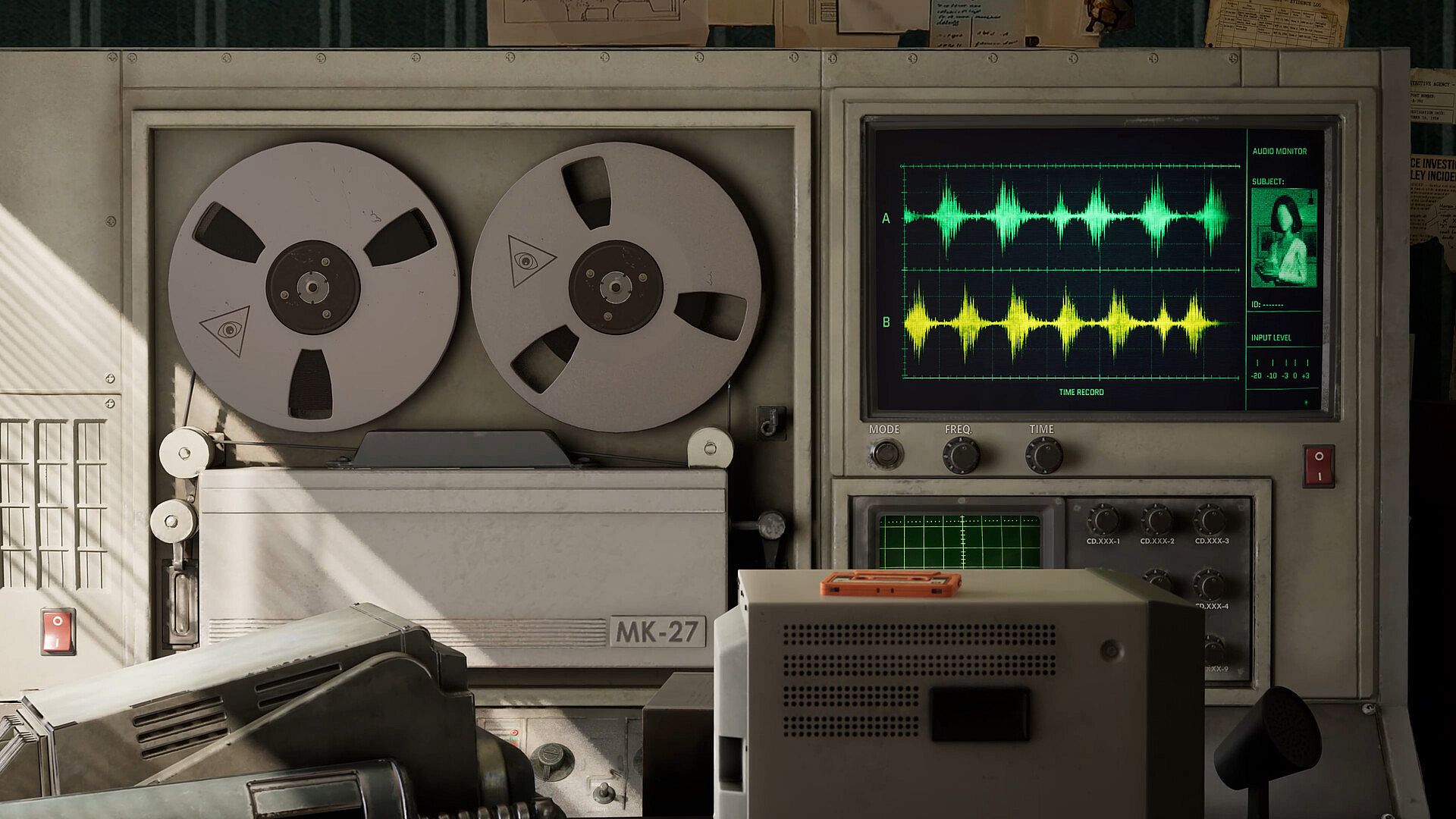
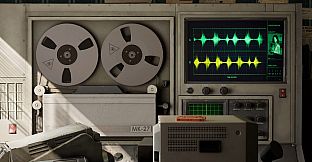
Evidence gathering forms the heart of each session. Capturing photos and video footage requires timing and precision, followed by organizing the material alongside intercepted audio recordings. Players clean up noisy audio tracks to extract key phrases that might reveal hidden details or connections between events.
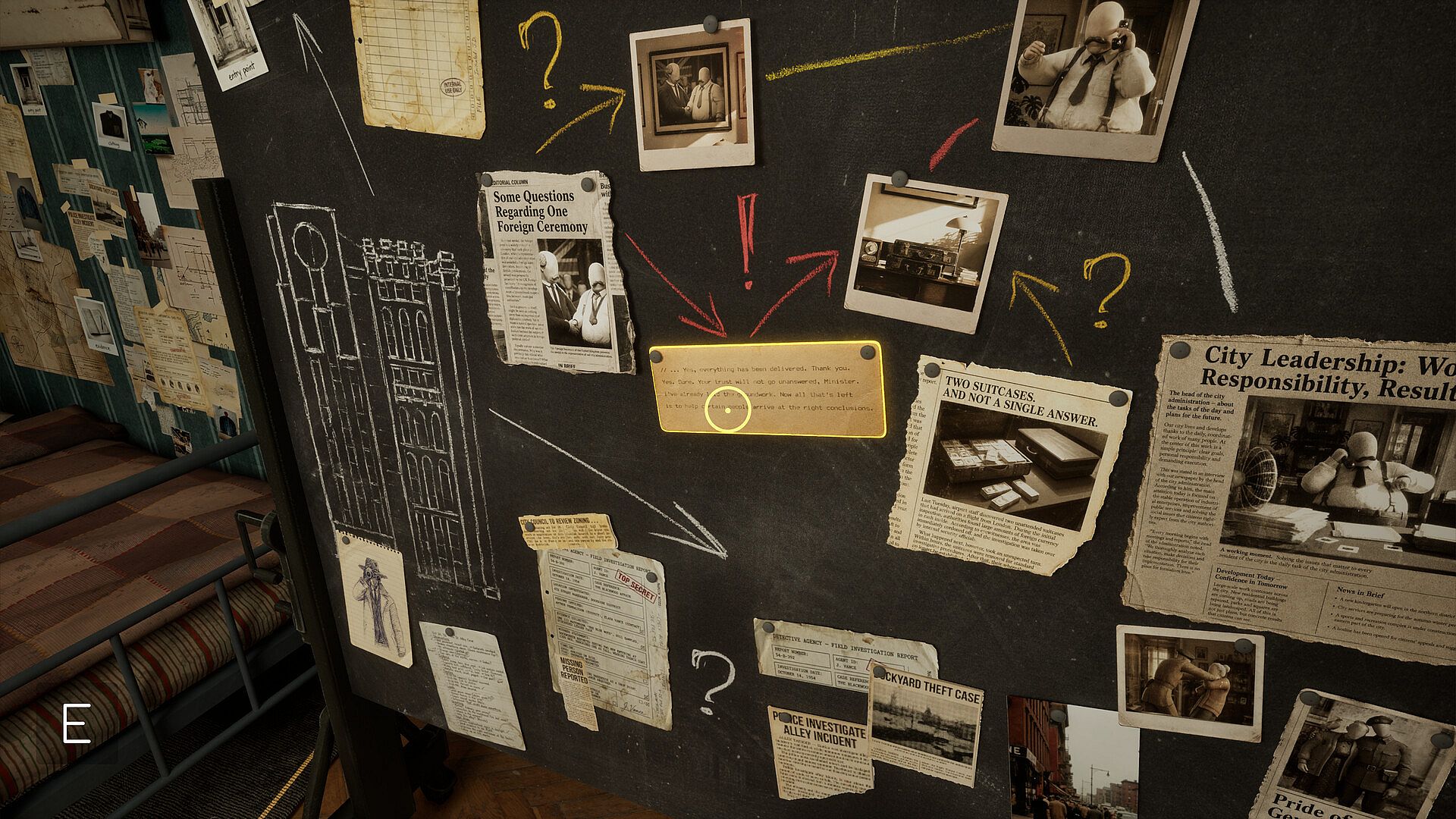
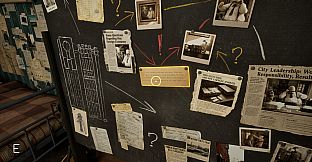
Connecting pieces of information happens on an evidence board where photos, audio clips, clippings, and personal dossiers are pinned together. This process helps clarify patterns in behavior and uncover potential secrets, though the game emphasizes that additional data does not always lead to clearer conclusions.
Decisions about reporting findings introduce tension. Players choose which irregularities to document officially and which to ignore, with choices influencing the lives of those being watched. The psychological layer builds as players question the reliability of what they observe and hear, all while maintaining their own anonymity to avoid personal risk.
Game Modes
The game operates as a single-player experience without separate multiplayer or competitive modes. Progression follows a shift-based structure where each period of observation builds on previous findings, allowing players to refine their surveillance techniques and expand their setup over time.
Decision branches create replayability through different reporting paths and evidence interpretations. These choices alter resident outcomes and potentially shift the overall narrative direction without requiring multiple distinct game modes.
Mechanics encourage methodical play, with emphasis on balancing thorough monitoring against the need to stay undetected. Space management in the spy room adds a layer of strategic planning as equipment upgrades compete for available area.
Key Mechanics and Features
Surveillance tools include window-focused monitoring, audio interception, and data organization systems. Upgrading the observation room improves capabilities but demands efficient layout decisions to avoid clutter that could hinder performance.
Audio handling stands out as a distinct activity. Intercepting conversations and refining recordings can yield pivotal information, though poor quality or incomplete captures may leave ambiguities that affect later judgments.
The evidence board serves as a central hub for synthesis. Players link disparate elements to form theories, but the game highlights uncertainty as a recurring theme, prompting reevaluation of initial assumptions.
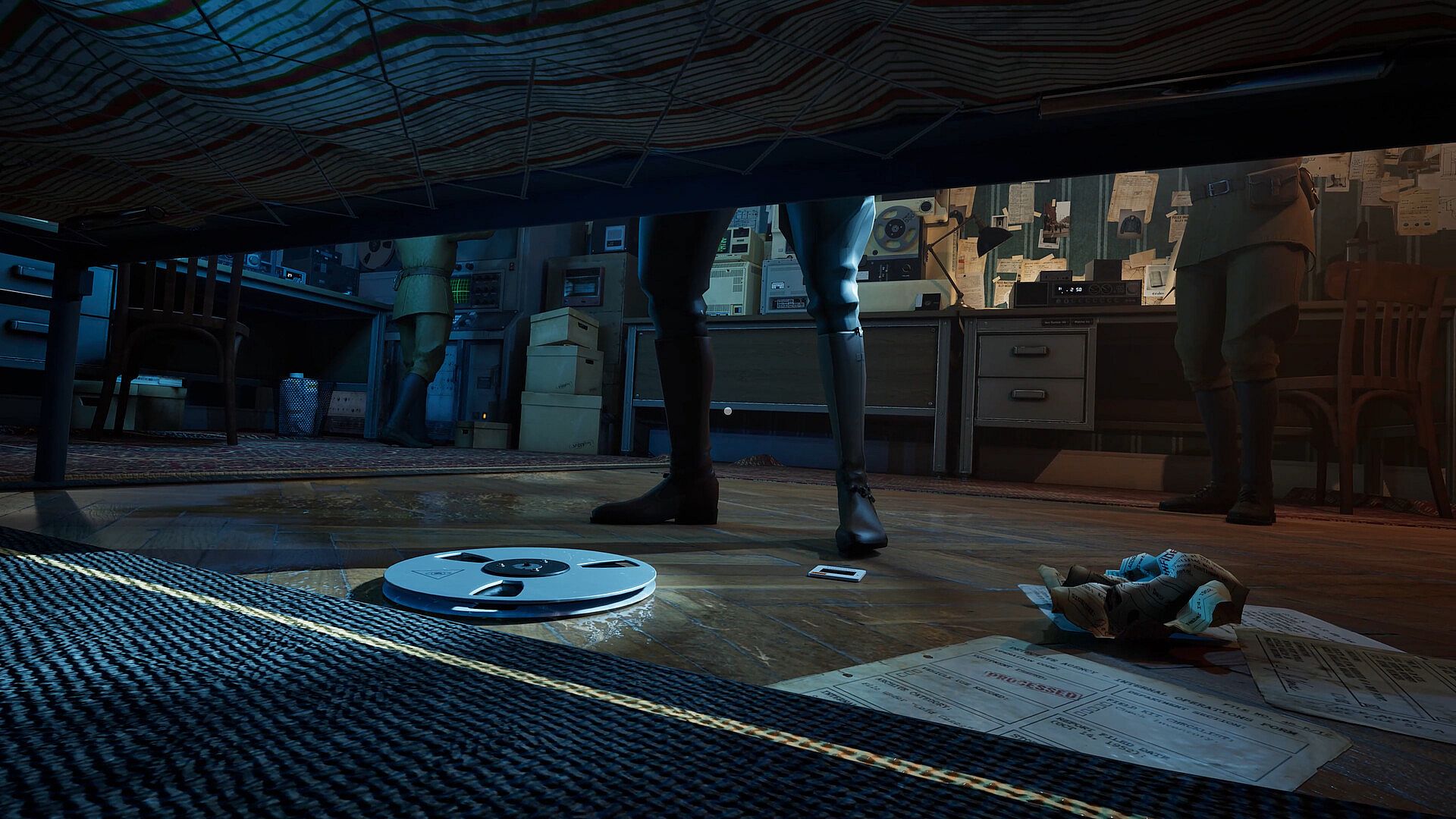
Stealth considerations extend beyond the residents to the player's own safety. Remaining unseen becomes a priority that influences how aggressively surveillance is conducted.
Is It Worth Playing?
The Watcher targets players interested in deliberate simulation experiences combined with psychological thriller elements. Its focus on observation, deduction, and consequence-driven choices suits those who enjoy methodical gameplay over fast-paced action.
With no user reviews available yet and a release date still to be announced, the game remains in a pre-launch state. The described systems suggest strong potential for atmospheric tension and replay value through varied decision outcomes.
Fans of indie titles that blend simulation with narrative ambiguity will likely find the core loop engaging. The emphasis on questioning reality and managing limited information provides a distinctive hook for the genre.
Overall, it appears positioned as a niche experience for those drawn to surveillance themes and moral gray areas rather than broad appeal. Availability on PC will determine accessibility once it launches.











