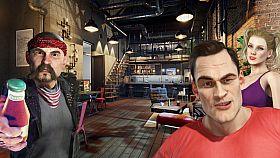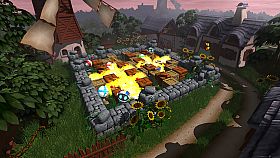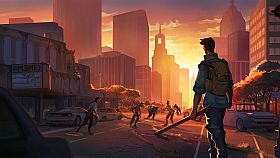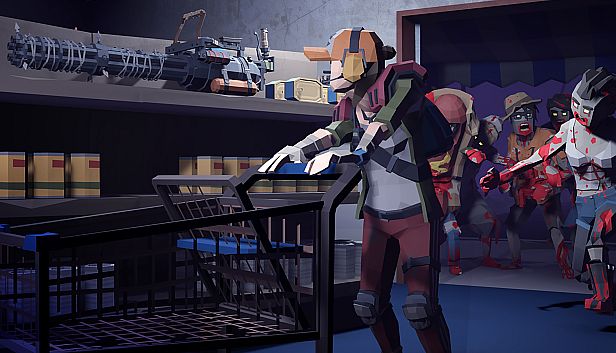


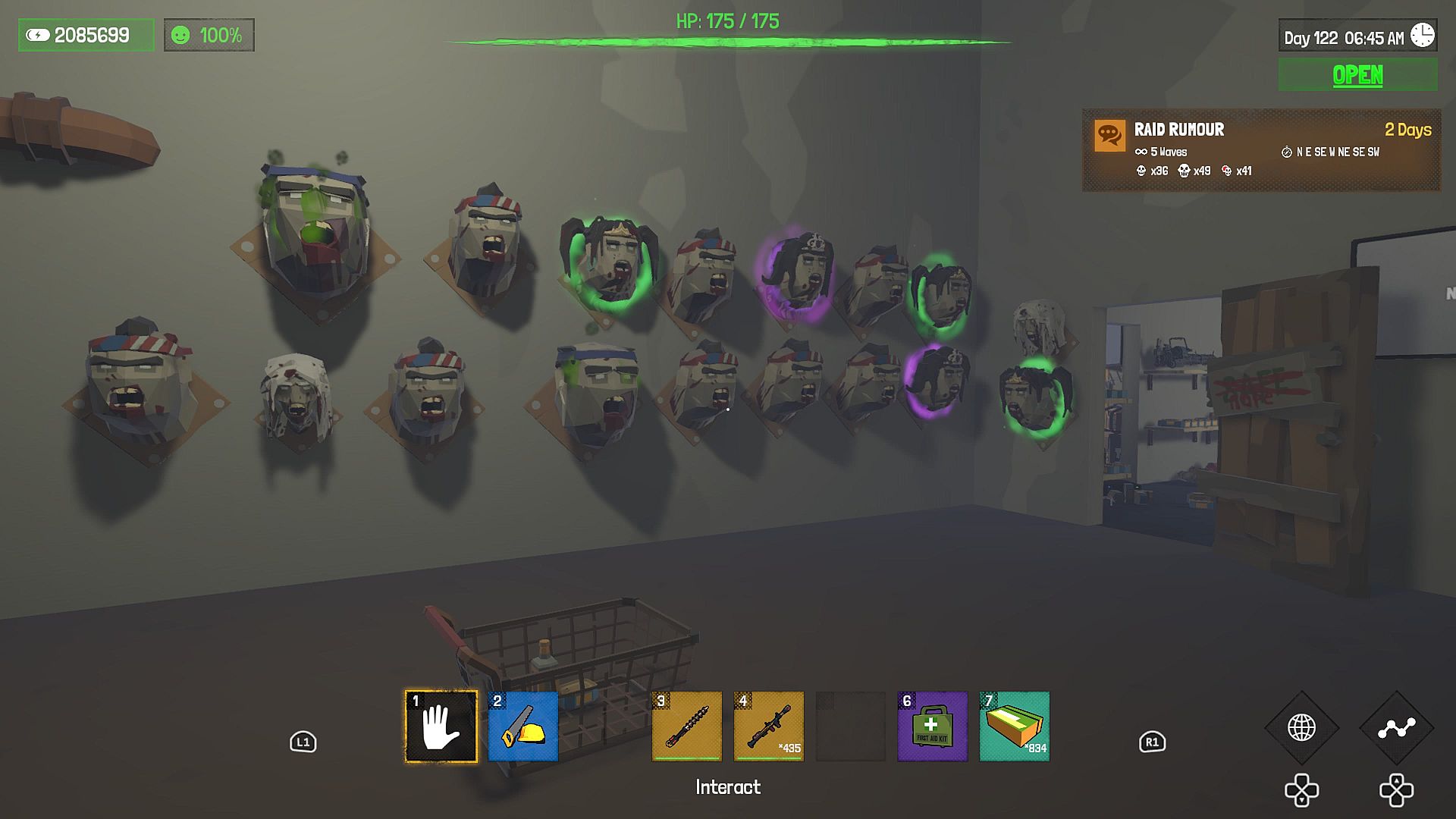
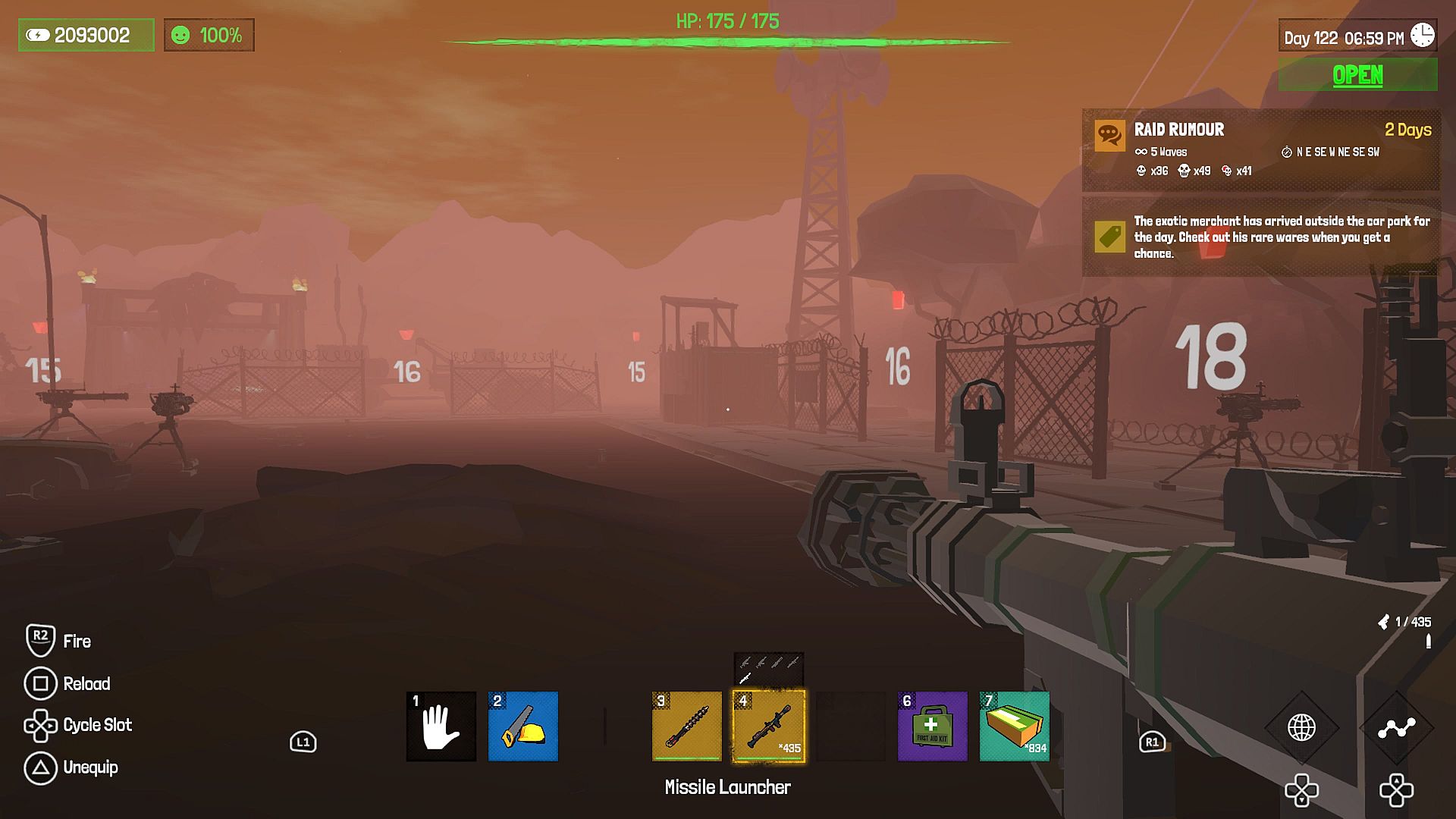
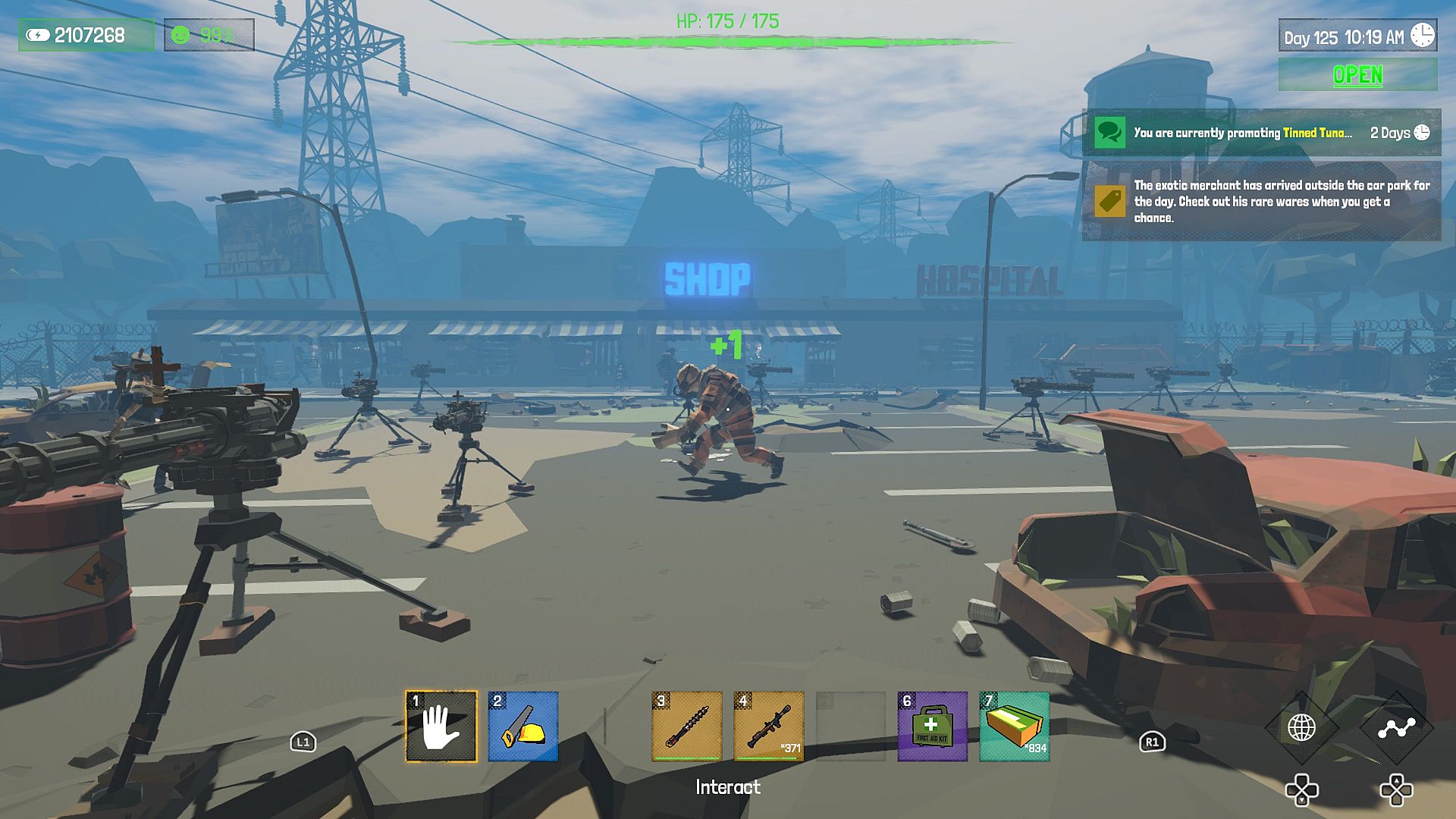
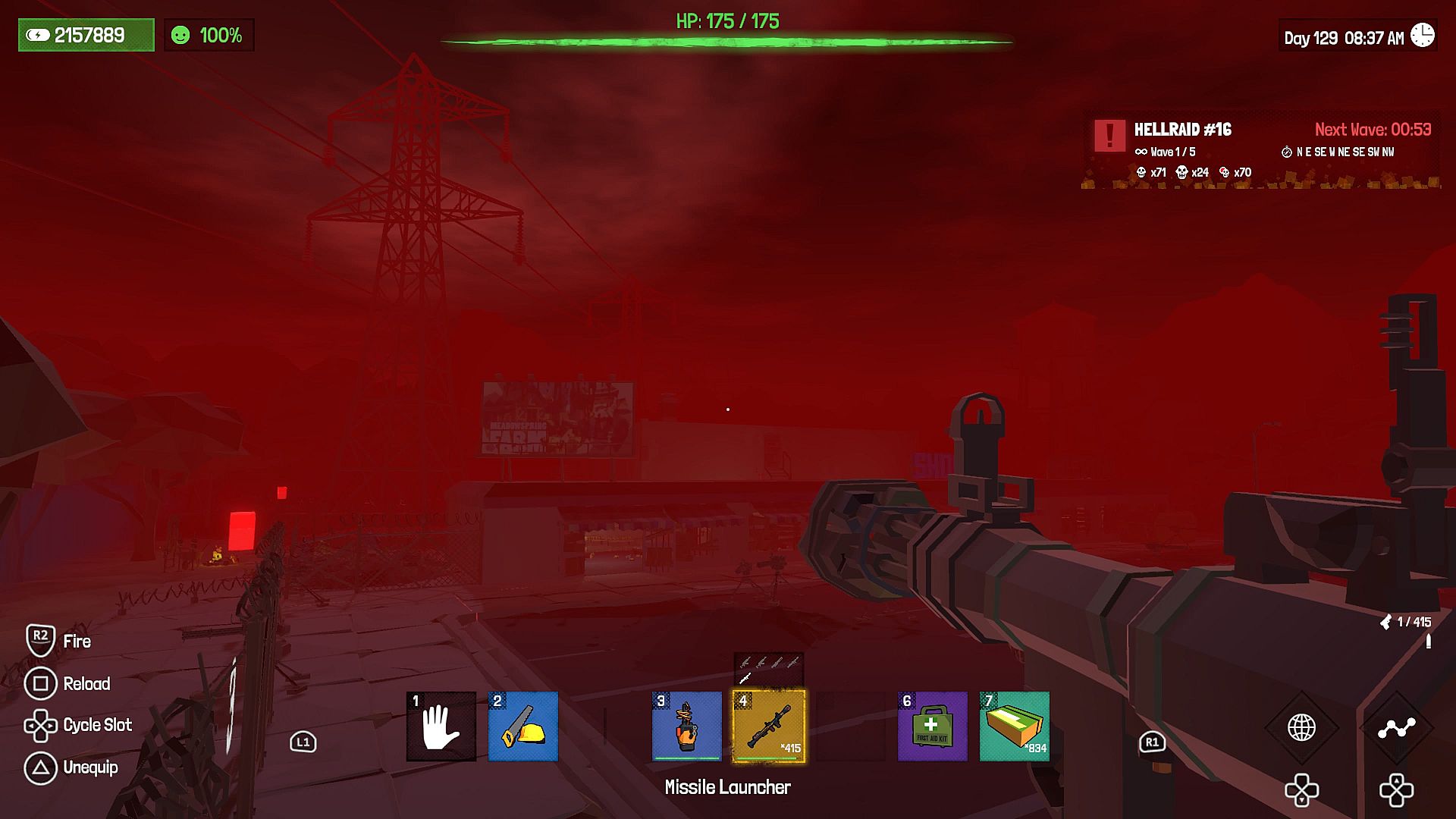
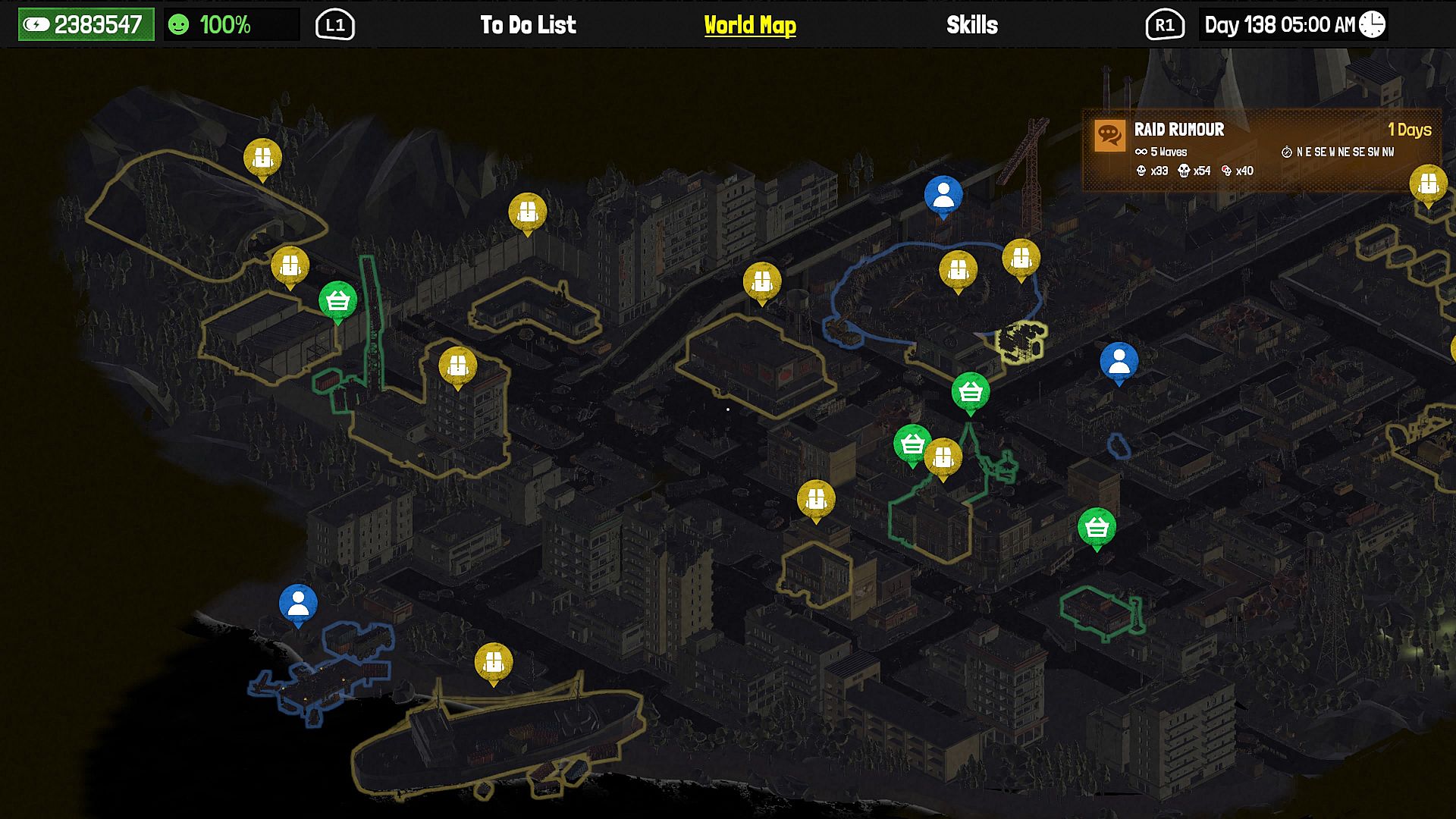
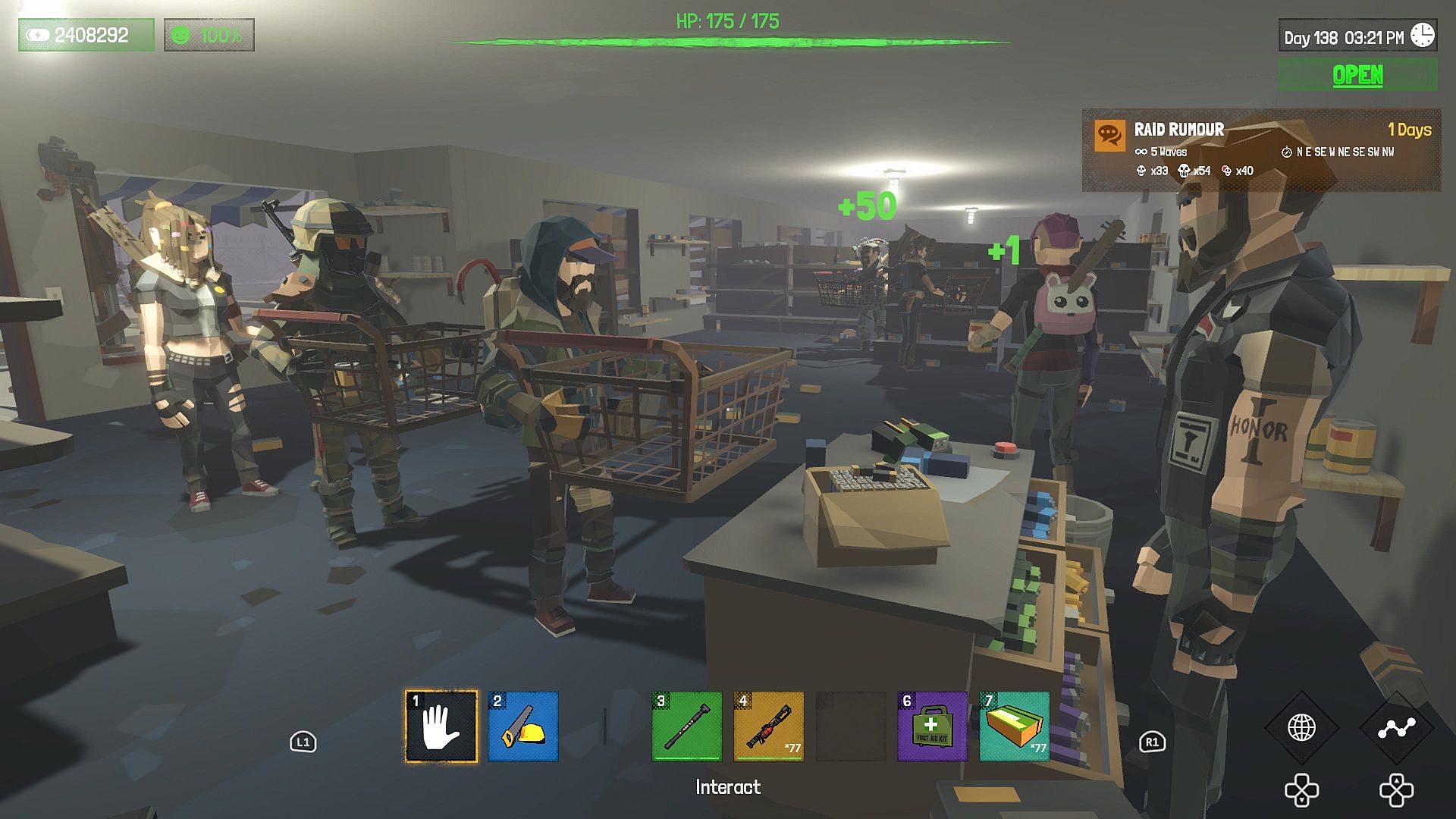
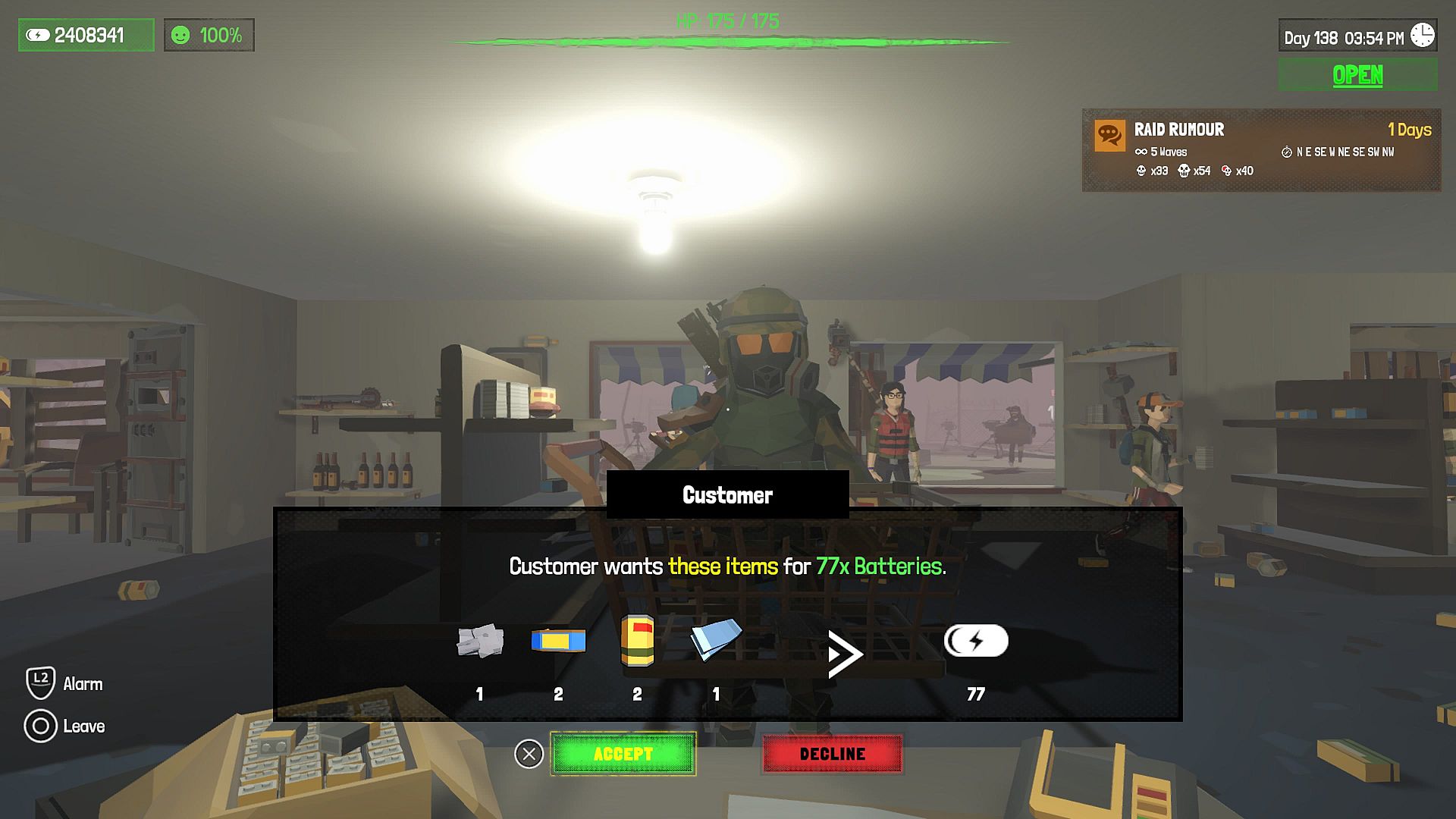
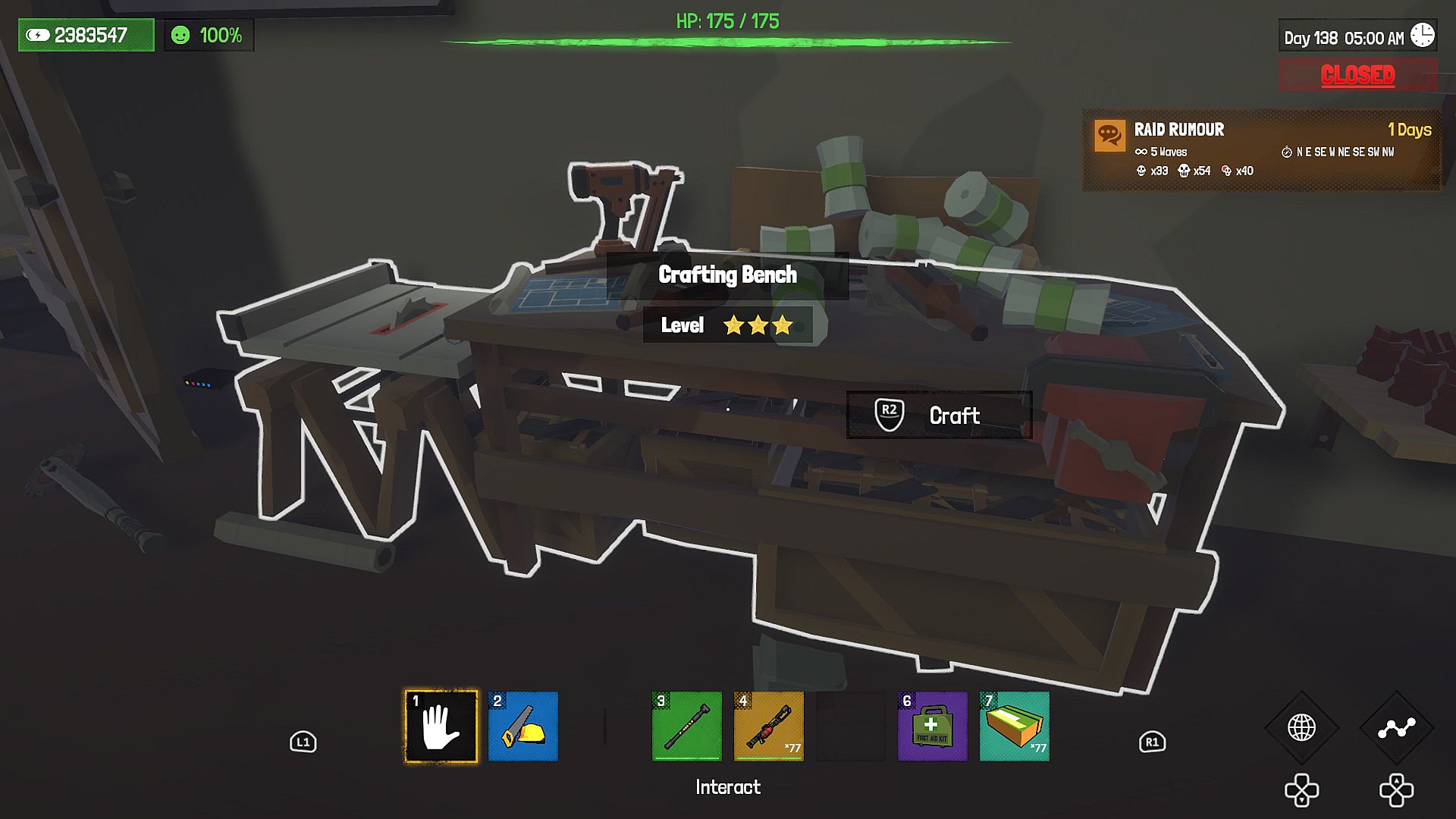
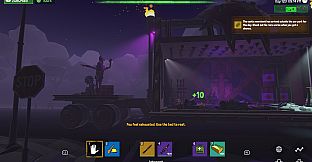
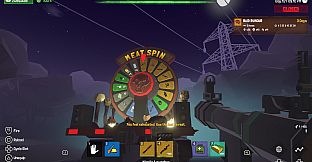
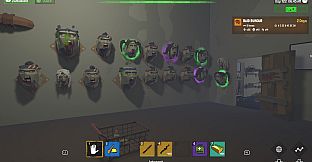
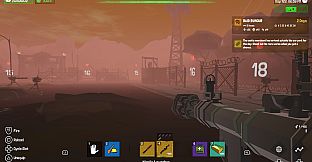
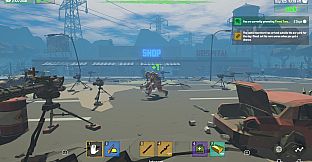
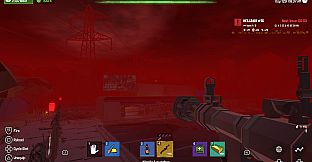
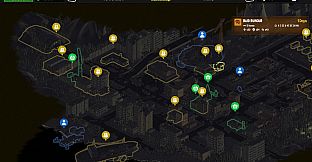
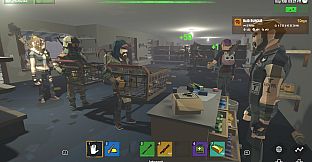
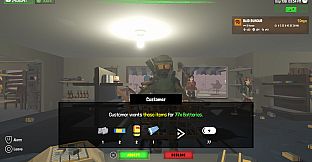
The Walking Trade is an indie simulation game that places players in charge of a retail operation during a zombie apocalypse. Set in a decaying world where survivors barter for essentials, the title combines shop management with direct combat and resource decisions. Players handle daily operations while preparing for sudden undead threats, with every choice influencing both the store's success and personal survival.
Gameplay
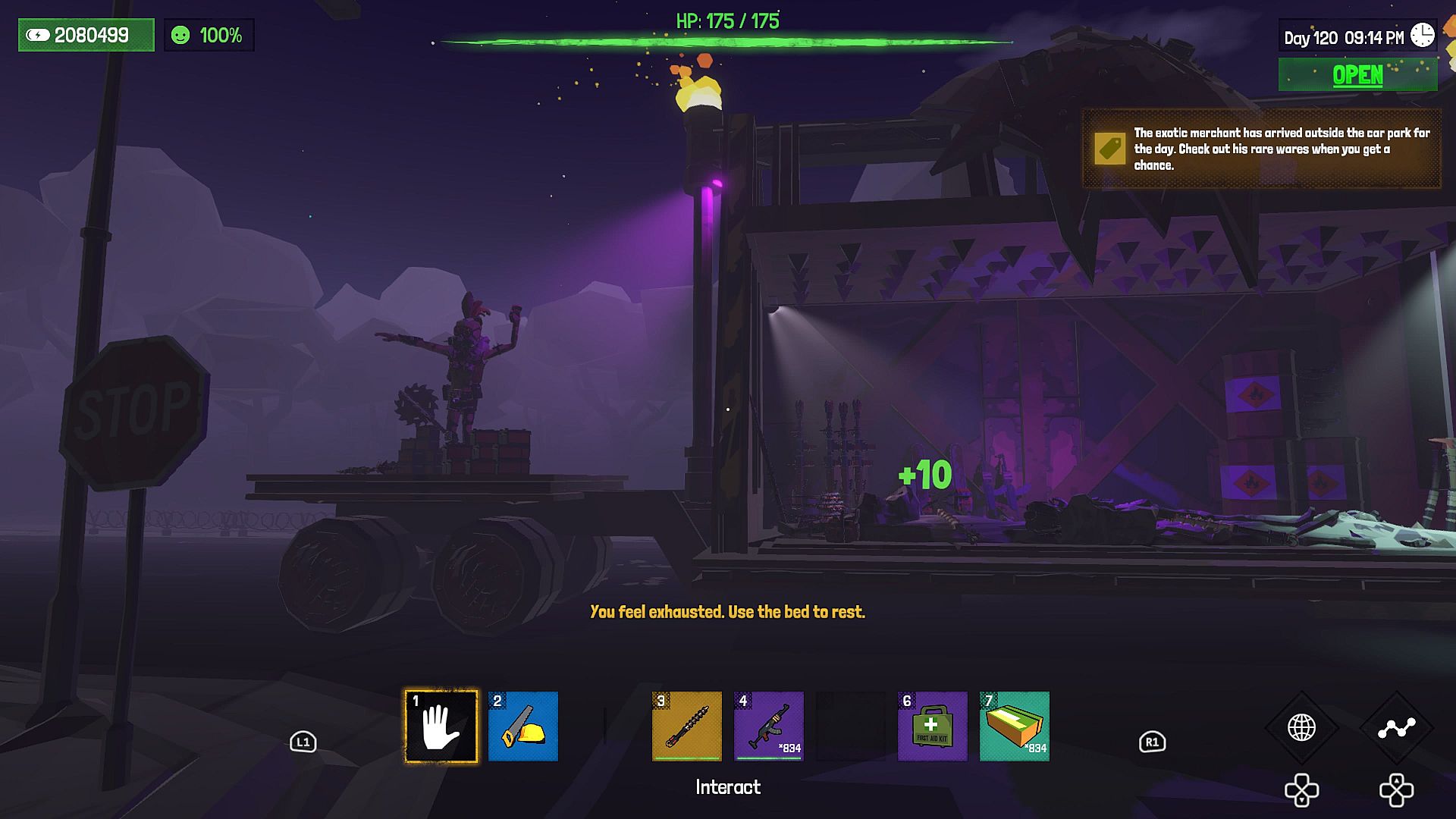
Core activities revolve around building and maintaining a functional storefront. Players clear debris from an initial ruined location, install shelving, arrange goods, and adjust prices to attract customers. Inventory relies on a physics system where items have weight and can be knocked over during interactions, requiring careful placement to avoid constant restocking. Batteries serve as the primary currency for purchases and upgrades.
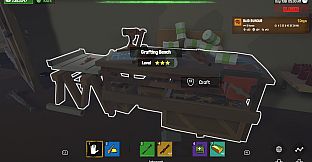
Staff management adds depth through hiring survivors who can be assigned to scavenge for supplies, handle sales, or provide security. Equipping and motivating these employees affects their performance and the overall operation. Crafting stations allow creation of weapons, tools, barricades, and traps to improve defenses and stock options. Reputation tracks player actions, opening or closing opportunities with different survivor groups based on whether the shop operates as a helpful hub or exploits others for gain.
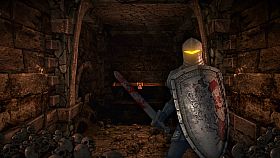
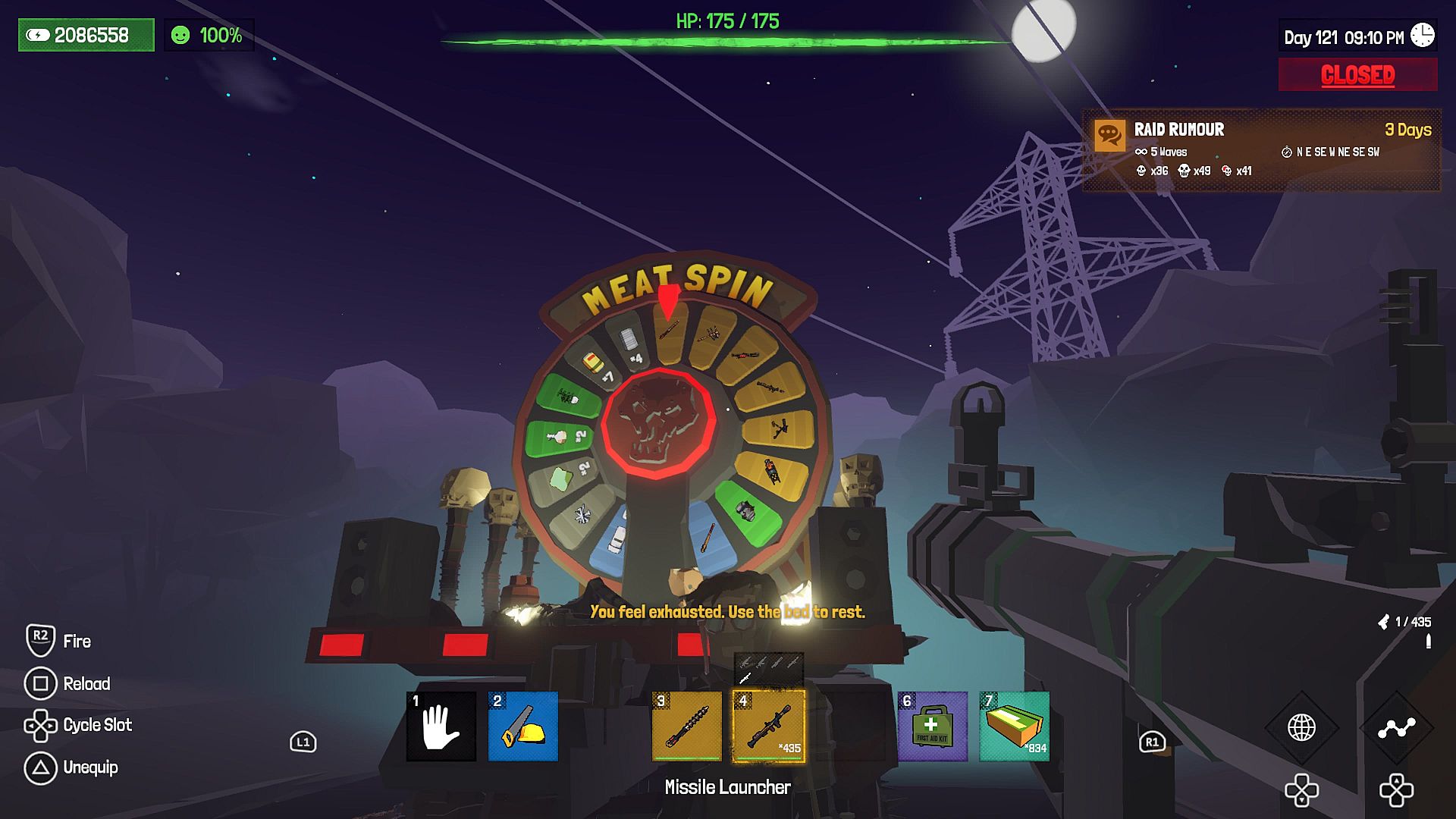
Combat integrates directly into the loop. Melee weapons, firearms, and improvised tools become necessary during zombie raids and hordes that breach the shop. Players switch between management tasks and active defense, often dragging corpses or salvaging loot afterward. Skill progression covers areas like service, survival, management, and crafting, providing upgrades that support long-term growth.
Game Modes
The experience centers on a single-player campaign structure without separate multiplayer options. Daily cycles alternate between shop operations during safer periods and defensive raids that can occur at any time. Specific raid events introduce varied threats, such as groups of explosive or high-health zombies, requiring different tactical responses.
Hardcore Mode offers a stricter variant where death during raids carries permanent consequences, emphasizing careful preparation and resource allocation. No dedicated seasonal modes or rotating events appear in the current version, though ongoing patches have added controller support and optimizations for smoother raid sequences.
Shop Building and Defense Systems
Customization extends beyond basic layout to include aesthetic choices that influence customer flow alongside practical barricades and storage solutions. Upgrades unlock through crafting and scavenging, allowing expansion into areas like additional rooms or defensive emplacements. The physics-driven inventory encourages experimentation but can lead to chaotic moments when shelves collapse during customer or zombie activity.
Reputation mechanics create branching outcomes. Benevolent pricing and community aid draw certain traders and allies, while aggressive tactics unlock different profit paths at the risk of hostility. This system ties directly into staff retention and raid frequency, rewarding consistent decision-making over time.
Is It Worth Playing?
Reception has been generally positive among players who enjoy management simulations with survival twists, with Steam reviews sitting in the very positive range. Feedback highlights the satisfying loop of stocking, trading, and fighting, along with the freedom to role-play different shopkeeper personalities. Issues with employee AI and occasional physics glitches are commonly noted, though patches continue to address stability and add features such as improved controller compatibility.
The game suits fans of indie titles that merge retail simulation with light action elements. Those tolerant of early technical quirks will find a distinctive concept that rewards experimentation in both commerce and combat. Current support includes regular updates, making it a viable choice for players seeking a fresh take on post-apocalyptic management without requiring multiplayer coordination.