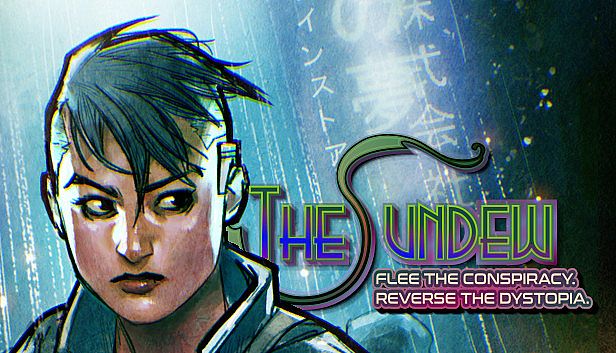















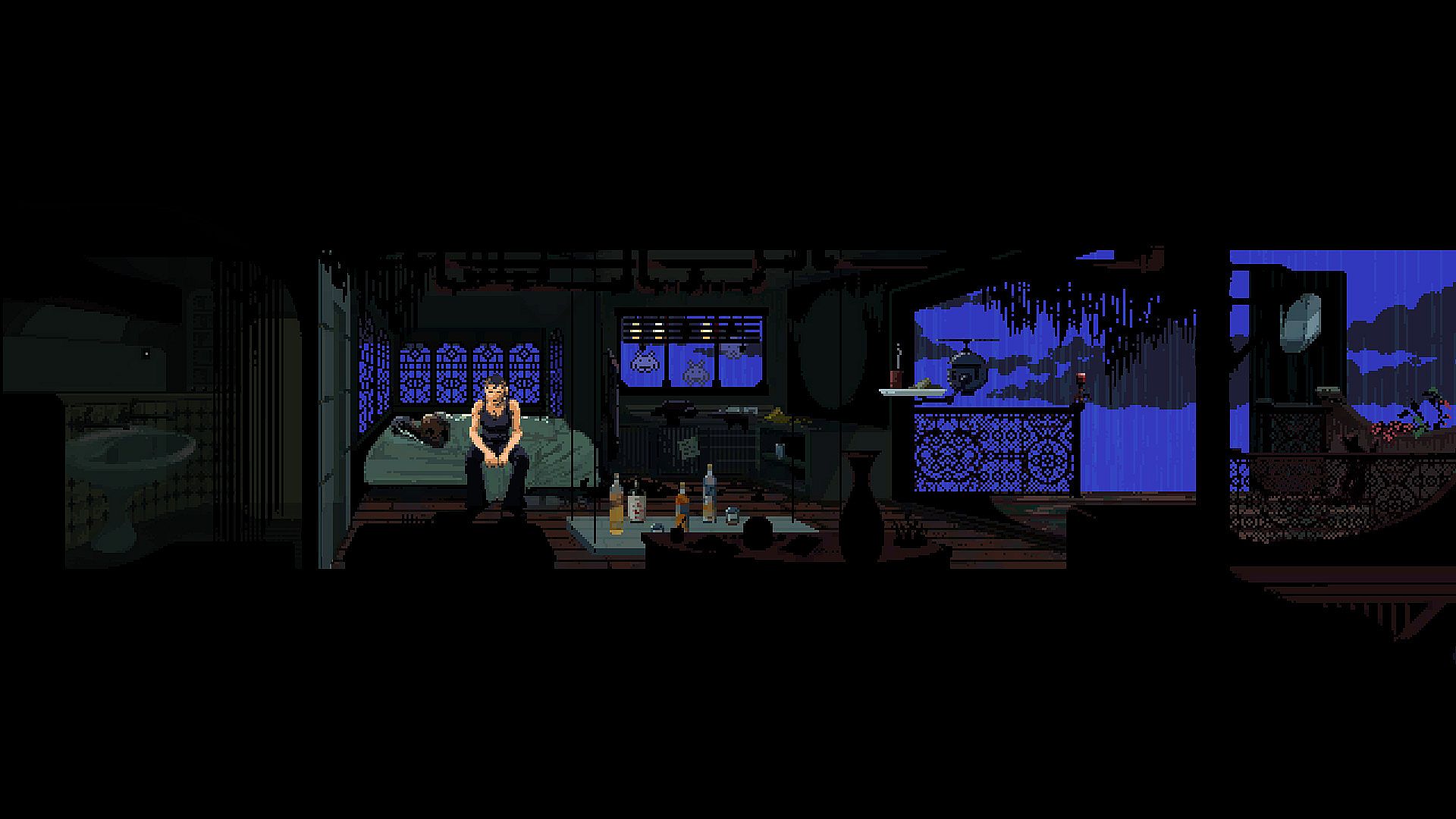
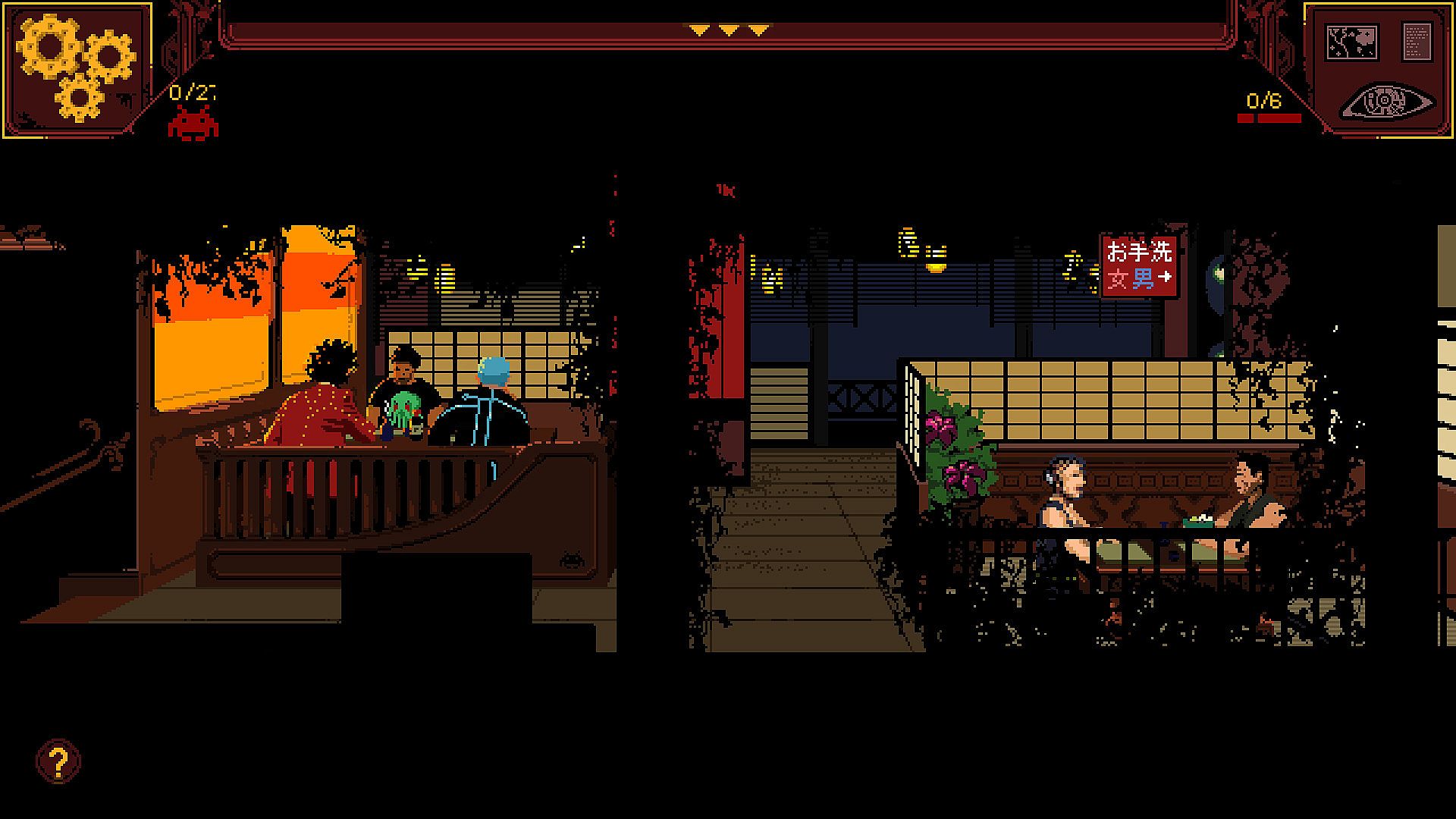
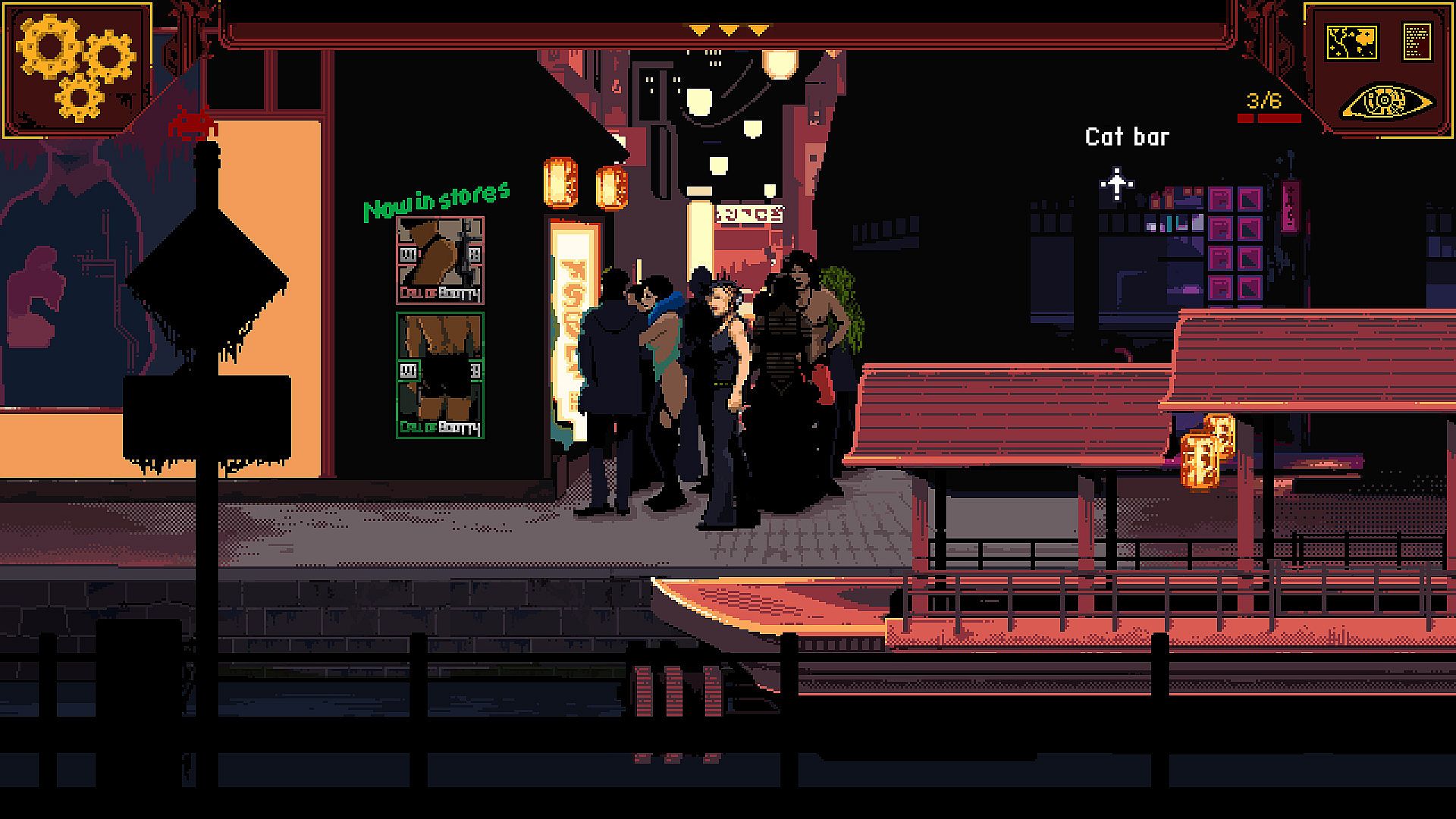
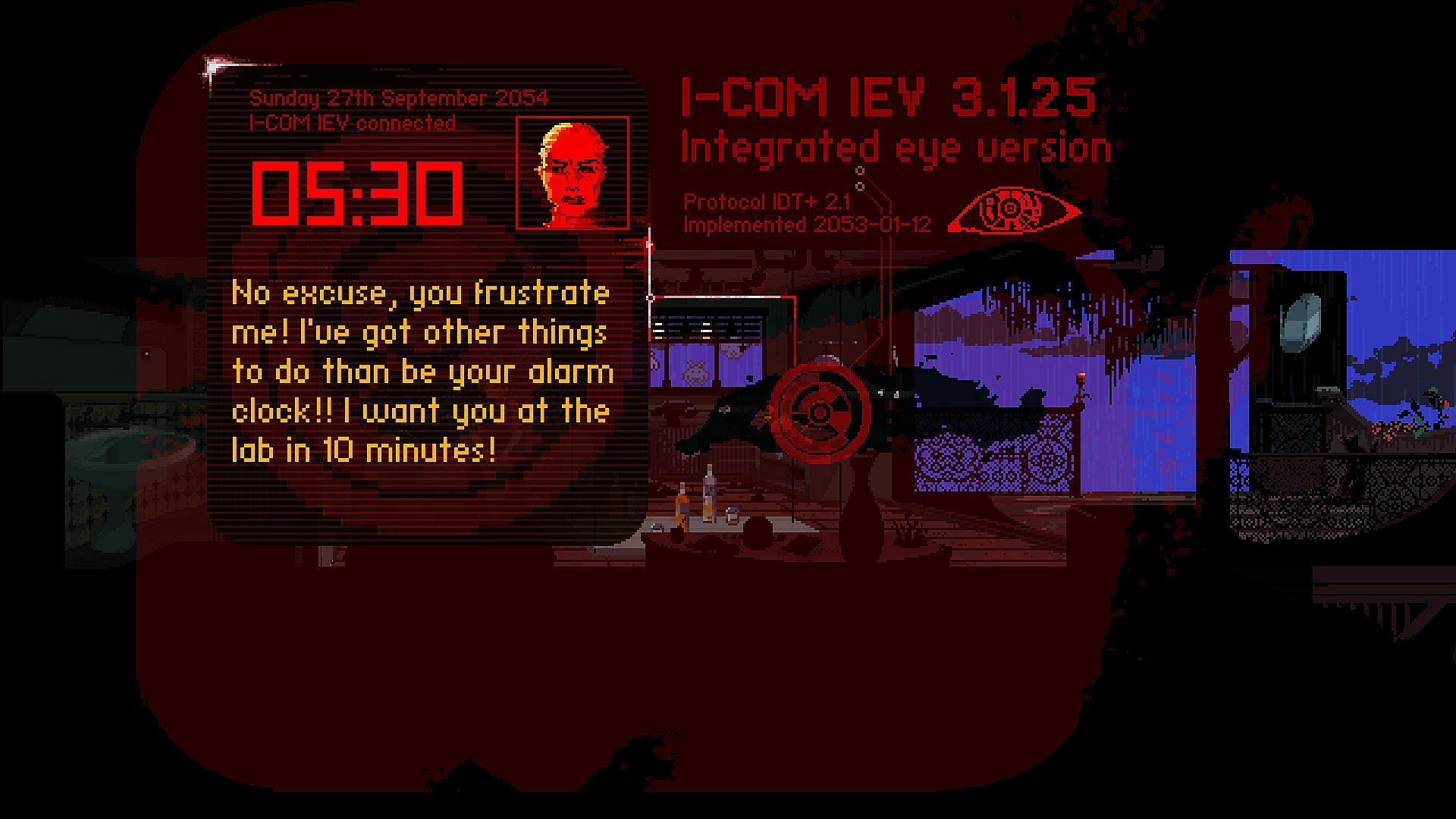
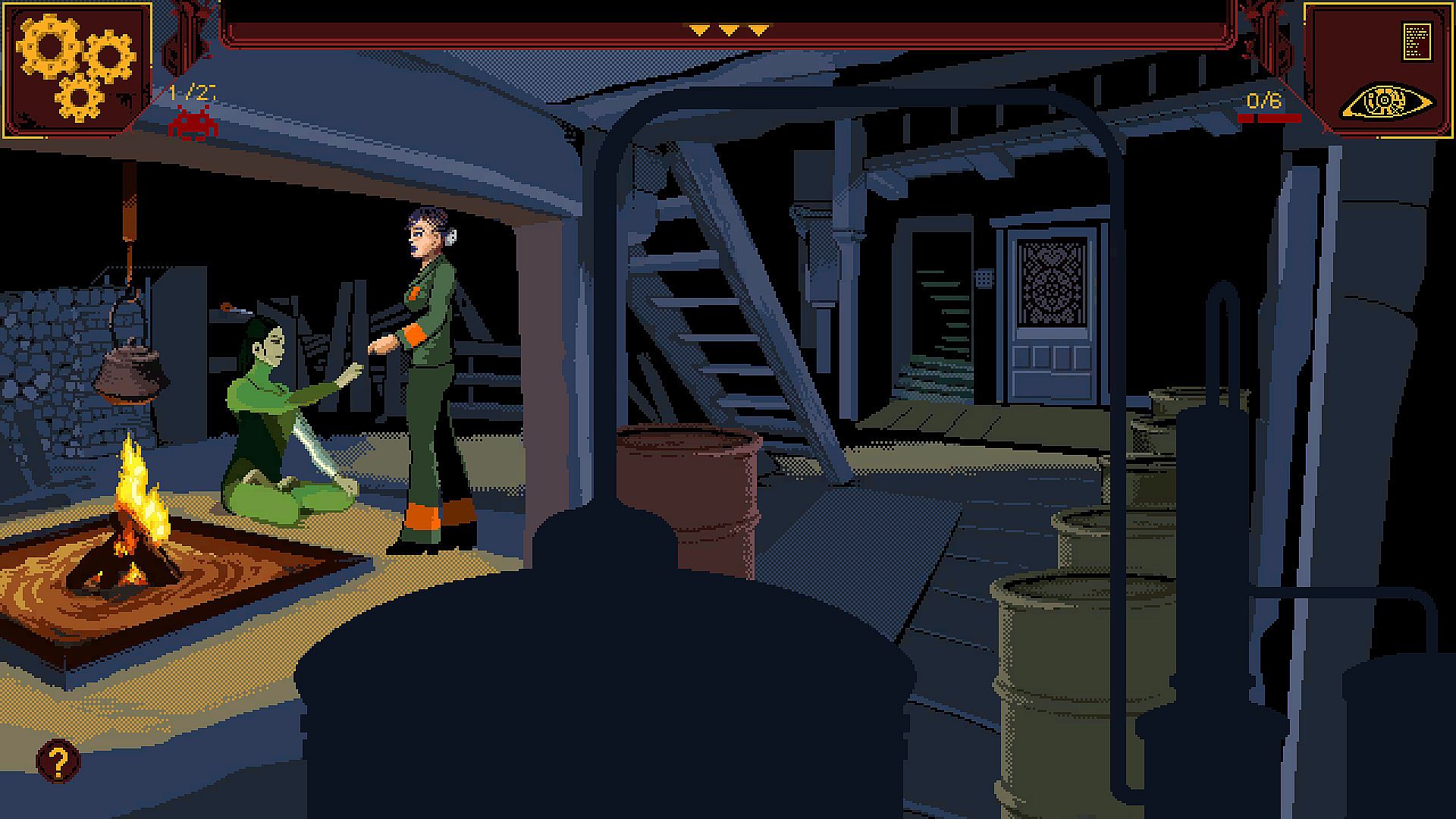
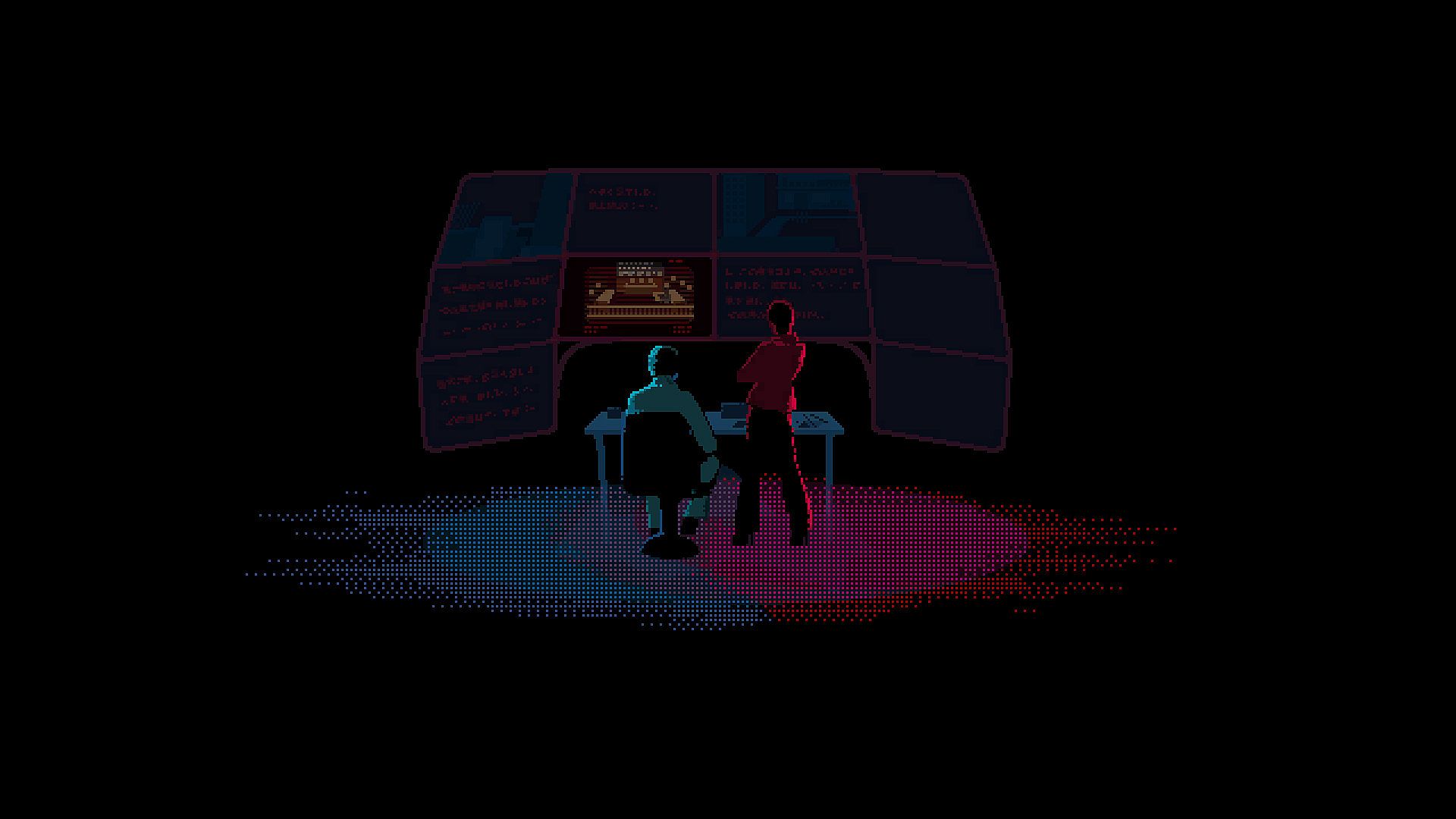
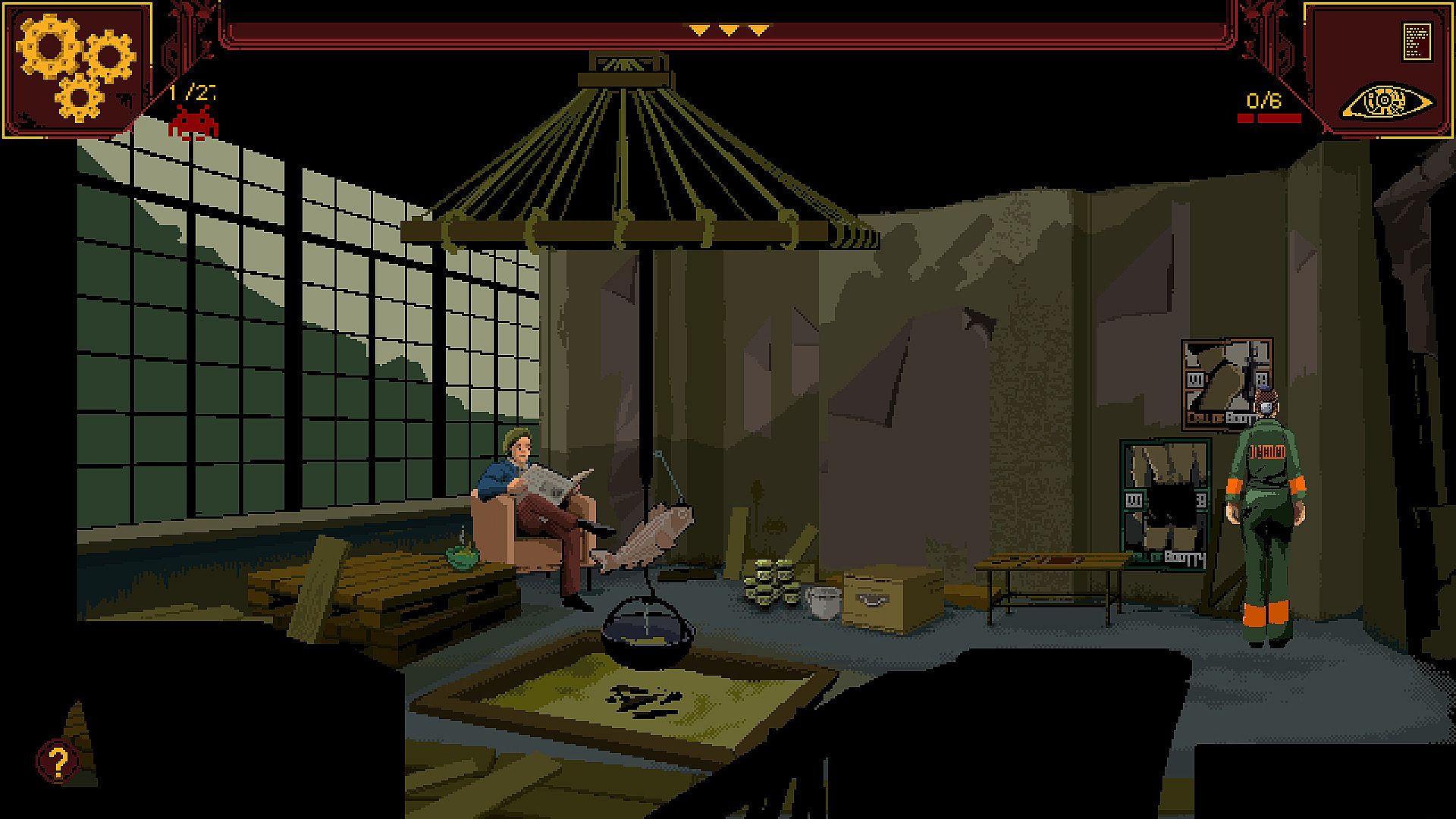
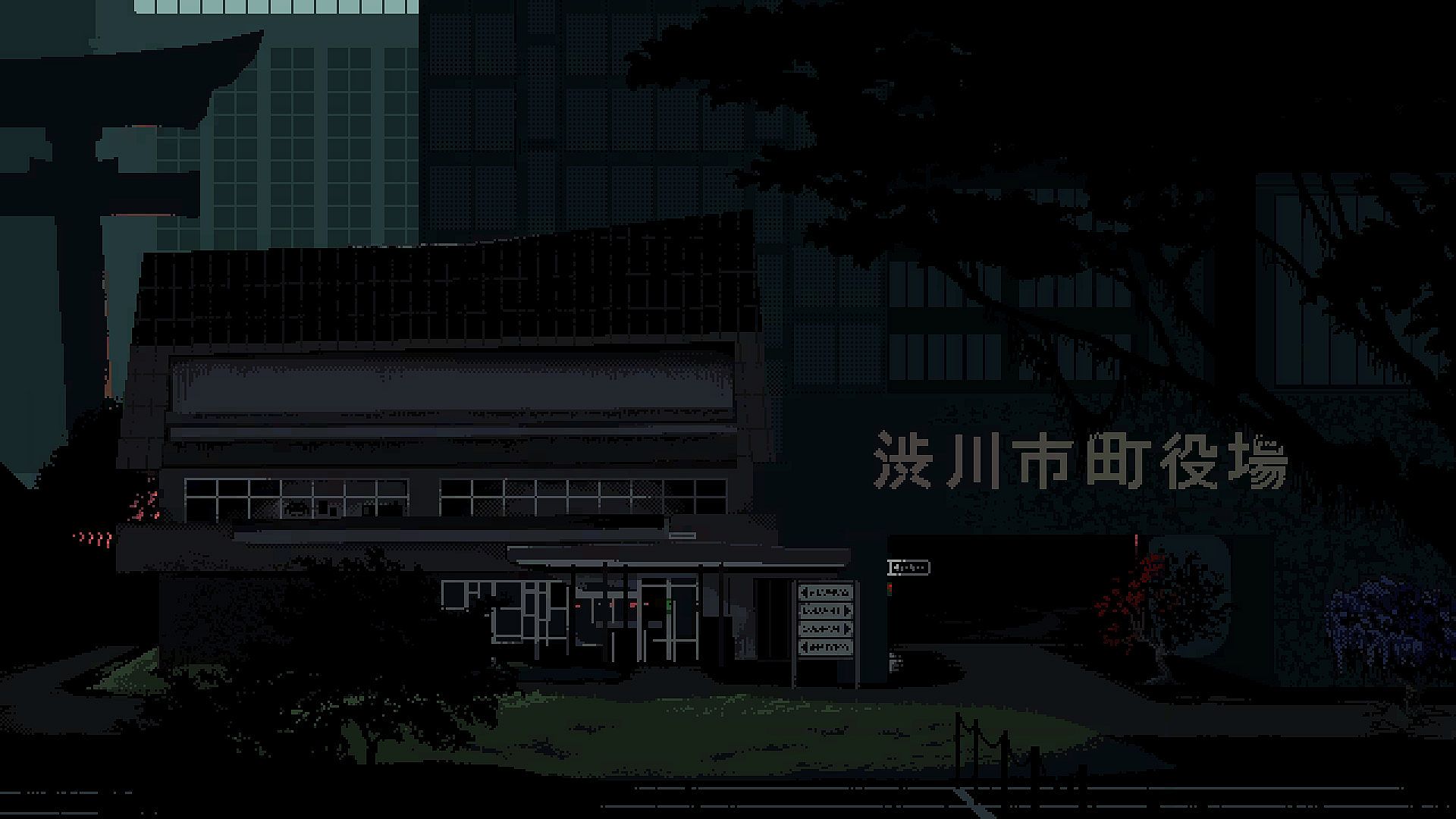
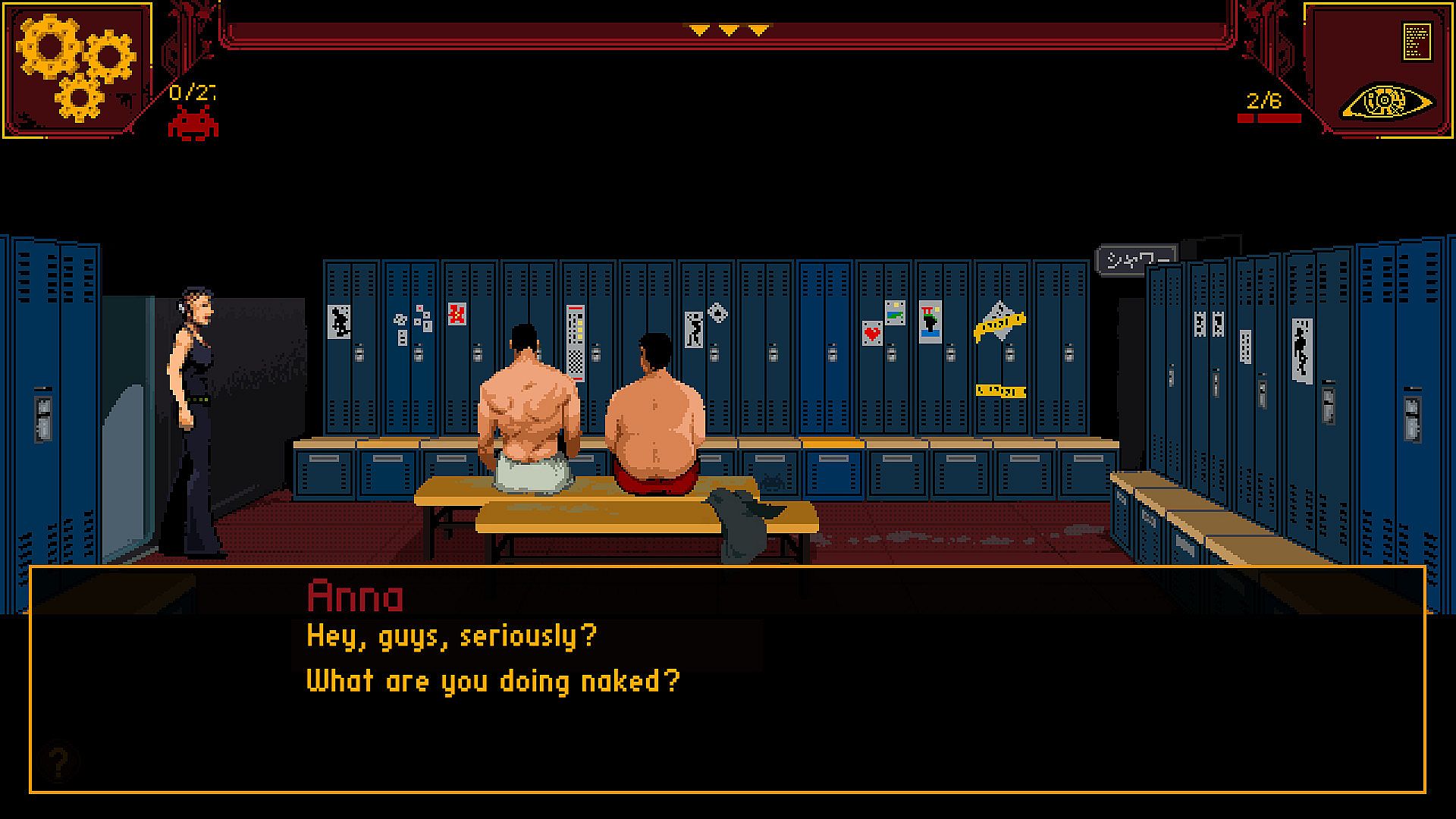
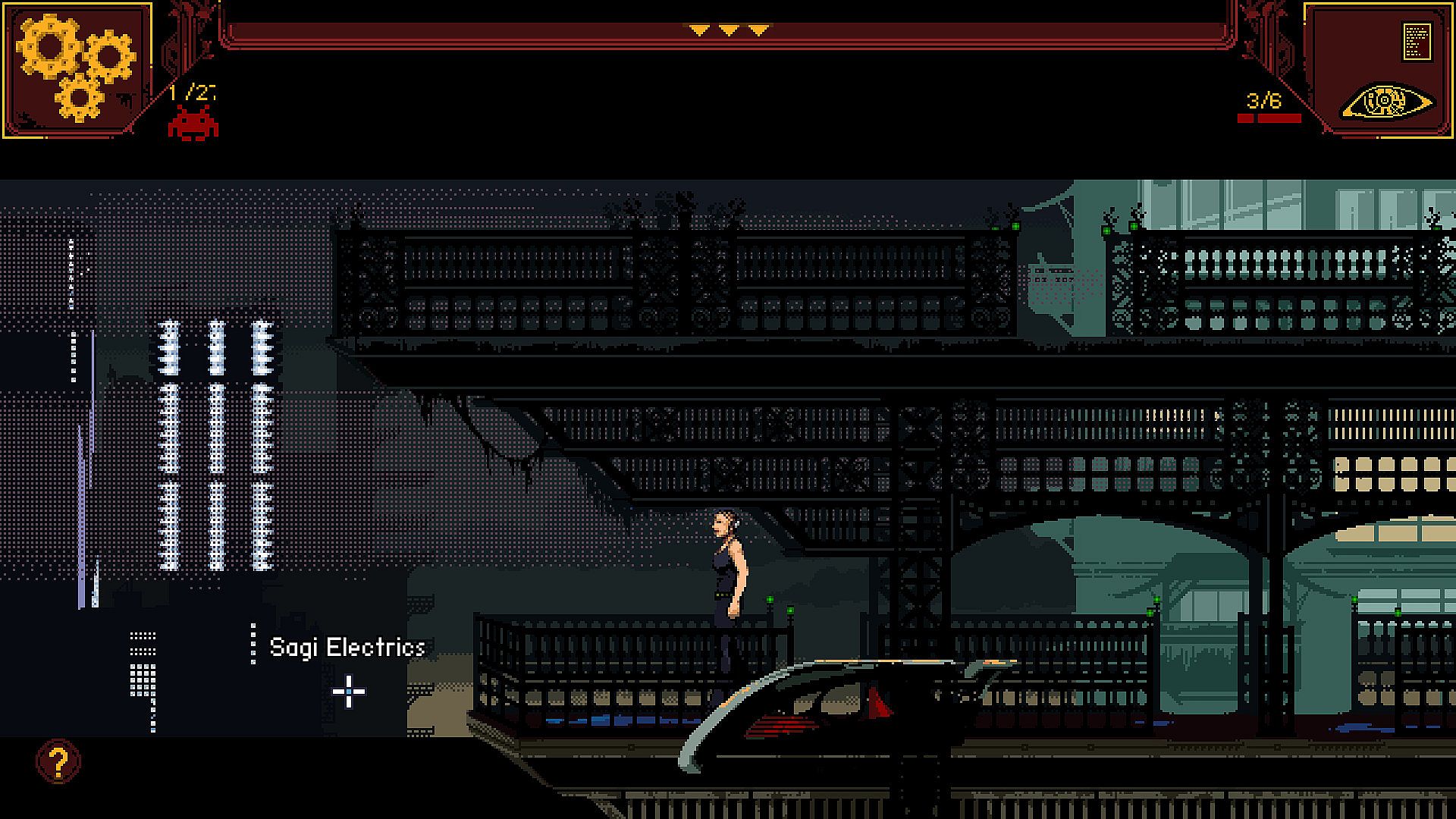
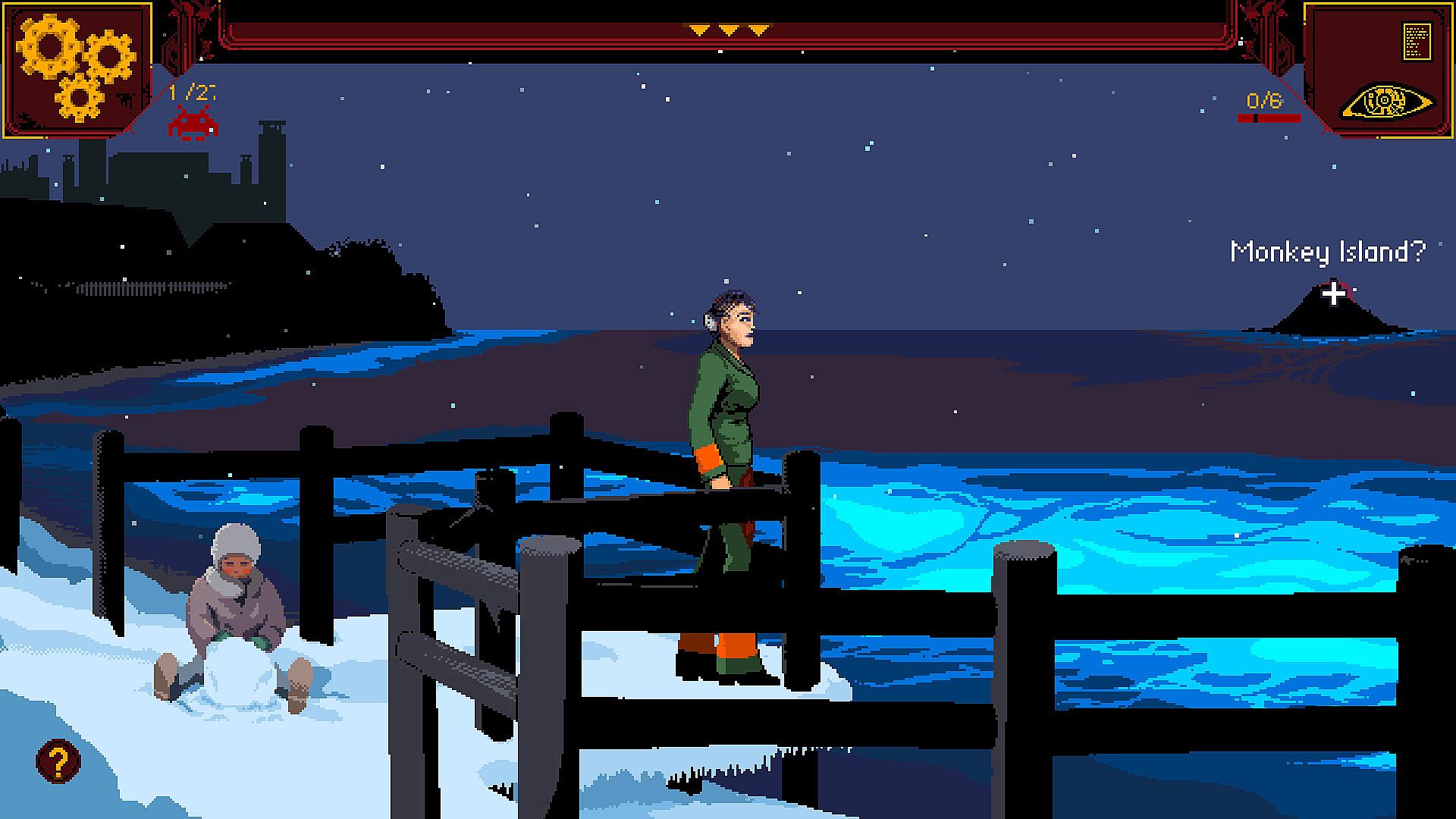
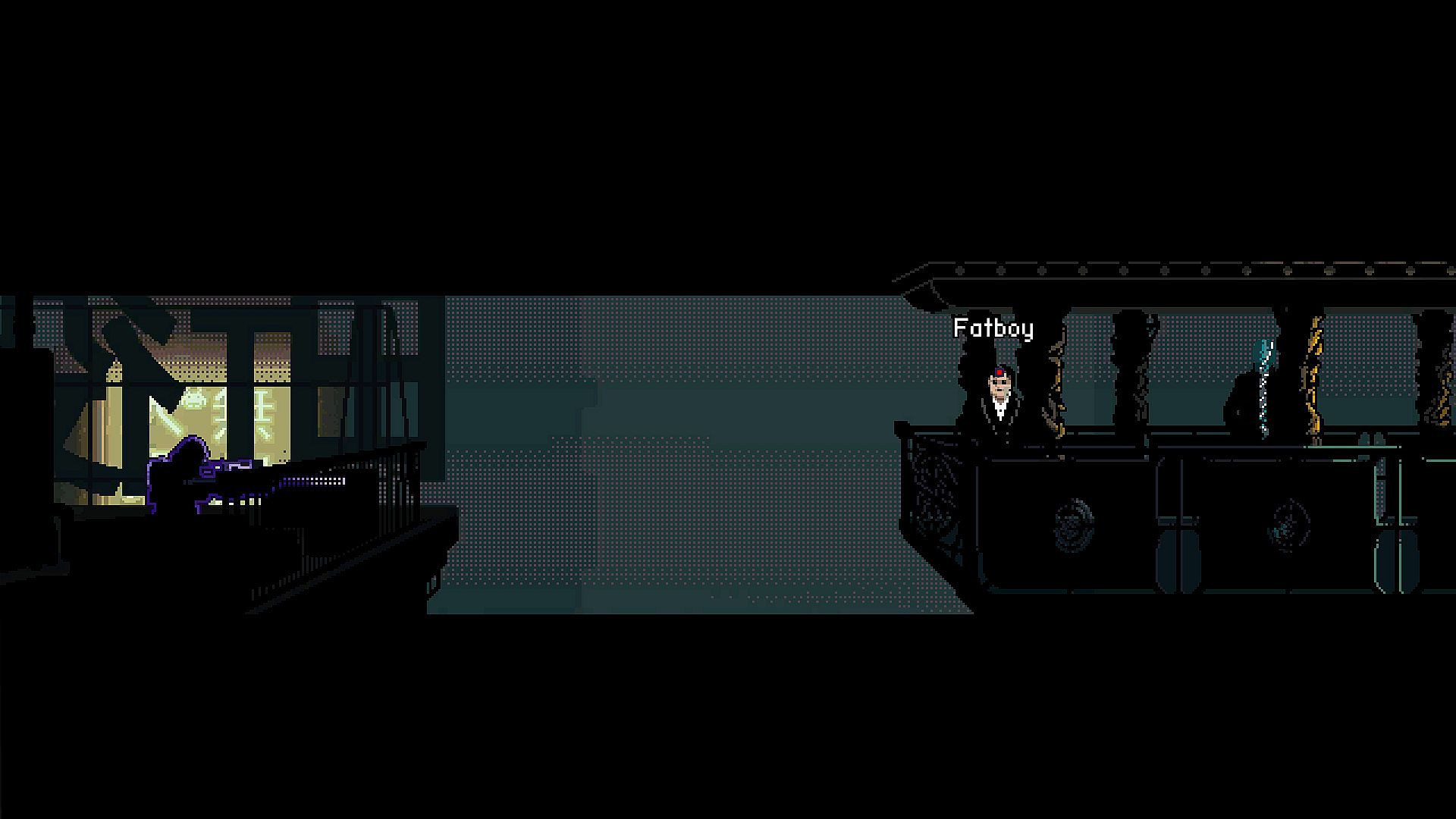
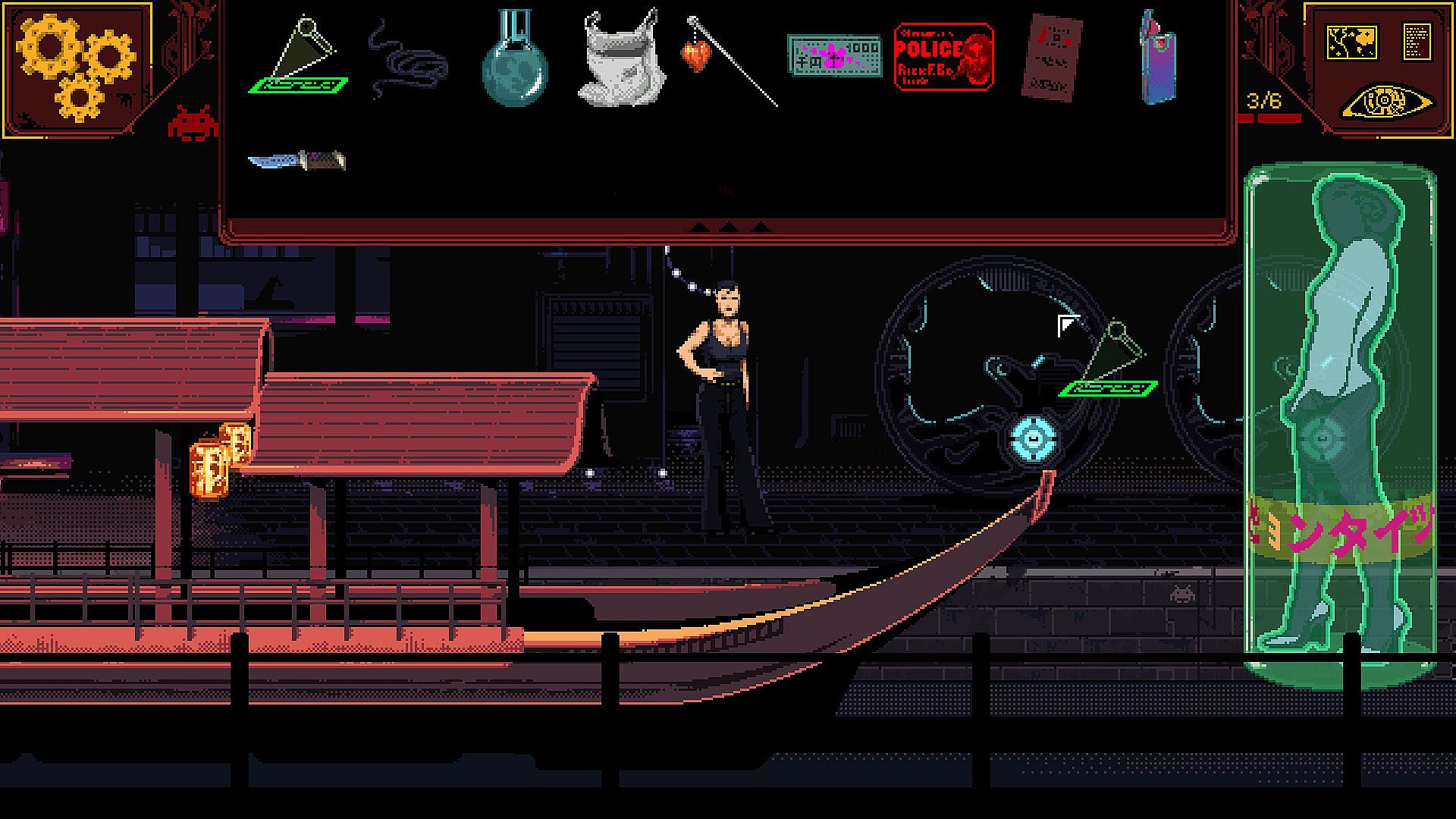
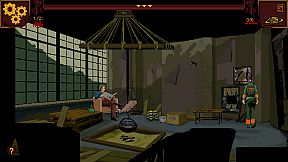
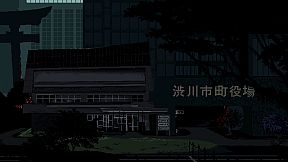
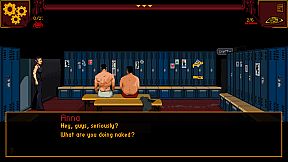
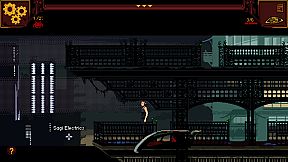
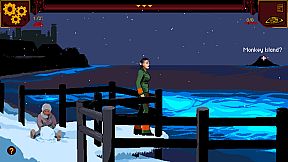
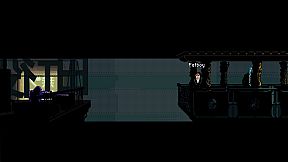
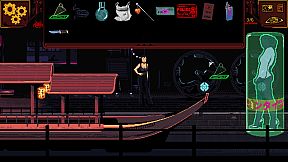
The Sundew is a point-and-click adventure game set in a dystopian future. Players take on the role of Anna Isobe, a cybernetically enhanced police officer navigating a rain-soaked megalopolis called Shibukawa in 2054. The story unfolds through exploration of detailed environments, interaction with objects via an inventory system, and conversations that reveal layers of a larger conspiracy.
Gameplay
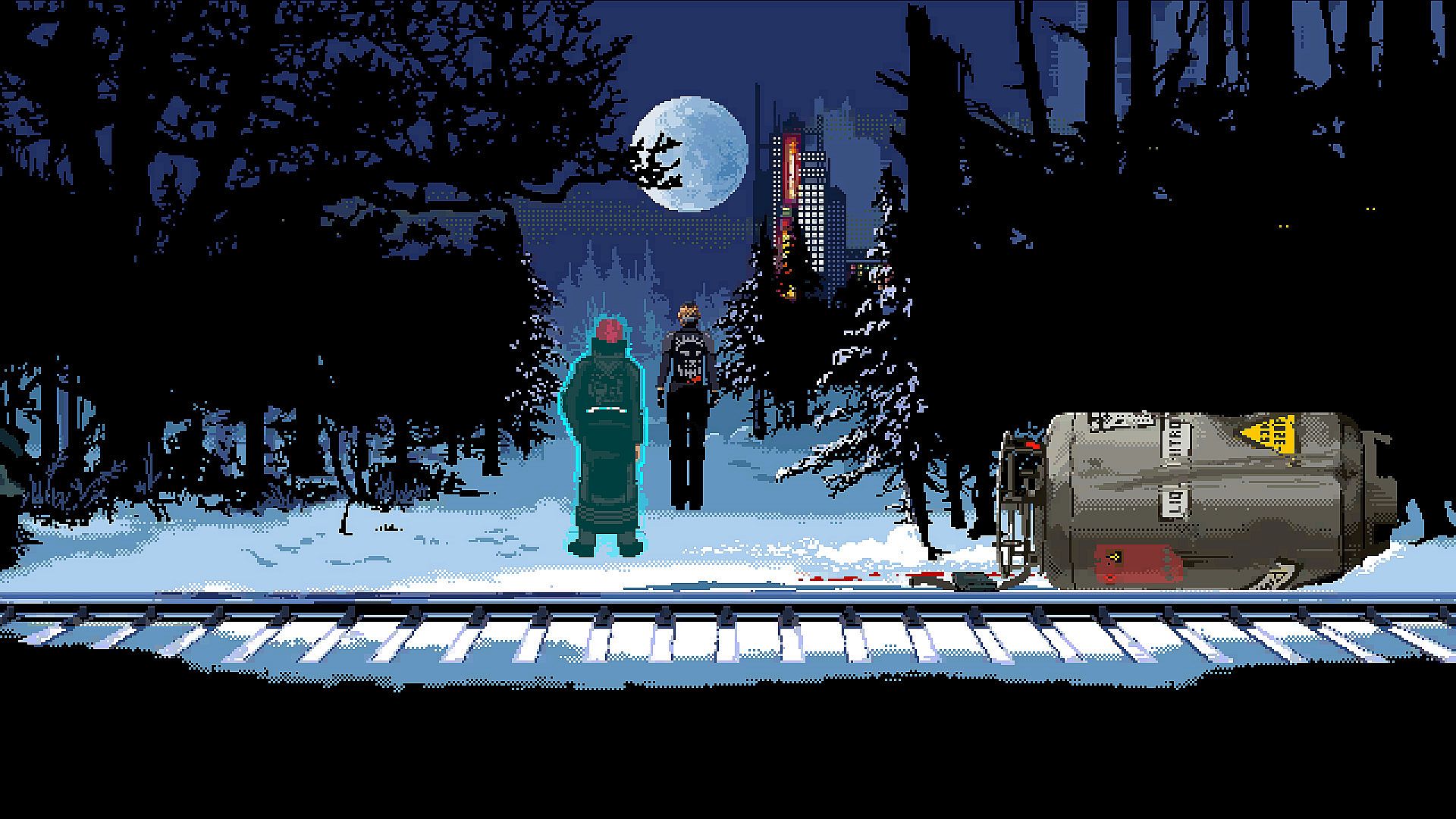
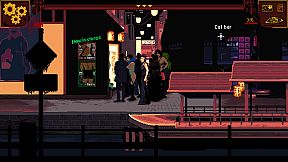
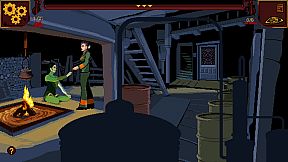
Core mechanics revolve around classic point-and-click interactions. Players examine scenes, collect items, combine them in logical ways to solve puzzles, and advance through locations that range from cramped urban apartments to remote islands and secure facilities. Pixel art renders the world with attention to atmospheric details such as dripping water, neon reflections, and subtle animations that reinforce the sense of decay and technological stagnation. Sound design layers rain, machinery hums, and ambient city noise to ground each area. Narrative choices appear at key moments, presenting moral dilemmas tied to contemporary themes like technological obsolescence and societal priorities. These decisions alter dialogue, character relationships, and certain story outcomes without requiring multiple full playthroughs for basic completion. The experience emphasizes deduction and observation over action or combat.
Game Modes
The game operates as a single-player narrative adventure with no separate modes or multiplayer components. Progression follows a linear structure punctuated by optional collectibles and choice-driven branches that influence the ending. Achievements track story milestones, puzzle solutions, and exploration elements, with twenty-five total available. Save functionality allows reloading at decision points to experiment with different outcomes in one continuous session.
Story and Setting
Japan exists in ruins after a catastrophic war, leaving Shibukawa as a surviving hub amid widespread desolation. Anna Isobe begins as a beat cop whose cybernetic enhancements mark her as outdated in a society shifting toward automated systems. The plot expands from a personal mystery into questions about humanity's direction, involving a cast of characters with hidden motives. Locations include back alleys, distant isles, and high-security prisons, each contributing environmental storytelling through visual and auditory cues. The narrative integrates player choices that weigh individual survival against broader societal consequences.
Is It Worth Playing?
Reception centers on its faithful recreation of traditional point-and-click design paired with a distinctive cyberpunk atmosphere. Reviews highlight the quality of the pixel art, the coherence of most puzzles, and the weight given to narrative decisions. The game runs approximately three to four hours for a first playthrough, making it accessible for those seeking a focused experience rather than extended campaigns. It suits players who enjoy inventory puzzles, atmospheric world-building, and stories that avoid clear-cut heroes or villains. Availability on PC supports standard keyboard and mouse controls, with options for controller use in some setups. Those drawn to retro-inspired adventures with modern thematic depth will find the title delivers on its core promises without unnecessary padding or extraneous systems.