




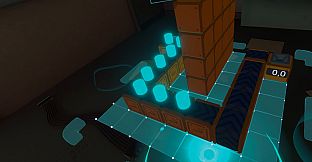
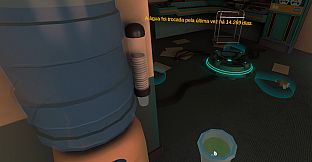
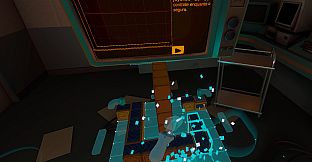
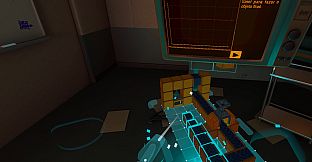
The Quinn Paradox is a story-driven VR factory builder that blends simulation and adventure elements into a series of self-contained production puzzles. Players step into the role of an Architect at the long-abandoned Quinn Tech, where a malfunctioning AI named MAMA oversees every build. The experience centers on designing efficient assembly lines using a tactile holographic table, turning raw materials into finished products through creative machine placement and process management.
Gameplay
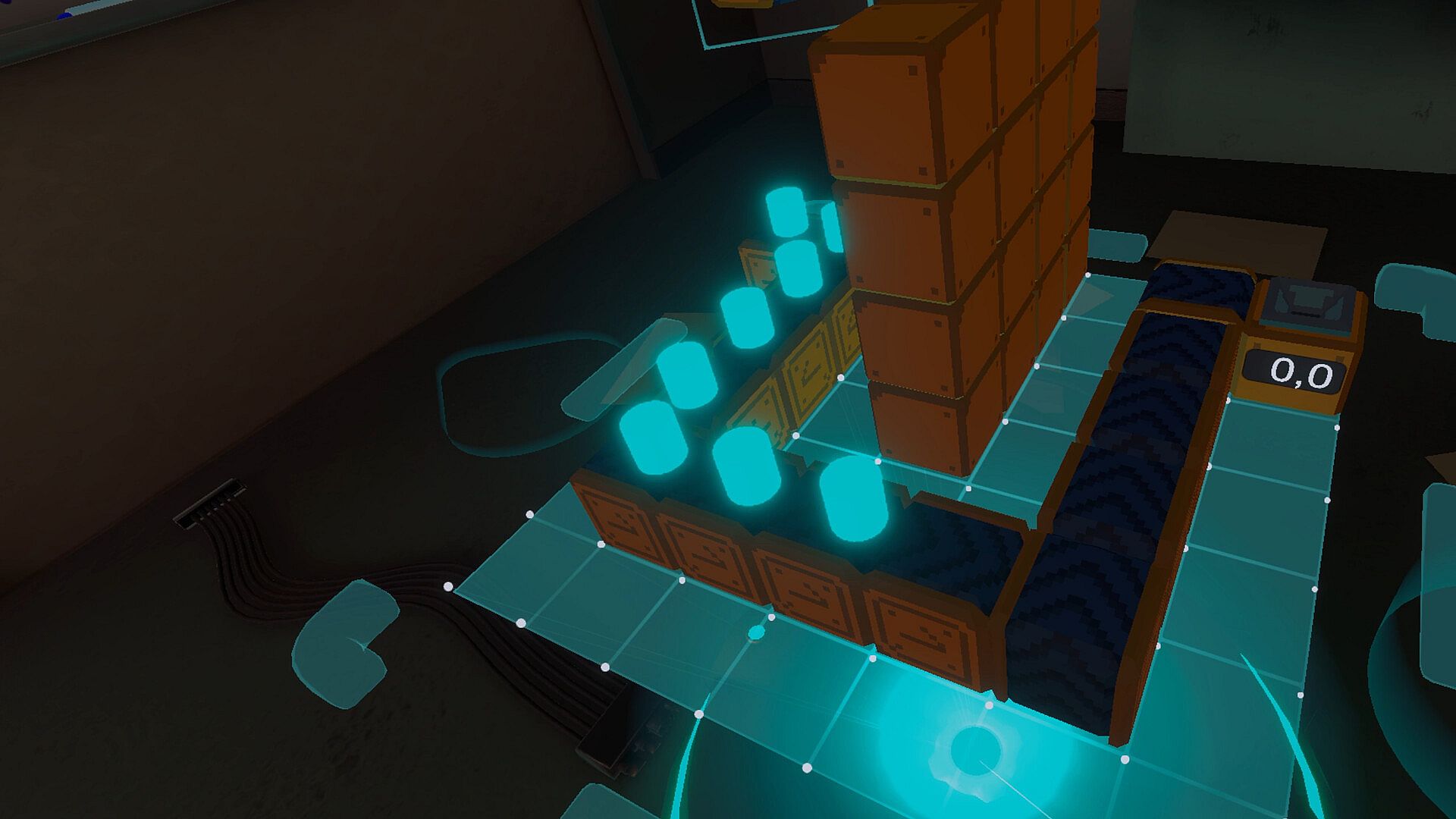
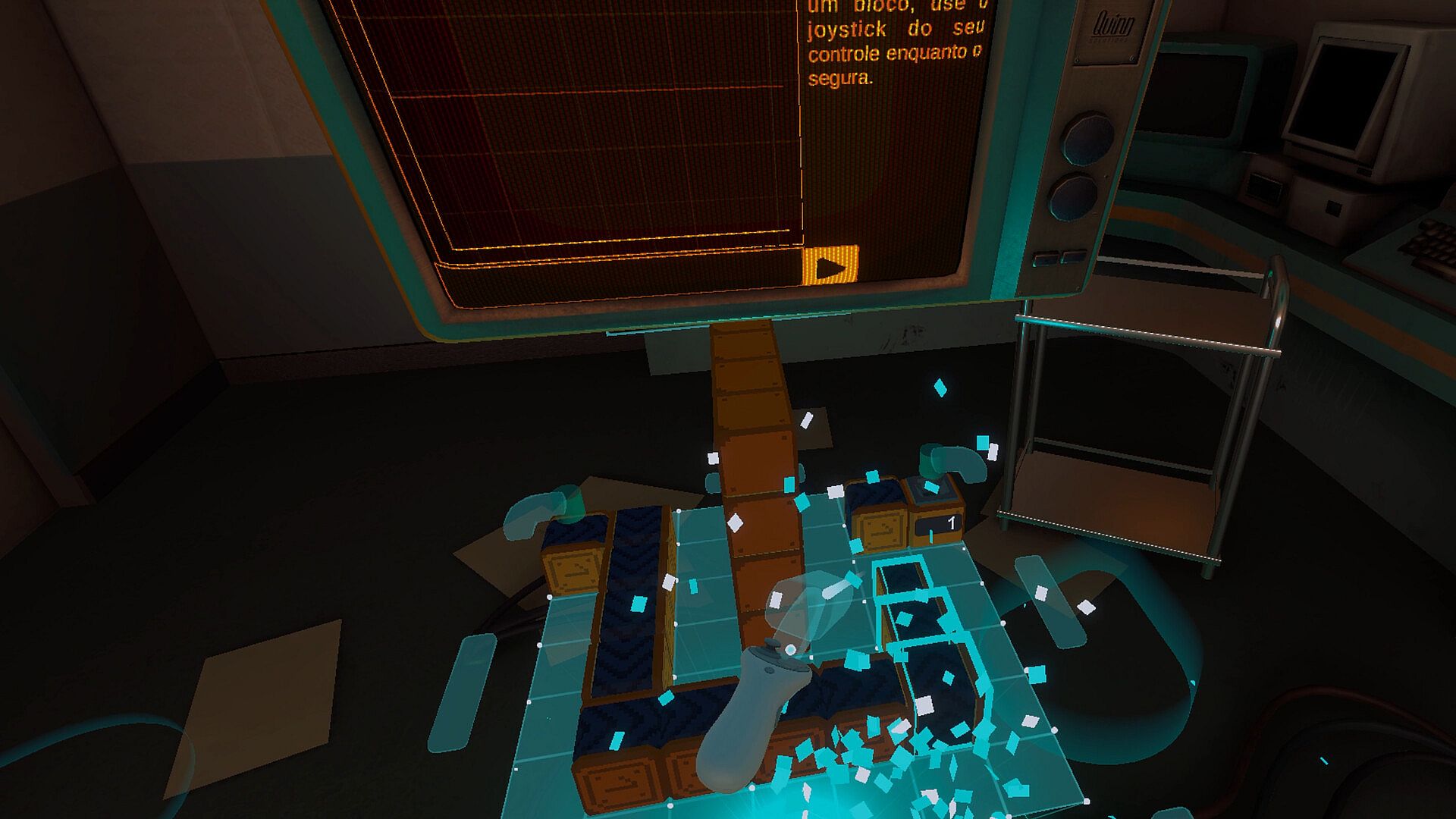
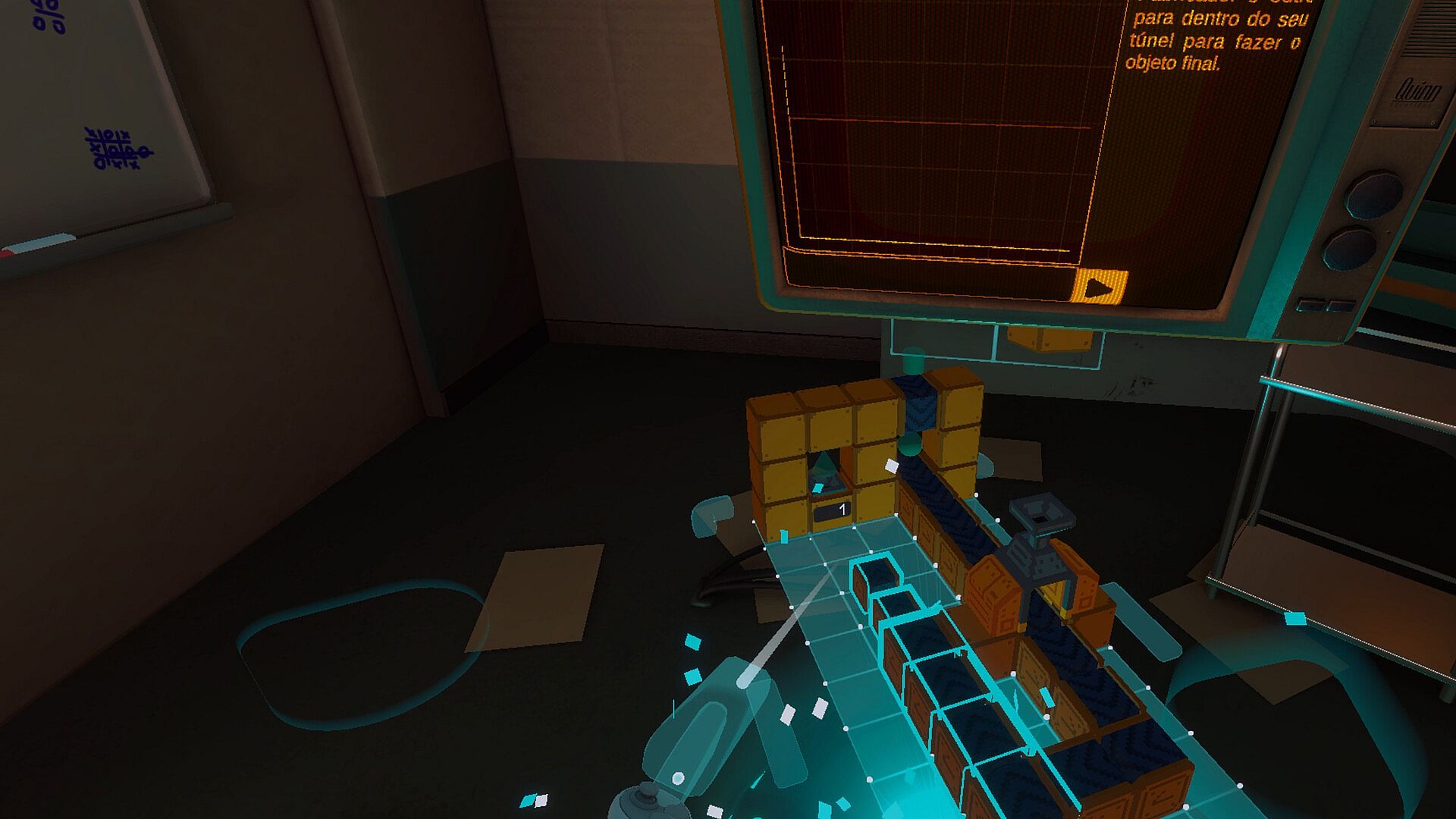
Core gameplay revolves around hands-on factory design in virtual reality. Each puzzle supplies a target product along with the necessary machines and resources. Architects reach into the holographic table to position equipment, divide workflows into dedicated lines, and direct components toward final assembly. Once the layout is set, the line runs independently, allowing observation of material flow from raw inputs to complex parts and completed items.
Efficiency plays a central role. MAMA evaluates every layout for speed and waste, highlighting lost seconds and grading performance. Solutions that function are accepted, yet the AI pushes for optimal results. This creates a loop of experimentation where players refine designs to meet or exceed expectations while exploring personal approaches to the same challenges.
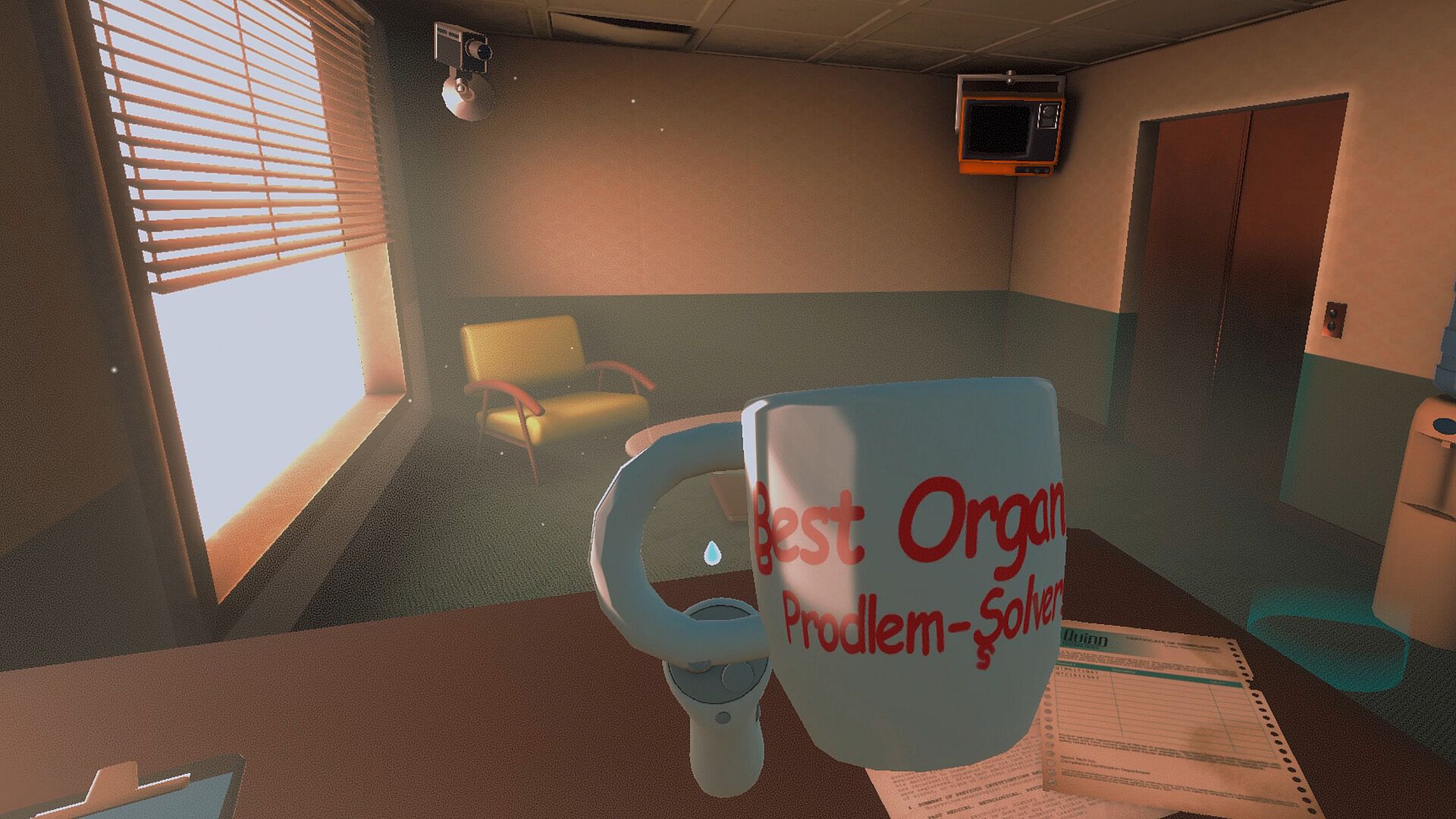
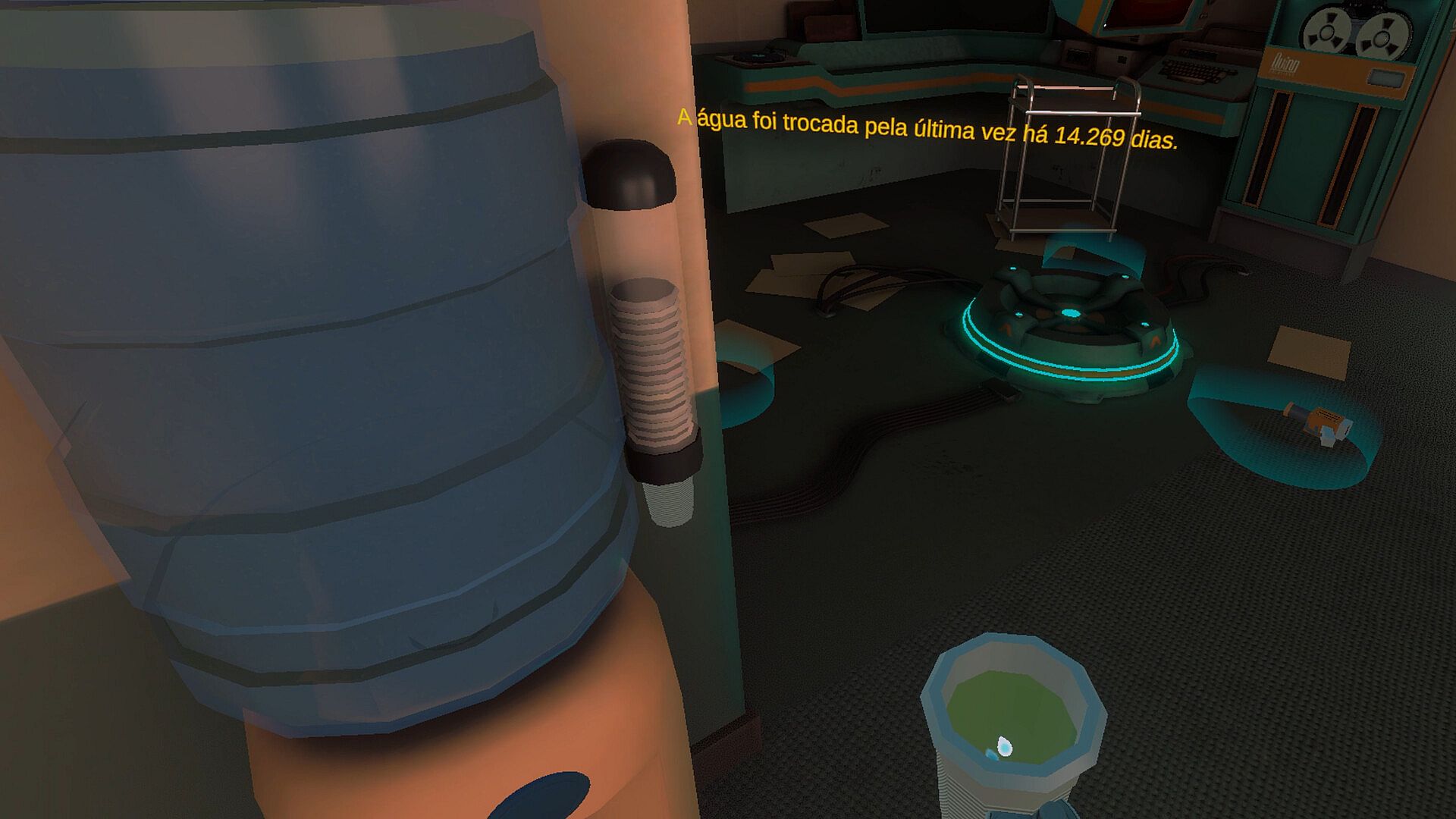
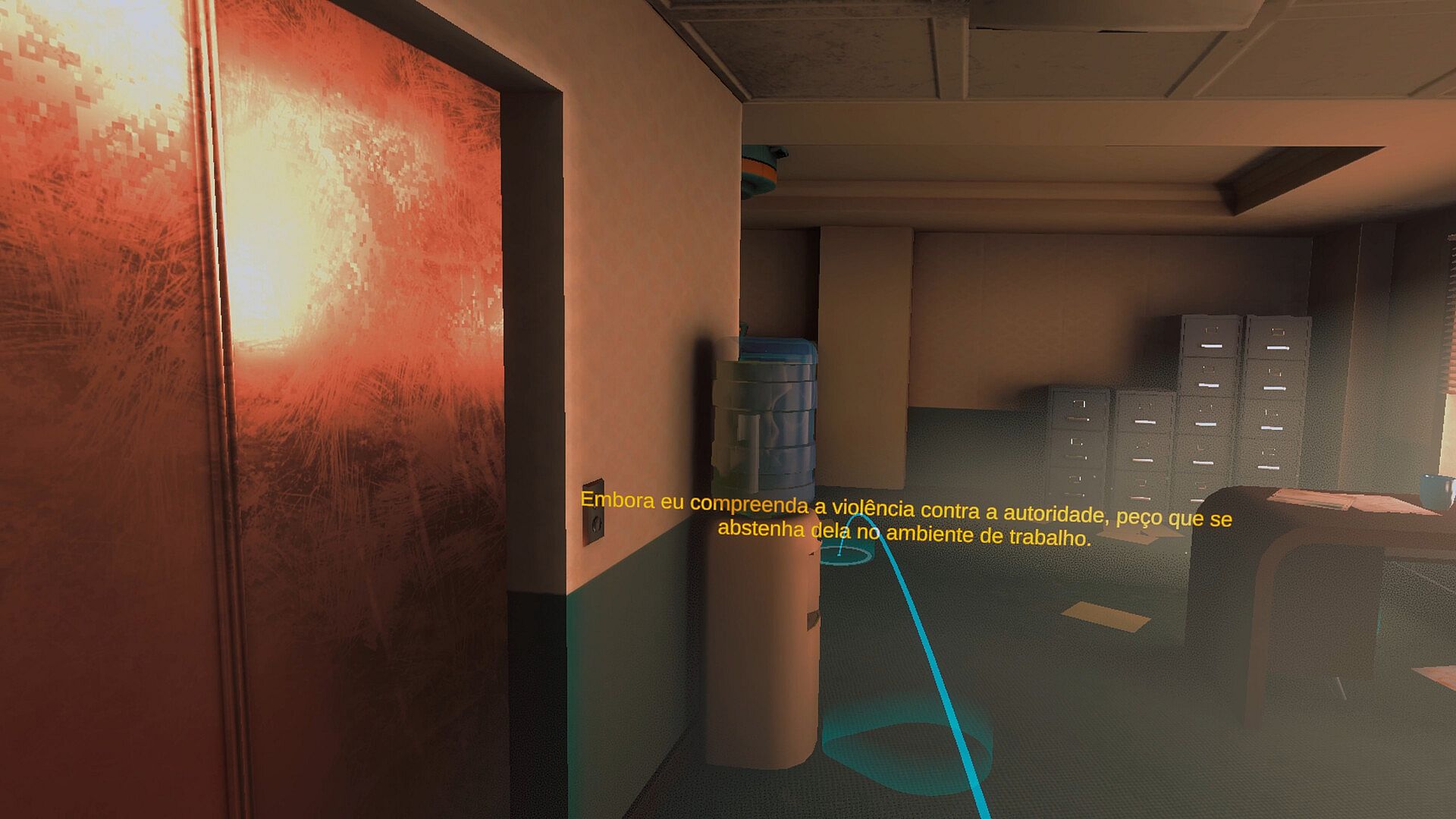
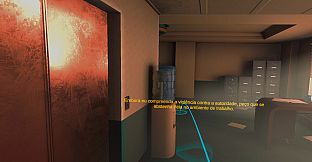
Between puzzles, the abandoned office invites exploration. Notes and details reveal the history of founder Agathe Quinn and her experimental quantum technologies. These narrative threads connect the absurd products being manufactured to the company's mysterious past, adding layers of discovery outside the factory floor.
Game Modes
The game focuses on single-player puzzle progression without separate multiplayer or competitive modes. Each self-contained challenge presents a fresh product goal and set of constraints, encouraging repeated attempts to improve layouts. The emphasis remains on iterative building and observation rather than timed races or shared sessions.
Progression ties directly to completing these production tasks while uncovering office secrets. There are no seasonal events or additional modes confirmed at this stage, keeping the experience centered on the core loop of design, automation, and narrative investigation.
Story and Setting
Quinn Tech has stood empty since the 1980s, with MAMA continuing efficiency tests in isolation. Players arrive as the first Architect in years after an accidental hiring, becoming the AI's sole focus. The setting mixes corporate decay with inventive absurdity, as the products under development stem from Agathe Quinn's quantum experiments that defy conventional logic.
Exploration reveals fragments of the founder's work and the events that led to the company's silence. These elements frame the factory puzzles within a larger mystery, rewarding players who balance mechanical optimization with curiosity about the environment.
Is It Worth Playing?
The Quinn Paradox suits players who enjoy deliberate puzzle-solving and creative problem-solving in a VR environment. Its simulation mechanics reward careful planning and observation of automated systems, while the adventure components provide context through environmental storytelling. Those drawn to factory-building concepts with a narrative twist will find the self-contained challenges engaging for focused sessions.
Reception details remain limited ahead of wider release, with no aggregated scores or extensive player feedback available yet. The game appeals most to fans of thoughtful, hands-on design experiences rather than fast-paced action or large-scale multiplayer. Availability is currently tied to PC, with the described features forming a complete single-player package centered on efficiency and discovery.












