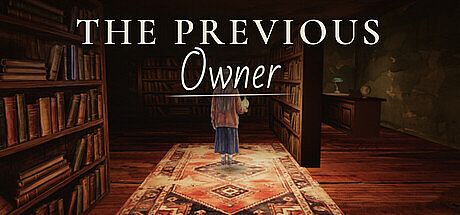


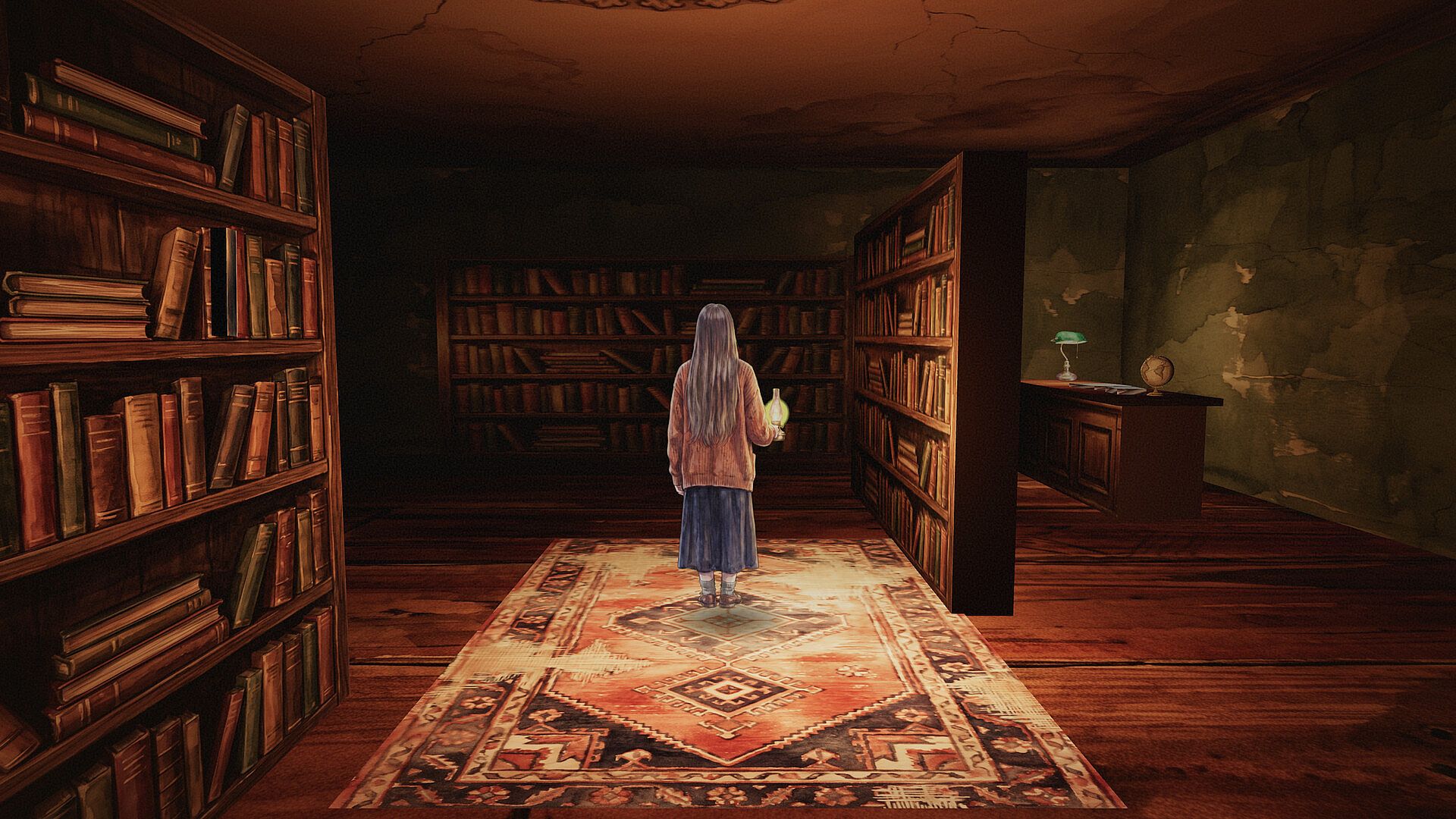
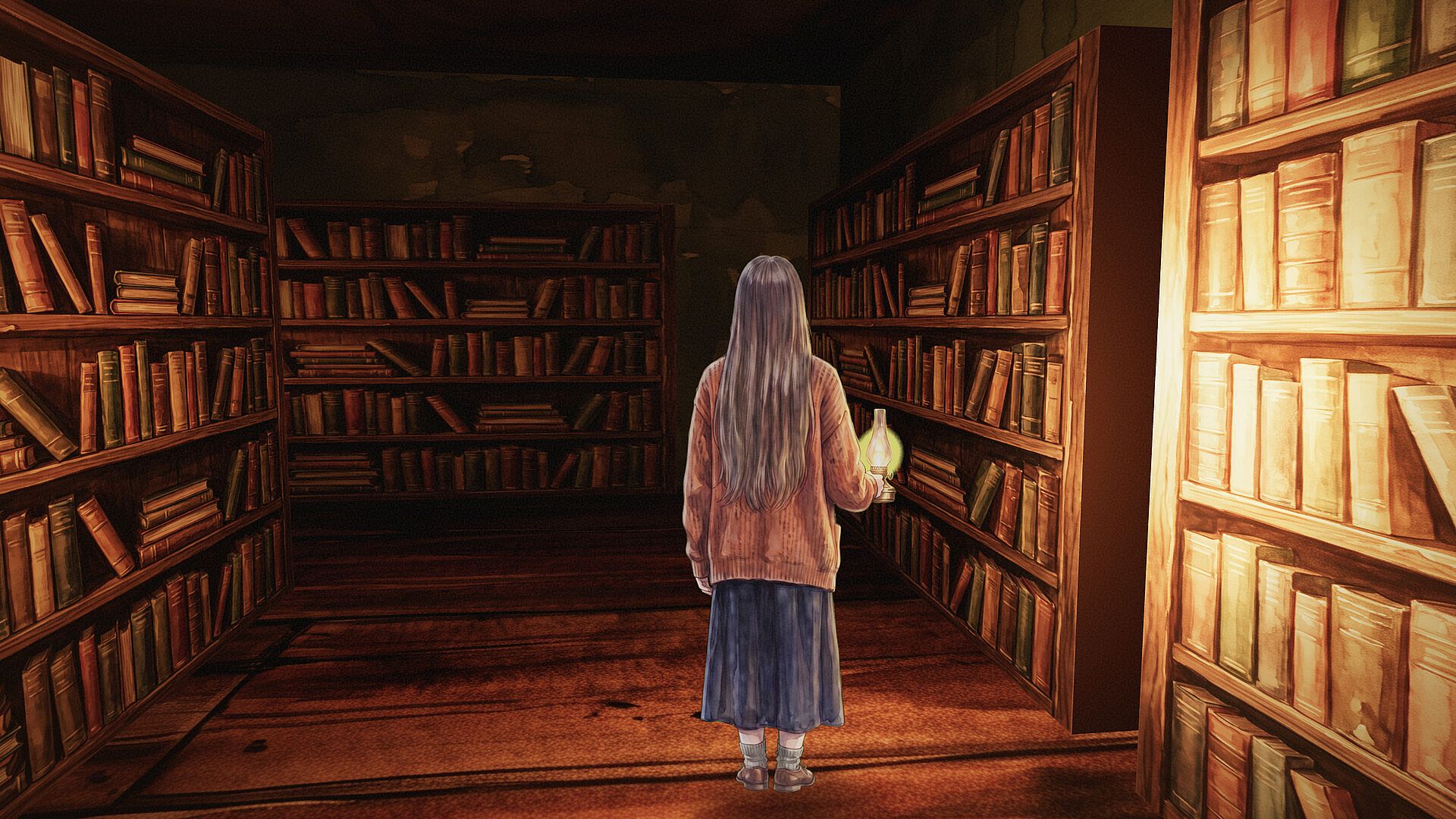

The Previous Owner is an indie simulation adventure game set in a secondhand bookshop in London during the autumn of 1994. Players take on the role of Iris Calloway, who inherits the shop Heritage and Sons from its previous owner, Arthur Pell. The experience centers on running the business while uncovering layers of personal histories embedded in the books themselves.
Gameplay
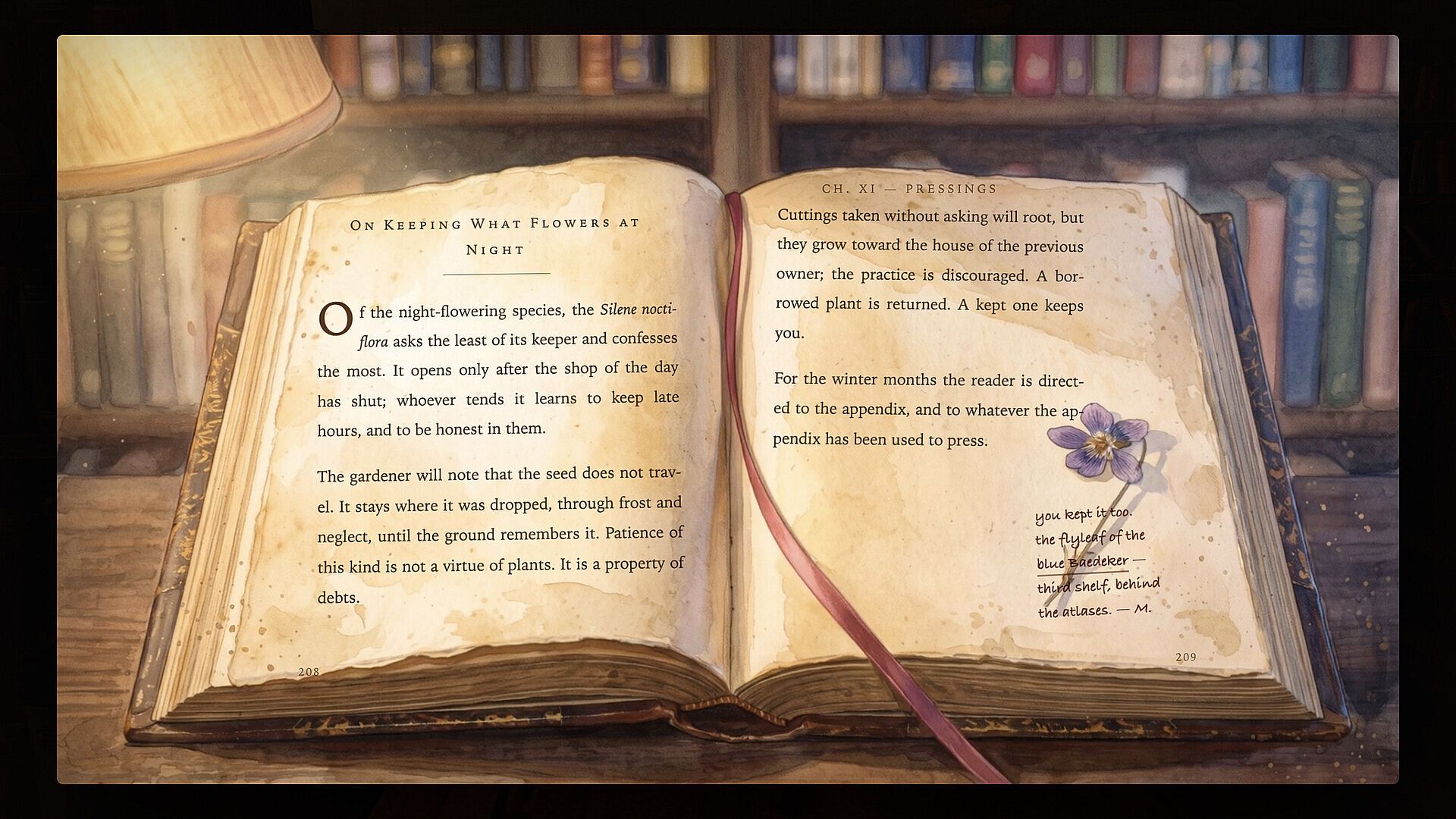
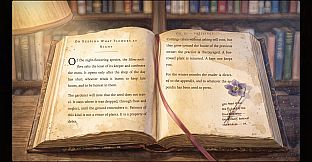
Core gameplay revolves around managing daily operations in the bookshop. This includes acquiring collections of used books, assessing their value, and matching specific titles or subjects to the needs of visiting customers. Shelving follows unusual rules established by the prior owner, such as keeping certain volumes apart from expected categories like atlases. Players examine each book for traces of its history, including marginal notes, inscriptions, pressed flowers or other items tucked between pages, and photographs that reveal fragments of past lives spanning five decades.
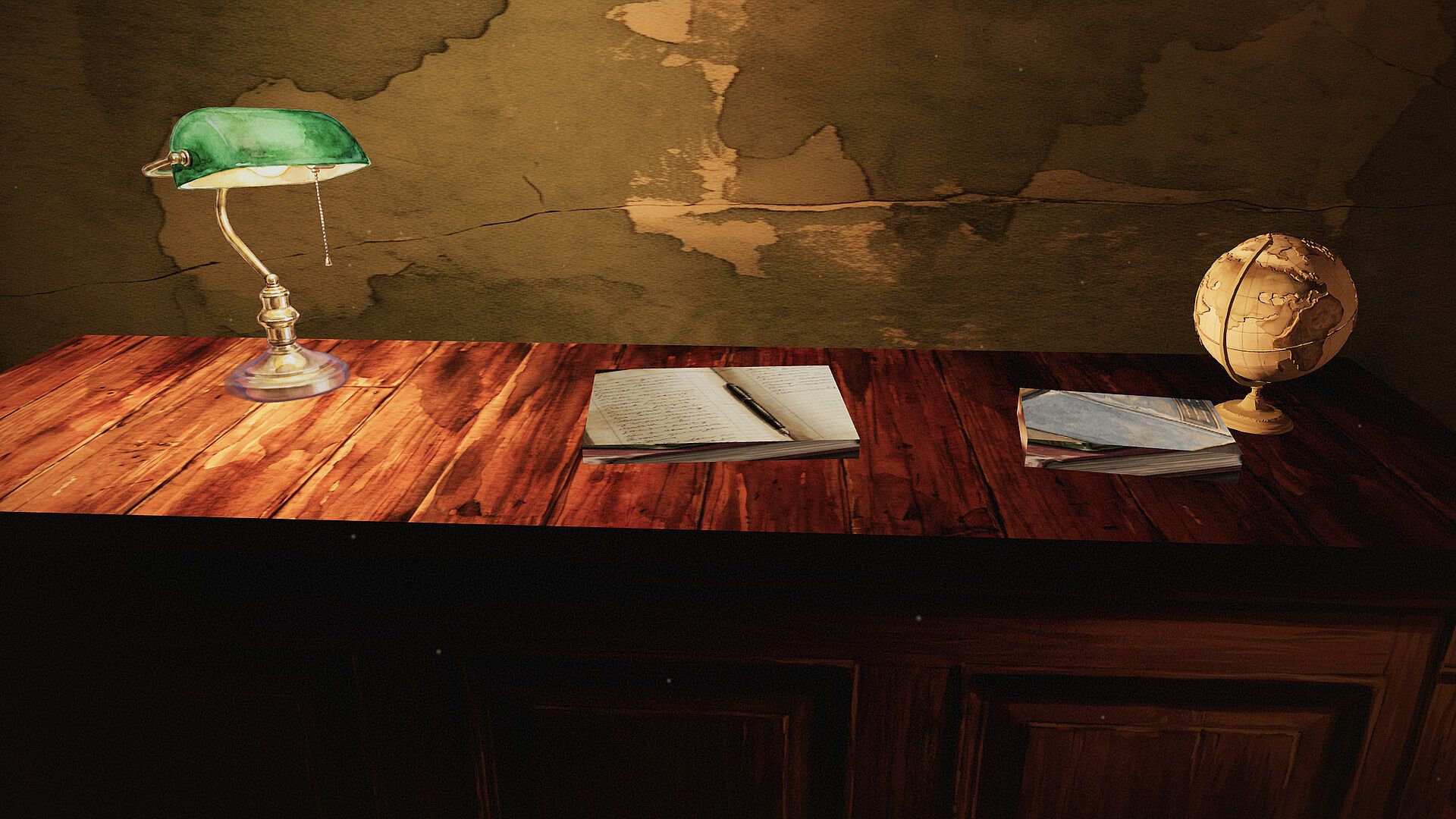
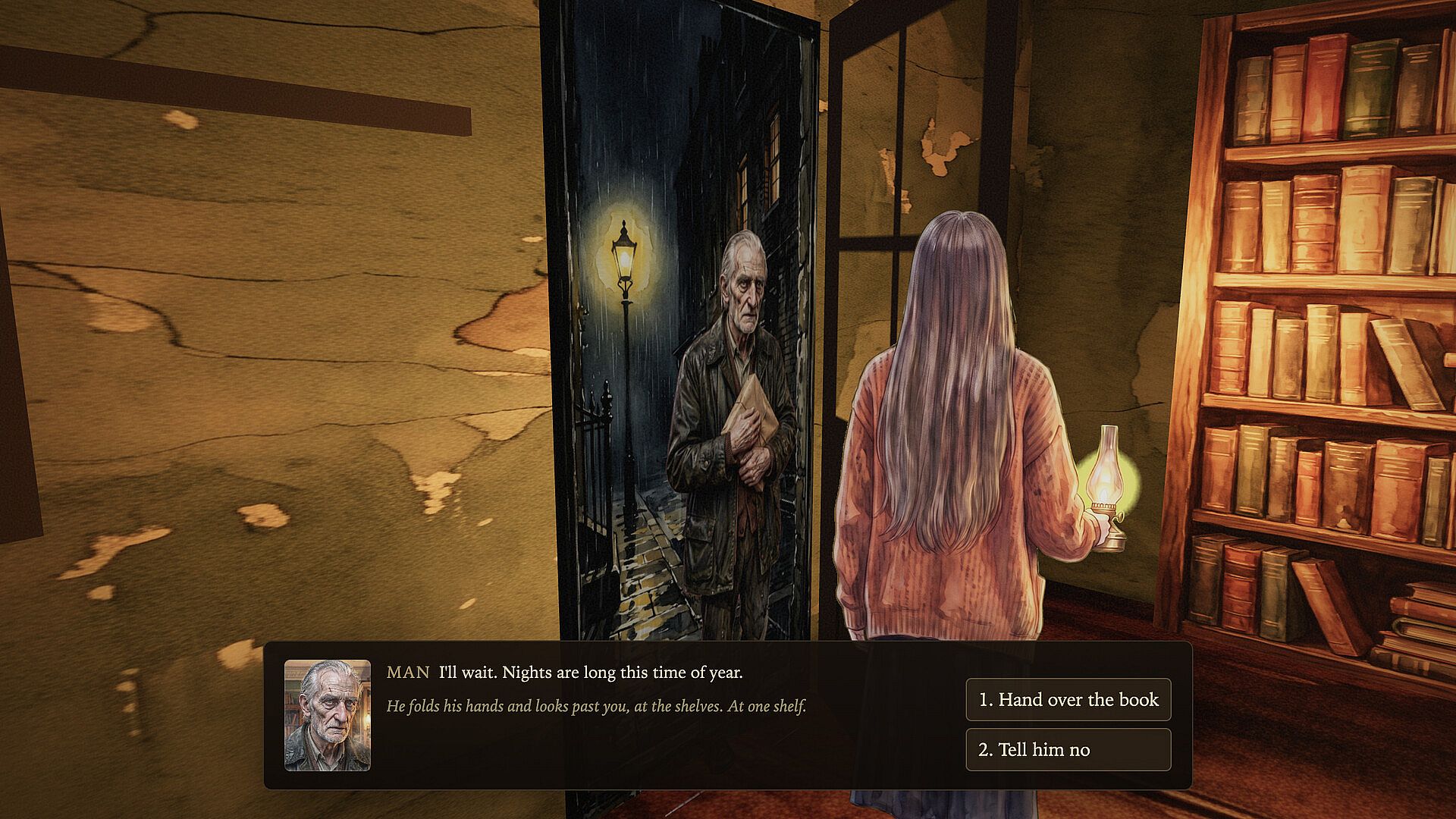
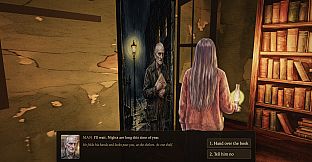
The narrative thread emerges through these artifacts and a set of files left behind in the back room. One recurring signature, simply marked M, appears across multiple volumes and ties into an ongoing investigation. Decisions about which books to retain, sell, or investigate further shape the shop's collection and influence how the story unfolds. The setting emphasizes atmosphere through details like rain on the windows, lamplight along the aisles, and the practical challenges of maintaining the space, such as replacing bulbs in the back rows that frequently fail.
Game Modes
The game operates entirely in a single-player format with no multiplayer components. Progression follows a linear yet branching structure driven by shop management tasks and exploration of the inherited materials. Players advance through the season by handling customer interactions, organizing inventory, and deciding how deeply to engage with the personal stories found in the stock. These choices determine the direction of the central mystery without requiring separate modes or competitive elements.
Narrative Choices and Endings
Player decisions extend beyond business mechanics into the ethical and personal realm of handling the previous owner's records. Reading marginalia or following leads in the files carries consequences that affect relationships with the recurring handwriting and the overall collection. The game features four distinct endings that reflect different approaches to what is kept, what is released, and how closely the player engages with the hand in the margins. These outcomes reward careful attention to the rules of shelving and the stories contained within the books.
Is It Worth Playing?
The Previous Owner suits players who enjoy narrative-driven simulations that blend routine management tasks with discovery and quiet mystery. Its focus on bookshop operations paired with layered personal histories creates a distinctive loop centered on curation and interpretation rather than action or combat. With the title still listed as coming soon and no player reviews available yet, anyone drawn to atmospheric single-player experiences in indie adventure or simulation genres may find the premise compelling once it launches. Those seeking fast-paced mechanics or extensive online features will likely want to look elsewhere. The emphasis on choice and consequence in a contained, period-specific setting offers a focused alternative for fans of story-rich management titles.