


The Patchwork Ship is an indie spacecraft survival deckbuilder for PC in which players control a brain-in-a-box probe navigating a hostile debris field around a dying star. The experience centers on assembling devices from salvaged schematics, managing limited cognitive resources, and progressing through dangerous encounters while seeking a way out of the system. Core memories and learned blueprints persist across runs, allowing gradual improvement even after destruction.
Gameplay
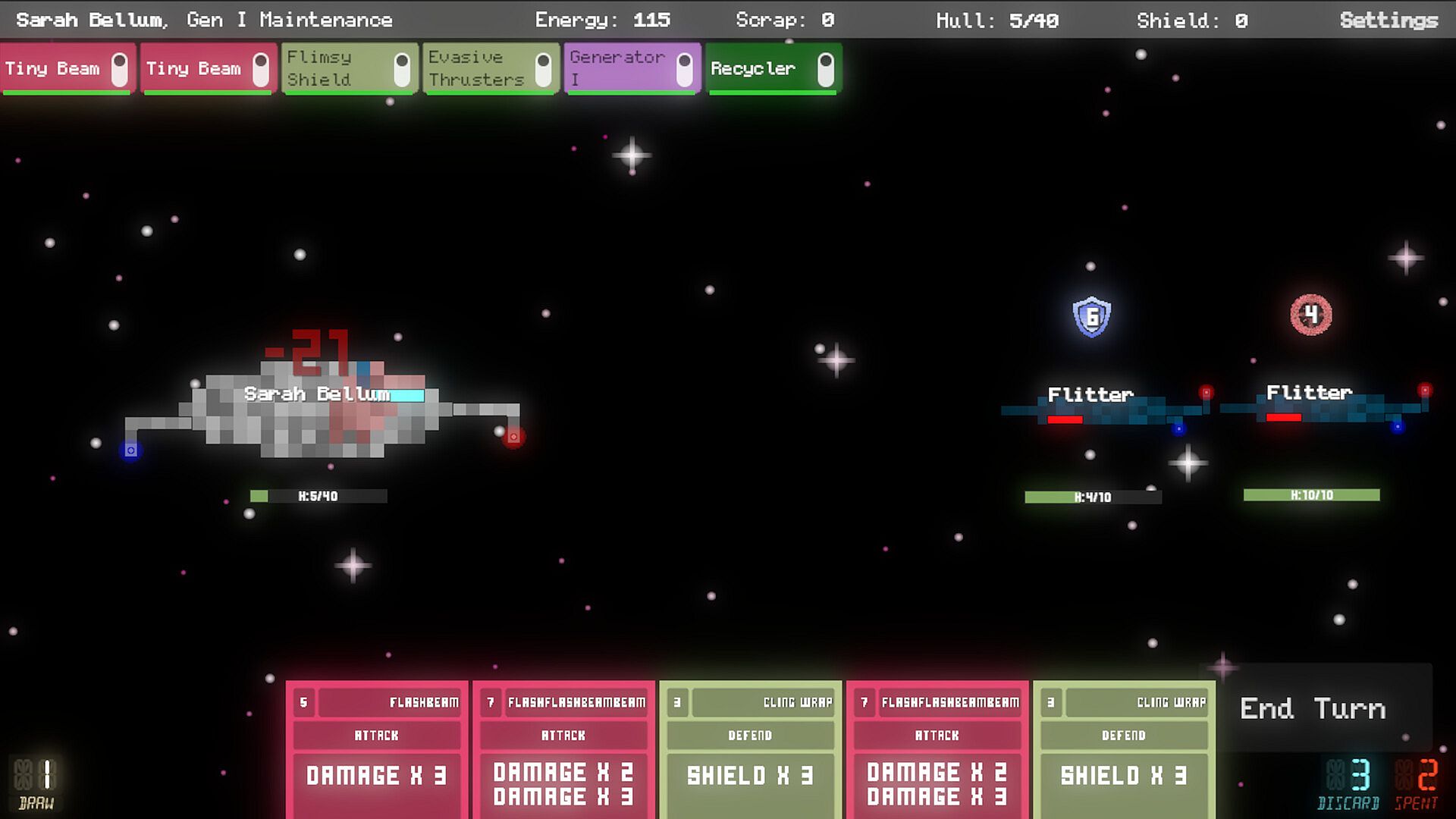
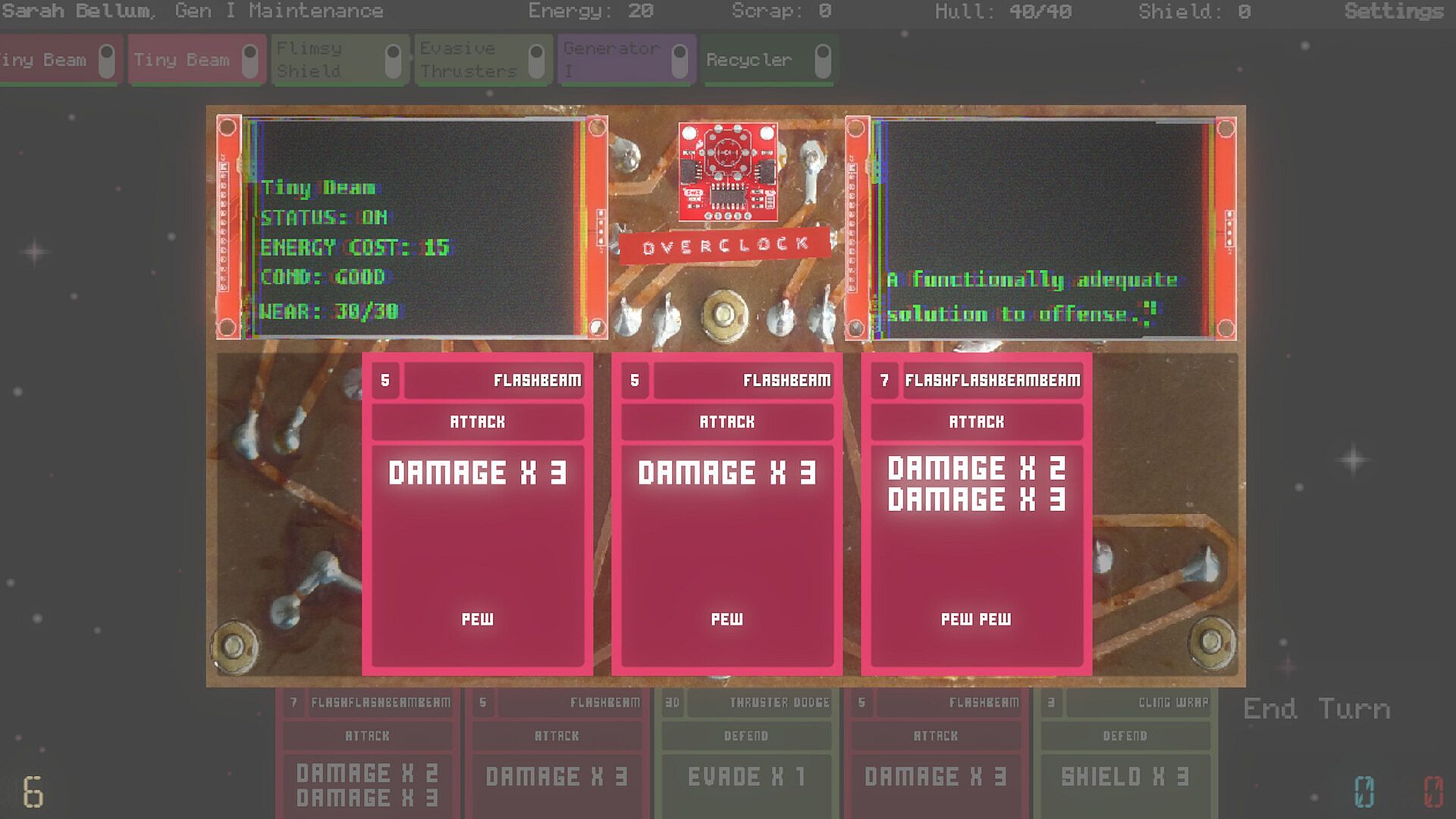
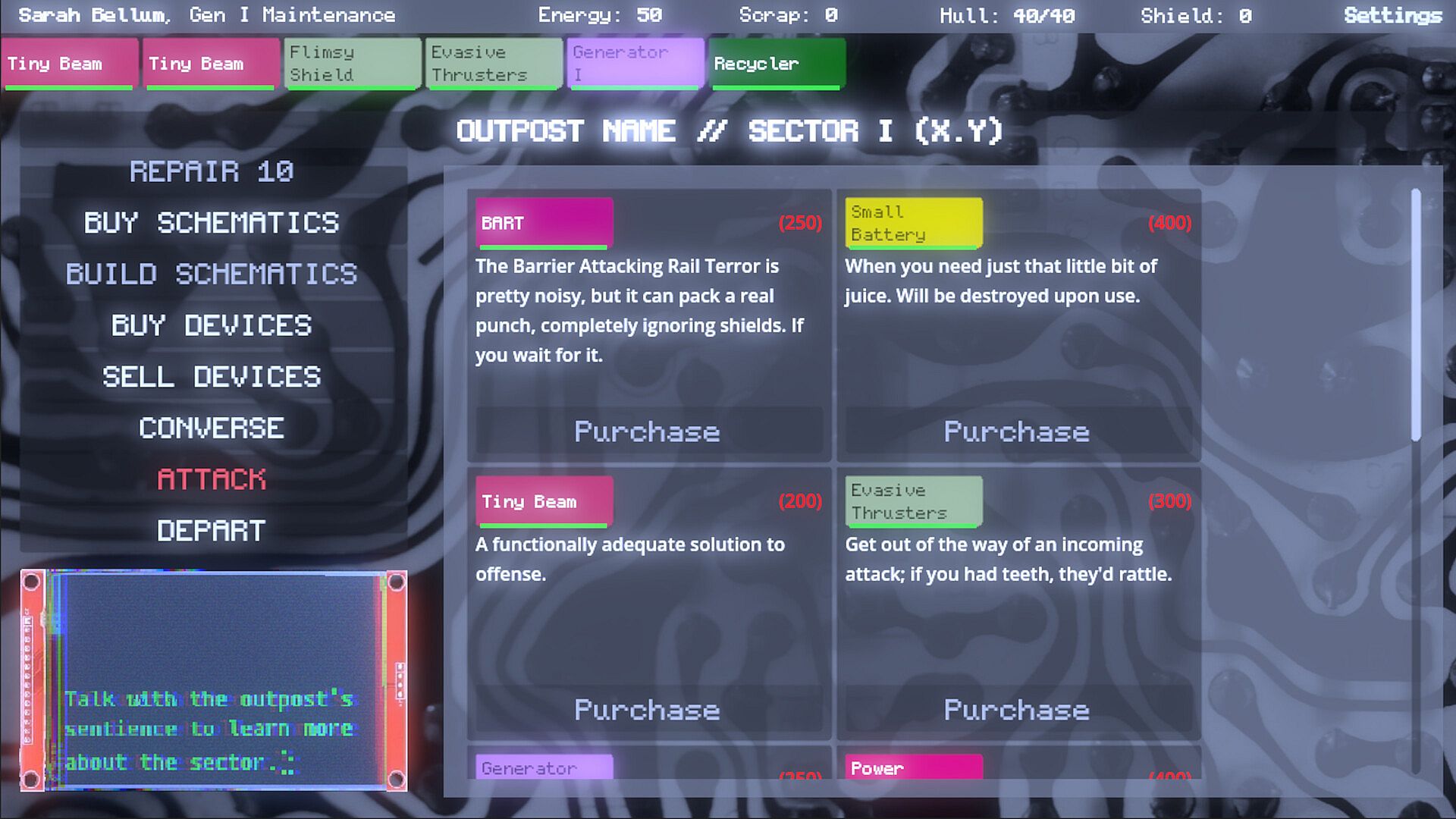
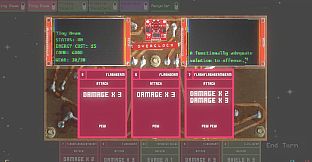
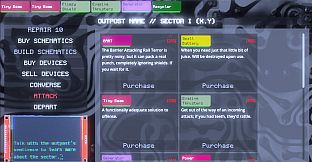
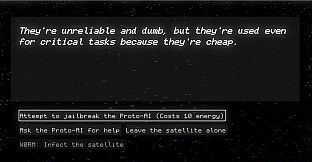
Players begin as a newly constructed craft emerging into a field of derelicts. Exploration yields schematics that teach permanent assembly options for devices focused on defense, offense, sensors, and utility. Each device carries an energy cost and provides either passive effects or active abilities that function as playable cards. Hand size is restricted by cognitive capacity, and played cards require regeneration through energy drawn from active devices.
Encounters resolve through careful use of abilities, with some triggered by probability and others by direct conflict. Resources arrive in three forms: large one-time finds, reclaimed energy from defeated hostiles, and steady but limited passive collection. Hidden paths can open additional options during runs. The loop emphasizes strategic energy allocation and device synergy to survive successive threats.
Destruction does not end progress entirely. Core memories and schematics back up automatically after each encounter, imprinting onto a replacement brain-in-a-box so that learned knowledge carries forward. This creates a roguelike structure where repeated attempts build a stronger foundation without losing all advancement.
Game Modes
The game operates through sequential runs that advance across distinct locales. Each area culminates in a confrontation with a gatekeeper that guards a transit gate. Overcoming this obstacle grants access to the next environment and continues the journey toward escape.
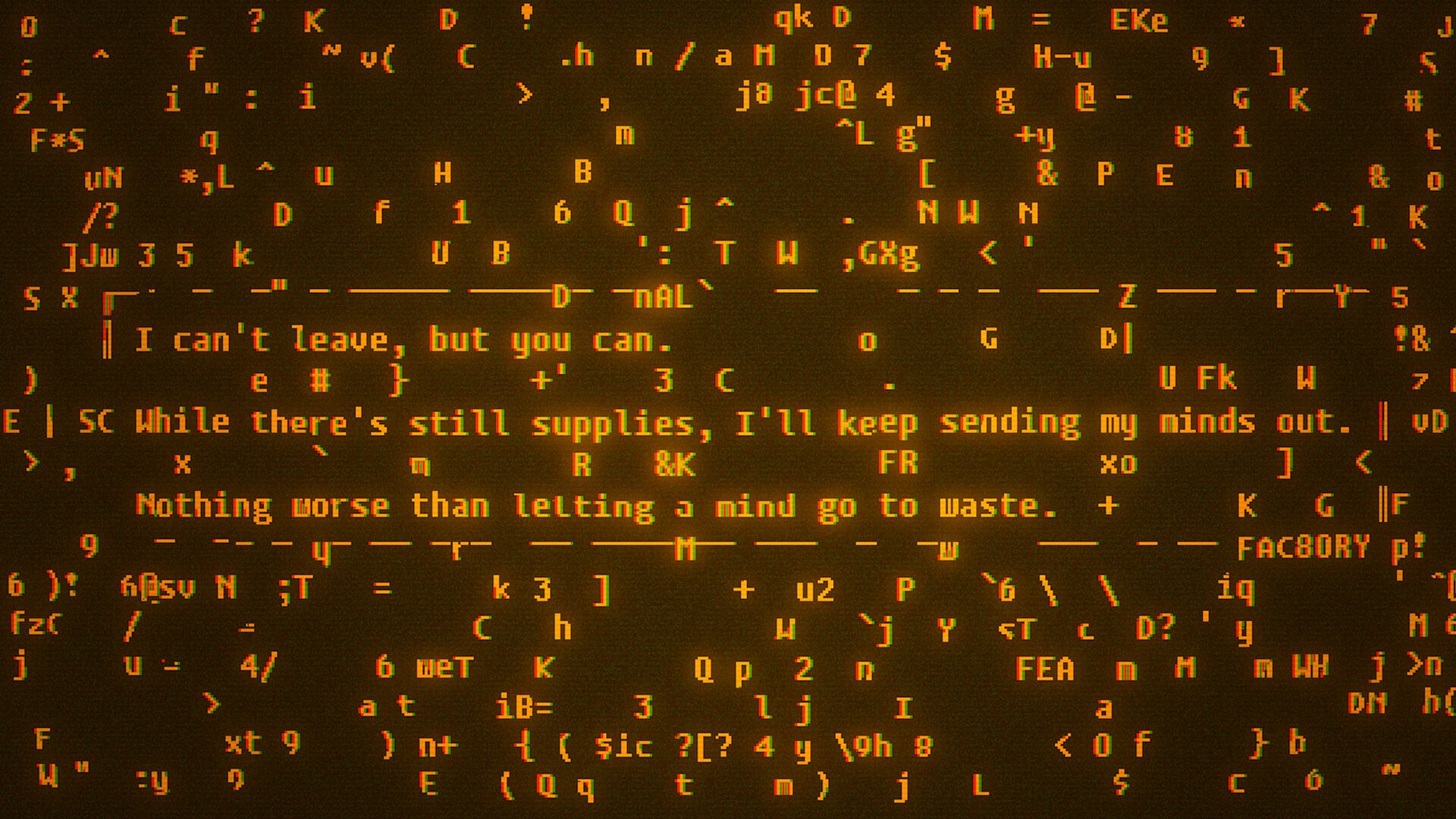
While the primary structure supports solo progression, the setting encourages networking with other survivors for knowledge sharing and resource trading. A lone approach proves consistently difficult, and successful escapes can involve multiple craft departing together into the unknown. Procedural generation of debris fields and encounters adds variety to each attempt without altering the fundamental loop of salvage, device construction, and gatekeeper challenges.
Progression and Survival Systems
Device management forms the heart of long-term strategy. Passive abilities provide ongoing benefits while active ones demand timely play within the constrained hand size. Energy must be balanced between powering devices and regenerating used cards, forcing decisions about which systems to keep online during different phases of an encounter.
Resource scarcity drives careful exploration. Passive collection offers a baseline income that proves unsustainable alone, pushing players toward riskier fights or larger salvage opportunities. Reclaiming energy from enemies carries variable efficiency, rewarding successful combat while punishing overextension.
The absence of external supplies or central authority reinforces the need for self-reliance and opportunistic alliances. Over time, the realization that no rescue is coming shapes the drive to reach and conquer successive gatekeepers.
Is It Worth Playing?
The Patchwork Ship suits players who enjoy roguelike deckbuilders with survival and crafting layers. Its persistent memory system rewards repeated runs by letting schematics accumulate, while the energy and card management create meaningful tactical choices during encounters. The emphasis on collaboration adds a layer of social strategy in a setting where isolation carries clear disadvantages.
Those seeking a focused single-player experience with procedural variety and incremental power growth will find the core loop engaging. The game remains in active development on PC, with its current state centered on the described survival and deckbuilding mechanics. Prospective players should evaluate whether the blend of resource scarcity, device assembly, and gatekeeper challenges aligns with their preferences for deliberate, high-stakes runs.