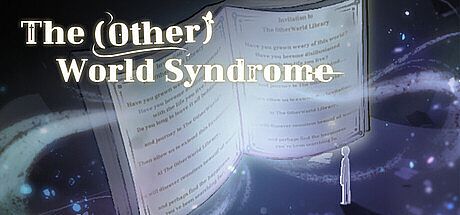


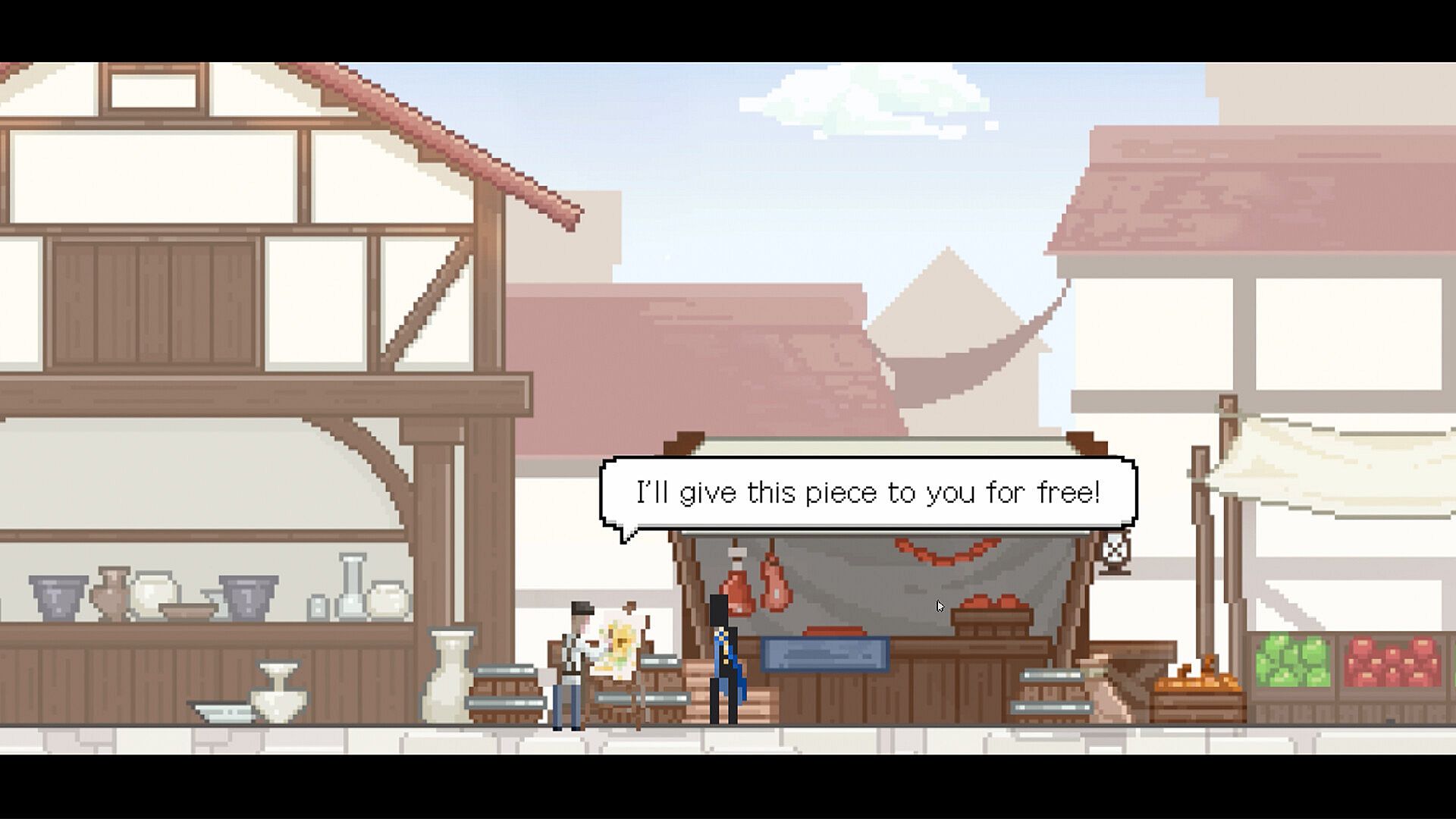
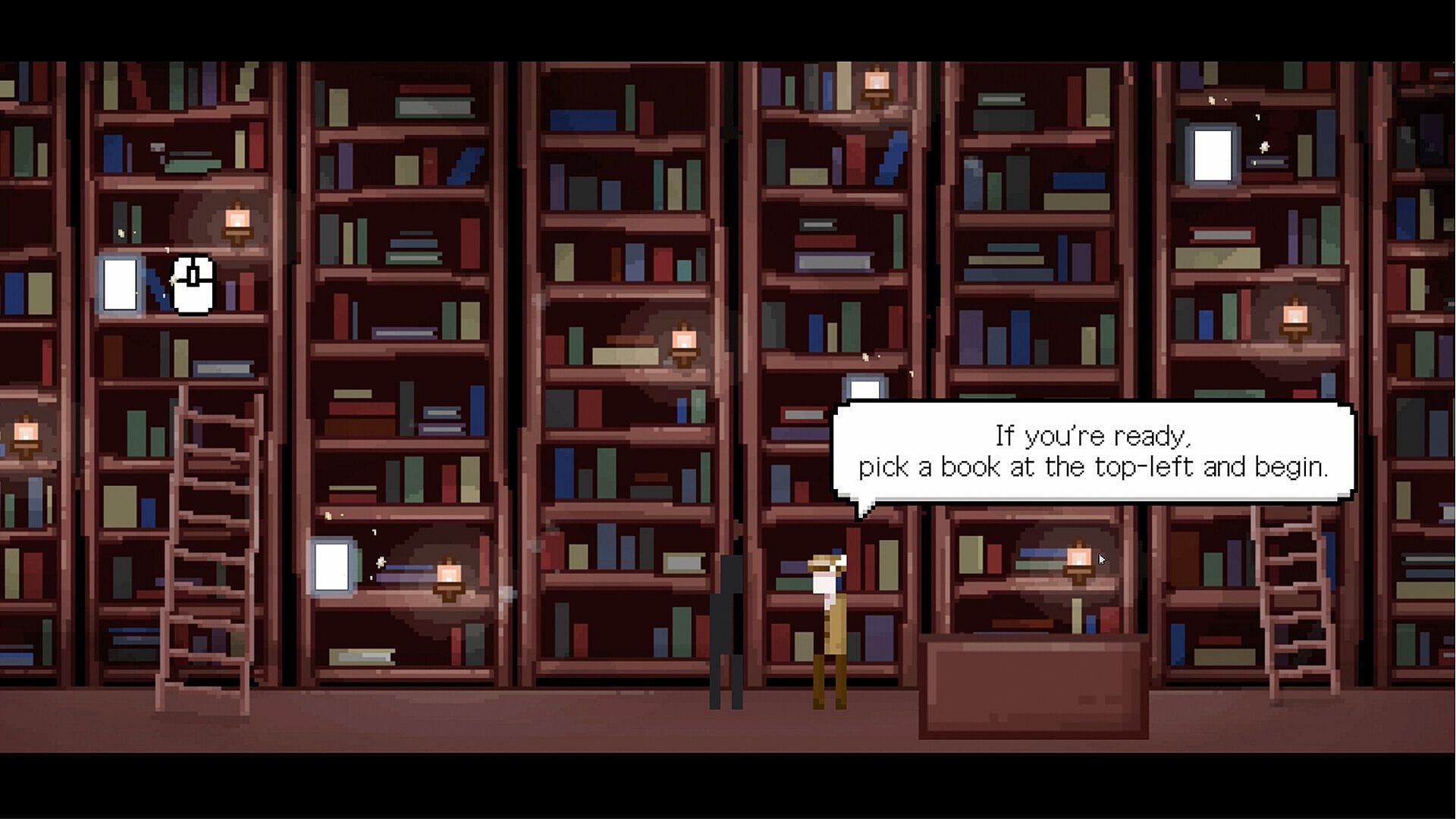
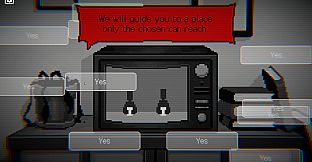
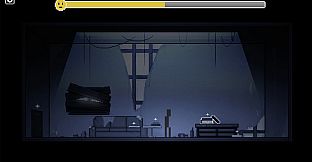
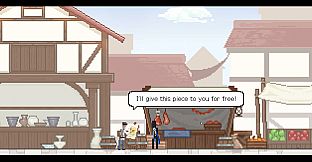
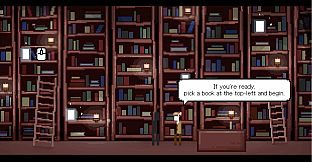
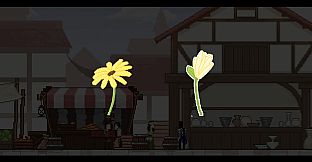

The (Other)World Syndrome is a single-player story-driven adventure game developed for PC. It follows a protagonist overwhelmed by modern pressures who receives an invitation to a magical library filled with alternate realities. Players navigate these OtherWorlds while reflecting on the boundaries between escape and genuine fulfillment.
Gameplay
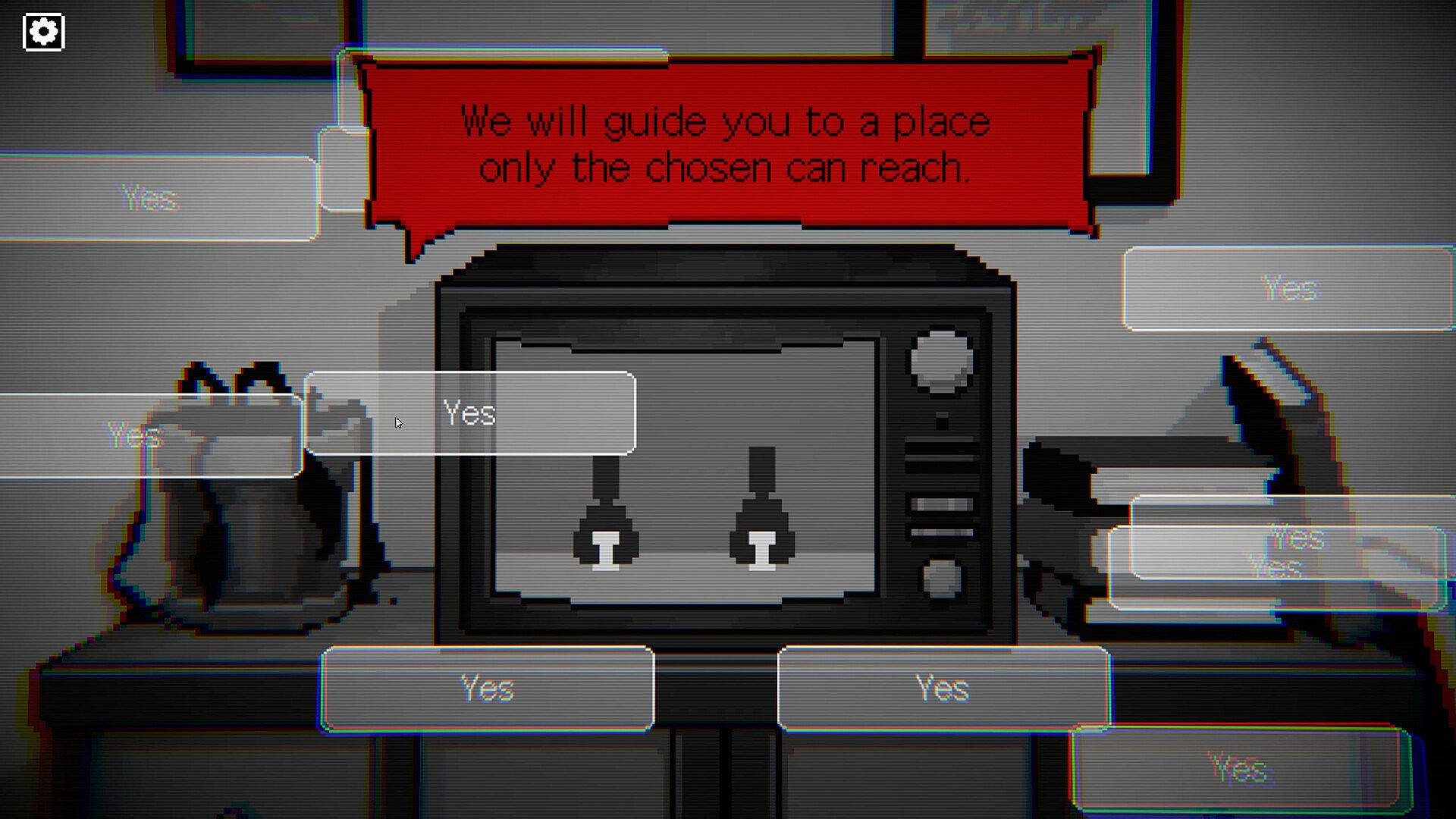
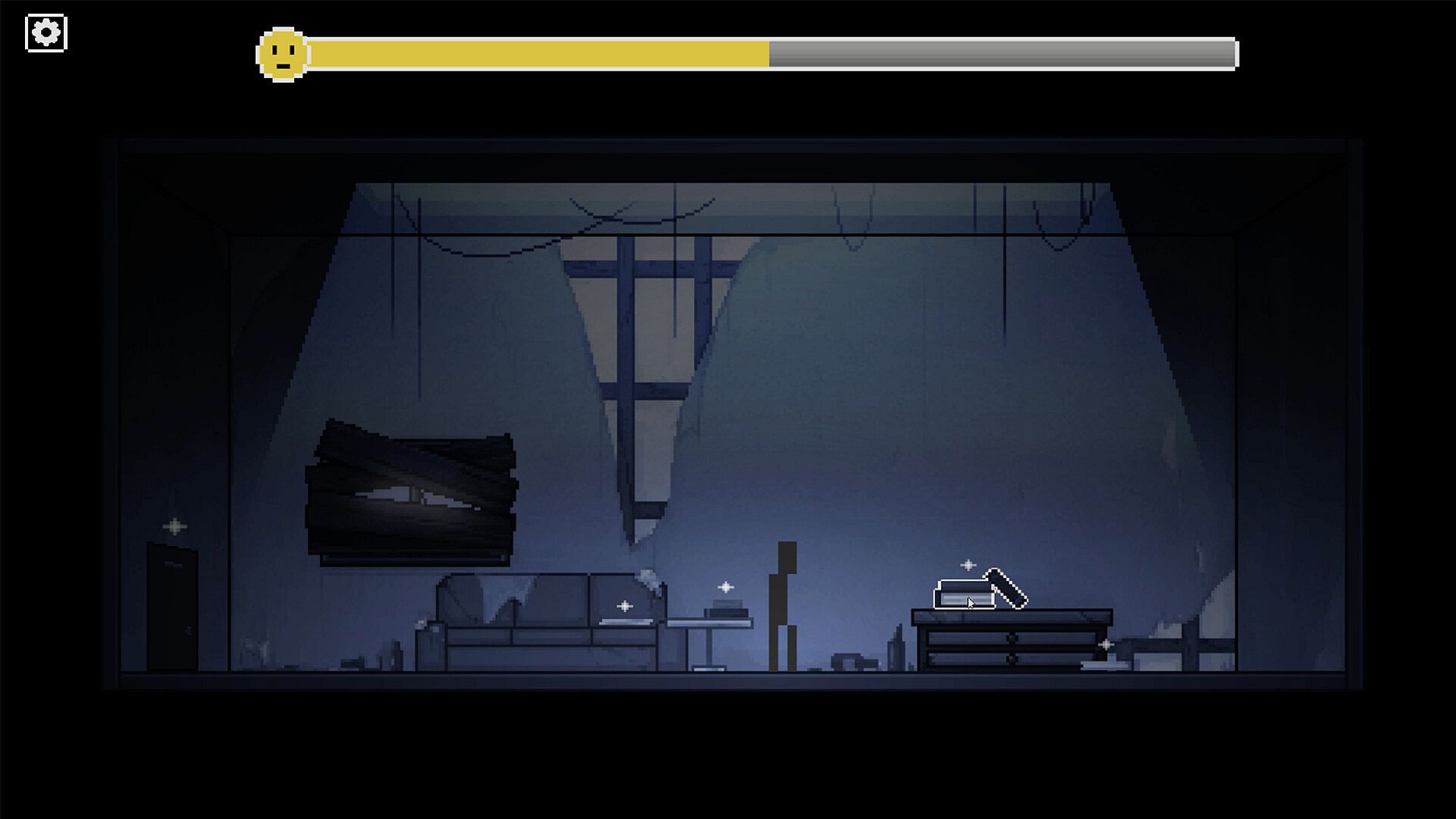
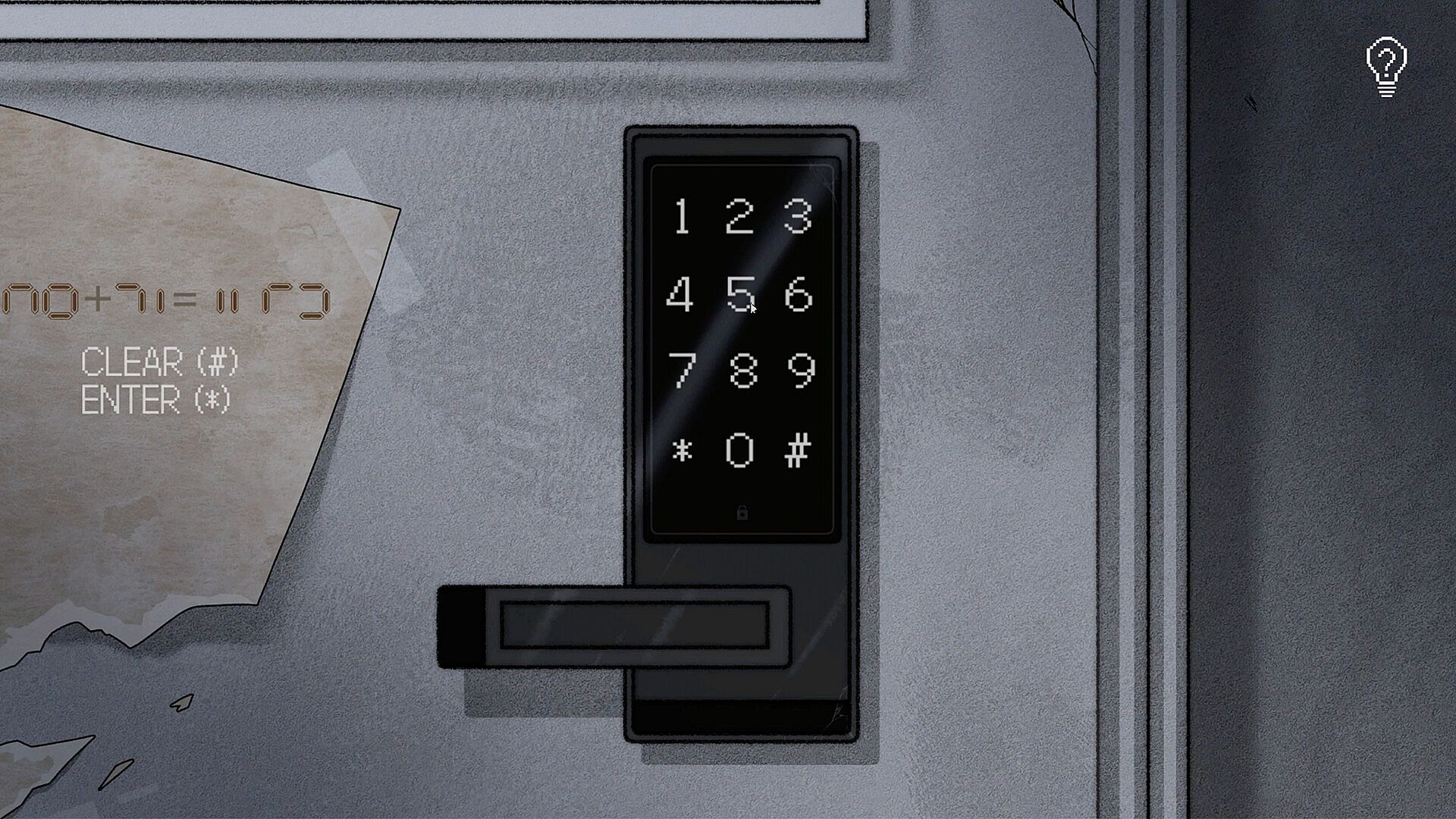
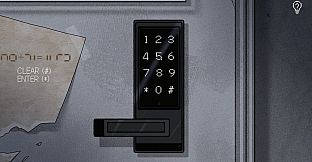
The core loop centers on exploration across distinct worlds, each presenting environmental puzzles that require observation and logical steps to progress. Players move through detailed settings, interact with objects, and uncover pathways that advance the narrative. The interactive dialogue system stands out, allowing typed responses that influence conversations and steer interactions in personal directions. This mechanic creates a sense of direct involvement, as the game processes input to branch into pre-written scenario paths.
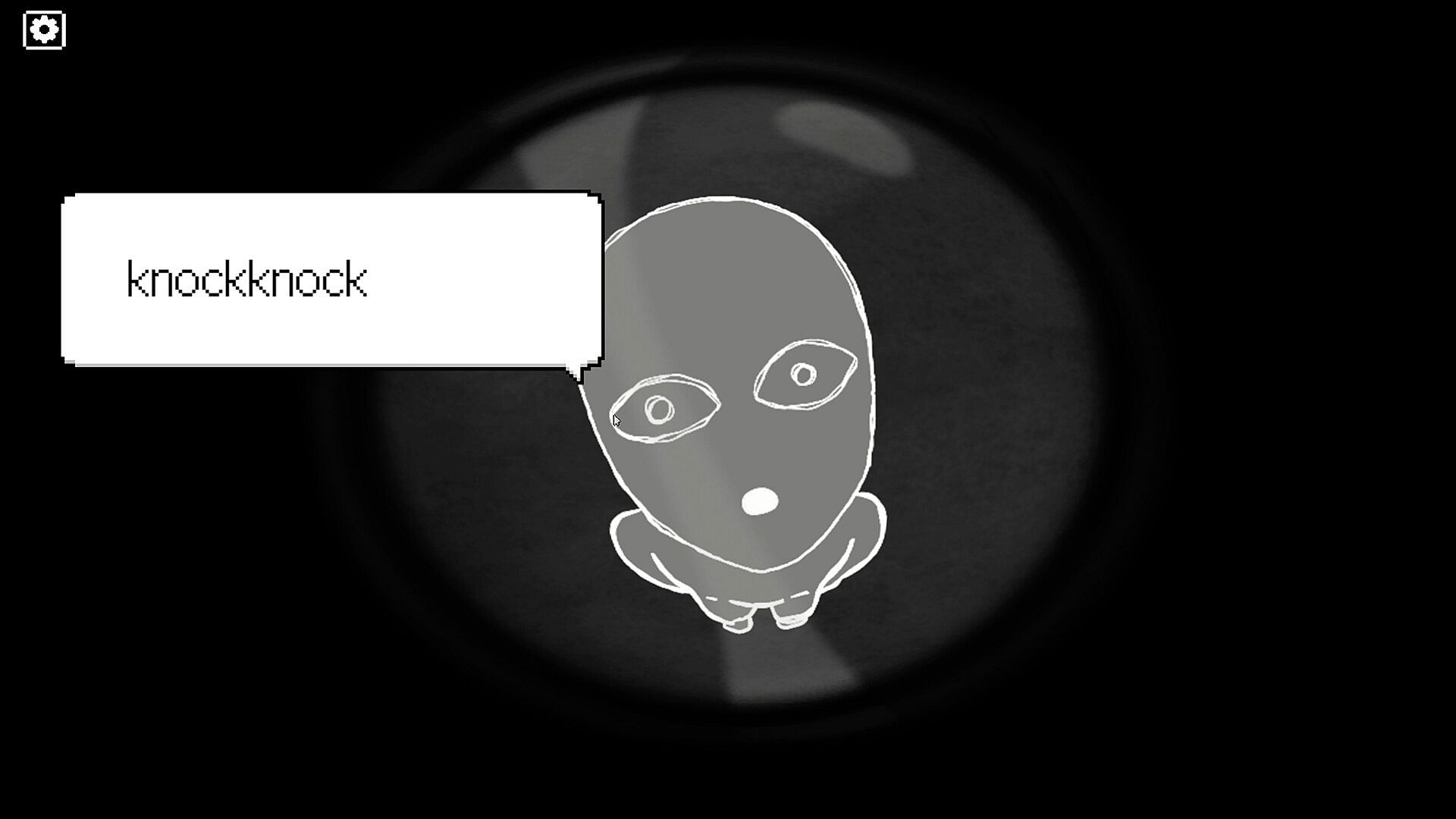
Progression alternates between the protagonist's original reality and the fantastical OtherWorlds. Each visit highlights contrasts in daily life, ambitions, and emotional states. Puzzle solutions often tie into these themes, requiring players to consider both practical obstacles and the underlying story implications. The experience remains focused on narrative discovery rather than combat or resource management.
Game Modes
The game operates entirely in single-player mode with no multiplayer components. Its structure revolves around a branching narrative shaped by exploration choices and typed dialogue. Multiple endings emerge from these decisions, encouraging repeated playthroughs to experience different outcomes. There are no separate competitive or cooperative modes listed.
Players engage with the story through sequential world visits, where each session builds on prior interactions. The system supports varied paths without requiring external tools or additional content packs. This design keeps the focus on personal decision-making within the single campaign.
Story and Themes
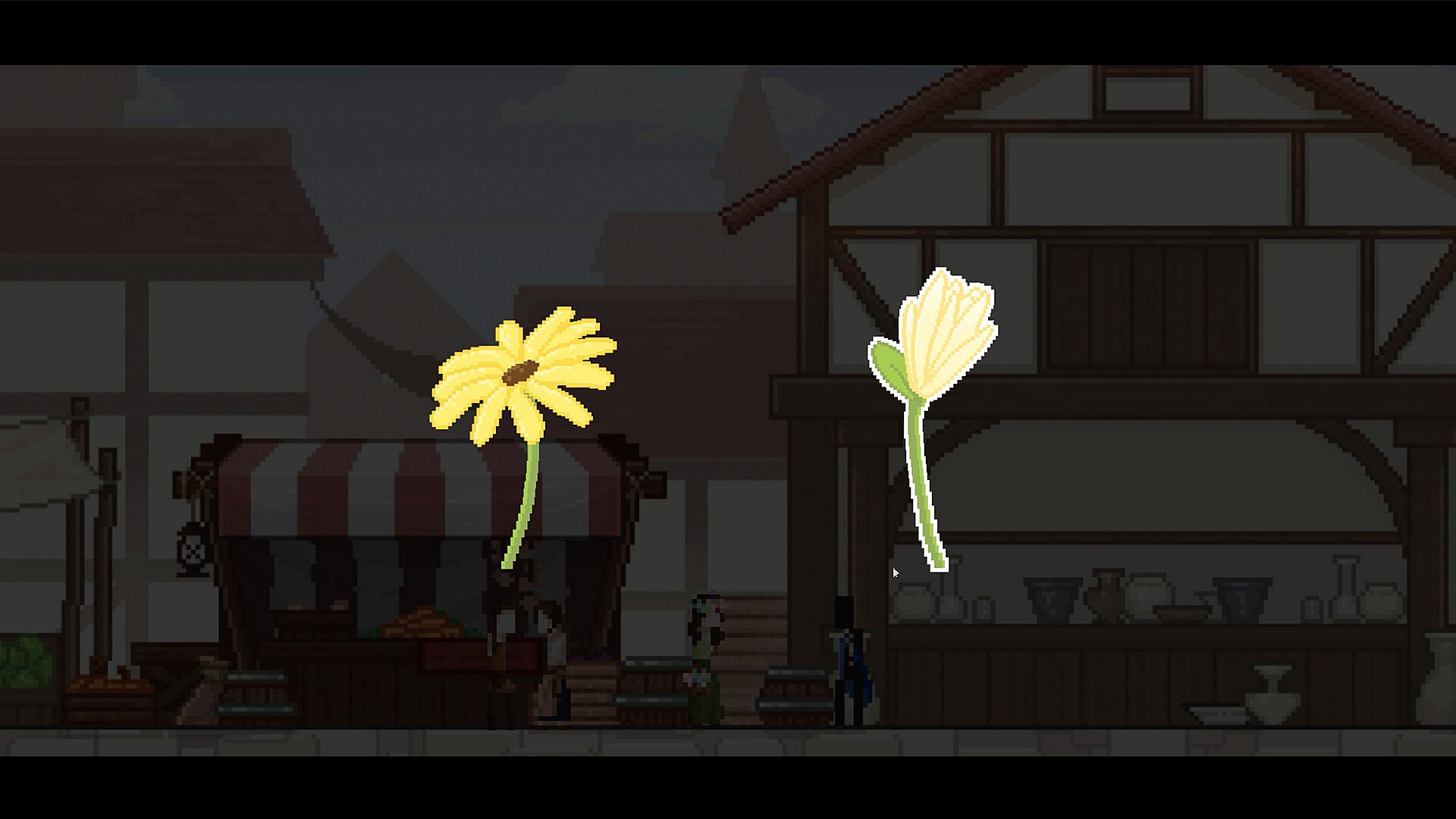
The narrative examines the weight of contemporary anxieties, including uncertainty about the future and the drive for constant validation. The protagonist's journey begins with a moment of despair that leads to the OtherWorld Library. From there, dreamlike scenarios unfold, such as life as a respected duke or a celebrated performer.
Each world serves as a mirror to real-world desires, yet the game consistently questions whether these alternatives deliver lasting satisfaction. Themes of escape versus confrontation run through the experience, prompting reflection on happiness without providing simple resolutions. The contrast between realities forms the emotional backbone, revealed gradually through exploration and dialogue.
Is It Worth Playing?
The (Other)World Syndrome remains unreleased, listed as coming soon on its Steam page with no user reviews available at this time. Its described features include puzzle-based exploration, a typing-based dialogue system, and multiple endings driven by player choices. These elements target individuals interested in introspective adventure games that emphasize story and personal input over action sequences.
Those drawn to single-player experiences with branching narratives and thematic depth may find value once it launches. The game uses an AI system to analyze typed responses and direct them toward existing scenario branches. Availability is limited to PC at present, with support for English, Japanese, and Korean text. Potential players should monitor official channels for the eventual release date and any post-launch updates.