


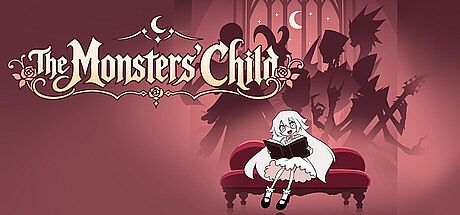


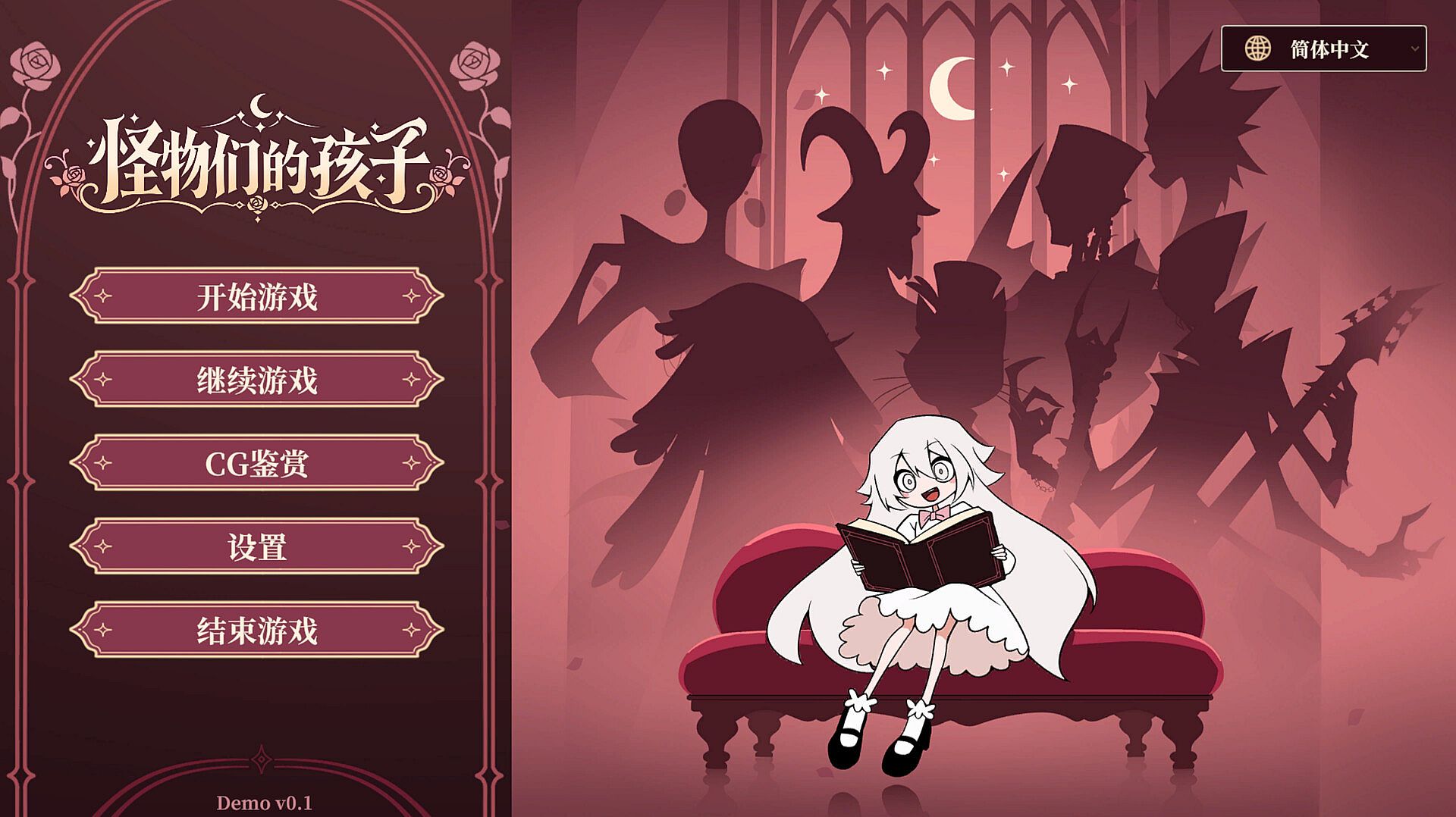
The Monsters' Child is an indie RPG and simulation title that places players in the role of a monster parent raising a human girl in a world populated entirely by monsters. This single-player experience unfolds across seasons as the child grows from age six to adulthood, with every choice shaping her attributes, relationships, and future path before the next Hunter's Moon arrives.
Gameplay
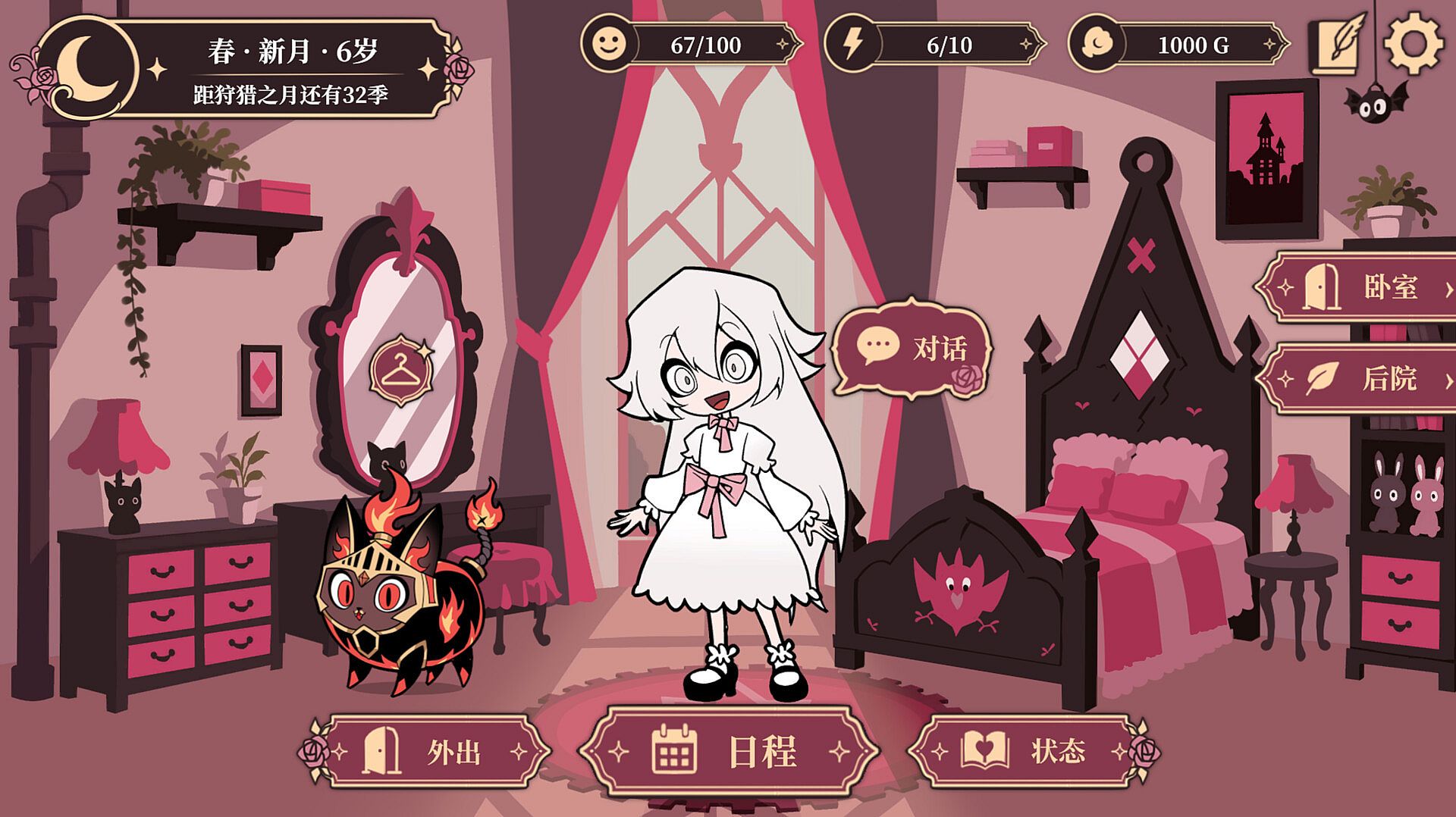
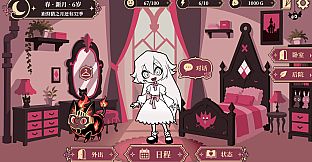
Core gameplay centers on planning the daughter's daily schedule through a limited number of seasonal turns. Activities range from reading picture books and practicing counting to singing songs or resting to recover stamina. Each choice influences four key growth attributes: Vitality, Resonance, Monster Knowledge, and Assimilation. These stats connect directly to social interactions, learning outcomes, and long-term talents.
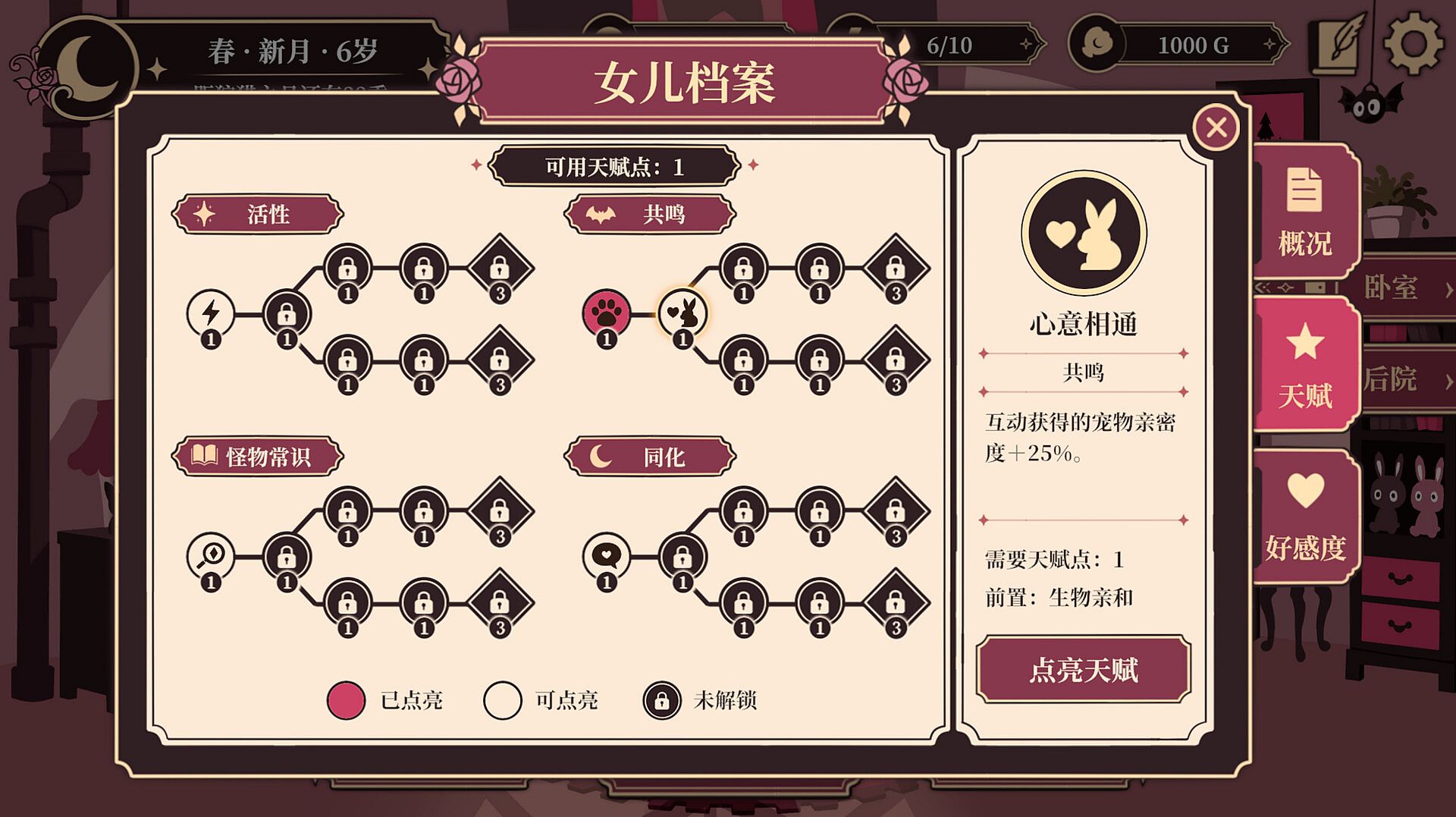
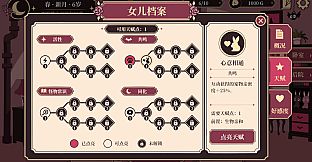
Players earn Talent Points from raising attributes and allocate them across four talent trees. Paths might emphasize practical skills like gardening and part-time work, social confidence for better connections with others, or deeper familiarity with monster customs and the surrounding world. Mood and stamina must stay balanced, as overexertion from learning reduces effectiveness while rest supports steady progress.
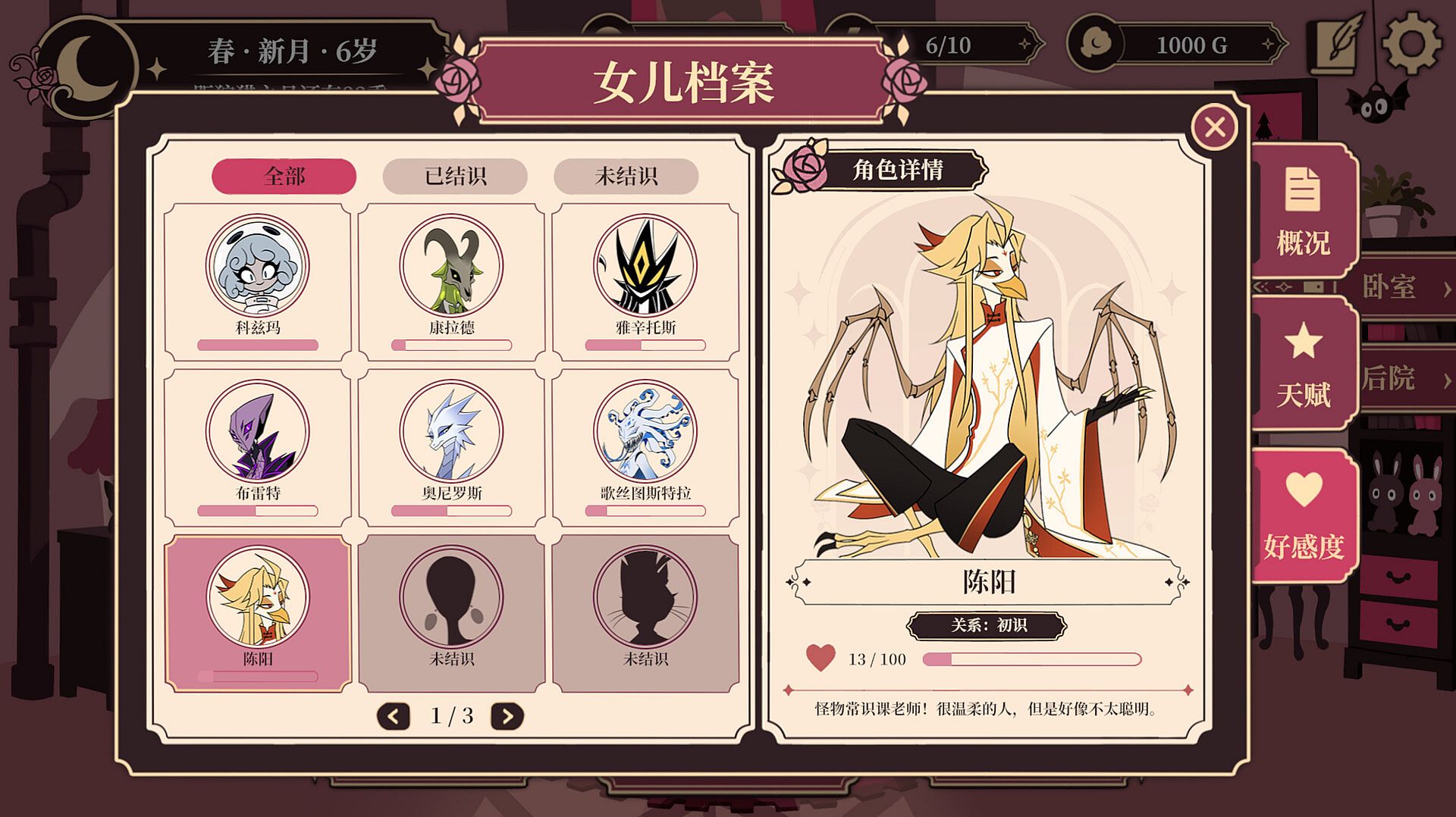
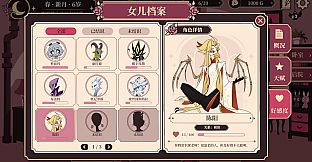
Exploration adds depth through visits to various town locations. Conversations with residents reveal personal stories and build relationships, showing how the monsters view the human child as extraordinary while she sees them as familiar neighbors and family. Additional activities include growing crops, taking jobs, performing at balls, sitting exams to earn Moon Shells, and raising pets for wilderness expeditions that involve battling wild monsters. These elements tie back into attribute growth and provide practical ways to apply developing abilities.
Game Modes
The game operates as a single-player story-driven simulation with no separate multiplayer or competitive modes. The entire experience revolves around one continuous playthrough focused on guiding the child through her formative years. Seasonal time progression structures the loop, where players manage turns to balance learning, rest, social time, and practical tasks before the child reaches adulthood.
Progression remains linear in structure yet highly variable based on attribute development and relationship choices. Different activity combinations lead to distinct talent unlocks and narrative moments during town interactions, creating replay value through varied growth outcomes without branching into distinct game modes.
Story and Setting
The narrative begins on the night of the Hunter's Moon when a human baby girl appears in the monsters' world. Chosen as her guardian after community discussion, the player helps her navigate a setting where humans remain largely unknown. The story emphasizes everyday life in this monster town, from routine schedules to deeper discoveries about residents' personalities and perspectives on the human child in their midst.
Hand-drawn illustrations capture the child's growth across years, highlighting expressive characters and environments. The focus stays on the parent-child dynamic and the unique viewpoint of raising a human in a monster society, with relationships and daily decisions forming the core of the tale.
Customization and Exploration
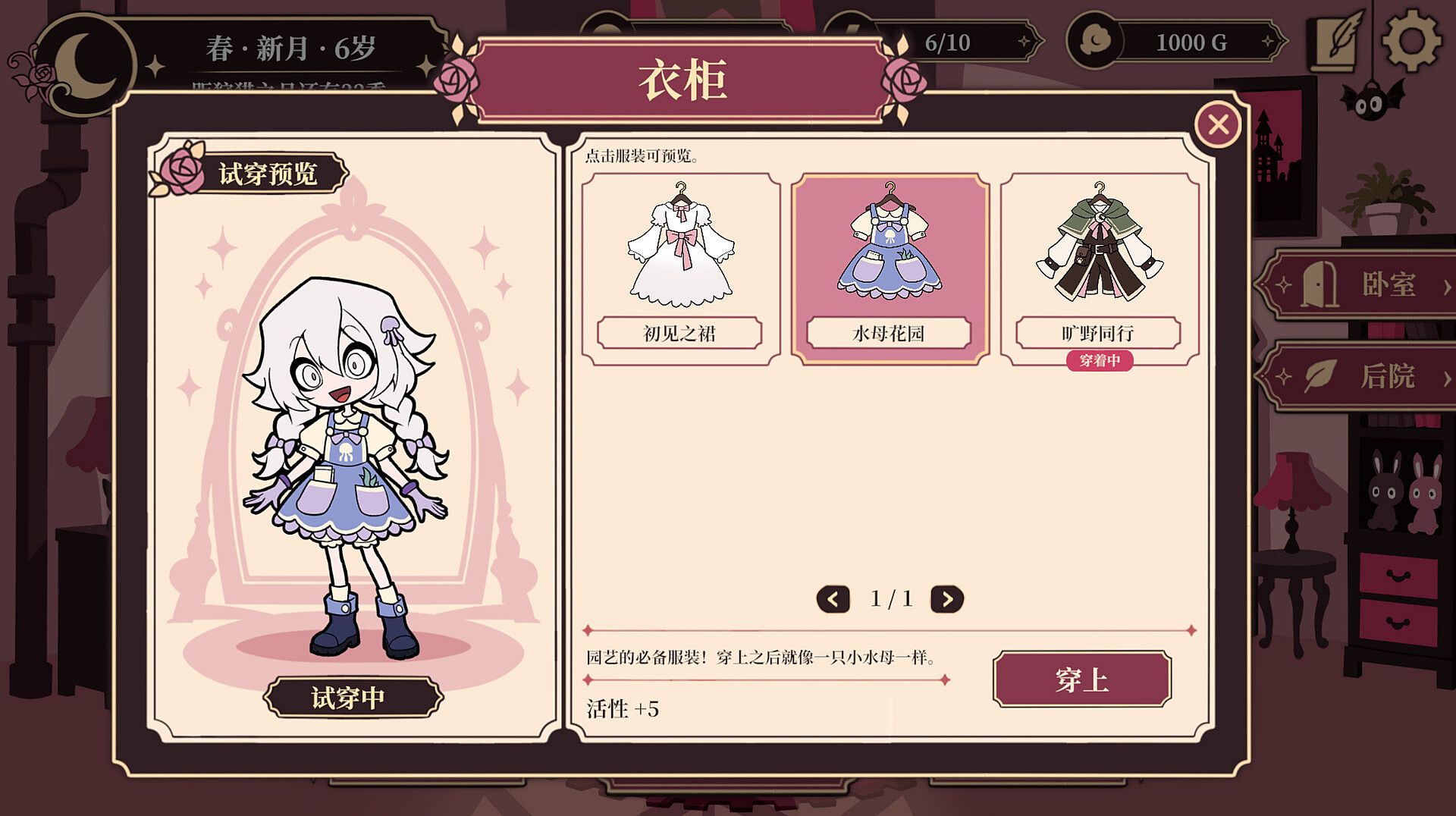
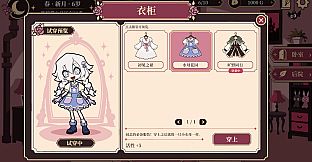
Outfit changes allow personalization for daily life and special events. Certain clothing options grant attribute bonuses that support upcoming activities, adding a layer of strategic preparation. Town exploration encourages repeated visits to deepen bonds with residents, uncovering individual backstories and integrating the family into local routines.
Pet expeditions introduce another dimension, where assembled teams venture into the wilderness for resource gathering and combat encounters. These tie into broader growth planning, letting players align activities with preferred attribute focuses or personal play style.
Is It Worth Playing?
This title suits players who enjoy thoughtful raising simulations and narrative-driven indie experiences centered on family, growth, and community. The blend of schedule management, attribute progression, and relationship building creates a focused loop that rewards careful planning across limited seasonal turns. Those drawn to cozy yet story-rich simulations with unique world-building will find the monster-parent perspective distinctive.
Since the game remains in development with a planned 2027 release, current interest depends on appreciation for the described mechanics of balancing development, rest, and exploration in a single-player format. The emphasis on expressive hand-drawn art and interconnected activities suggests strong appeal for fans of similar casual RPG simulations.












