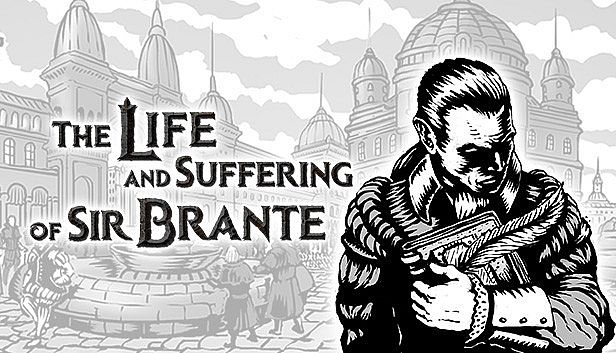


















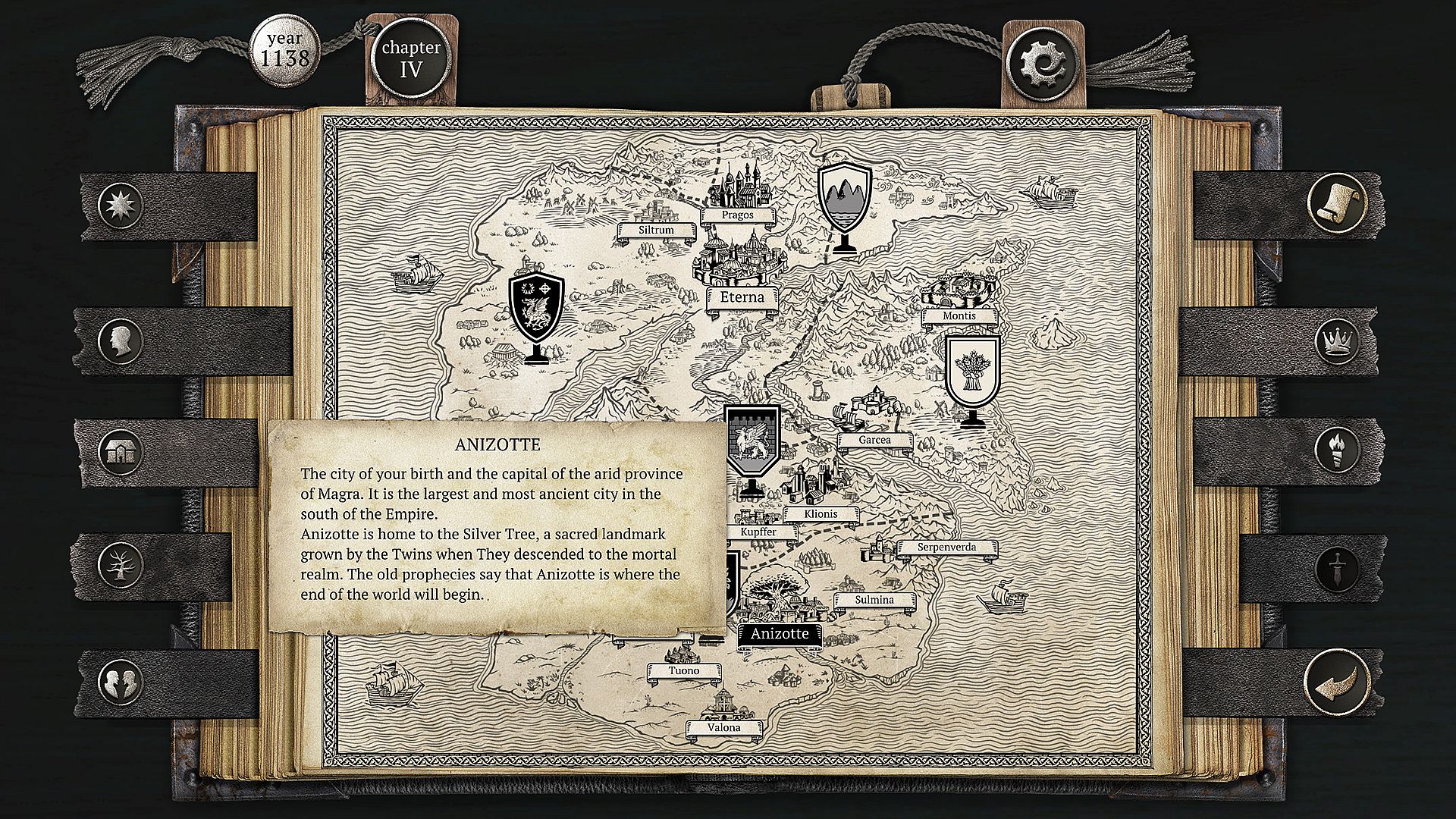
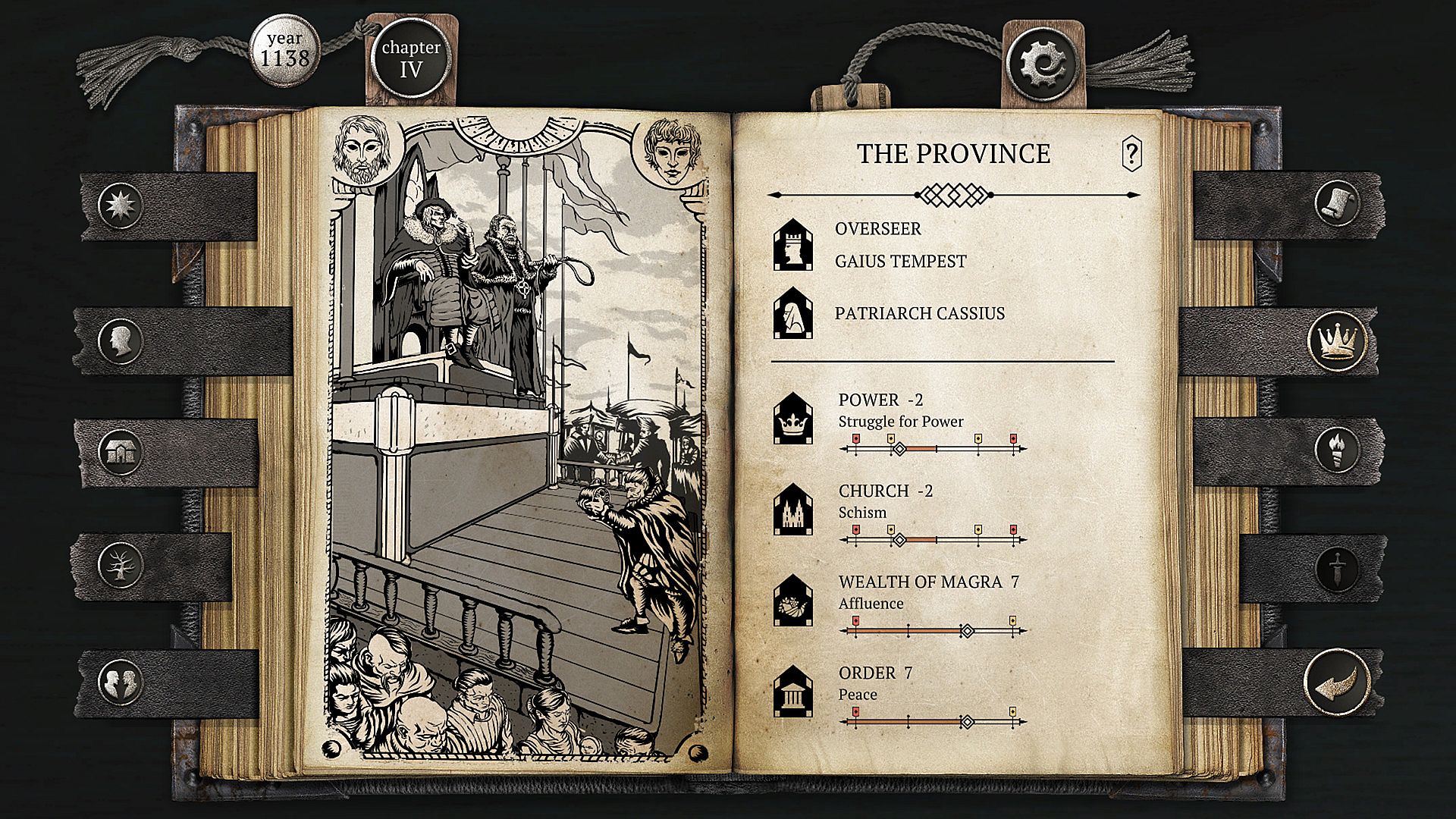
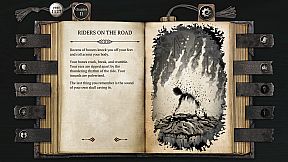
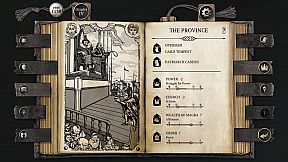
The Life and Suffering of Sir Brante is a narrative-driven RPG that blends elements of strategy, simulation, and adventure into a single-player experience centered on personal choices and their far-reaching effects. Players follow the protagonist from birth through a lifetime of decisions in the rigid hierarchy of the Great Arknian Empire, where social estates determine one's path and dissent carries heavy costs. The game unfolds through the pages of a journal, tracking every action and its ripple across family, relationships, and the empire itself.
Gameplay
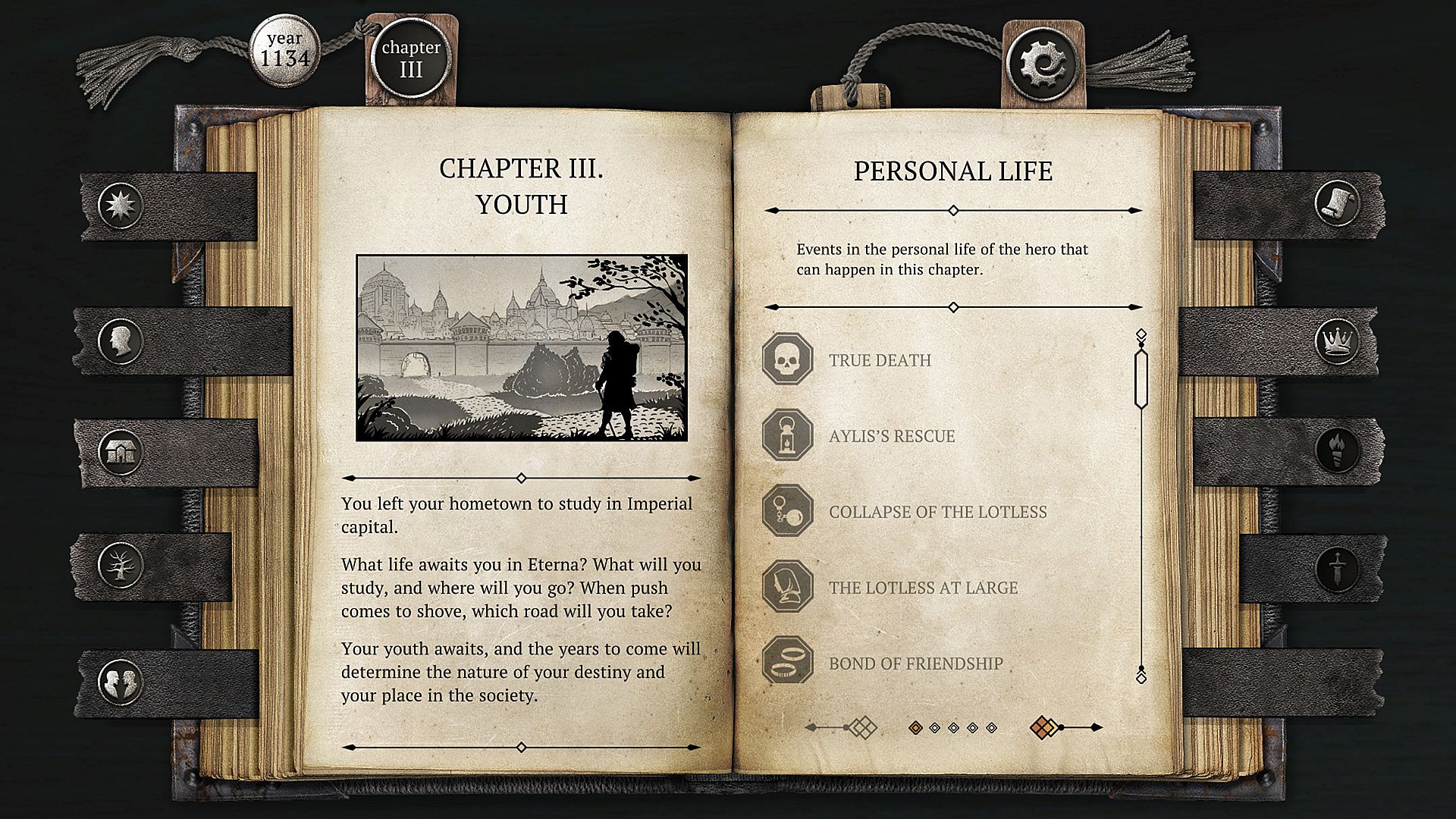
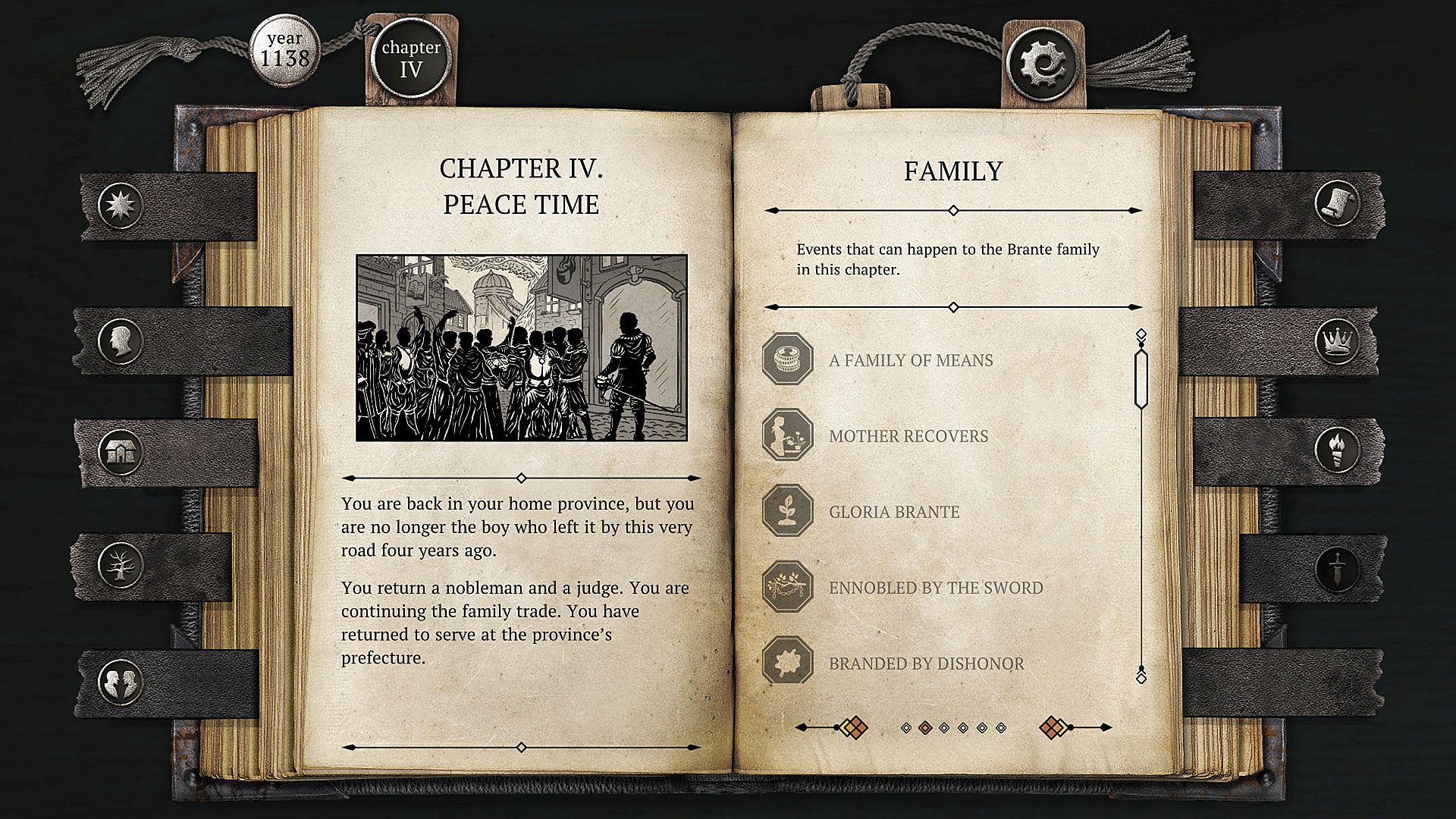
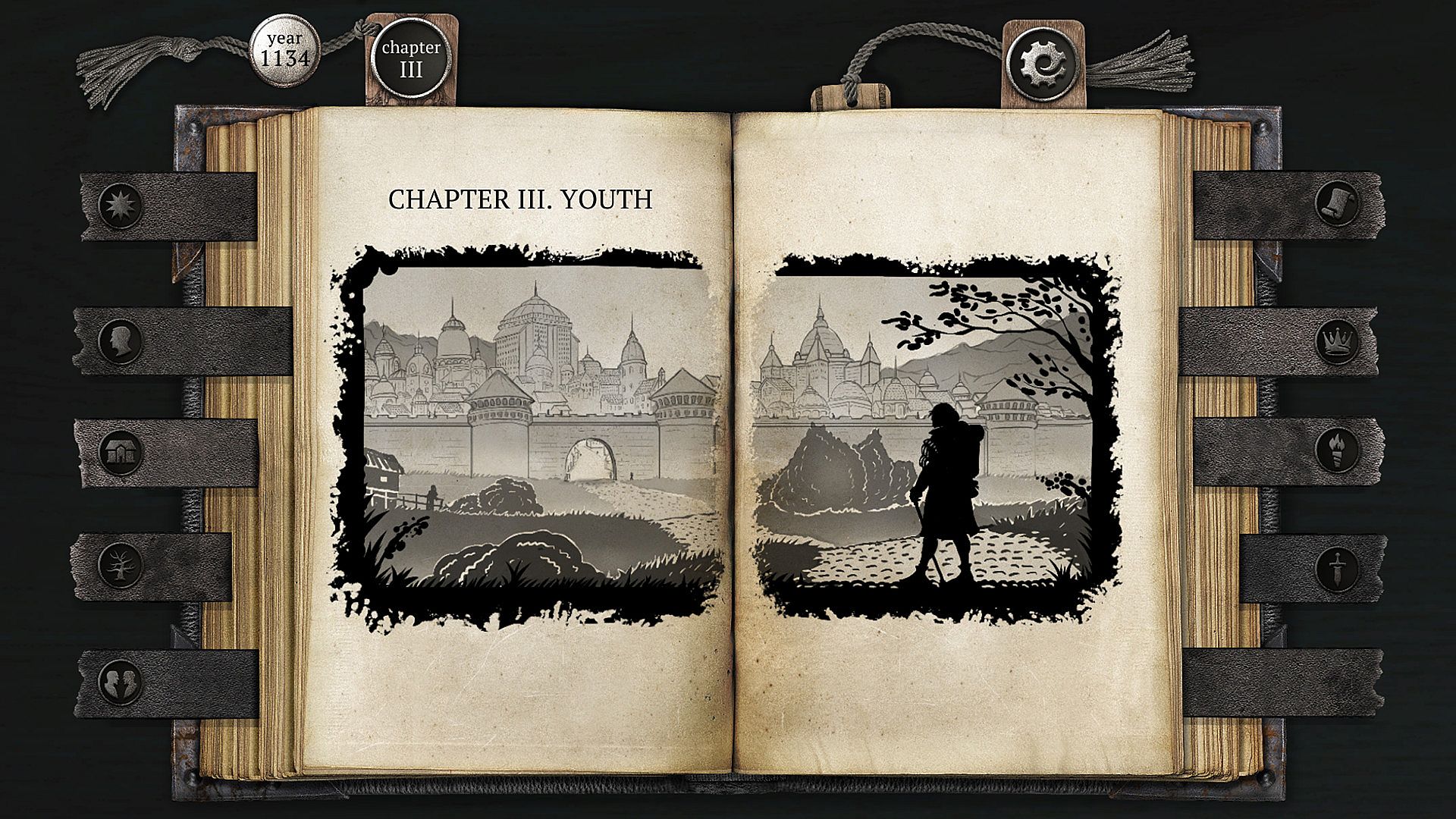
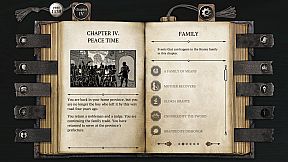
Core gameplay revolves around a continuous life simulation that begins at the protagonist's birth and extends to true death. Players navigate a series of chapters that record deeds, acquired skills, and shifting circumstances, each choice carrying consequences that persist across the entire journey. Early decisions made in infancy shape personality traits and open or close later opportunities, creating a tightly woven narrative where no action exists in isolation.
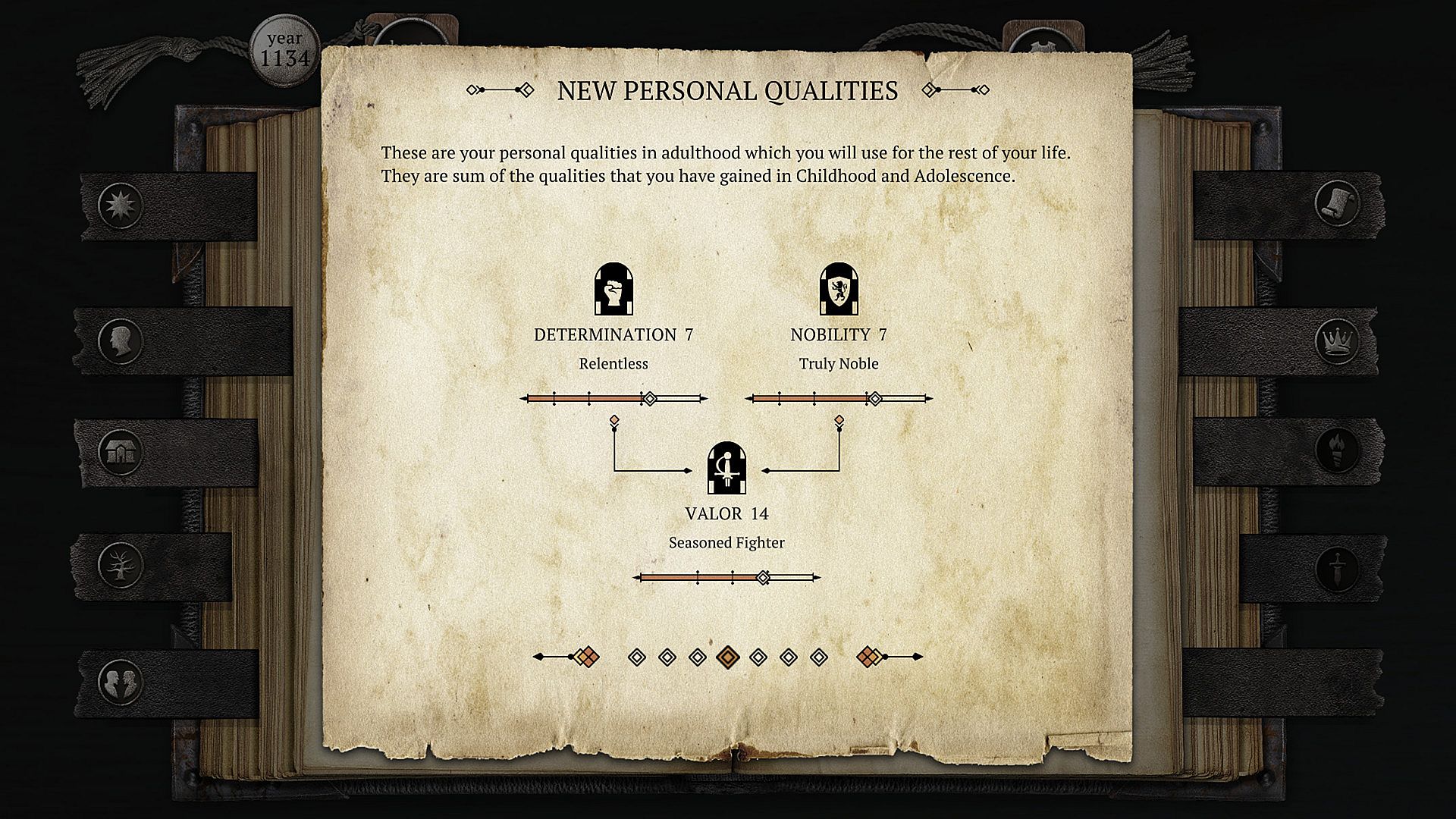
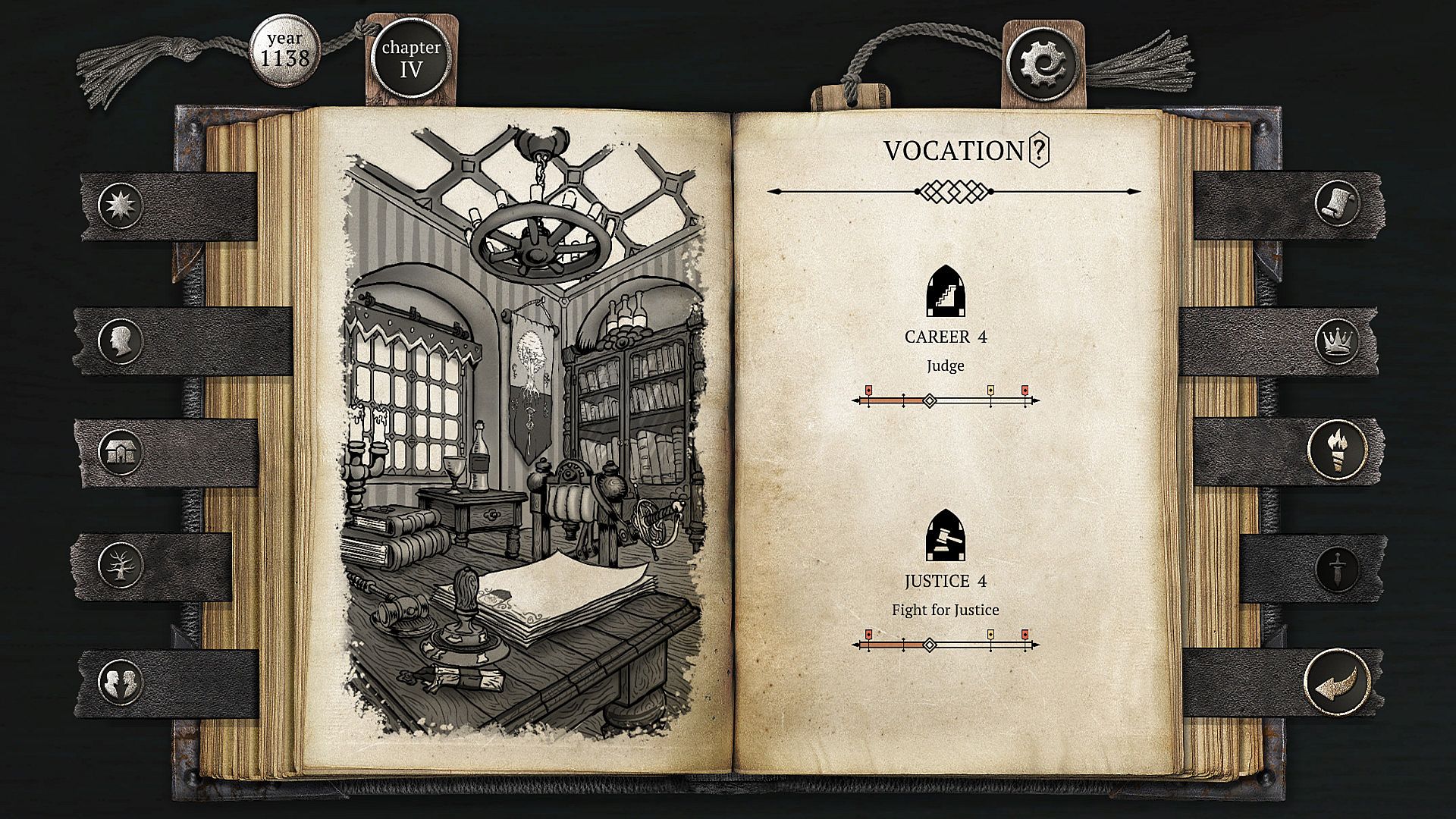
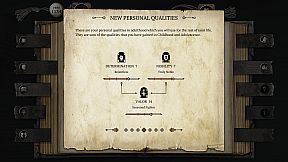
Character development focuses on measurable traits such as determination, sensitivity, and endurance. These attributes grow through experience and directly influence worldview, interactions with others, and access to new talents or story branches. The system rewards careful planning because skills compound over time, affecting everything from family dynamics to broader political outcomes.
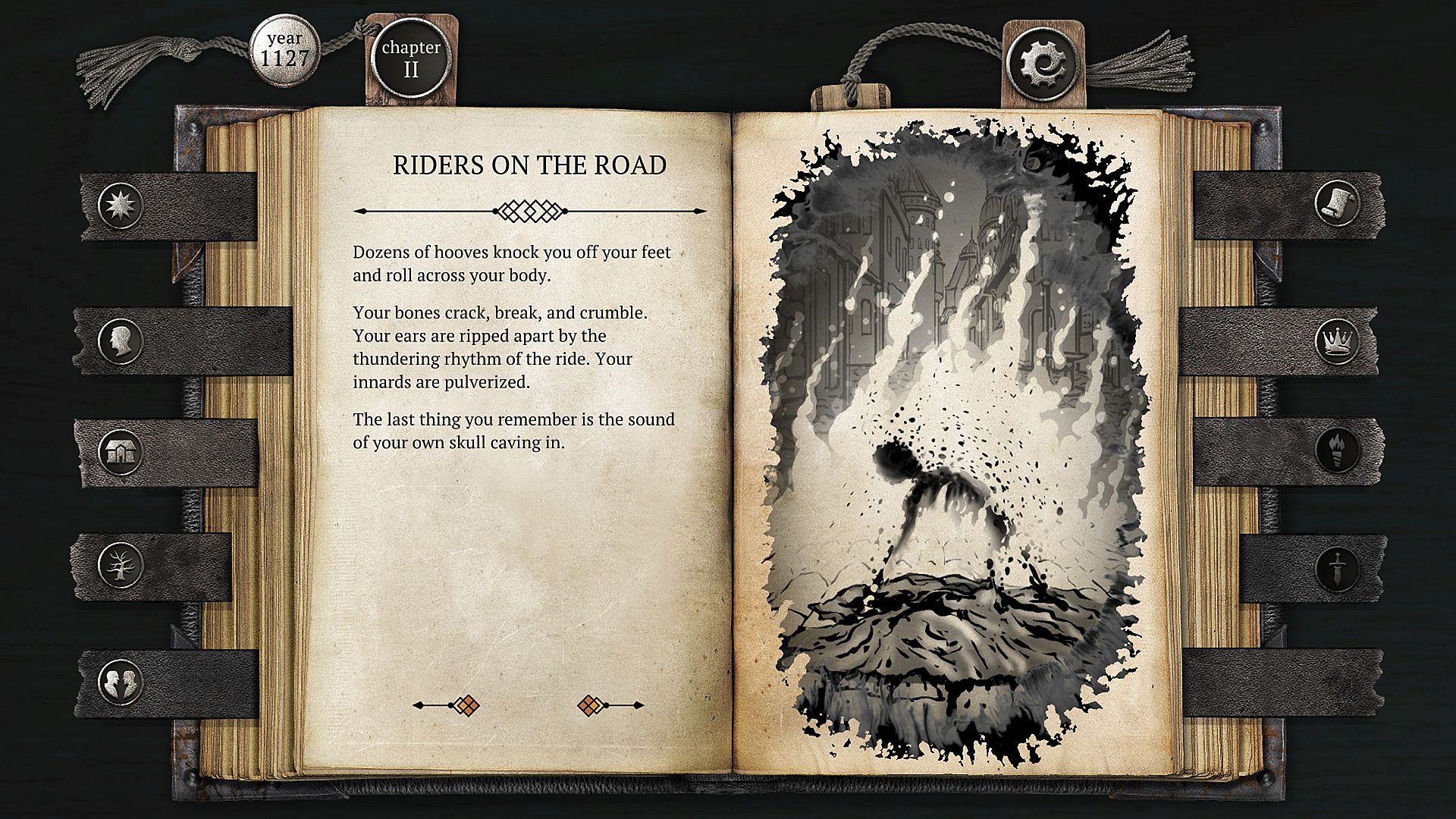
Progression also incorporates a resurrection mechanic that preserves experience after death. This allows players to revisit earlier choices with retained knowledge, adjusting strategy without losing accumulated progress and encouraging experimentation across multiple attempts at the same life.
Game Modes
The game operates as a single continuous campaign divided into chapters rather than separate modes. Each playthrough generates a unique sequence of events based on accumulated decisions, skills, and external circumstances, resulting in distinct storylines that can diverge significantly. One path might lead toward integration with imperial authority, while another pursues upheaval through organized resistance.
Replay value stems from the branching structure and the resurrection system, which supports repeated runs with evolving strategies. Players can pursue different long-term goals, such as securing personal fortune, protecting loved ones, or attempting to alter the empire's foundational order, all within the same overarching framework.
Story and Setting
The world is defined by a strict division of society into Lots ordained by the Twin Gods. Nobles hold power, clergy enforce doctrine, and commoners endure labor under the empire's weight. The protagonist begins as a lowborn individual with no rights or title and must navigate prejudice and tradition to claim any measure of agency.
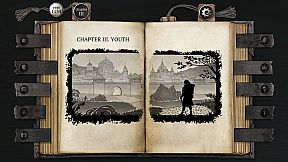
Events unfold across a lifetime marked by personal milestones and larger upheavals. Decisions made at any stage can influence not only immediate surroundings but also the stability of the empire, creating a sense that individual actions carry systemic weight.
Character Progression and Choices
Skills and traits acquired from the earliest moments feed into later talents and narrative options. The game tracks overlapping factors such as reputation, relationships, and personal philosophy, which together determine available paths. This produces varied outcomes where the same starting conditions can lead to entirely different endings depending on the sequence of choices.
Players face recurring tensions between self-interest, family loyalty, and ideological goals. The structure ensures that pride or ambition often carries long-term costs, reinforcing the need to weigh each decision against its documented consequences.
Is It Worth Playing?
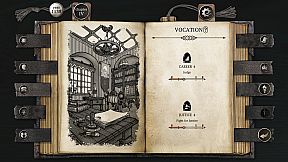
This title suits players who value deliberate, choice-heavy narratives over fast-paced action or combat systems. The first complete playthrough typically requires upwards of fifteen hours, with subsequent runs offering fresh branches through different life paths such as serving as a judge, joining inquisitorial ranks, participating in revolutionary efforts, or exploring other roles.
The resurrection system and extensive branching make repeated playthroughs feel purposeful rather than repetitive. Those drawn to simulation-style tracking of personal growth and its effects on a larger world will find the mechanics rewarding, while players seeking lighter stories or competitive elements may prefer other experiences. The game's focus on accountability across an entire lifetime provides a distinctive structure for those interested in consequence-driven storytelling.