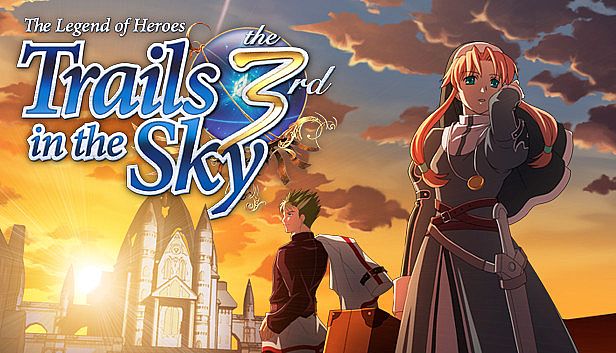












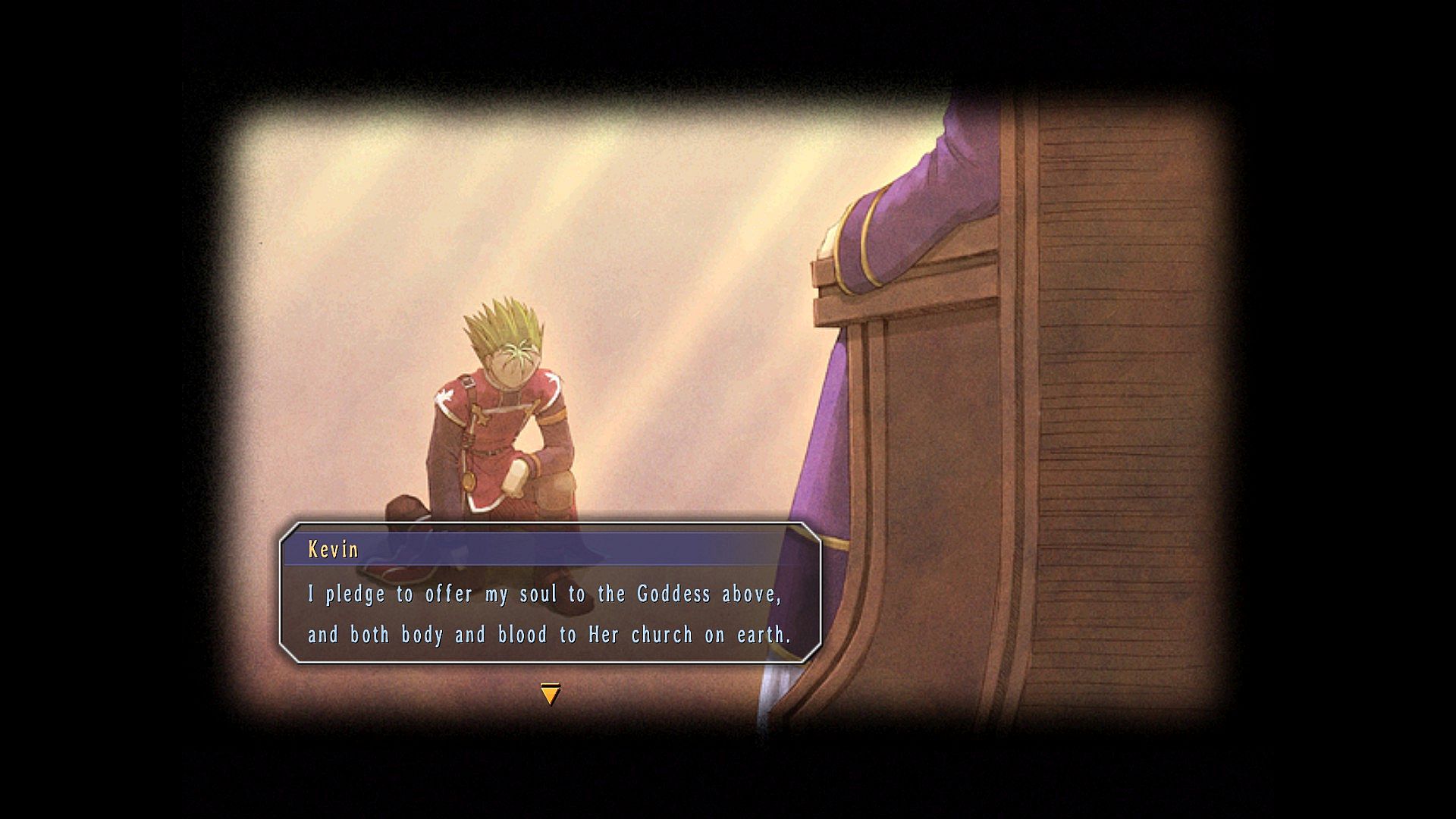
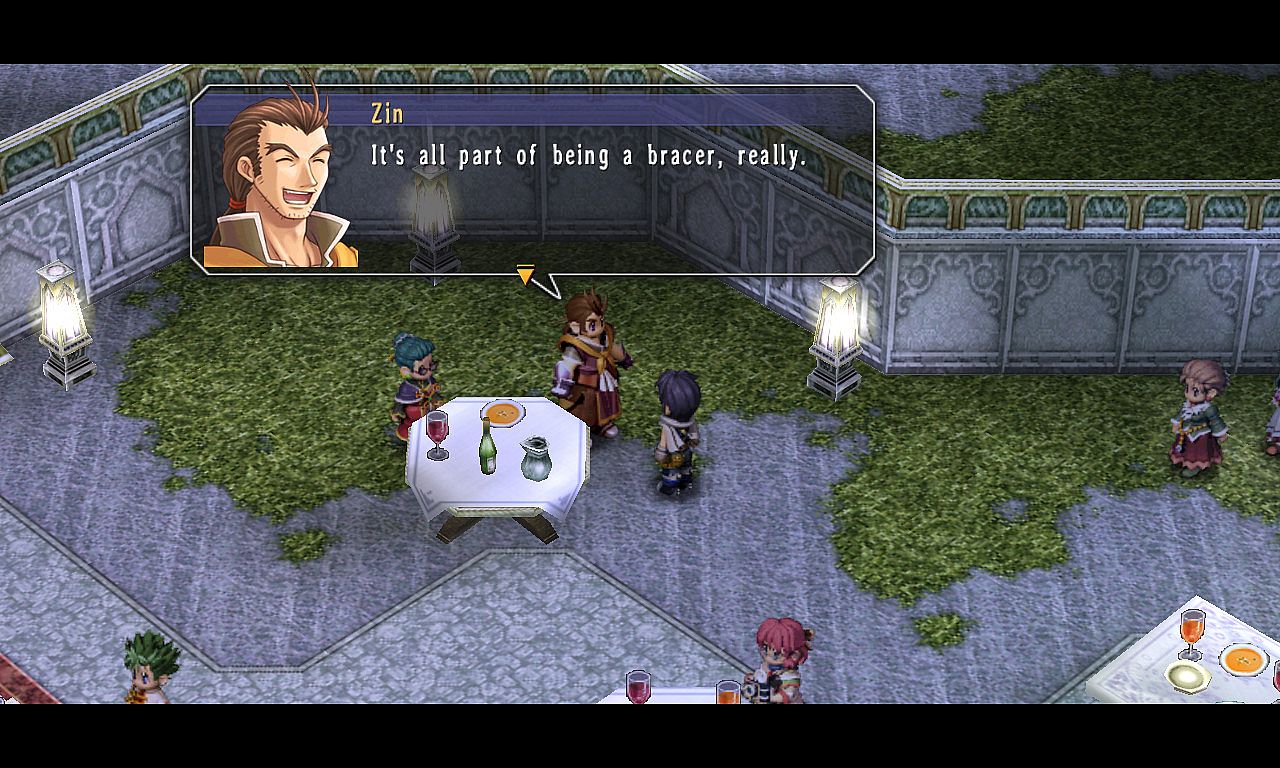
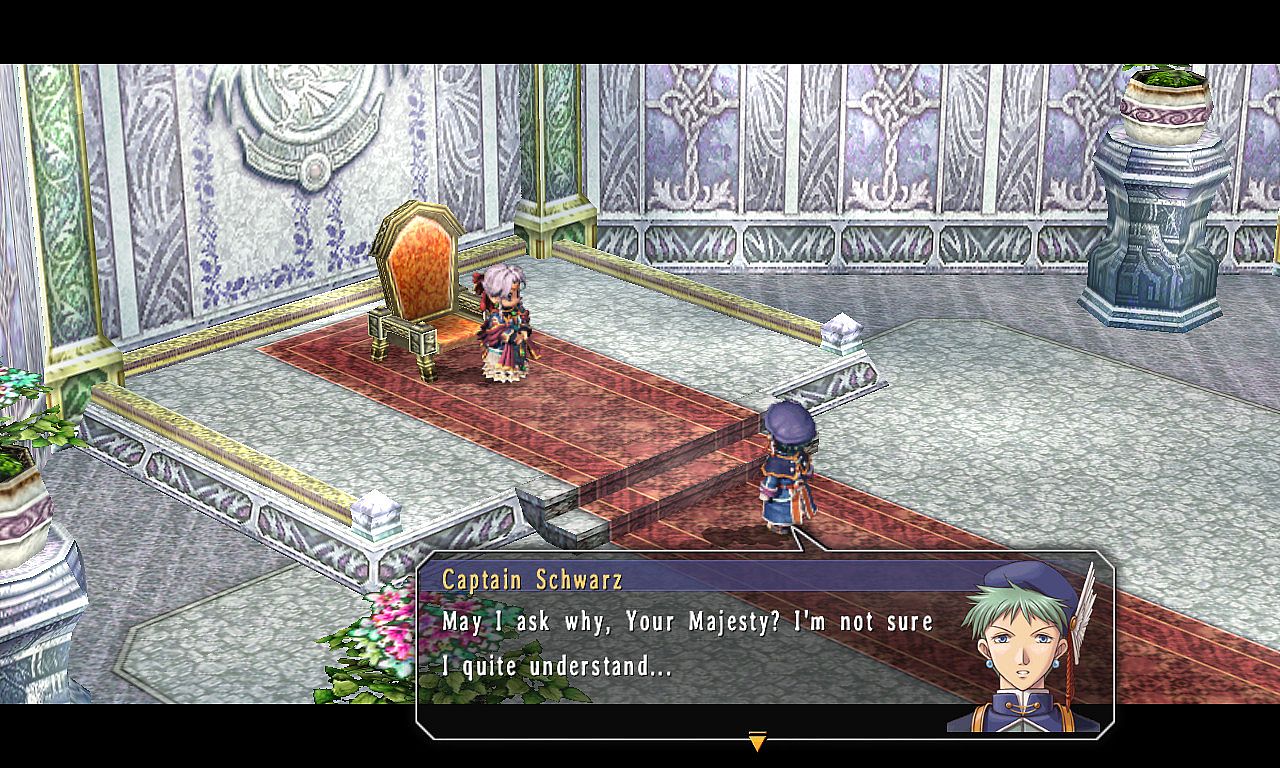
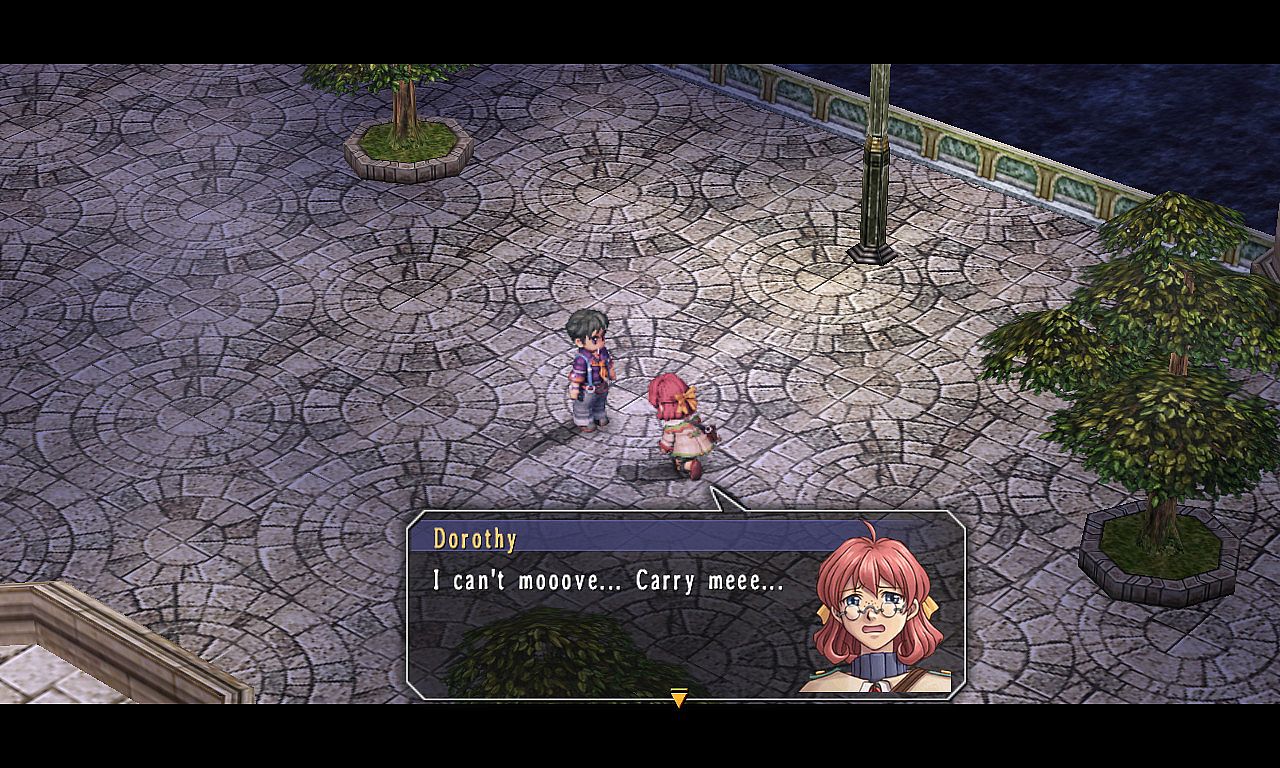
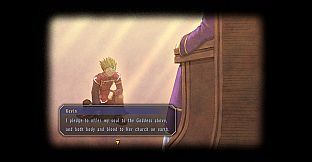
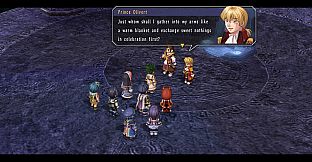
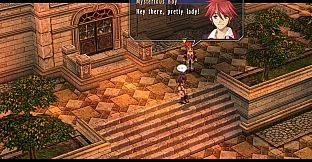
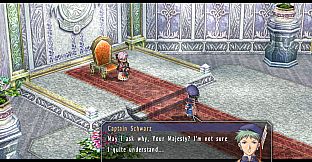
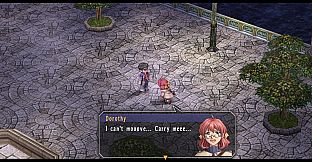
The Legend of Heroes: Trails in the Sky the 3rd is a single-player RPG that concludes the Sky trilogy with a focused narrative centered on the Septian Church and its Gralsritter order. Players take on the role of Father Kevin Graham, a high-ranking member tasked with retrieving an artifact alongside his new partner, Sister Ries Argent. The story shifts from the familiar lands of Liberl into the enigmatic realm of Phantasma, where strict rules govern exploration and revelations about the church's history and character backstories unfold.
Gameplay
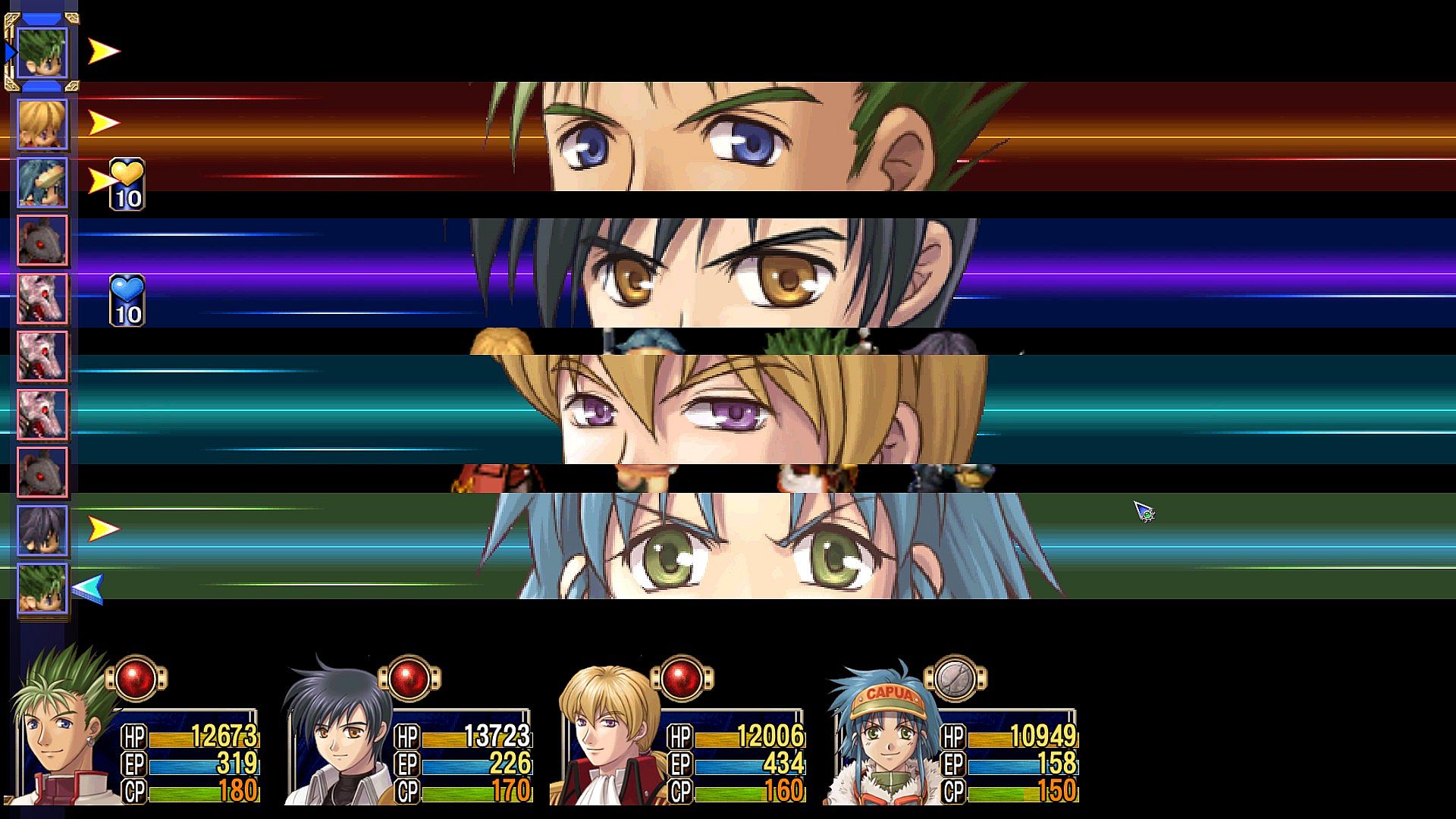
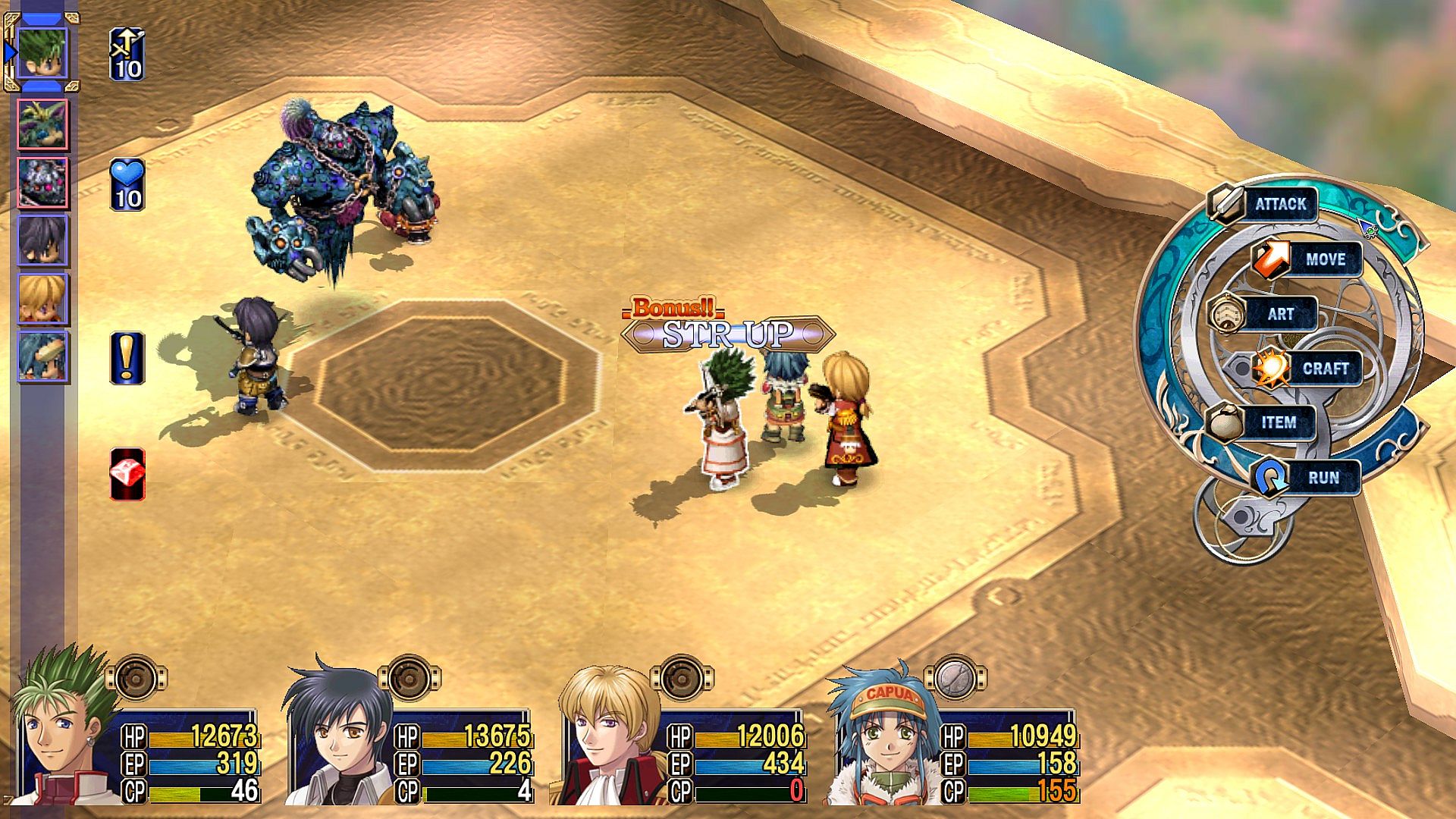
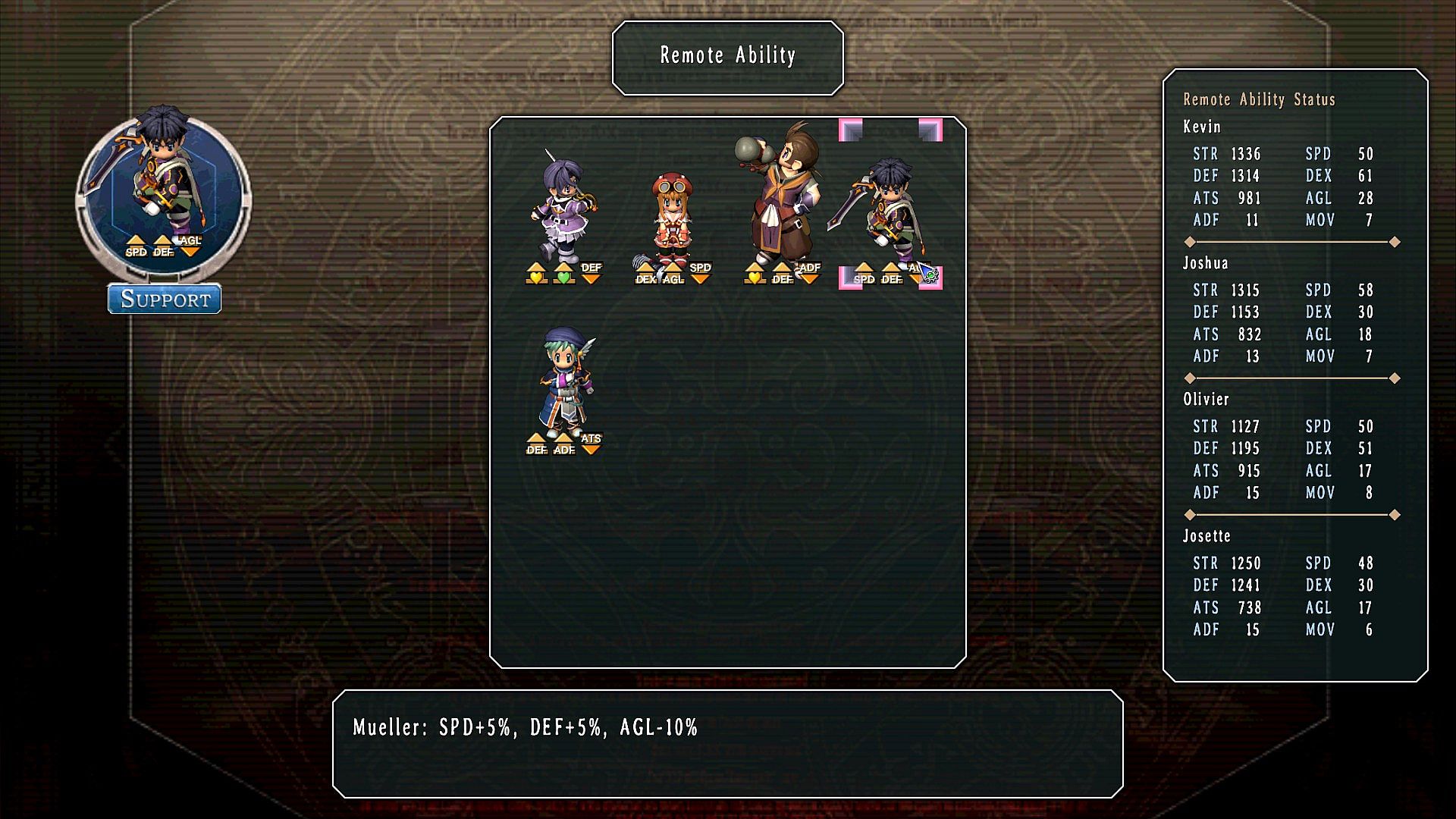
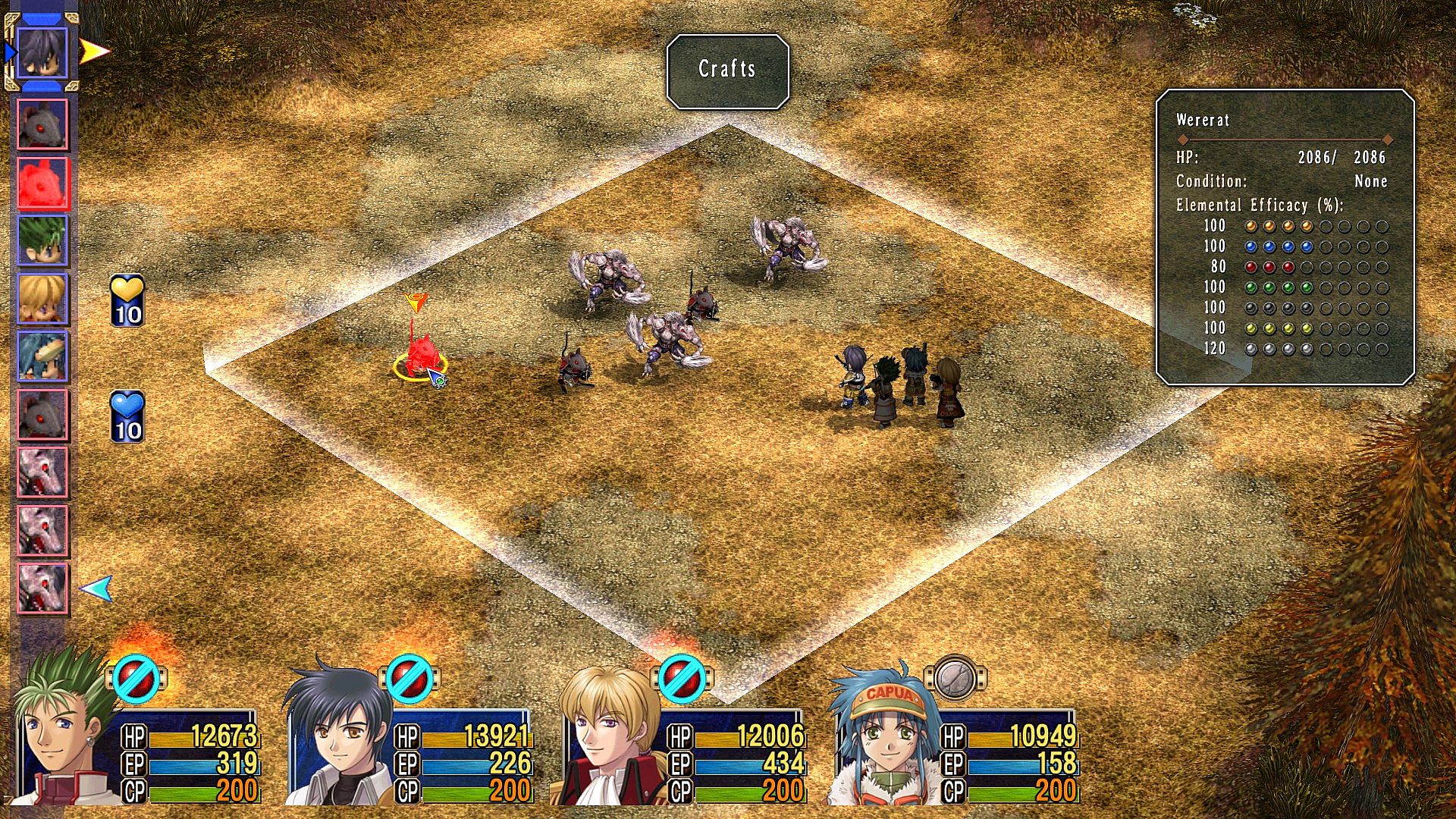
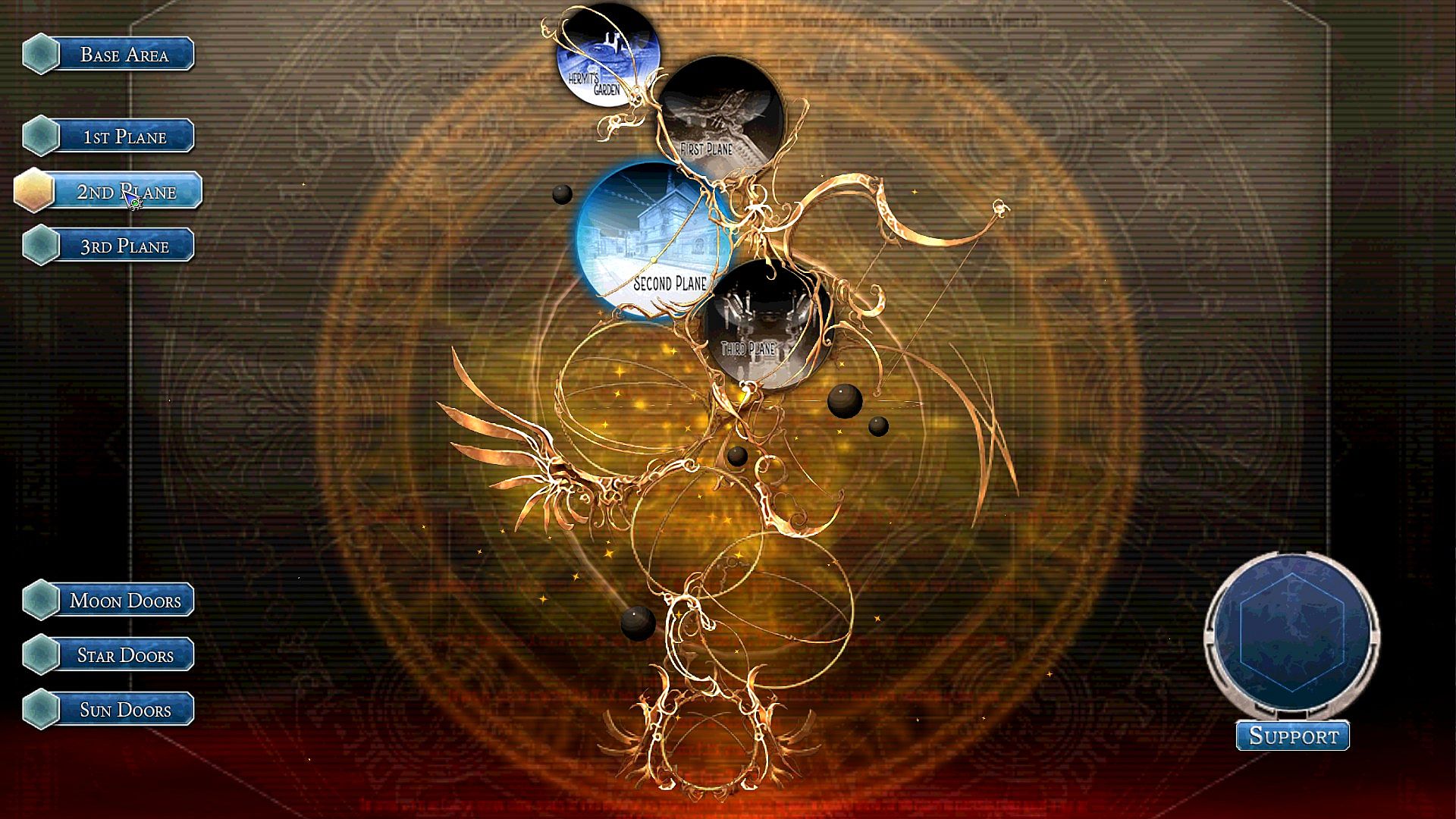
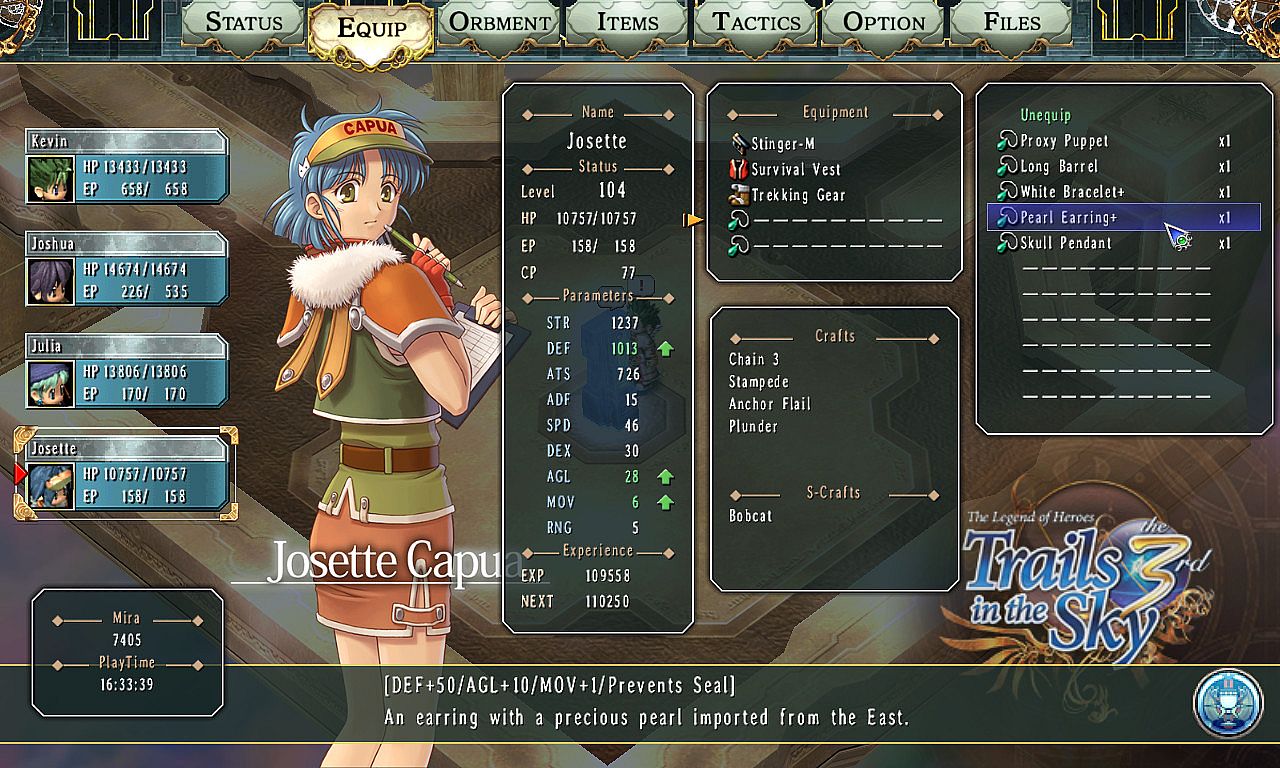
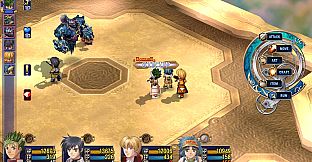
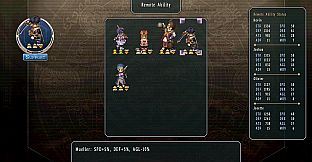
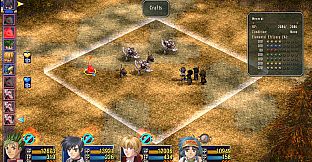
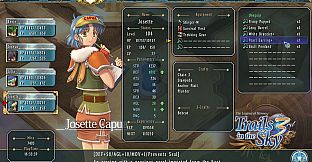
Exploration takes place across structured planes within Phantasma, where players navigate environments while uncovering hidden elements that advance both the main plot and personal stories. Combat follows the series' tactical turn-based system, emphasizing party management, orbment customization, and strategic positioning against enemies. The title stands out for its difficulty curve, with options to adjust challenge levels to suit different preferences for story focus or intense battles. Music plays a central role, featuring new compositions that underscore key moments and maintain engagement during extended sessions.
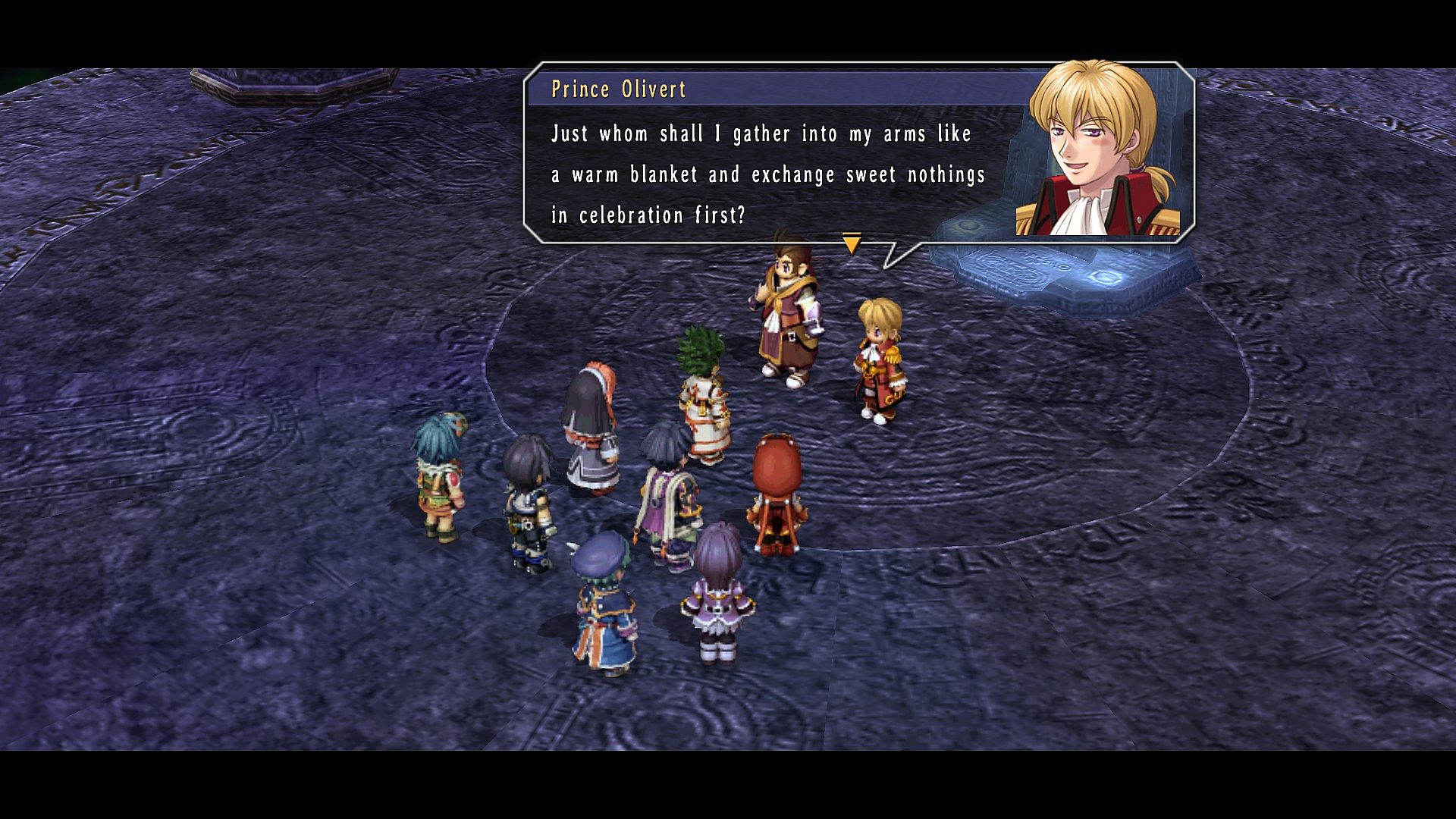
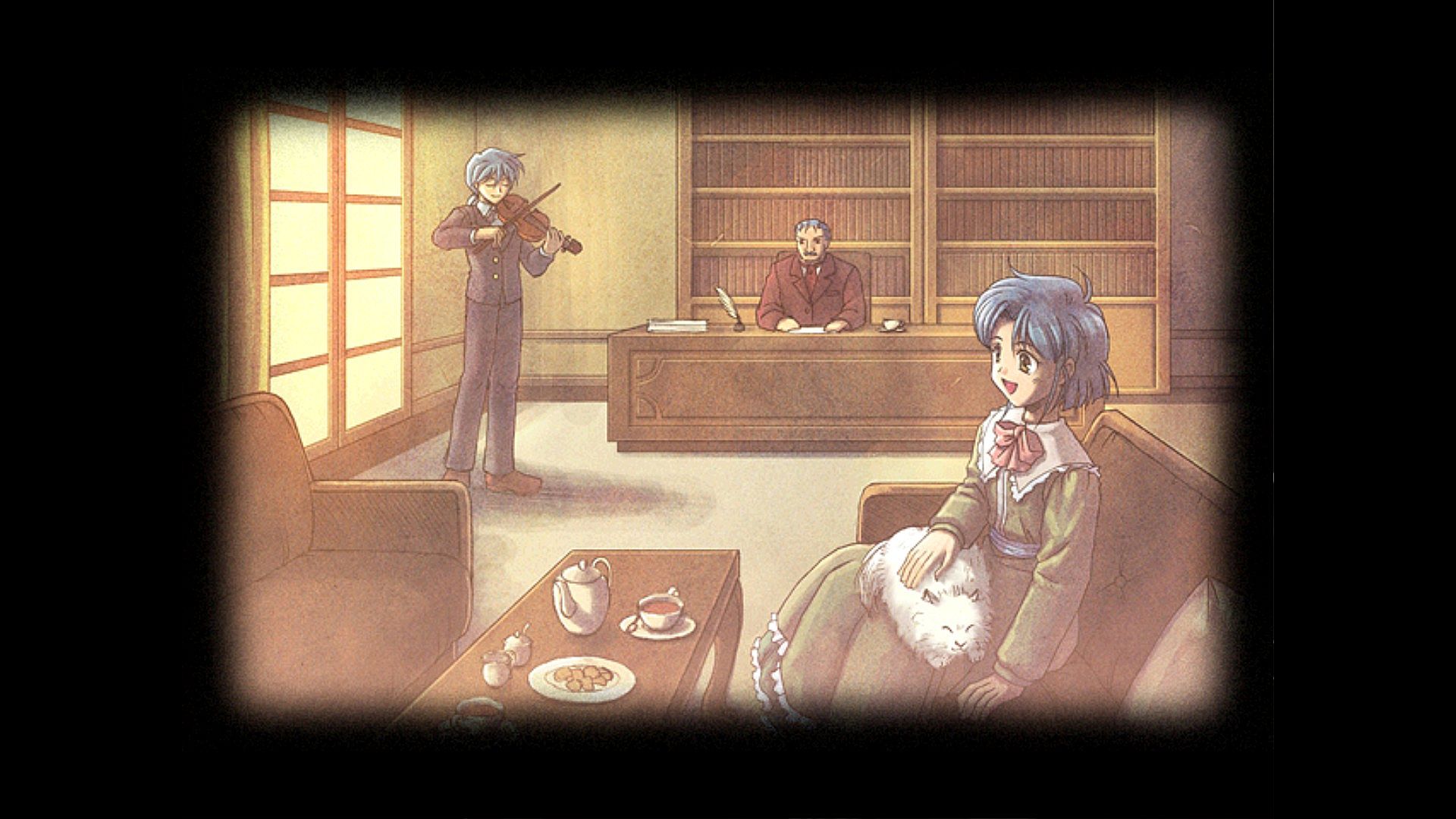
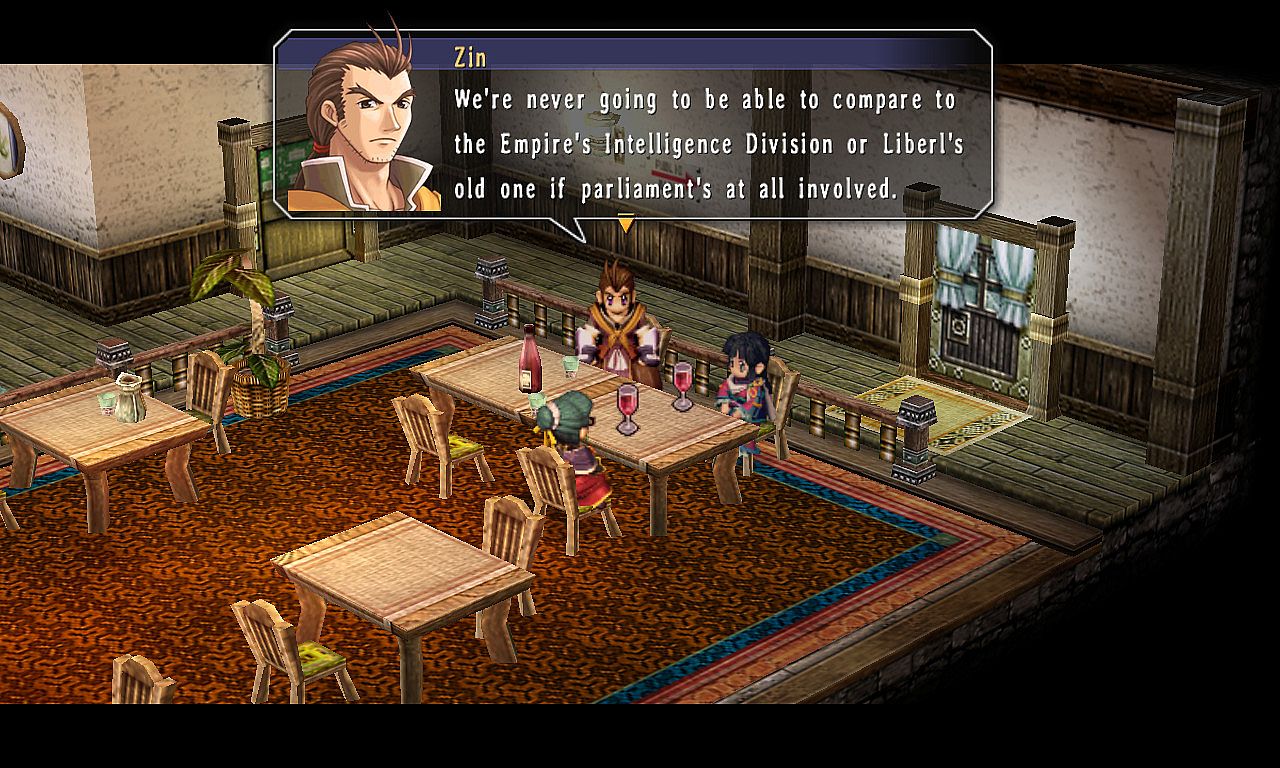
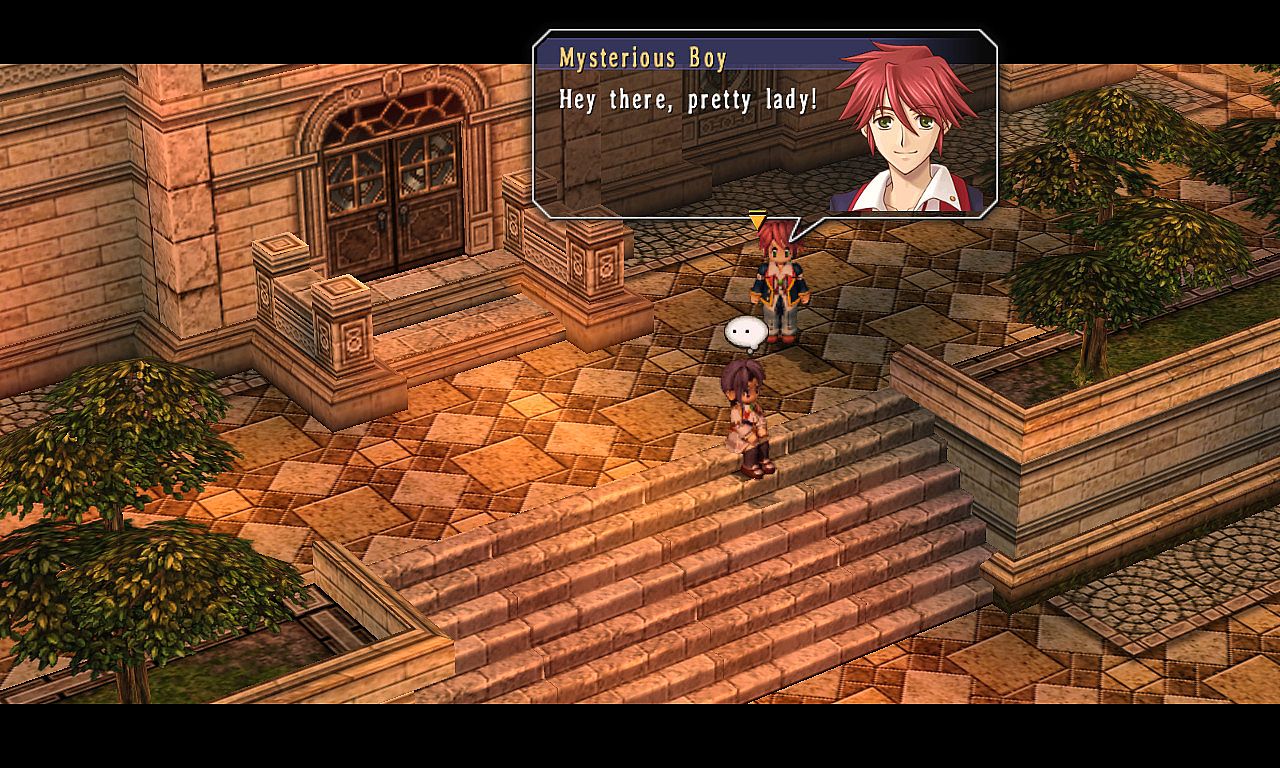
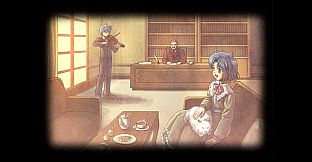
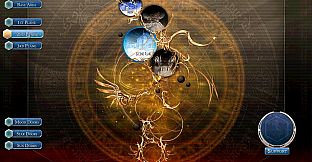
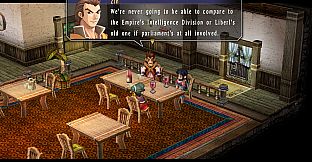
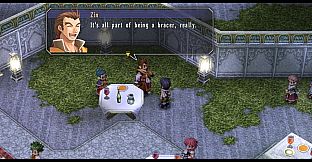
Character development receives particular attention through specialized doors scattered throughout the realm. These provide dedicated segments that expand on the histories and motivations of returning figures from the Sky games, delivered via cutscenes, interactive sequences, and occasional minigames. The approach creates a more intimate experience compared to broader world-building in prior entries, rewarding players who invest time in these optional encounters.
Game Modes
The core experience revolves around linear story progression through Phantasma's layered areas, punctuated by mandatory objectives tied to the artifact retrieval mission. Side content centers on the Moon Doors and Star Doors, which unlock character-specific episodes as certain conditions are met during advancement. Sun Doors add variety with self-contained minigames that offer breaks from the main loop and additional rewards.
Difficulty settings allow customization of combat encounters, ranging from accessible modes that prioritize narrative flow to higher challenges that demand precise execution and preparation. No separate multiplayer or competitive modes exist; the game remains entirely single-player with emphasis on solo progression and discovery.
Story and Setting
Half a year after the events of the previous chapter, peace in Liberl masks underlying tensions involving ancient artifacts and those who seek to exploit them. The Gralsritter operate in the background to contain these threats, and the partnership between Kevin and Ries introduces fresh dynamics to the established world. Phantasma itself functions as a contained space with its own rules, revealing sealed histories and testing the resolve of those who enter. The narrative balances routine mission elements with unexpected developments that tie into the broader Septian Church lore.
Is It Worth Playing?
This entry appeals most to players who value character-driven stories and methodical exploration over fast-paced action. The emphasis on fleshing out familiar faces through dedicated door content provides meaningful depth for those invested in the Sky trilogy's cast. Combat offers satisfying tactical layers that reward experimentation, particularly on higher difficulties, while the soundtrack supports the atmospheric shift to Phantasma effectively. Patches have maintained compatibility and added quality-of-life improvements over time, keeping the PC version accessible. Those seeking a self-contained conclusion to the arc with strong writing and challenging encounters will find it a fitting capstone, especially if they appreciate slower-paced RPGs that prioritize narrative payoff and series continuity.