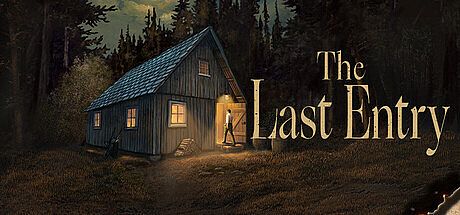


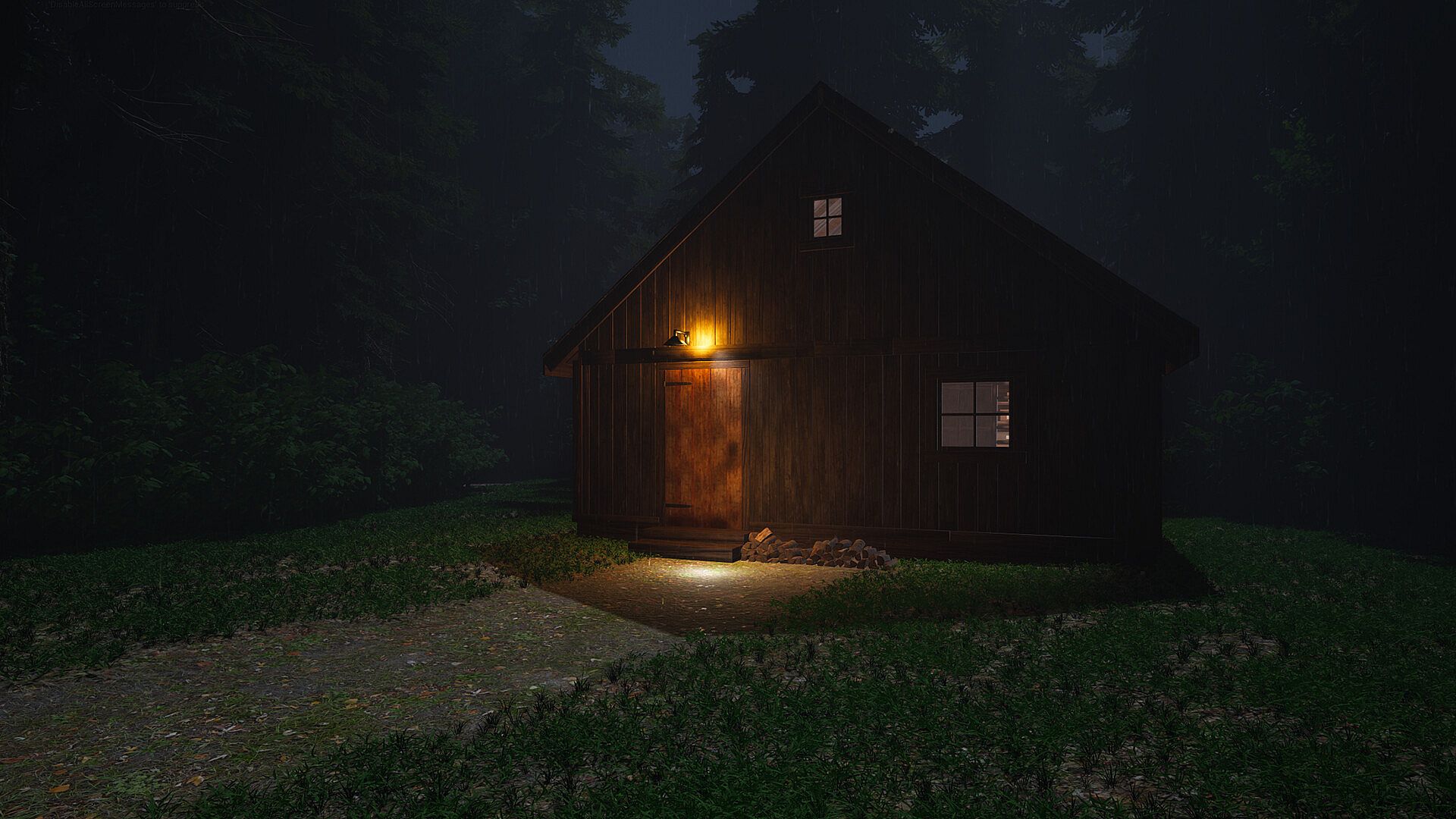
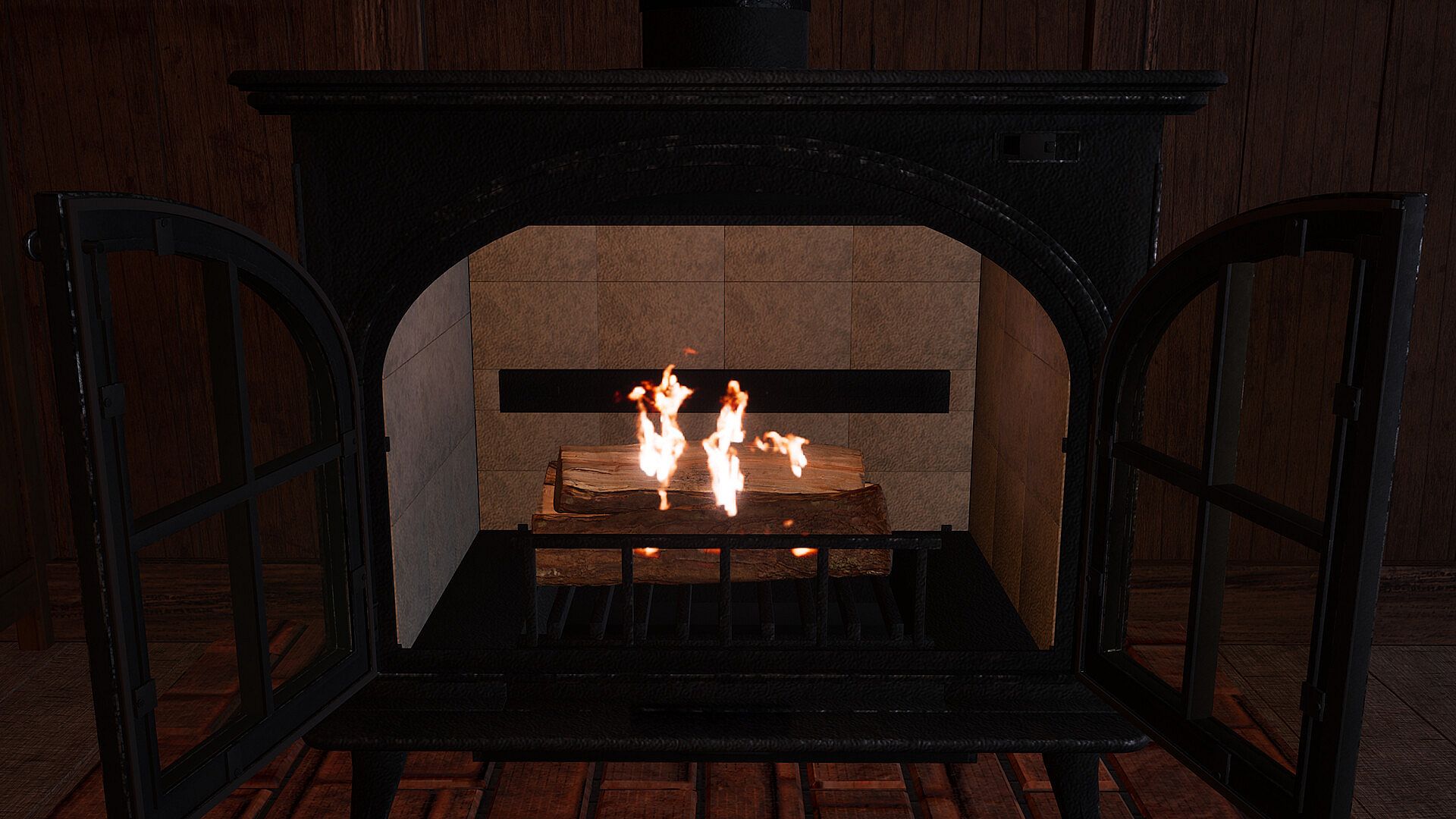


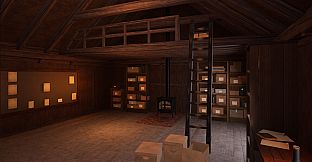
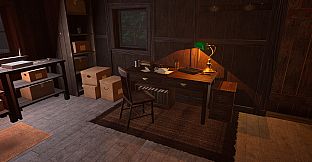

The Last Entry is a casual single-player mystery game set entirely within one house, its yard, and the shed out back. Players step into the role of Adam, a man whose memory exists only on paper, as he searches for his missing wife through handwritten ledgers and personal records. The experience centers on deduction and exploration rather than action or combat, with all events unfolding in first-person perspective across a contained environment.
Gameplay
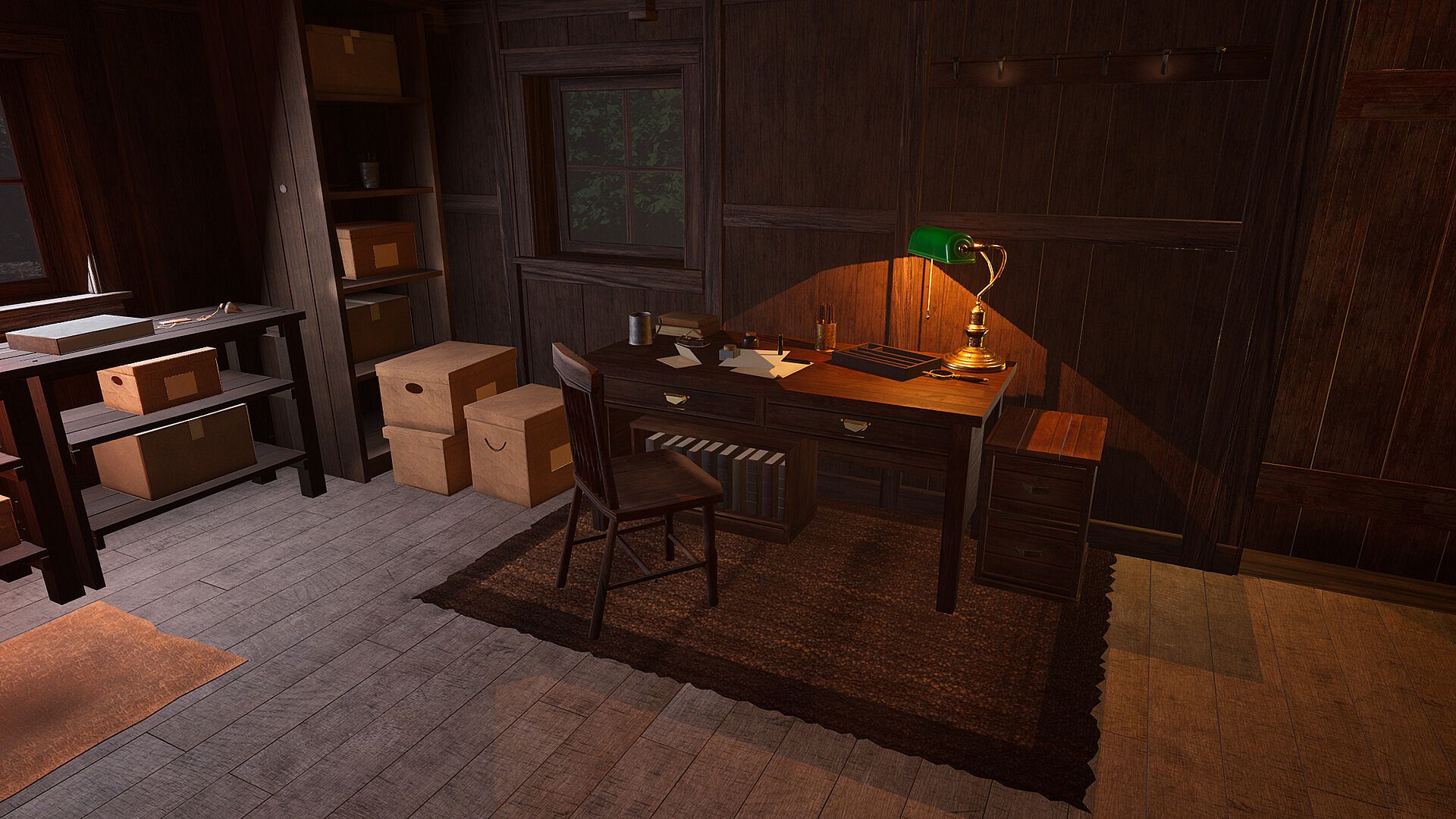
Core play involves sitting at Adam's desk to open ledgers and read entries that describe past events. Touching a page transports the player directly into that moment, experiencing it from Adam's viewpoint with full voice acting for dialogue and ambient sounds. These sequences recreate the exact details of the day, including conversations, locations, and interactions, without relying on cutscenes or summaries.
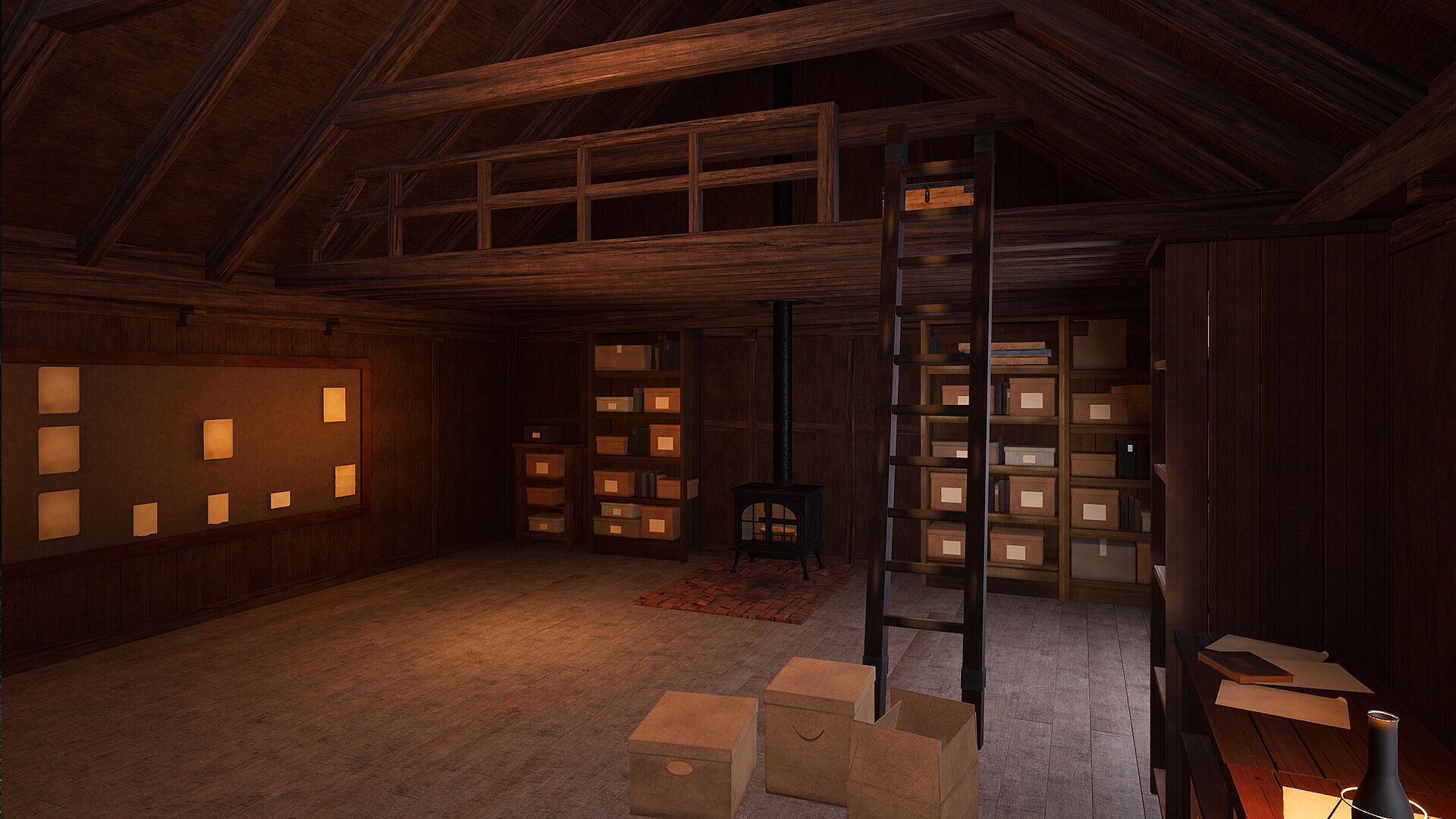
Evidence collection forms the main loop. Players gather notes, letters, and objects from around the house and compare them against the shelves of archived pages in the shed. Patterns emerge through cross-referencing routes, habits, and contacts mentioned across multiple entries. The process requires careful reading to identify consistencies or contradictions in the written record.
Physical interaction with the environment supports the investigation. Players move items, clear cluttered shelves, and organize findings to access deeper layers of the archive. This hands-on approach mirrors the theme of memory preserved through writing, as older years remain buried until space is made for them.
Game Modes
The Last Entry operates as a single-player experience with no separate modes or multiplayer options. The entire narrative unfolds through one continuous investigation that combines ledger reading, memory reliving, and evidence mapping. Progression follows the structure of one night in the house, with the player directing the search by choosing which entries to examine and which connections to pursue on the evidence board.
Mechanics stay consistent throughout, emphasizing deduction over varied challenges. Players audit the written record against physical clues in the environment, building a map of the marriage through repeated visits to the same locations across different times. The design keeps focus on the single location and its layered history rather than introducing new systems or branches.
Story and Setting
The narrative explores themes of memory, loss, and personal records through Adam's unique condition. His life exists only where it has been documented, turning the shed into both archive and lifeline. The missing wife Sarah leaves traces in her routines and correspondences, which players reconstruct page by page to understand her disappearance.
Voice acting brings the ledgers to life during memory sequences, allowing players to hear exchanges exactly as they occurred. The confined space of the house and shed encourages repeated examination of the same rooms from shifting perspectives as new entries reveal additional details.
Is It Worth Playing?
The Last Entry targets players who enjoy slow-paced narrative mysteries built around reading, observation, and logical connections. Its strength lies in the integration of physical exploration with written records, creating a tangible sense of piecing together a life from fragments. Because the game remains in development with a release date listed as coming soon, current player feedback is limited to wishlist interest on distribution platforms.
Those drawn to first-person deduction games set in intimate spaces will find the core loop of reliving moments and organizing evidence a natural fit. The fully voiced presentation and emphasis on a single, detailed location support focused play sessions without requiring large time commitments or external knowledge. Availability on PC aligns with the casual genre tag, making it accessible once released for anyone interested in memory-driven stories told through paper and place.