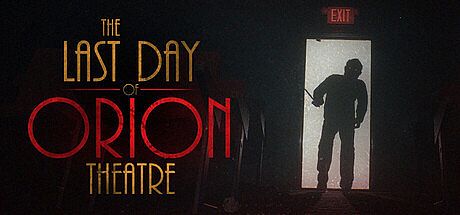


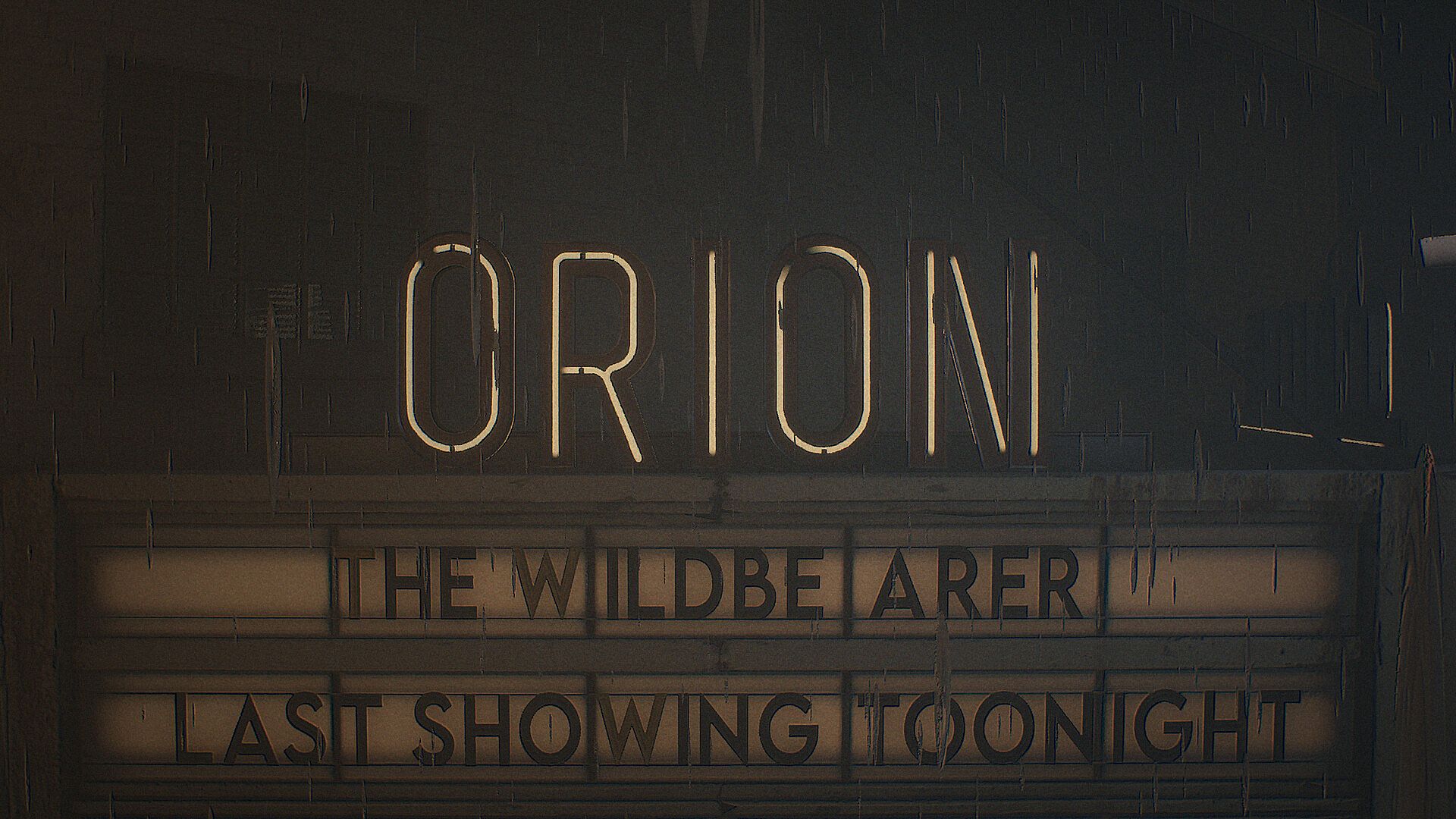
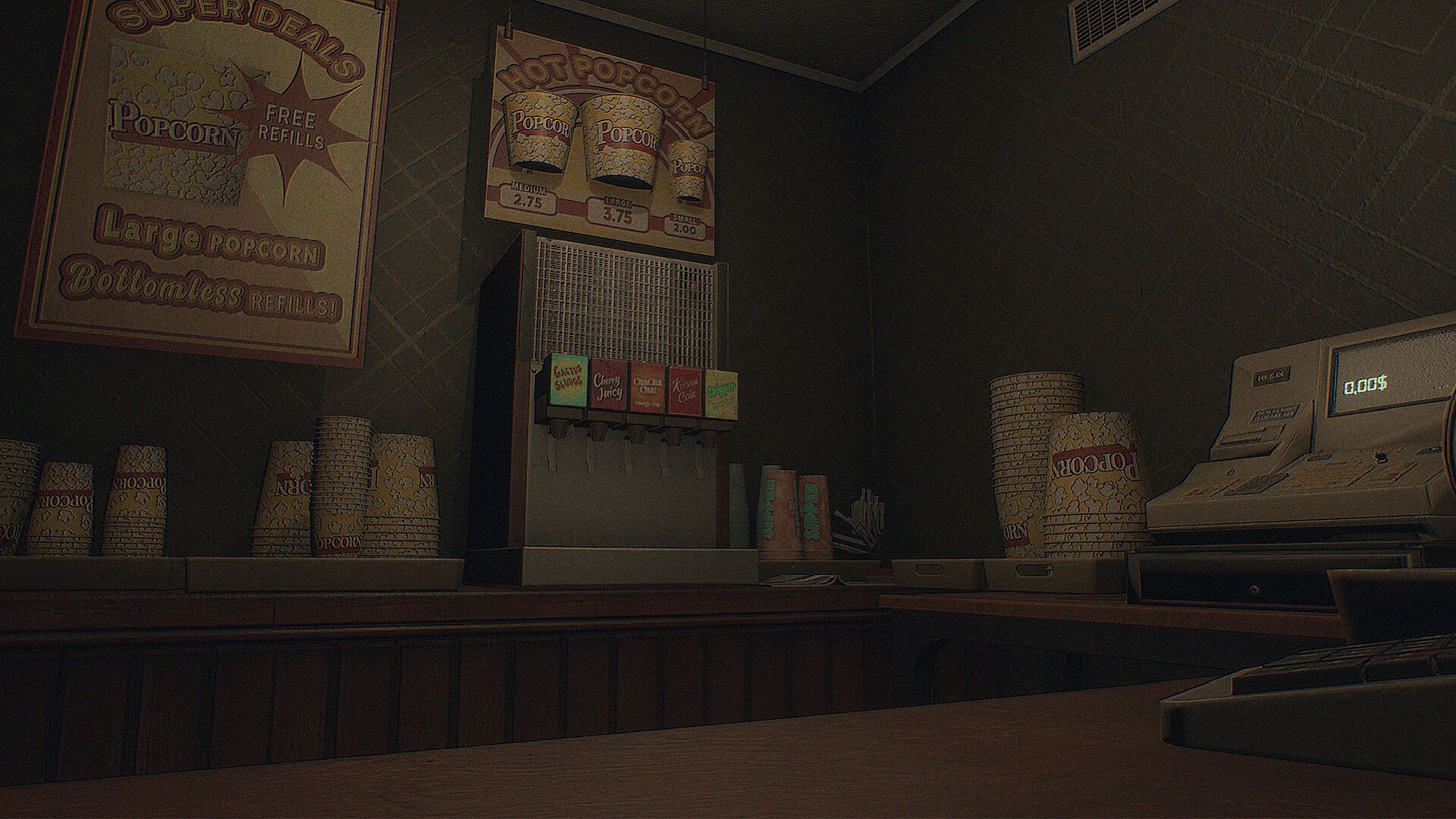
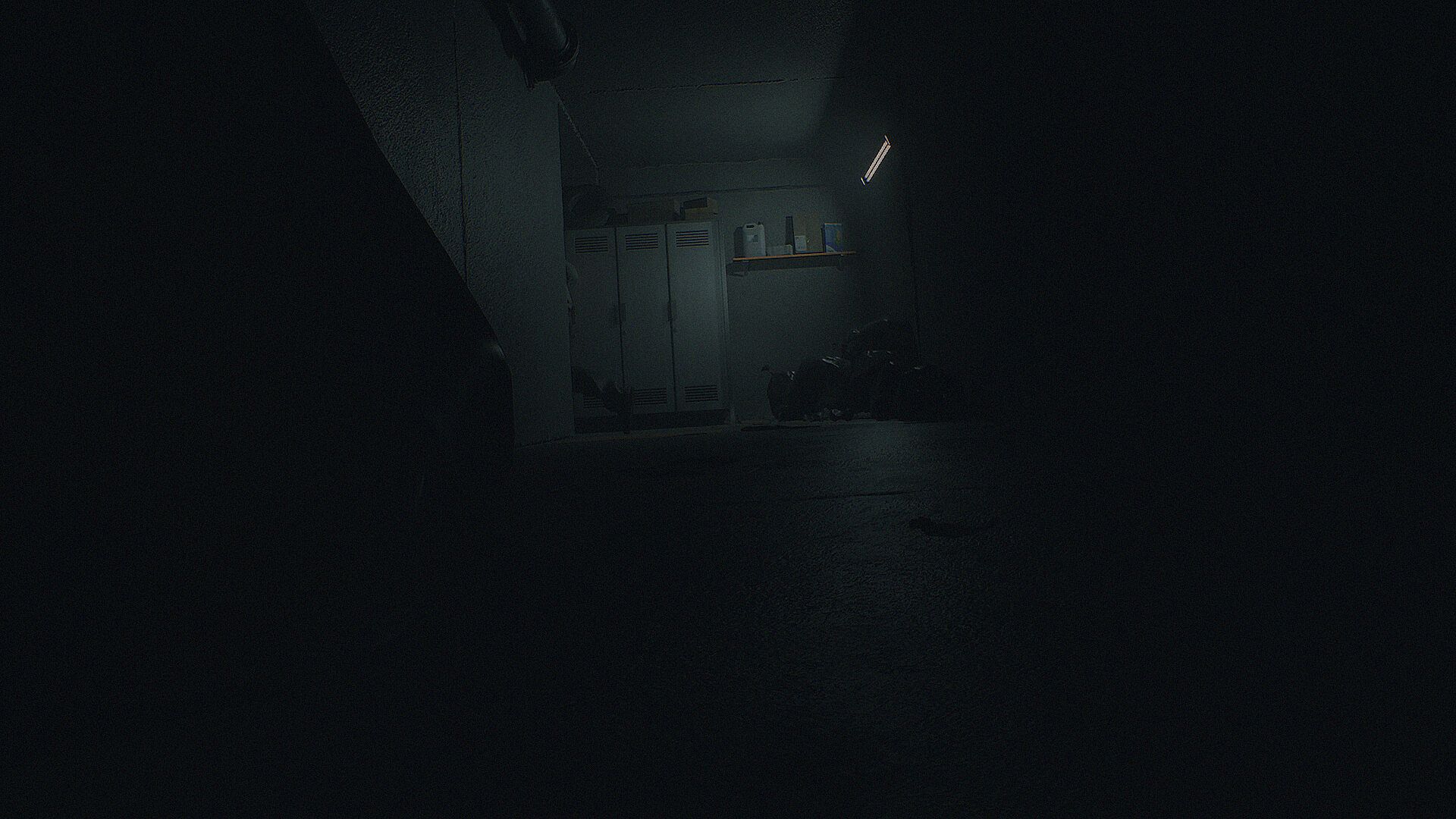
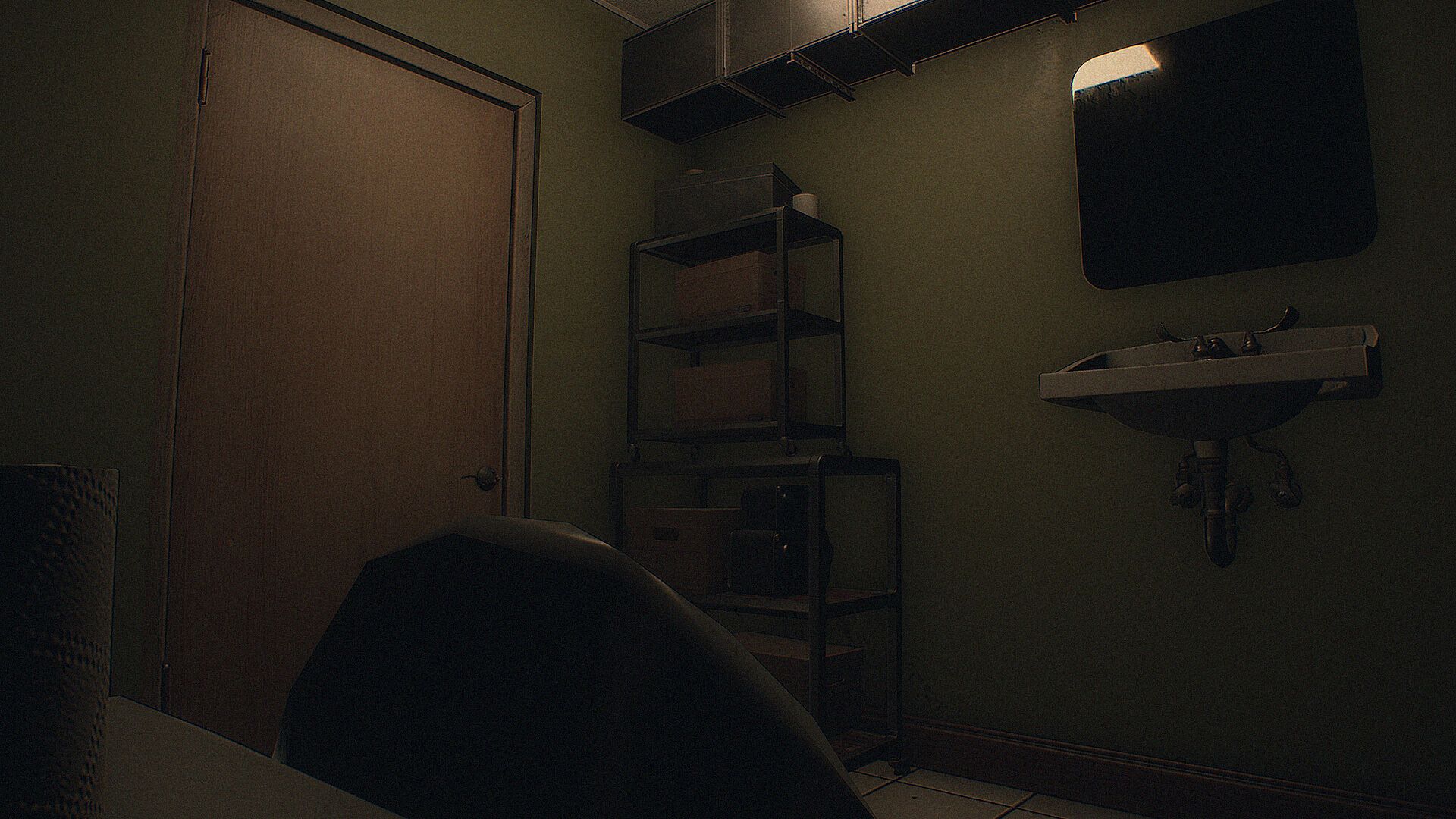
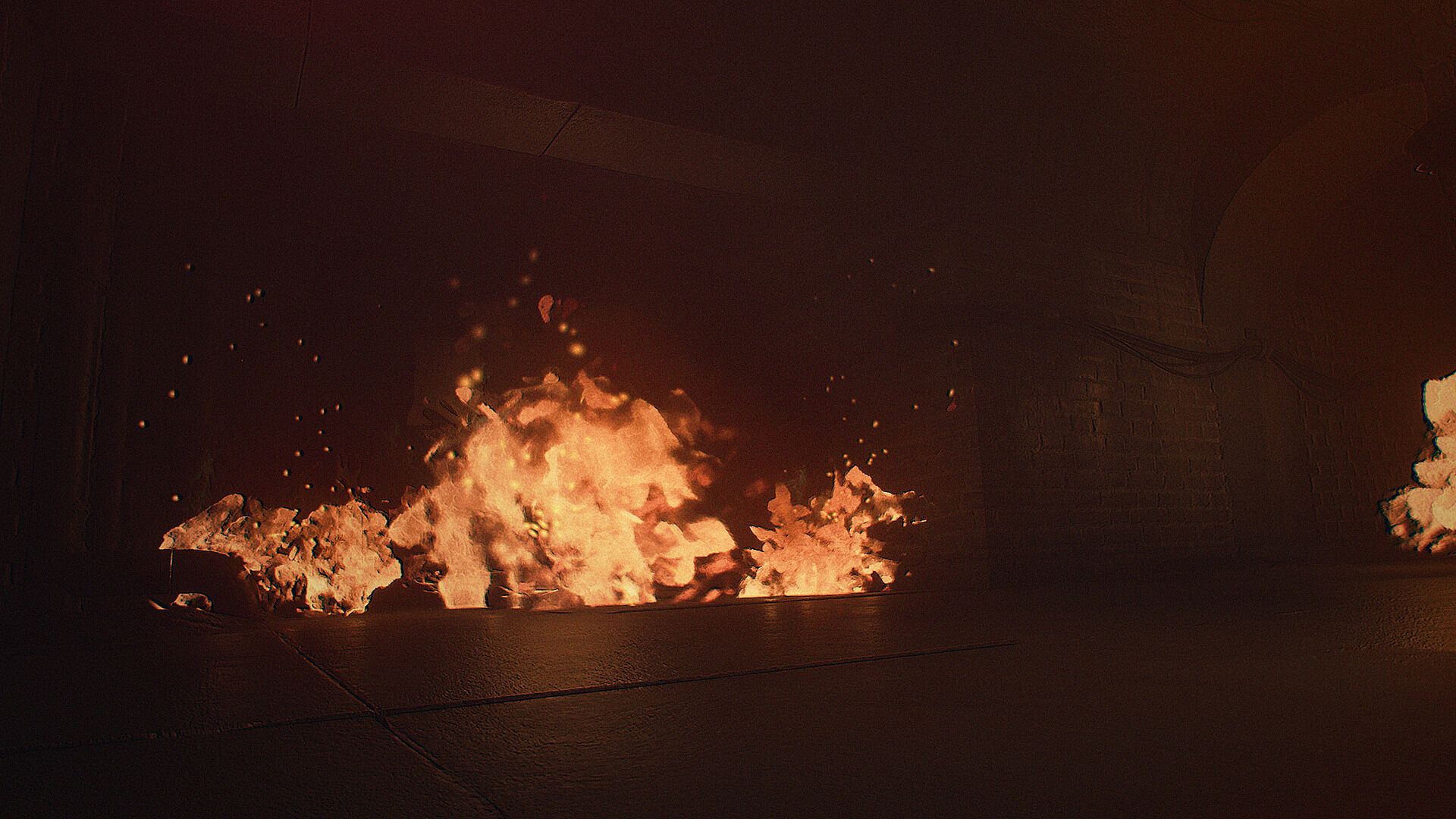
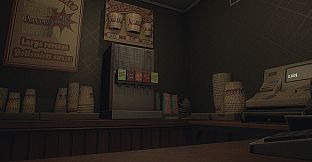
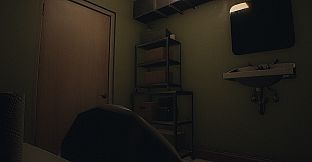
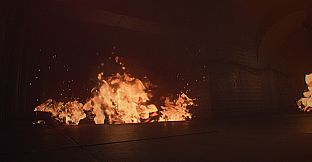
The Last Day of Orion Theatre is a short first-person psychological horror adventure game set inside an aging Art Deco cinema. Players take on the role of a lone employee handling the final closing shift before the building undergoes renovation. The experience centers on routine maintenance duties that gradually shift into an unsettling investigation of the theatre's hidden history.
Gameplay
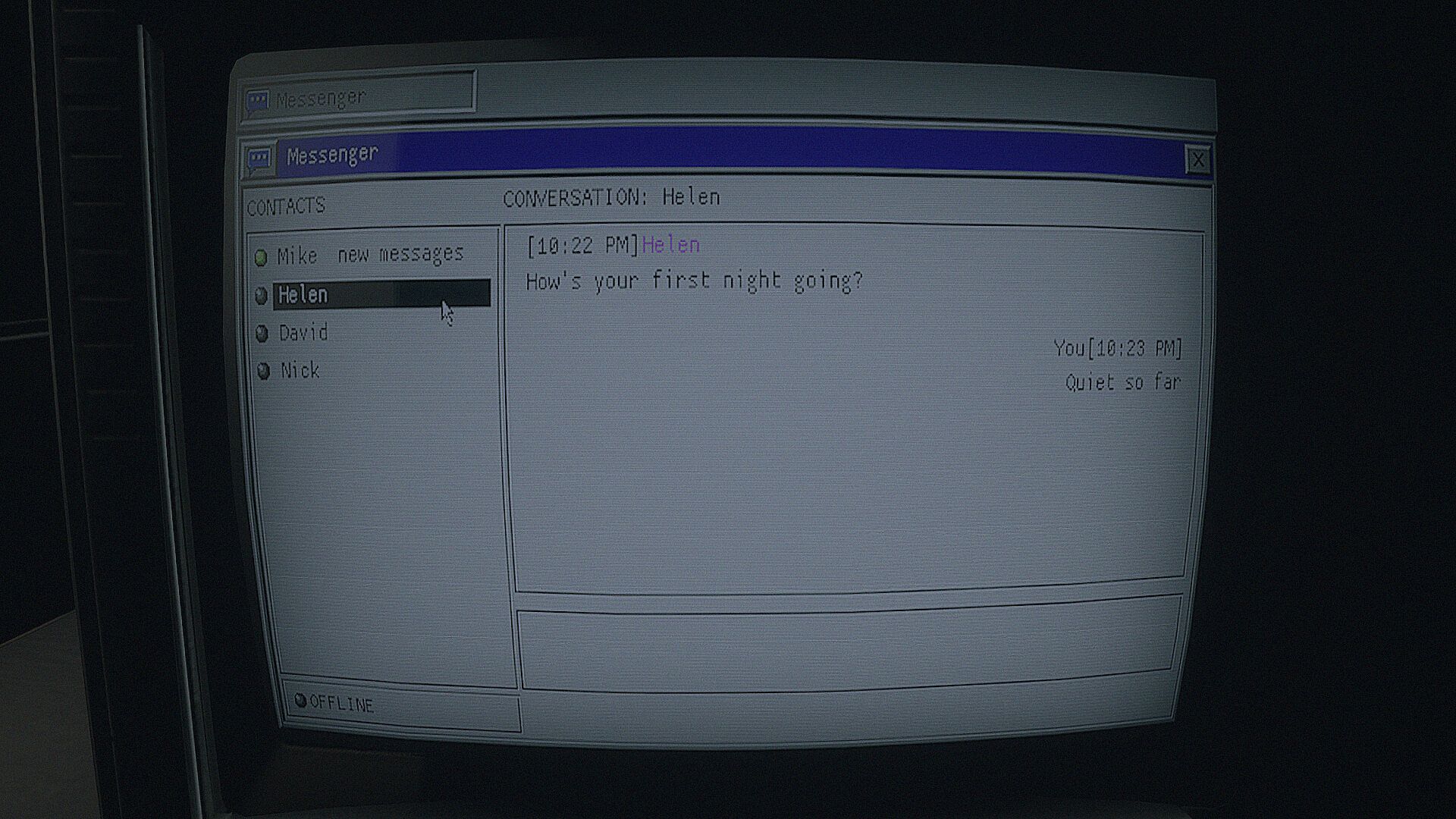
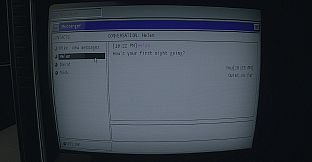
The core loop involves completing assigned tasks around the cinema while exploring its various areas. Players move through the main auditorium, backstage corridors, and technical service tunnels. They interact with an old staff terminal to receive instructions from a manager and log progress. Surveillance cameras provide views of different sections of the building, and archived tapes offer clues about prior events. Vintage mobile phones appear as additional tools for communication and note-taking during the shift.
Environmental storytelling drives the narrative forward. Objects left in place, faded posters, and scattered documents reveal fragments of what occurred at Orion Theatre over time. The first-person perspective keeps the focus on personal movement and observation rather than combat or action sequences. Suspense builds slowly through sound design and the changing atmosphere as the night progresses.
Decisions made while completing tasks or investigating areas influence the outcome. The game features multiple endings determined by choices about how thoroughly to explore and what information to act upon.
Game Modes
The game presents a single-player narrative experience with no separate multiplayer or competitive modes. Players progress through one continuous shift that incorporates exploration, task completion, and investigation elements. The structure emphasizes replayability through the multiple endings tied to player decisions rather than through distinct game variants or difficulty settings.
Progress relies on careful observation and interaction with the environment and terminal systems. There are no factions or team-based mechanics, as the focus remains on the solitary employee navigating the theatre alone.
Exploration and Atmosphere
Players gain access to restricted areas such as service tunnels and storage rooms by following terminal prompts or discovering keys and codes. The Art Deco design of the cinema provides a consistent visual style with ornate details that contrast with the growing sense of unease. Interactive CRT terminals require players to navigate menus and review logs, adding a layer of procedural interaction to the exploration.
Camera feeds and tape recordings serve as primary sources of information. Reviewing these materials helps piece together the sequence of events leading to the current situation. The slow pace encourages thorough searching rather than rushed movement through the building.
Is It Worth Playing?
This title suits players who enjoy short, focused psychological horror experiences centered on exploration and environmental narrative. The emphasis on routine tasks turning unsettling, combined with decision-based endings, provides a compact story that rewards attention to detail. Those seeking fast-paced action or extensive multiplayer content will find the scope limited to its single shift narrative.
The game stands as an independent release in the indie horror genre, with mechanics built around terminal use, camera monitoring, and physical exploration of a confined setting. Its length makes it accessible for a single session or limited replays to uncover alternate conclusions.