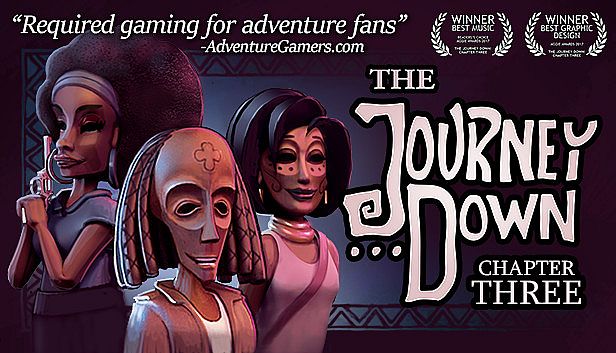













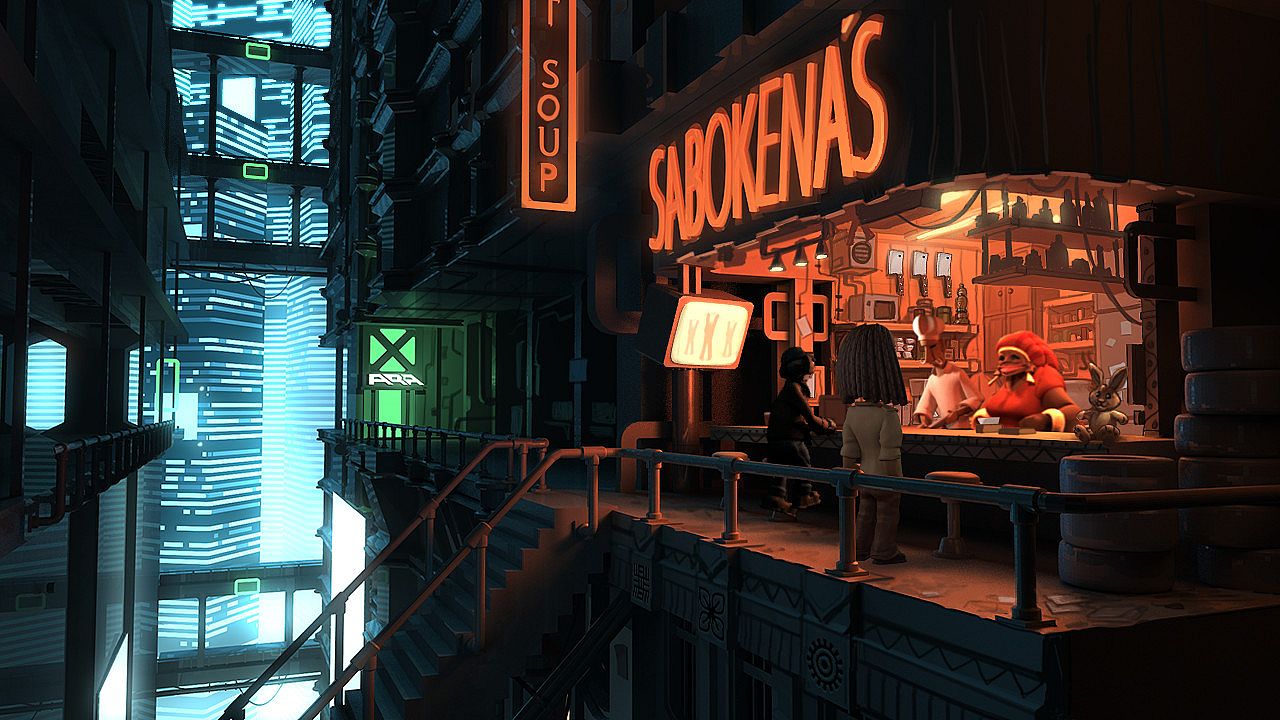

The Journey Down: Chapter Three is a point-and-click adventure game developed for PC. It serves as the concluding installment in a trilogy that follows three characters through a story rooted in Afro-Caribbean influences and set in a fictional world called the Underland.
Gameplay
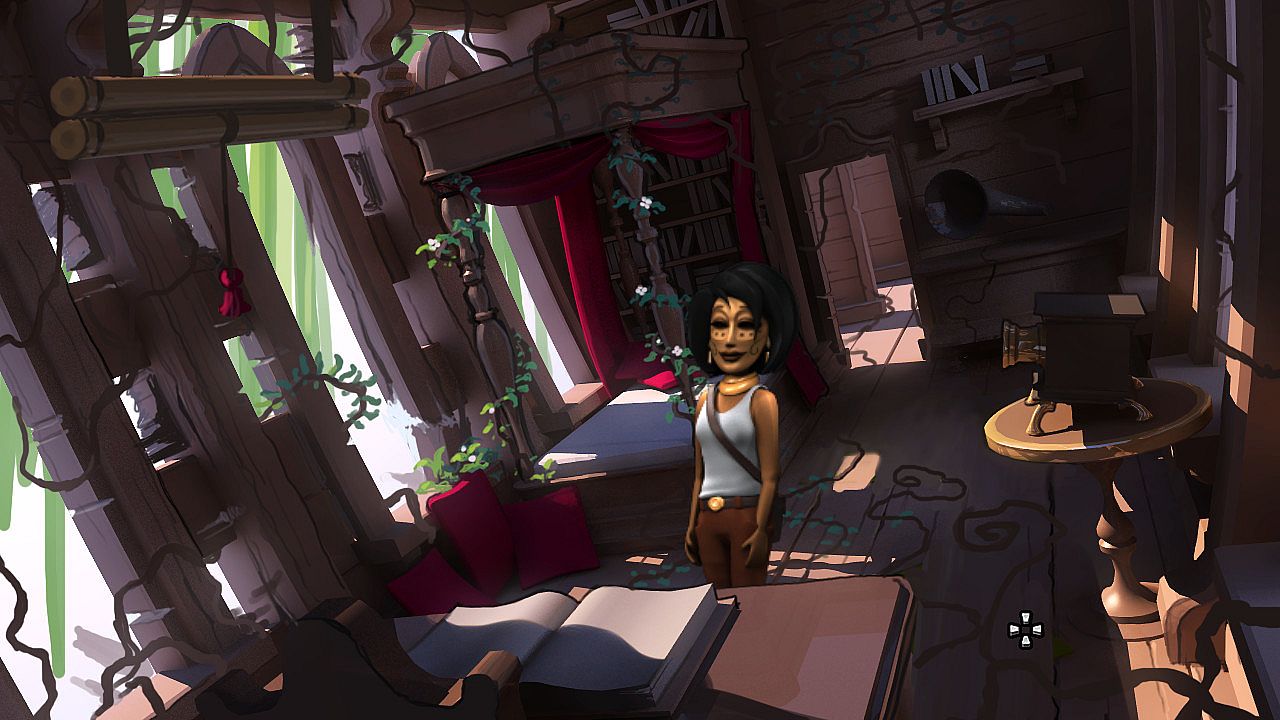
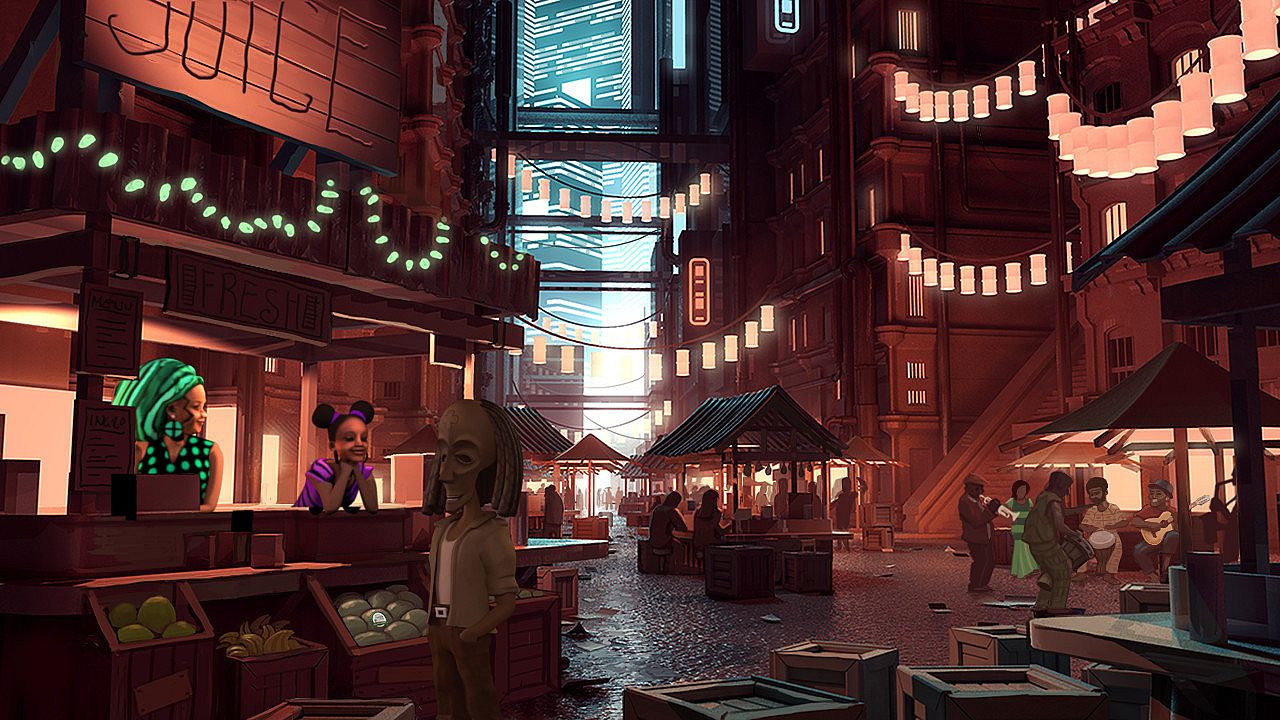
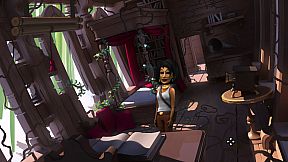
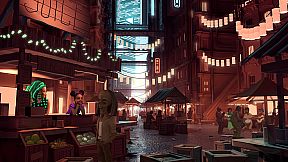
Players navigate environments by clicking on objects and characters to interact with them. The core loop centers on exploration of detailed locations, collection of items for an inventory system, and combination of those items to solve obstacles. Environmental puzzles require observation of surroundings and logical connections between elements scattered across scenes.
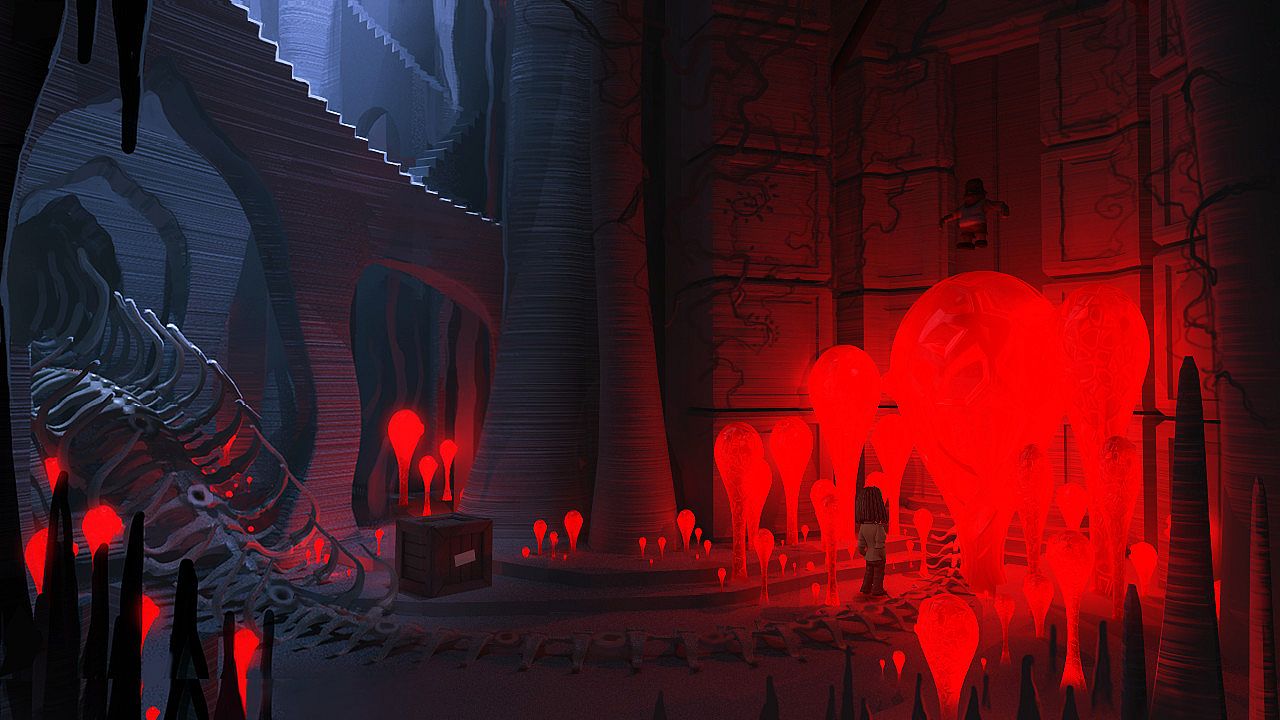
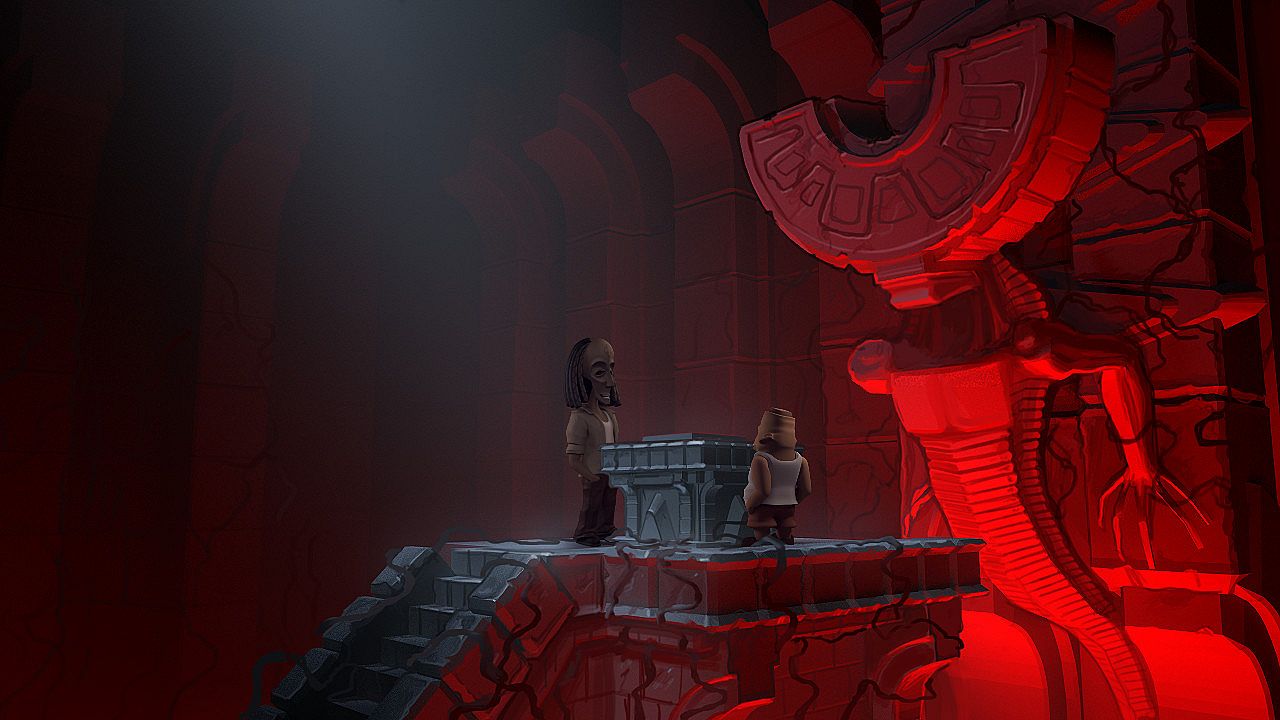
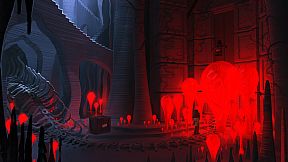
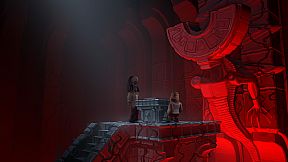
Handpainted backgrounds form the visual foundation, with animations that support character movement and object responses. A fully voiced cast delivers dialogue that advances the narrative during key interactions. The soundtrack features original jazzy reggae compositions that play throughout different areas.
Control occasionally shifts between the three main characters, allowing access to unique perspectives and abilities tied to each one. The experience emphasizes story progression through these mechanics rather than combat or timed challenges.
Game Modes
The game operates exclusively in a single-player format with no multiplayer options or alternate modes. Progression follows a linear path through the story, with puzzles integrated directly into the sequence of events. Exploration remains open within each location until objectives are met, after which the narrative advances.
Inventory management and point-and-click interactions constitute the primary systems, consistent across the entire play session. There are no separate difficulty settings, co-op features, or replay modes beyond returning to completed sections for missed items.
Story and Setting
The plot resolves the overarching narrative involving Bwana, Kito, and Lina as they investigate remnants of an ancient culture in the Underland. Their actions lead to revelations about the Kwayerumoshi caves and the true nature of the Great Asili tree alongside the Armando Power Company.
Scattered artifacts and environmental details reveal background lore without requiring external knowledge. The conclusion ties together threads from prior events through character conversations and discoveries in the final locations.
Is It Worth Playing?
This title appeals to players who enjoy traditional point-and-click adventures focused on puzzle solving and narrative delivery. The handpainted art style and voice performances provide consistent visual and audio quality throughout the roughly five-hour experience.
Reception highlights the refinement of puzzle design and character likability, though some note a faster pace with greater reliance on cutscenes compared to earlier entries. The game stands alone as a complete story conclusion without requiring prior play for basic understanding.
Availability on PC makes it accessible for those seeking a self-contained indie adventure with exploration and inventory mechanics. It suits audiences interested in atmospheric storytelling over action or competitive elements.