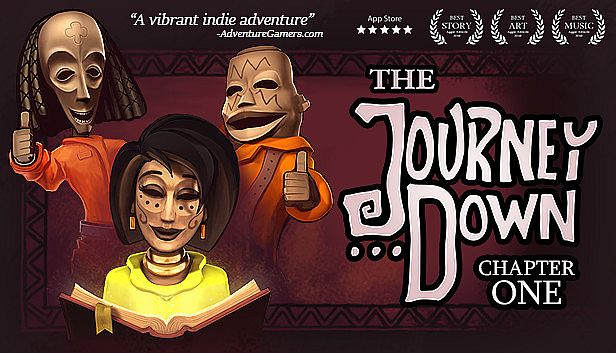











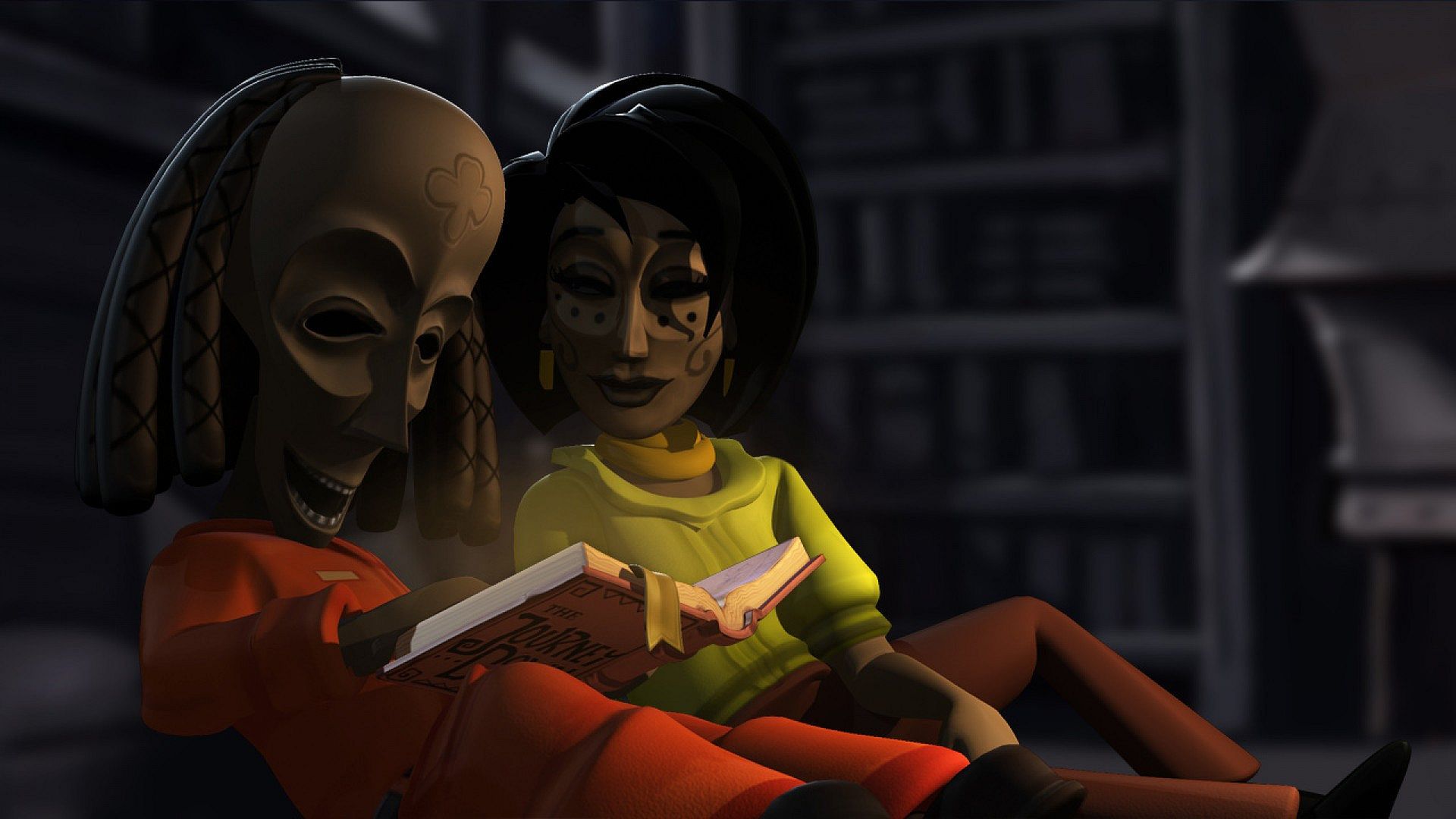
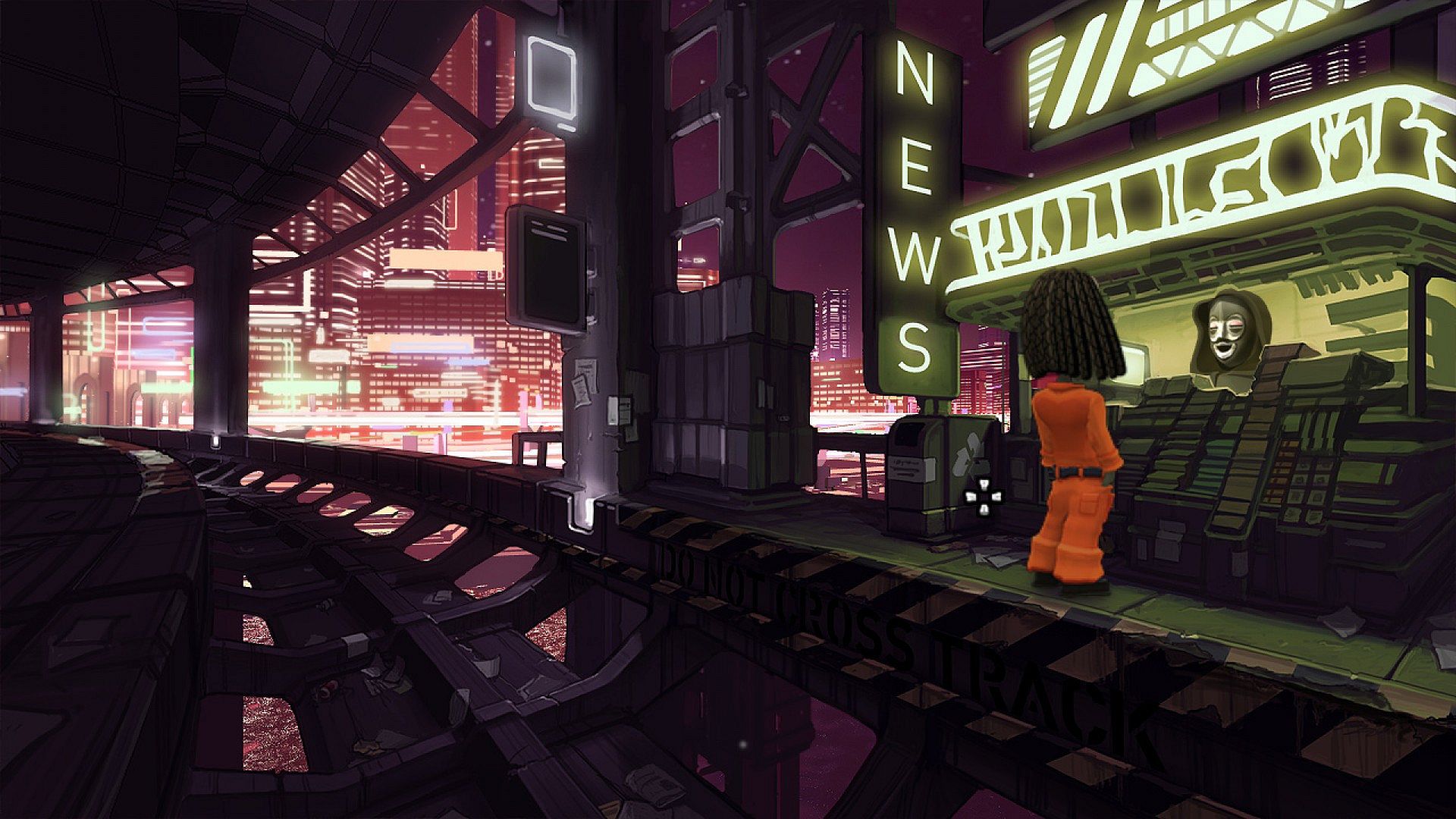
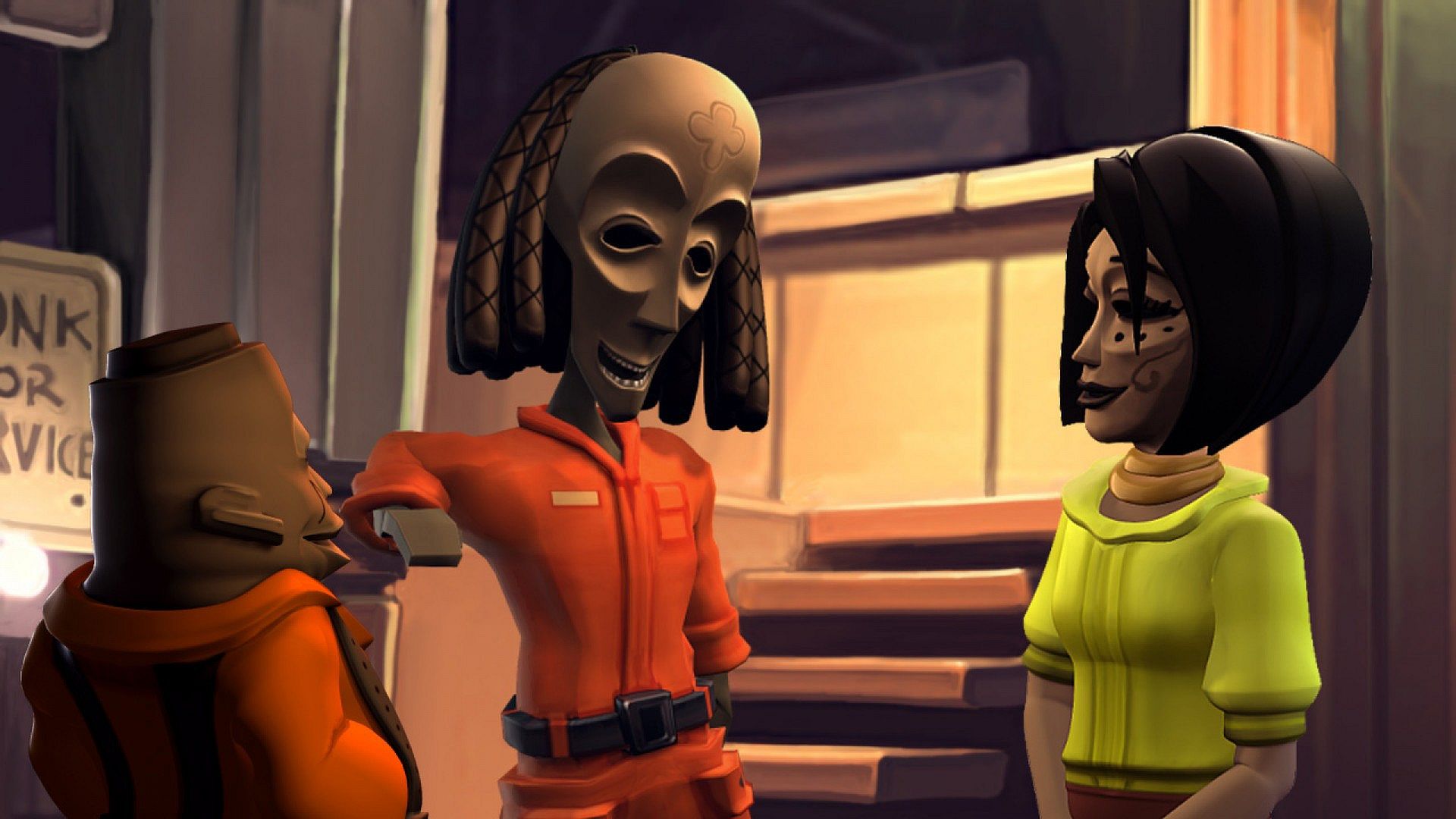
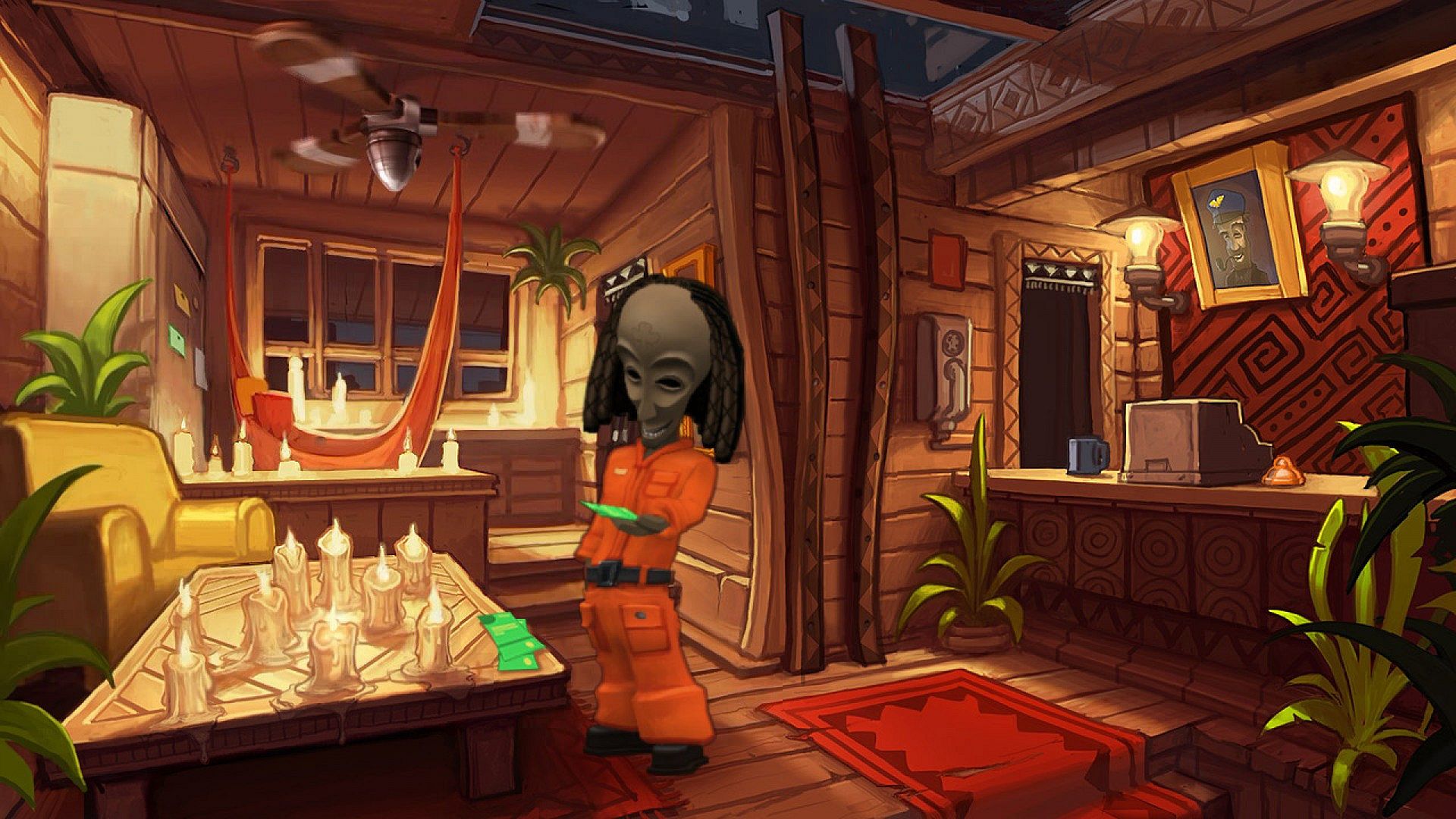
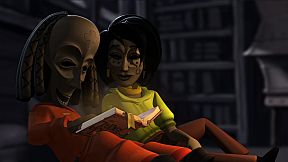
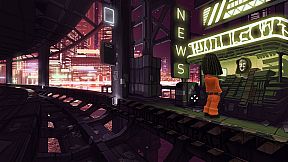
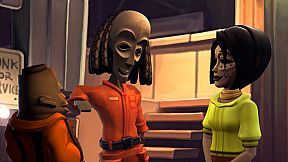
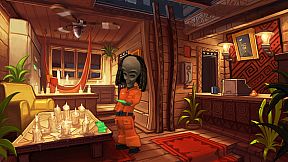
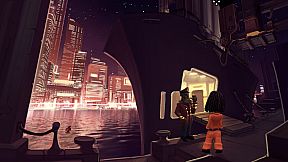
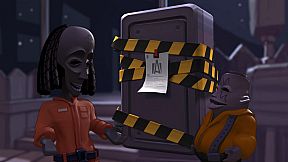
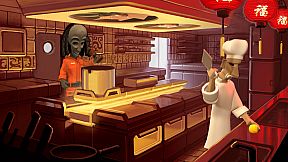
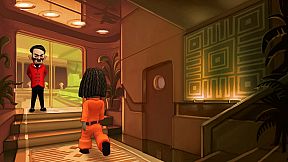
The Journey Down: Chapter One stands as an indie adventure title built around point and click mechanics on PC. The story opens at a run down gas station in Kingsport Bay on the outskirts of St Armando, where Bwana and his sidekick Kito work to stay afloat. Their routine shifts when the hunt for a missing journal draws them into a larger mystery tied to the Underland and the disappearance of their father, Captain Kaonandodo. The narrative mixes personal stakes with broader themes of corruption and hidden truths while maintaining an Afro Caribbean cultural lens throughout the chapter.
Gameplay
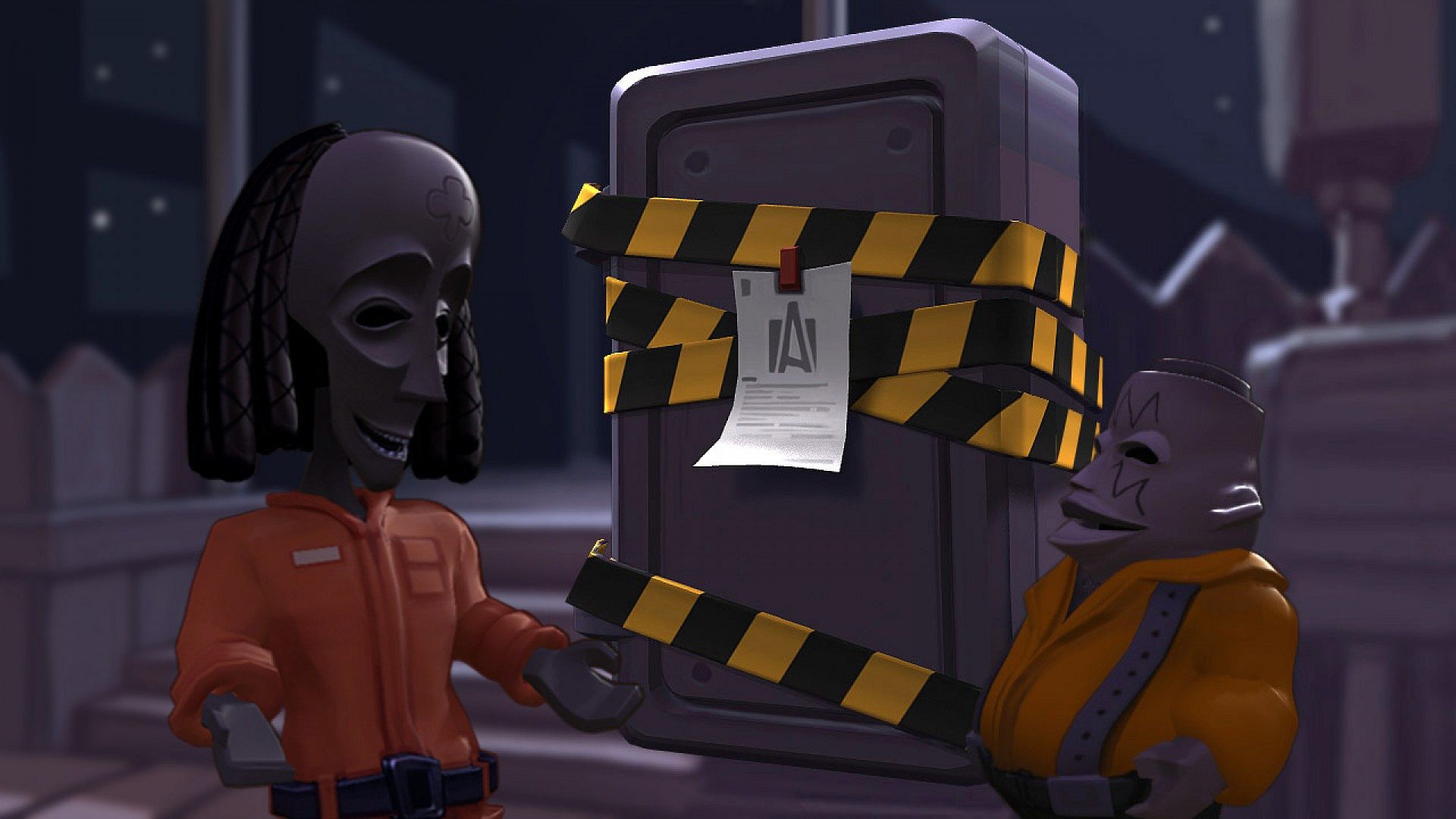
Core interaction follows traditional point and click conventions. Users click to examine the environment, converse with non player characters, and manipulate objects to resolve obstacles. Puzzles arise naturally from the setting, requiring players to combine found items or apply knowledge gained from conversations. The pace encourages careful observation of each scene rather than rapid action. Progression tracks the unfolding investigation, with each solved sequence revealing more about the central conflict and the protagonists' past. Hand painted backgrounds form the primary visual layer, and animations support key actions without overwhelming the static art style. The structure keeps attention on logical deduction and story beats over combat or resource management systems.
Game Modes
Content delivery remains confined to a single player narrative path. No separate difficulty settings, alternate campaigns, or competitive elements appear in the chapter. The full experience unfolds through sequential scenes that advance the plot in a fixed order. Players complete objectives in the order presented by the story, with no branching routes or replay incentives built into this installment. The design prioritizes a focused, uninterrupted session that matches the length of a shorter adventure chapter.
Story and Setting
The plot centers on Bwana and Kito as they leave their familiar gas station behind in pursuit of answers. Early events establish their daily struggles before the journal search escalates into encounters with danger and long buried family history. The Underland serves as the key unknown element that expands the scope beyond the initial coastal location. Dialogue and environmental clues gradually piece together the larger conspiracy while highlighting the bond between the two leads. The Afro Caribbean influences shape character names, locations, and cultural references without requiring prior knowledge from the player.
Visuals and Audio
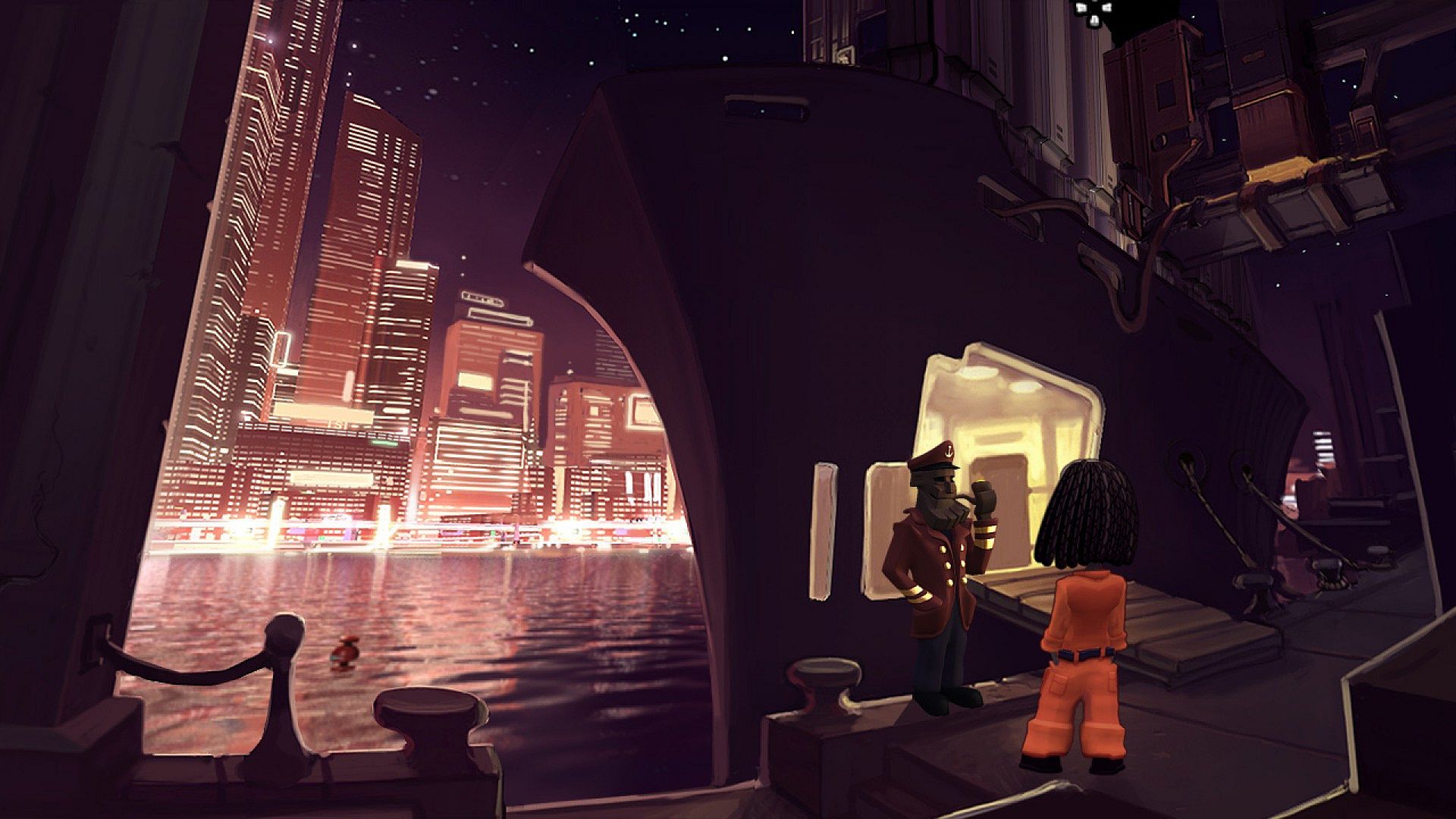
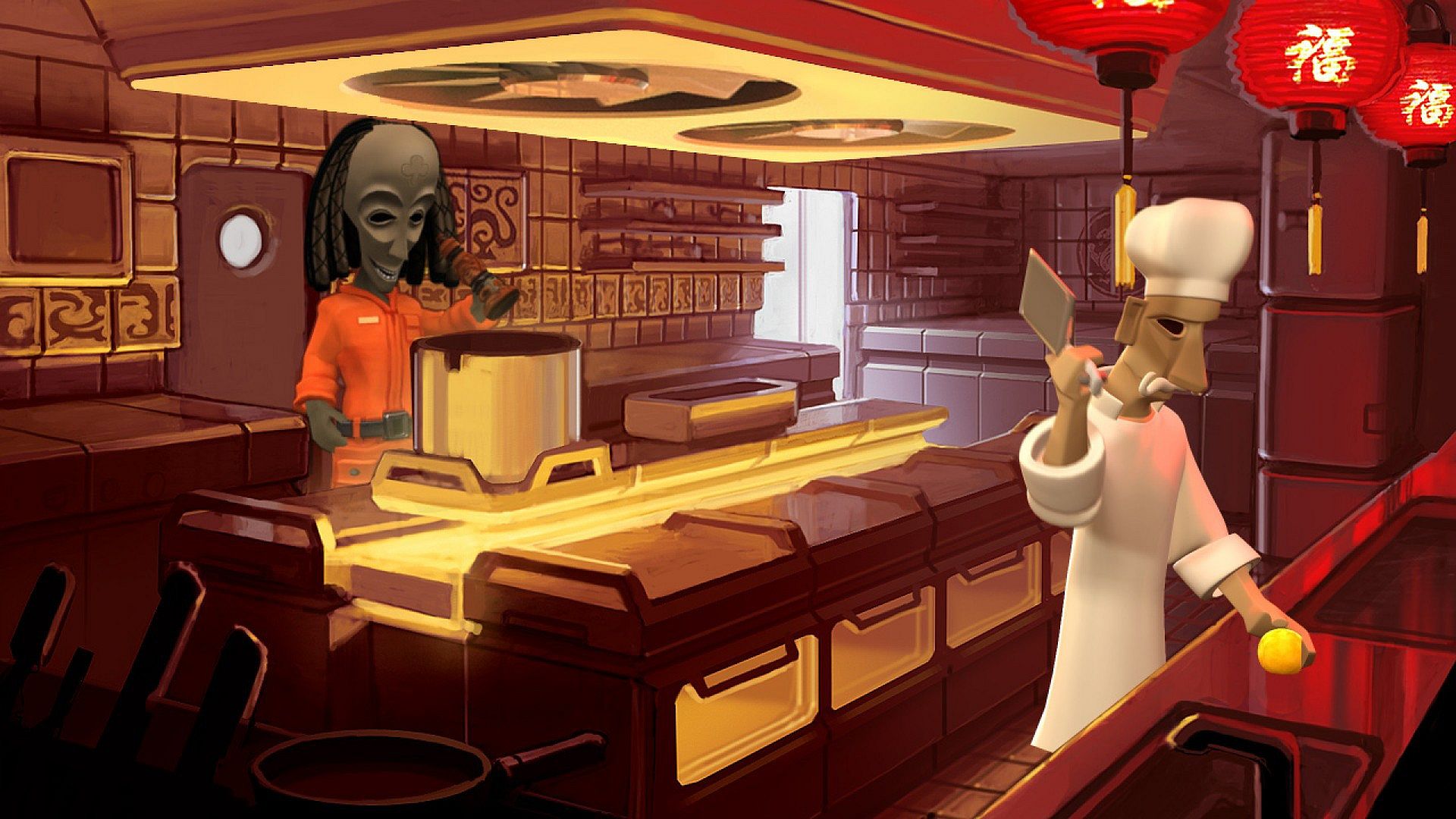
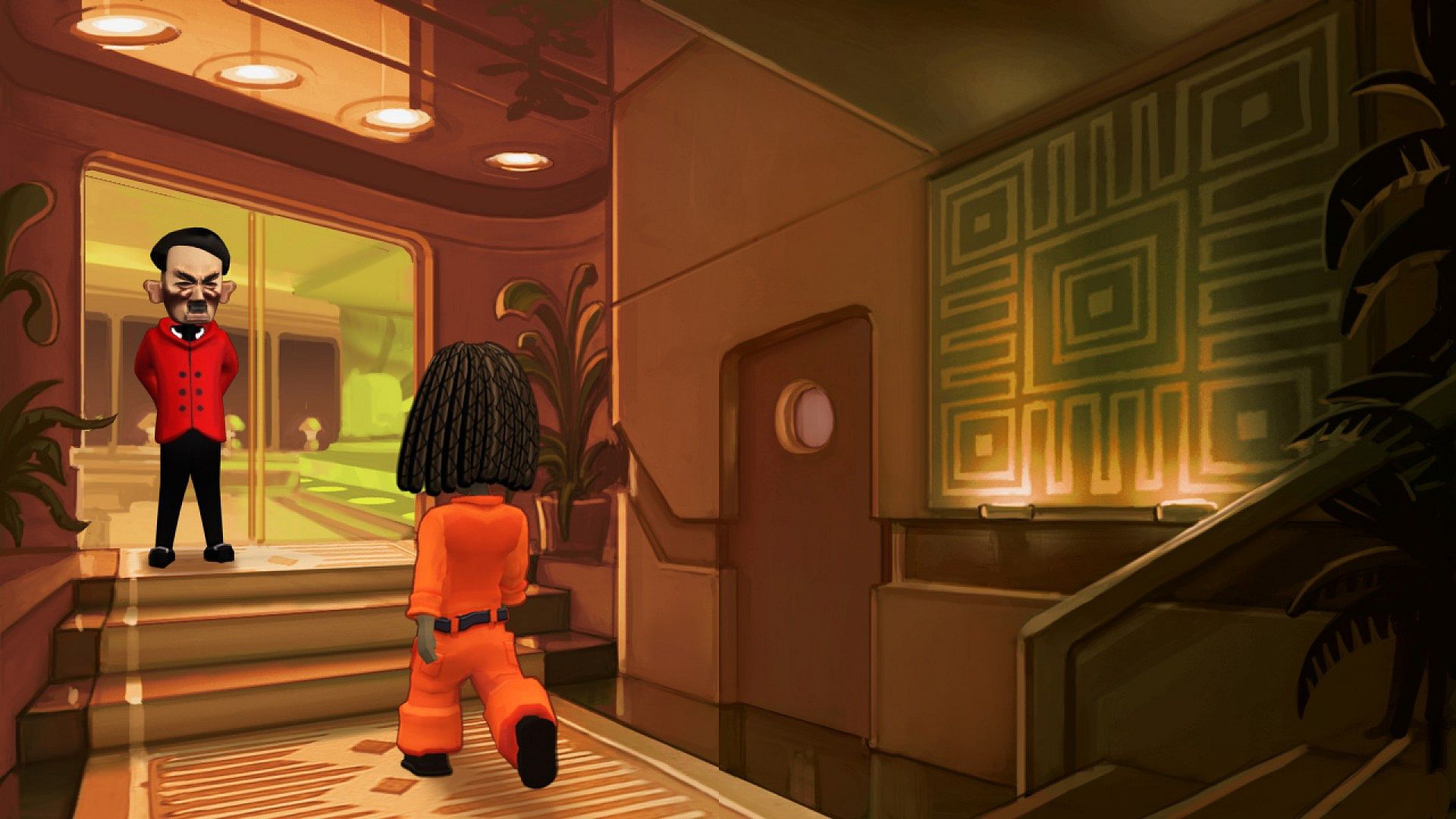
Art direction relies on hand painted scenes upgraded to HD resolution, with smooth animations applied to character movements and interactive objects. Color palettes and details evoke the tropical yet gritty atmosphere of the bay area and its surroundings. The soundtrack features original compositions rooted in jazzy reggae rhythms that shift to match tension or quieter moments. Every line of dialogue receives full voice acting, allowing the cast to convey emotion and personality directly through spoken delivery. These elements combine to support the mystery without relying on text alone for narrative weight.
Is It Worth Playing?
Individuals drawn to point and click adventures appreciate the deliberate puzzle design and narrative focus found here. The voiced performances and distinctive soundtrack add layers that reward attentive play. Those seeking a compact story driven experience on PC will encounter a self contained chapter that introduces larger questions without requiring additional purchases to finish. The cultural perspective and hand painted presentation distinguish it from more generic entries in the genre. Players who value exploration and logical problem solving over fast paced action or multiplayer features often find the package satisfying for a single sitting or short series of sessions. The absence of ongoing updates or seasonal content means the title exists in its original form, which suits those who prefer complete, unchanging adventures.