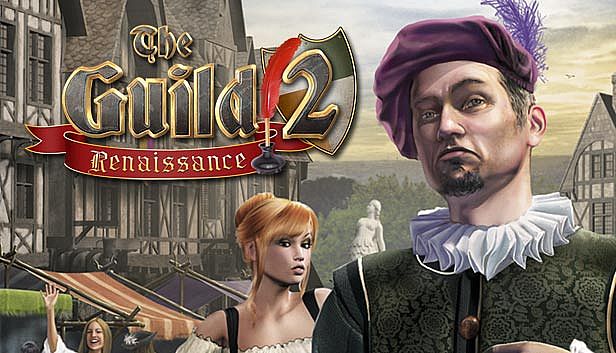
















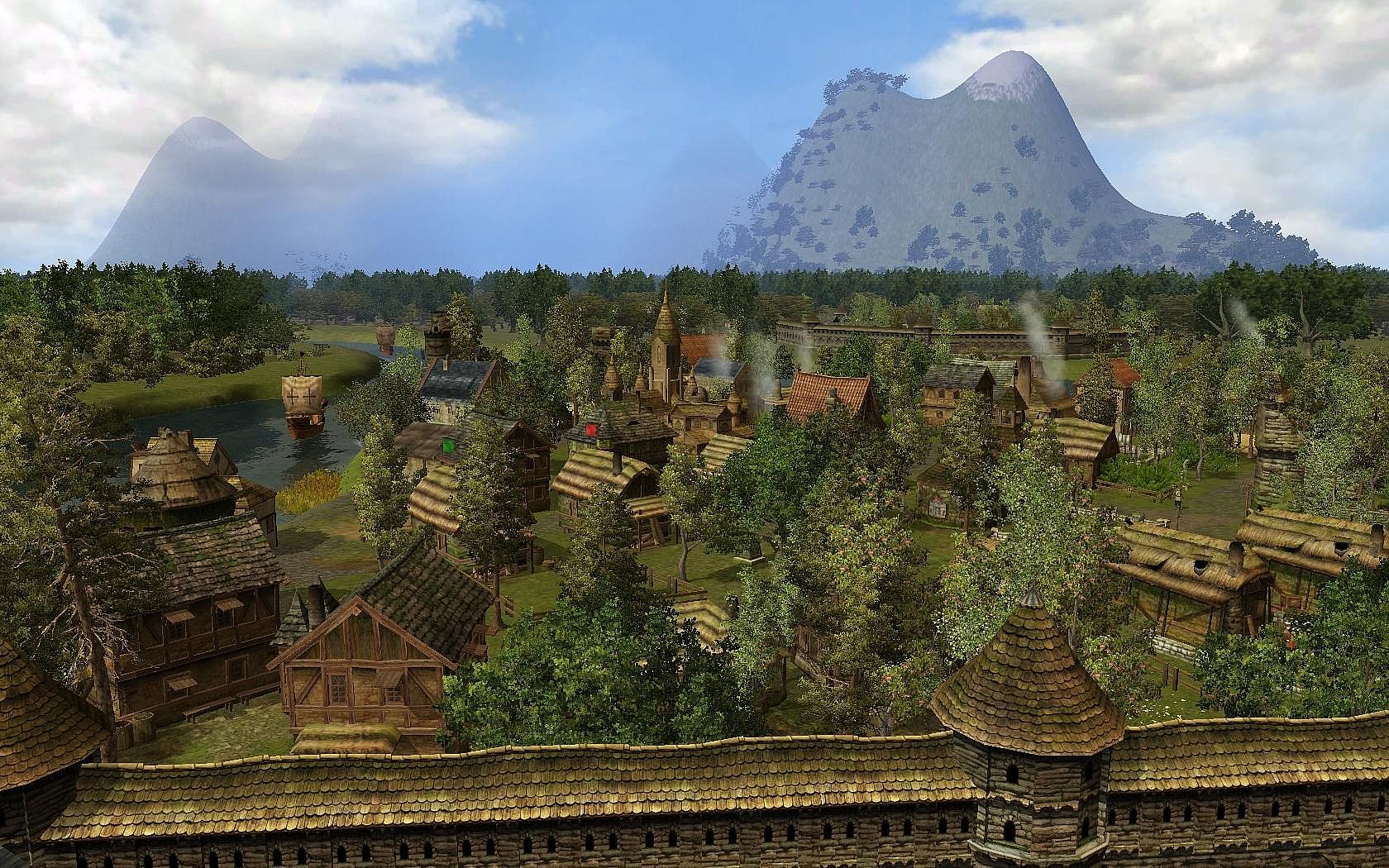
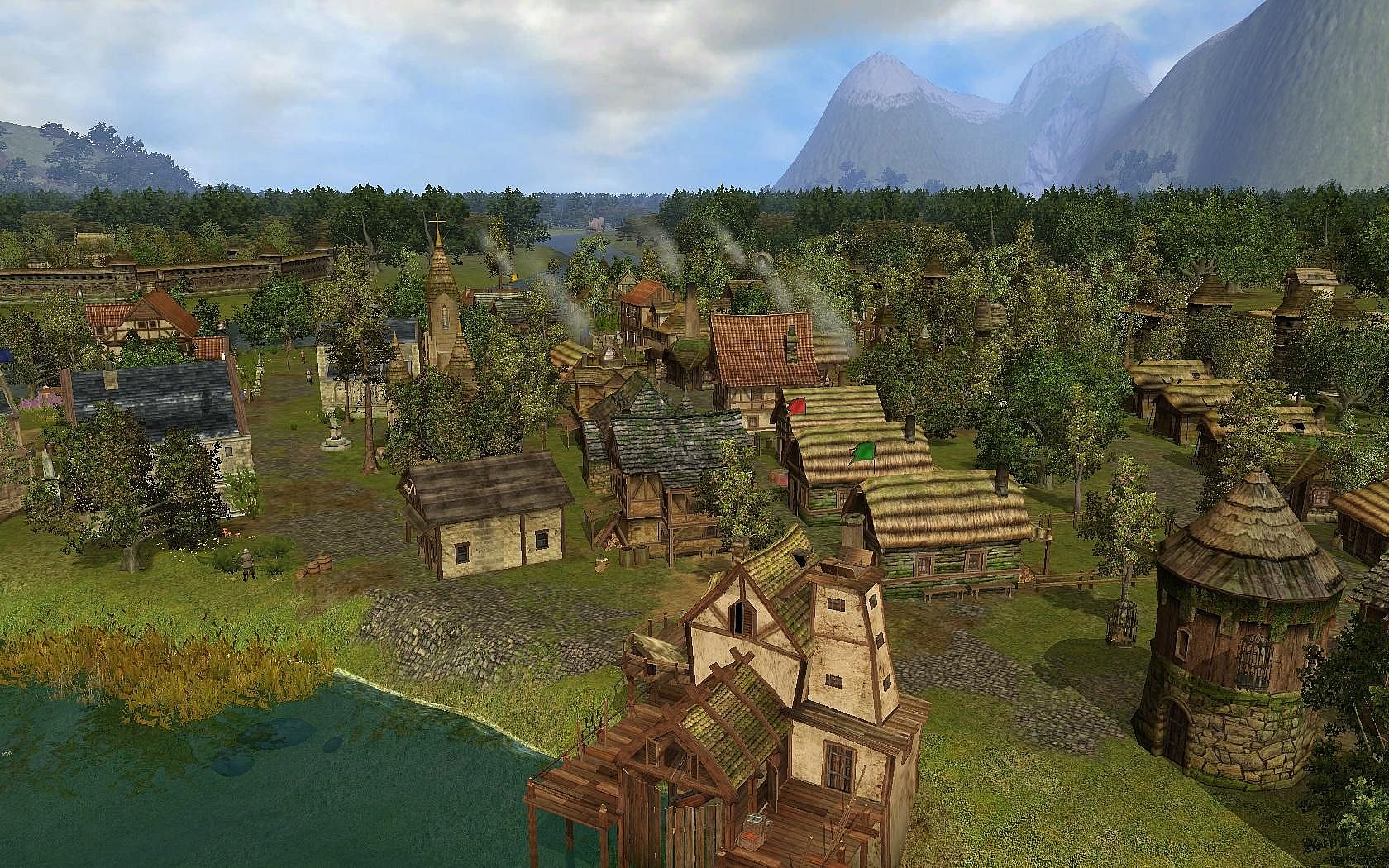
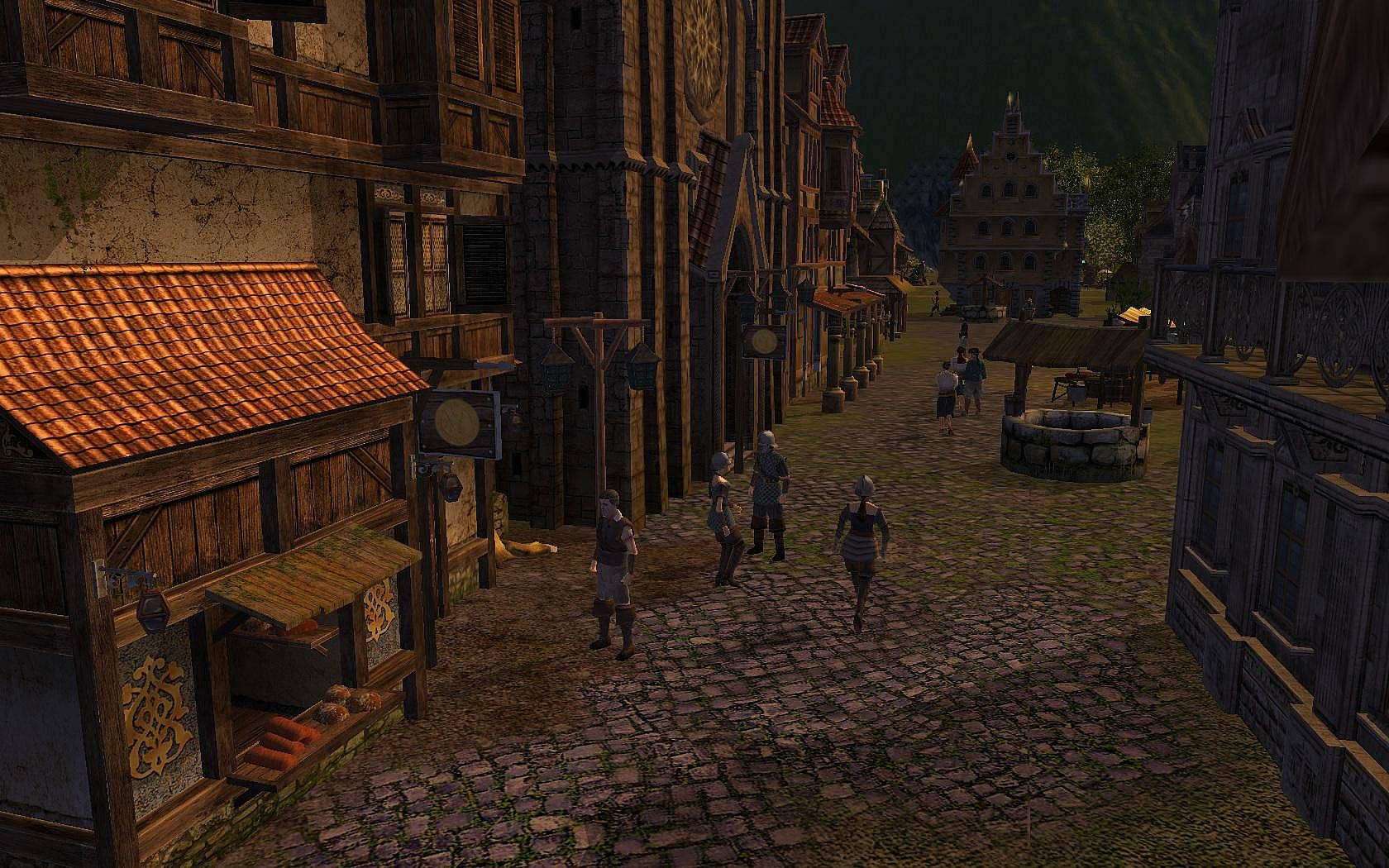
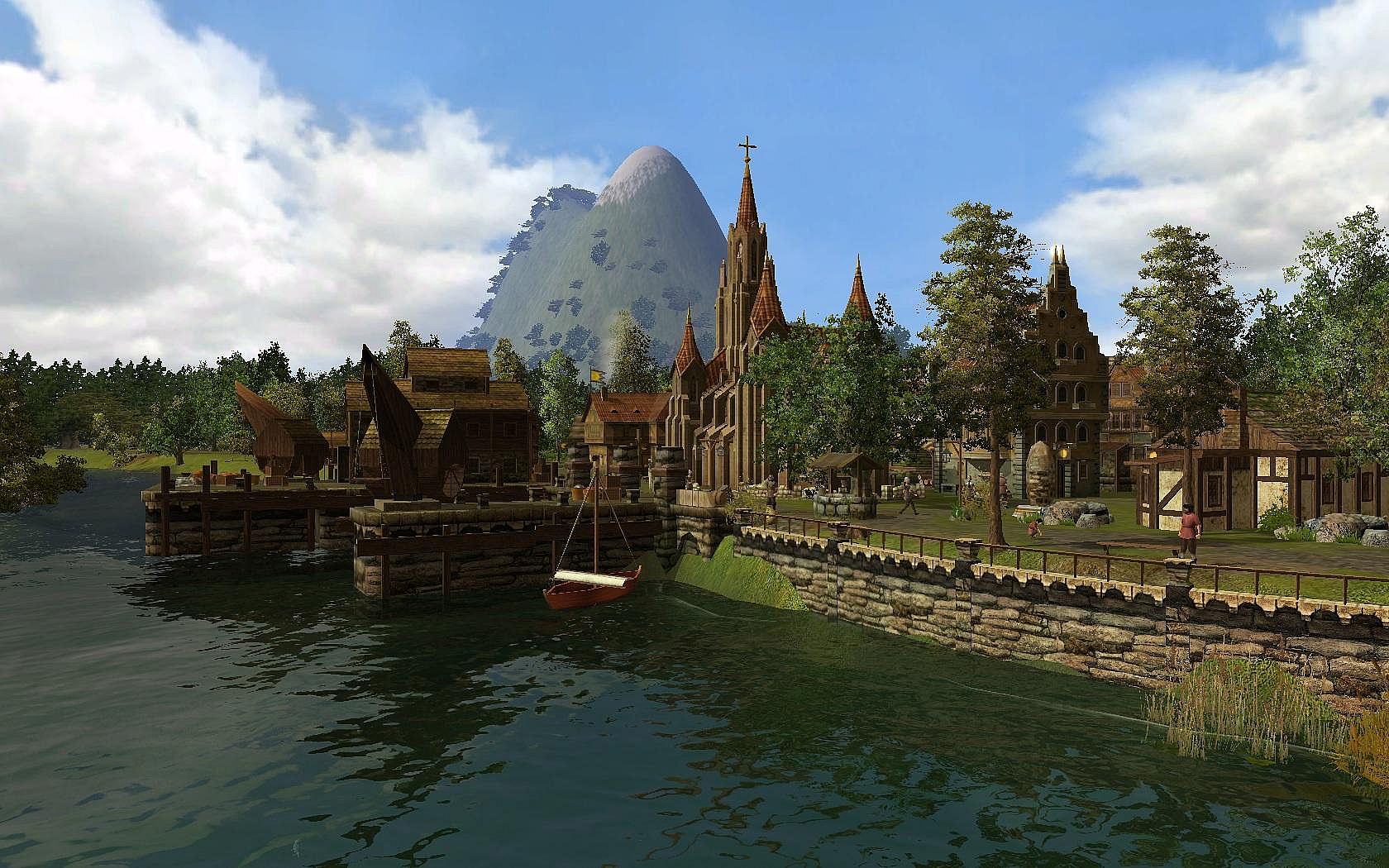
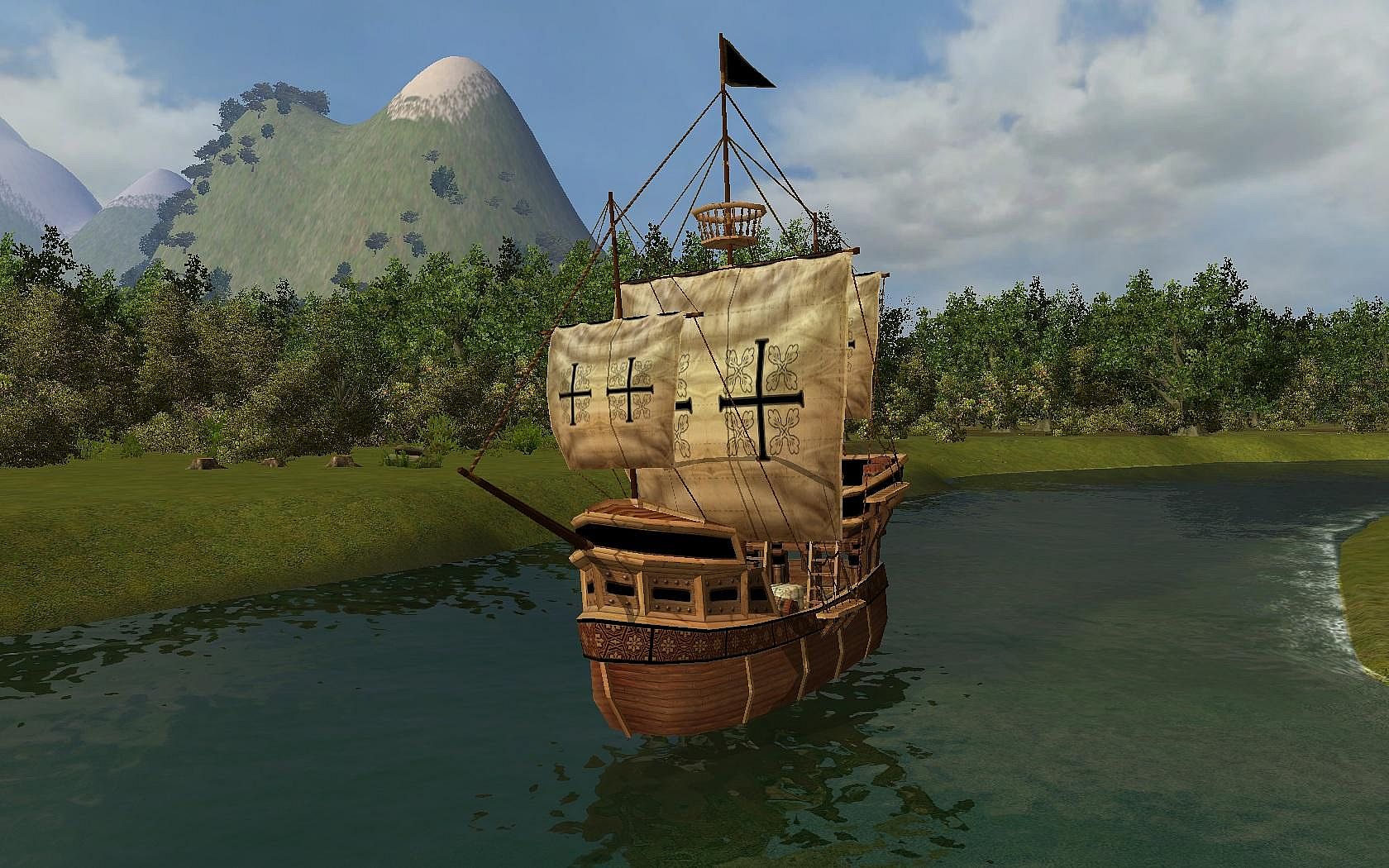
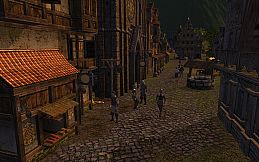
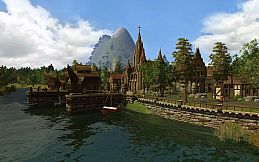
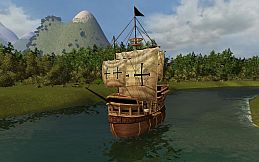
The Guild II Renaissance is a strategy and simulation game set during the transformative period of 14th century Europe. Players guide ordinary families as they navigate the shift from a world dominated by church and nobility toward one where trade and commerce empower a growing middle class. Towns gain freedoms, knowledge spreads through printing, and new opportunities arise for those willing to build wealth and influence through commerce, craftsmanship, and strategic decisions.
Gameplay
Core gameplay revolves around managing a dynasty across generations in a detailed economic and social simulation. Players select from eight new professions including mercenary, grave digger, stonemason, juggler, innkeeper, banker, miller, and fruit grower. Each profession opens distinct paths for earning income, acquiring property, and advancing social standing. New goods, buildings, ambient details, and visual effects expand the world, allowing for more varied production chains and town development.
The title and nobility system has been refined to reward long-term planning and reputation building. Improved artificial intelligence governs non-player characters and rival families, creating more dynamic interactions in the marketplace and political sphere. God Measures introduce special events or interventions that can alter the course of a playthrough, while multiple difficulty levels let players adjust the challenge to match their experience. Larger world maps support broader exploration and resource management across regions.
Game Modes
Play focuses on scenario-based experiences set in distinct European regions. Three new scenarios named Transylvania, The Rhineland, and The Alps provide structured starting points with unique geographic and economic conditions. These scenarios encourage different approaches to trade routes, local industries, and family advancement. The bigger world maps integrated into these scenarios support extended campaigns where players can expand operations over time and across generations.
Progression occurs through single-player sessions that emphasize careful management of resources, relationships, and opportunities rather than direct competition. Difficulty settings and God Measures add replayability by changing how events unfold and how rivals behave in each scenario.
Setting and Historical Context
The game captures the early Renaissance as Europe moves beyond the strict hierarchies of the Middle Ages. Trade and commerce create new avenues for social mobility, and players witness towns purchasing privileges from nobility while literacy spreads beyond traditional elites. This backdrop shapes every decision, from choosing a profession to investing in buildings that support emerging industries like milling or banking.
Ambient details and effects reinforce the period atmosphere, with new goods reflecting the expanding economy. Players must balance short-term gains against the long-term stability of their family line as societal changes accelerate.
Is It Worth Playing?
Player reception has been largely favorable, with reviews describing the experience as engaging for those who enjoy deep economic simulations and generational strategy. The addition of new professions, scenarios, and systems like improved AI and nobility titles addresses common feedback from earlier versions, resulting in a more polished package. Steam user reviews for The Guild II Renaissance sit in the Very Positive range based on thousands of ratings.
The game suits players interested in methodical town building, resource chains, and navigating social hierarchies without fast-paced action. It remains available as a complete package with no ongoing seasonal content or major updates required for the core experience. Those who appreciate simulation titles focused on historical economic growth and family legacy will find substantial depth in the verified mechanics and scenarios. If the style of patient, multi-generational management appeals, it delivers a distinctive take on Renaissance Europe that stands on its own merits.