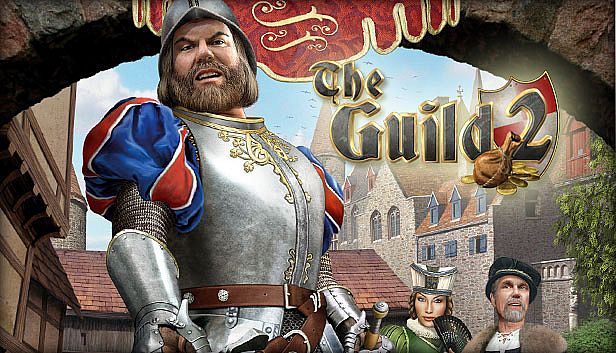

















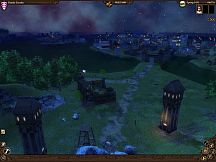
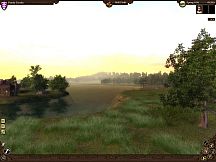
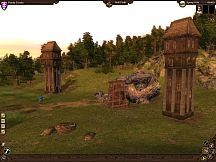
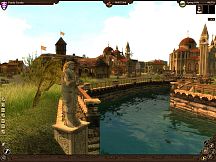
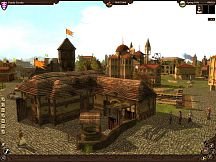
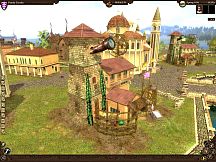
The Guild II is a strategy and simulation game that blends RPG elements with life simulation in a medieval setting. Players build and manage a dynasty across generations while navigating a living world where actions unfold in real time. The experience centers on character development, family progression, and economic or criminal pursuits that shape long-term success or failure.
Gameplay
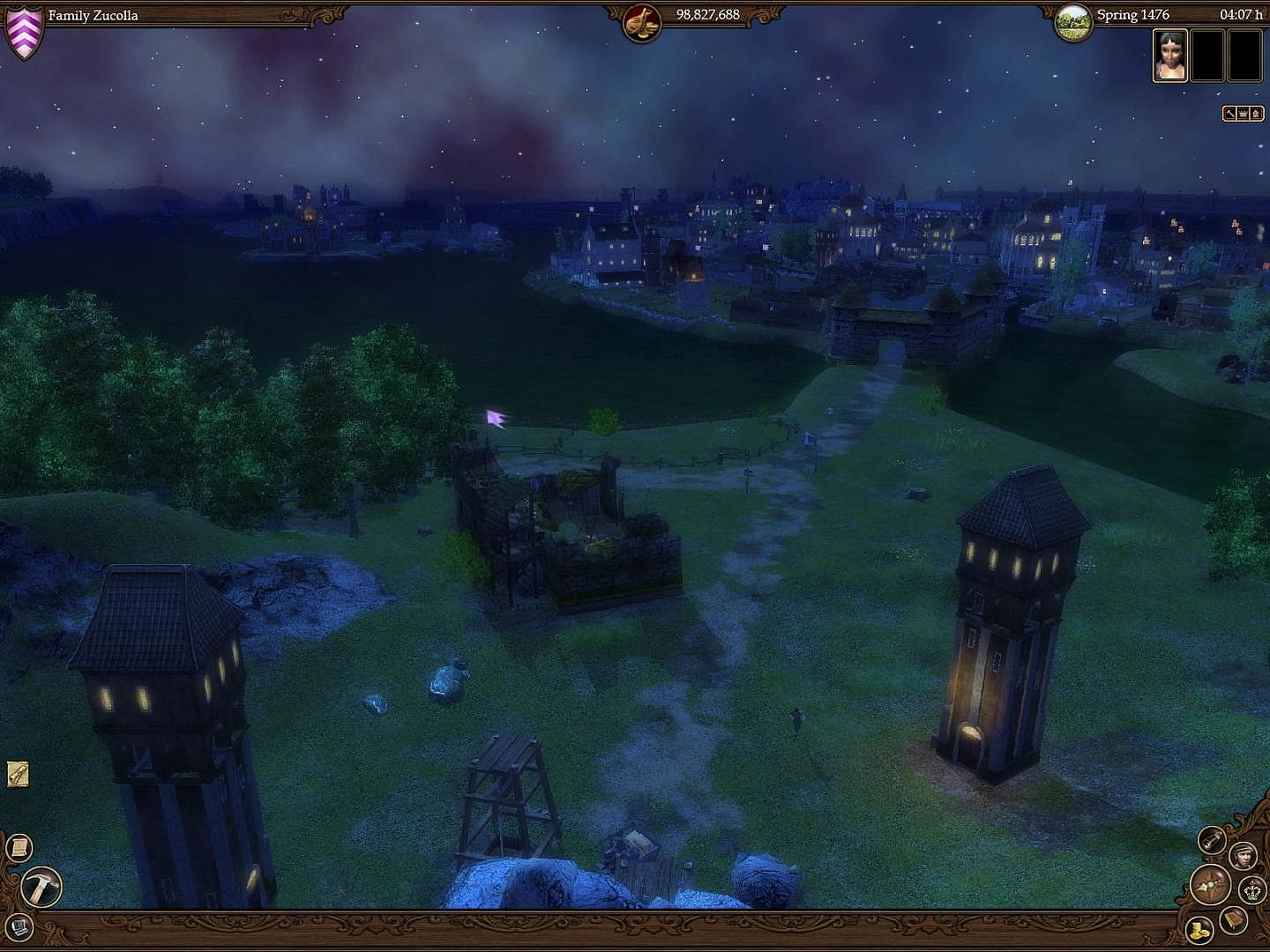
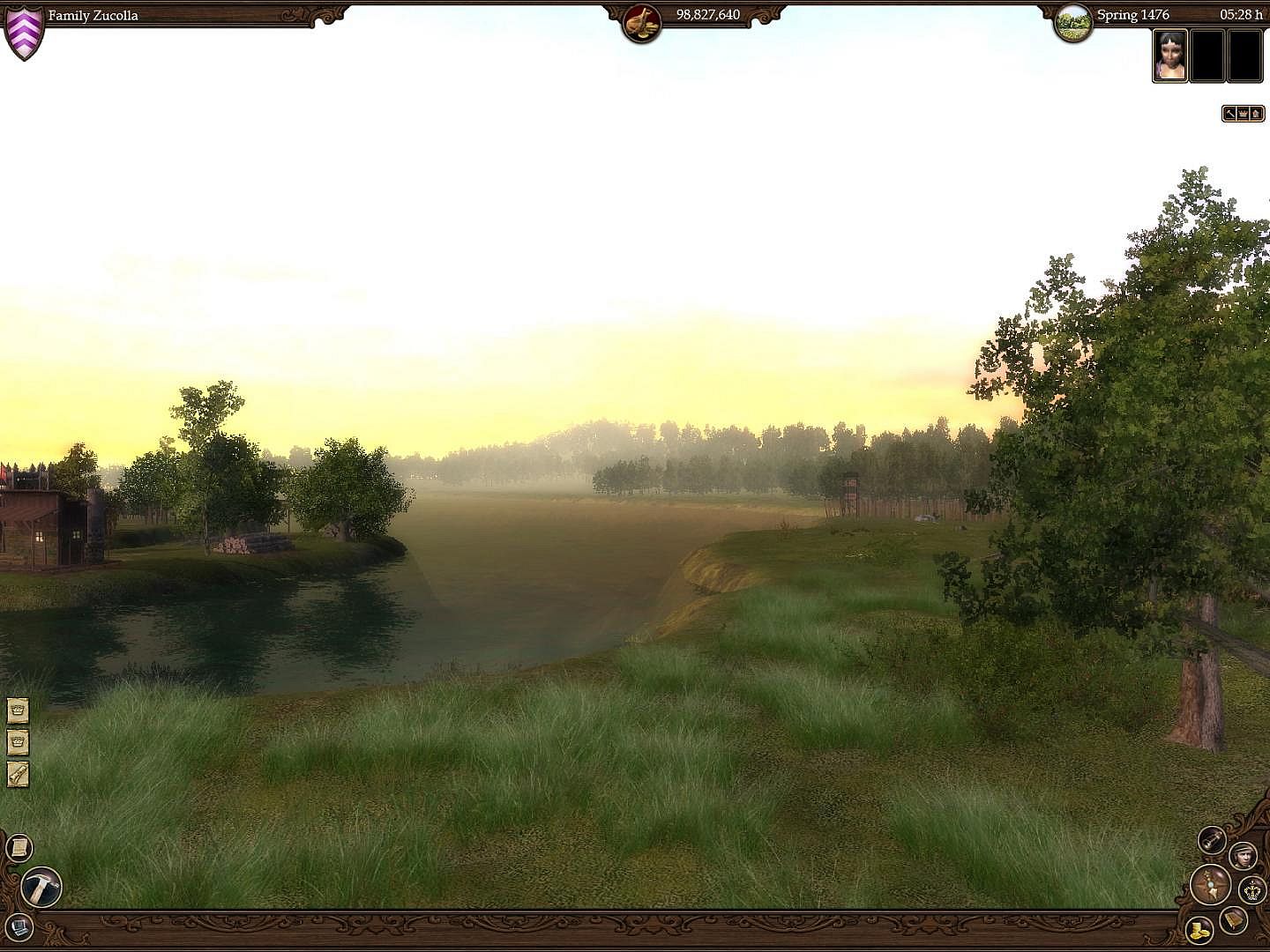
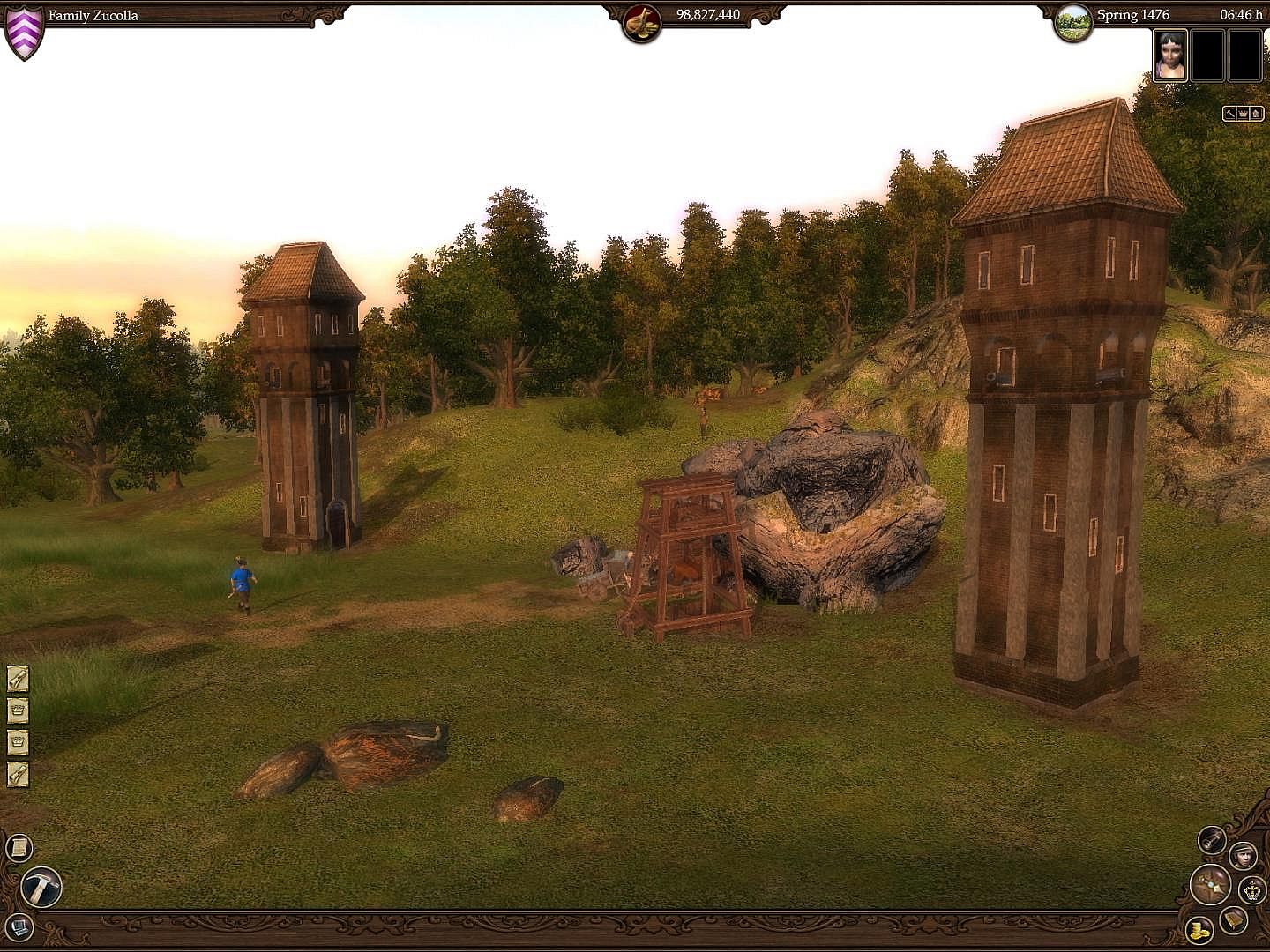
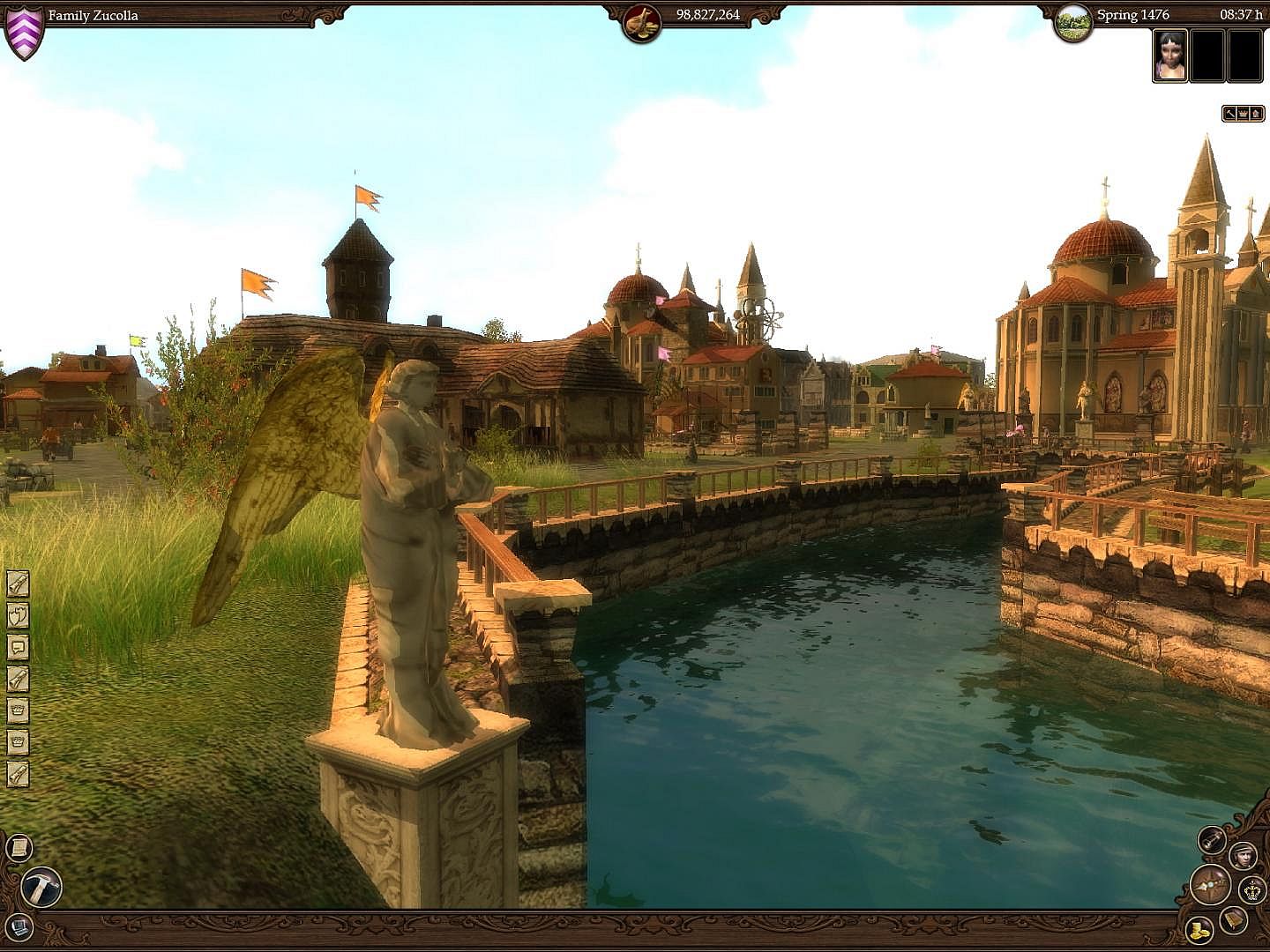
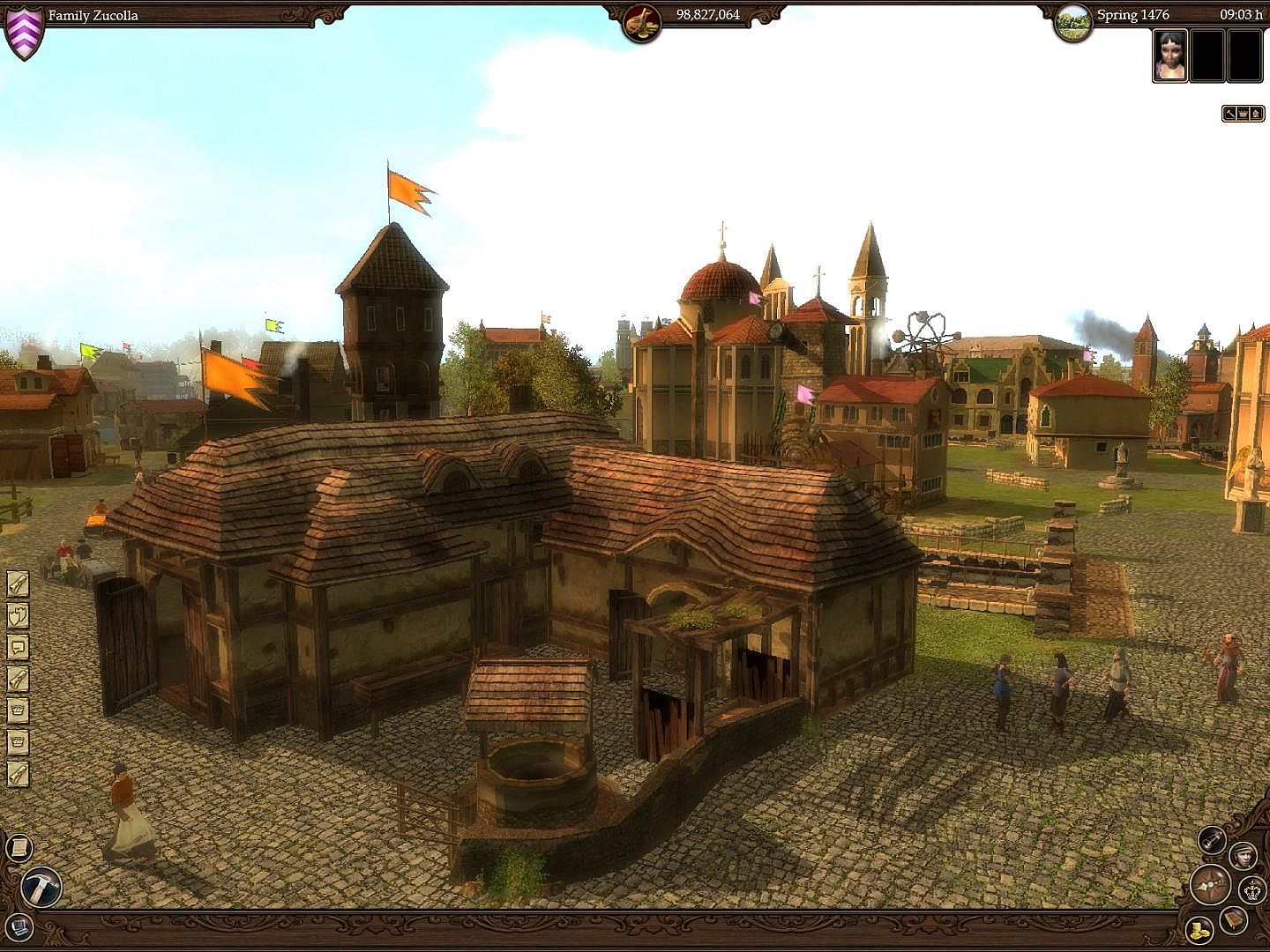
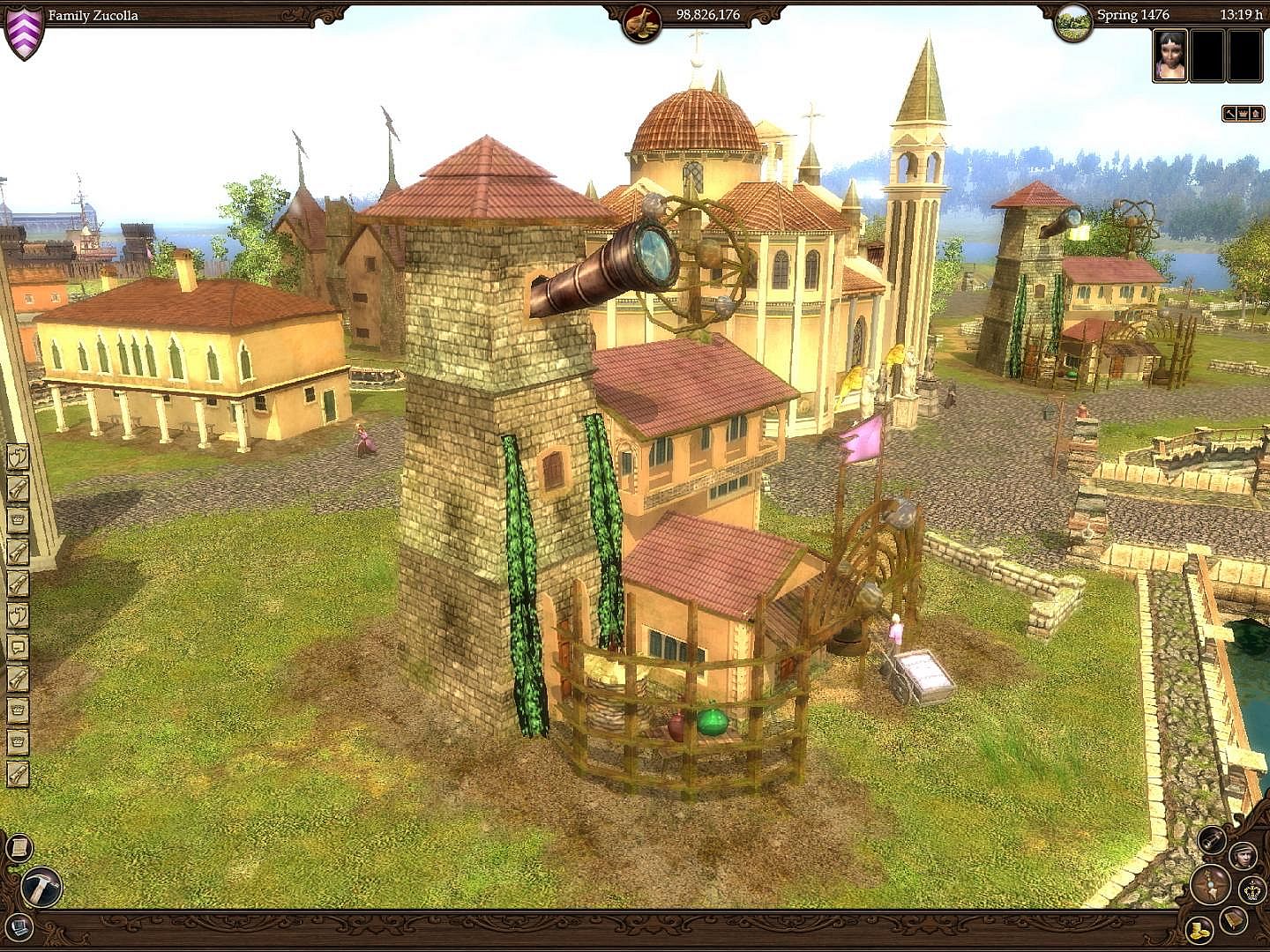
Core gameplay revolves around creating a unique character with customizable skills and attributes before entering a detailed 3D environment set at the end of the Middle Ages. The player controls a party of up to three members, each with distinct strengths and weaknesses that influence tasks such as trading goods, committing theft, or managing personal affairs. Everything occurs in real time, allowing players to observe events like public executions or rival ambushes while moving through city streets.
Progression involves founding a dynasty by marrying, raising heirs, and passing down abilities to future generations. Success depends on balancing personal survival against competition from opponents who continue their activities independently. Players can pursue paths as merchants focused on commerce and resource management or as thieves relying on cunning and evasion. The simulation tracks family growth or decline based on these choices, with the world reacting dynamically to player decisions.
Game Modes
The primary experience follows a dynasty-focused structure where the goal is to establish and sustain a lasting family line through multiple generations. This mode emphasizes sandbox-style freedom, letting players set their own objectives around economic growth, social alliances, or personal advancement without strict time limits. Real-time elements mean that rival actions and world events continue regardless of player pace, creating ongoing pressure to maintain power and resources.
Character creation and party management form the foundation of every session. Players define initial traits and then expand influence through marriage, friendships, and skill inheritance. The mode supports both careful planning in business ventures and opportunistic criminal activities, with outcomes visible in the thriving or collapse of the family unit over time.
Key Mechanics and Systems
Real-time simulation stands out as a central feature, with the game world populated by independent NPCs whose behaviors include robberies, legal proceedings, and daily commerce. This setup encourages players to stay alert while pursuing their own goals, as unexpected events can impact wealth or reputation. Economy and management systems allow for building businesses or networks that generate income across generations.
Role-playing depth comes from the party system and skill progression. Different members contribute varied capabilities during activities, and descendants benefit from inherited traits that can accelerate later success. Opponents operate on similar principles, creating a competitive environment where neglect of family or resources leads to measurable setbacks.
Is It Worth Playing?
The Guild II holds Mostly Positive reviews on its primary distribution platform, with 71 percent approval from hundreds of user submissions. This reception highlights appreciation for the dynasty-building loop and the mix of simulation with strategic decision-making. The game appeals to those interested in medieval life simulations that reward long-term planning and adaptation to a persistent world.
Its real-time nature and focus on family legacy suit players who enjoy managing multiple systems without constant hand-holding. Recent activity around related editions shows ongoing community interest through fixes and enhancements, though the original release remains a self-contained experience from 2006. Those drawn to character-driven strategy with economic and social layers will find a solid match, while those seeking fast-paced action or modern graphics may prefer alternatives. Availability on PC keeps it accessible for new players exploring classic simulation titles.