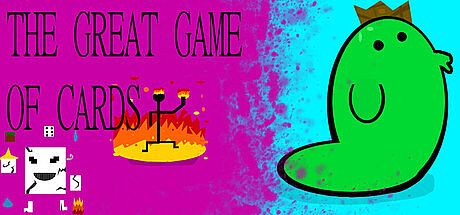


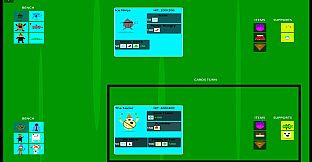
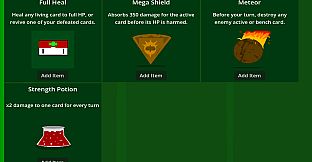
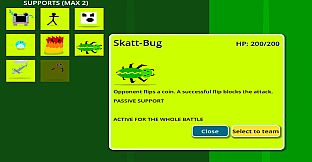
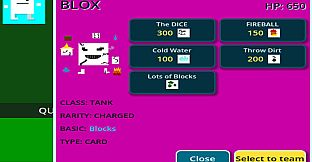
The Great Game of Cards is a turn-based strategy card game available on PC that emphasizes shared resources and creative deck construction over traditional collection mechanics. Players select from one common card pool rather than building personal collections in advance, which shifts the focus toward how individuals combine and deploy those cards during matches.
Gameplay
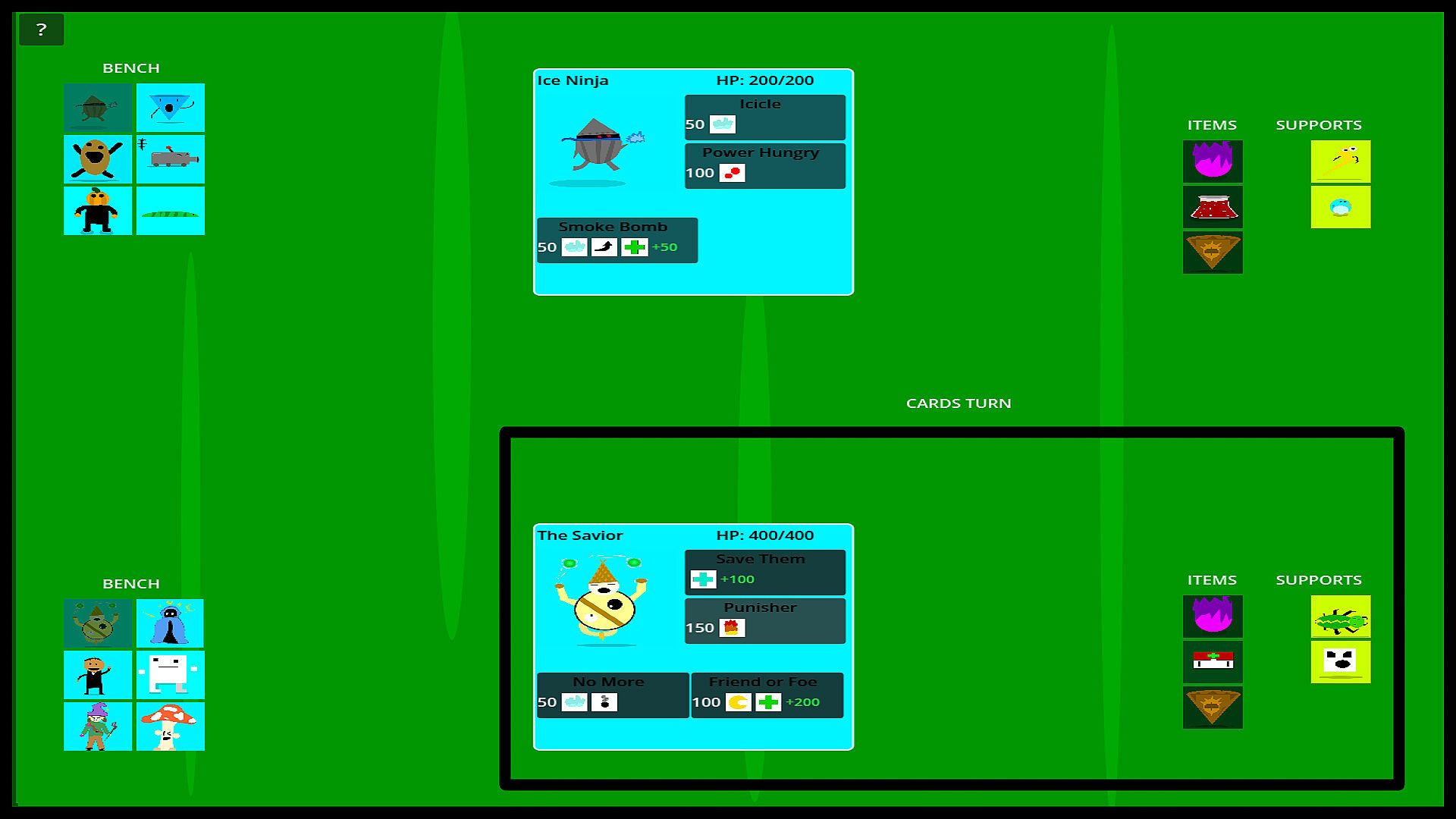
Matches unfold as players draw from the same pool of cards and assemble their own setups on the fly. The core loop centers on discovering effective combinations and adjusting strategies when opponents disrupt initial plans. No cards remain hidden from view, so every participant works with identical options at the start of each round. Success hinges on selecting cards that support a chosen approach, executing that approach effectively, and responding to interference from the other side.
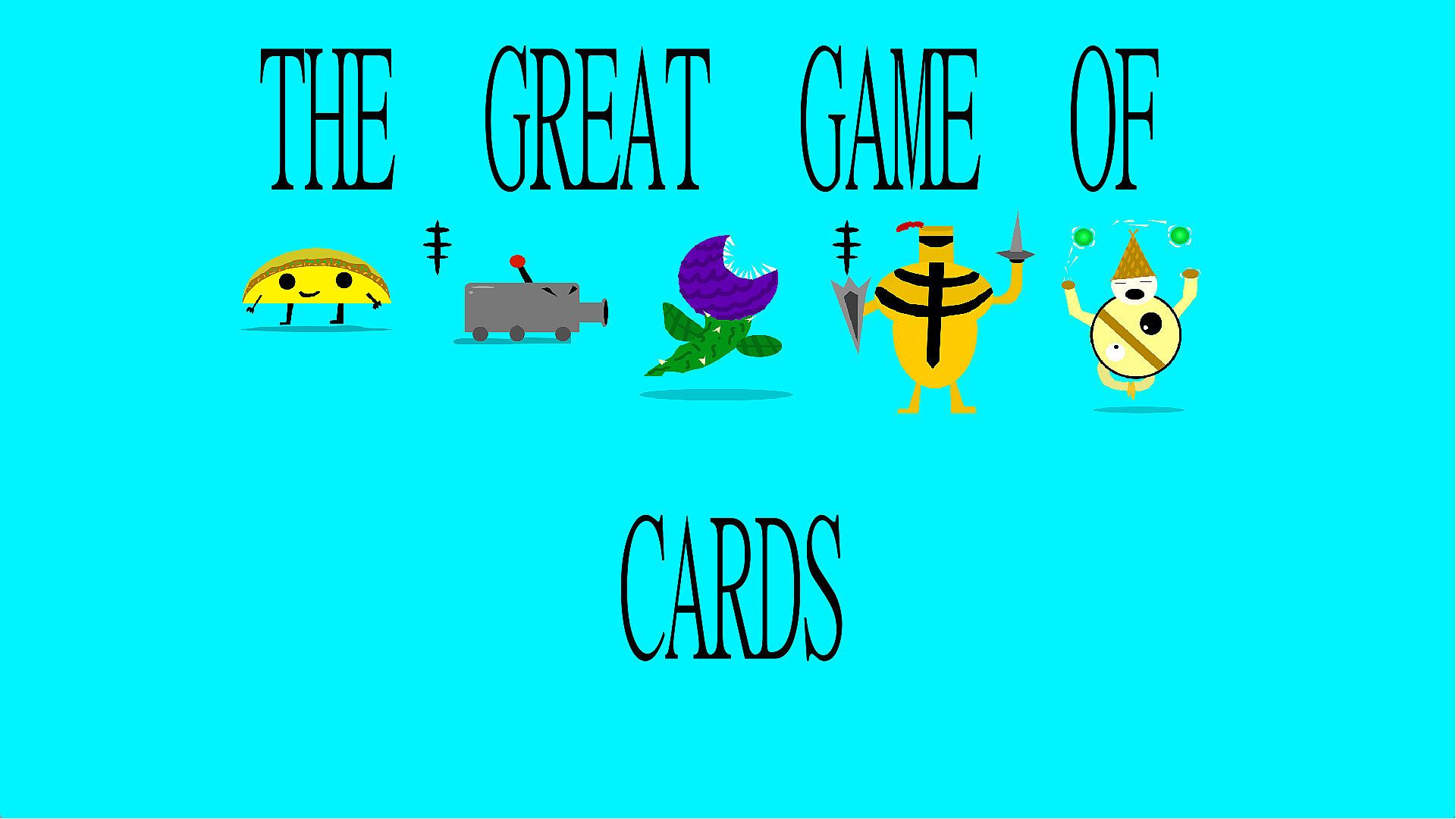
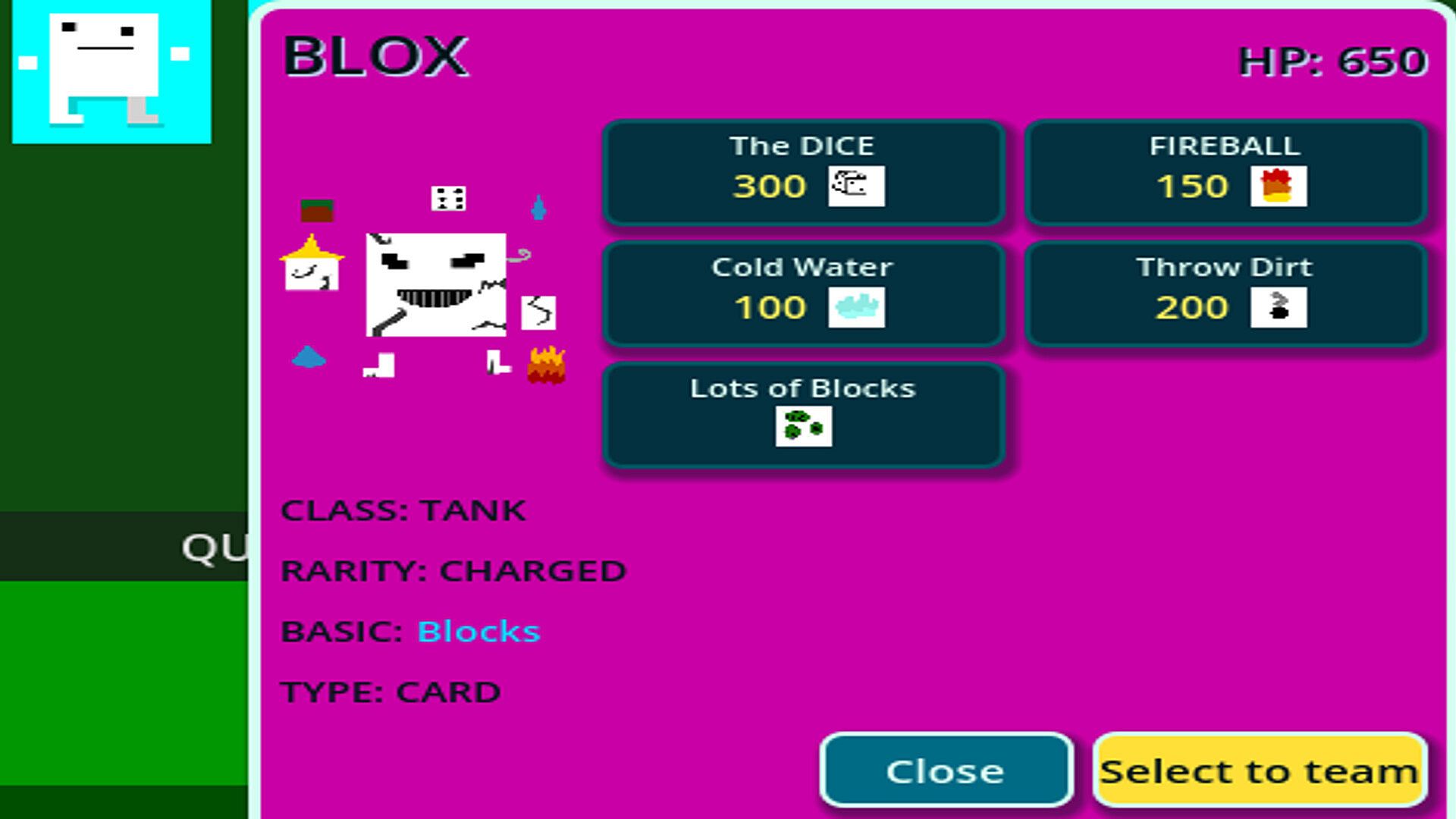
Central to play are the goobers, distinct characters or units that serve as focal points for deck ideas. Players identify preferred goobers and construct around their abilities, experimenting with synergies that emerge only through actual matches. This process rewards observation and iteration, as one strong idea can unravel against an opponent who targets its weaknesses directly.
Game Modes
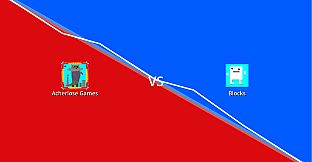
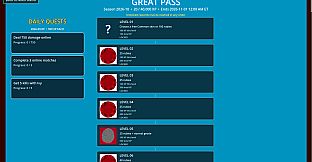
Players can engage in matches with friends through both online connections and local play sessions on the same device. These casual encounters allow for direct comparison of different card selections and plans without external pressure. Competitive modes provide a separate avenue where participants test their constructed setups against a wider pool of opponents, measuring how well a particular strategy holds up under repeated challenges.
The shared pool ensures that differences in outcomes stem from choices made during play rather than differences in available resources. This structure supports repeated sessions where the emphasis stays on adaptation and counterplay.
Deck Building and Strategy
Deck construction begins with selecting cards that align with a chosen strategy or trick set. Once assembled, these decks face off against others built from the same pool, revealing which ideas function reliably and which collapse under pressure. The absence of hidden information means planning must account for every possible card an opponent might use, encouraging flexible designs that can pivot mid-match.
Tricks and combinations form the heart of experimentation. A player might start with one core concept built around specific goobers, only to revise it after seeing how an opponent dismantles that setup. This back-and-forth encourages ongoing refinement rather than reliance on a single static list.
Accessibility and Fairness
The game operates on a free-to-play model with no option to purchase individual cards or upgrades that alter deck strength. Everyone accesses the identical pool, placing the outcome squarely on selection, timing, and execution during matches. This approach removes barriers tied to spending and keeps attention on the strategic elements themselves.
Local and online friend matches lower the entry point for new players, while competitive modes offer progression for those seeking structured opposition. The design suits both short sessions and longer explorations of card interactions.
Is It Worth Playing?
Those who enjoy turn-based card games centered on shared resources and on-the-spot adaptation will find a focused experience here. The emphasis on goobers and combination discovery provides a clear hook for repeated play, especially in sessions with friends where discussion about which units perform best adds another layer. Competitive modes extend that interest by testing personal ideas against others in a level field.
The lack of pay-to-win elements supports consistent fairness across matches, making the title suitable for players who prefer skill and creativity to drive results. Casual participants can stick to local or friend games, while those interested in deeper testing can move into competitive play. Overall, the game delivers a straightforward strategy card experience built around discovery and response rather than collection or monetization.