




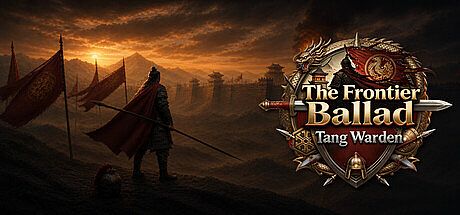


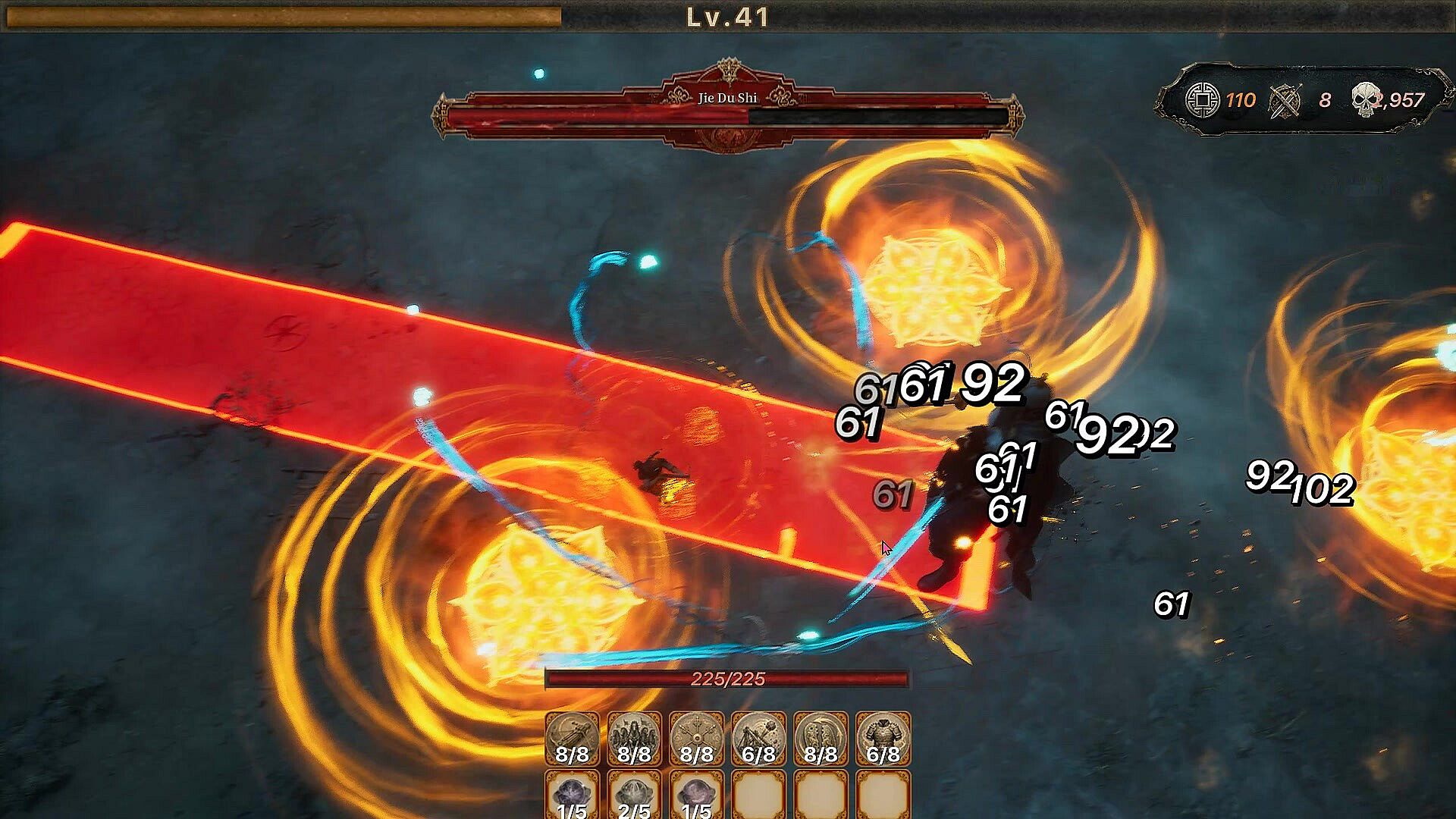
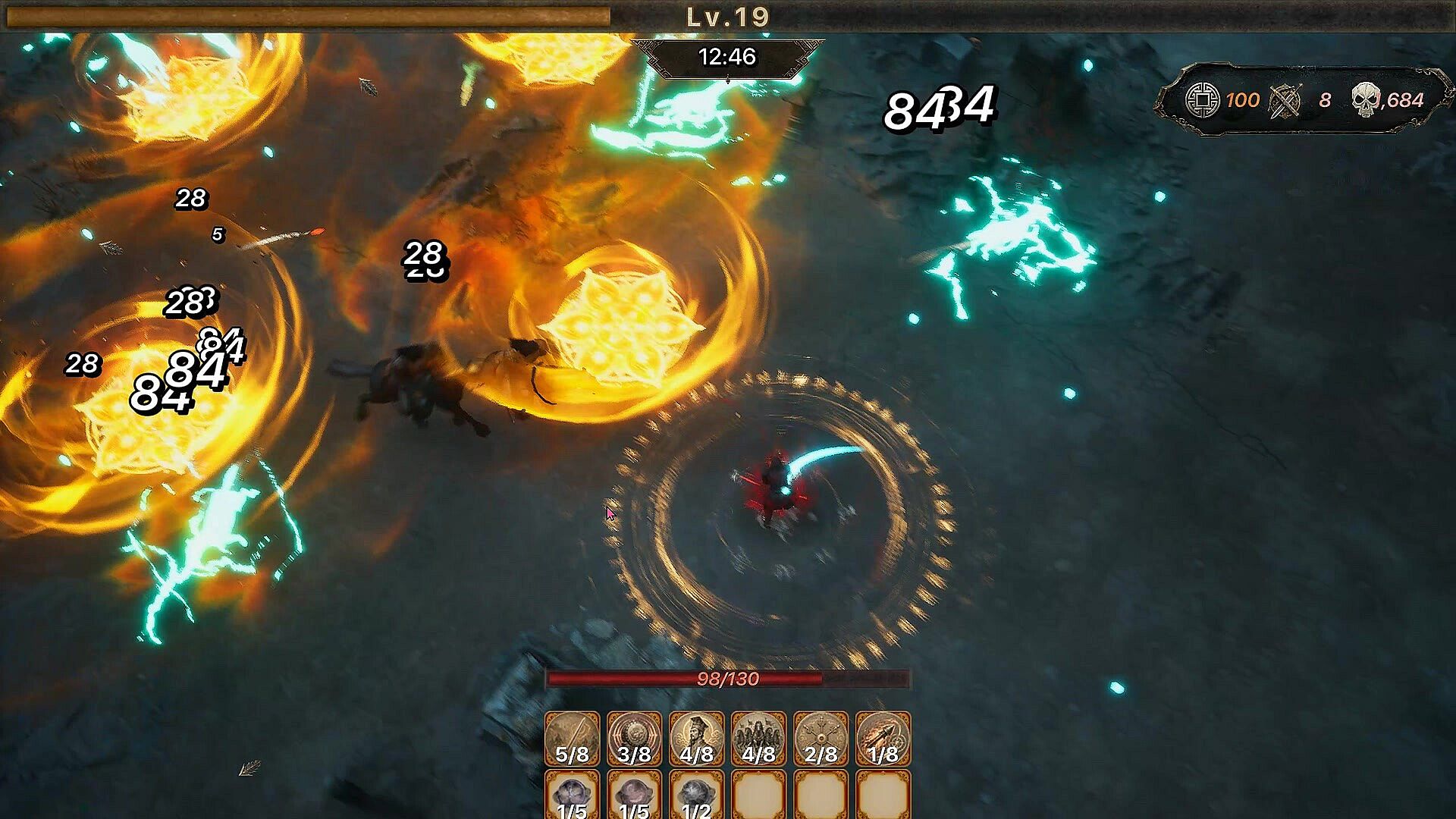
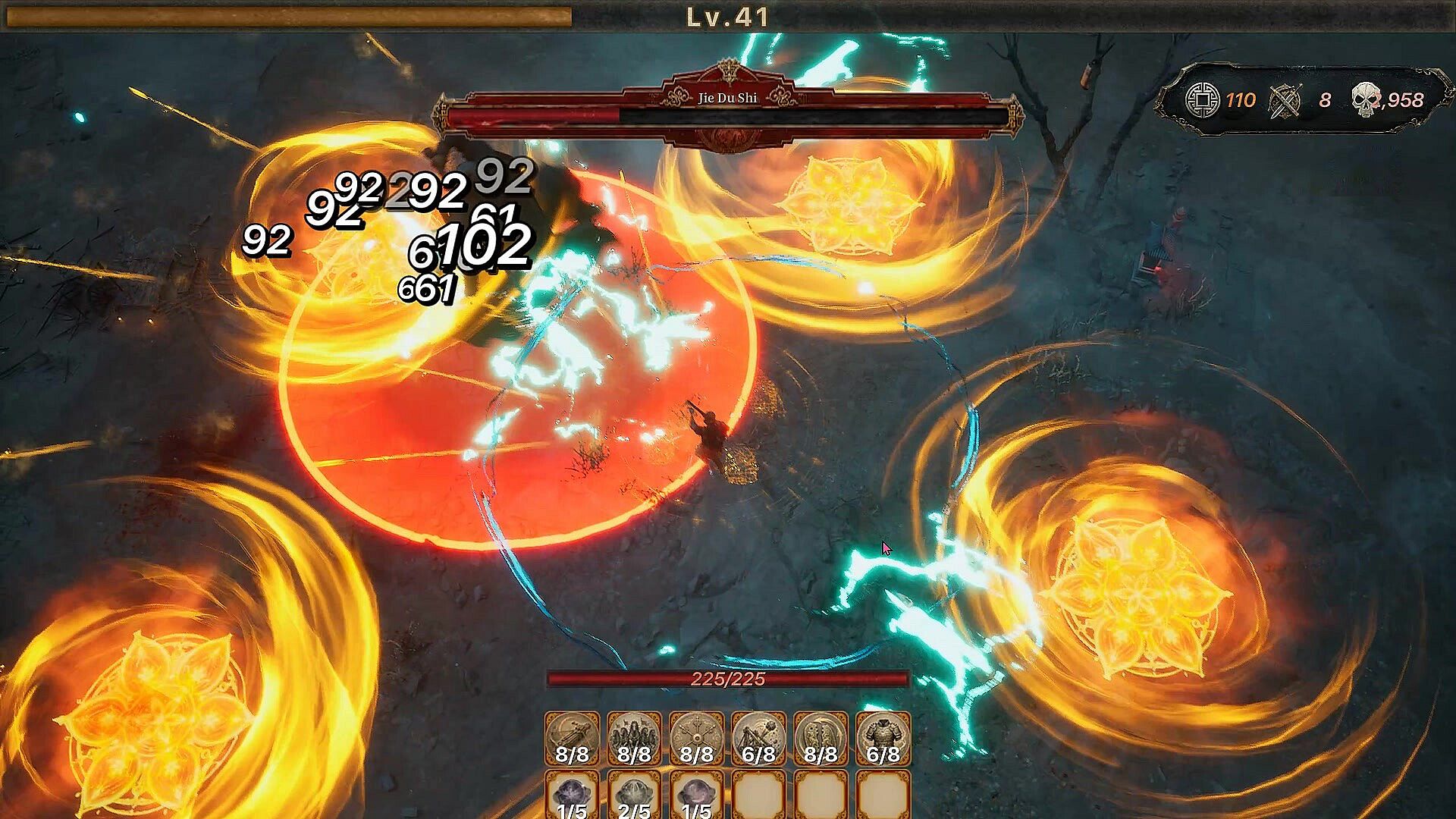
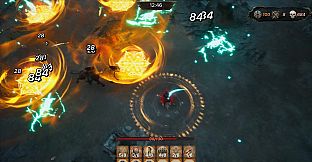
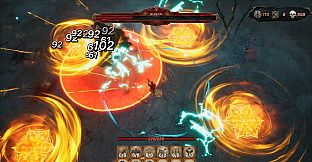
The Frontier Ballad: Tang Warden is a survivor-style action game with strategy and RPG elements set against a backdrop of Tang dynasty frontier warfare. Players select a character and enter endless battlefields where movement never stops, requiring constant dodging, dashing, and attacking while collecting upgrades to shape a personal combat build.
Gameplay
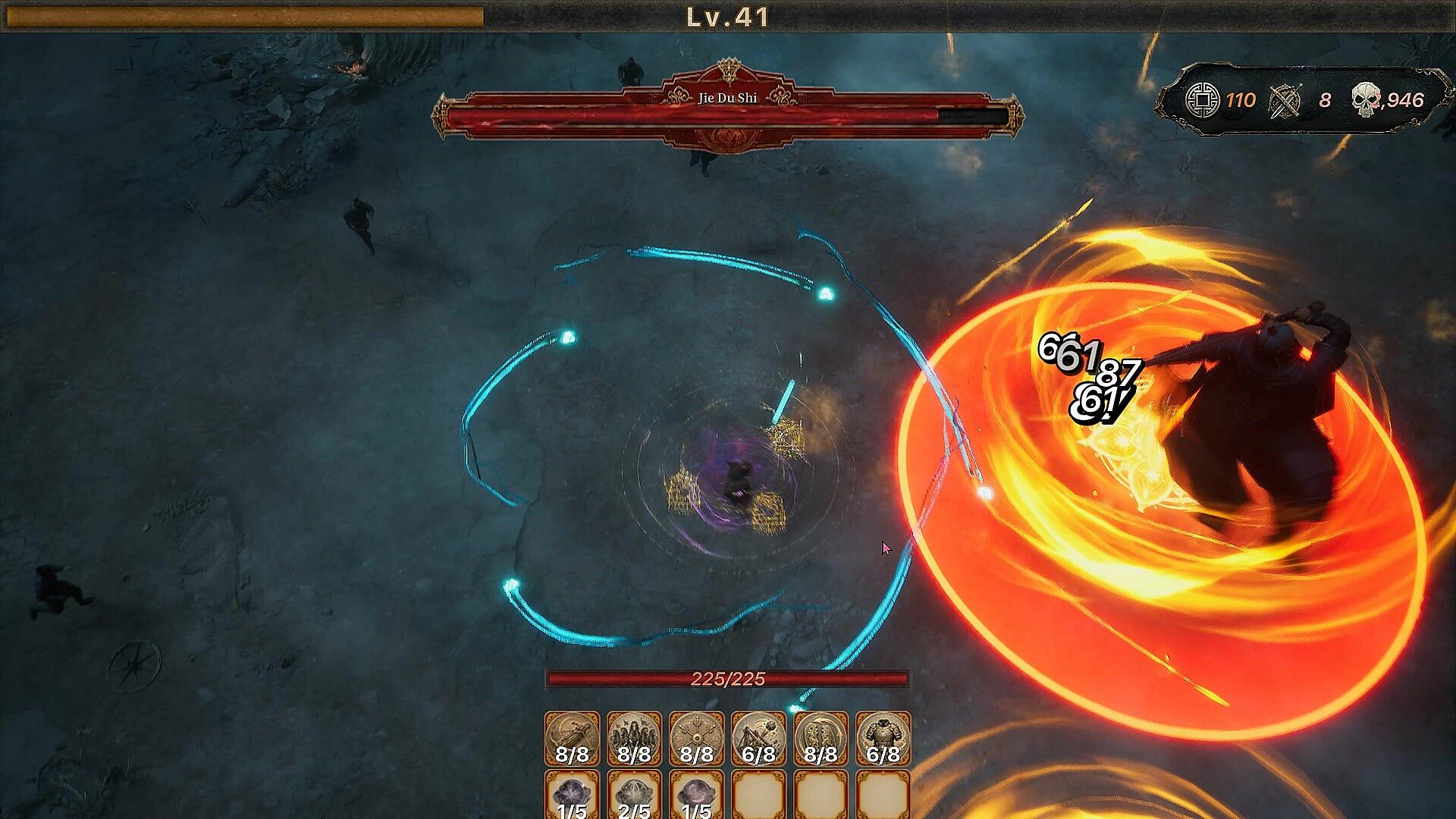
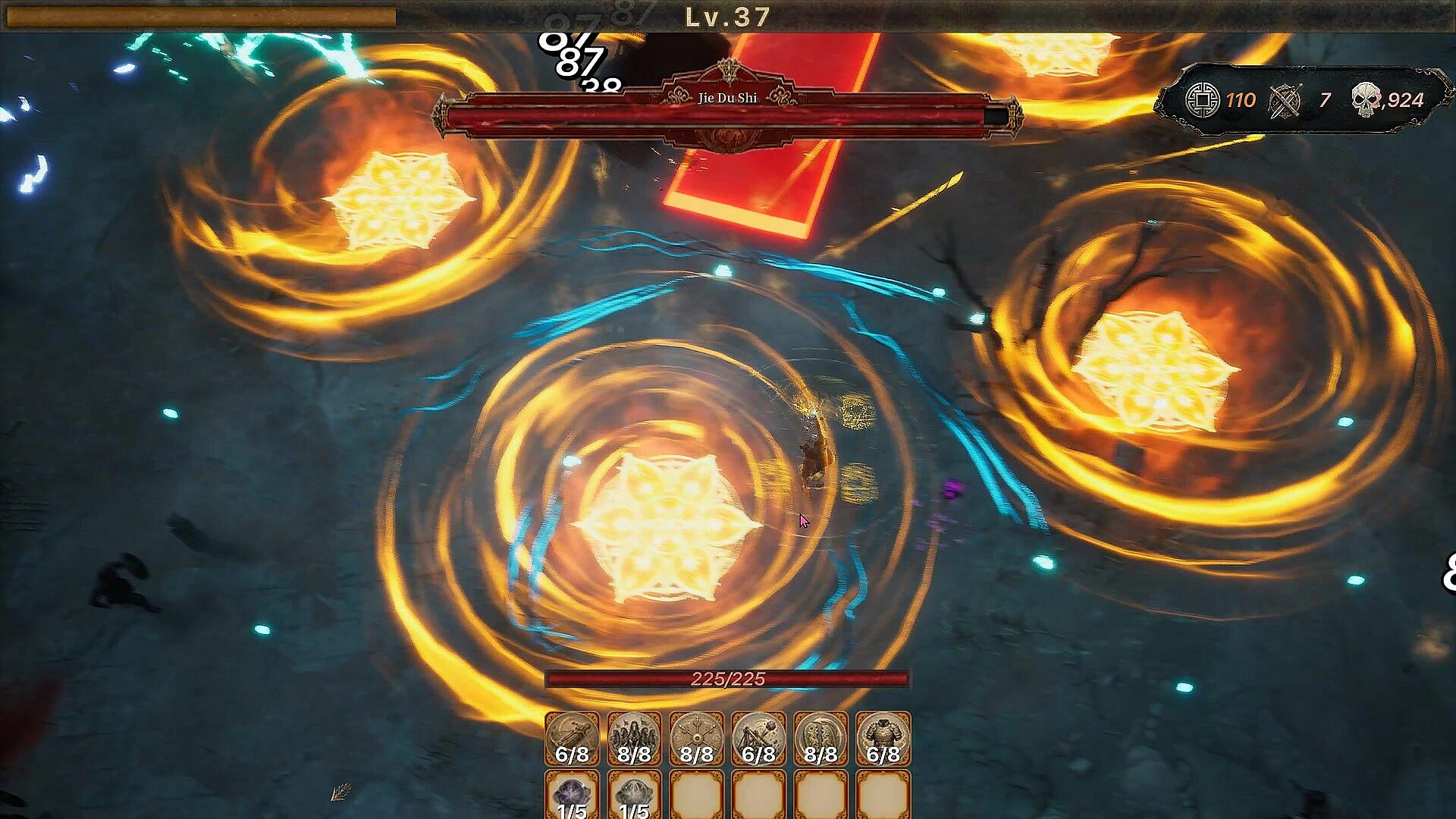
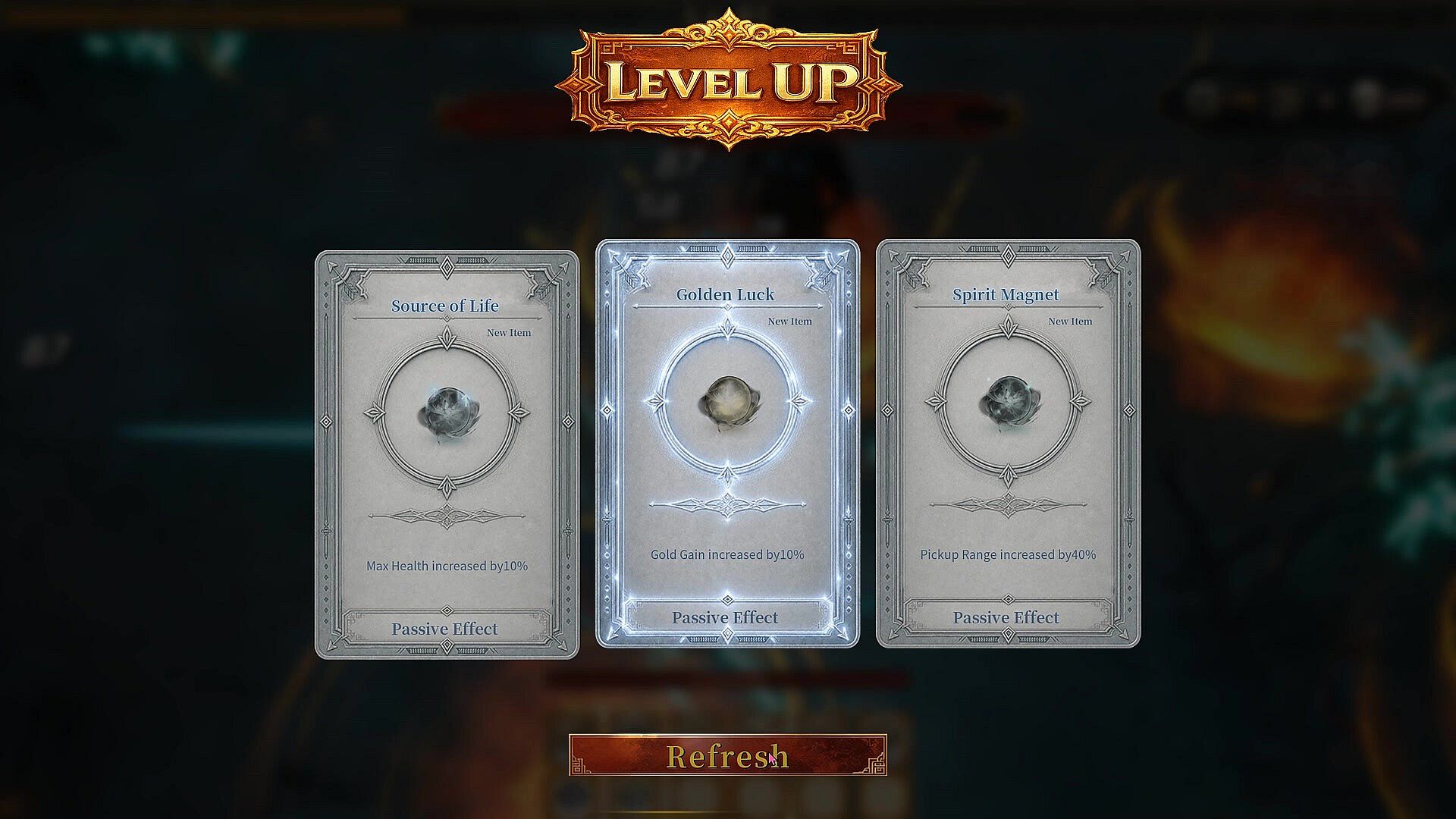
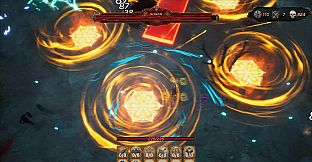
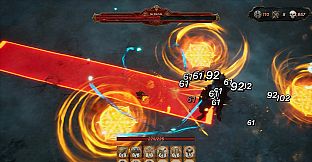
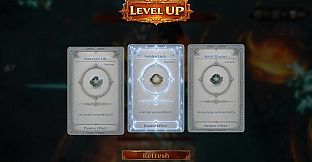
Core play revolves around surviving waves of enemies in a continuously shifting arena. Combat emphasizes positioning and timing as players weave through attacks, deliver strikes, and adapt on the fly. Mid-battle upgrades appear as options that alter attack patterns, defensive capabilities, or area control, allowing builds to evolve during each run.
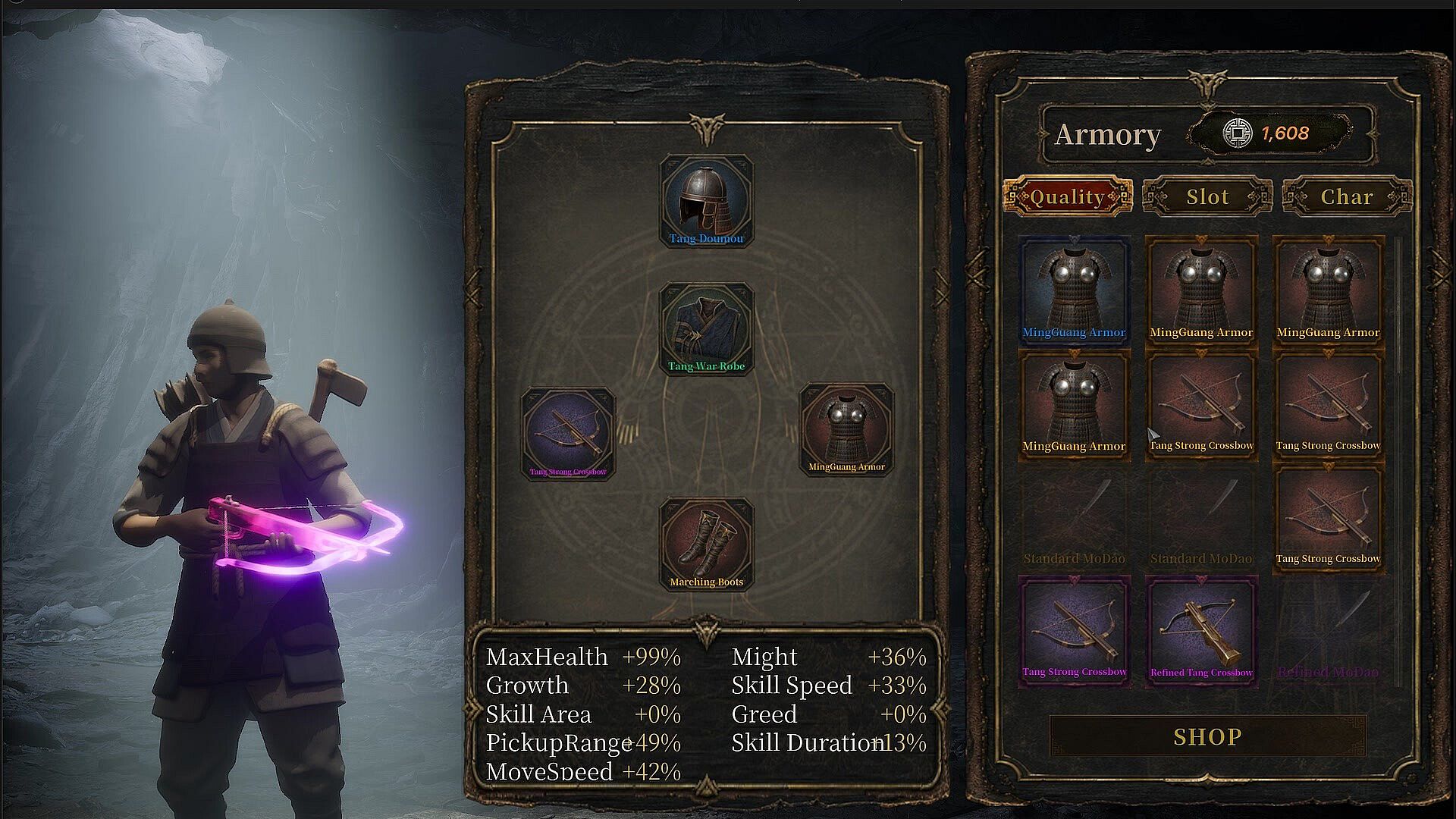
Equipment draws from historical Tang military traditions. Weapons such as the MoDao and Tang Strong Crossbow pair with Fire Arrows for ranged pressure. Armor like MingGuang Armor provides protection, while formations including the Six-Flower Formation and support from Six Steeds, drums, and military tallies add layers of tactical choice. Loadouts shift based on enemy numbers and elite threats, rewarding players who adjust their approach to battlefield conditions.
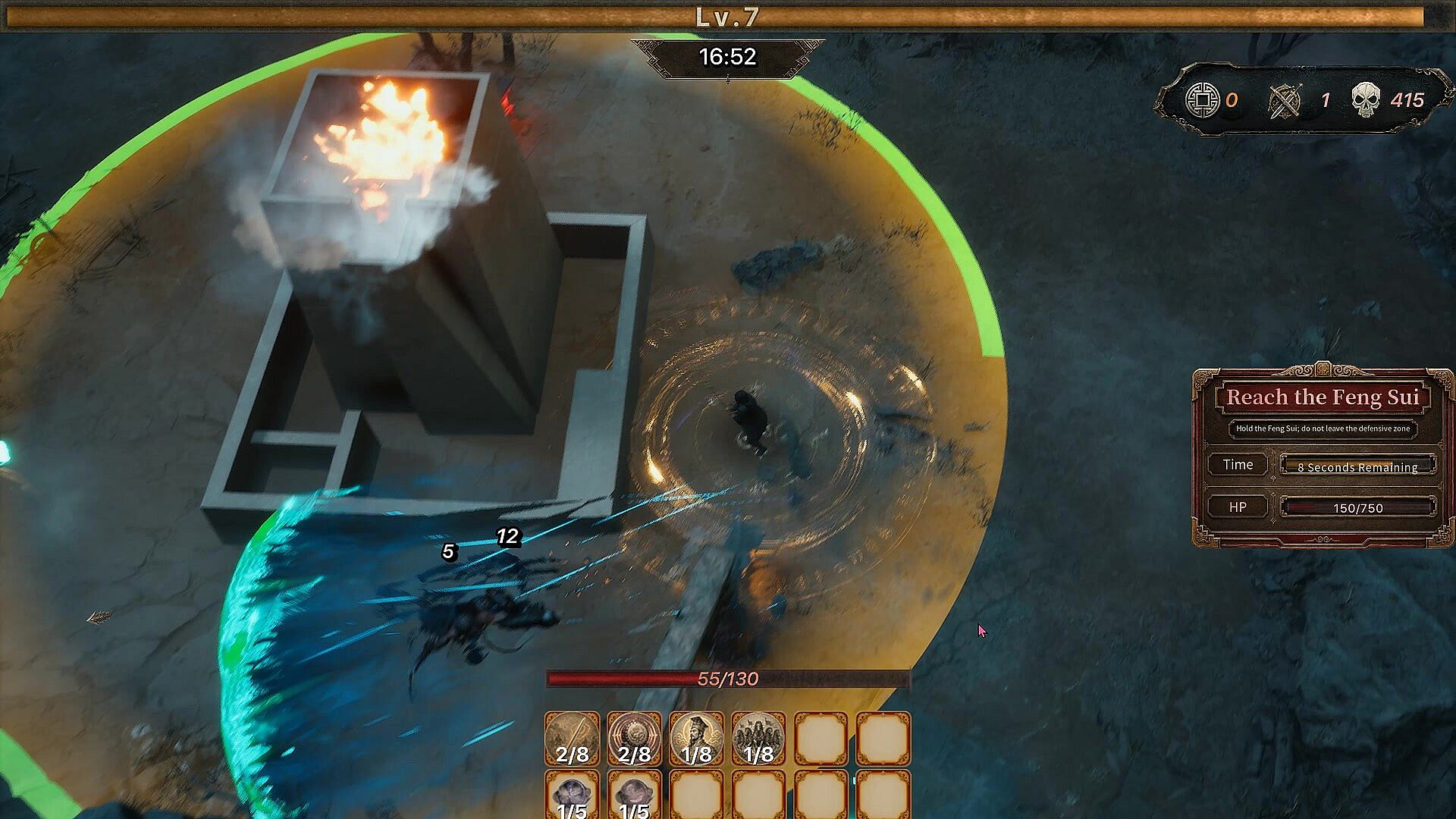
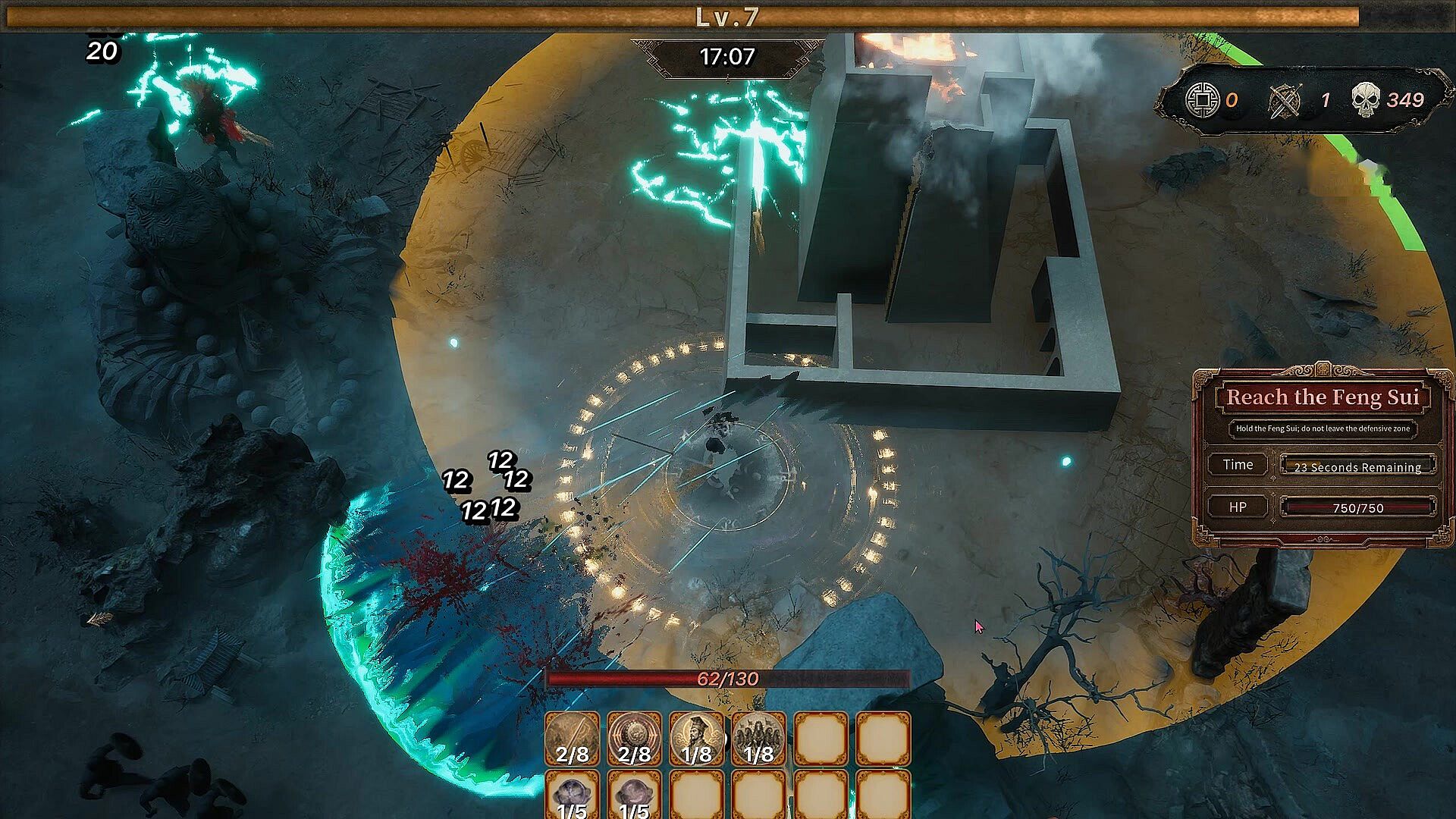
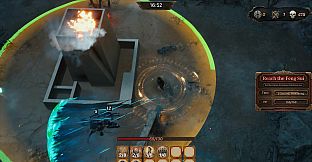
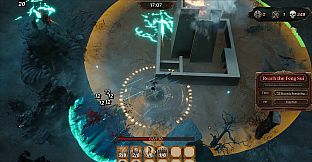
Defense extends beyond personal survival in certain encounters. A FengSui beacon serves as a focal point that enemies target directly. Players must stay within a defined zone to protect it, balancing offense with positioning to prevent structural damage. Holding the position yields rewards, but failure occurs if the beacon falls or the player leaves the area for too long.
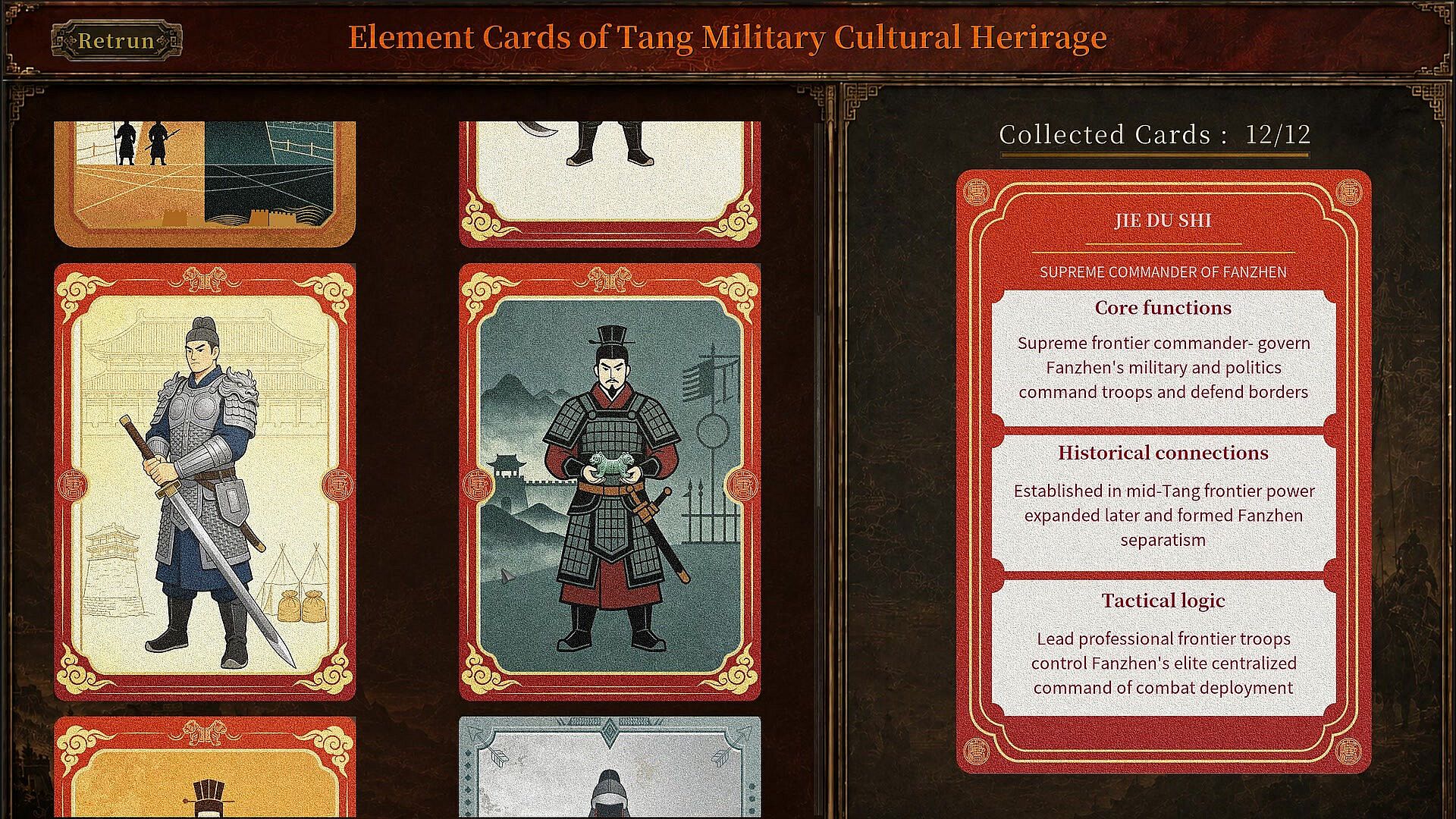
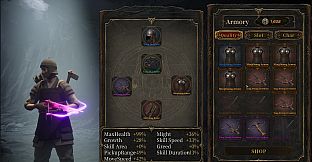
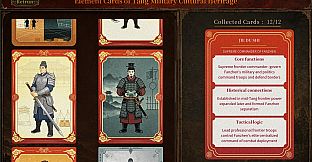
Between expeditions, progress carries forward through an armory system. Equipment management, persistent ability upgrades, achievement tracking, and new option unlocks prepare the player for subsequent runs. Cultural elements such as FuBing and MuBing soldiers, JieDuShi officers, and other Tang references appear as skills, enemies, or objectives, with a Heritage Library allowing review of collected entries to link gameplay mechanics to their historical inspirations.
Game Modes
The game operates as a single-player experience centered on repeated battlefield expeditions. Each session involves entering a moving combat zone, surviving enemy tides through direct action and build crafting, and occasionally shifting focus to beacon defense. Runs end upon mission failure or completion, after which players return to the armory to refine their setup before the next attempt.
No separate multiplayer or cooperative modes are present. The loop emphasizes individual adaptation across successive expeditions, with upgrades and unlocks accumulating to support longer survival and higher rewards over time. Encounters vary in emphasis between pure survival and area protection, creating natural variety within the core survivor framework.
Progression and Customization
Persistent systems encourage repeated play. The armory serves as a hub for equipment refinement and ability strengthening, while achievements unlock additional choices for future expeditions. This structure rewards experimentation with different weapon, armor, and formation combinations drawn from the Tang-inspired roster.
The Heritage Library adds a layer of discovery. As players encounter cultural references during combat, entries populate for later reading. This connects mechanical choices, such as using specific formations or summons, directly to the military concepts that shaped them, providing context without interrupting the action.
Is It Worth Playing?
The Frontier Ballad: Tang Warden targets players who enjoy survivor-style action combined with strategic buildcrafting and light RPG progression. Its free-to-play model on PC removes any upfront cost barrier, making it accessible for those interested in Tang dynasty military themes rendered through melee, ranged, and formation-based combat.
Gameplay centers on fluid movement and real-time decision making in endless waves, with occasional defensive objectives around the FengSui beacon adding tension. The single-player focus suits solo sessions where experimentation with loadouts and persistent upgrades drives long-term engagement.
Since the title remains in development ahead of its September 2026 release, no player reception data exists yet. Those drawn to historical-inspired mechanics, adaptive combat systems, and between-run customization may find the core loop compelling once available. The emphasis on cultural heritage elements through the Heritage Library offers an additional draw for players who appreciate thematic depth alongside action.











