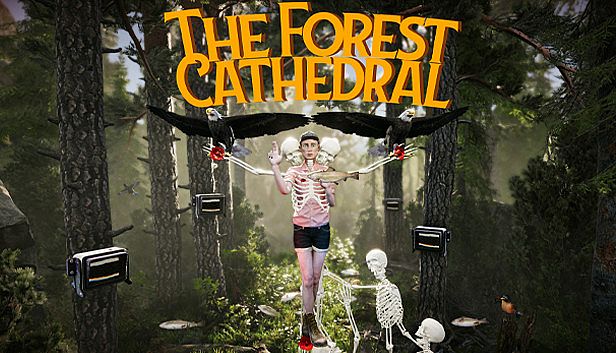
















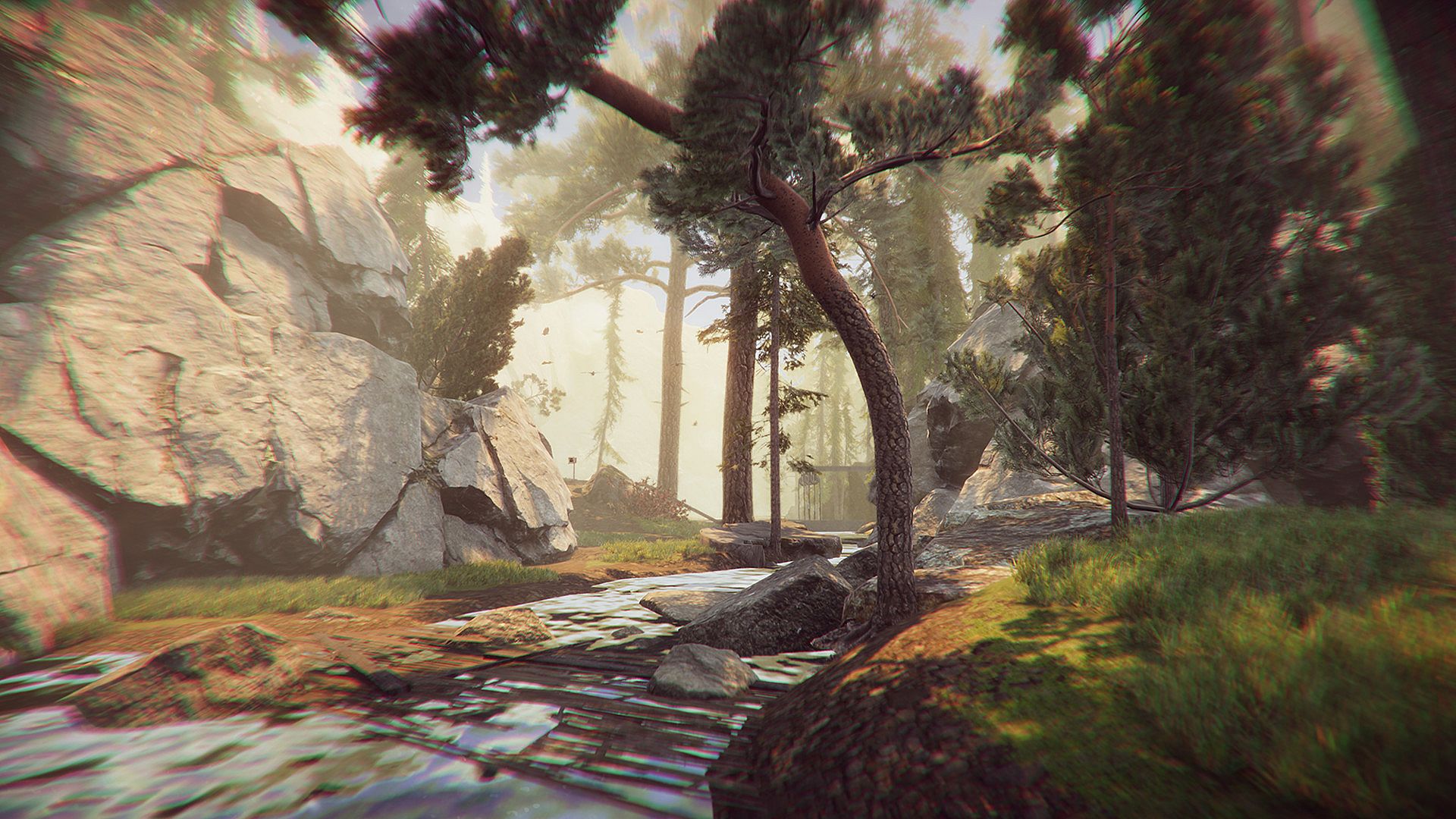
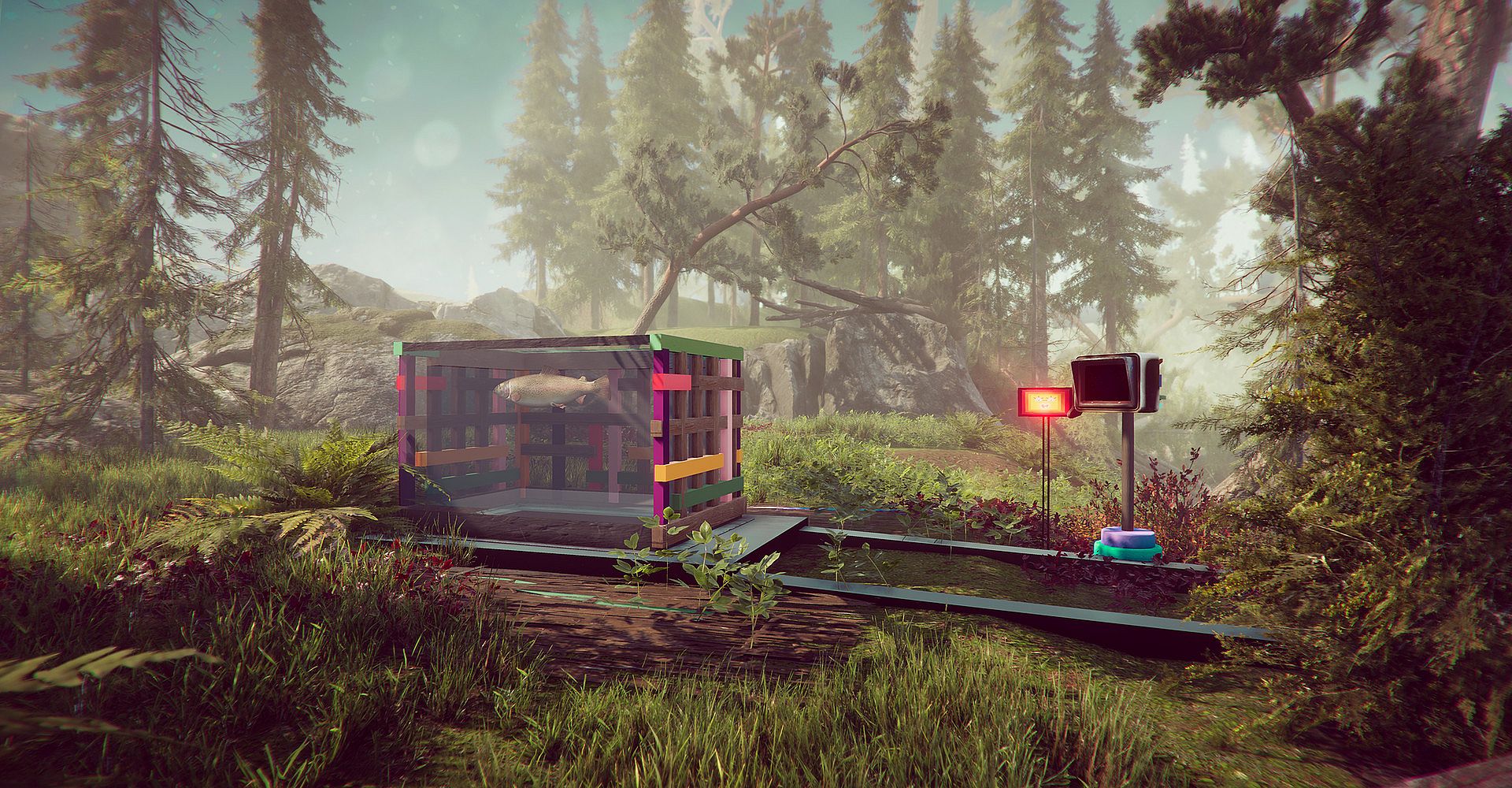
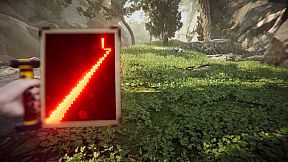
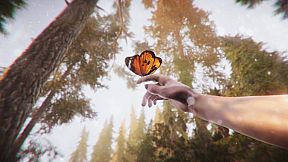
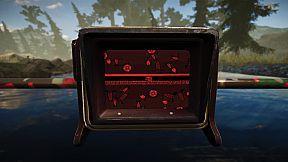
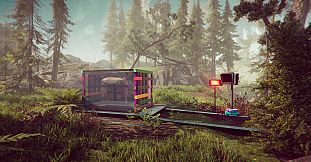
The Forest Cathedral is an indie adventure game presented in first-person perspective. Players take on the role of scientist Rachel Carson on a remote island where the environment itself seems to resist departure. The core experience revolves around uncovering the impacts of the pesticide DDT through a combination of exploration and puzzle-solving that blends three-dimensional movement with two-dimensional platforming sequences.
Gameplay
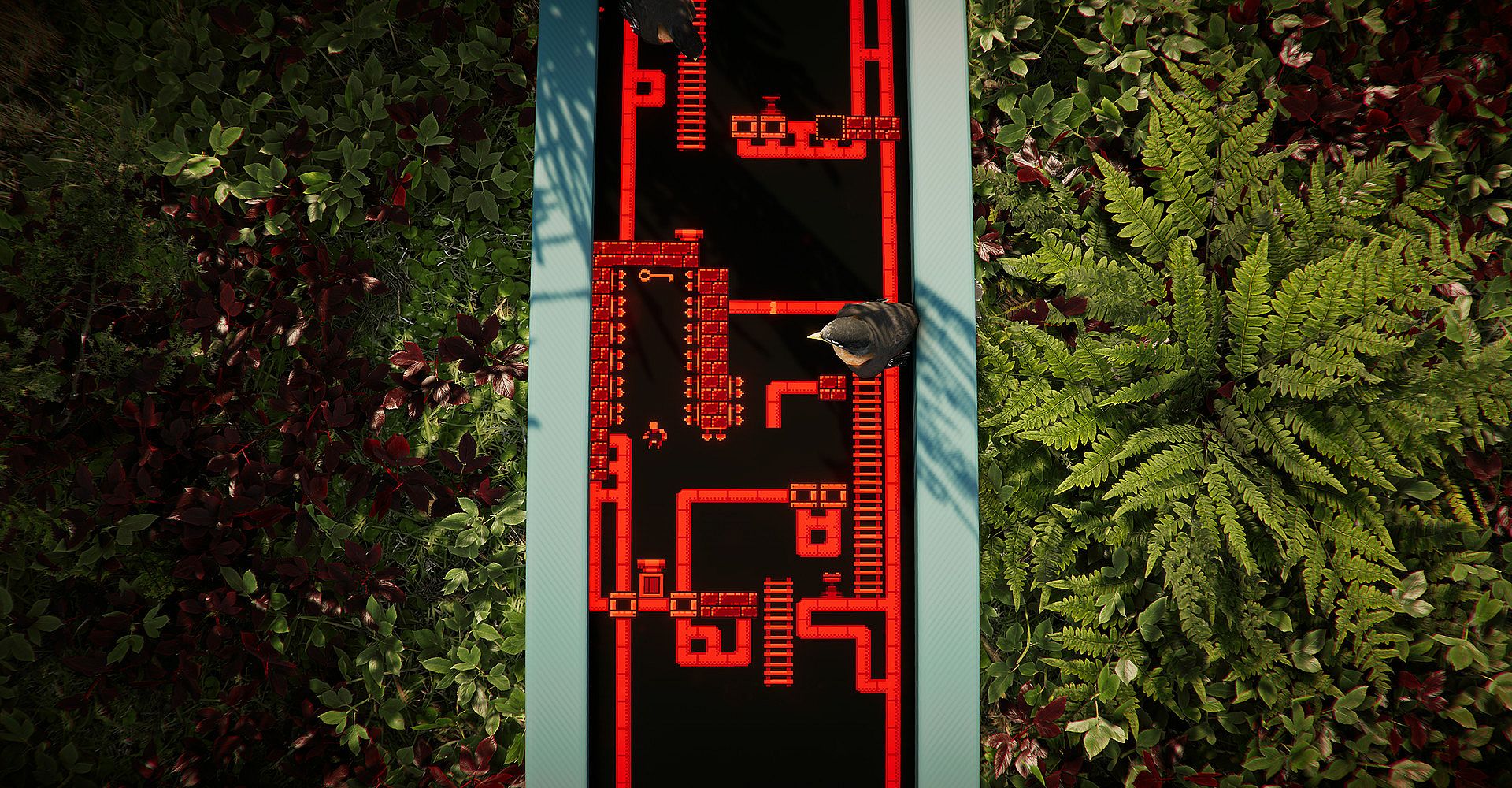
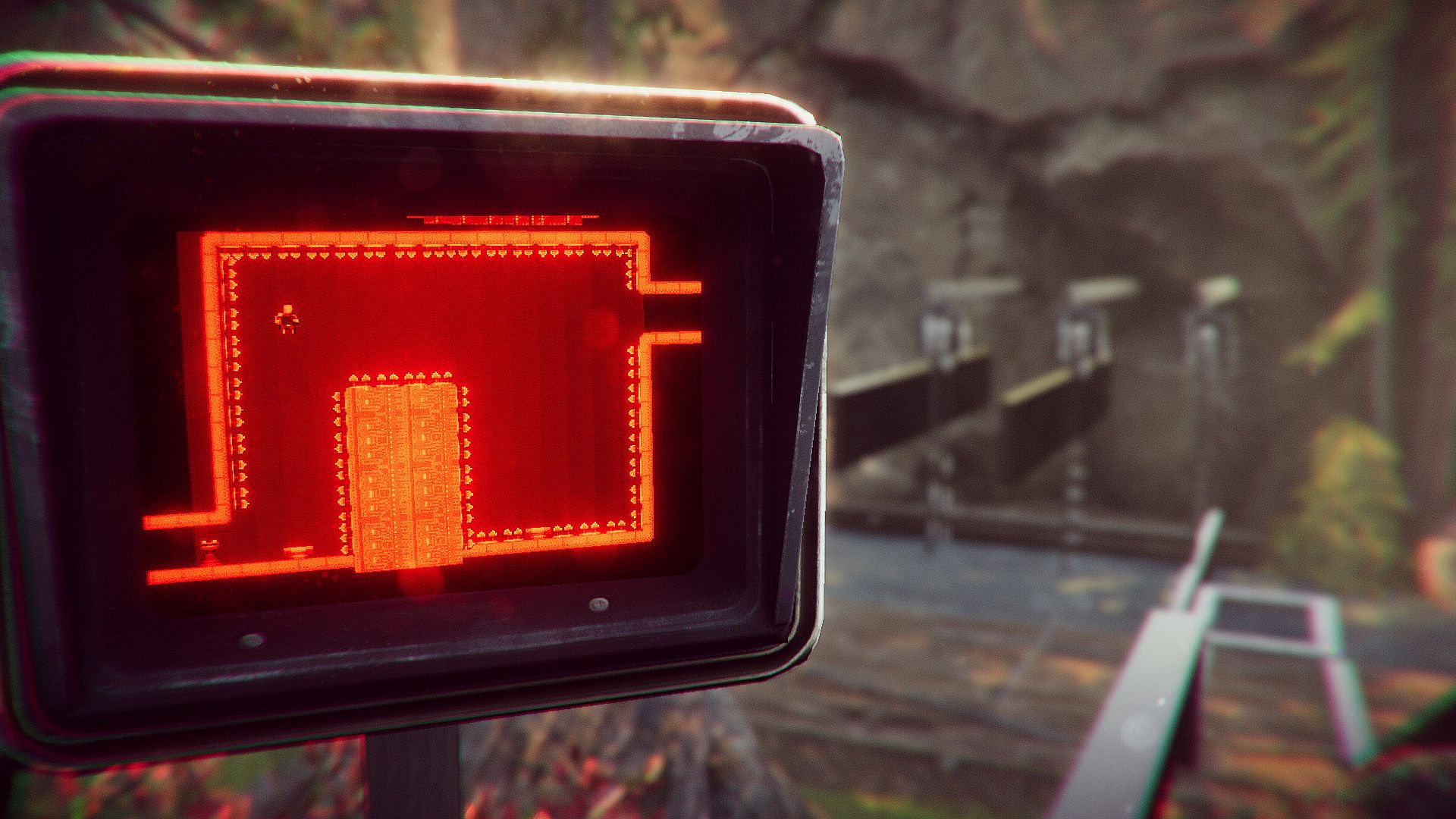
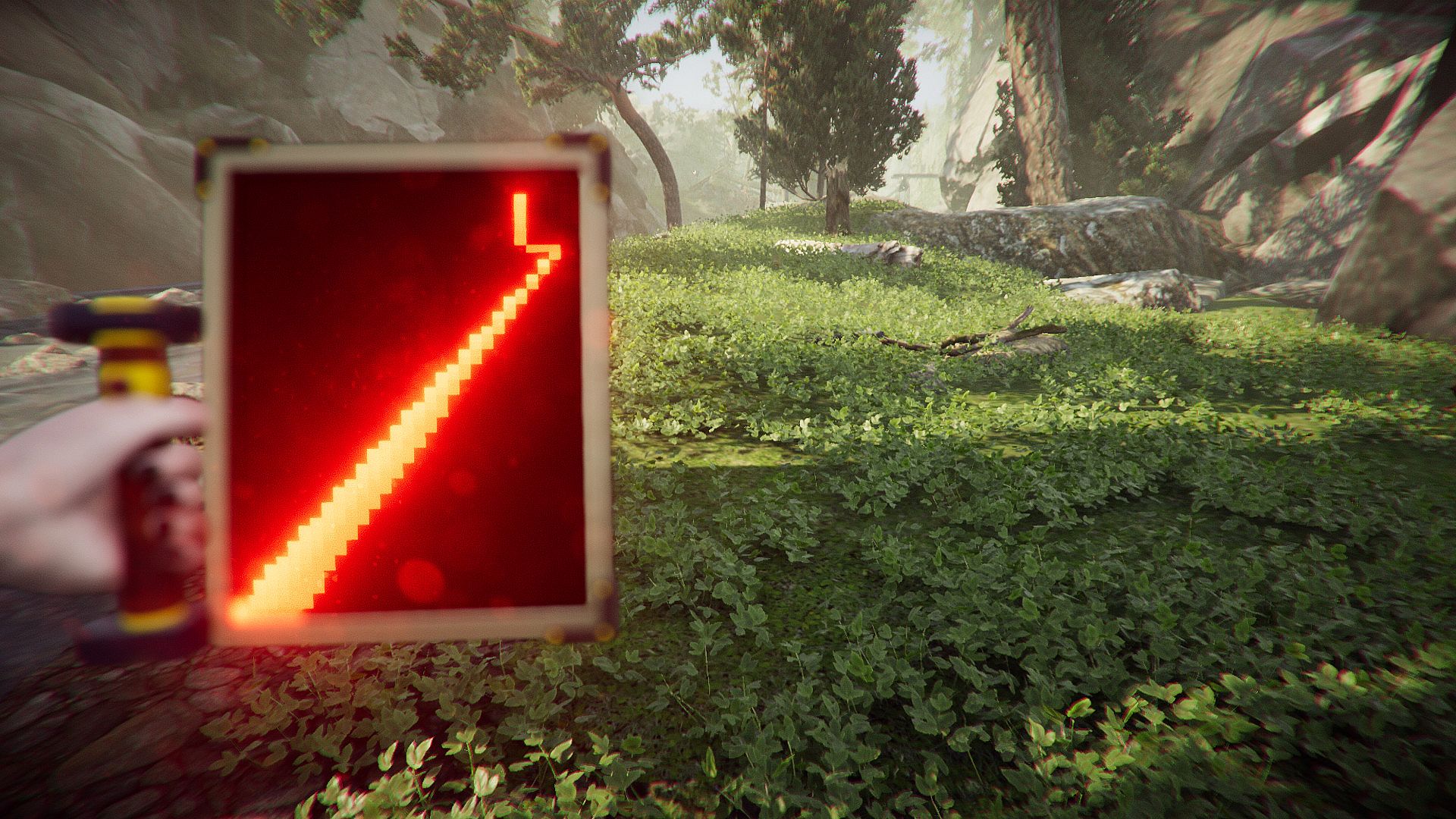
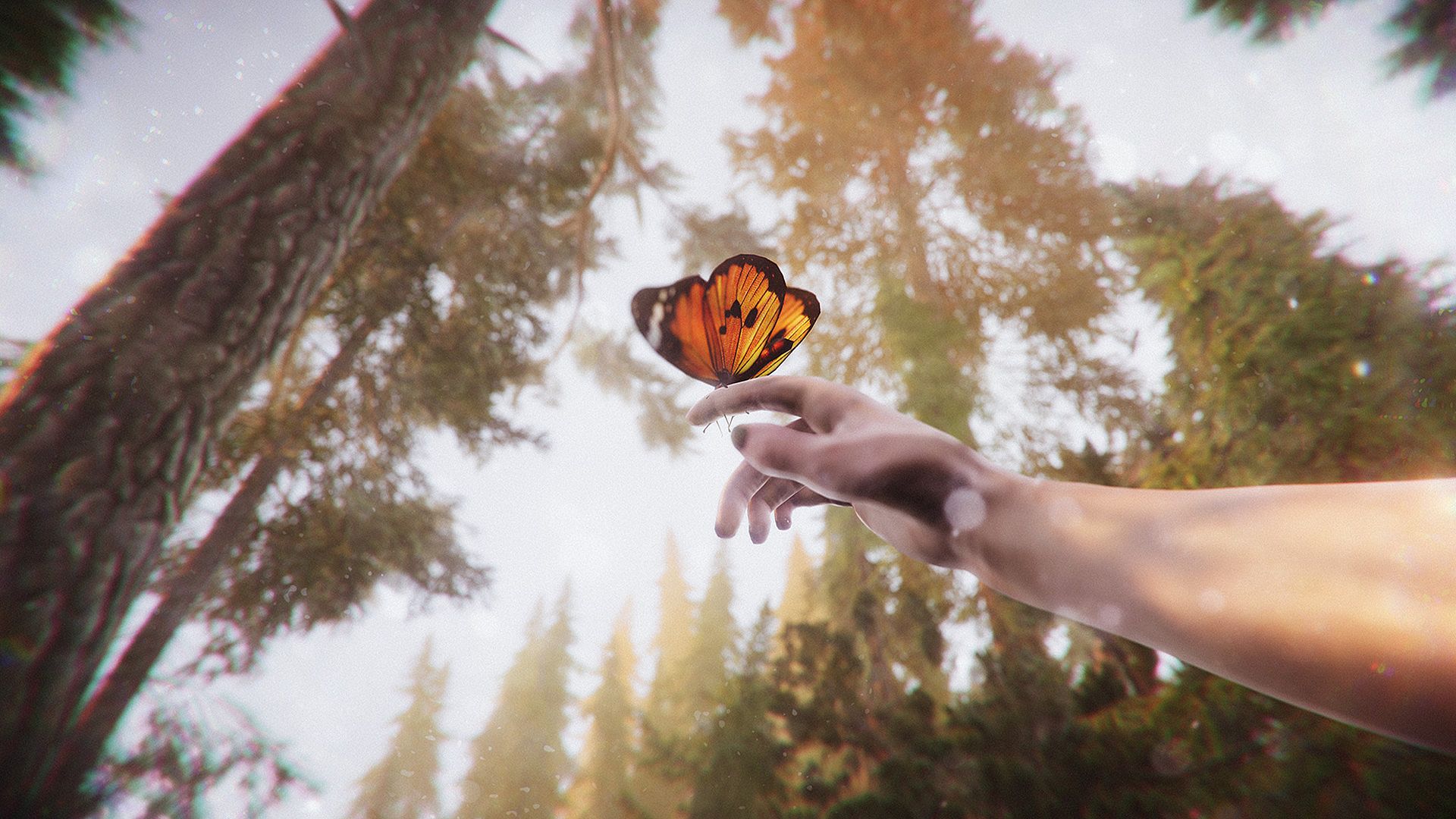
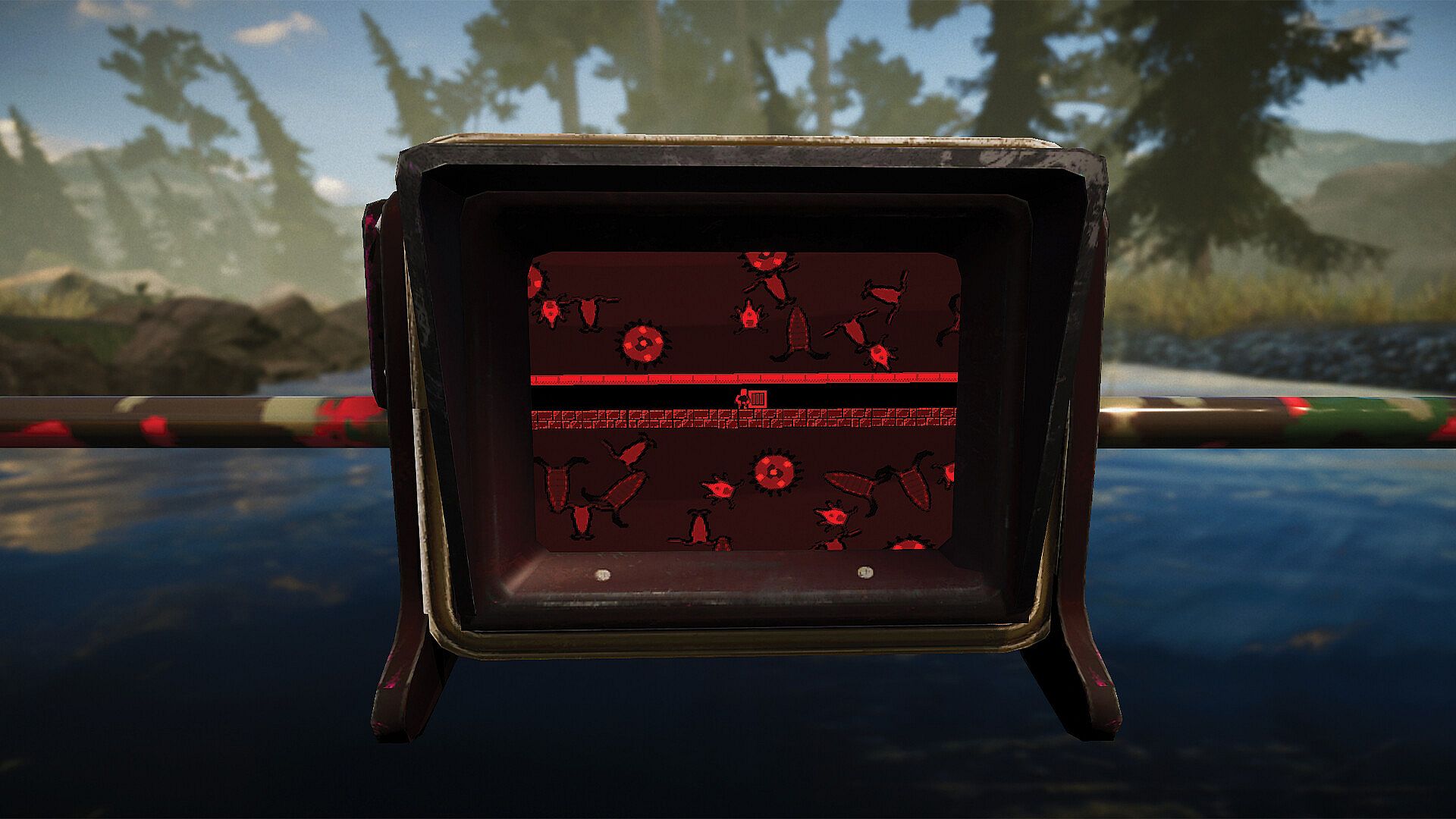
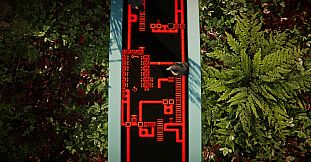
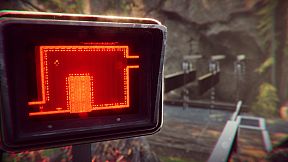
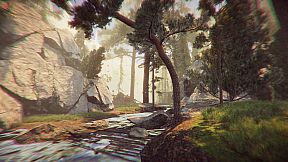
Progression centers on first-person navigation across a forested island environment. Players examine ecosystems using specialized scanning tools that reveal hidden data points and anomalies. These tools connect directly to puzzle interfaces that switch between full three-dimensional space and separate two-dimensional sections. In the two-dimensional portions, a helper entity known as the Little Man navigates terminal-based challenges to gather research data or unlock new areas. Tasks include checking insect populations, scanning aquatic life, and performing other field-research activities that advance the central investigation. The island features carefully detailed natural spaces that encourage methodical traversal rather than speed. Dialogue appears fully voiced, and an original score accompanies key moments of discovery.
Game Modes
The Forest Cathedral offers a single continuous narrative experience with no separate multiplayer components or competitive modes. All progression occurs within one cohesive story arc that alternates between open exploration segments and structured puzzle sequences. There are no additional difficulty settings, challenge modes, or post-completion content layers beyond the main campaign path.
Narrative and Setting
The story reimagines events surrounding Rachel Carson's research into DDT. Over the course of the experience, players witness the gradual revelation of environmental damage through scientific tasks and personal reflections. The island setting serves as both backdrop and active participant, with visual and auditory cues that shift as more information surfaces. Fully voiced lines and environmental storytelling convey the tension between scientific inquiry and external pressures without relying on traditional combat or resource management systems.
Is It Worth Playing?
Reception has been mixed, with Steam user reviews sitting at 50 percent positive from a small sample. The game lasts roughly one to two hours for most players. Those drawn to short, narrative-focused indie adventures centered on environmental themes may find value in its unique structure and historical framing. Platforming sections receive frequent criticism for controls and pacing, while the atmospheric exploration and puzzle integration earn praise from some. The title remains available on PC as a complete, self-contained release with no further seasonal content or major updates reported since launch. Players seeking a brief, introspective puzzle adventure tied to real-world scientific history will encounter the most direct match for its strengths.