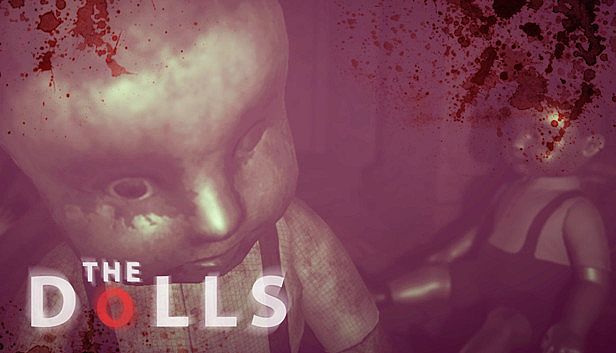













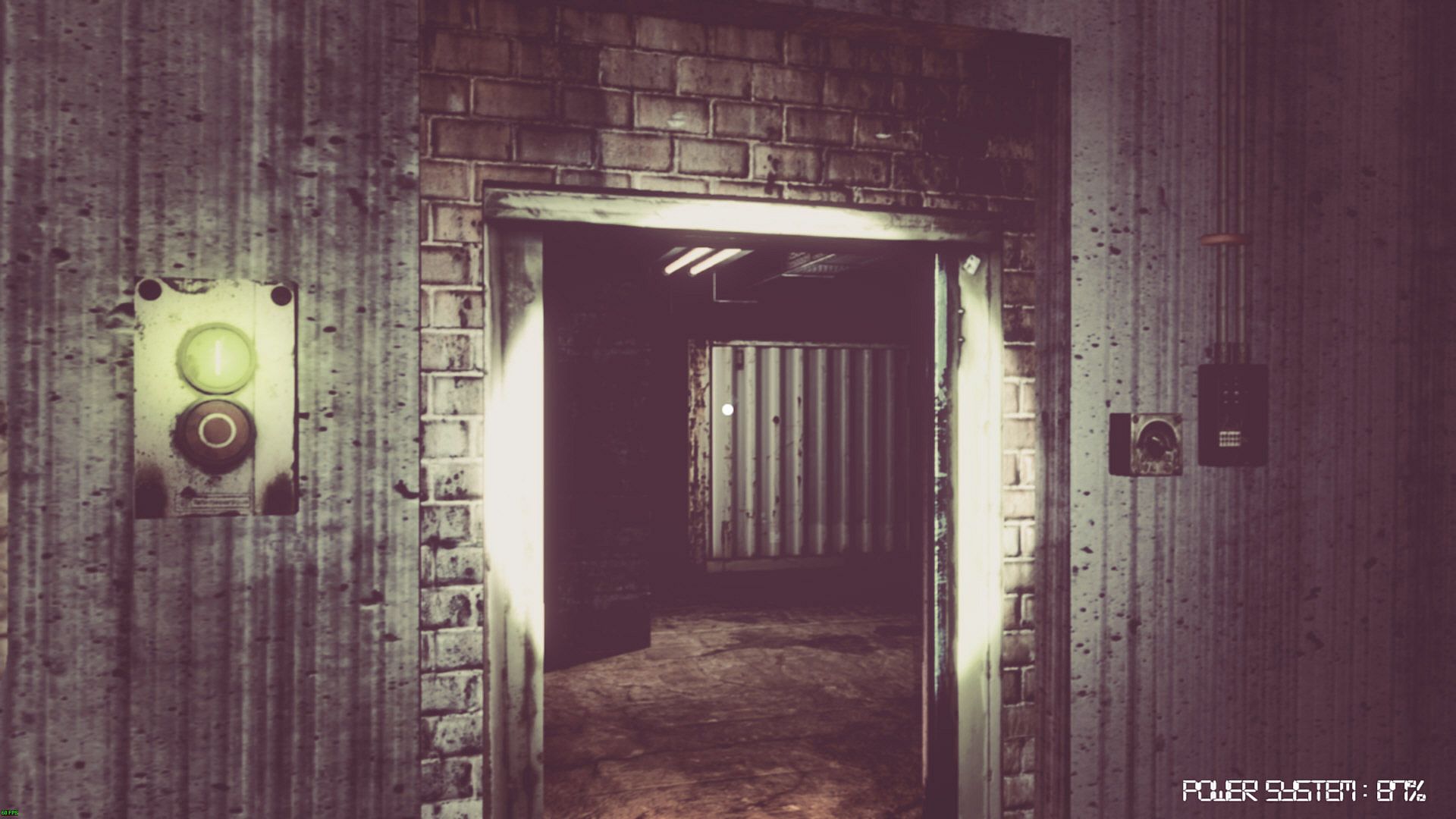
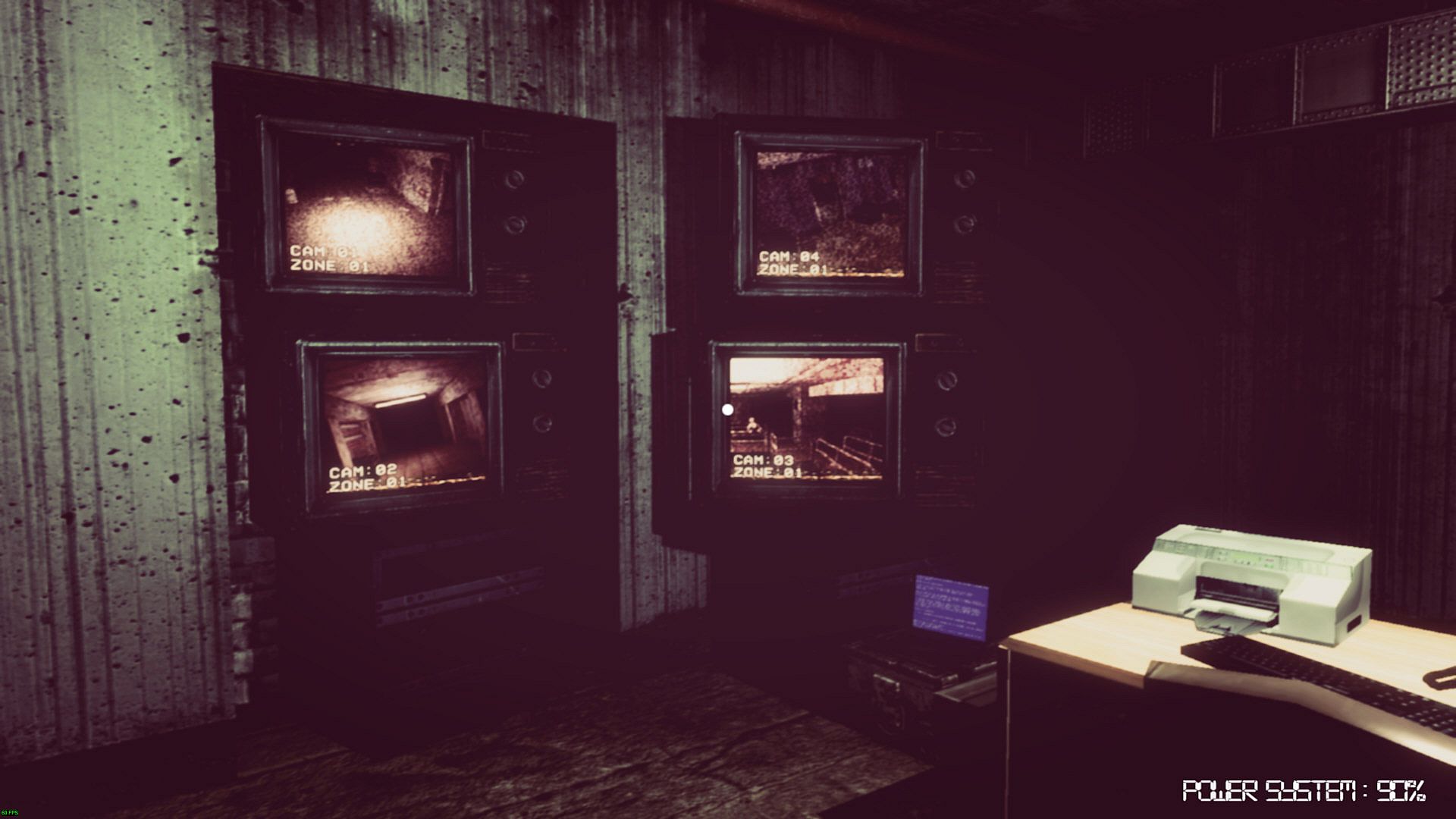

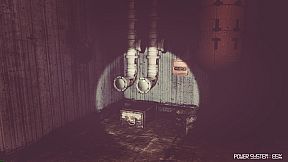
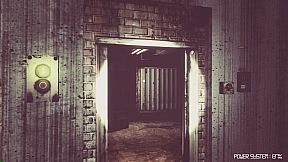
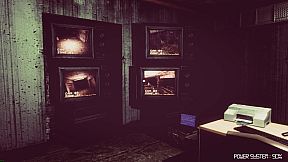

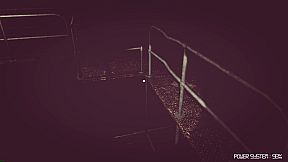
The Dolls: Reborn is a first-person horror survival game developed as an indie title in the simulation genre. Set in a long-abandoned doll factory that has been partially revived for new production, the experience places players in the role of a night watch employee tasked with monitoring automated machinery through the dark hours. Limited visibility and resource management create constant tension as remnants of the old facility stir with activity.
Gameplay
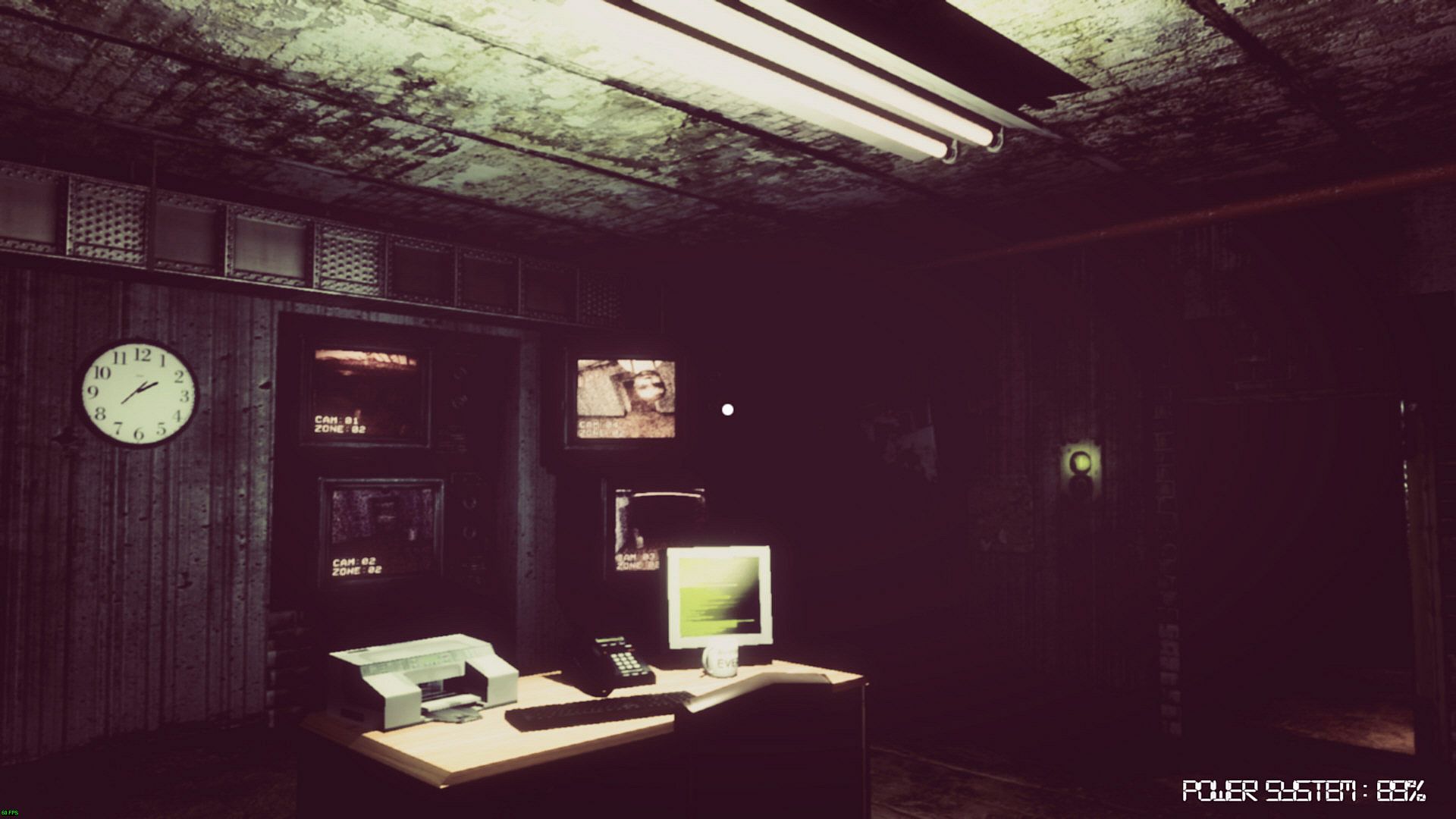
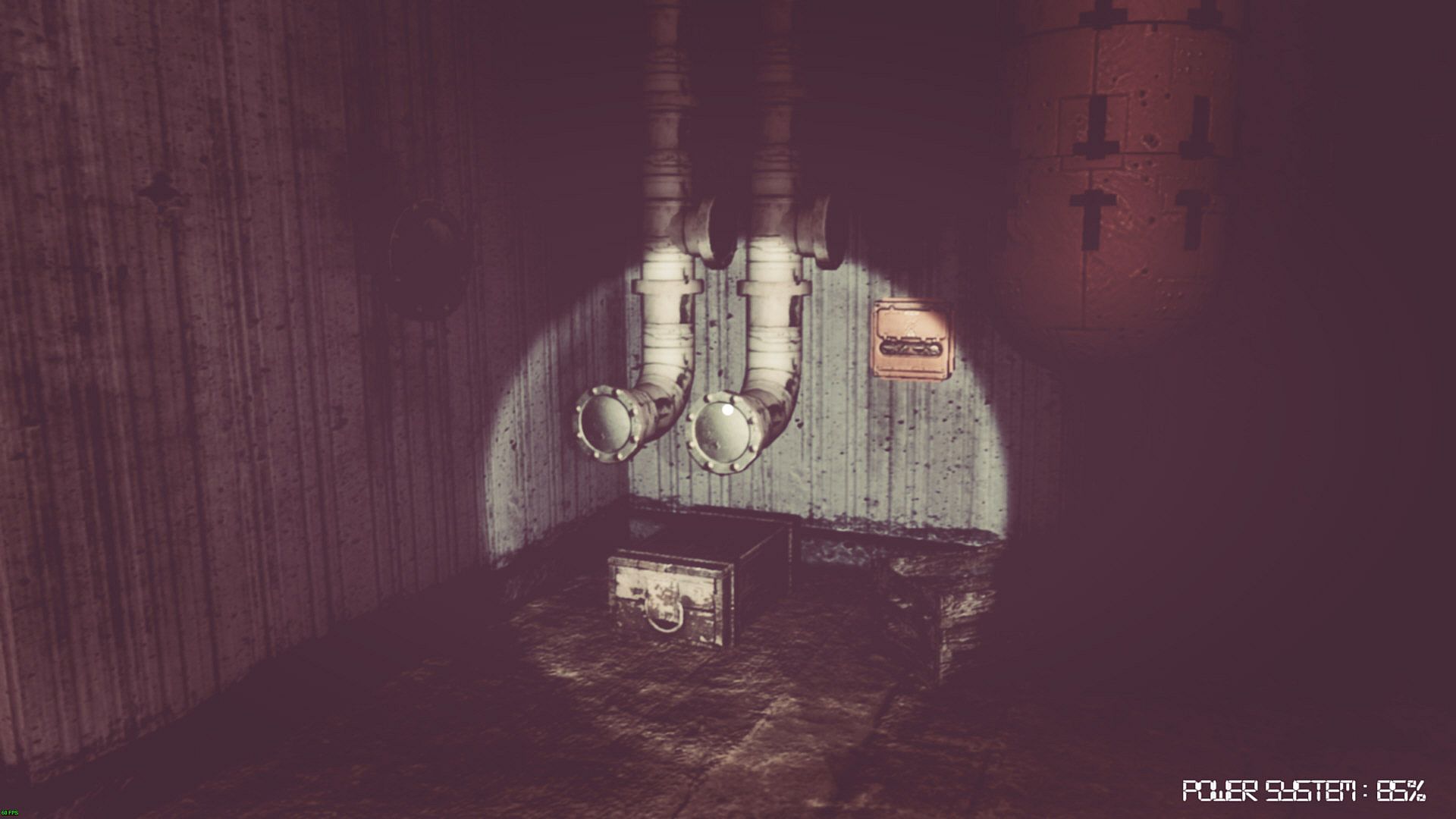
Players operate from fixed camera angles with restricted movement that keeps the viewpoint tightly controlled. This setup narrows the field of vision and forces careful attention to what appears in the shadows or at the edges of the frame. The flashlight serves as a primary tool but contributes to power drain when overused, requiring deliberate decisions on when to illuminate areas or conserve energy.
Enemy behavior relies on sound detection, random placement across play sessions, teleportation, and the ability to blend with surrounding objects for camouflage. These elements combine to make each shift unpredictable and demand constant environmental awareness. A time-based survival element tracks progress through the night while the lighting system offers temporary safety against approaching threats. The overall loop revolves around maintaining factory operations without drawing attention from the hostile dolls that have been disturbed by the recent activity.
Game Modes
The game centers on a single-player survival format built around successive night shifts in the factory. No separate competitive or cooperative modes exist, keeping the focus on the core watchman duties and the escalating challenges that arise as hours pass. Randomized enemy patterns and resource constraints ensure that repeated attempts feel distinct even within this unified structure.
Setting and Atmosphere
The environment draws from the history of an old doll factory that once produced simple toys before falling into neglect. New ownership has restarted limited production, yet the discarded and damaged dolls from earlier eras remain hidden throughout the building. Rumors of missing workers add to the unease, and the player must navigate the space while the automatic lines continue running in the background. The confined perspectives heighten the sense of isolation and vulnerability during the overnight hours.
Is It Worth Playing?
Reception stands at mixed levels with 47 percent positive reviews from 167 user submissions. The title suits players who enjoy deliberate, high-tension horror that emphasizes observation, sound cues, and careful resource use over fast action or open exploration. Its short, focused sessions and emphasis on atmosphere appeal to fans of similar limited-movement survival experiences. Those seeking broader variety or frequent updates may find the 2016 release less engaging today, while dedicated horror enthusiasts can appreciate the specific mechanics around power management and unpredictable threats. Availability remains straightforward on PC platforms for anyone interested in this niche style.