




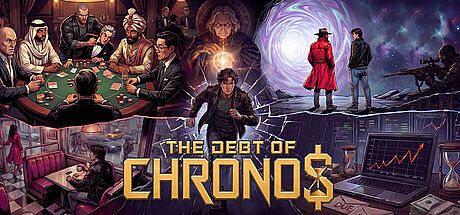




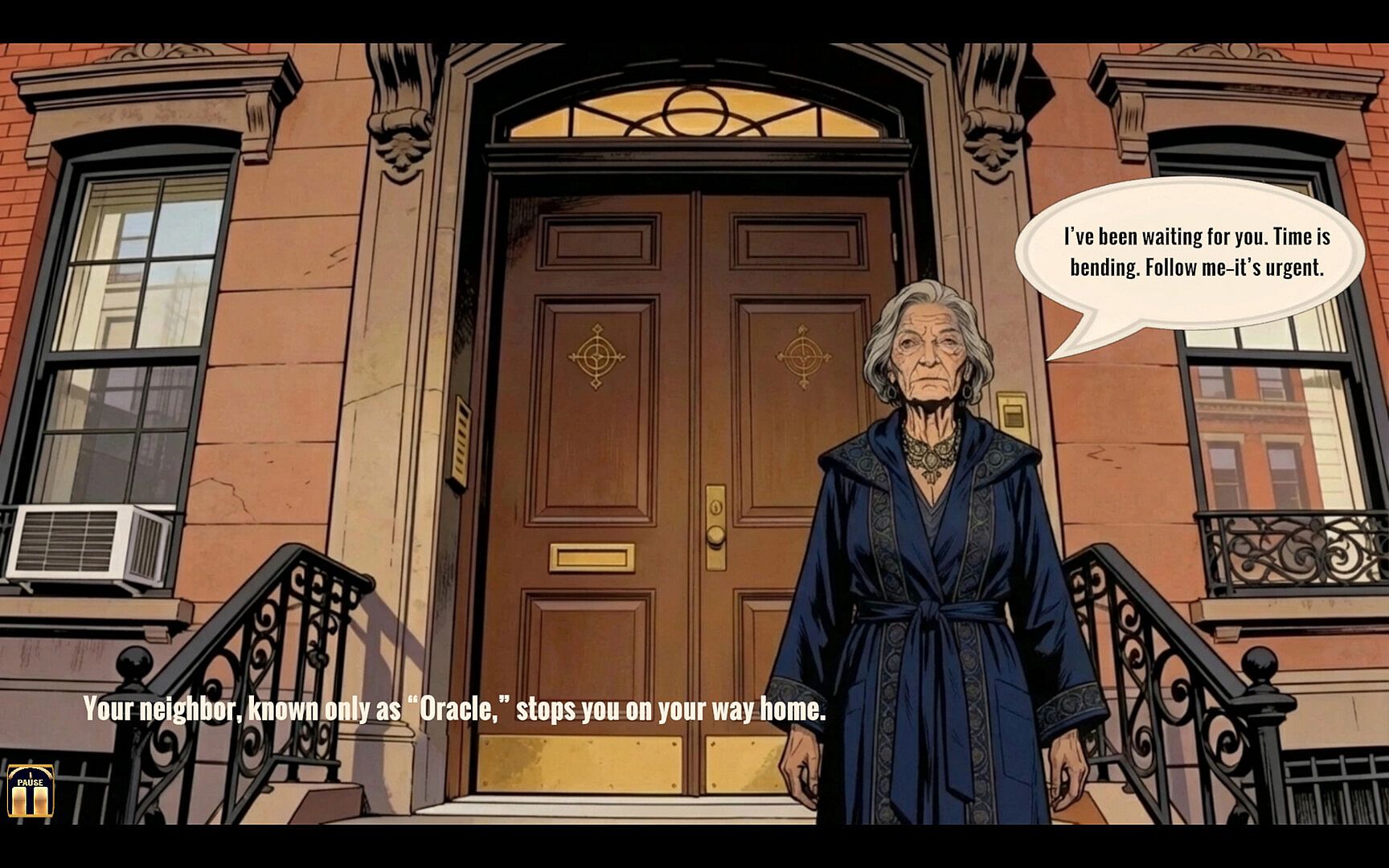








The Debt of Chronos is a single-player strategy indie adventure game centered on time travel, financial risk, and the fallout from altering history. Players step into the role of someone whose father owes a powerful mob more than he can repay. A visitor from the future named Lee provides a warning and a tool to intervene, but the solution requires careful investment rather than direct transfers of wealth across eras.
Gameplay
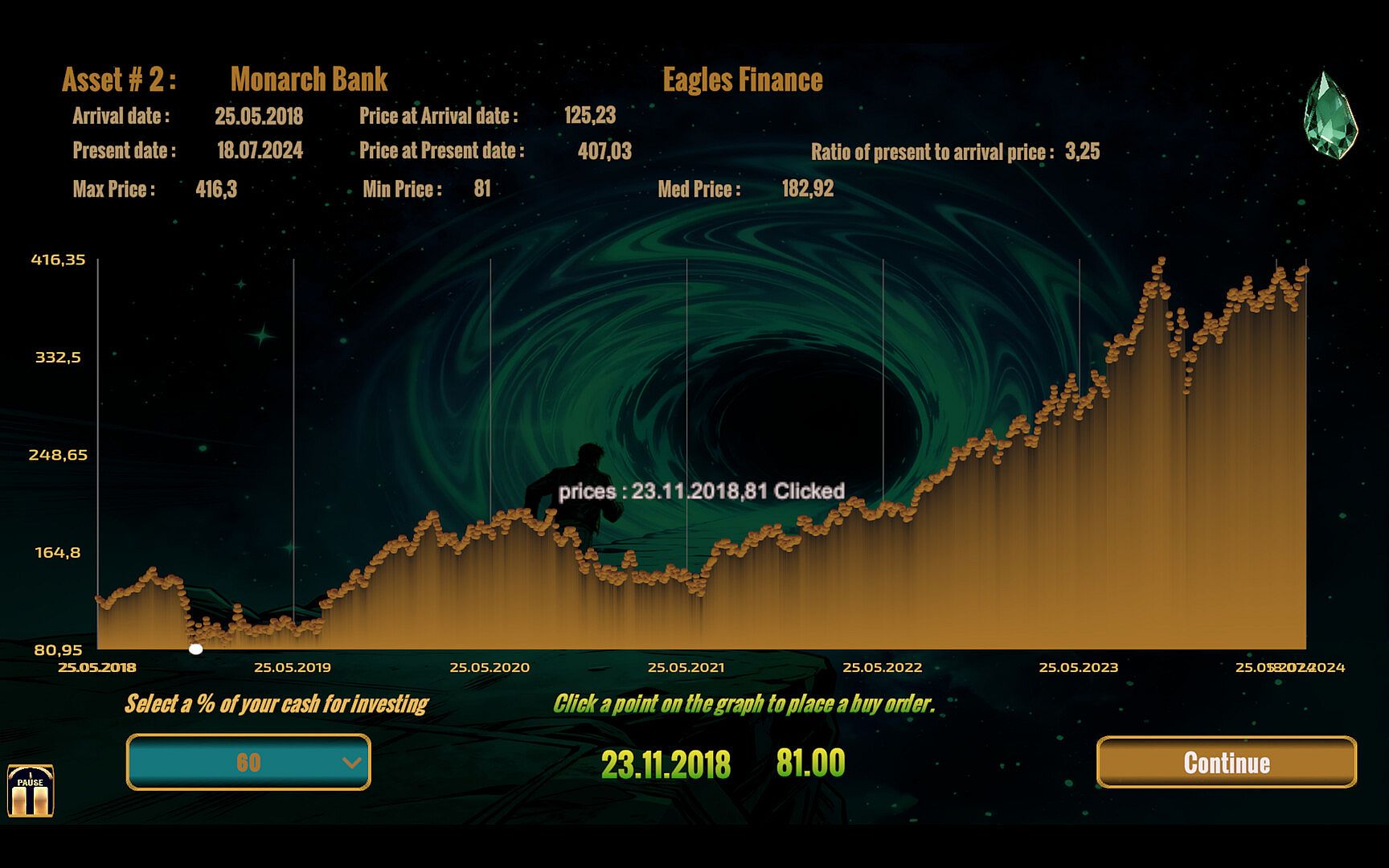
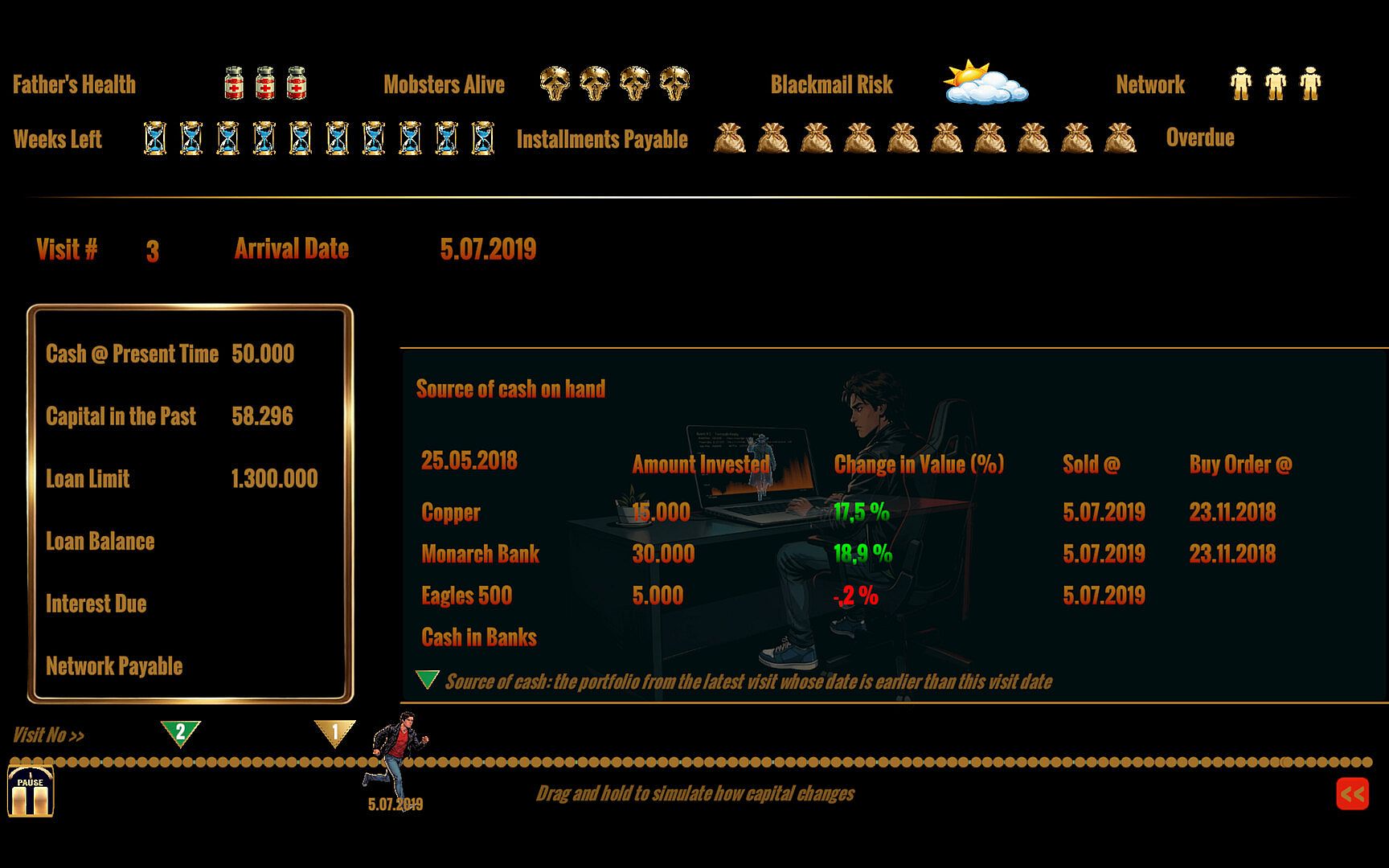
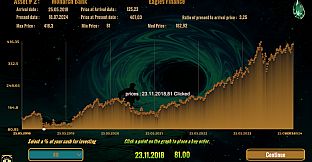
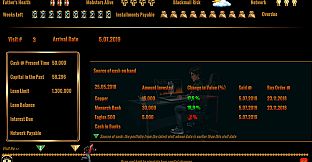
The core loop revolves around managing limited capital across unpredictable trips to the past. Each journey through unstable wormholes lands the player on an arrival date that cannot be chosen in advance. Opportunities appear in the form of historical market movements, and the player selects assets, commits funds, and decides how much risk to take on any given trip. Profits must return to the present to cover mob demands while preserving enough reserves for future needs.
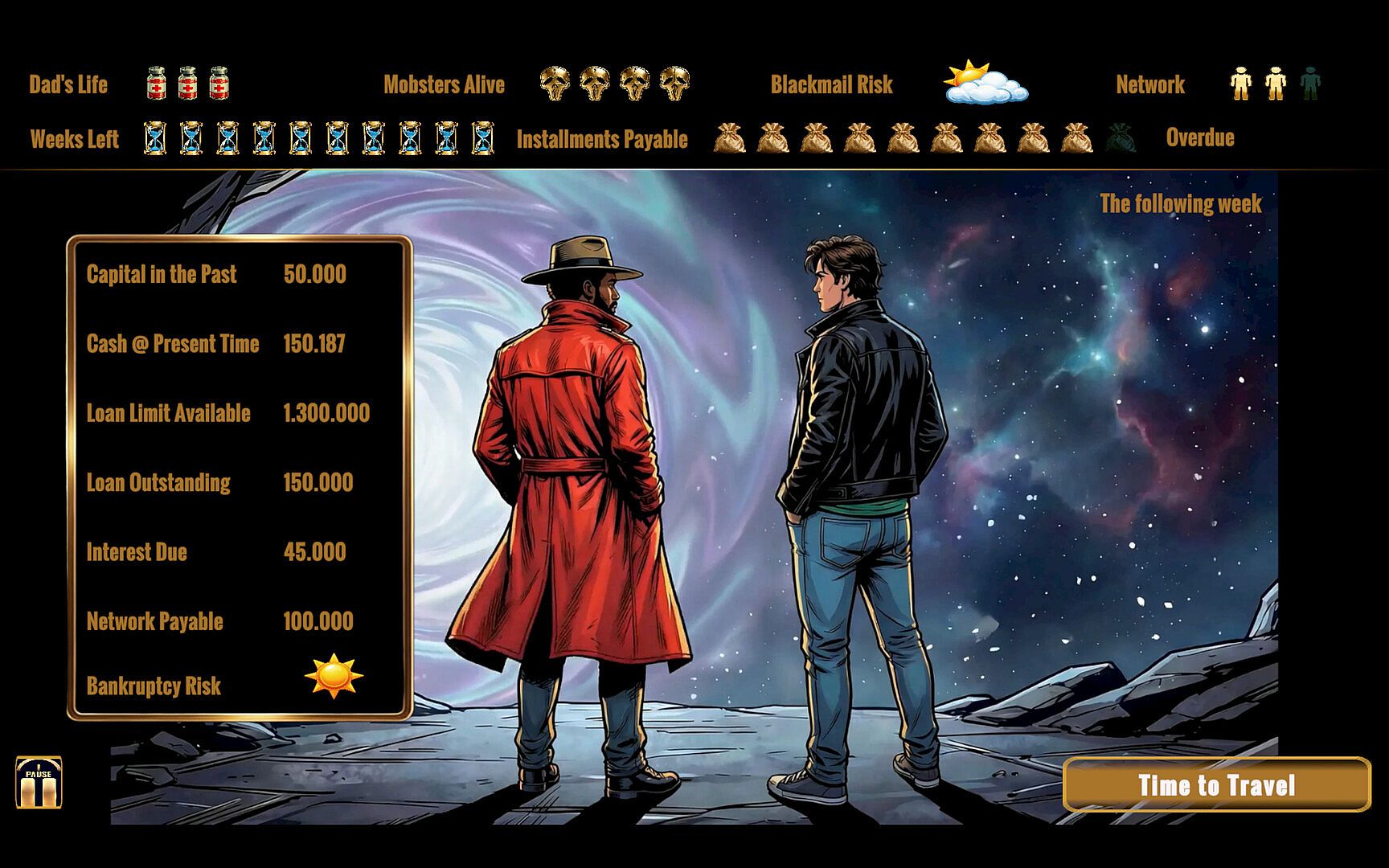
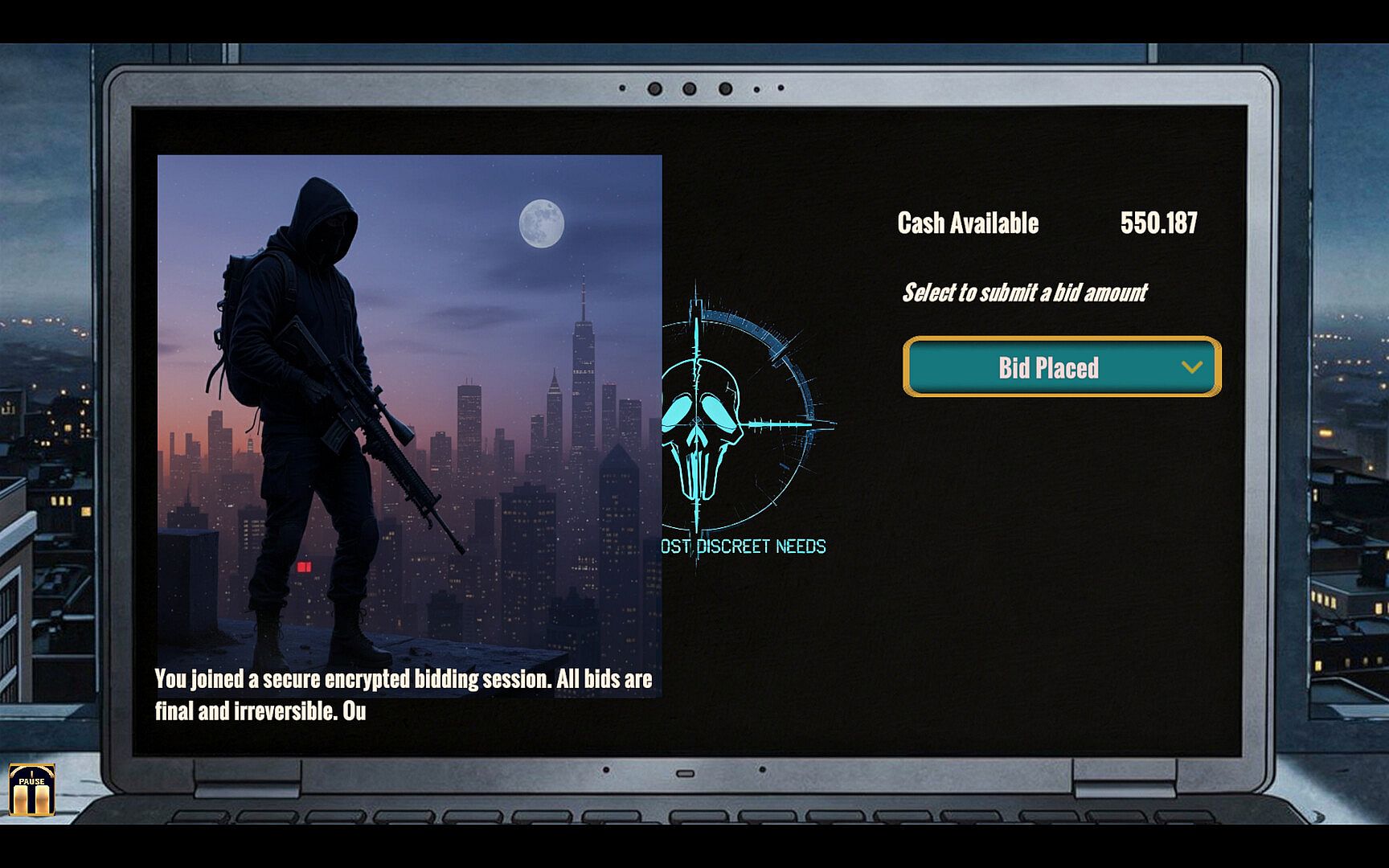
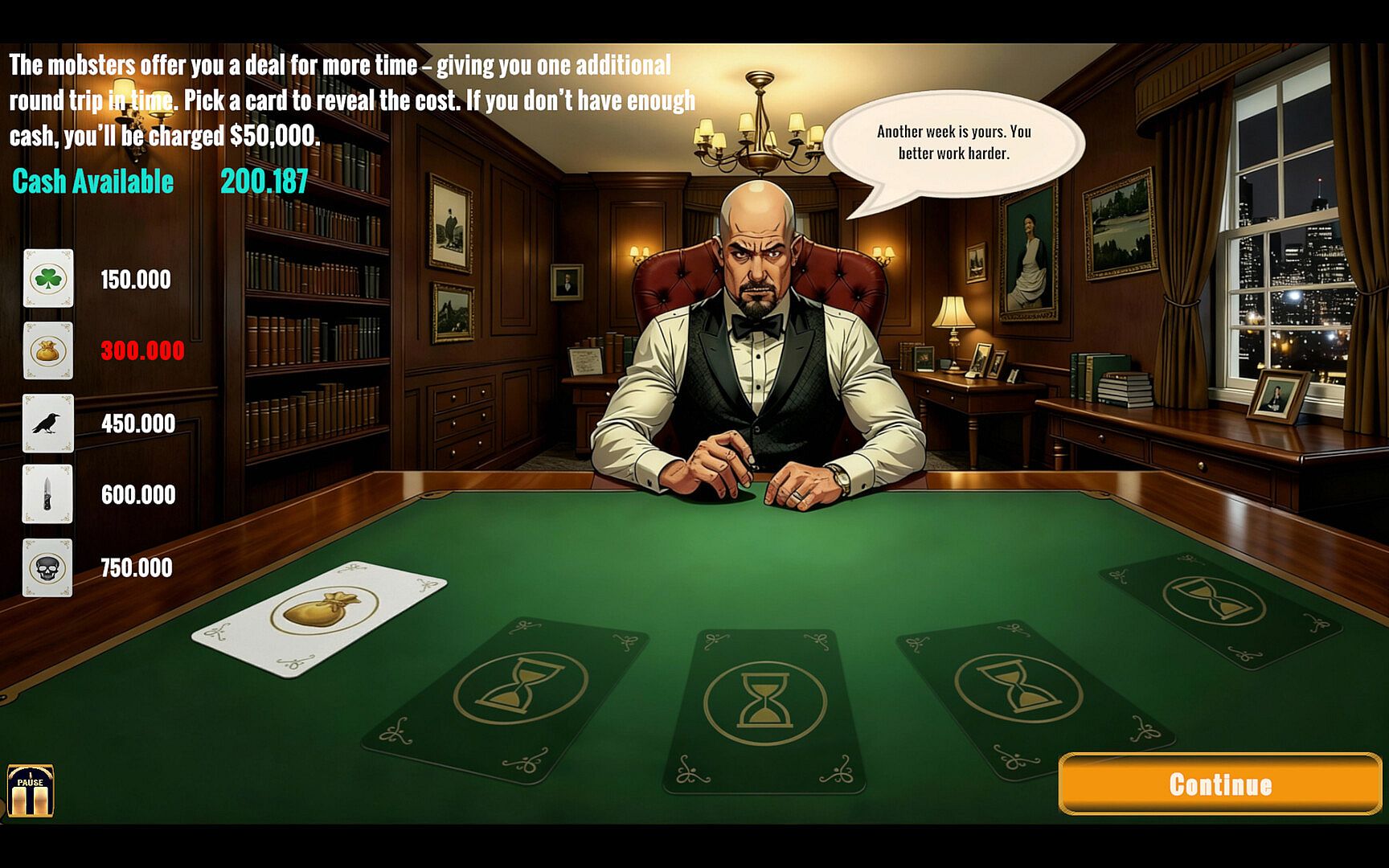
Decisions compound quickly. Keeping cash liquid provides flexibility for sudden requirements, while concentrating resources on one strong opportunity can accelerate progress. Every choice affects the timeline, and passages through the wormholes introduce disturbances that manifest as new threats or complications. These can include blackmail attempts, additional criminal pressures, or interventions from entities enforcing temporal rules.
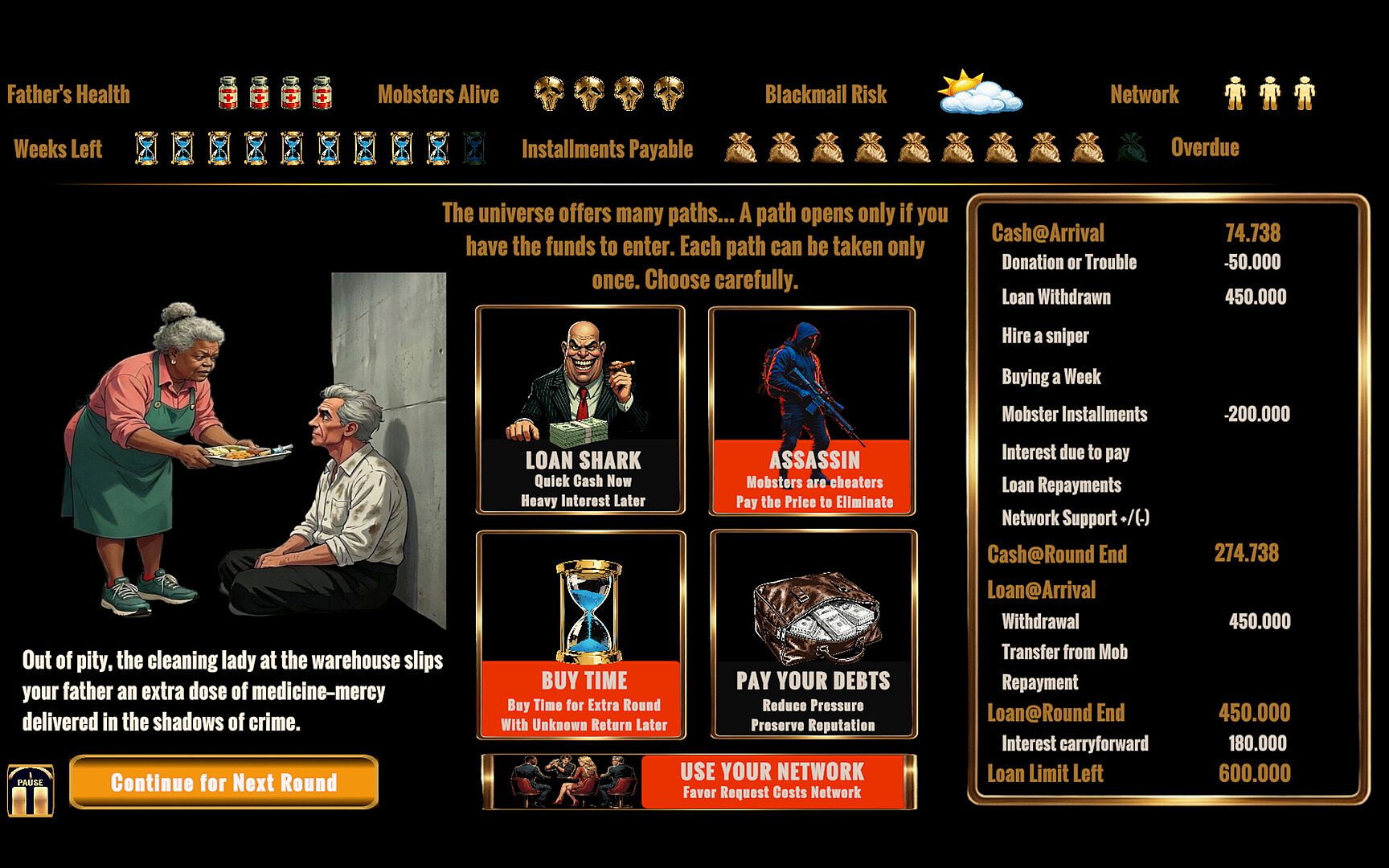
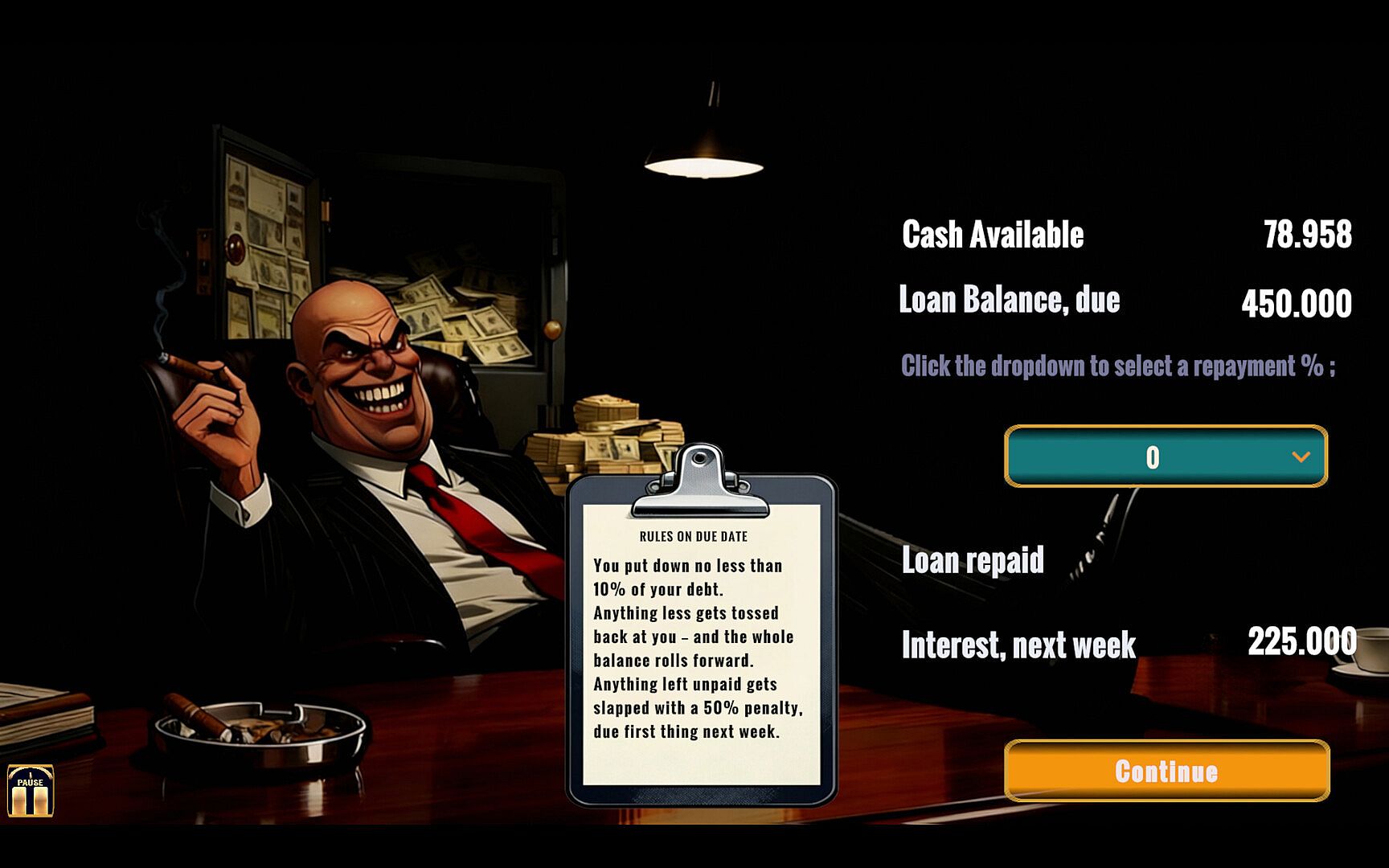
Survival elements tie directly into the debt. Players must meet installment payments, handle loans when necessary, and protect their father from immediate danger. Shortfalls push toward riskier options that carry their own long-term costs. The narrative branches based on these choices, with relationships and available paths shifting as events unfold.
Game Modes
The experience unfolds as a single continuous campaign shaped by player decisions rather than separate competitive or cooperative formats. Rounds structure the action, granting up to seven visits to the past before a deadline in the present forces a return. Within each round, the player balances further travel against the need to settle obligations.
Randomized events and varying investment options ensure no two attempts follow identical paths. Five difficulty levels adjust the pressure on resources, timeline stability, and available margins for error. Multiple endings emerge from the combination of financial success, timeline integrity, and choices regarding cooperation with other characters who appear with their own agendas.
Is It Worth Playing?
The Debt of Chronos suits players who enjoy deliberate strategy layered with narrative consequences. Its systems reward careful planning around limited information and shifting constraints, while the time-travel framework creates tension between short-term gains and long-term stability. Replay value stems from the randomized opportunities, five difficulty settings, and distinct endings that reflect different approaches to the central conflict.
Those drawn to management mechanics paired with story branches will find consistent depth in the investment decisions and their ripple effects. The game remains focused on a single-player narrative without additional modes or ongoing seasonal content. Anyone interested in the described blend of financial strategy, temporal risk, and moral trade-offs can expect a self-contained experience built around repeated playthroughs to explore outcomes.











