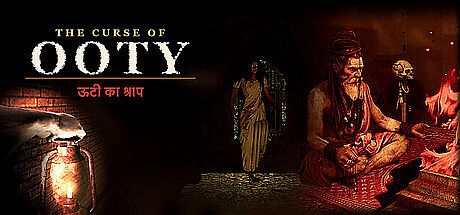



The Curse of Ooty is a first-person Indian folk horror adventure game developed as an indie title for PC. Players take on the role of someone who has driven a companion to the Nilgiri hills, only to discover that an unseen presence has taken hold during the journey. The story unfolds over a single night as the protagonist seeks help from an aghori in a remote village, completing a list of tasks in exchange for aid. The experience emphasizes atmospheric exploration, ritual-based puzzles, and branching dialogue in a setting rooted in Tamil Nadu village life rather than generic supernatural tropes.
Gameplay
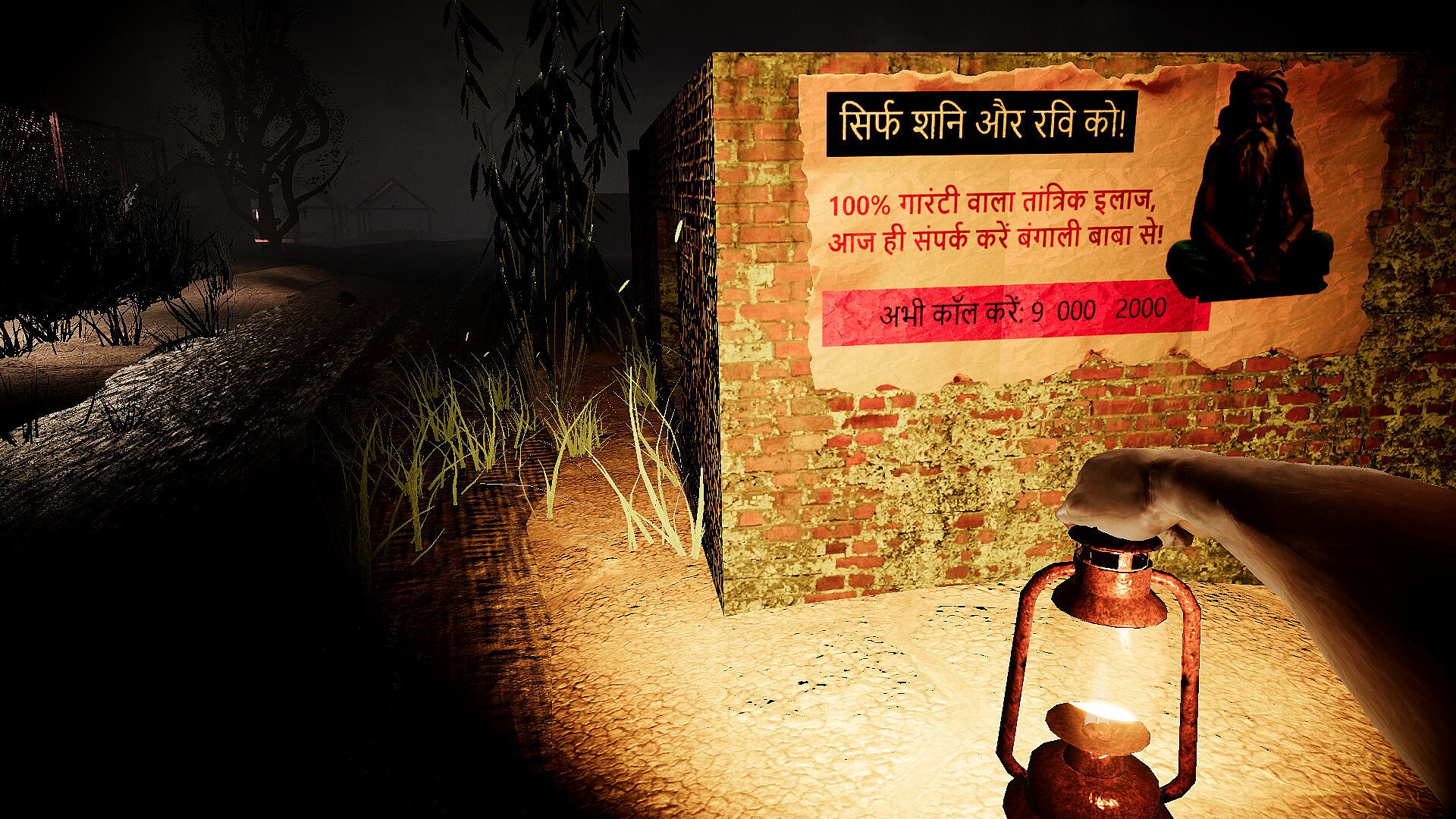
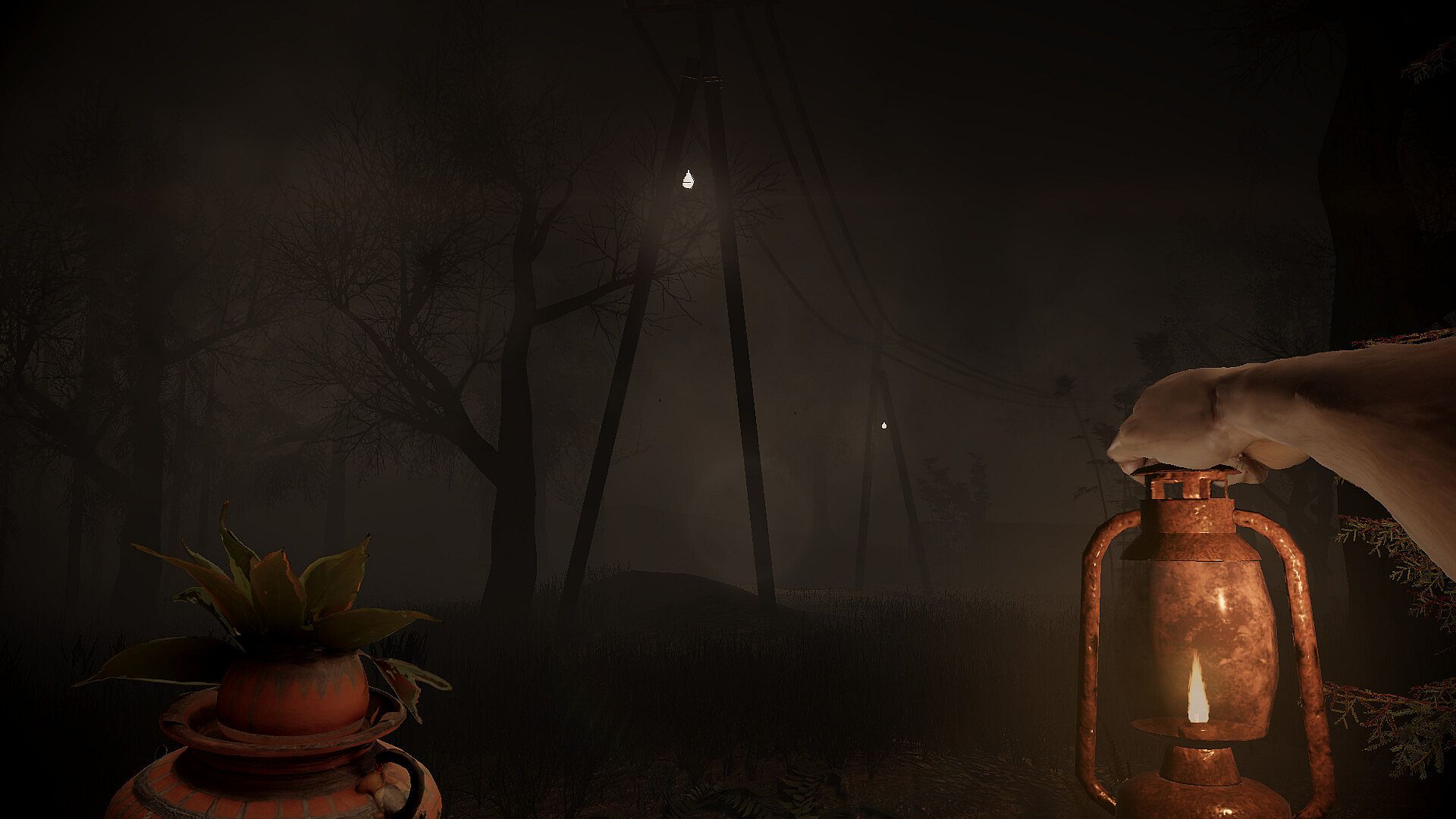
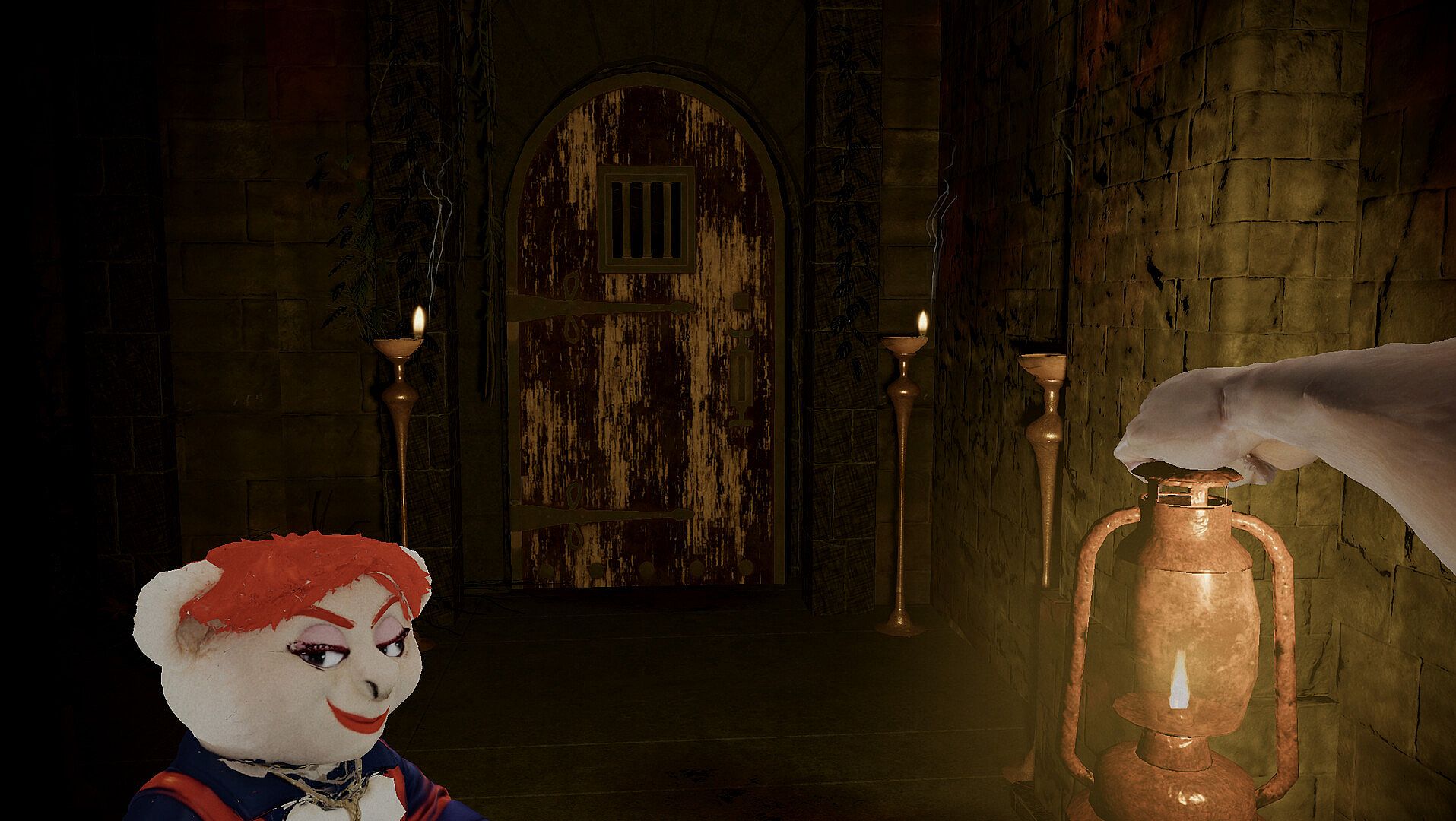
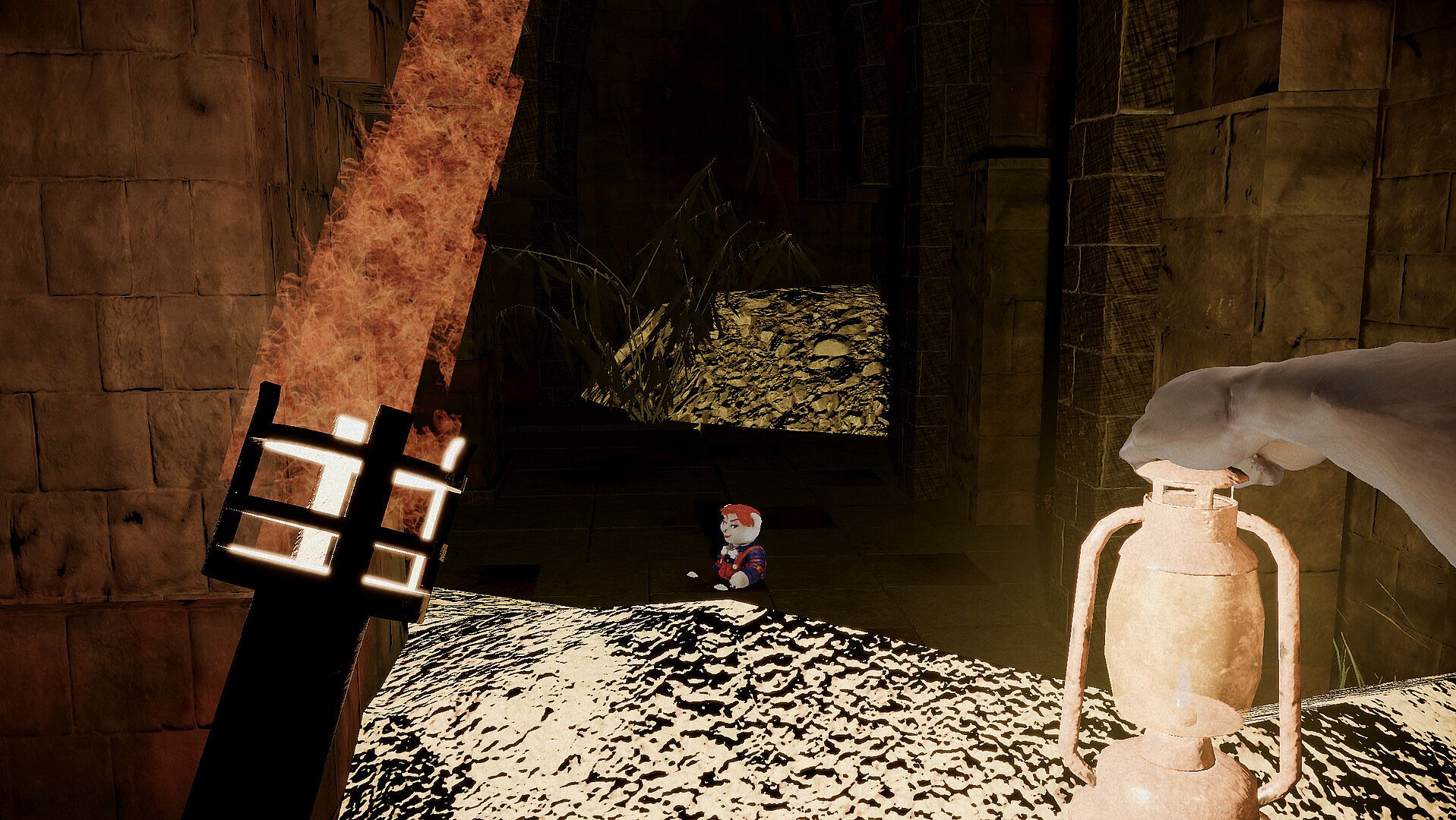
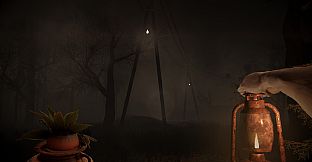
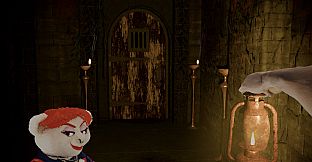
Core gameplay centers on navigating foggy paths, groves, and unlit lanes with limited visibility from a kerosene lantern that illuminates only a short distance ahead. A compass serves as the primary navigation aid through the environment, which includes locations such as a lake boat, an abandoned railway station, and a house filled with puppets. Players search these areas for specific items requested by the aghori while avoiding or interacting with entities that appear along the way.
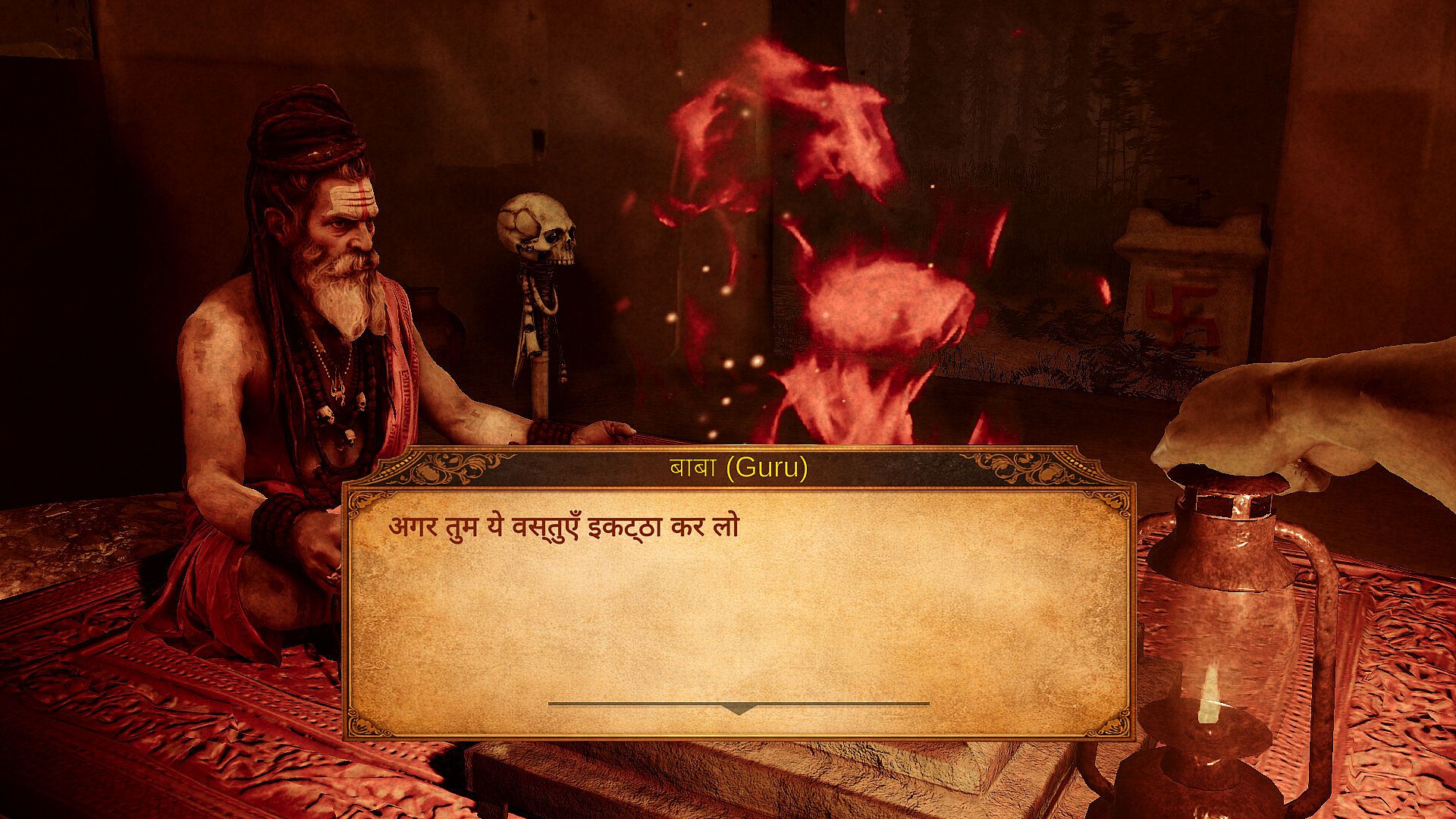
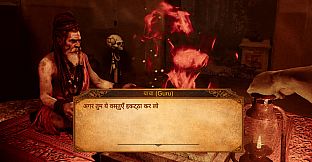
Puzzle mechanics involve aligning occult dials to unseal doors, reassembling torn family portraits to uncover local history, and arranging shrine offerings in precise sequences. These tasks occur while external threats move nearby, heightening tension. Dialogue with the aghori features choices that influence the information gained about the possessing entity, with responses shaped by how questions are phrased. This system also affects what the entity learns in return, creating a feedback loop between player actions and narrative progression.
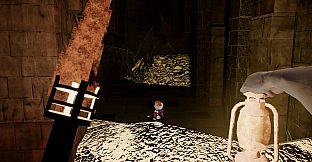
Environmental details draw from authentic Indian folk elements, including Tamil signage, mud-brick structures, village shrines, and the aghori's fire. Subtitles appear in Hindi alongside English options, supporting the cultural specificity of the setting. Encounters include a following doll, a child with a red balloon, twin spirits in red saris, and a climactic snake entity tied to the aghori's list.
Game Modes
The Curse of Ooty operates exclusively as a single-player experience. There are no multiplayer components, co-operative options, or additional modes such as competitive or survival variants. The structure follows a linear narrative path with replay value derived from dialogue choices and the consequences of decisions made during the night-long sequence.
Progression ties directly to completing the aghori's requests within the one-night timeframe, with no separate campaign lengths or difficulty settings confirmed at this stage. Steam Achievements provide tracking for specific actions and discoveries across the single playthrough.
Story and Setting
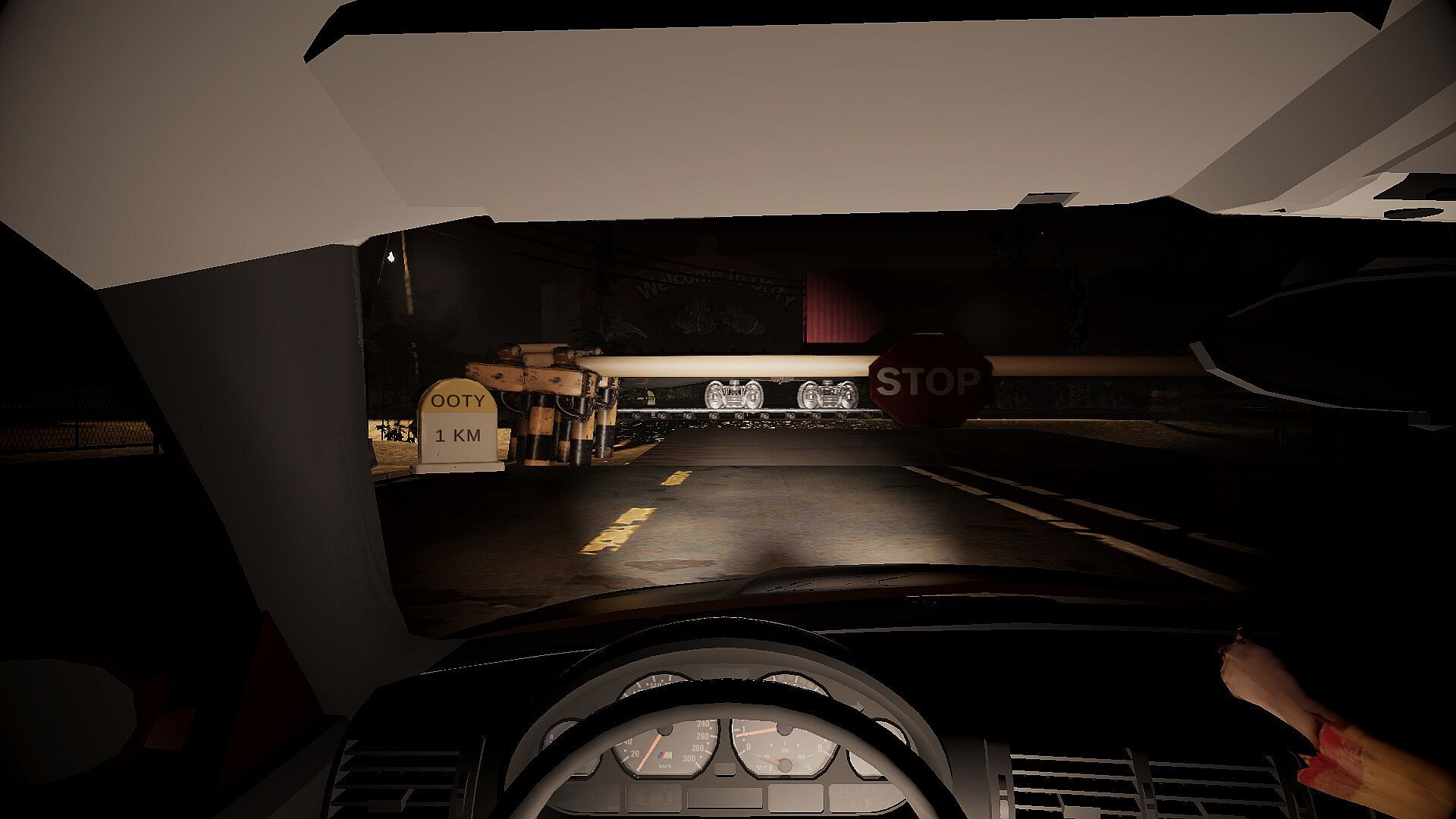
The narrative begins with a drive from the city into the hills, where an unseen force enters the vehicle and alters the passenger by arrival in Ooty. The aghori acts as a key figure who demands items in return for intervention, framing the central conflict around retrieval and ritual. Player decisions in conversations shape revelations about the entity and alter its awareness of the protagonist, leading to different outcomes by the end.
The village environment functions as an integral part of the experience, with details like station signage and shrine practices grounding the horror in local traditions. This approach avoids imported ghost stories in favor of elements drawn from Indian folk ritual, creating a distinct atmosphere built around kerosene lighting, fog, and isolated huts.
Is It Worth Playing?
The Curse of Ooty targets players interested in atmospheric single-player horror adventures that combine exploration, puzzle-solving, and narrative choice. Its focus on limited-light navigation, ritual mechanics, and culturally specific dialogue makes it suitable for those who enjoy deliberate pacing and environmental storytelling over action or combat.
Since the game remains unreleased with no user reviews available, any assessment rests on the described systems and setting. Those drawn to first-person experiences centered on Indian folk elements and branching conversations may find the one-night structure and lantern-based traversal compelling. Availability on PC through standard digital platforms supports accessibility once it launches, with family sharing and achievements as additional features.