


















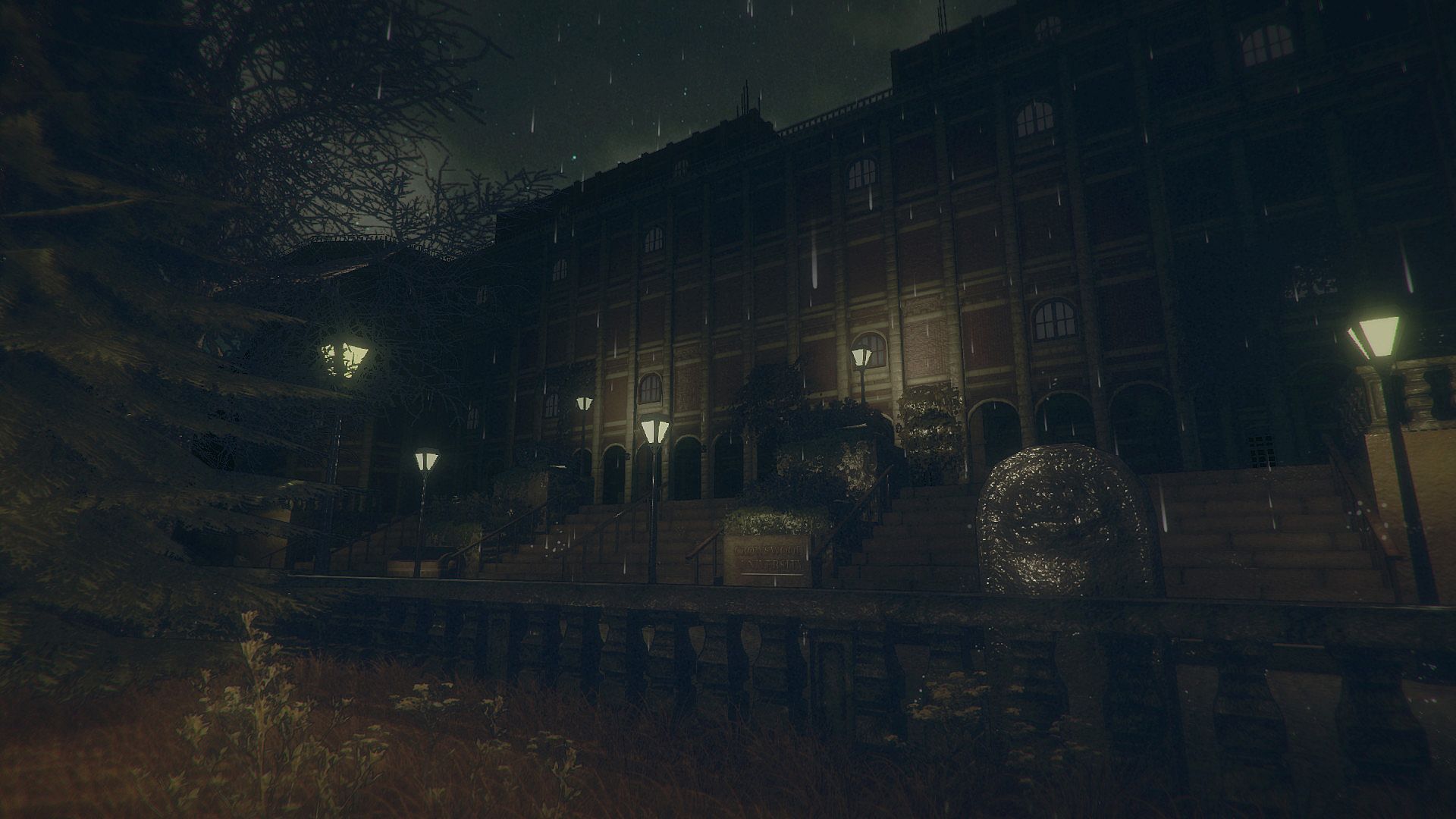
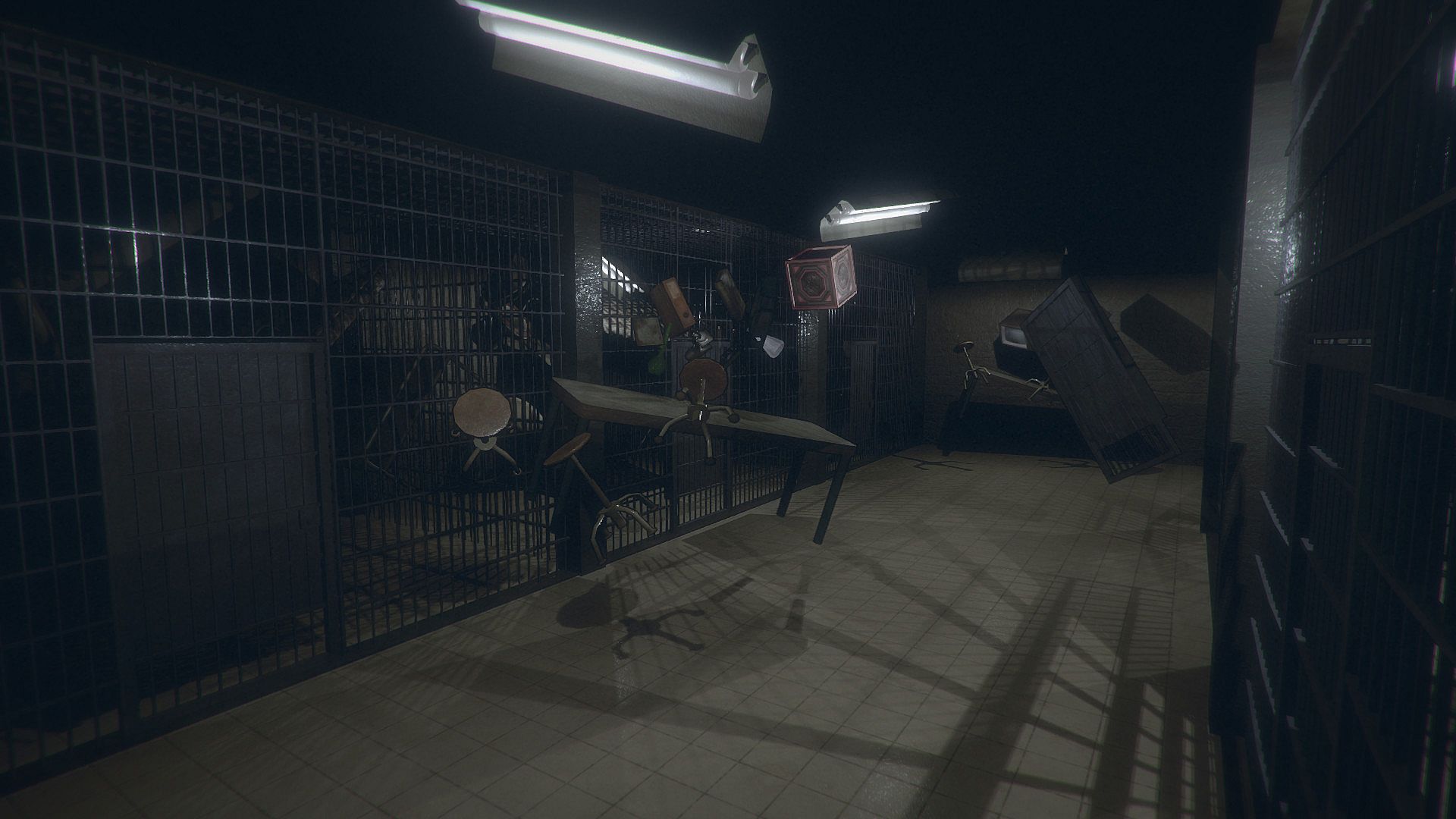
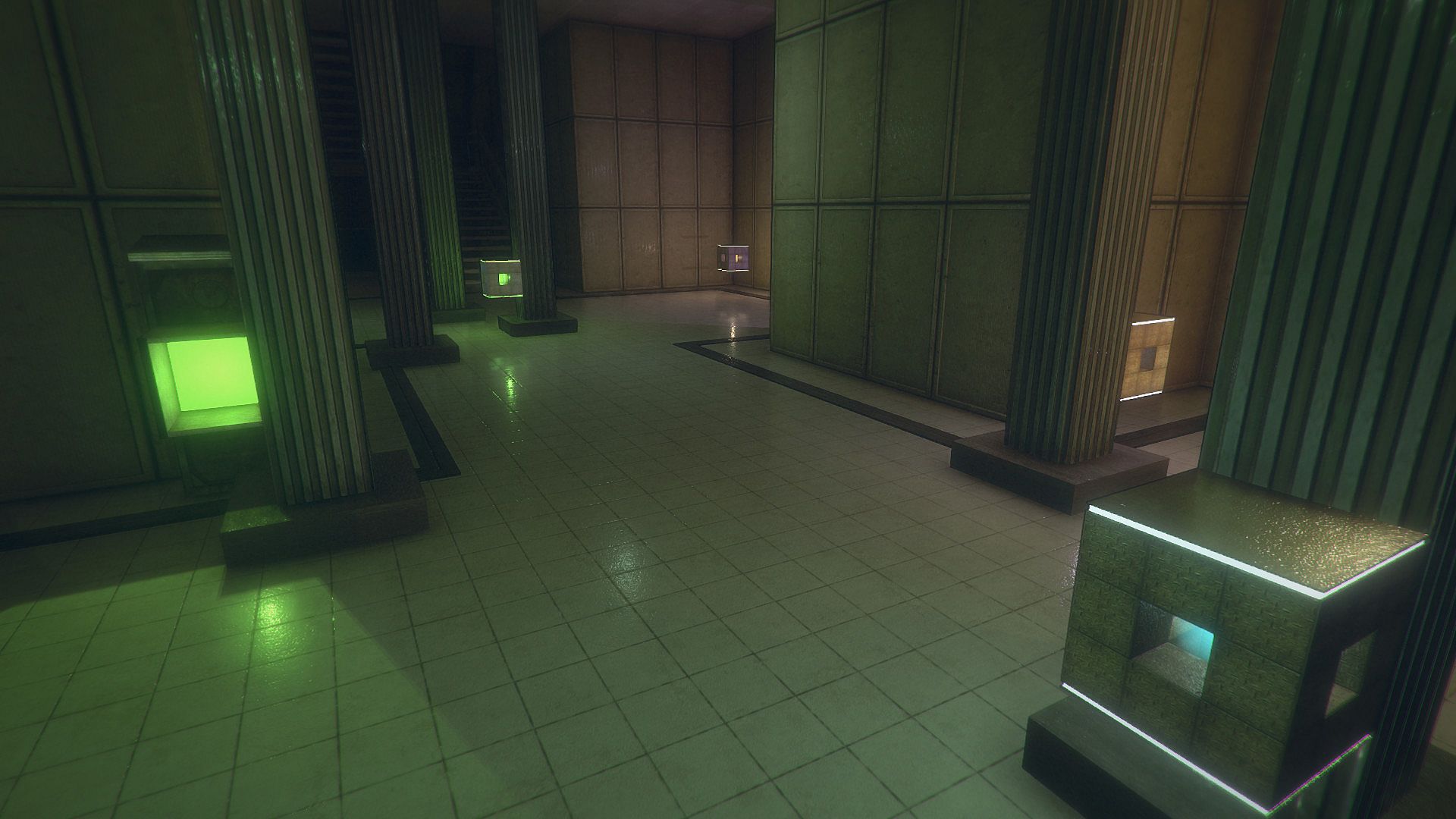
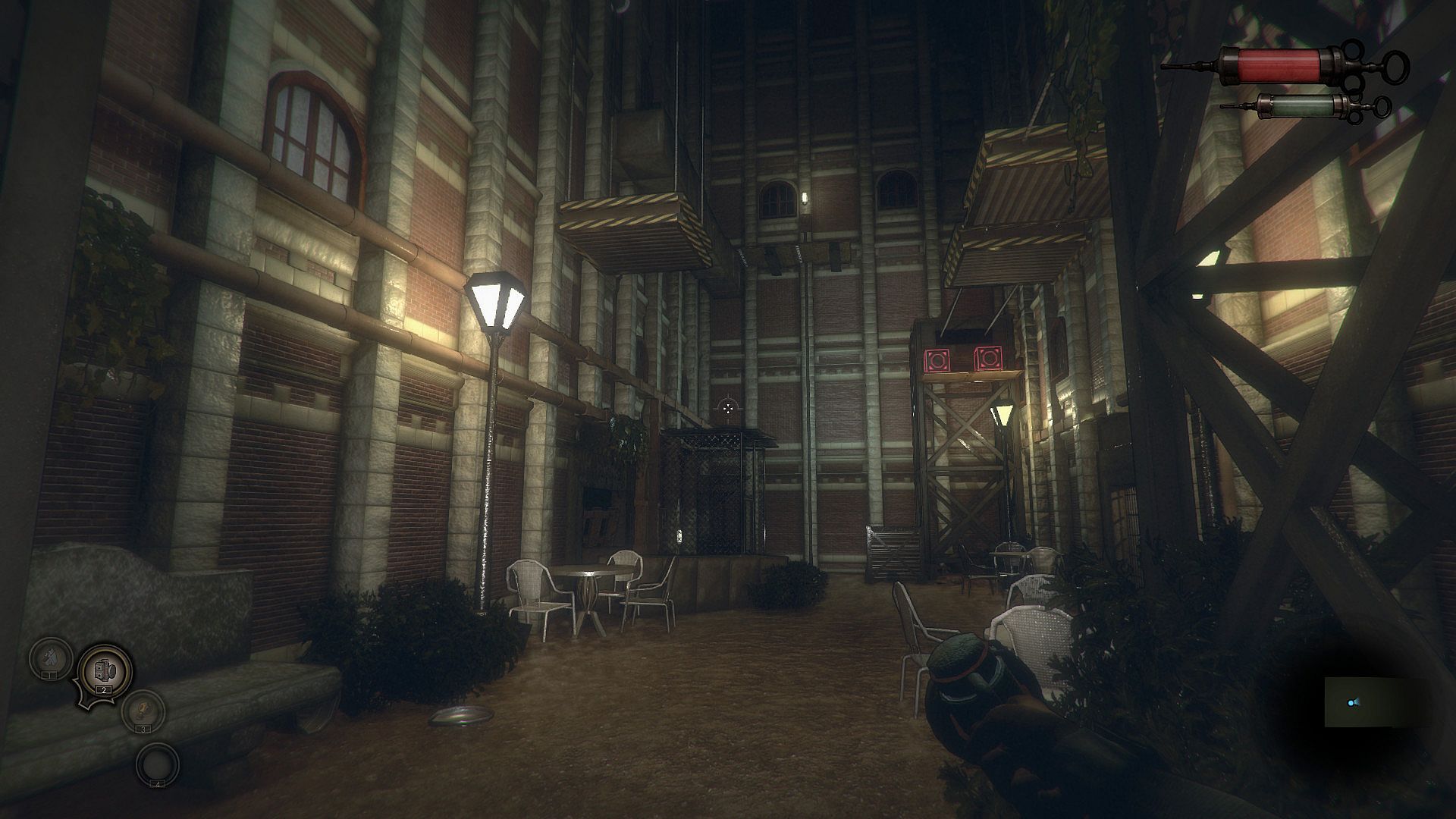
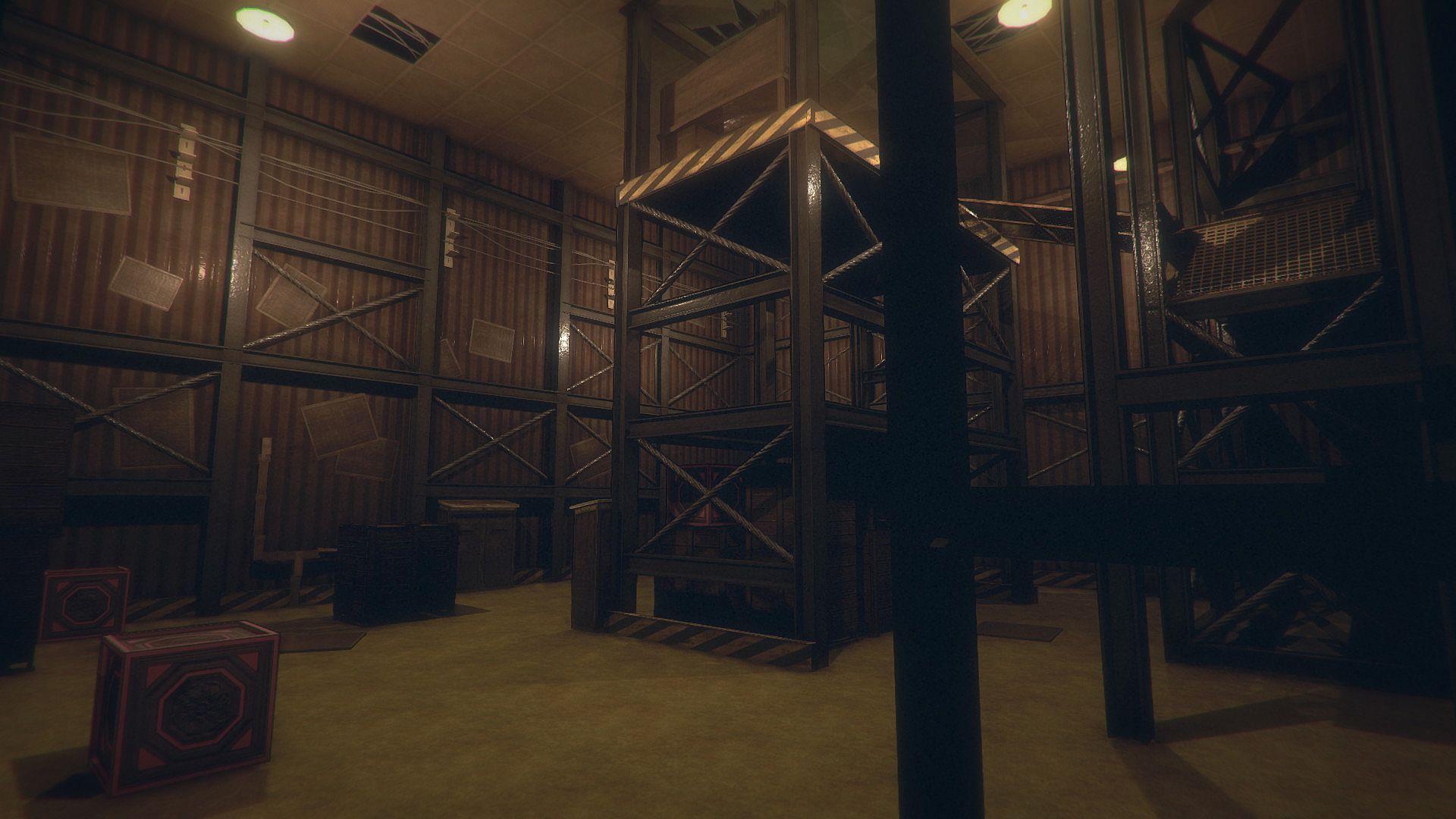
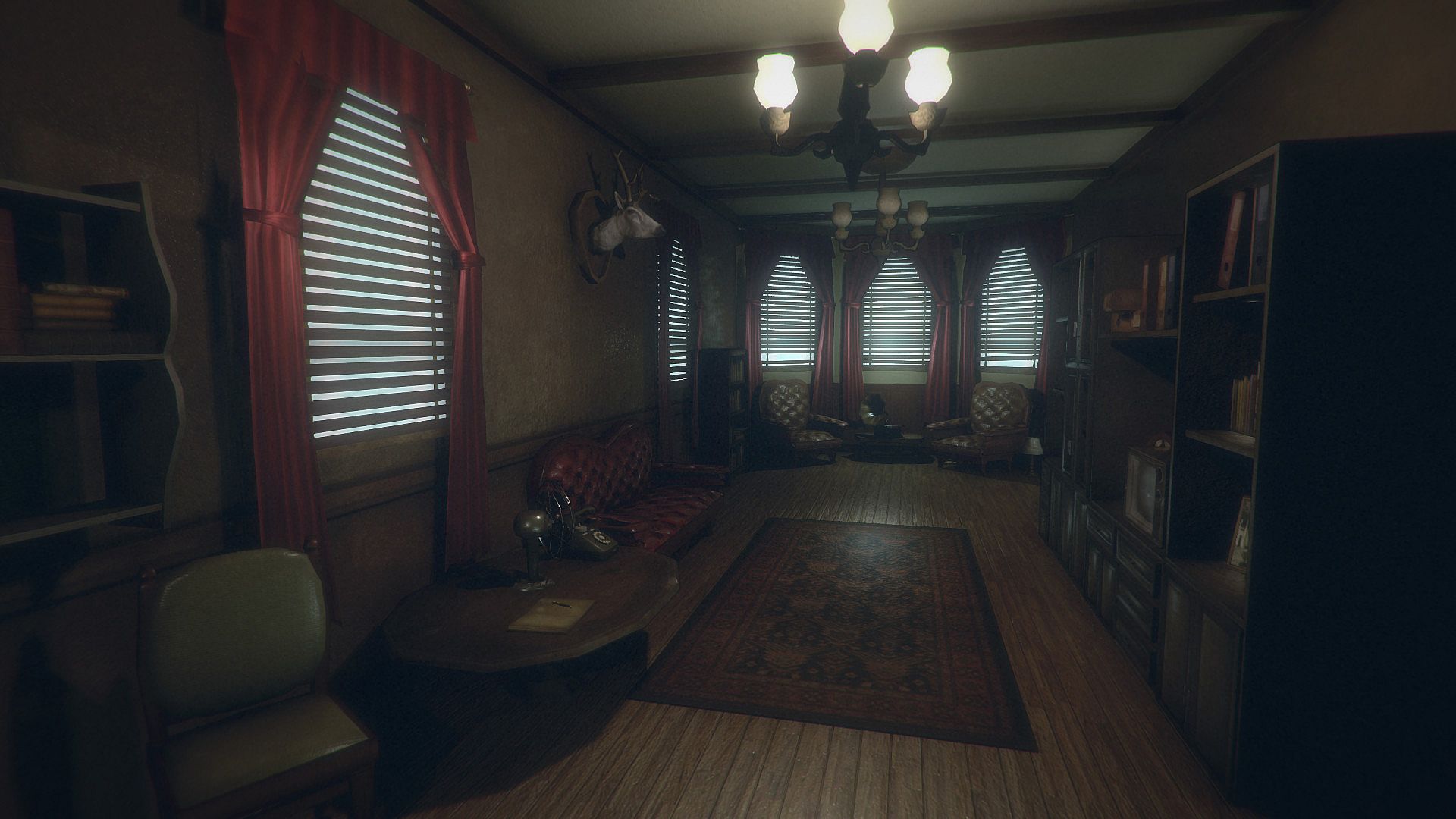
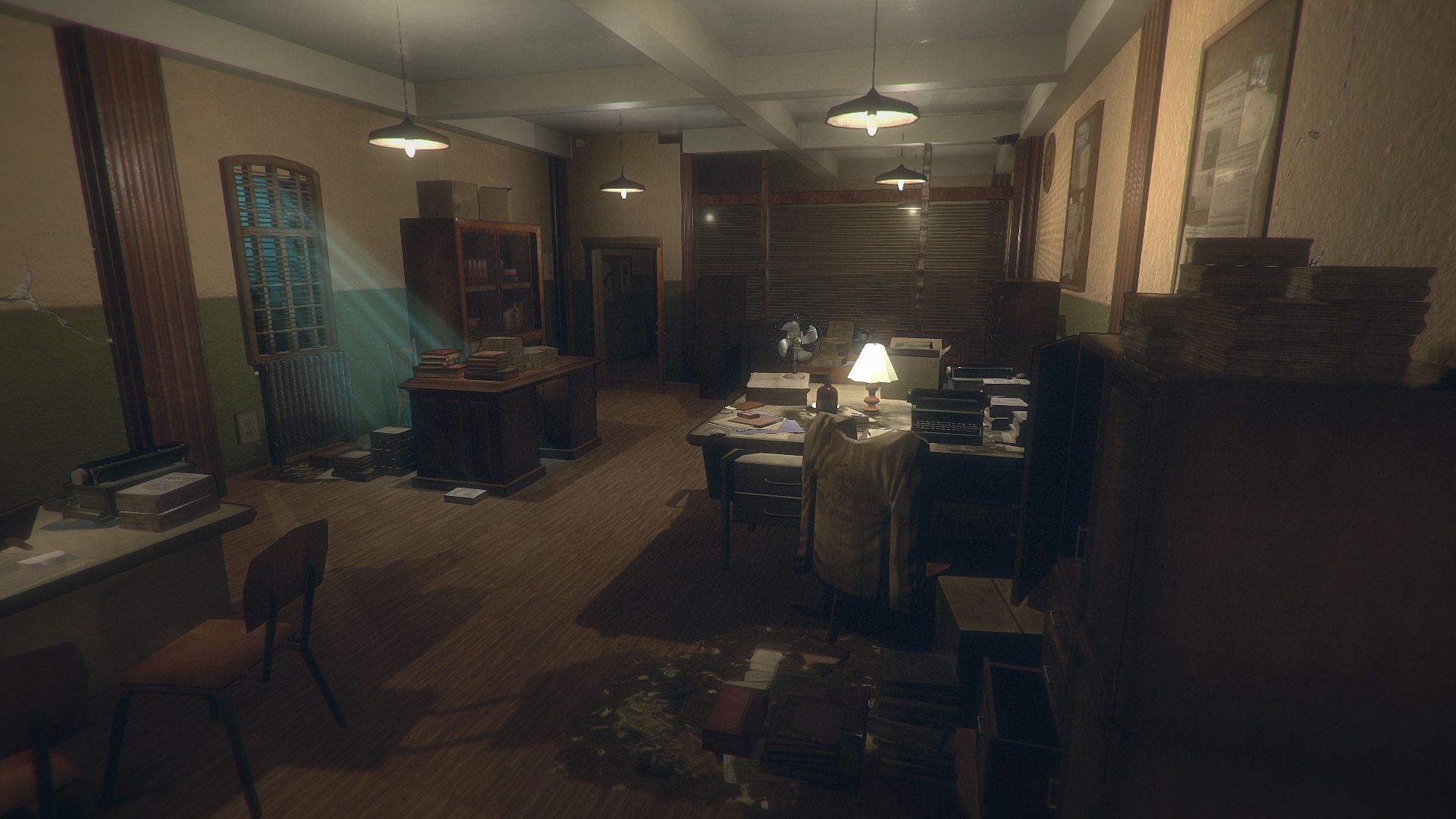
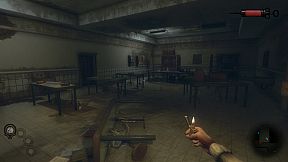
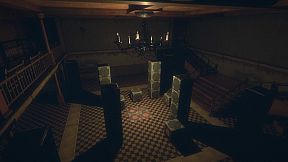
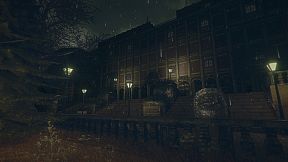
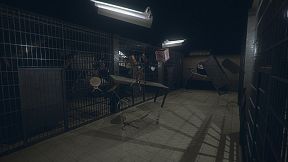
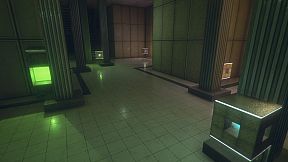
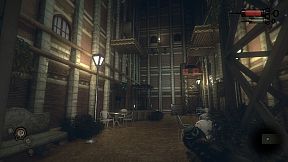
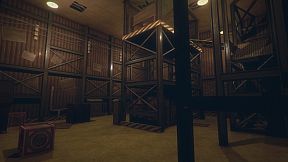
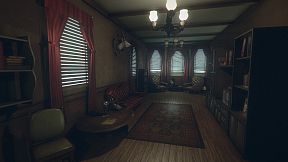
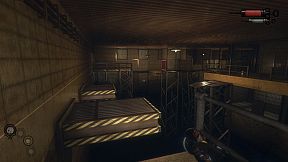
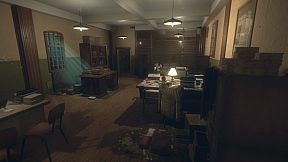
The Crow's Eye is a first-person puzzle adventure game developed as an indie title for PC. Players take on the role of a subject trapped inside the abandoned University of Medicine and Applied Sciences of Crowswood, where they must navigate decaying halls and laboratories to uncover a decades-old mystery tied to unethical experiments.
Gameplay
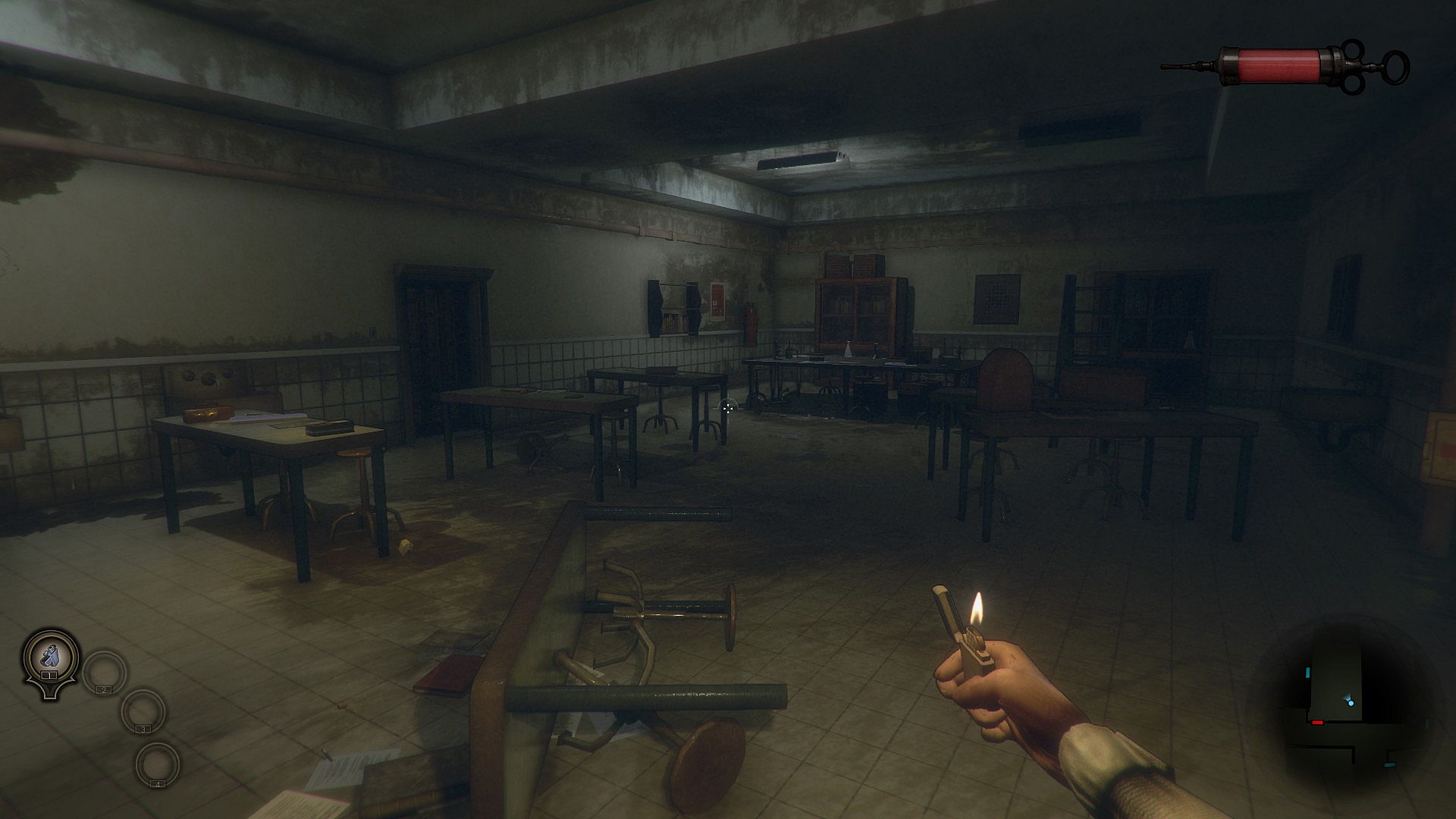
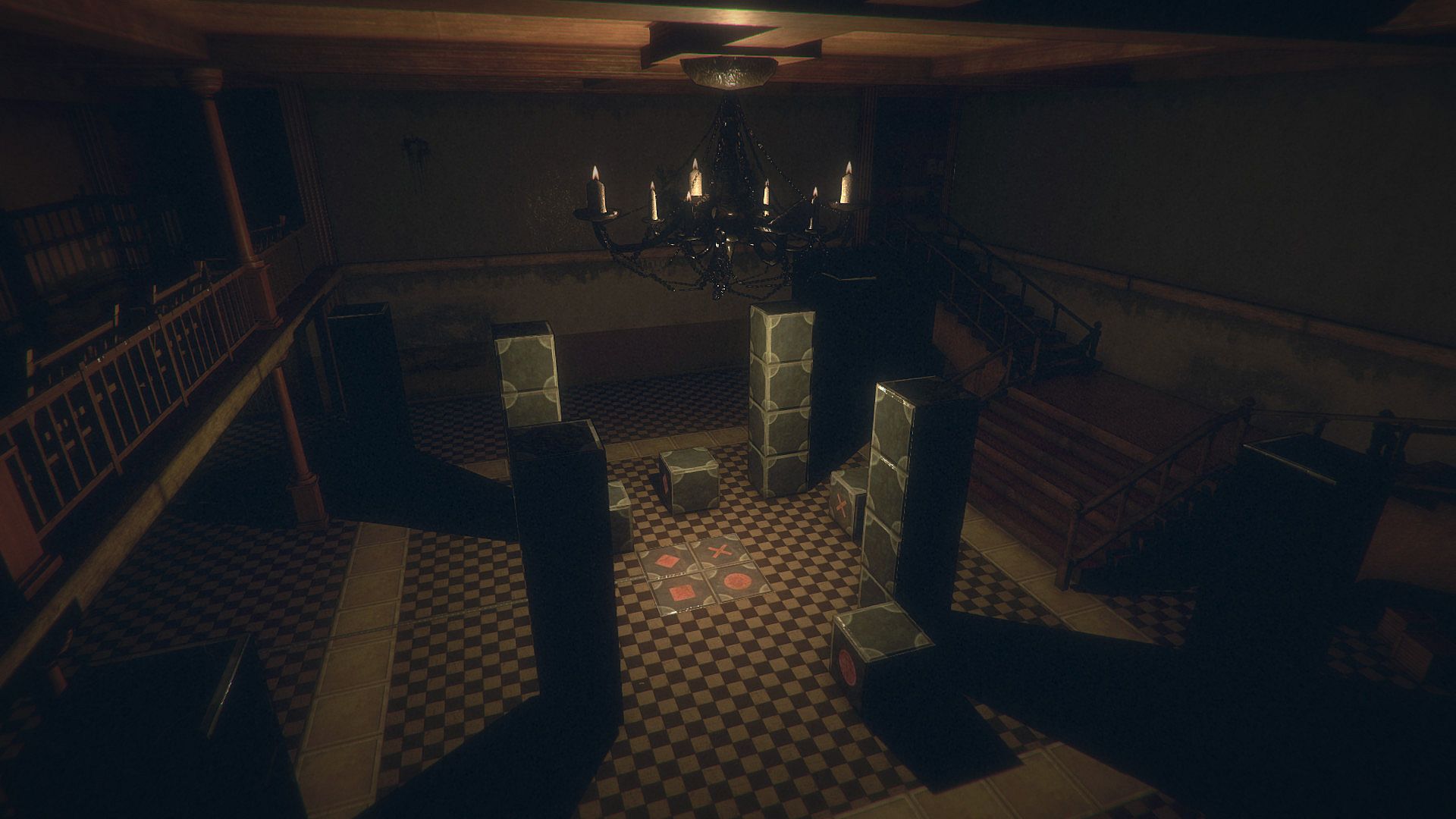
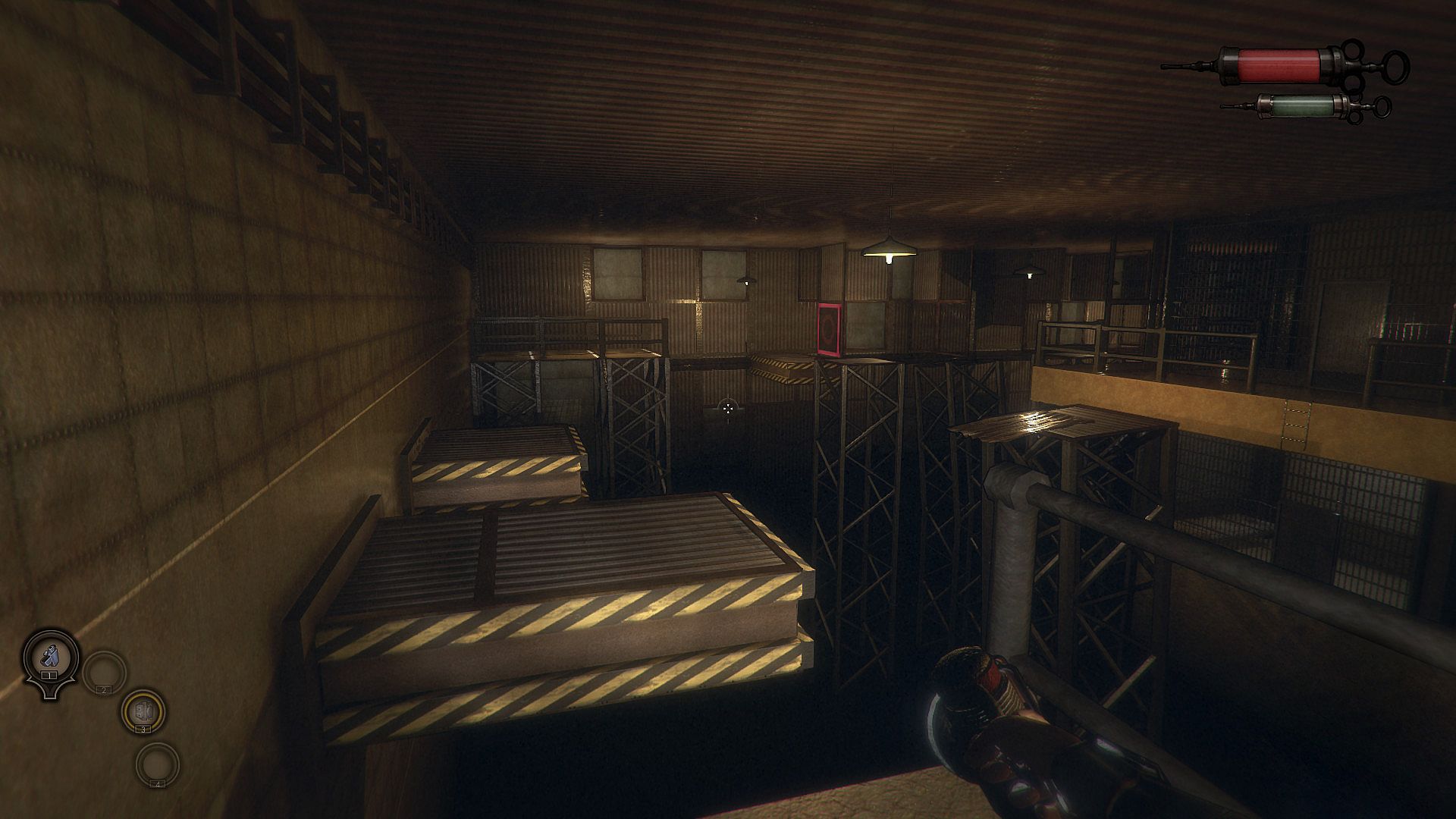
The core loop centers on exploration combined with puzzle solving and light platforming. Movement relies on careful navigation through multi-level environments, often requiring players to climb, jump, and reposition objects to progress. A key tool is an electromagnet that allows pulling or repelling metallic items across distances, which integrates directly into many environmental challenges. Players also gather materials scattered throughout the campus to craft basic survival items such as bandages. These become necessary when dealing with hostile creatures that appear during the journey. Audio recordings and handwritten notes left behind provide context and clues, encouraging thorough searching of every room and corridor. The experience emphasizes logical thinking over combat, with progression gated behind increasingly complex spatial and mechanical puzzles.
Game Modes
The game operates entirely in a single-player format with no multiplayer components or separate modes. All content unfolds through one continuous campaign that blends narrative discovery with puzzle sequences. There are no competitive, cooperative, or alternative play styles available. Achievements track specific actions such as interacting with certain objects or locating hidden areas, but these remain optional within the main single-player structure.
The Setting and Narrative
Everything takes place inside the fictional Crowswood university, presented as a once-prestigious institution now left in ruin. The environment mixes medical labs, lecture halls, and research facilities that have fallen into disrepair. Scattered documents and recordings reveal the mindset of those who ran the facility, highlighting themes of unchecked ambition and the dismissal of conventional ethics. The story unfolds gradually through environmental storytelling rather than direct exposition, rewarding players who examine their surroundings closely.
Challenges and Mechanics
Puzzles often combine multiple systems at once, such as using the electromagnet to move platforms into position while avoiding hazards. Platforming sections test timing and spatial awareness, sometimes across gaps or unstable surfaces. Resource management appears in the form of limited crafting supplies that must be located and used efficiently. Encounters with creatures introduce tension without shifting the focus away from puzzle resolution. The overall difficulty scales through environmental complexity rather than artificial barriers, allowing steady progress for those who observe and experiment with available tools.
Is It Worth Playing?
Reception on Steam stands at Mostly Positive based on user reviews. The title suits players who enjoy deliberate puzzle-platformer experiences with an atmospheric mystery at the center. Its short, self-contained campaign delivers focused gameplay without ongoing updates or seasonal content. Those seeking a straightforward single-player adventure centered on exploration and problem solving will find a complete package that matches its description as a depraved first-person puzzle adventure set in an abandoned medical university. The combination of solid core mechanics and thematic consistency makes it a reasonable choice for fans of similar indie titles, provided the emphasis on puzzles aligns with personal preferences.