

















The 1999 Alien Accord is an indie RPG adventure game that blends narrative choice with light simulation elements in a single-player experience set on PC. Players take on the role of Lin Bei, a skilled gamer pulled from a future neural network into the streets and secrets of 1999 Chengdu, where alien forces threaten to reshape history.
Gameplay
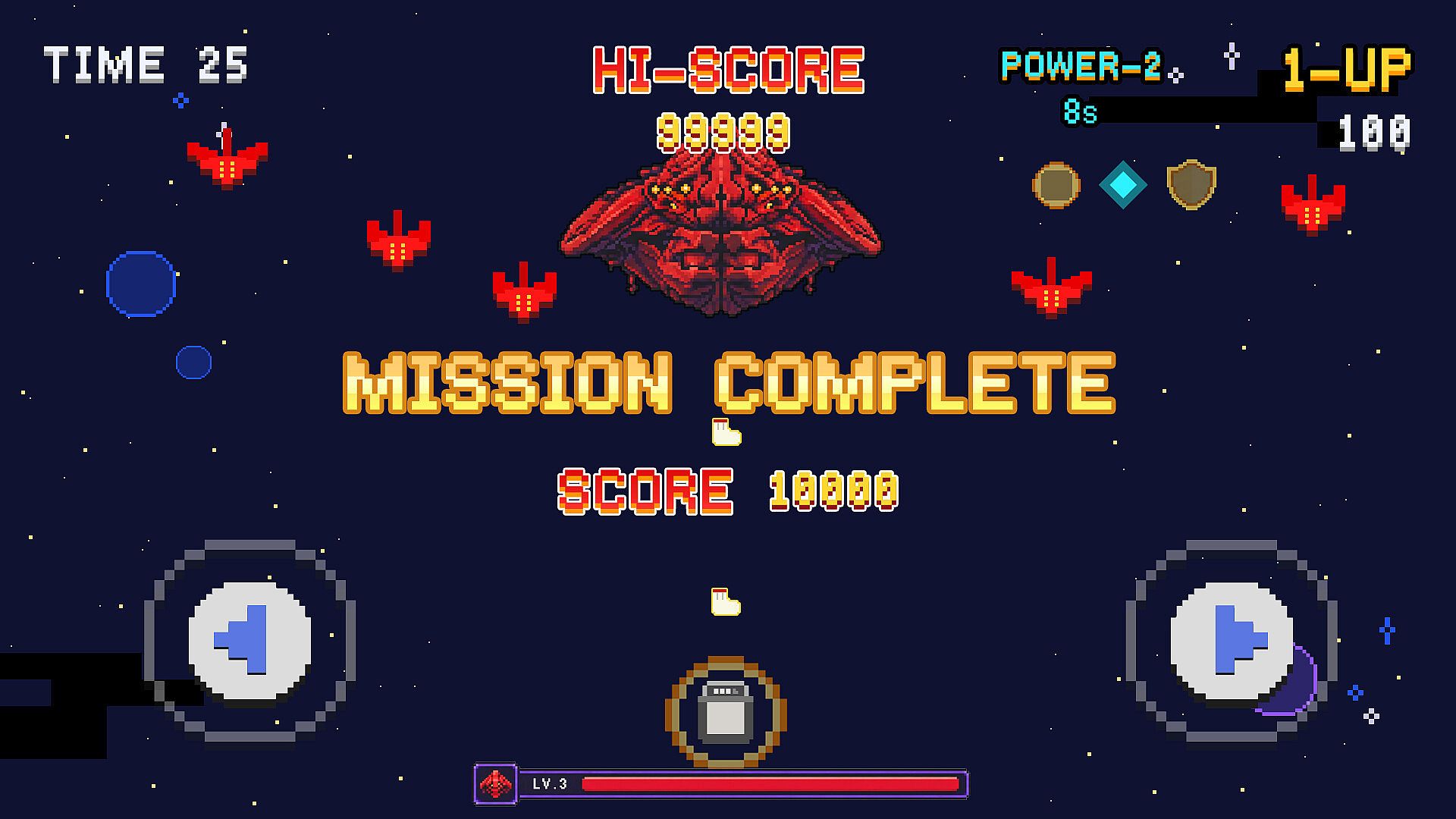
The core loop centers on exploration across varied locations including noodle stands, arcades, research facilities, and ancient ruins. Time travel places the protagonist in an era before their birth, requiring survival through everyday activities and sudden confrontations with forces that blur the line between technology and biology. Choices in dialogue and actions influence relationships and long-term outcomes, while integrated mini-games such as mahjong, fishing, market trading, roller skating, and shooting gallery sequences advance the story or provide resources. A goodwill and reputation system tracks interactions, where small decisions like gift-giving or even the manner of eating a meal can shift alliances and available paths.
Action sequences add tension, such as coordinating helicopter maneuvers to intercept a speeding train or navigating rooftops amid pursuit. These moments test timing and decision-making under pressure, with outcomes that branch based on prior choices and skills developed through play. The narrative emphasizes personal stakes, where bonds with characters like a resilient noodle stand owner or a secretive researcher determine who offers support or withholds critical information.
Game Modes
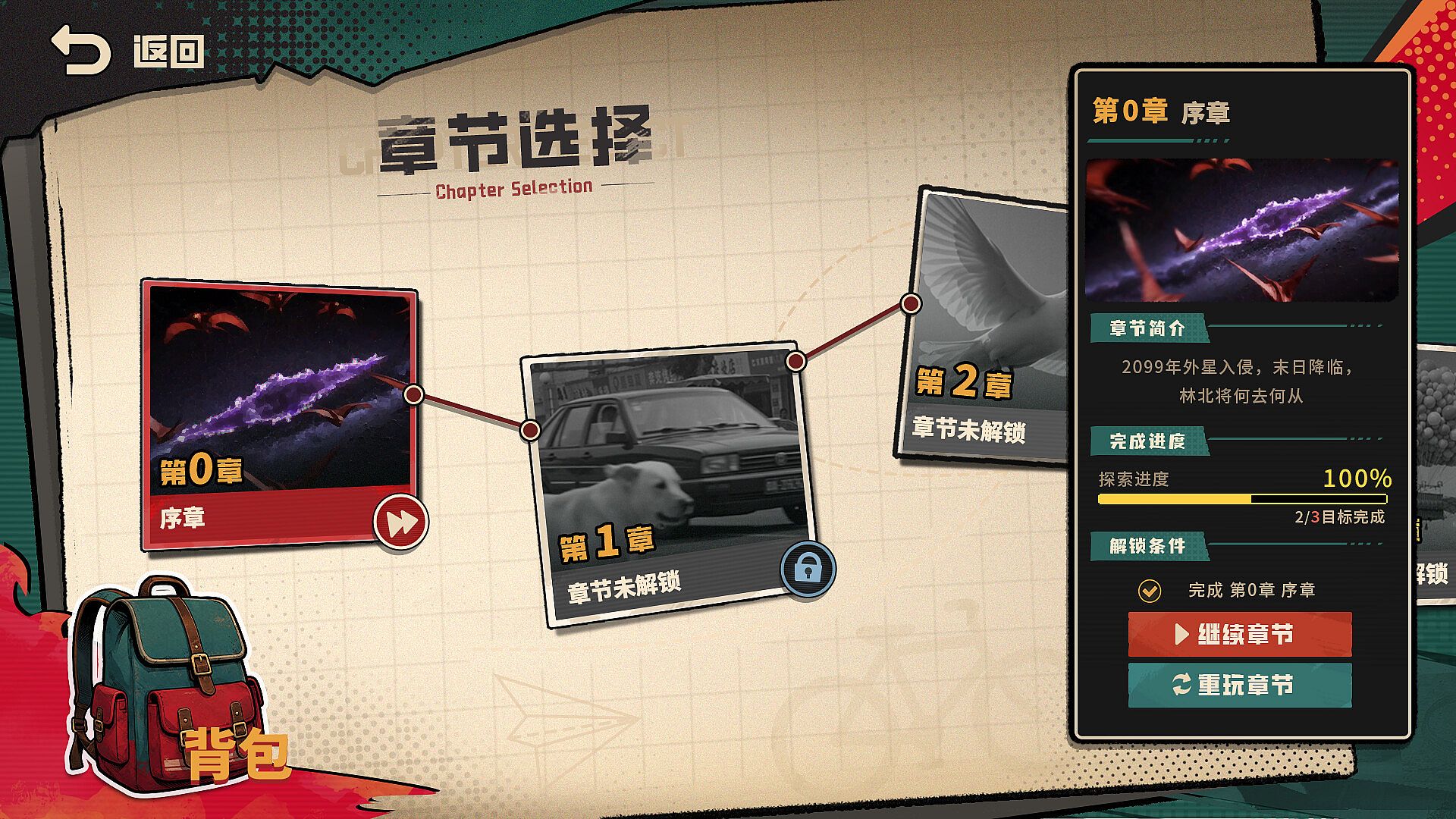
The experience unfolds as a single-player branch narrative driven entirely by player decisions. Multiple paths lead to more than twenty distinct endings, some achieved through accumulated strength or resources and others through the quality of relationships forged or broken along the way. There are no separate competitive or cooperative modes; instead, the structure encourages repeated playthroughs to explore different combinations of choices and their ripple effects on plot, characters, and personal growth.
Progression mixes story advancement with optional mini-game challenges that integrate directly into the timeline. Reputation mechanics operate continuously, rewarding consistent behavior and penalizing inconsistencies in how the protagonist engages with the world and its inhabitants.
Story and Setting
The plot begins in 2099 before shifting abruptly to 1999, where the air carries scents of industry and street food. An ancient presence stirs at the mountain's base while modern conspiracies unfold in hidden labs. The protagonist must navigate this unfamiliar past, uncovering truths absent from history books while racing against time to prevent catastrophe. Absurd elements surface alongside serious threats, including global figures abandoning their usual pursuits to converge on China for reasons tied to the unfolding crisis.
Family and romantic bonds form the emotional core. Characters respond dynamically to the player's actions, creating layers of trust, loyalty, and memory that persist across branches. The romance and interpersonal connections serve as central motivators rather than side features, influencing survival and the ability to rewrite future events.
Is It Worth Playing?
This title suits players who enjoy choice-driven RPG adventures with integrated mini-games and relationship mechanics. The emphasis on meaningful branches and multiple endings rewards those willing to experiment with different approaches to dialogue and actions. Its mix of everyday 1999 settings with escalating sci-fi elements provides a distinctive atmosphere for fans of narrative-focused indie experiences. Availability on PC makes it accessible for those seeking a story that evolves based on personal decisions rather than linear progression.