




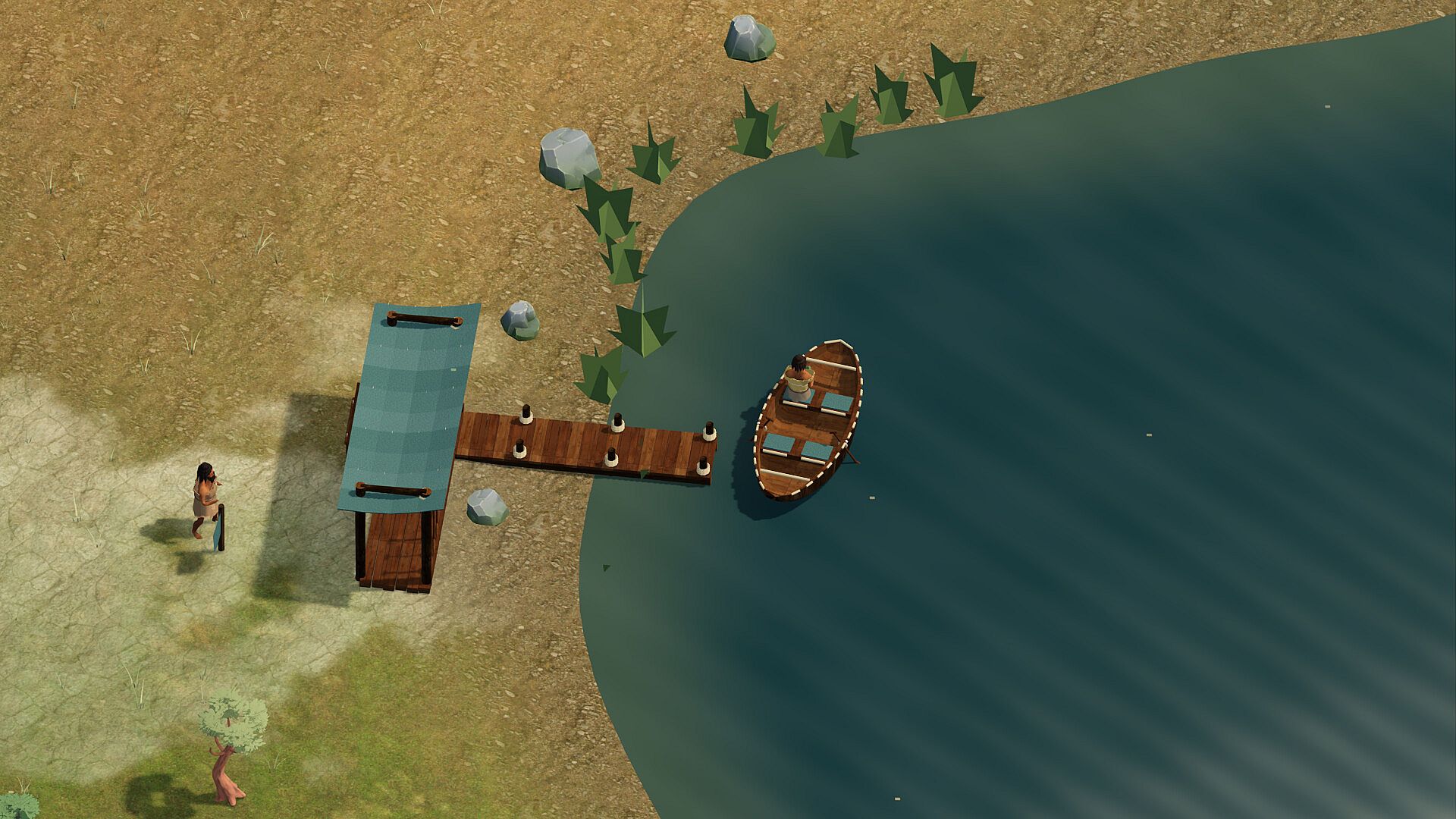
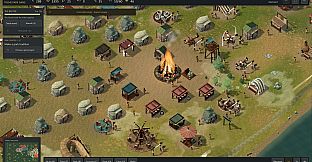
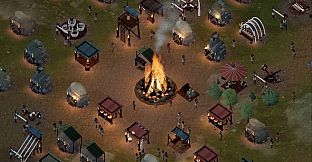
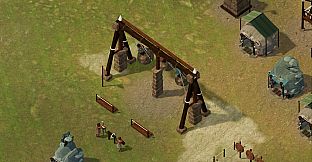
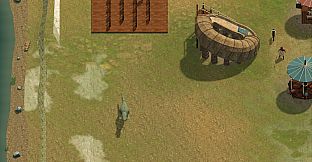
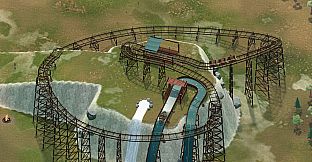
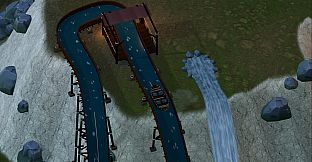
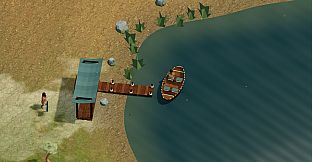
That Caveman Theme Park Game is a single-player strategy and simulation title in which players manage a prehistoric settlement centered around a large central fire while developing a functional theme park. The core challenge involves balancing the needs of a growing tribe, the expectations of paying visitors, and the steady supply of wood required for both construction and fuel. Everything in the game revolves around resource interdependence, with wood serving as the foundation for rides, housing, and the fires that keep the entire operation alive.
Gameplay
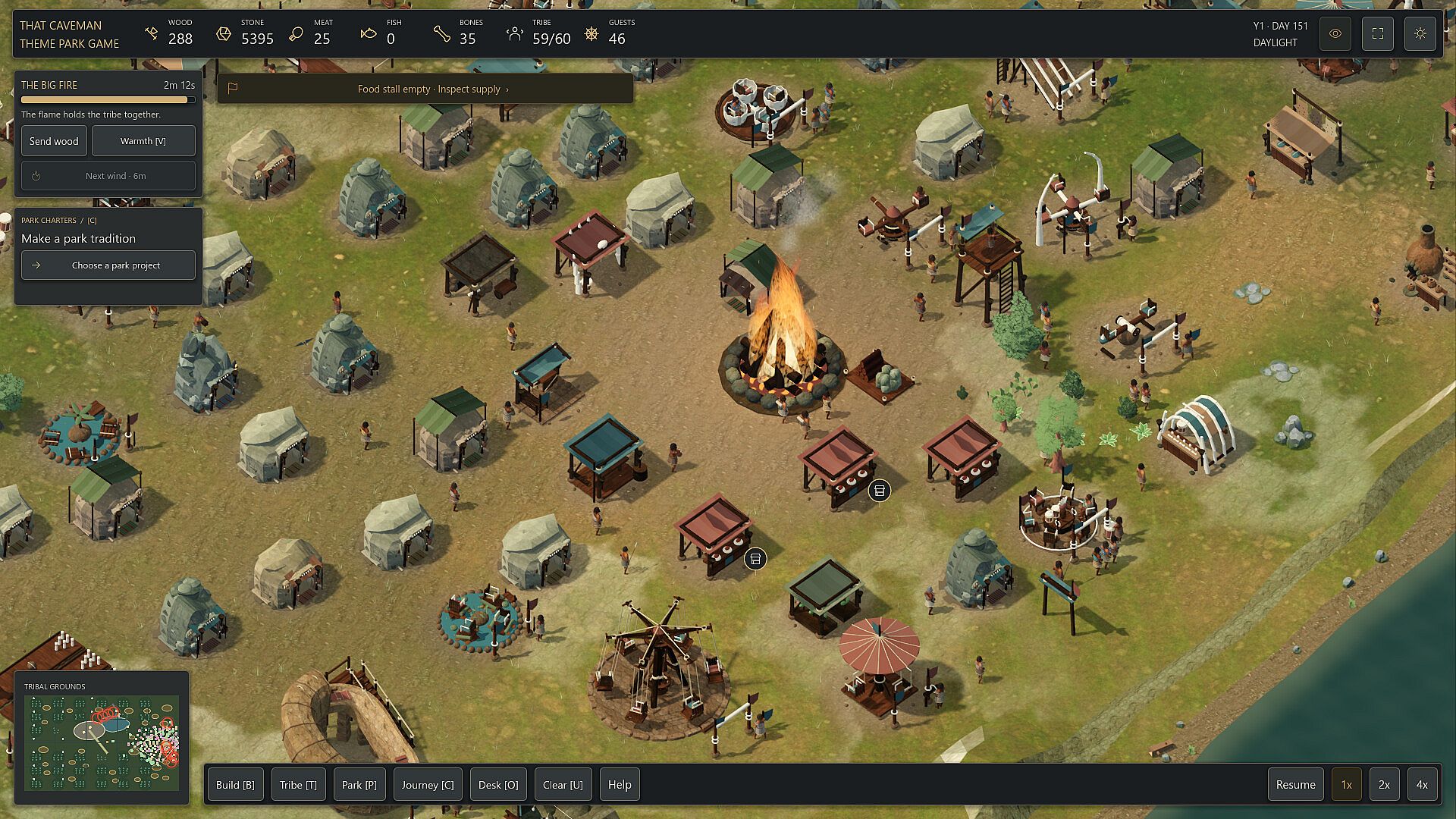
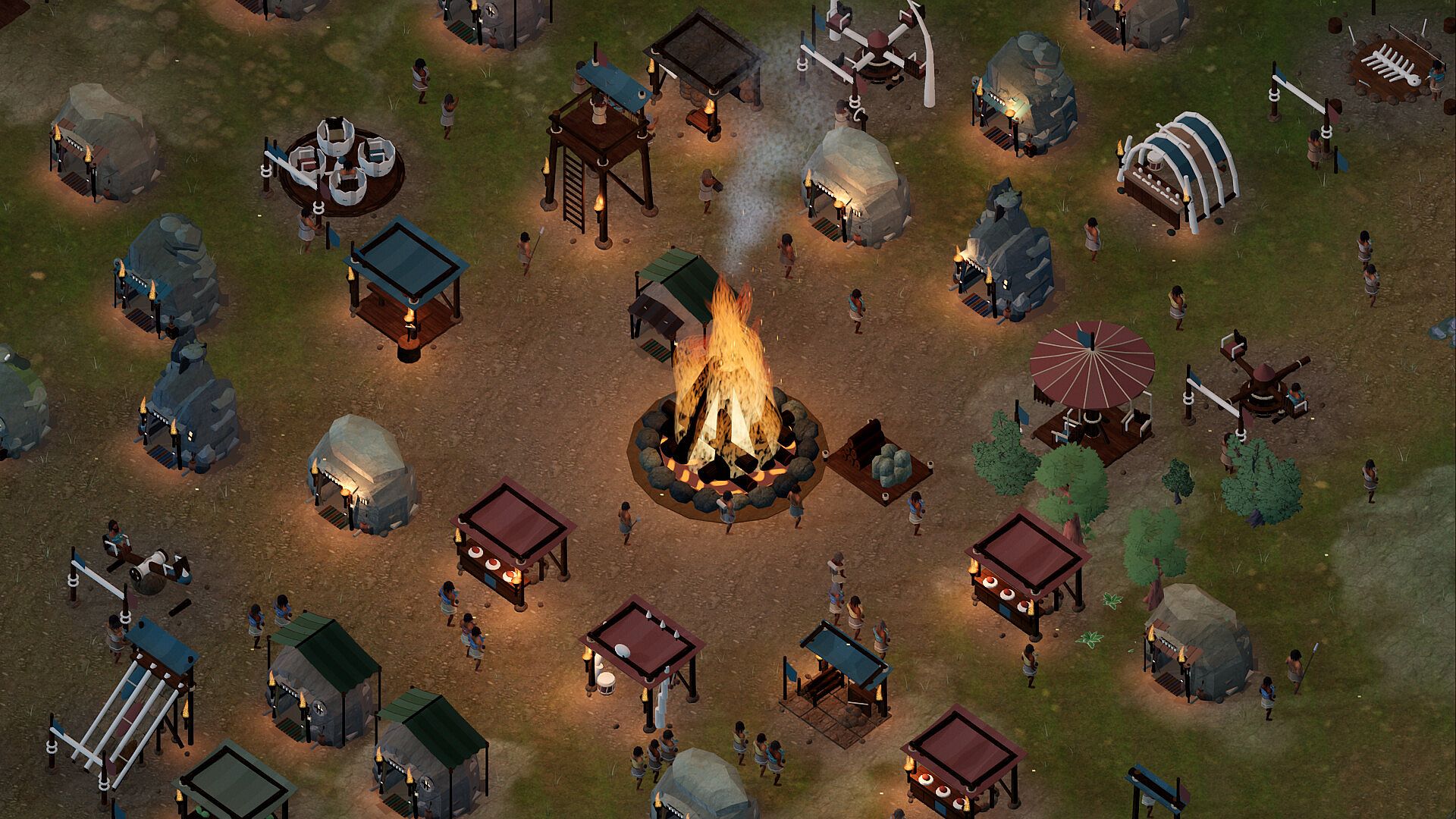
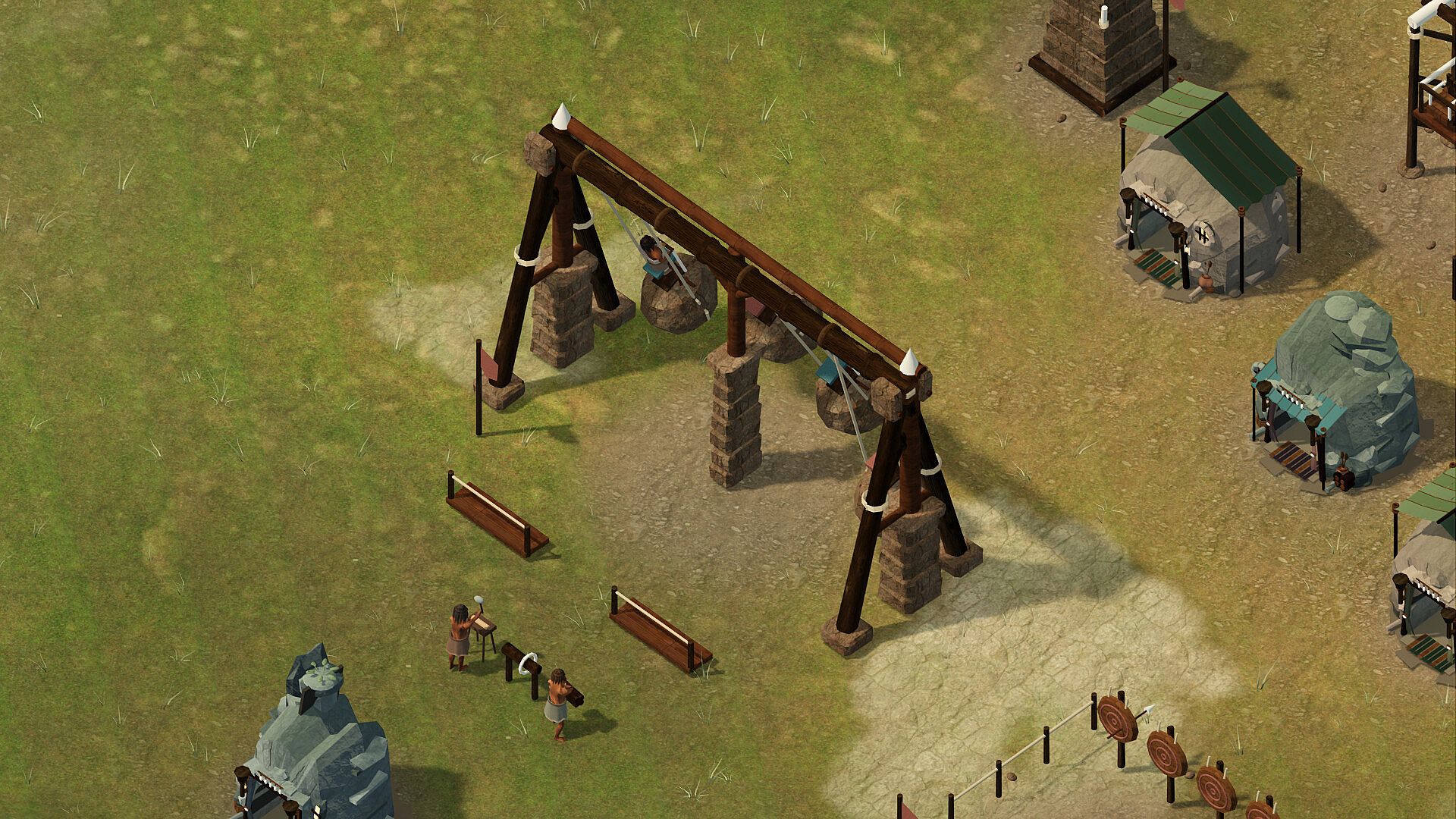
Players begin with a basic settlement around The Big Fire and gradually expand outward by placing buildings that must stay within the warmth radius of active fires. Small Fires extend this reach into new districts, but they require constant fuel to prevent closures. Workers gather resources, construct attractions, and maintain operations, while visitors arrive with specific preferences and limited stone currency that converts into further building materials.
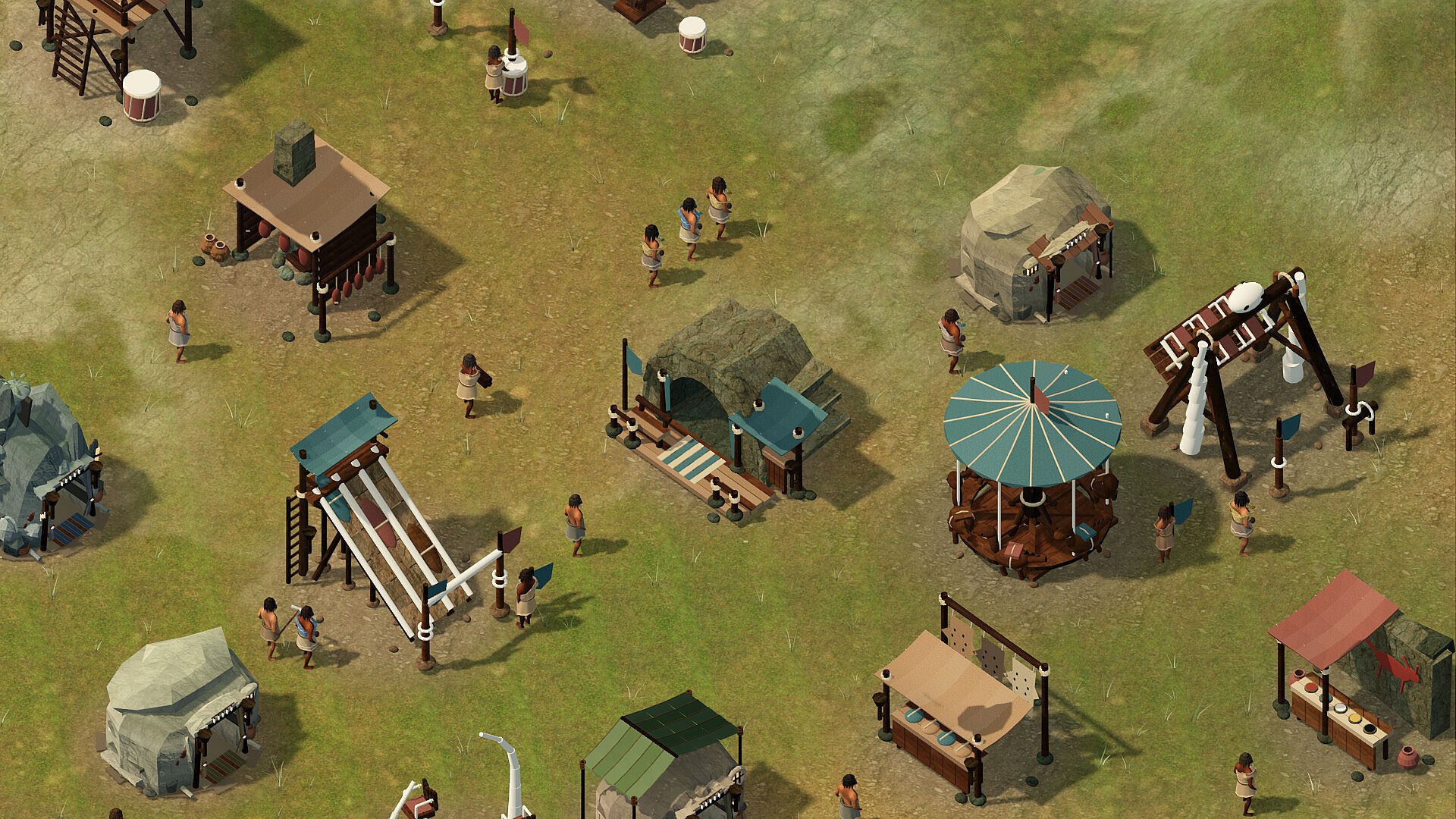
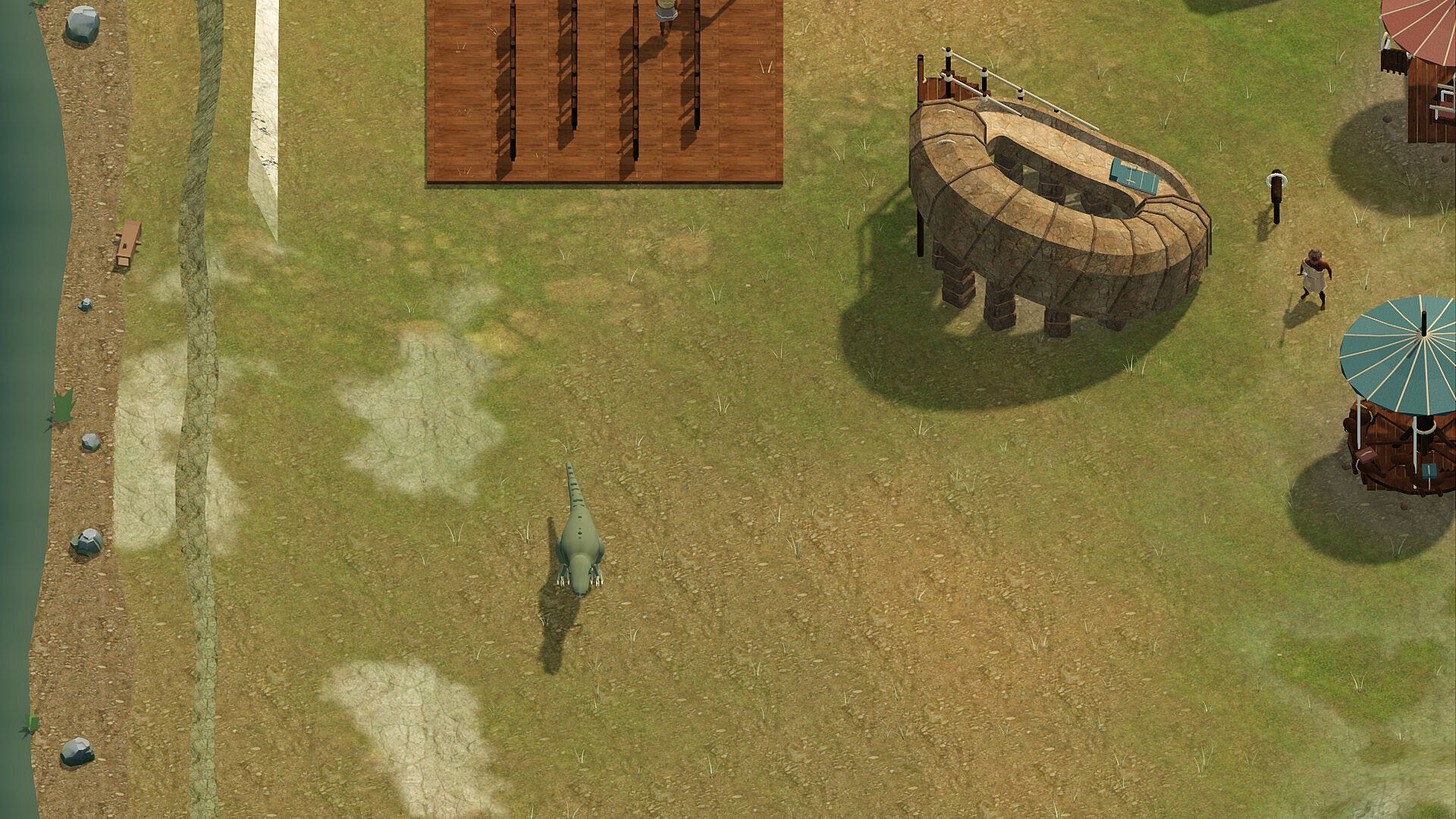
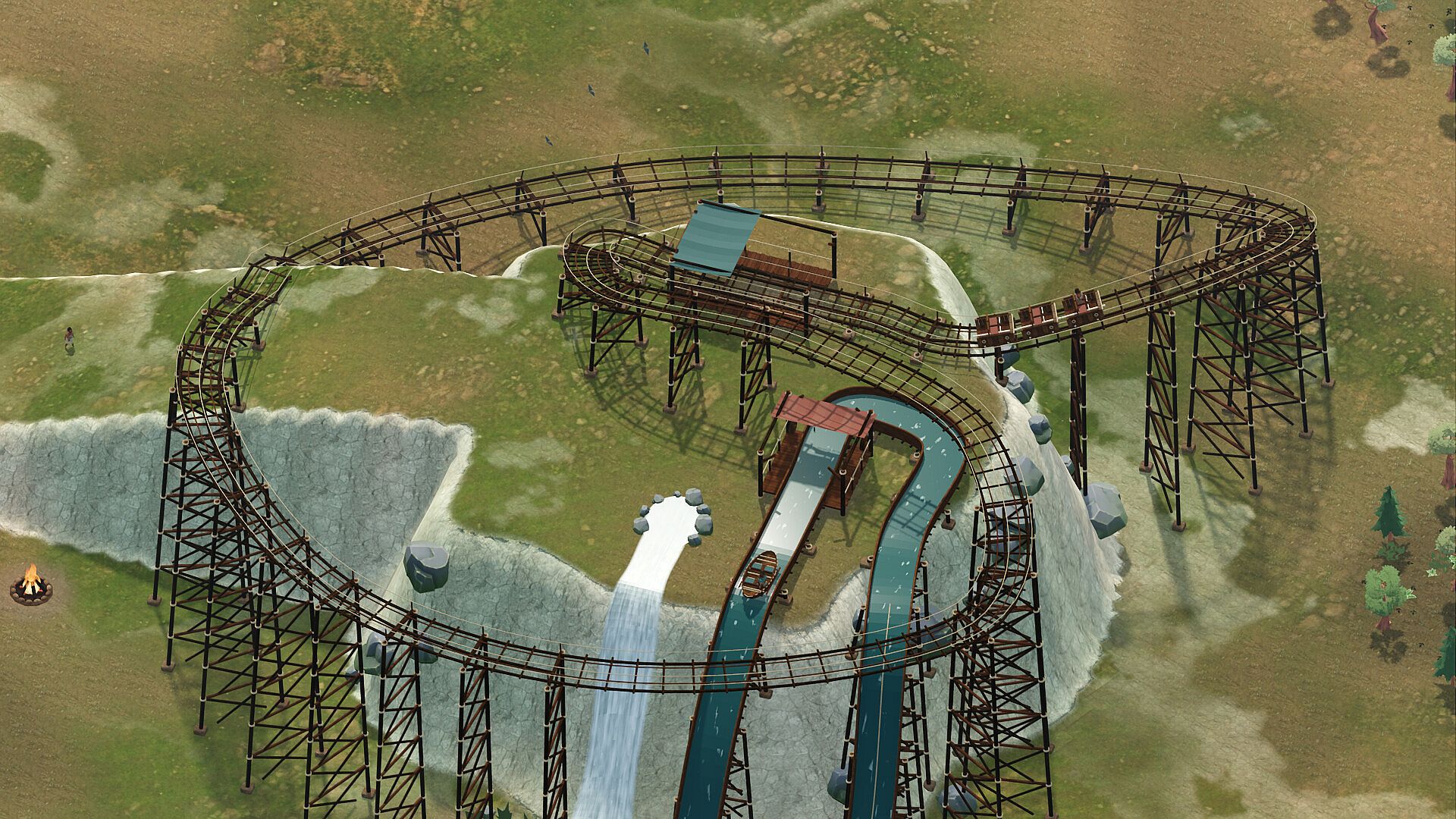
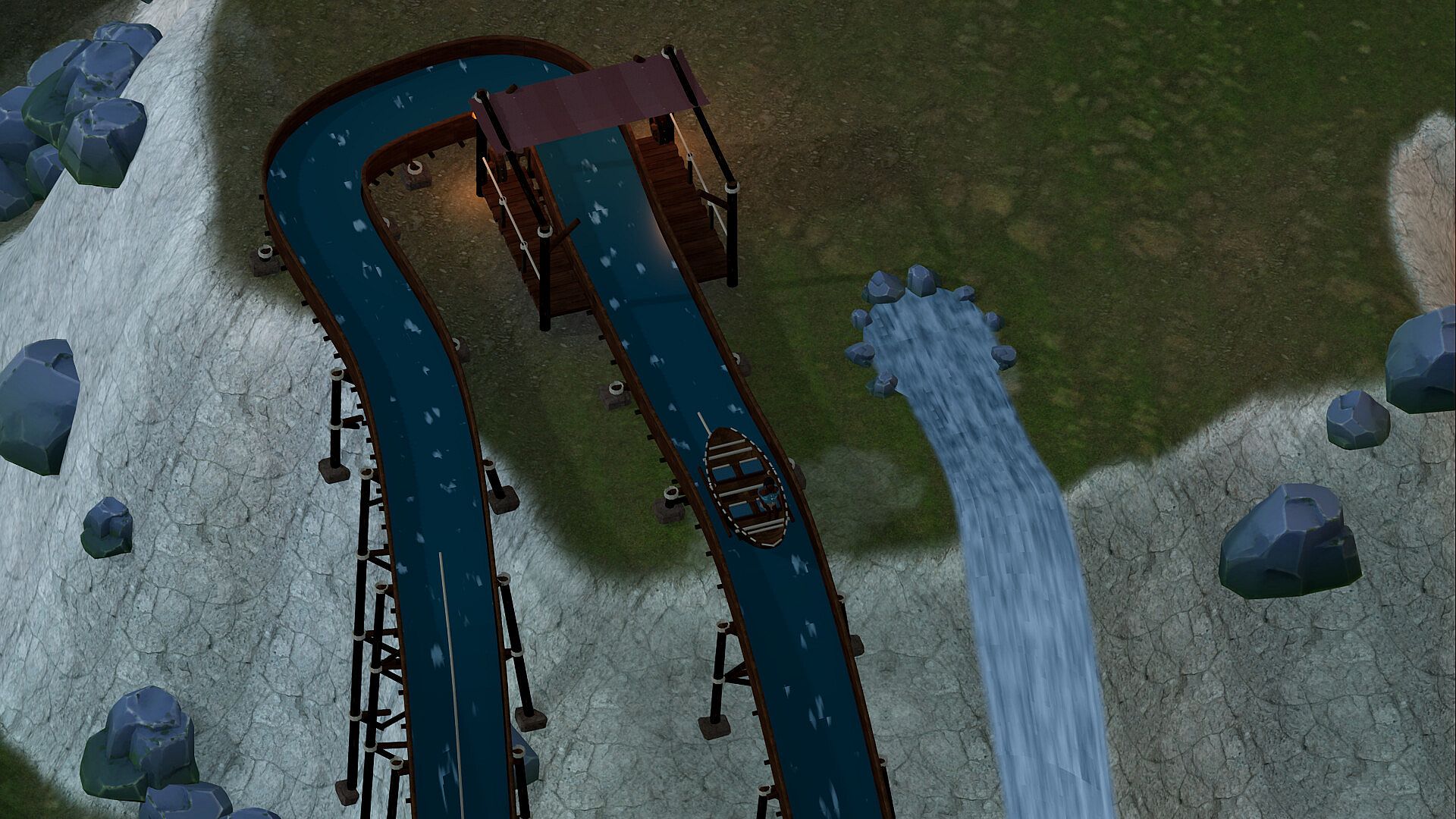
Direct control over individual workers or groups allows precise task assignment, specialist training, and efficient placement of resource deposit points. Landscape shaping and building demolition support ongoing redesigns as the park evolves from simple timber rides and cave hotels into more complex stone-age inventions. The wildlife adds ongoing pressure, as dinosaurs can disrupt guests, damage structures, or harm unprotected tribe members, requiring hunters and defensive towers for protection while also yielding meat and bones as useful byproducts.
Electricity emerges later through larger contraptions powered by workers, adding another layer to the management of labor and infrastructure. The loop centers on keeping fires burning, housing and training settlers, planting or harvesting trees sustainably, and turning visitor spending into sustainable growth without letting any single system collapse.
Game Modes
The experience is built as a single-player management sim with no separate multiplayer or competitive modes confirmed. All progression occurs within one continuous session where players develop their tribe and park simultaneously, making choices about resource allocation, district expansion, and defensive priorities that affect long-term viability.
Resource Management and Expansion
Wood serves dual purposes as both construction material and the primary fuel source, forcing difficult trade-offs between immediate building needs and long-term fire maintenance. Stone from visitors supports additional structures but competes directly with other expansion plans. Planting new trees ahead of demand or ordering early harvests represents key strategic decisions that determine whether the settlement can sustain itself.
Attractions, shops, and food stalls must be priced and staffed appropriately to attract and satisfy visitors with varying tastes. Reputation suffers when dinosaurs claim guests, which in turn affects future income and the ability to recruit or retain workers. The absence of traditional road networks means all growth radiates from fire positions, encouraging careful planning of district layouts and fire placement.
Is It Worth Playing?
Players who enjoy detailed resource management sims with interconnected systems will find a focused loop here that rewards careful planning and adaptive decision-making. The single-player format emphasizes steady progression through settlement and park development without external competition or time-limited events. Those interested in prehistoric themes combined with theme park building mechanics may appreciate the emphasis on fire maintenance, worker direction, and dinosaur defense as core ongoing concerns.
The game suits individuals who prefer thoughtful simulation over fast action or narrative-driven experiences. Its indie scale keeps the scope manageable while still offering depth in balancing tribe survival against commercial success. Availability on PC supports straightforward access for those seeking this style of management gameplay.












