


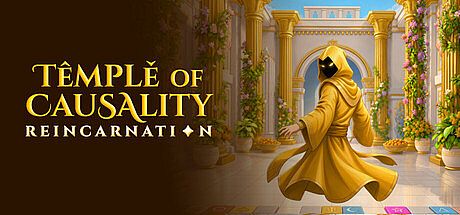


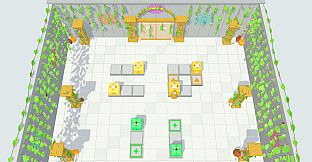
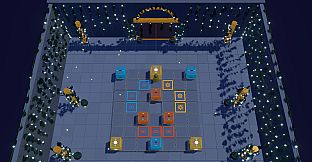
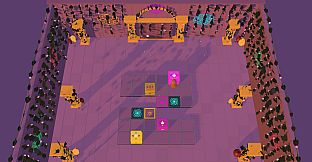
Temple of Causality: Reincarnation is a strategy indie puzzle game built around cause and effect mechanics on PC. Players guide linked blocks across grids in serene temple settings, solving interconnected challenges to progress through a spiritual narrative.
Gameplay
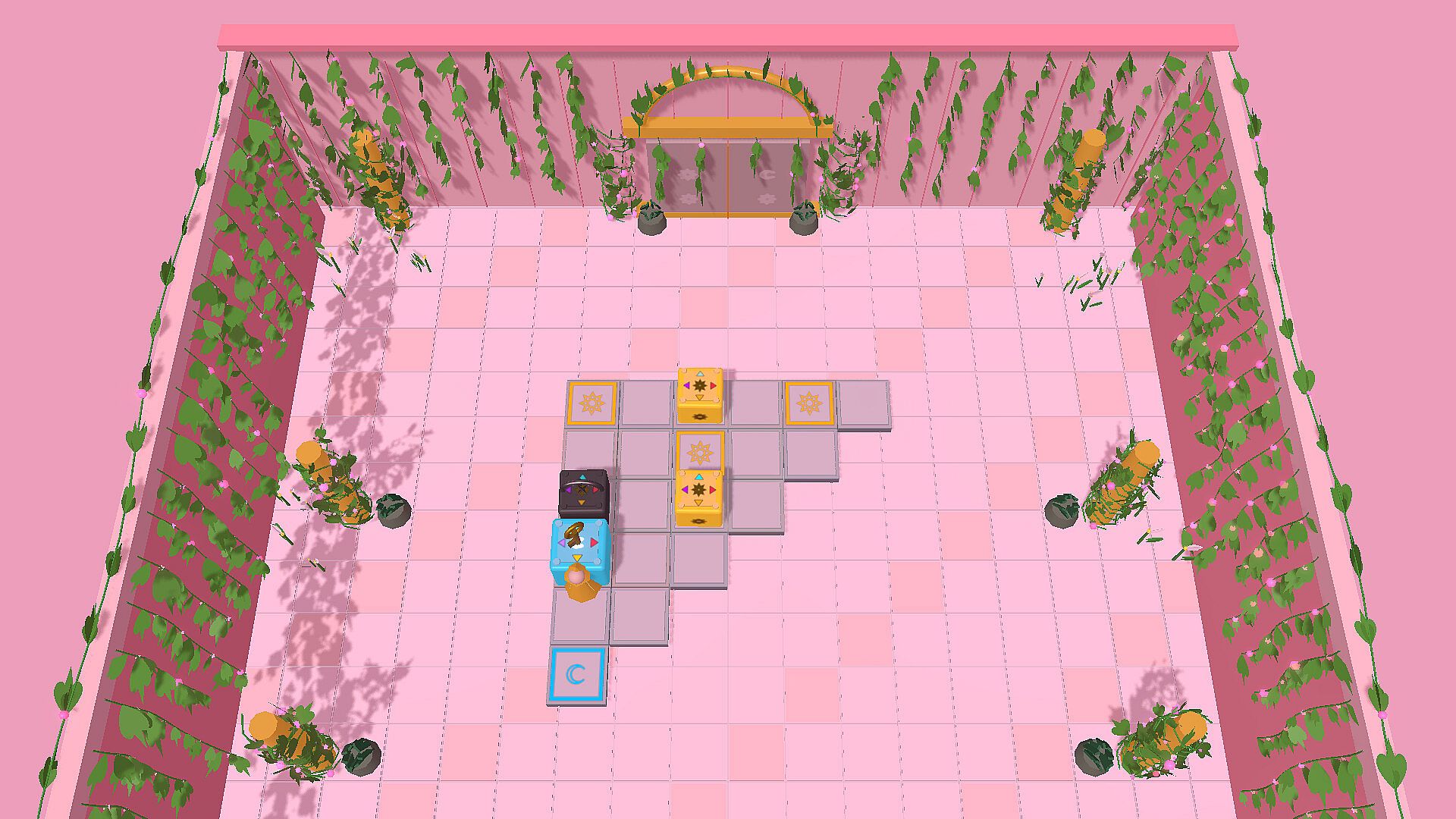
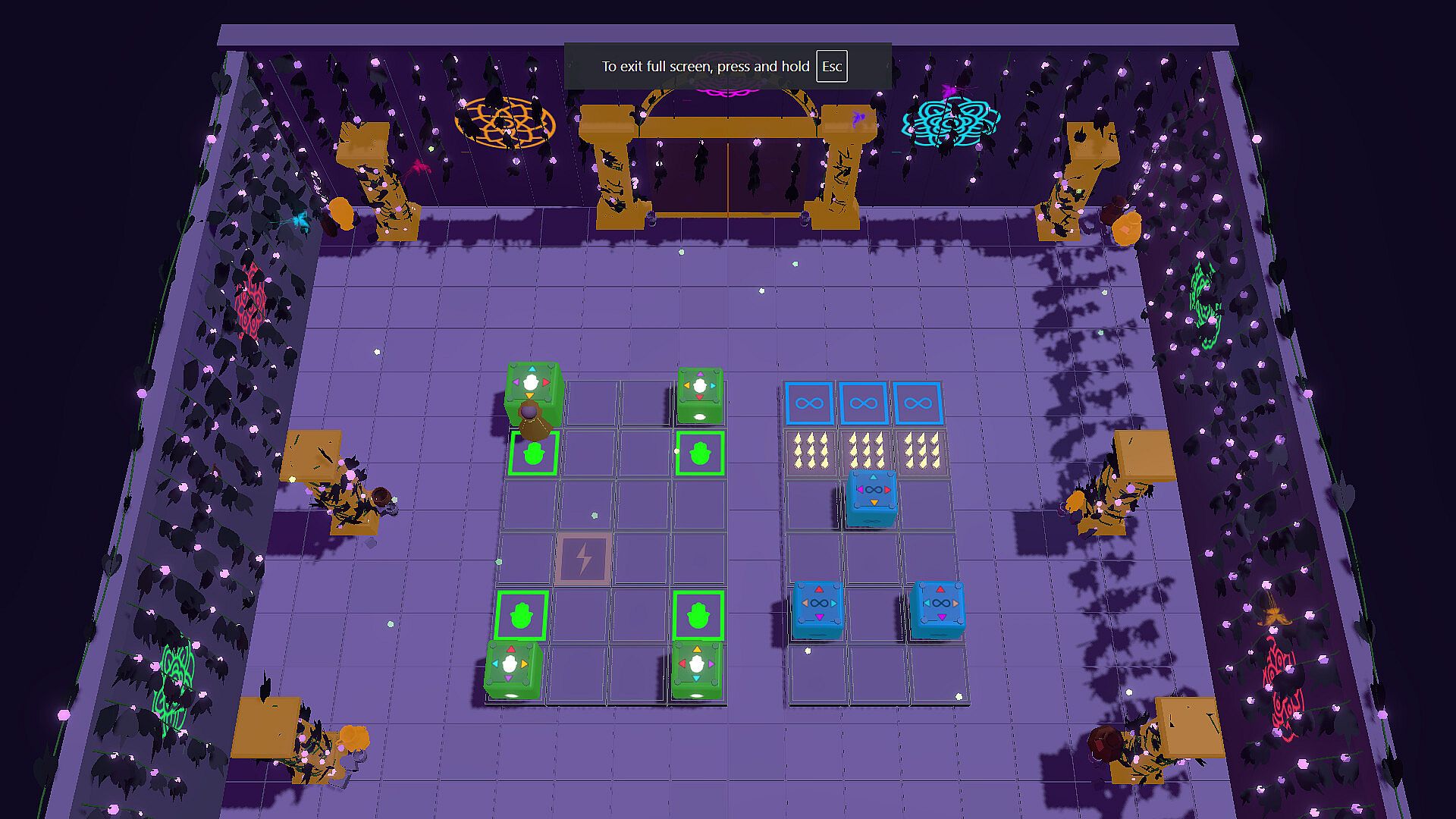
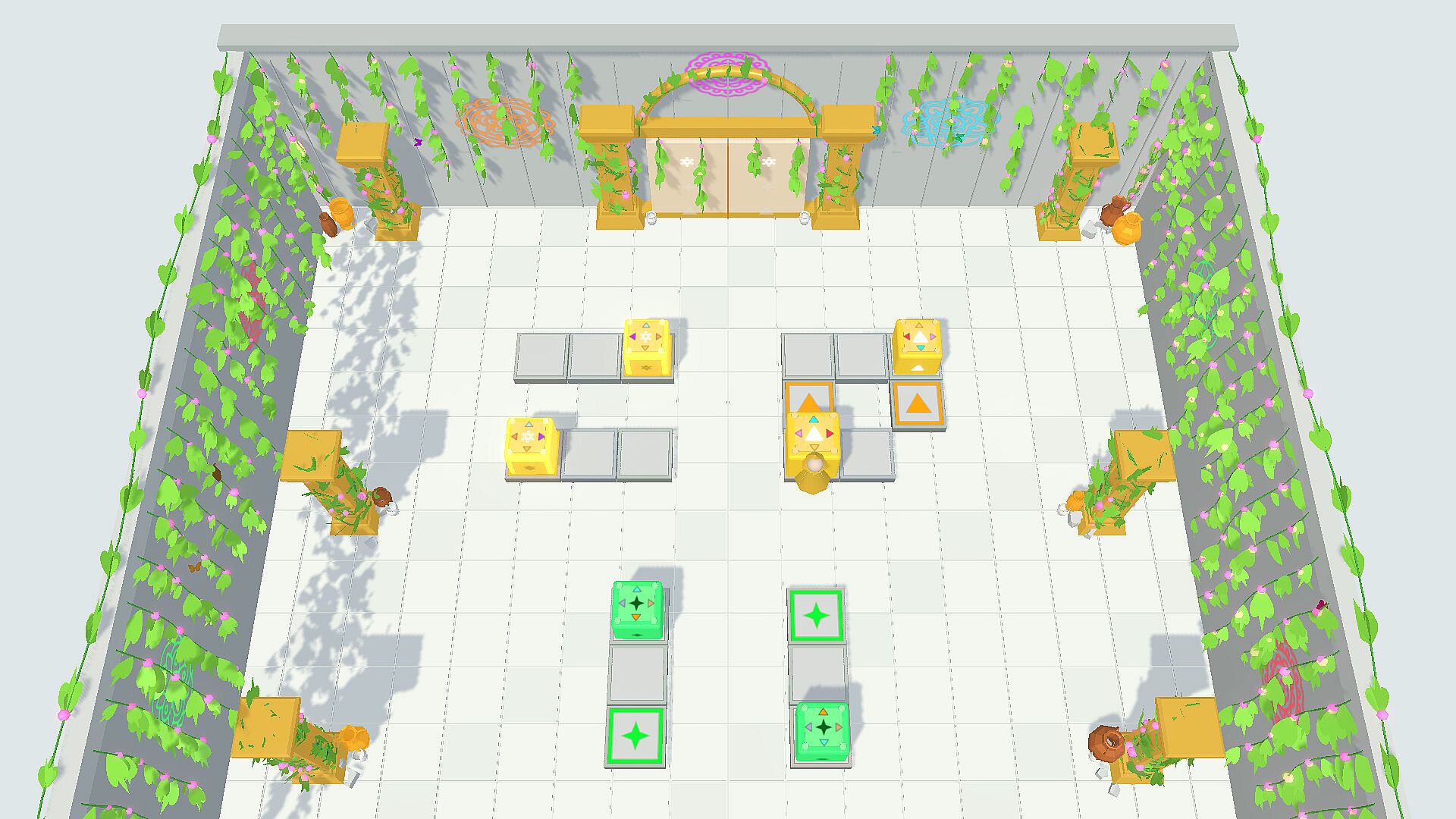
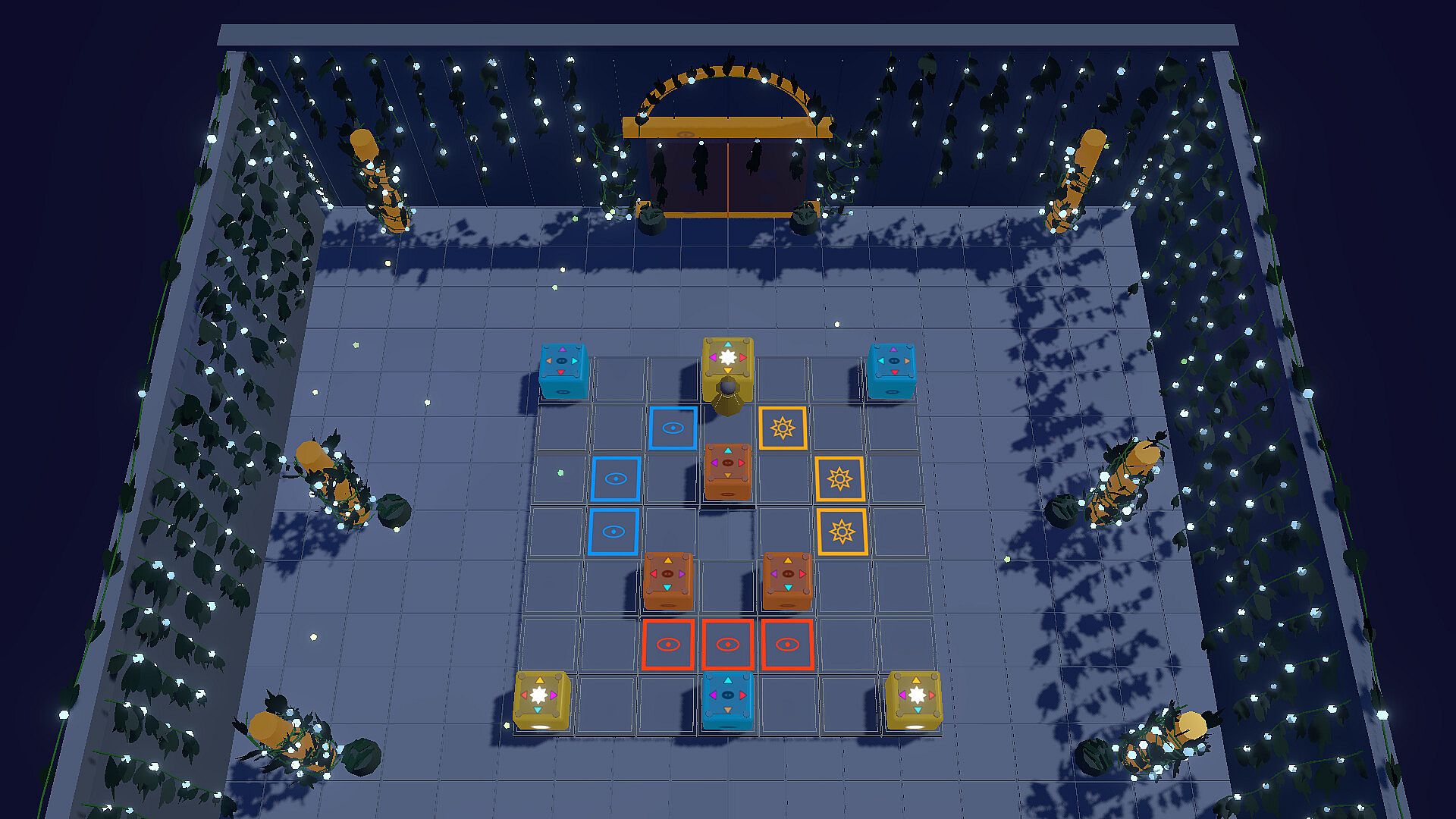
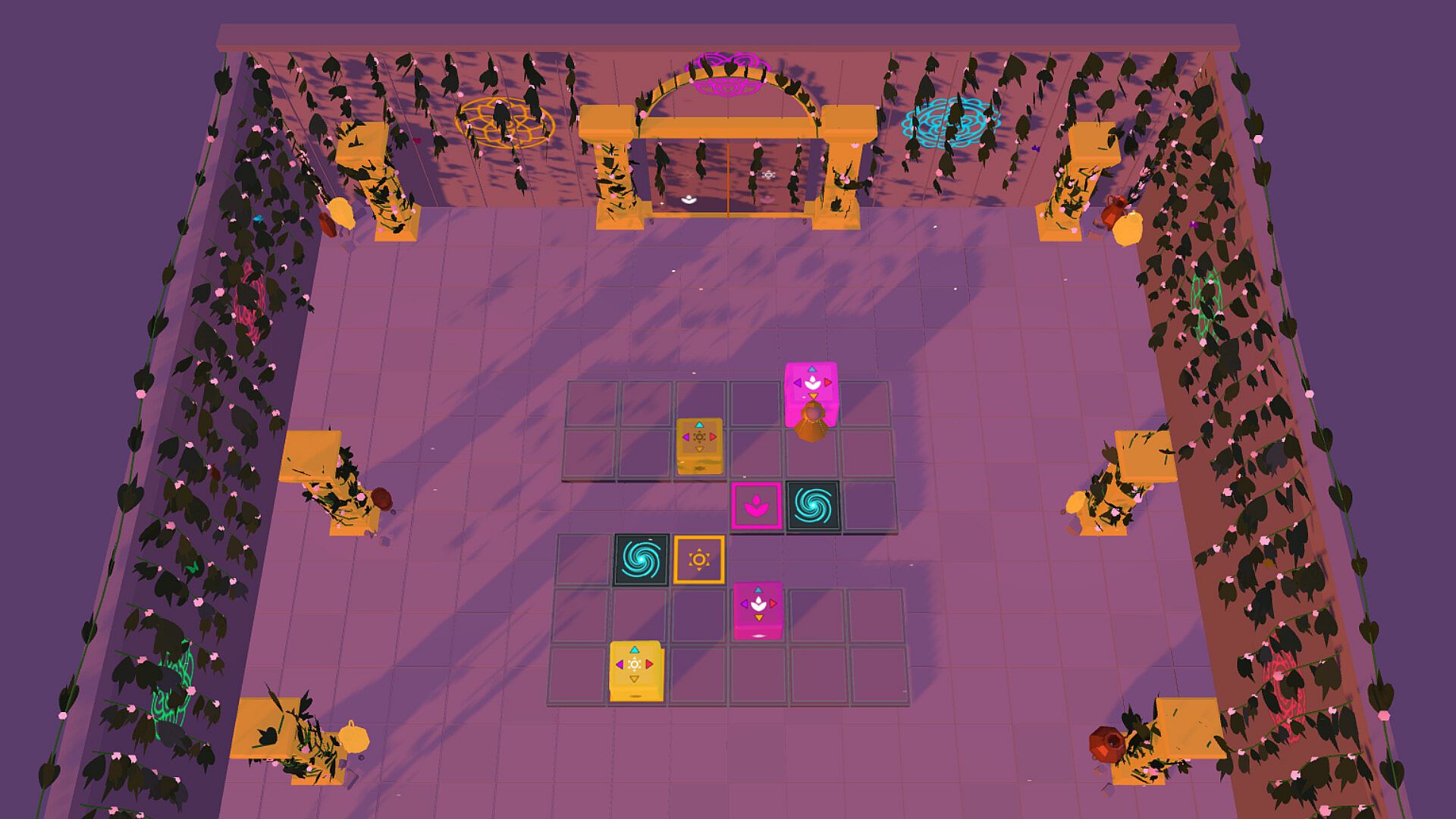
The core loop centers on studying grid layouts and anticipating chain reactions. Selecting and sliding one symbol block automatically shifts or triggers connected pieces elsewhere on the board. Success requires mapping these links in advance and sequencing moves to position every block on its matching goal tile. This approach turns each puzzle into a deliberate exercise in planning rather than trial and error.
Direct block controls remove any intermediary character movement, allowing immediate selection and repositioning for responsive play. A soft-fail system reverses invalid actions automatically, preserving momentum without forcing restarts. The absence of timers or penalties encourages careful observation and repeated testing of sequences until the correct order emerges.
Visuals feature clean, stylized 3D environments drawn from Eastern architectural influences. Soft ambient sounds and chime-based music accompany exploration of tranquil halls, keeping focus on the logical challenges rather than action or pressure.
Game Modes
The experience remains entirely single-player, with progression tied to sequential puzzle rooms that open temple doors upon completion. Each stage builds on the linked-block system, introducing new connection patterns and grid complexities without branching paths or alternate rulesets. Story elements unfold through animated cutscenes that advance the journey of Azura as she seeks to free trapped souls.
Players advance at their own speed, revisiting earlier areas or experimenting with different move orders as needed. The structure emphasizes mastery of causality over competition or time-based challenges, resulting in a linear yet reflective campaign focused on incremental problem solving.
Story and Setting
The narrative follows Azura, a golden soul, on a quest that continues from the original Temple of Causality. Her path involves freeing other souls caught in repeating cycles, with each temple revealing additional lore through cutscenes. The setting draws on ancient Eastern motifs, presenting quiet halls and symbolic environments that reinforce themes of consequence and reincarnation.
Progression ties directly to puzzle completion, where clearing a room advances both the mechanical challenge and the unfolding story. This integration keeps the focus on how individual actions ripple outward, mirroring the block-linking system in thematic terms.
Improvements in the Sequel
Developed from the ground up as a follow-up, the game introduces several quality-of-life changes. Direct block selection replaces slower character-based pushing for faster interaction. The soft-fail reversal prevents abrupt resets, while updated stylized art replaces prior realistic visuals with brighter, more readable 3D presentation. New animated sequences expand on character and world details without interrupting puzzle flow.
These adjustments aim to streamline the experience while preserving the deliberate pace that defines the series. The result supports extended sessions of thoughtful grid analysis in a calmer visual package.
Is It Worth Playing?
This title suits players who enjoy methodical single-player puzzle games that reward observation and logical sequencing over speed or reflexes. The linked-block system offers a distinct twist on classic mechanics, and the relaxed structure removes common frustrations found in similar titles.
With no confirmed release date beyond its upcoming status and no player reviews available yet, interest depends on appreciation for cause-and-effect grid puzzles set in a tranquil atmosphere. Those drawn to indie strategy experiences centered on consequence and pattern recognition will find the core loop aligns closely with that preference. The sequel refinements address common pain points from the prior entry, potentially broadening appeal for fans of deliberate, low-pressure logic challenges.












