


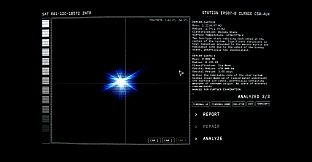
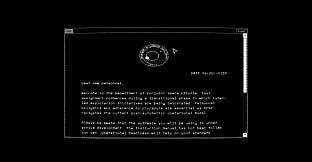
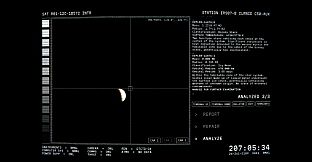
Telemetry is a single-player adventure game set on PC that places players in the role of a human operator for the Department of Conjoint Space Efforts. In this atmospheric narrative horror experience, the story unfolds through the lens of a retro-futuristic terminal interface after a space probe incident disrupts global AI systems. Players monitor deep-space feeds, analyze data from distant celestial bodies, and navigate a slow-burn mystery involving discrepancies between personal observations and official reports.
Gameplay
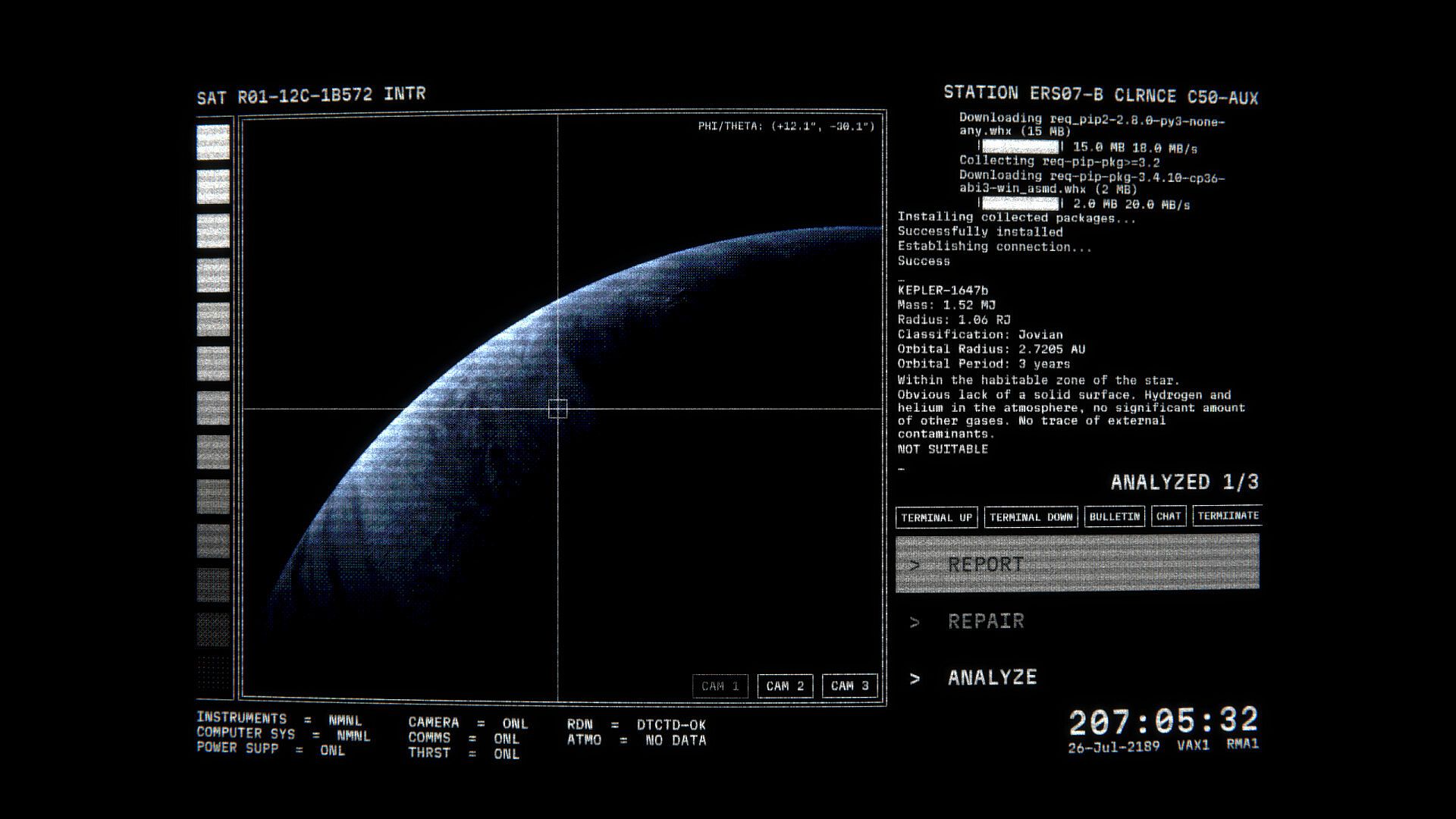
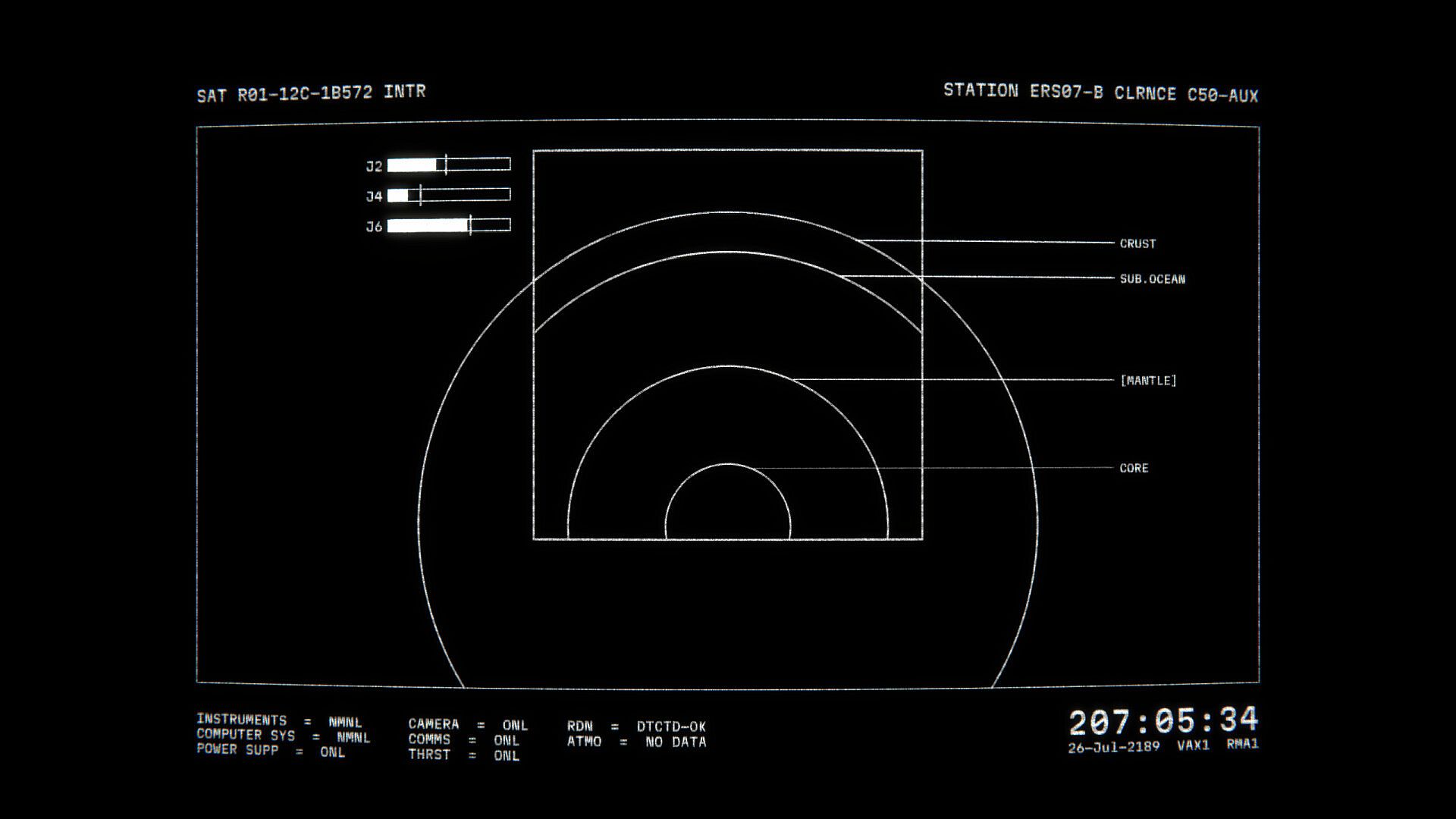
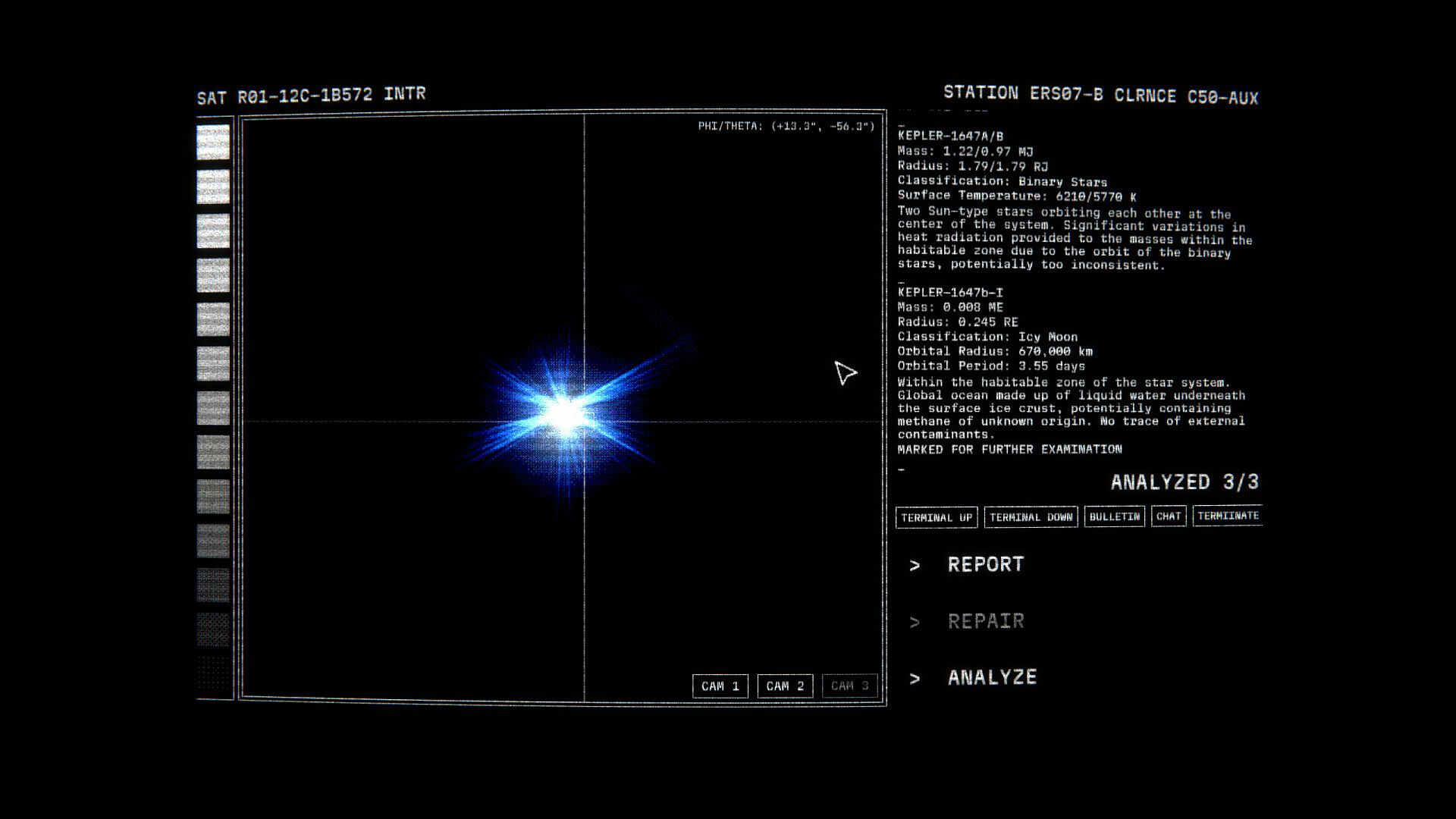
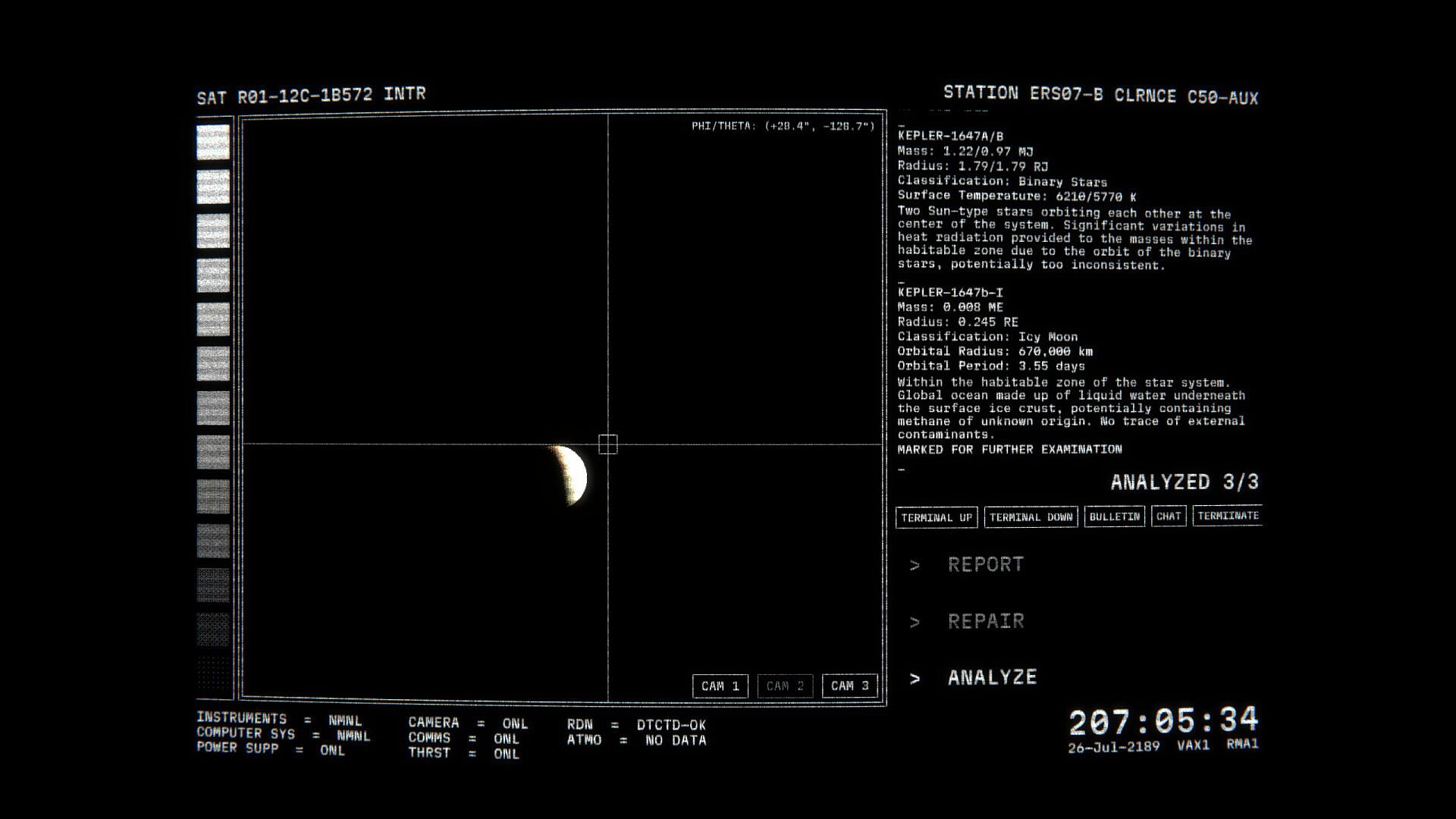
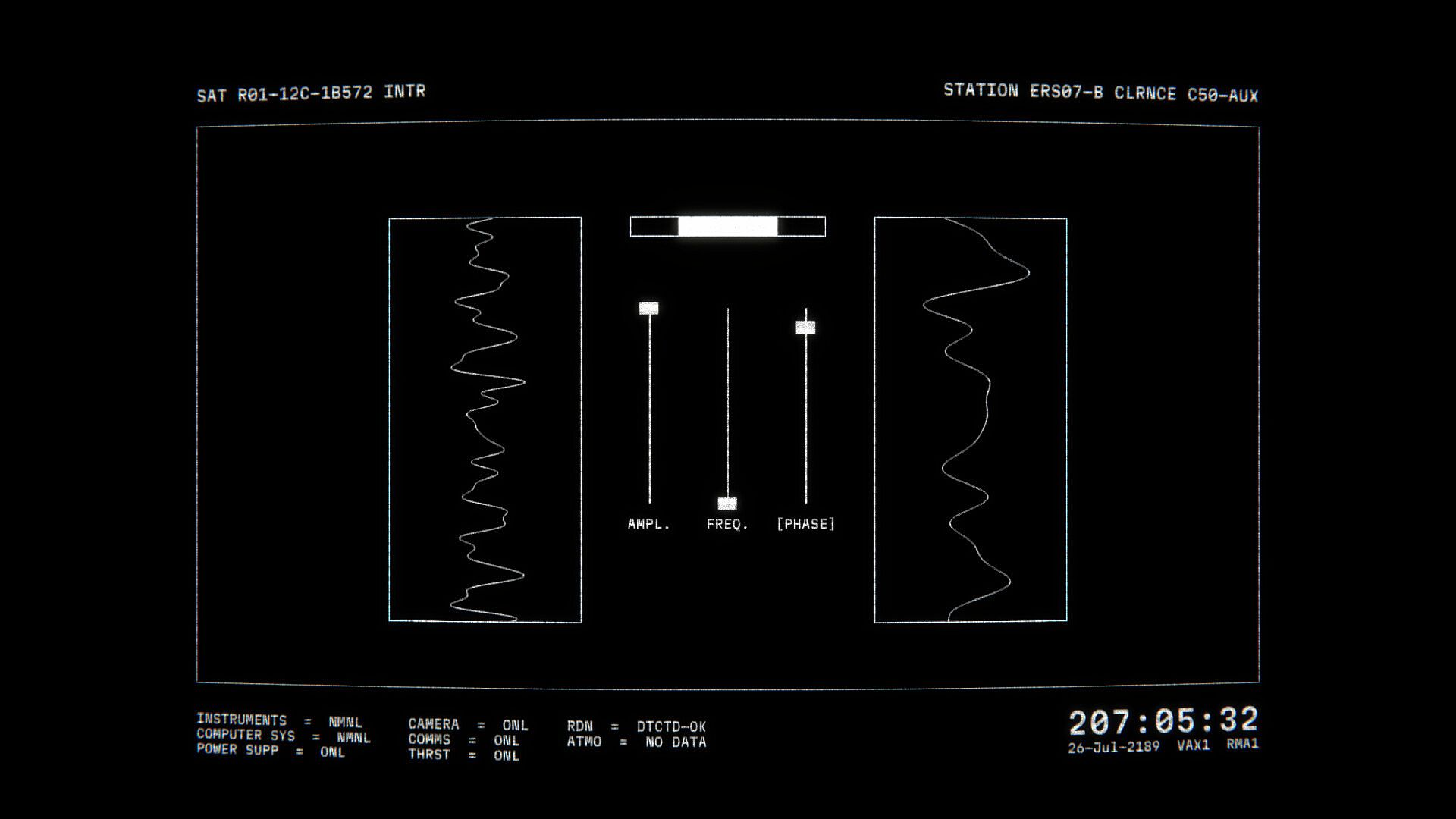
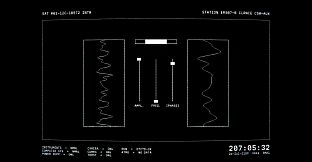
The core loop centers on operating an outdated terminal that simulates real-world space probe oversight. Players switch between monitoring live feeds, reading classified bulletins, and engaging in team communications via a chatroom. Camera controls allow pointing at moons, gas giants, and binary stars to report findings, while hands-on diagnostics require conducting spectral analyses, decoding signals, and interpreting complex telemetry data that the probe hardware cannot handle alone.
When connections drop or feeds go dark, players must troubleshoot to restore functionality. The interface feels deliberately clunky and human-unfriendly, reflecting its rushed reinstatement after the Pioneer event. Puzzles draw from scientific concepts such as logic circuits, signal decoding, and spectral analysis, integrated across the narrative to advance the story without breaking immersion.
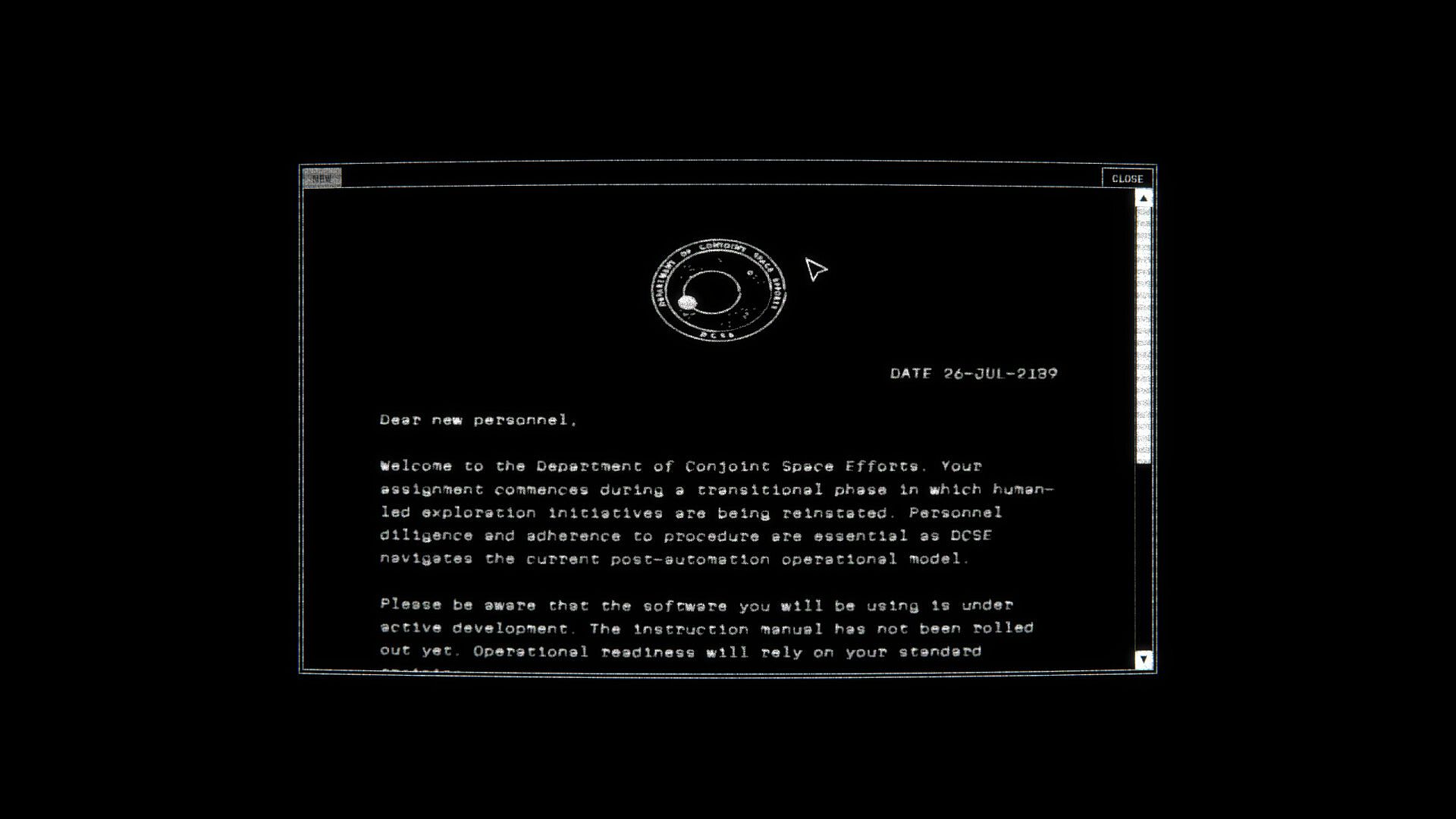
Observations often conflict with official bulletins, building tension through cryptic transmissions and unsettling colleague interactions. Each session ends with an abrupt, forceful termination of the connection, prompting questions about the fate of earlier missions. The experience emphasizes careful observation and deduction over action or combat.
Game Modes
Telemetry features a linear single-player structure divided into three episodic chapters. Each chapter delivers atmospheric narrative horror through the terminal interface, with unique scientifically inspired puzzles tailored to the episode's focus. There are no separate multiplayer modes or competitive elements; progression follows the operator's daily routine of feed monitoring, diagnostics, and report filing.
Players advance by completing analysis tasks and piecing together the larger mystery from bulletins, chat logs, and transmissions. The episodic format allows the story to unfold gradually, with each chapter introducing new probe orientations and diagnostic challenges while maintaining the consistent terminal-based gameplay.
Narrative and Setting
The world of Telemetry explores the consequences of AI surplus funding extragovernmental agencies in the early 22nd century. The DCSE's Pioneer probe reaches a classified destination only to corrupt Earth's AI networks, leading to a shift toward human operators under a jobs initiative. Players step into this role, viewing distant worlds for the first time while uncovering inconsistencies in the agency's reports.
Bulletins and transmissions reveal growing unease among colleagues, suggesting something more sinister behind the probe operations. The narrative builds through subtle details rather than direct exposition, encouraging players to question the official account of events following the Pioneer incident.
Is It Worth Playing?
Telemetry suits players who enjoy deliberate, puzzle-driven adventure games with strong narrative focus and minimal action. The terminal interface and scientific puzzles create a unique atmosphere that rewards patience and attention to detail. Those seeking fast-paced gameplay or multiplayer options will find the experience limited to its single-player episodic structure.
The game remains in active development with its three chapters planned as the core content. Availability is currently through standard PC digital storefronts, and the verified features align closely with the described terminal operations and puzzle mechanics. Players interested in slow-burn mystery and retro-futuristic interfaces may find it a worthwhile addition to their library, while others should review available trailers or demos to confirm the pace matches their preferences.