


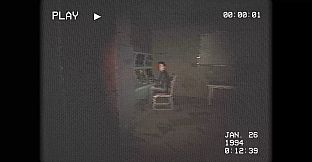

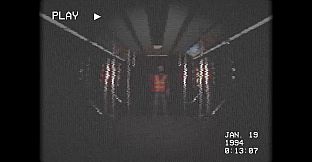
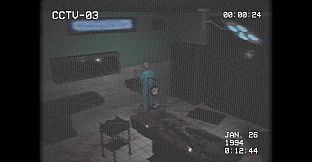
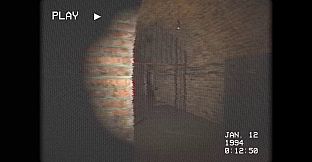
TAJRISH 1994 is a single-player psychological horror game that places players at an old desktop computer filled with files from January 1994. The experience unfolds through interaction with documents, photographs, and video recordings that transport the user into first-person footage of service tunnels beneath Tajrish station in Tehran. Developed by a solo creator under Half-Baked Cake, this indie title on PC emphasizes atmosphere and implication over direct confrontation, with horror emerging from shaky camcorder footage, corrupted files, and the aftermath of events rather than on-screen violence.
Gameplay
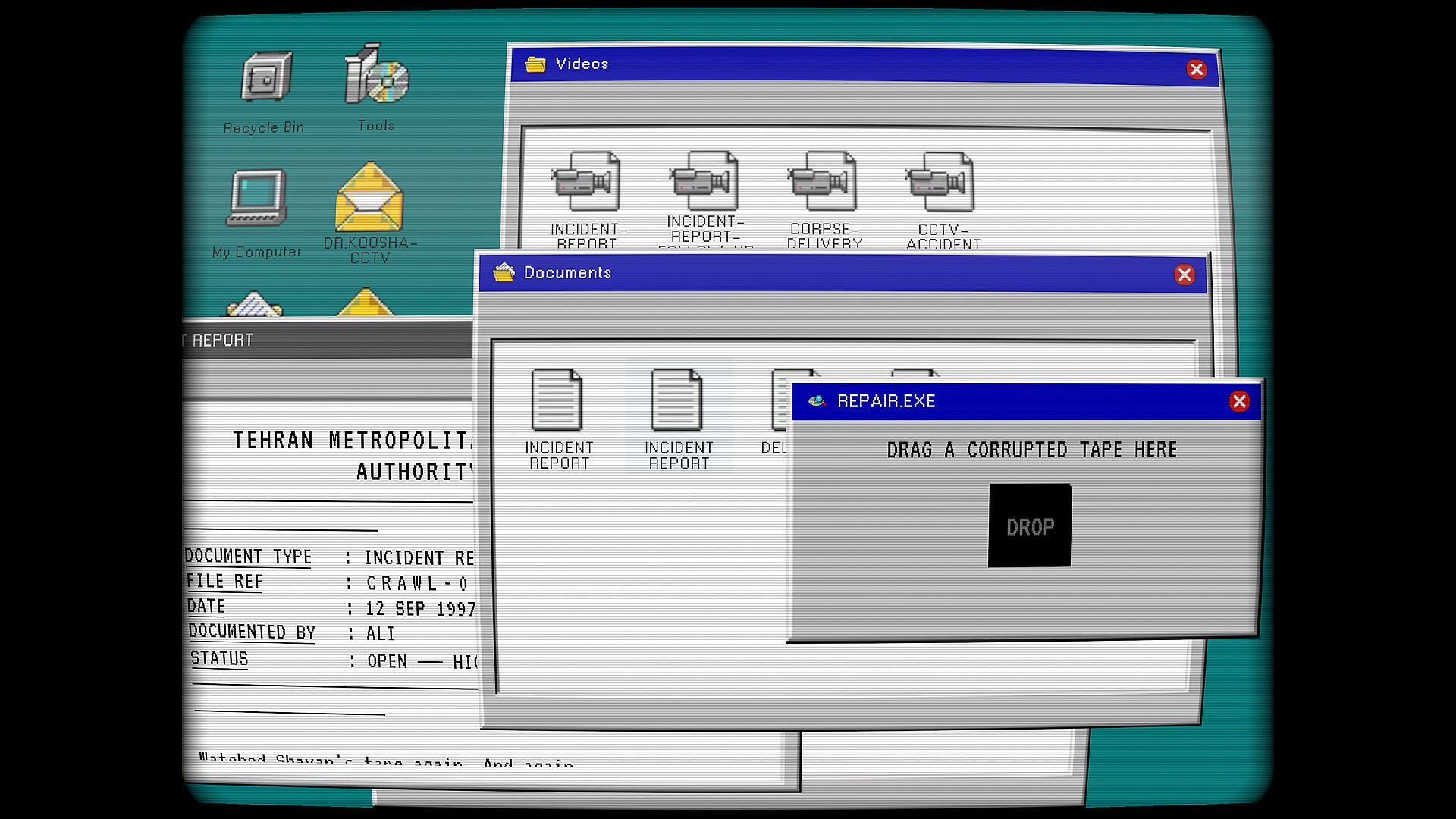
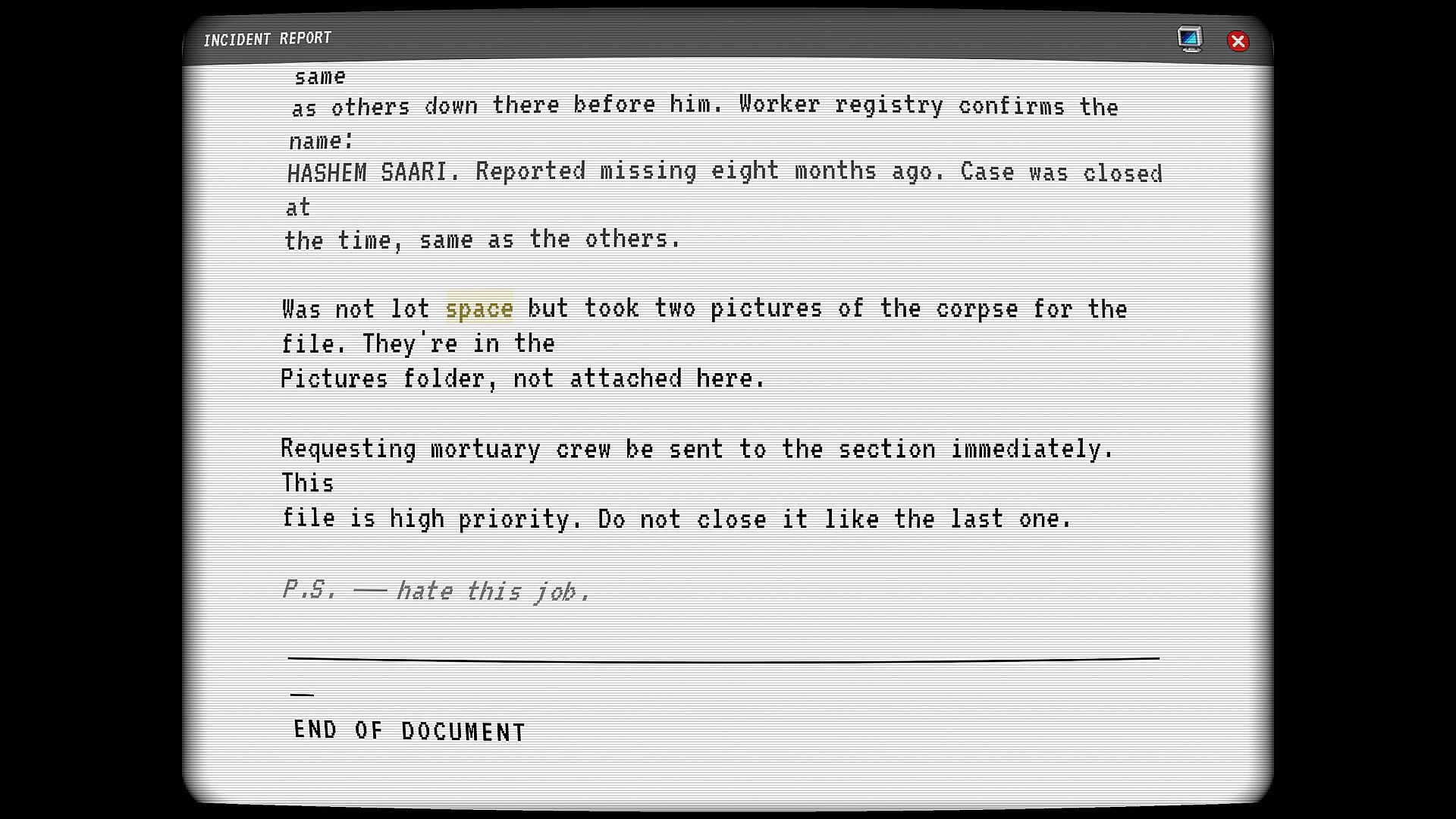
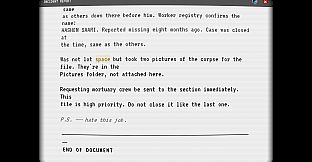
The core loop centers on treating the computer as a piece of evidence to examine. Players navigate folders, read maintenance logs and incident reports, and uncover passwords to access locked drives. As exploration progresses, additional files surface on the desktop, expanding the available material without external prompts.
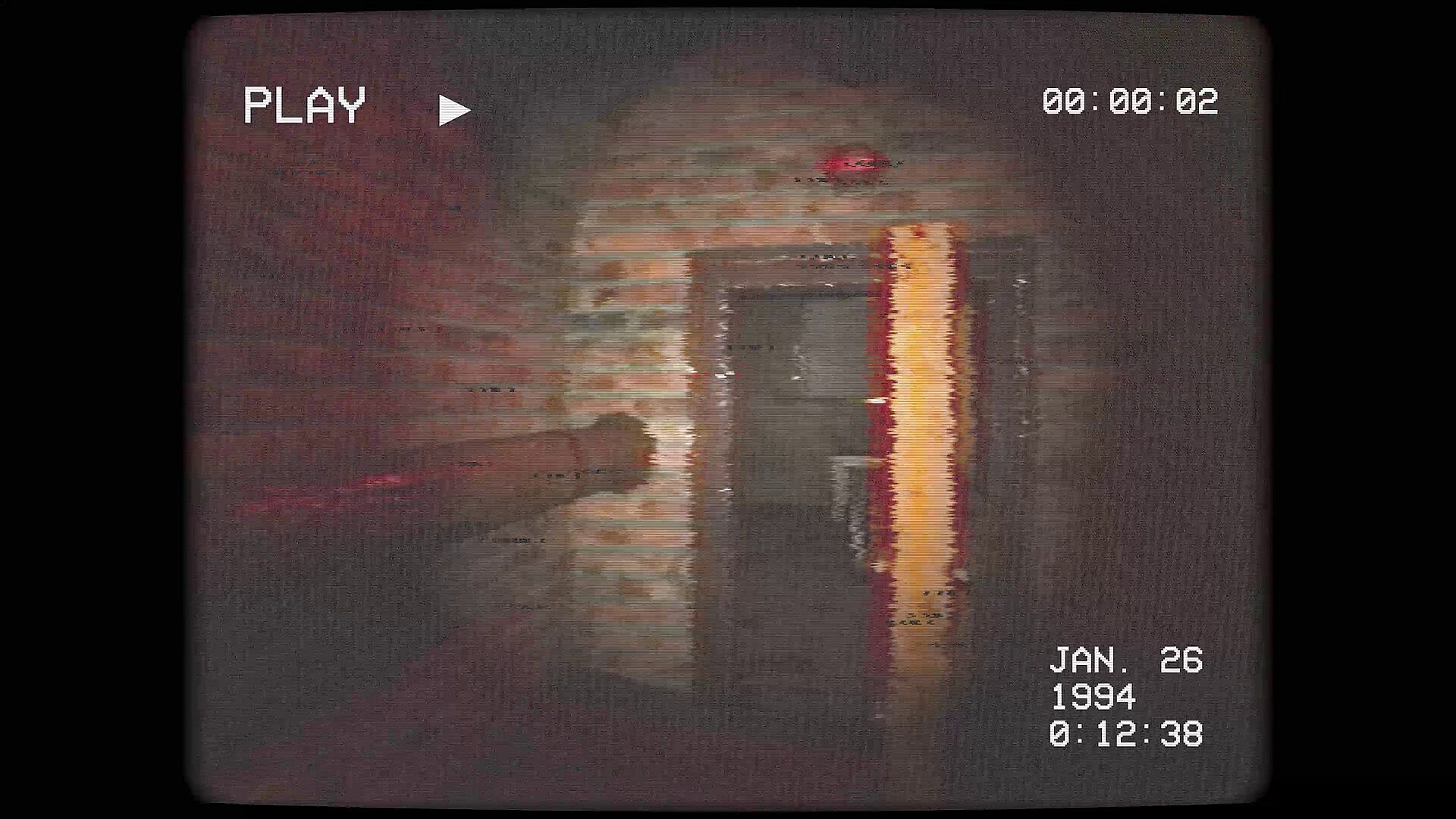
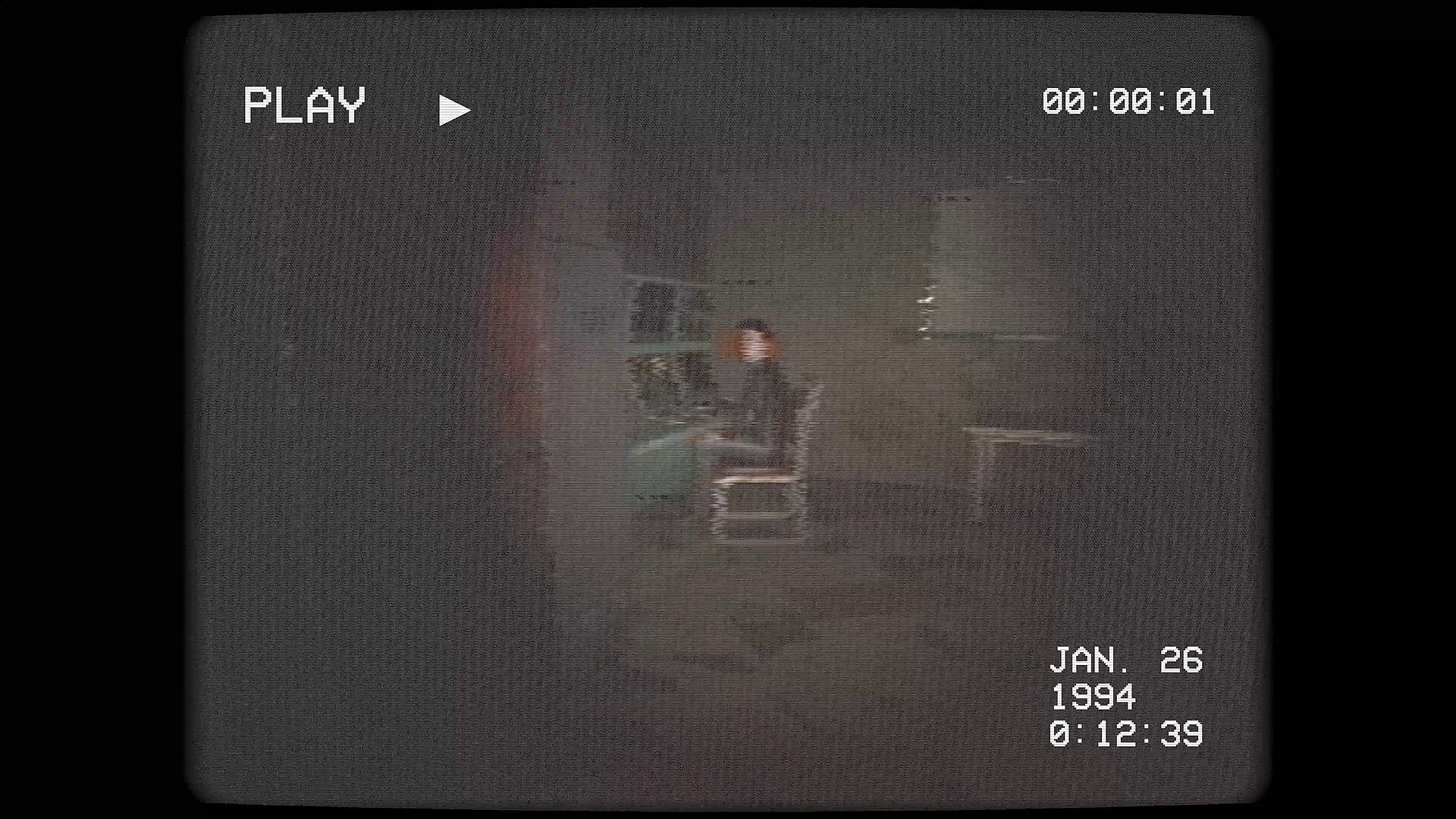
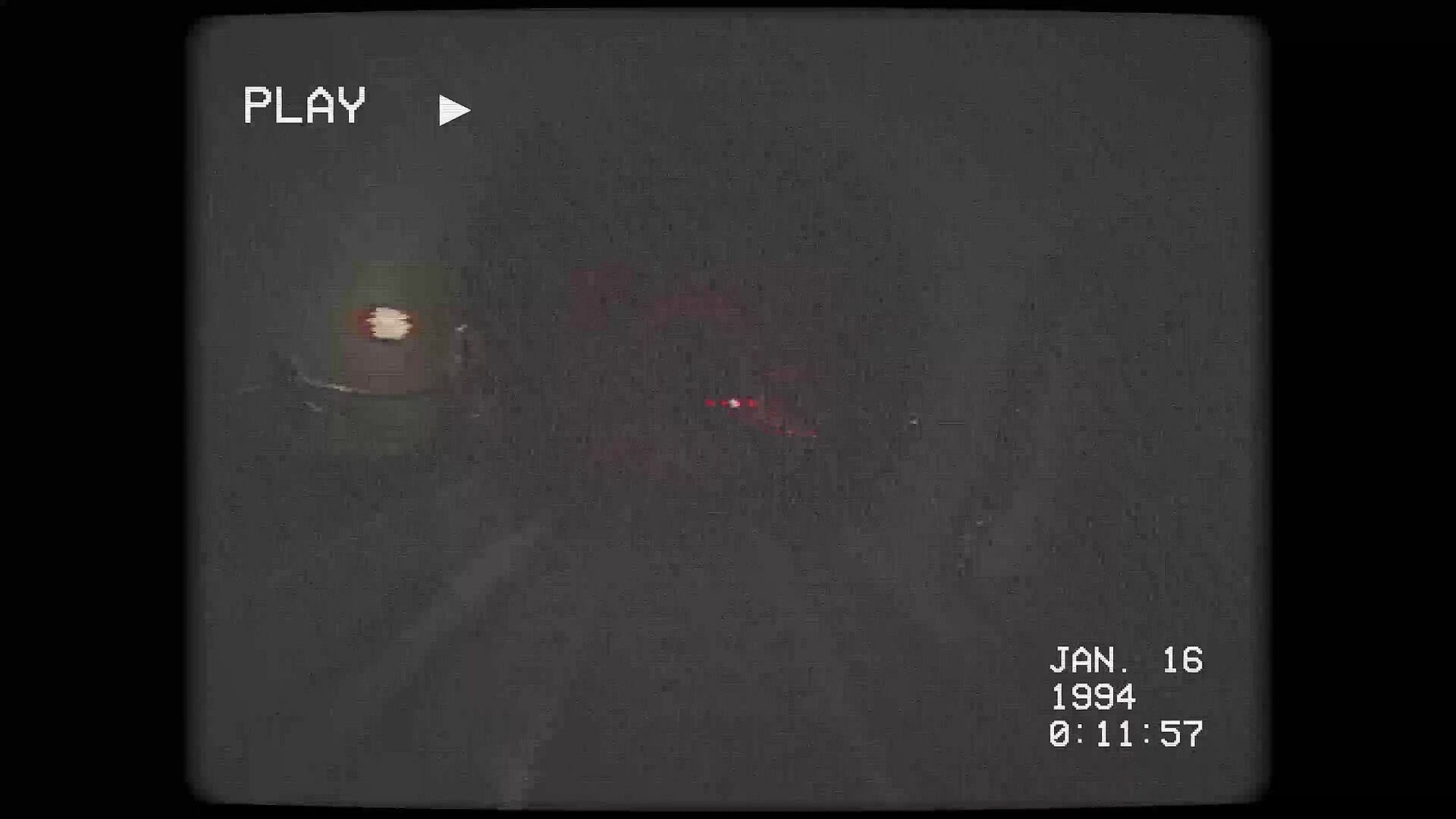
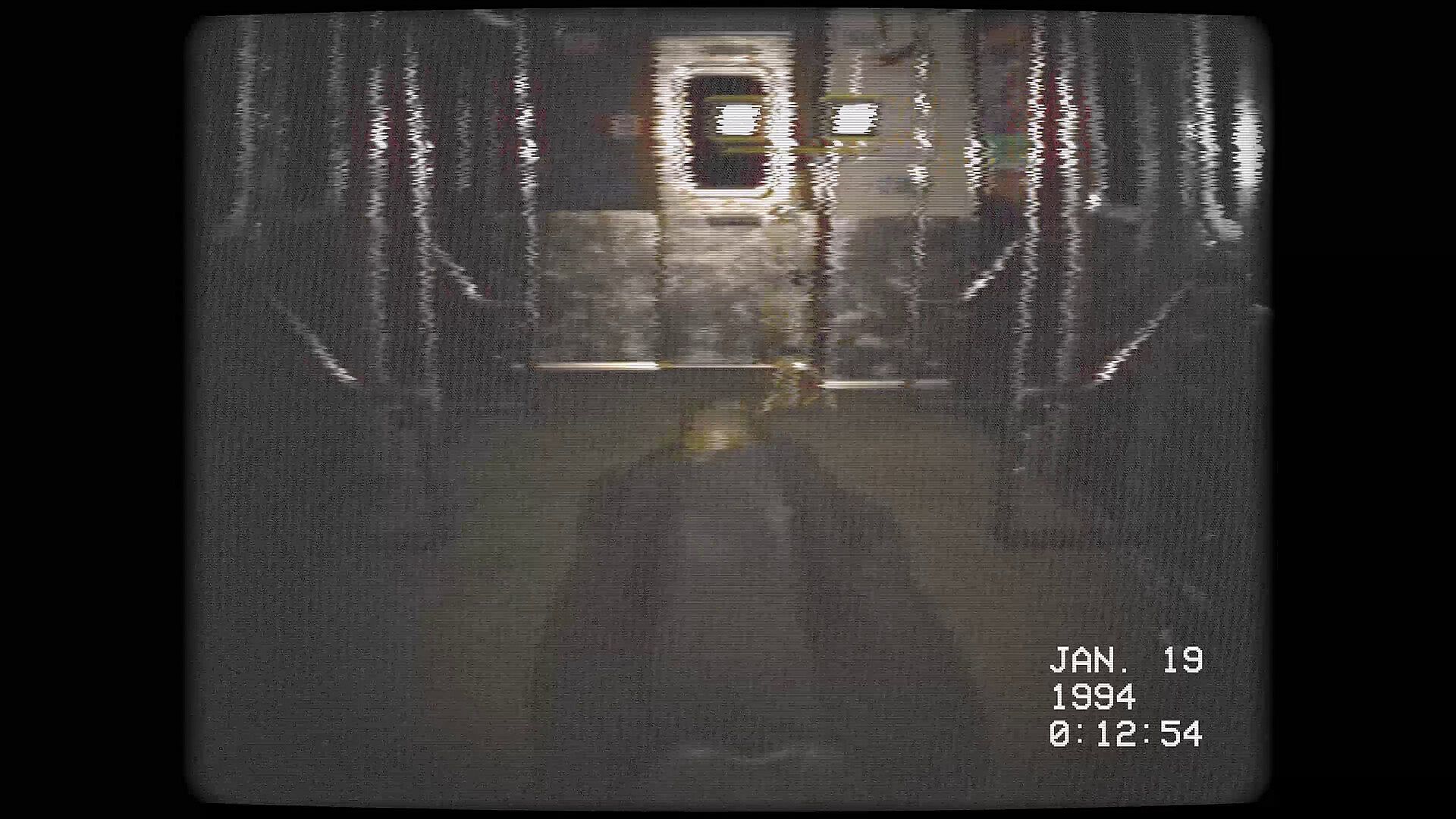
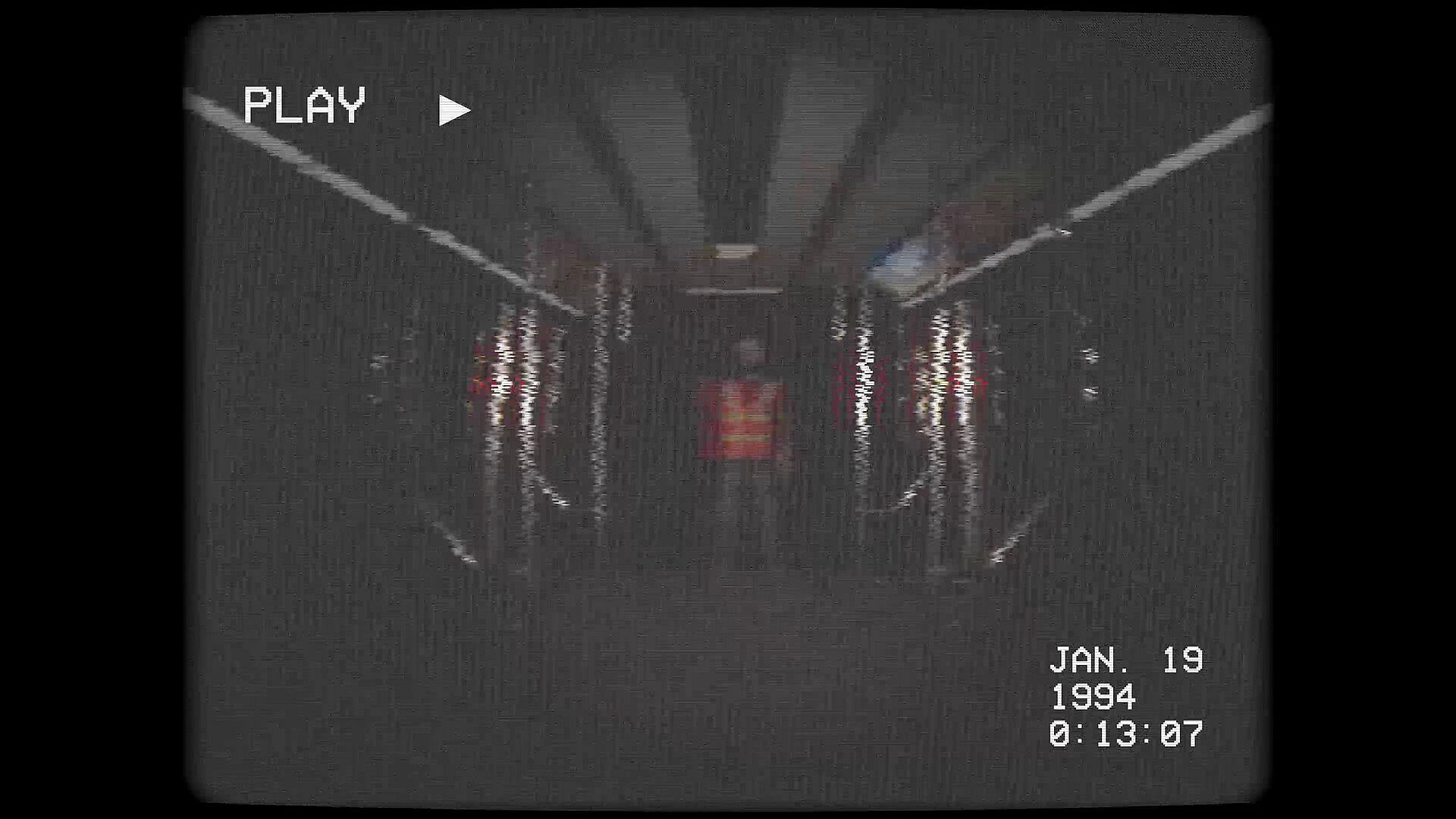
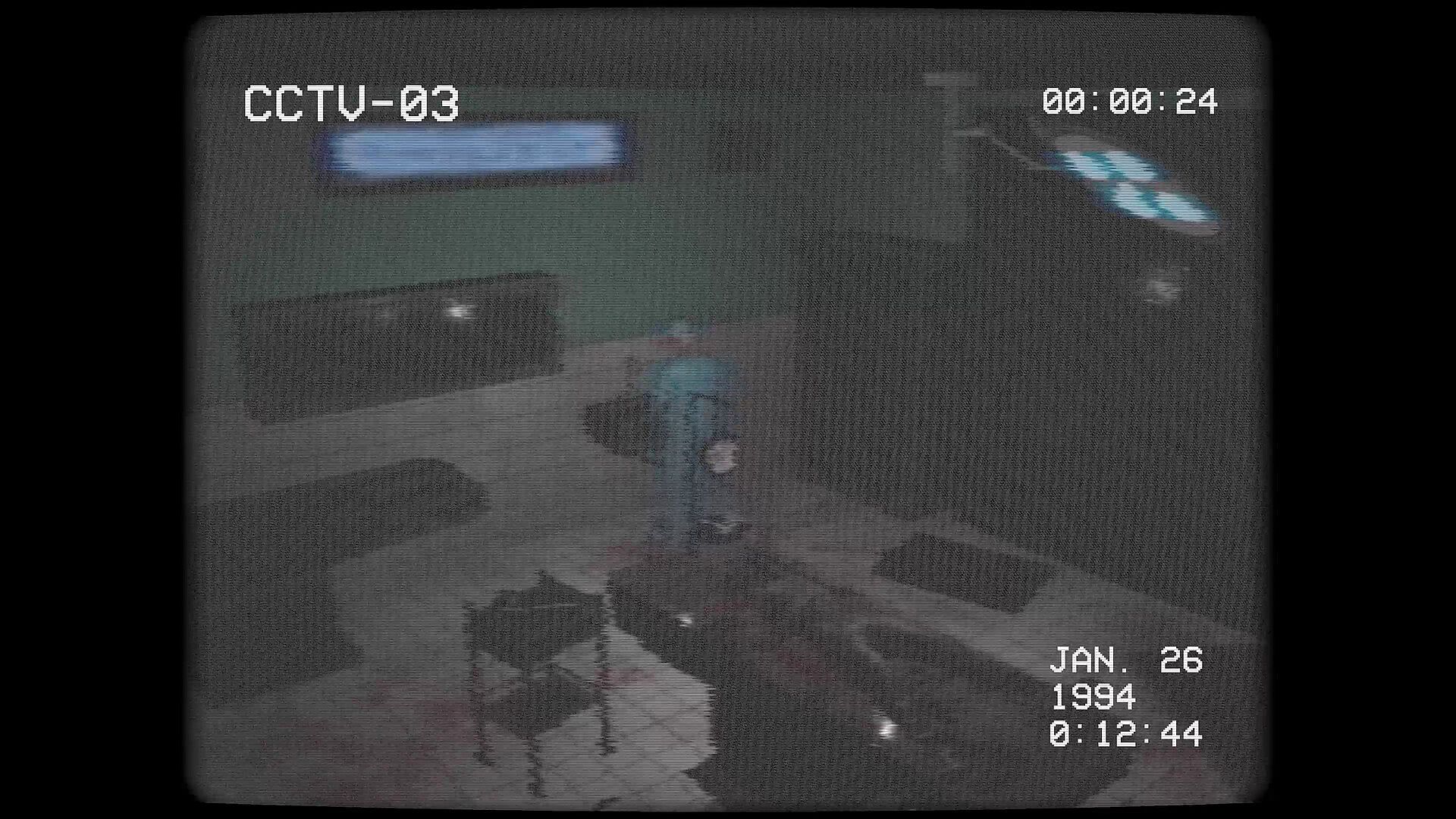
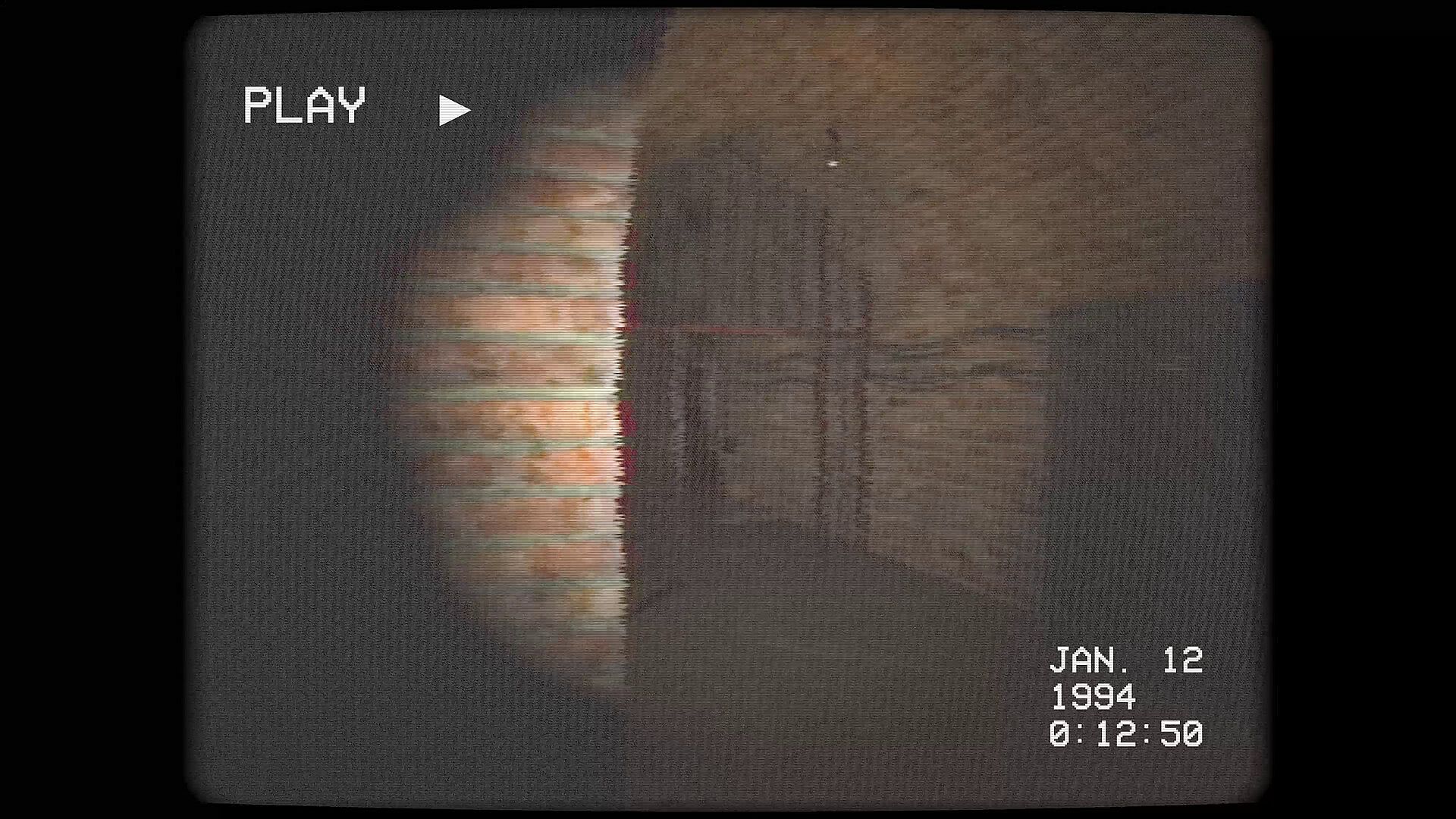
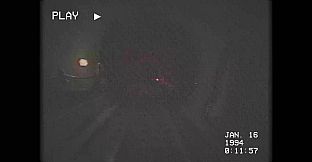
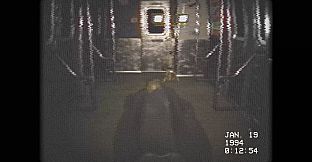
Video files function as interactive recordings rather than passive media. Selecting one shifts the view to first-person perspective inside the tunnel footage, where the camera operator's unsteady hands reflect growing tension. Movement includes walking and sprinting, which affects the frame stability, while a failing camcorder light and zoom mechanics add to the disorientation. Actions taken within the footage can produce visible changes back on the desktop interface.
Players can capture snapshots during the footage sequences. These images save directly as picture files on the desktop, complete with grain and timestamps, allowing them to accumulate as part of an ongoing investigation. Damaged tapes require a recovery process where corrupted files are dragged onto a repair tool, restoring footage that retains its original timestamp but reveals different details than before the corruption.
Game Modes
TAJRISH 1994 offers a single focused experience built around sequential discovery and replay of 1994 recordings. The narrative advances through layered document review and footage playback, with no separate modes or branching paths beyond the core investigation structure. All progression remains contained within the one haunted machine, where each repaired or examined element contributes to piecing together events in the tunnels.
The design keeps the session linear in presentation yet open in the order of file examination, encouraging players to cross-reference desktop items with events witnessed in the recordings. Consequences from footage actions appear as new desktop elements, reinforcing the connection between the two layers without introducing additional game modes.
Story and Atmosphere
The story emerges entirely from the files and footage rather than voice-over narration. Maintenance logs and reports provide context for the tunnels, while the recordings capture the operator's fear through visual and mechanical cues like increasing camera shake. The setting in Tehran metro service areas adds a grounded layer to the psychological tension, distinguishing it from more common horror environments.
Atmospheric details include the curved monitor, humming fan, and desktop clutter that frame every session. Mature content appears through depictions of human remains and blood in morgue-like contexts, delivered via implication and static imagery instead of active sequences. The solo developer approach results in a contained, deliberate pace suited to short, focused play sessions.
Is It Worth Playing?
This title suits players who enjoy document-driven horror and walking simulator elements where tension builds through discovery and subtle environmental storytelling. The mechanics of desktop investigation combined with first-person footage playback create a unique loop that rewards careful observation and repeated examination of files. With no user reviews available prior to release and a coming soon status on PC, the experience remains untested in the broader community, but its emphasis on atmosphere, repair mechanics, and consequence feedback aligns with preferences for quiet, implication-based psychological horror. Those seeking action-oriented or multiplayer content will find the single-player structure limiting, while fans of indie atmospheric titles may appreciate the focused scope and technical integration of corrupted media repair. Headphones are recommended in the system notes to enhance the audio cues from the old computer environment.