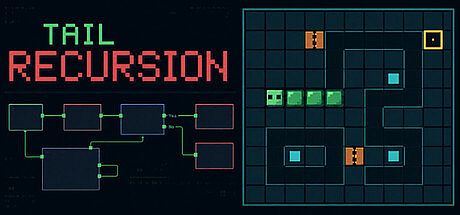




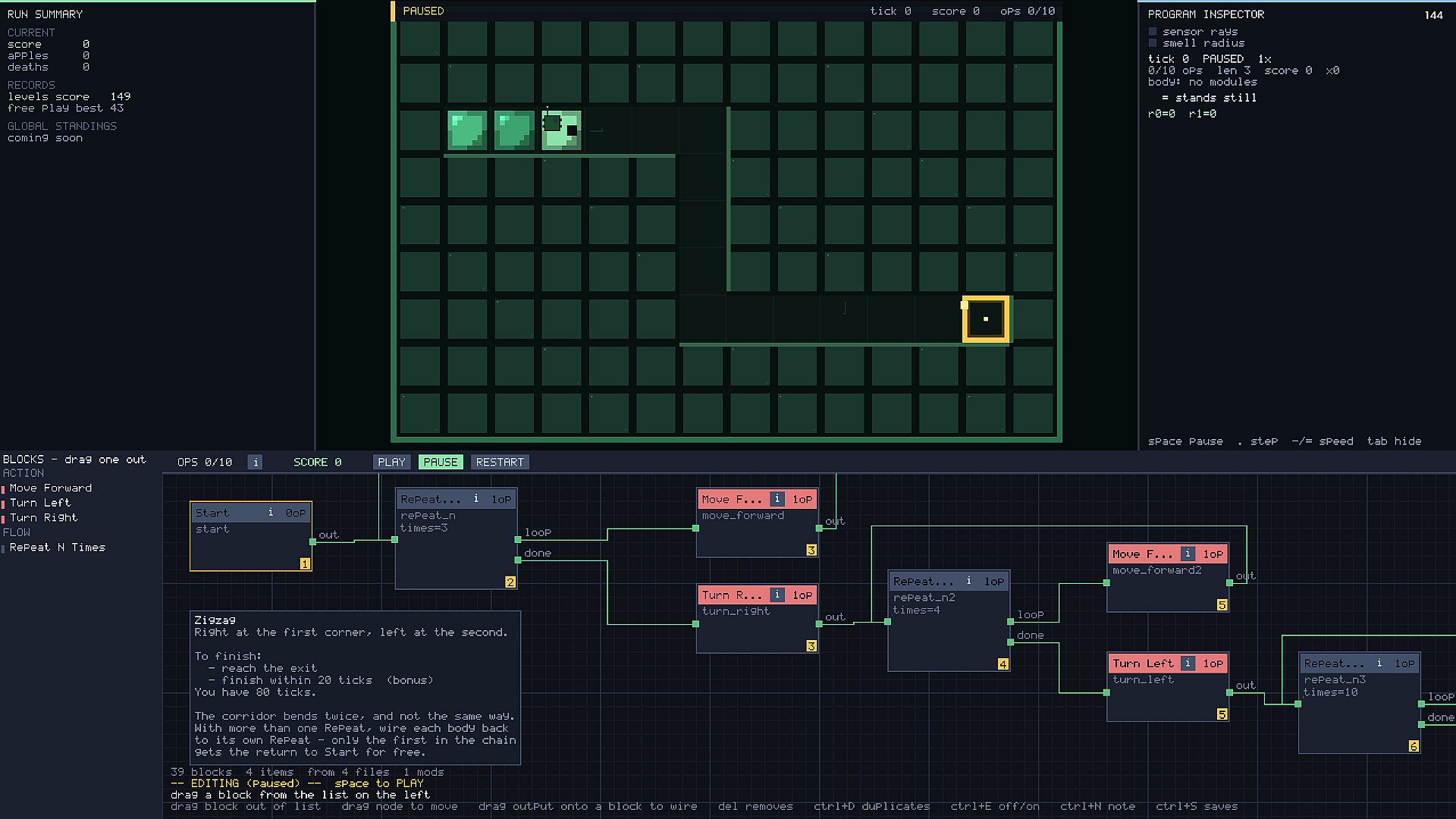
Tail Recursion is an indie programming puzzle game for PC in which players never steer a snake directly. Instead, they construct a visual program from blocks that controls every movement and decision. The snake executes the logic one tick at a time, revealing exactly where the instructions succeed or fail.
Gameplay
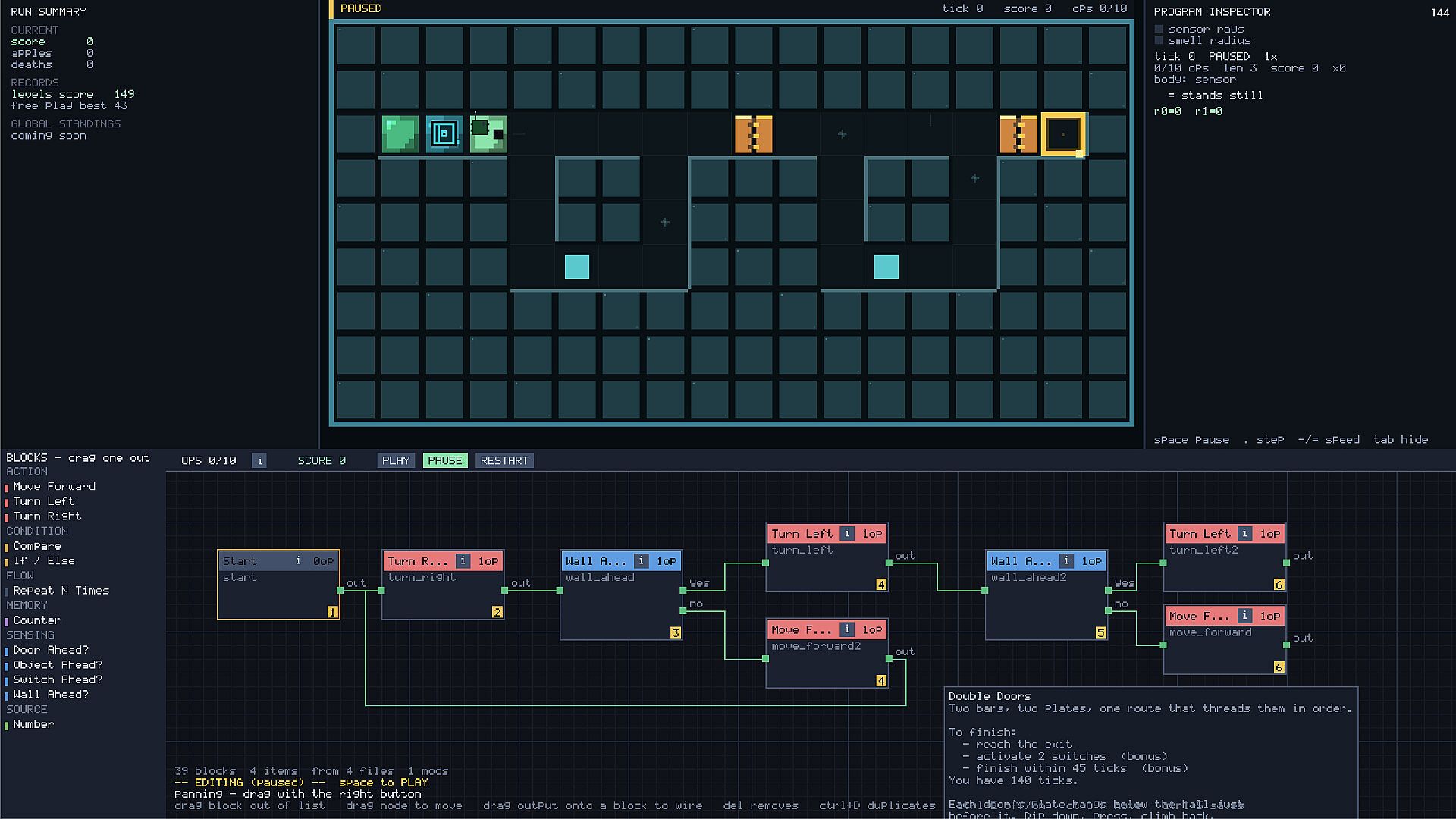
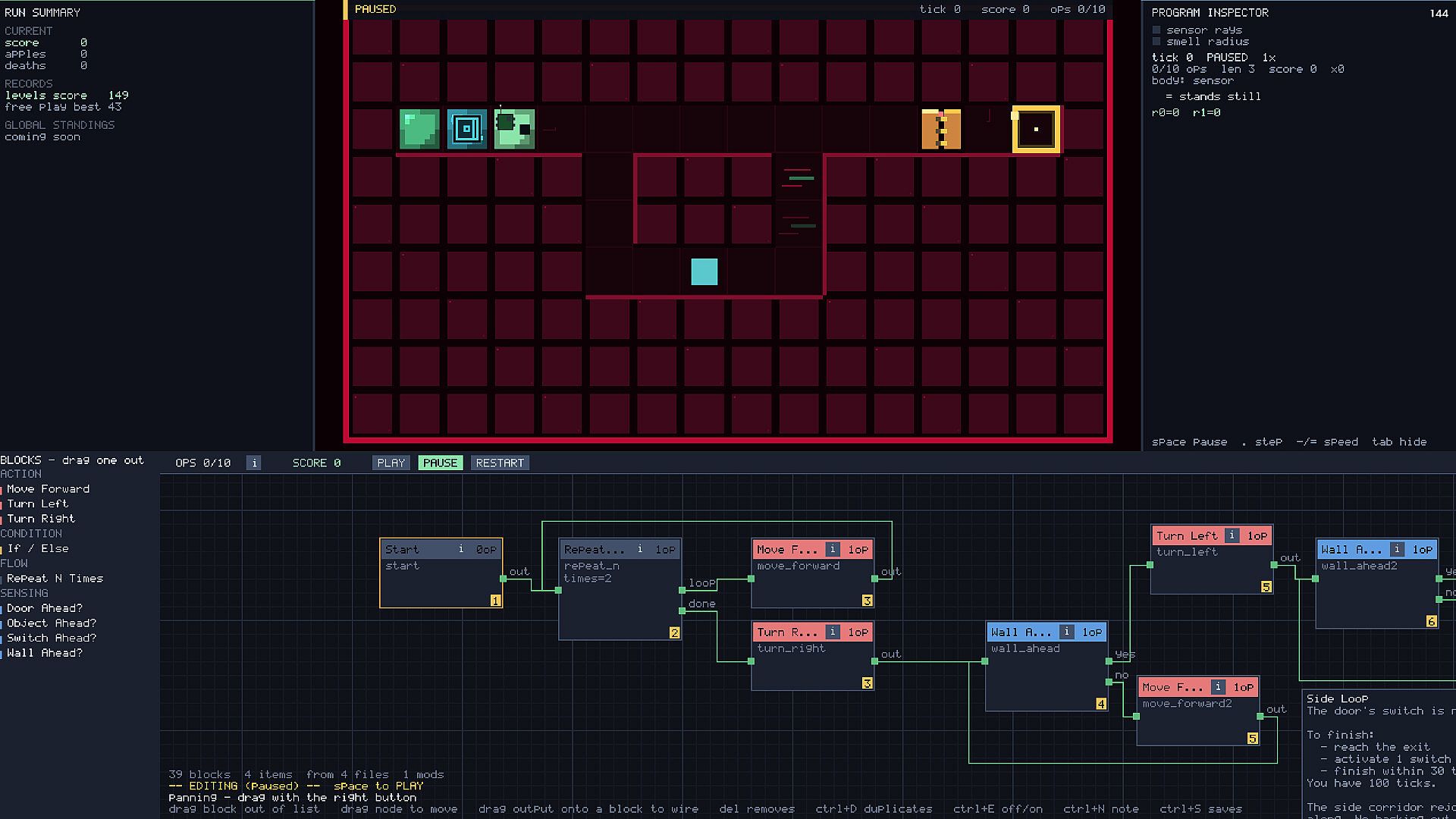
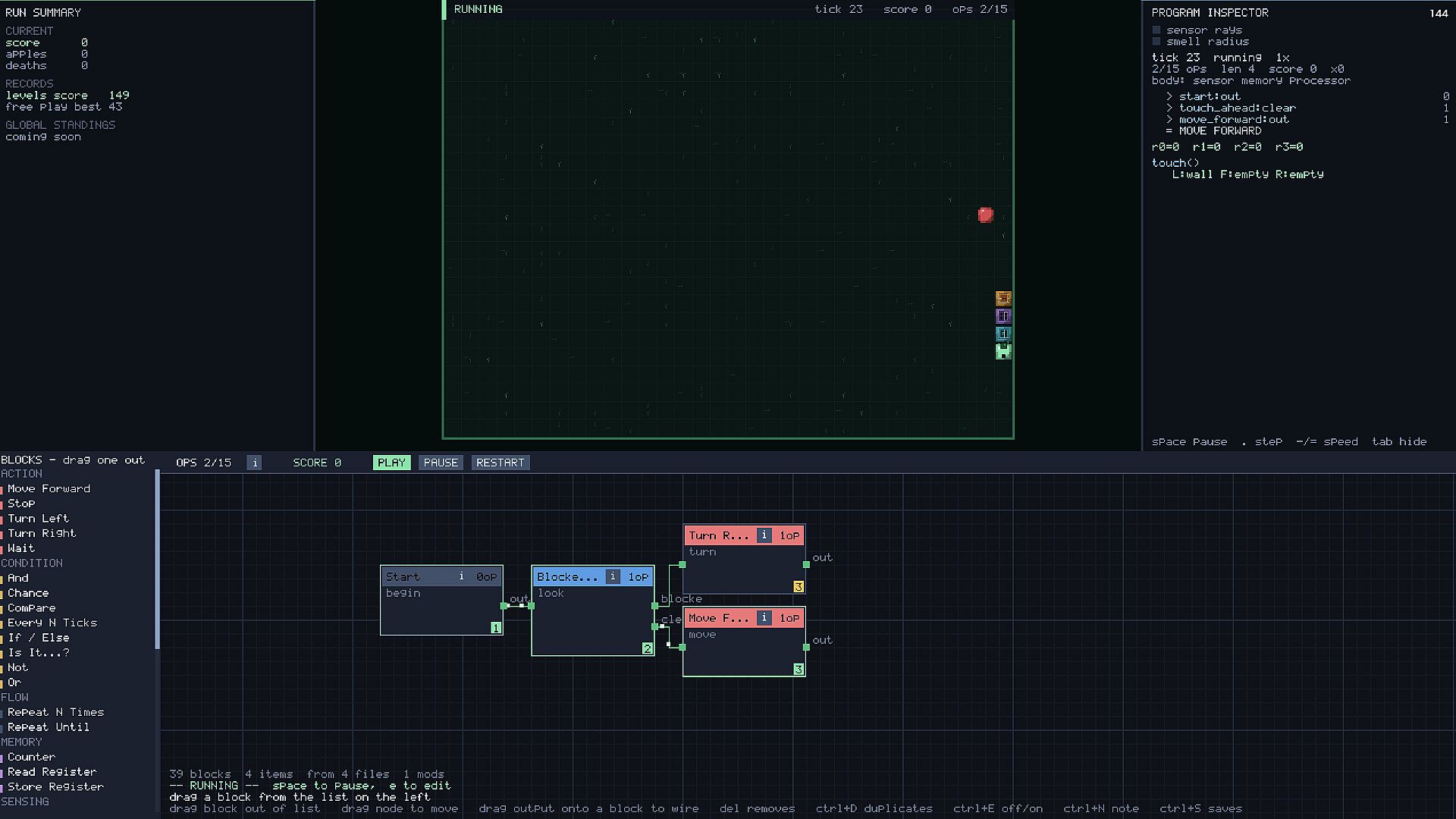
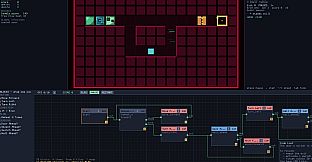
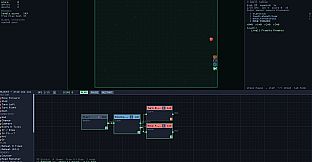
The core loop centers on building a graph of logic blocks that sense the environment, make decisions, store data, and trigger actions. Blocks include Move Forward, Turn Left, Repeat N Times, If / Else, Wall Ahead?, Store, and Recall. Each block consumes operations from a per-tick budget, so efficient designs outperform longer or redundant ones. The snake's body segments determine its capabilities: Sensor Segments enable perception, Memory Segments provide variables, and Processor Segments increase the operation allowance. Adding segments extends the snake but reduces available space, creating a direct trade-off between power and survival.
Execution runs visibly on the graph, highlighting active blocks, sensor results, and costs. When the snake collides with a wall or itself, the game identifies the exact failure type so players can adjust the program accordingly. Levels require reading the board through sensors rather than assuming fixed paths, and some puzzles remove sensors entirely, forcing players to count every step in advance.
Game Modes
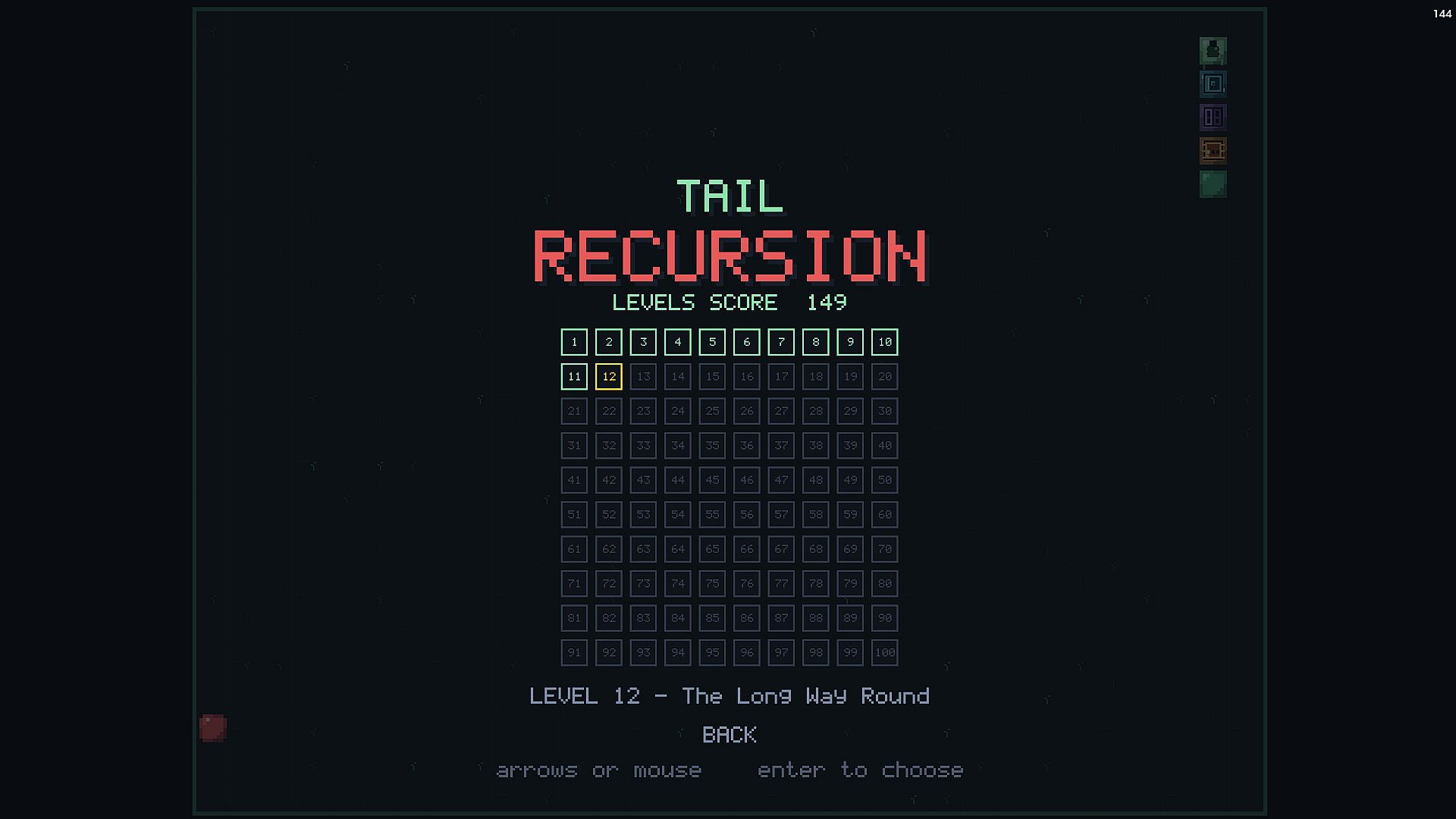
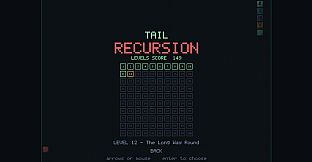
The game structures its content around 106 levels. Six tutorials introduce the block language and basic wiring. The remaining 100 puzzles escalate in complexity with layouts such as corridors, spirals, combs, keyed vaults, and gated floors. Every level includes a budget tied to its difficulty. Faster completions and fewer action blocks improve the score, while loops, conditions, and sensors cost nothing and help conserve the budget. Players can replay any level to improve their totals.
Free Play provides an endless board with a combo scoring system for open-ended experimentation. Custom levels load from .level files placed in a folder and appear automatically in the menu. The block system itself supports modding through Lua scripts that hot-reload during play, allowing new blocks to integrate seamlessly with existing ones.
Level Design and Progression
Early puzzles teach core concepts such as perimeter walking with minimal blocks and conditional branching. Later stages introduce memory management, precise counting without feedback, and multi-step sequences that must survive repeated execution. The visual debugger shows every tick's state, making it straightforward to isolate bugs without restarting the entire level. Reproducible execution ensures that fixes produce identical results on subsequent runs.
Is It Worth Playing?
Tail Recursion targets players interested in programming concepts, visual scripting, and puzzle solving that rewards logical precision over manual control. Its single-player focus, detailed execution feedback, and scoring system encourage iterative improvement on the same levels. The upcoming release includes Steam achievements, cloud saves, and leaderboards for comparing best tick counts and fewest blocks. Those who enjoy building systems that run autonomously will find the mechanics align closely with the described experience, while the modding tools extend replay value for creators. The game remains in a pre-release state with no published player reviews available yet.