





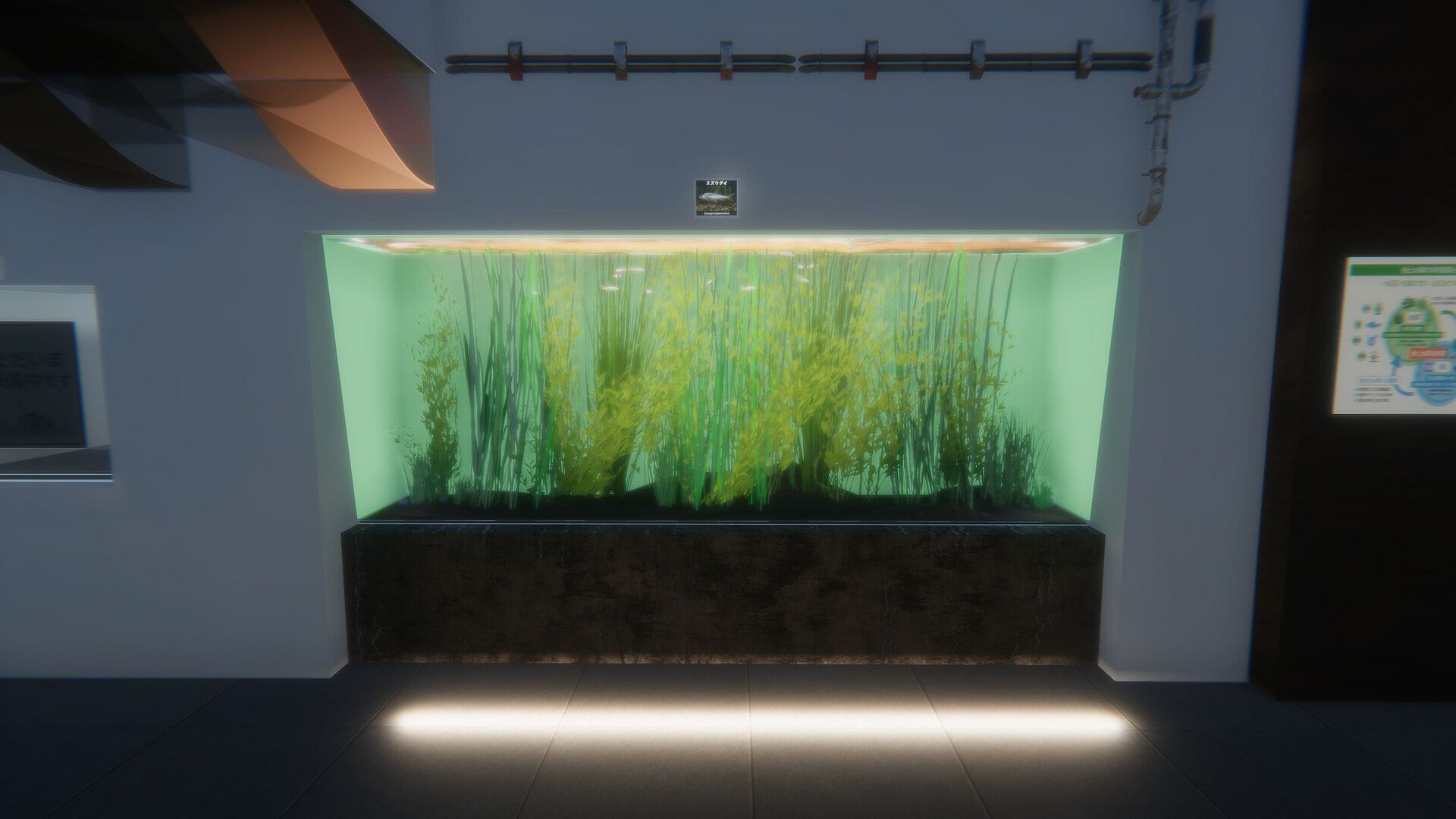
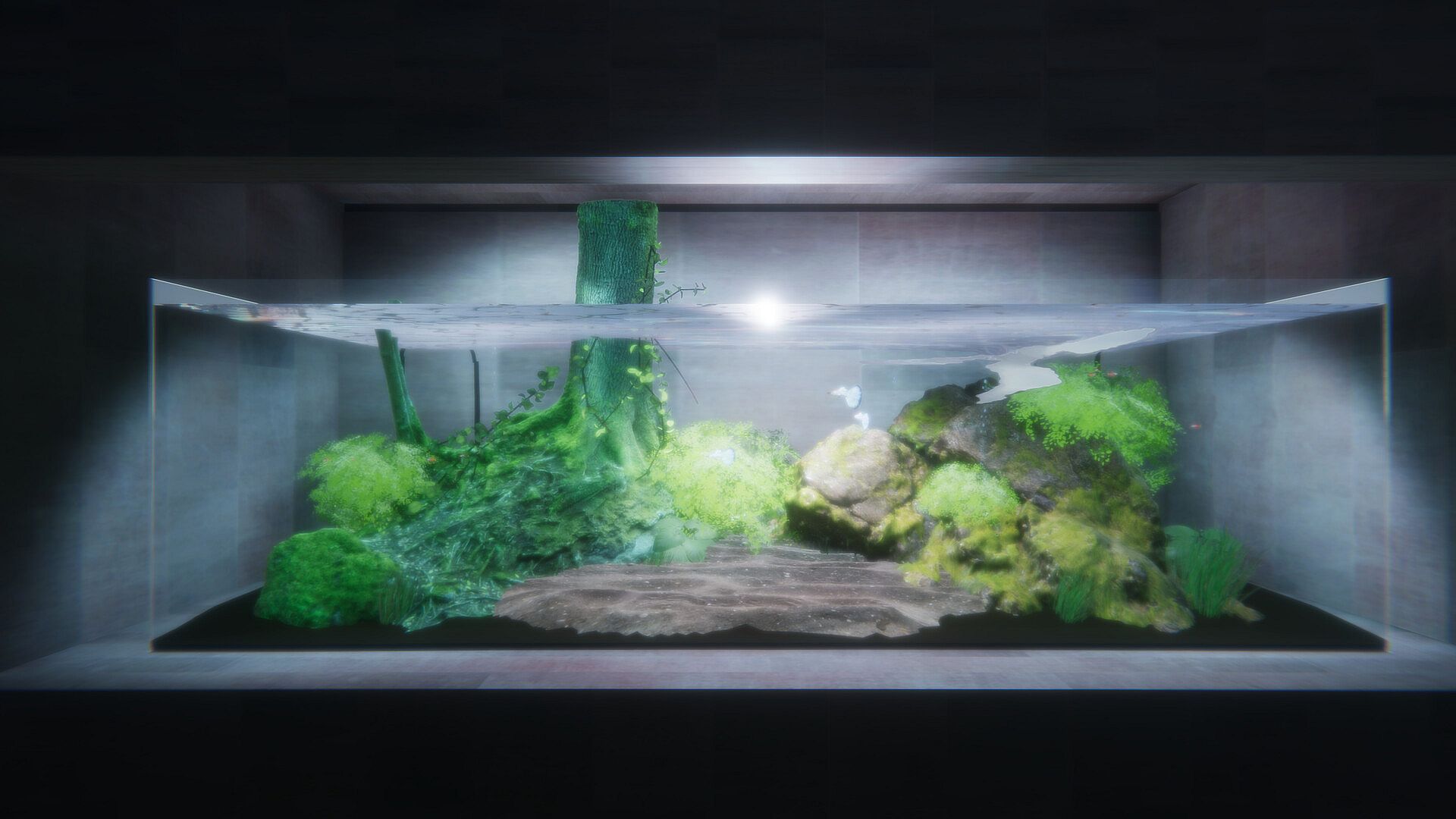
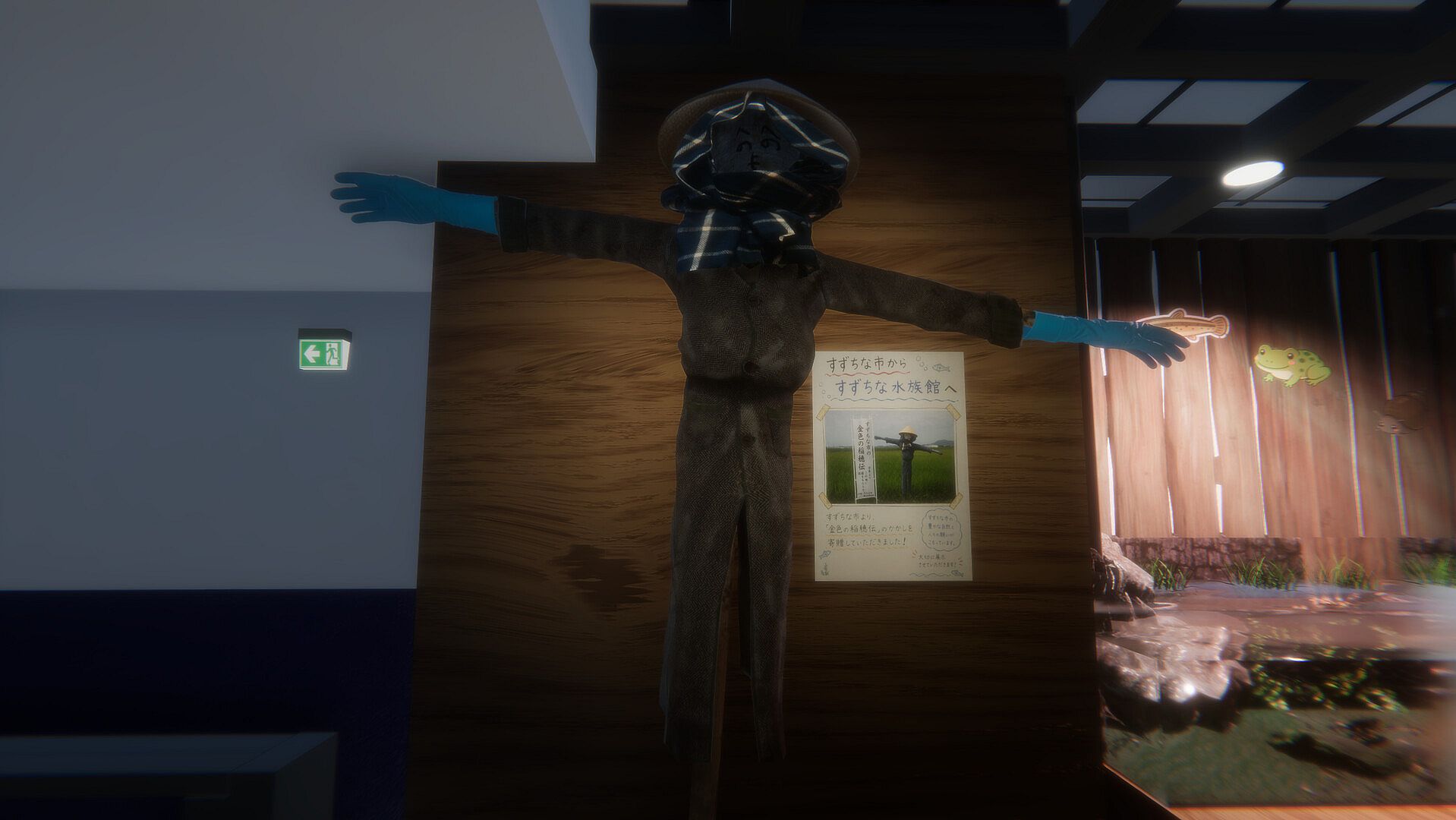
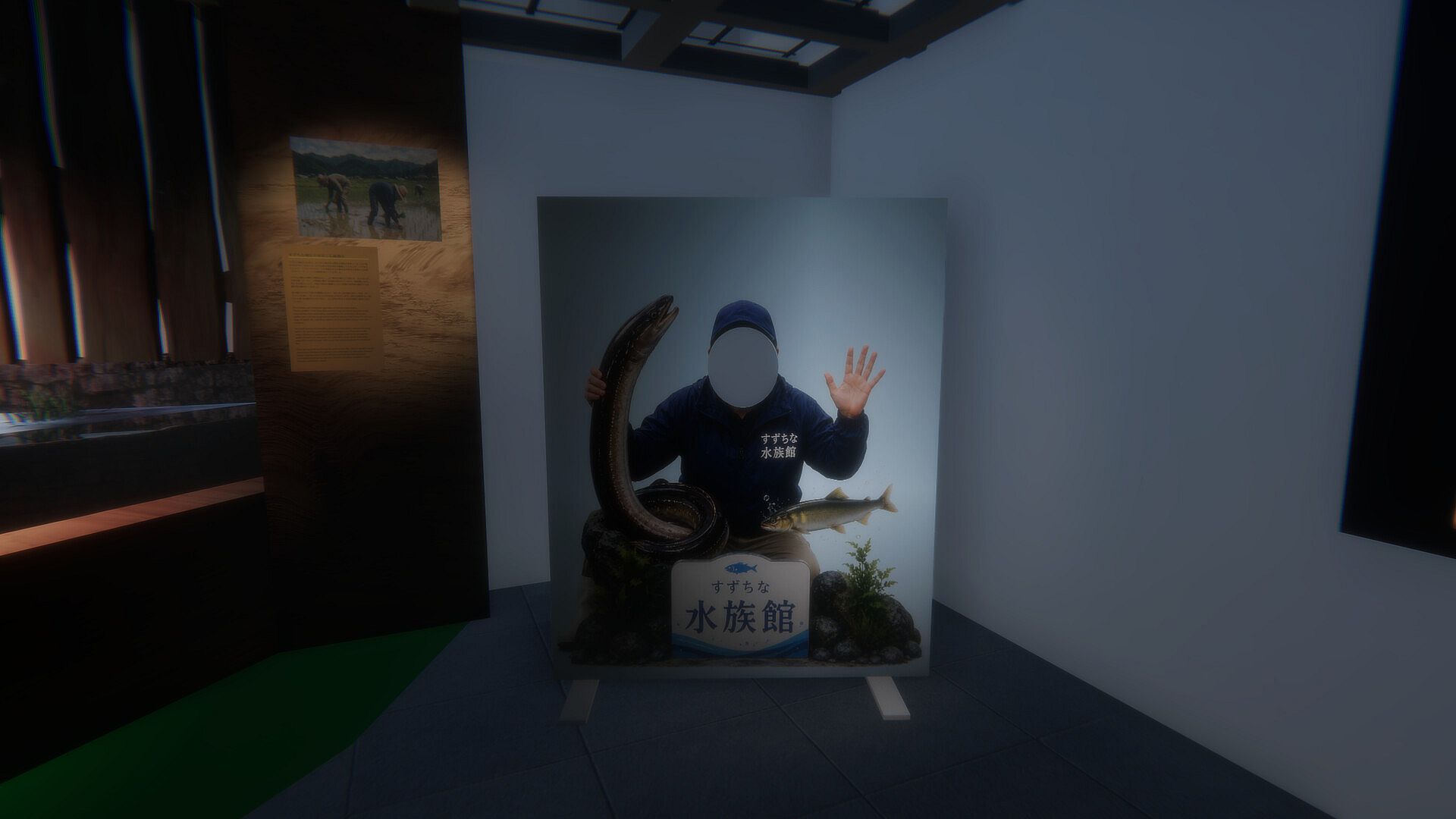
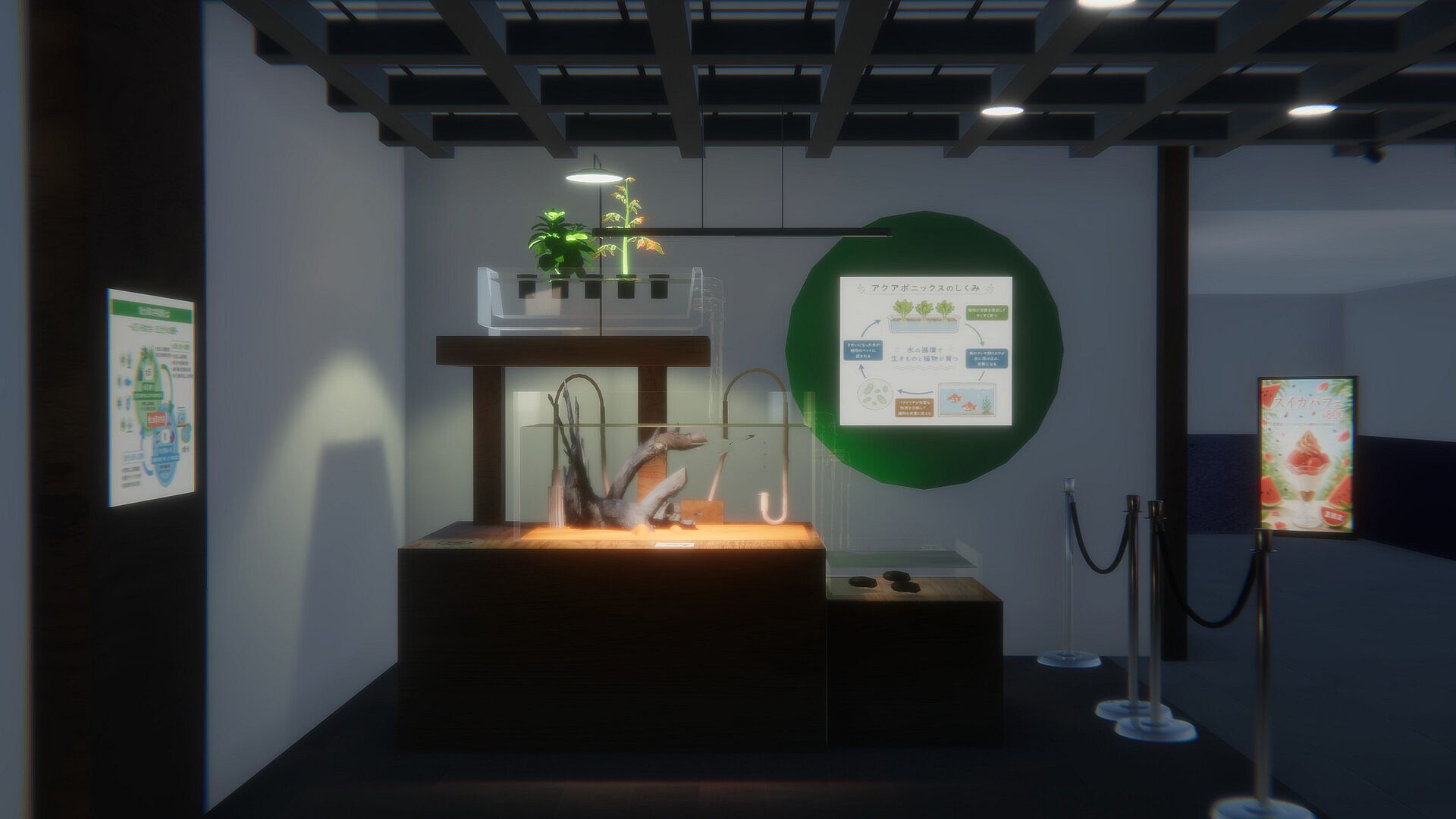
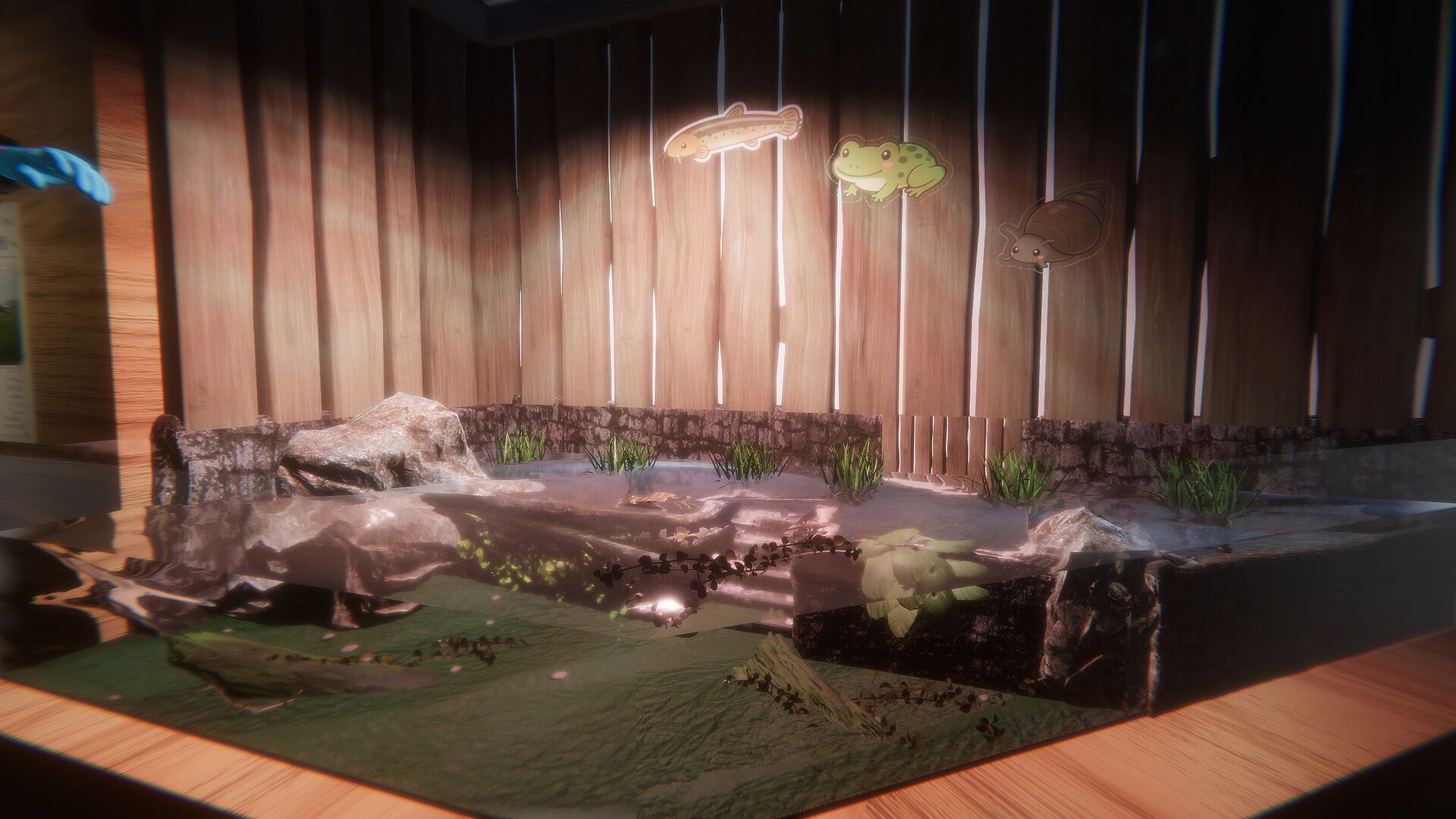
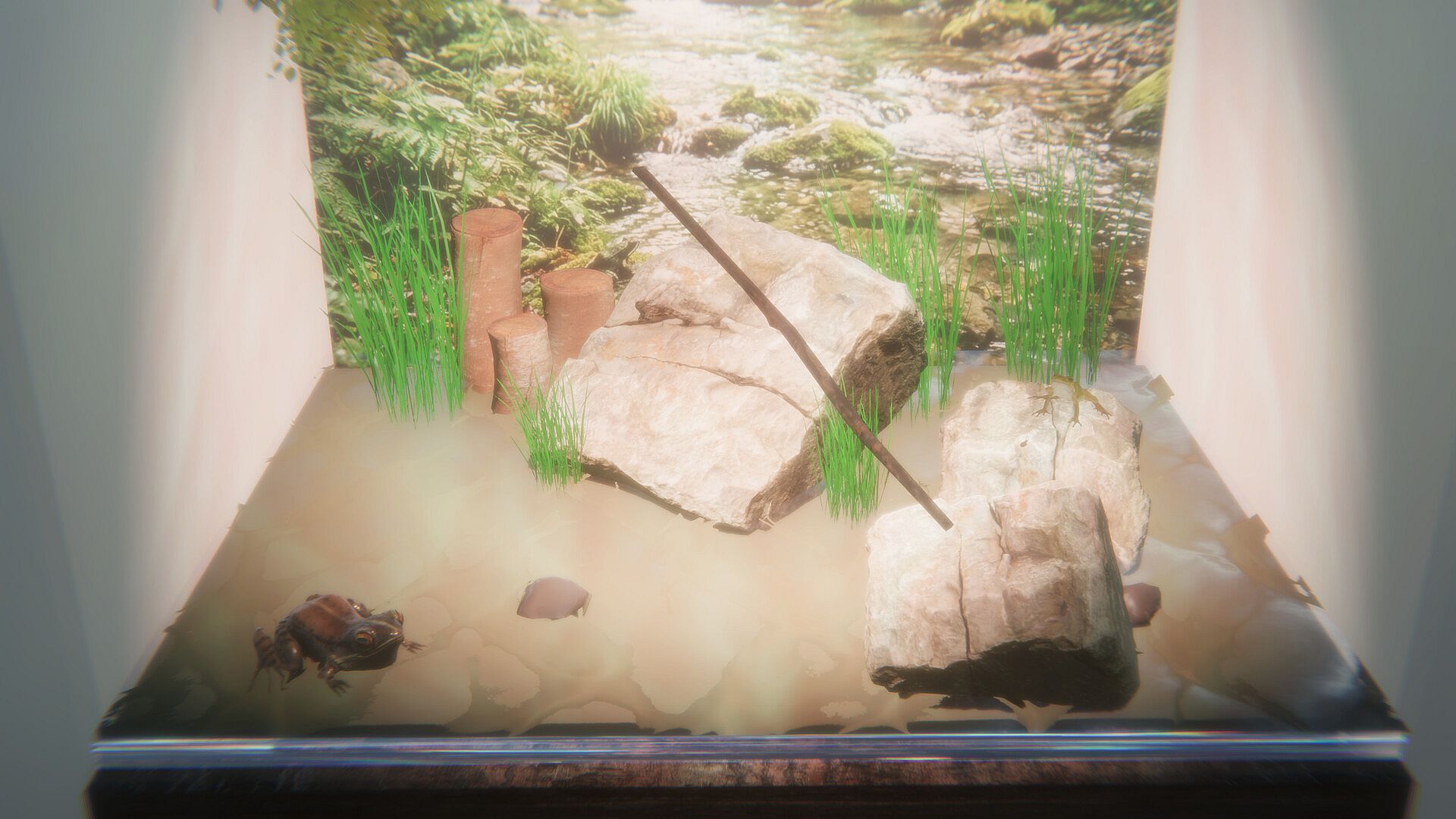
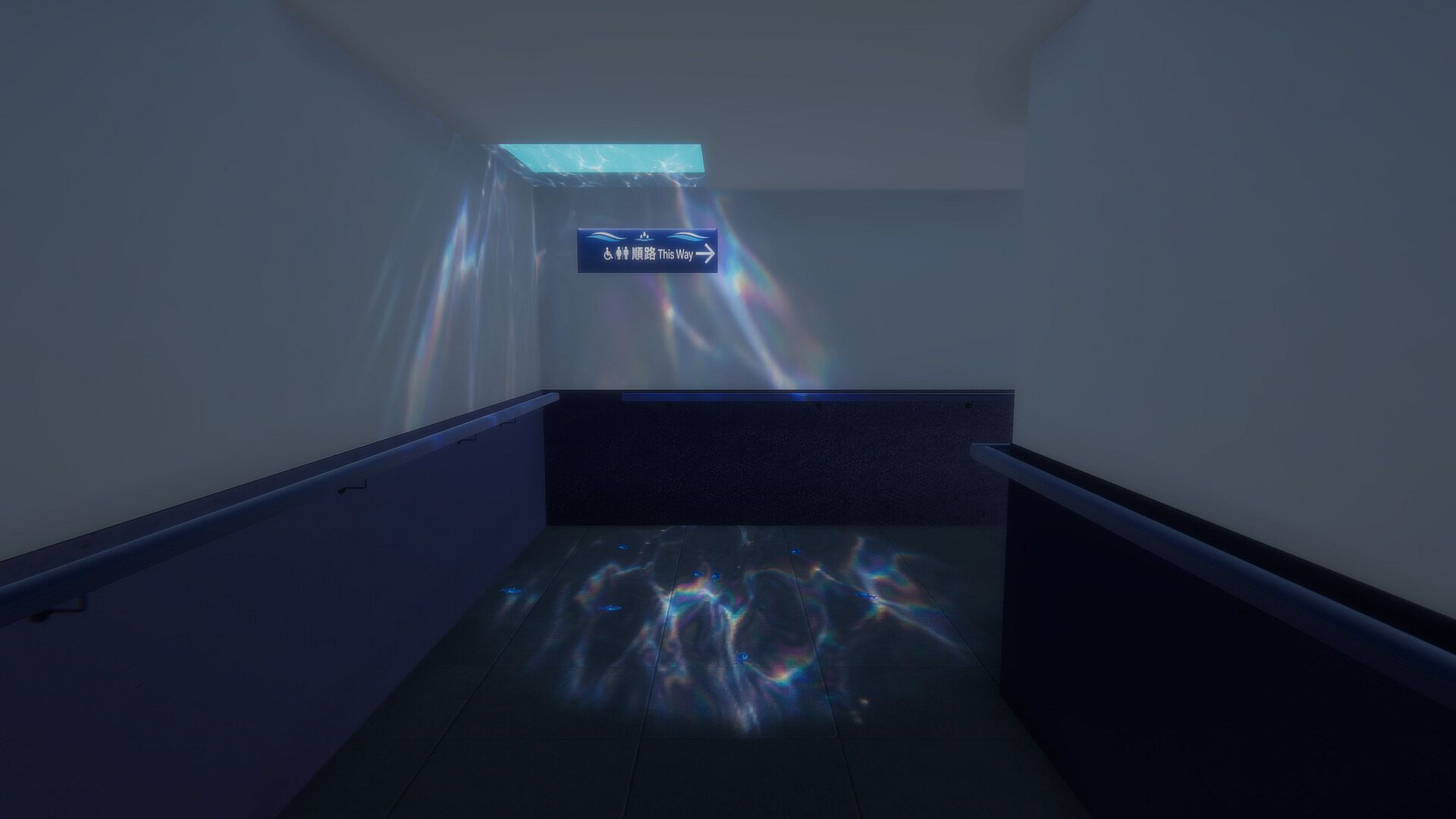
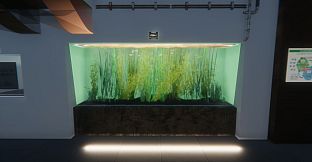
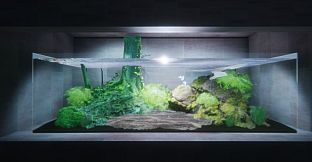
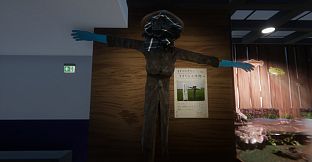
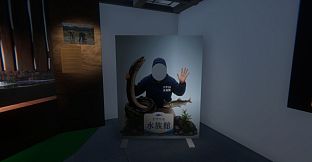

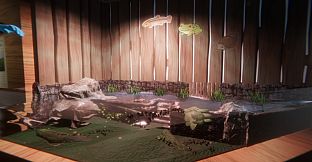
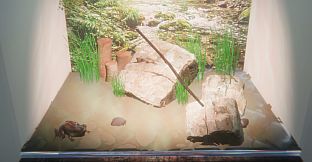
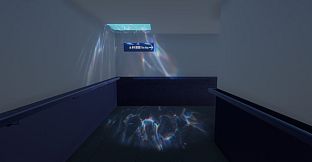
Suzuchina Aquarium is an indie adventure game that places players in a first-person anomaly-hunting horror experience set inside an endlessly looping Japanese aquarium. Trapped with no clear exit, the player must navigate repeating corridors and exhibits while following strict rules to identify changes in the environment and reach safety in Area 8. The title draws direct inspiration from observation-focused titles like The Exit 8, emphasizing careful attention to surroundings over combat or complex puzzles.
Gameplay
The core loop revolves around steady forward movement through the aquarium's halls and tanks. Players use WASD to walk, the mouse to look around, and the spacebar to zoom in on details that might reveal inconsistencies. If the area appears unchanged from previous passes, the player continues ahead. Any detected anomaly requires an immediate turn back to reset the loop and avoid progressing into danger. This simple decision framework creates tension through repetition and the growing awareness that something has shifted in the familiar layout.
Visual and atmospheric details receive careful attention, recreating the quiet, slightly off atmosphere typical of real Japanese aquariums with dim lighting, reflective glass, and still water. Subtle environmental cues drive the experience, encouraging repeated traversals to spot differences in fish behavior, signage, or structural elements. An optional hint system assists players who want guidance toward full completion without removing the satisfaction of independent discovery. Auto-save allows sessions to pause and resume at any point, supporting shorter play periods or breaks when the looping environment begins to feel disorienting.
Motion sickness options include a center dot reticle and recommendations to use windowed mode or sit farther from the screen if discomfort arises. These accessibility features keep the focus on observation rather than technical barriers.
Game Modes
The game operates as a single continuous experience centered on escaping Area 8. There are no separate multiplayer options, competitive leaderboards, or alternate scenarios. The entire session follows the same rule set: observe, decide to proceed or retreat, and repeat until the exit condition is met. This unified structure keeps the emphasis on pattern recognition and environmental awareness rather than branching paths or varied objectives.
Key Mechanics and Atmosphere
Progress depends entirely on the player's ability to notice anomalies during each pass. The rules are explicit and unchanging: nothing unusual means keep going; an anomaly means turn back right away. This binary choice builds suspense through the knowledge that missing a change could trap the player deeper in the loop. The setting reinforces the unease with its realistic recreation of aquarium spaces, where everyday elements like exhibits and pathways take on an uncanny quality once repetition sets in.
Controls remain minimal to maintain immersion. Mouse look provides free viewing angles, while movement stays straightforward. The zoom function helps examine potential anomalies without adding extra layers of interaction. Streaming and video creation face no restrictions, allowing creators to share runs freely while linking back to the store page if desired.
Is It Worth Playing?
Suzuchina Aquarium suits players who enjoy short, focused observation games that reward patience and attention to detail. The anomaly-hunting loop delivers a consistent sense of unease through its looping structure and minimalist rules, making it a strong fit for fans of Exit 8-style titles or anyone seeking a compact horror experience on PC. The hint feature and auto-save lower the barrier for those new to the genre, while the faithful aquarium atmosphere provides a distinctive backdrop compared to more abstract settings. Those who prefer action, exploration with heavy narrative, or longer campaigns may find the experience too narrow, but the title delivers exactly what its premise promises without unnecessary additions. For players drawn to methodical, rule-based horror, it offers a satisfying and replayable challenge centered on perception rather than reflexes.











