


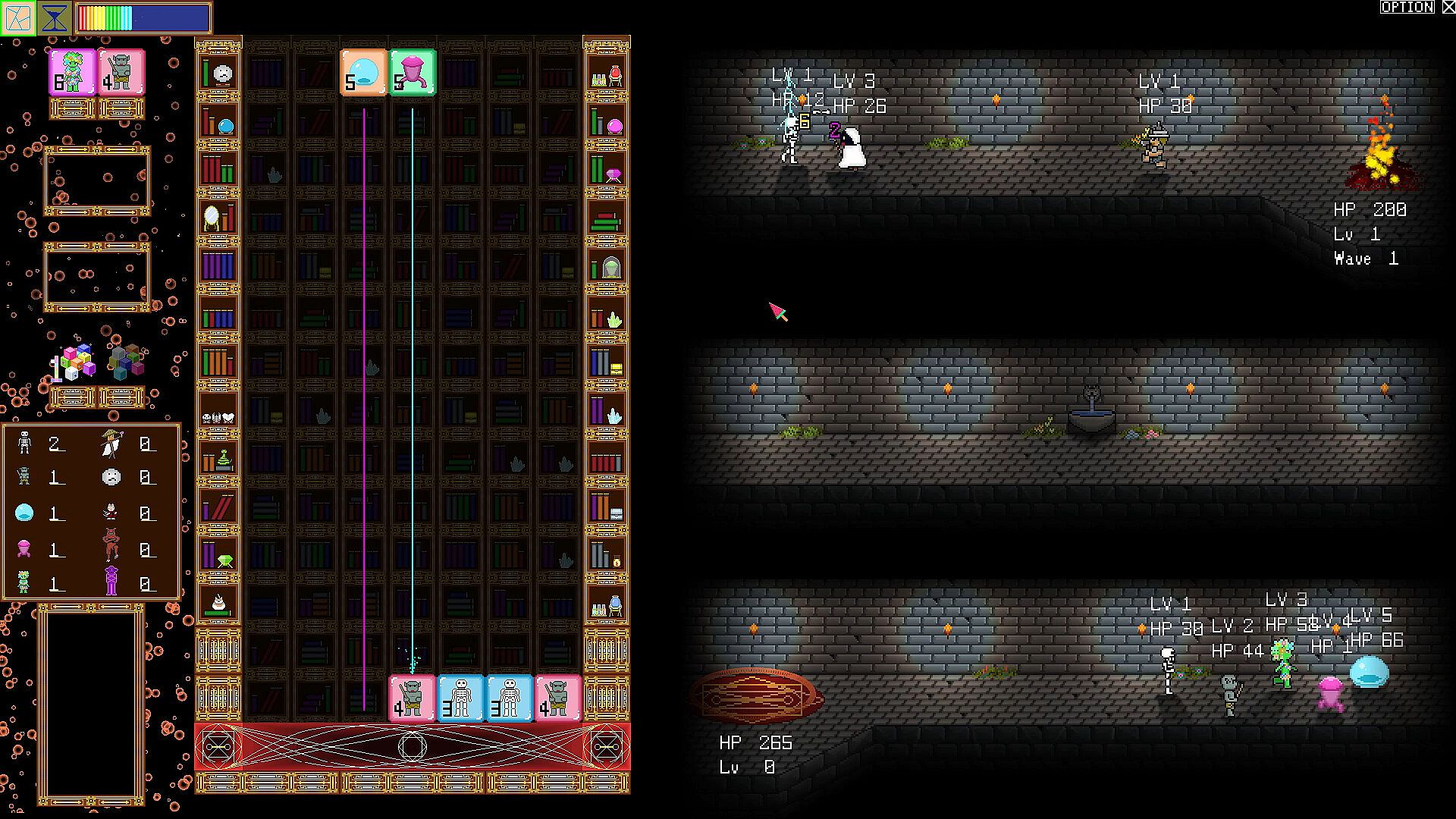
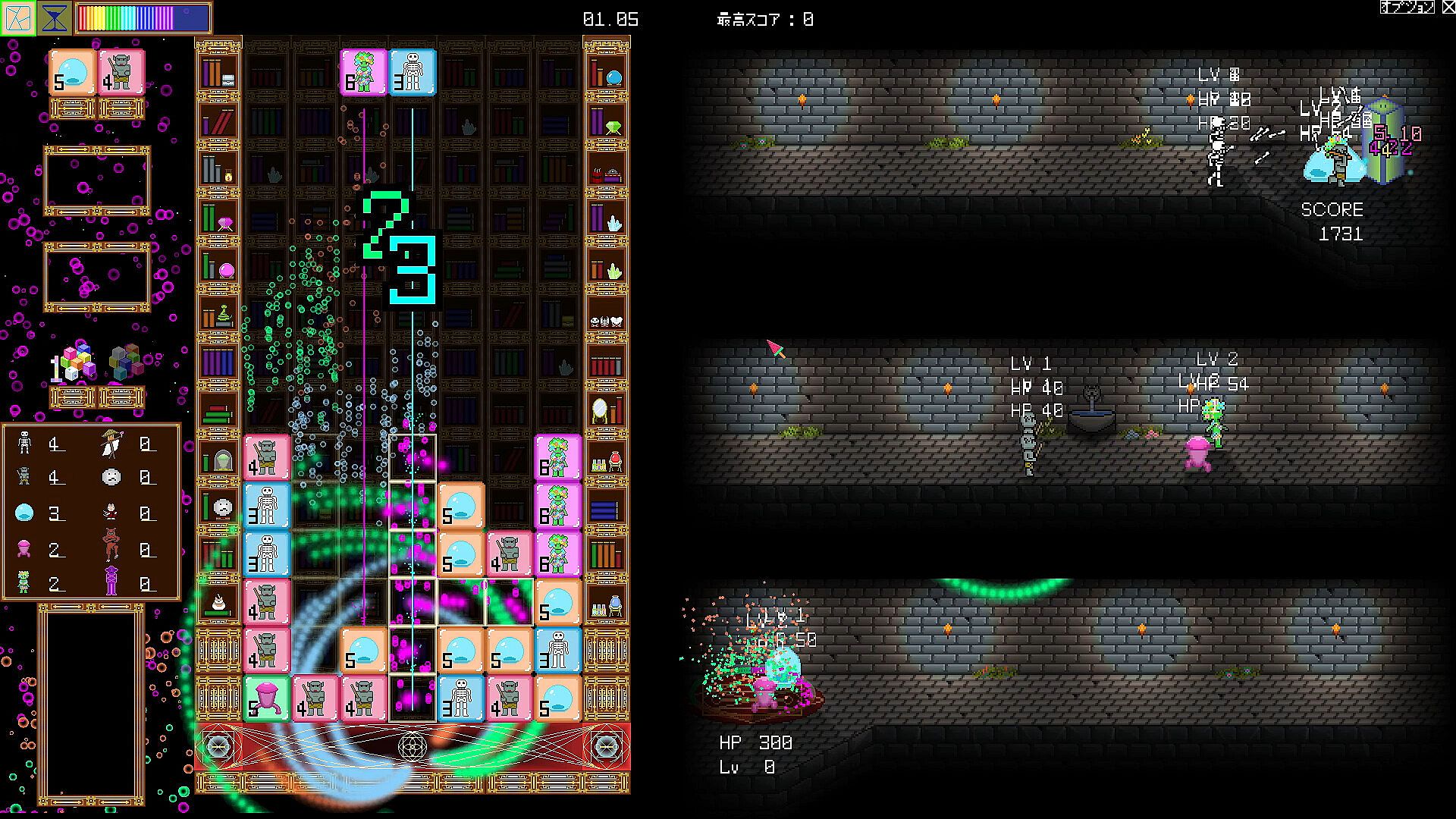
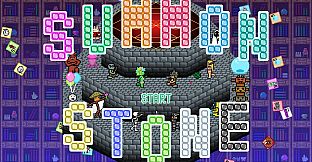
Summon Stone is an indie casual game on PC that blends puzzle mechanics with tower defense elements. Players build and manage summoning decks to call forth pawns that defend or attack, all while arranging and destroying stones in match-style sequences to trigger powerful chains.
Gameplay
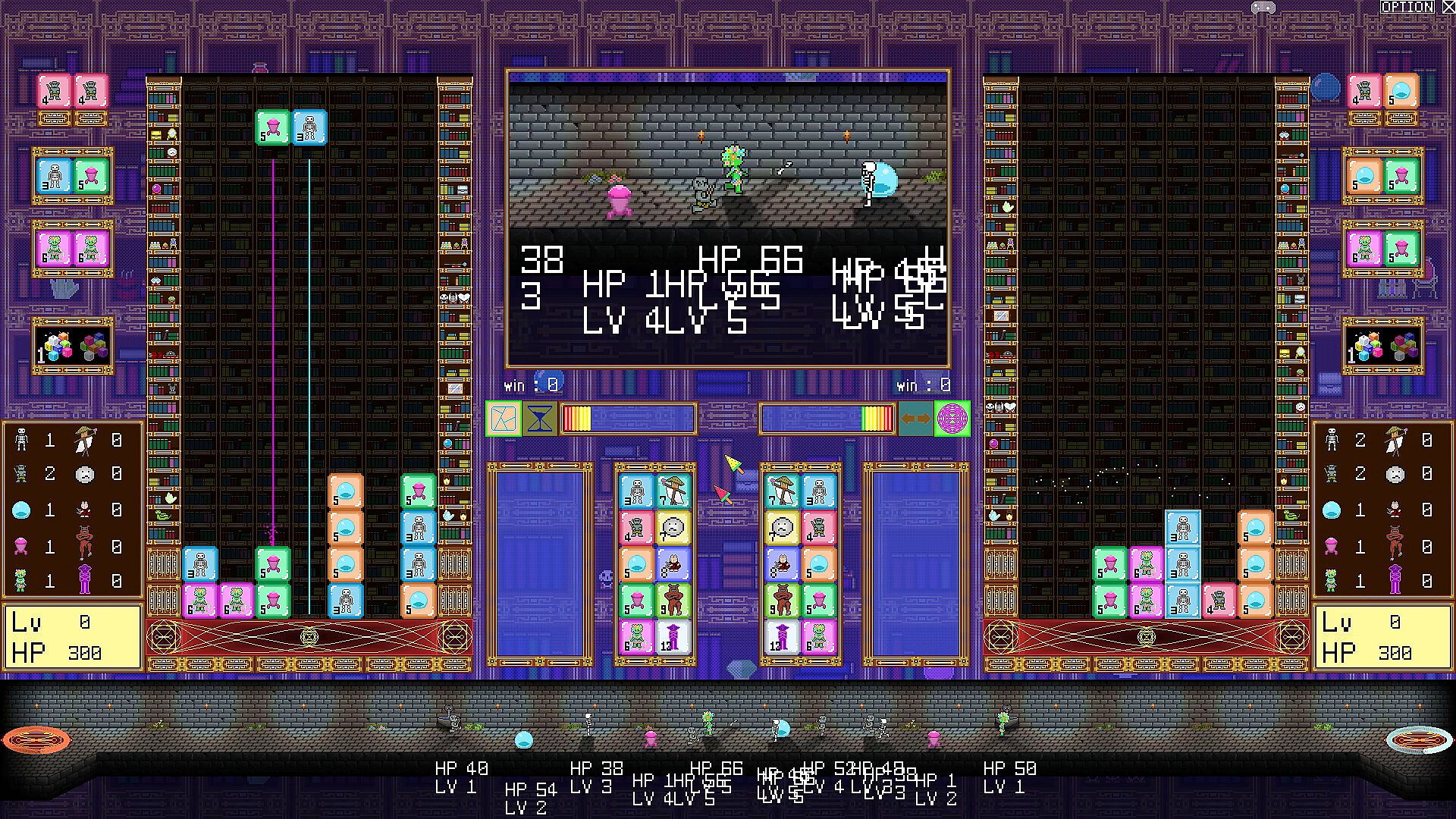
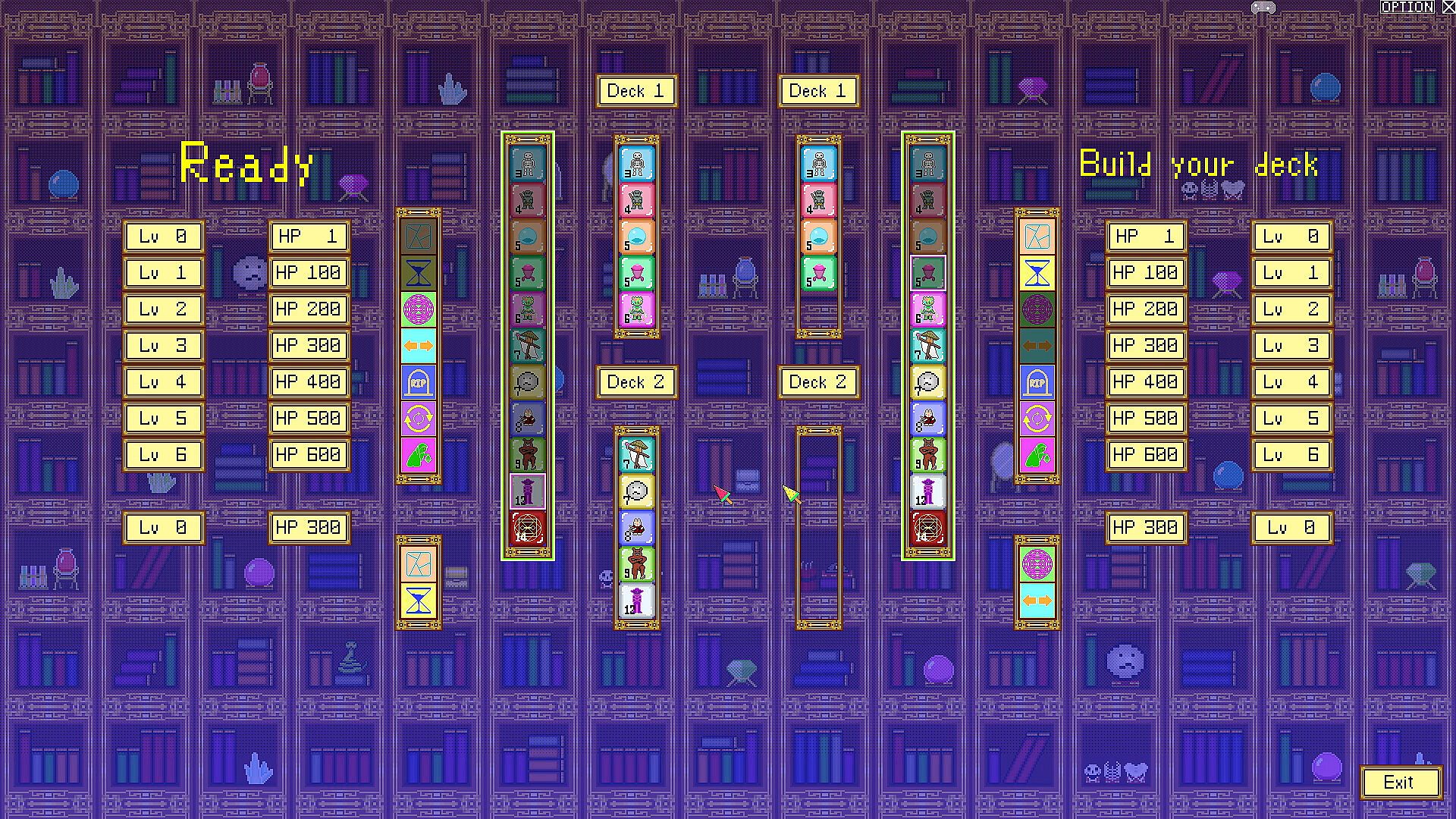
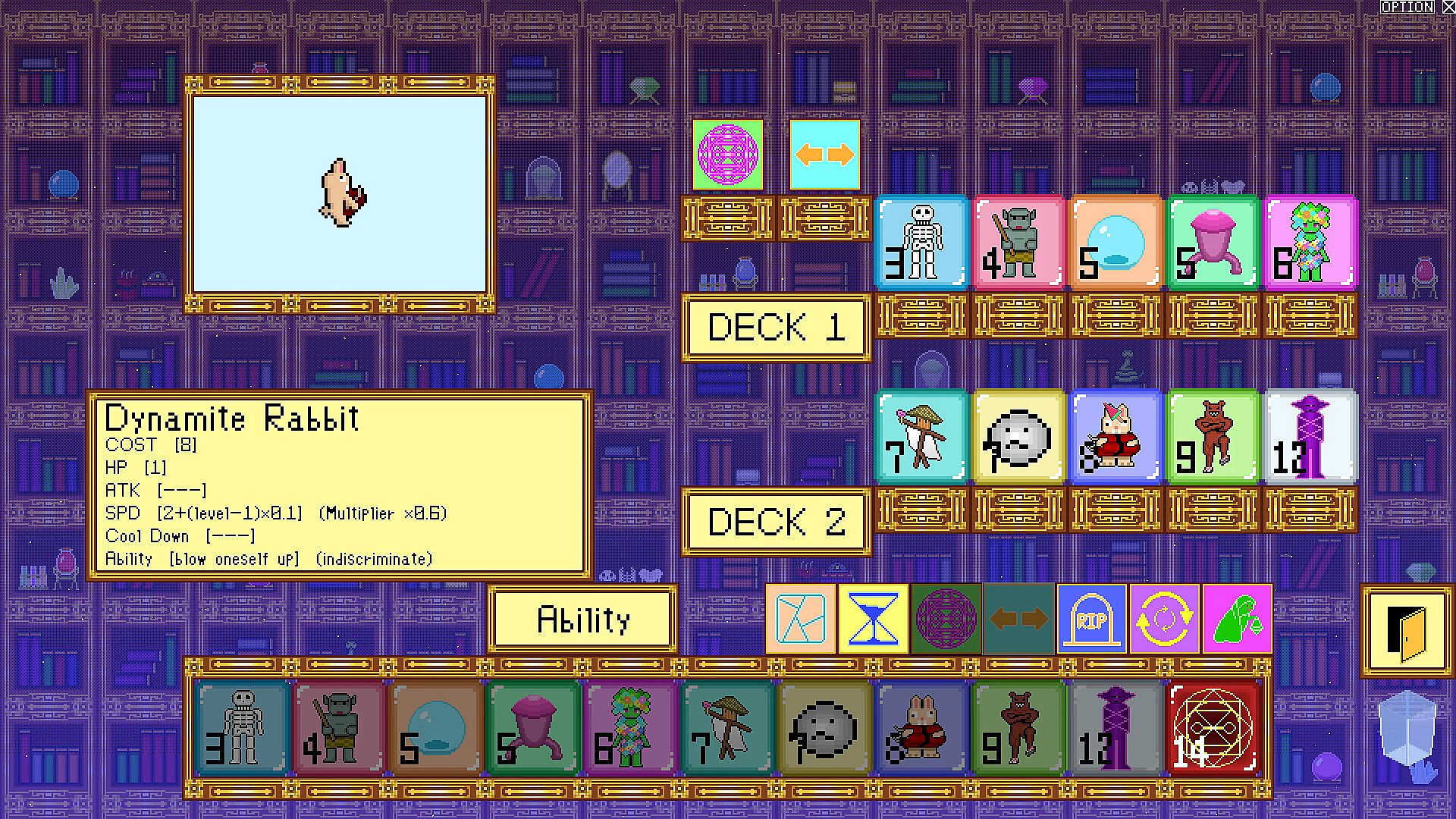
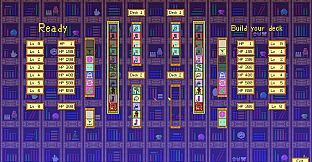
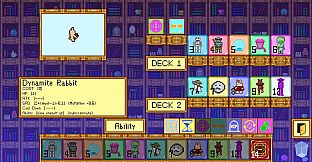
The core loop centers on eleven types of summoning stones. Players select five stones from each type to form two separate decks. These decks can be switched at any time during play, which supports quick adaptation to incoming threats or changing board states. Each pawn type demands a precise number of matching stones, and stronger pawns require more stones to summon.
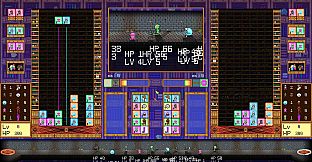
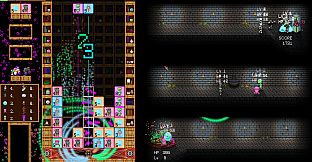
Stones are stacked vertically or horizontally on the summoning array. Destroying a set summons the corresponding pawn immediately. Any stones above the destroyed ones fall into place, and matching adjacent groups can chain-react for additional summons. The level of each summoned pawn scales directly with the length of the chain created. Up to two abilities can be equipped at once, each providing distinct effects that alter stone behavior, pawn performance, or enemy interactions.
This system rewards careful planning of stone placement alongside rapid decision-making when chains begin to form. The puzzle aspect comes from positioning stones to set up future chains, while the tower defense side requires timely summons to handle advancing enemies.
Game Modes
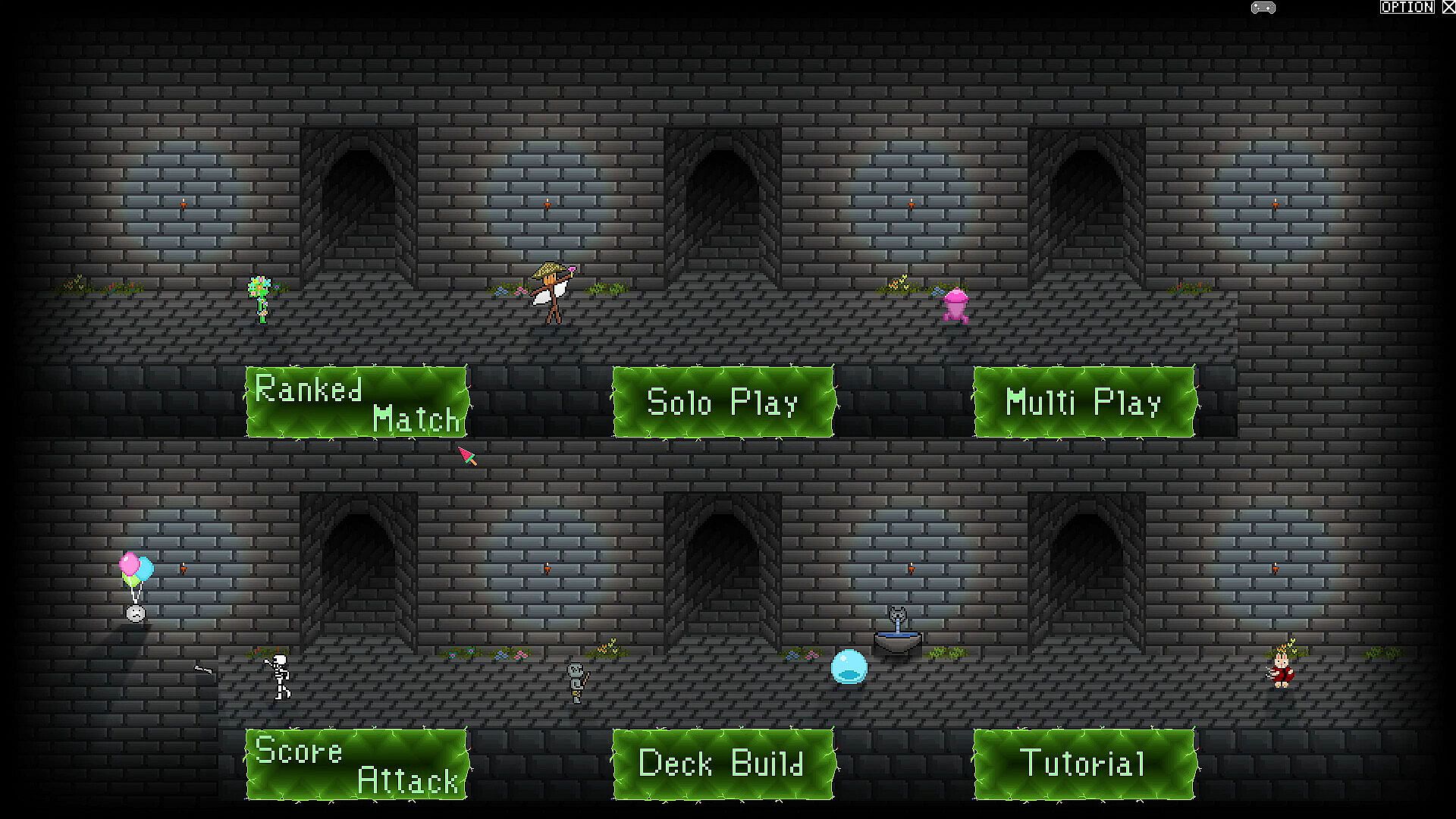
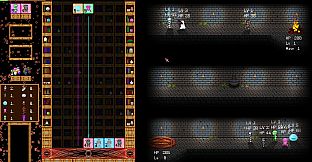
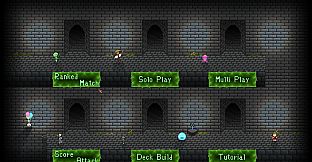
Single-player options include Tower Defense and Score Attack. In Tower Defense, waves of enemies approach the summoning array. Players prepare stones in advance, then destroy them to summon pawns that protect the base and push back the assault. Success depends on creating efficient chains to summon higher-level pawns before the enemy reaches the array.
Score Attack shifts focus to offense. Pawns attack a fixed target continuously for five minutes. The goal is to maximize total damage dealt, with the final score determining leaderboard position. This mode emphasizes sustained chain creation and ability timing over defensive positioning.
Multiplayer supports both local and online play. Local matches allow two players to share one PC, using keyboard and gamepad controls. Online play offers one-on-one battles where the objective is to destroy the opponent's summoning array first. Online options split into Lobby Matches for casual, repeated play against any available opponent and Ranked Matches that track points toward leaderboard placement.
Deck Building and Strategy
Deck construction forms the foundation of long-term play. With eleven stone types available, each choice influences which pawns can be summoned and how flexibly the board can be managed. Balancing stone quantities across the two decks allows players to maintain options even after one deck is partially spent. Switching decks mid-match introduces an extra layer of timing, as it can interrupt enemy advances or capitalize on sudden chain opportunities.
Abilities add further customization. Selecting two from the available pool lets players tailor their approach, whether emphasizing chain extension, stone manipulation, or direct pawn buffs. The combination of deck variety, chain mechanics, and ability choices creates matches that reward experimentation and adaptation rather than fixed strategies.
Is It Worth Playing?
Summon Stone targets players who enjoy hybrid puzzle and tower defense experiences with a strong emphasis on strategic deck management. The single-player modes provide clear progression paths through wave defense and timed scoring challenges, while multiplayer options support both relaxed sessions and competitive point chasing. Local play on one PC makes it accessible for shared sessions without additional hardware.
The game is scheduled to release on August 20, 2026. At present there are no user reviews available, so reception remains to be seen once players can experience the full range of modes and chain-building depth. Those drawn to casual yet layered indie titles that mix matching puzzles with defensive and competitive elements may find the mechanics engaging, particularly if they appreciate games that reward both planning and quick reactions.