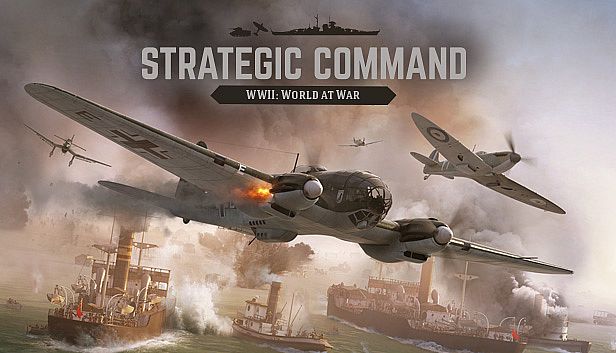
















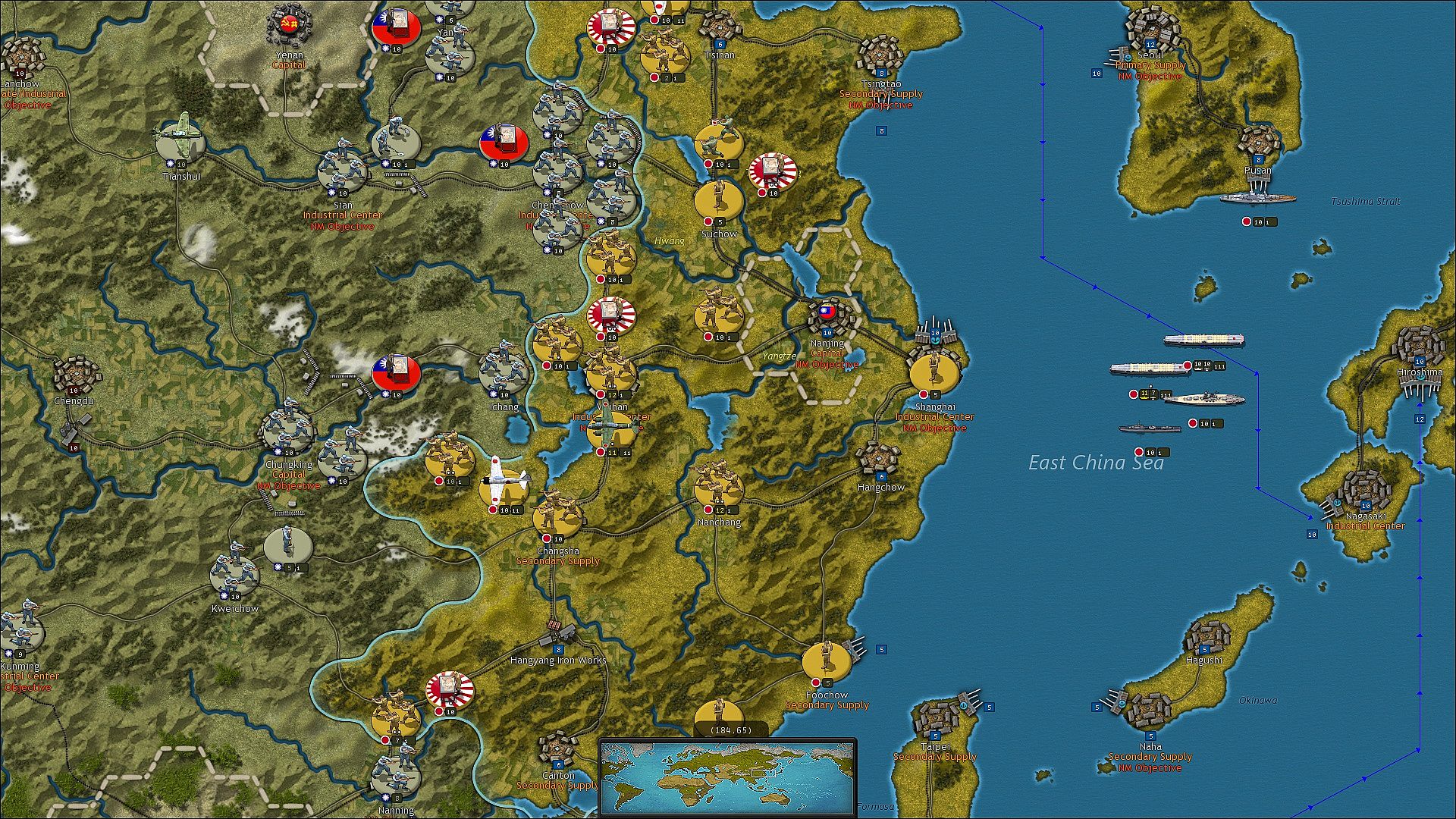
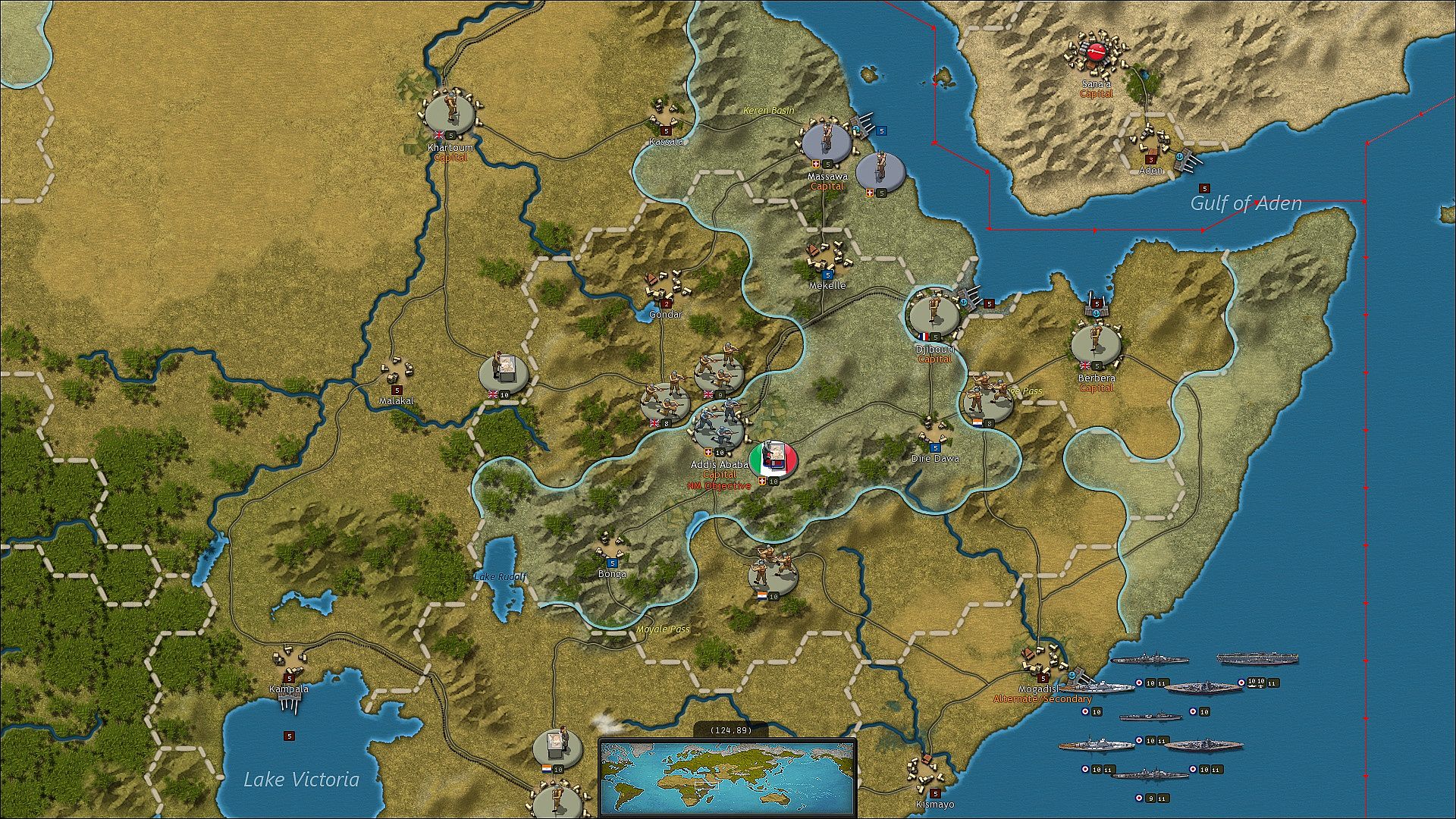
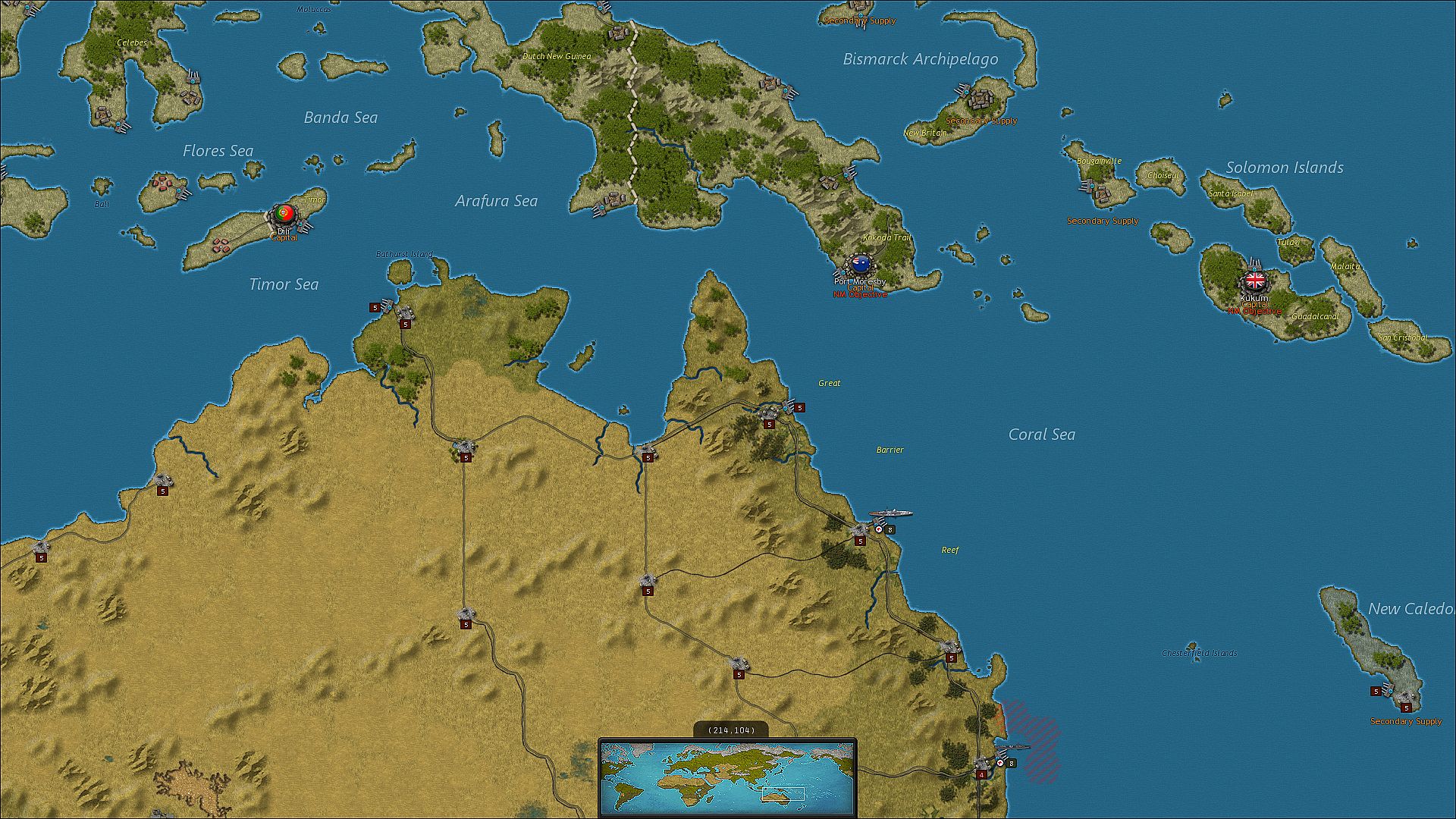
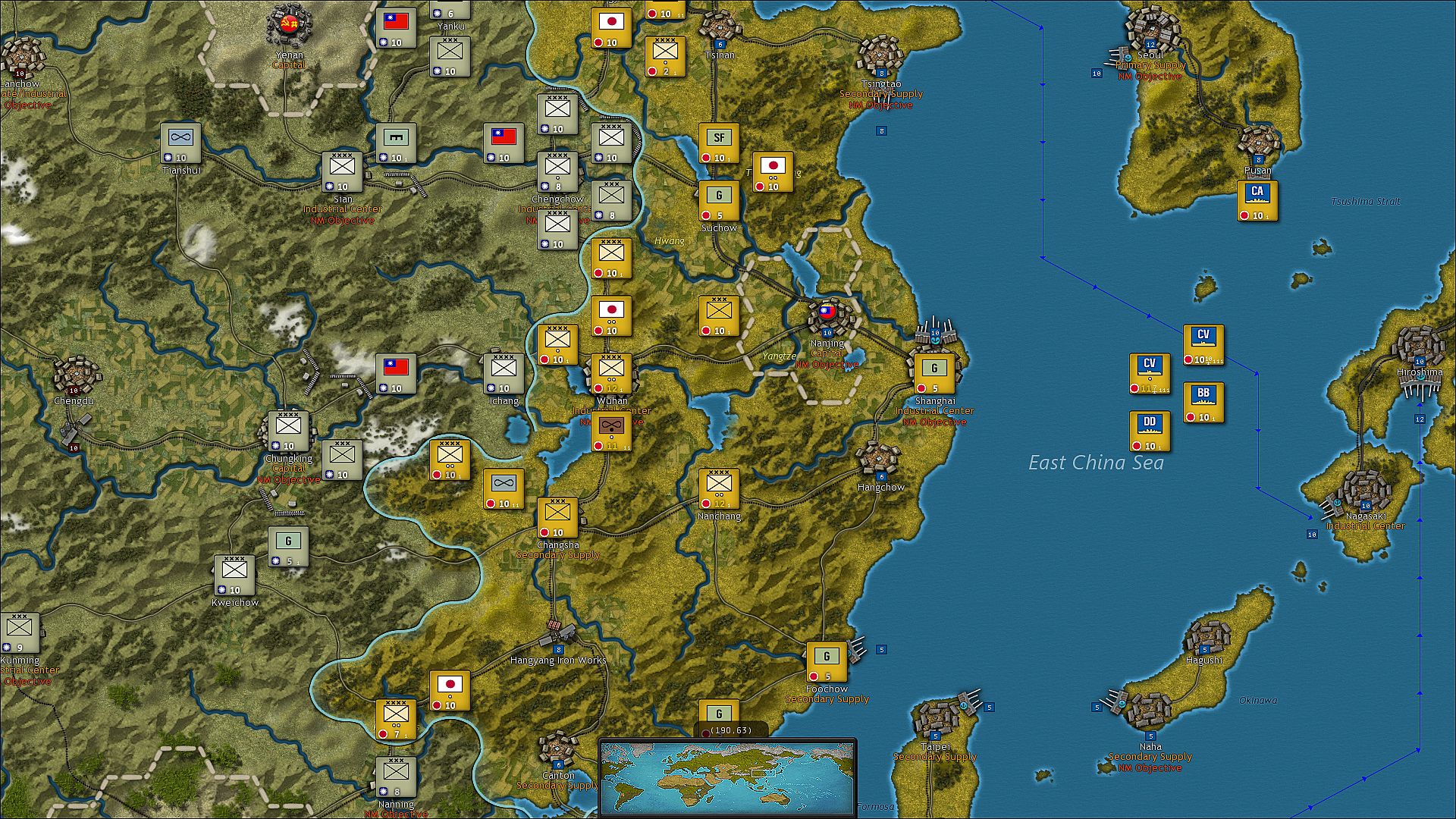
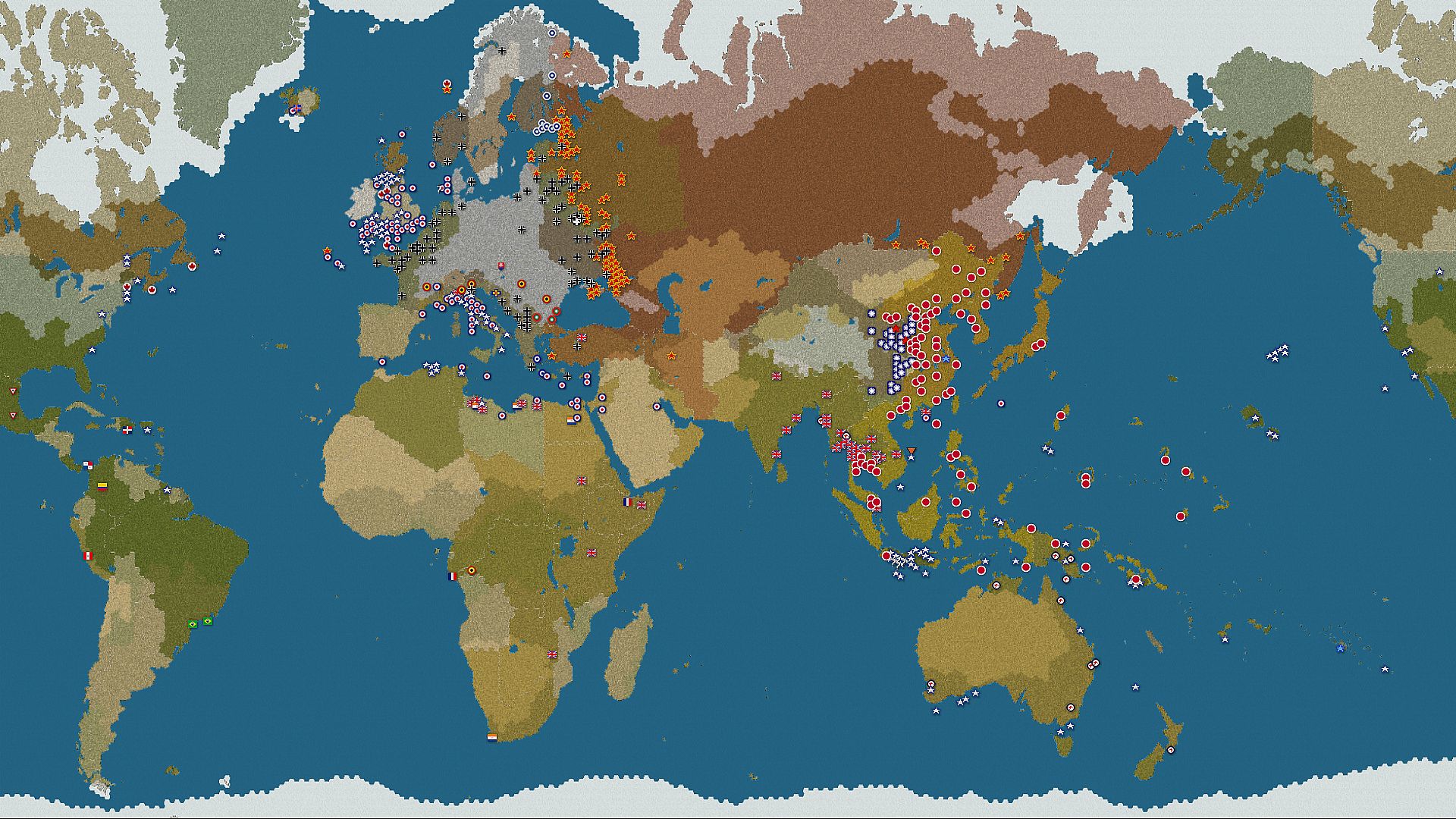
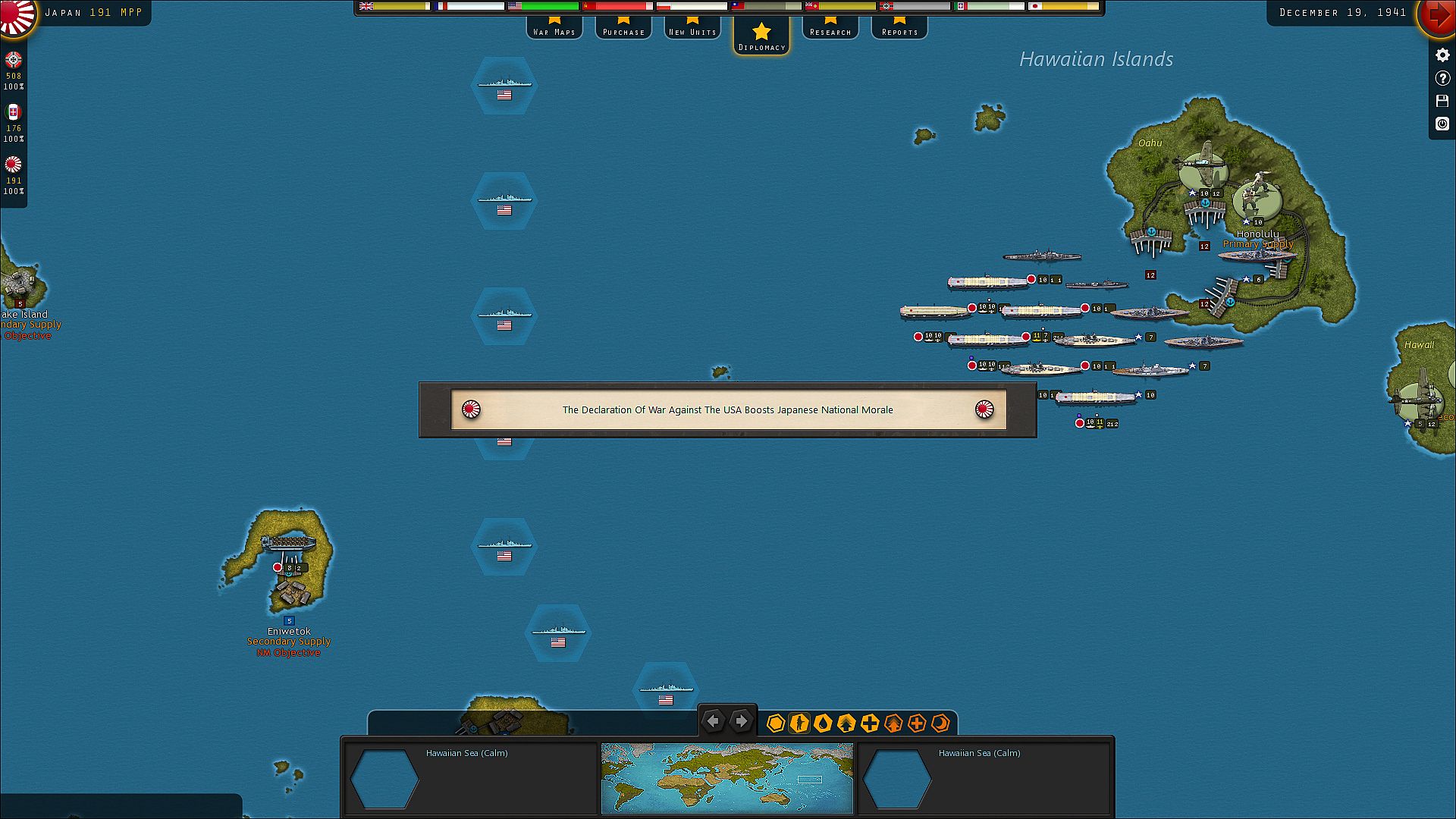
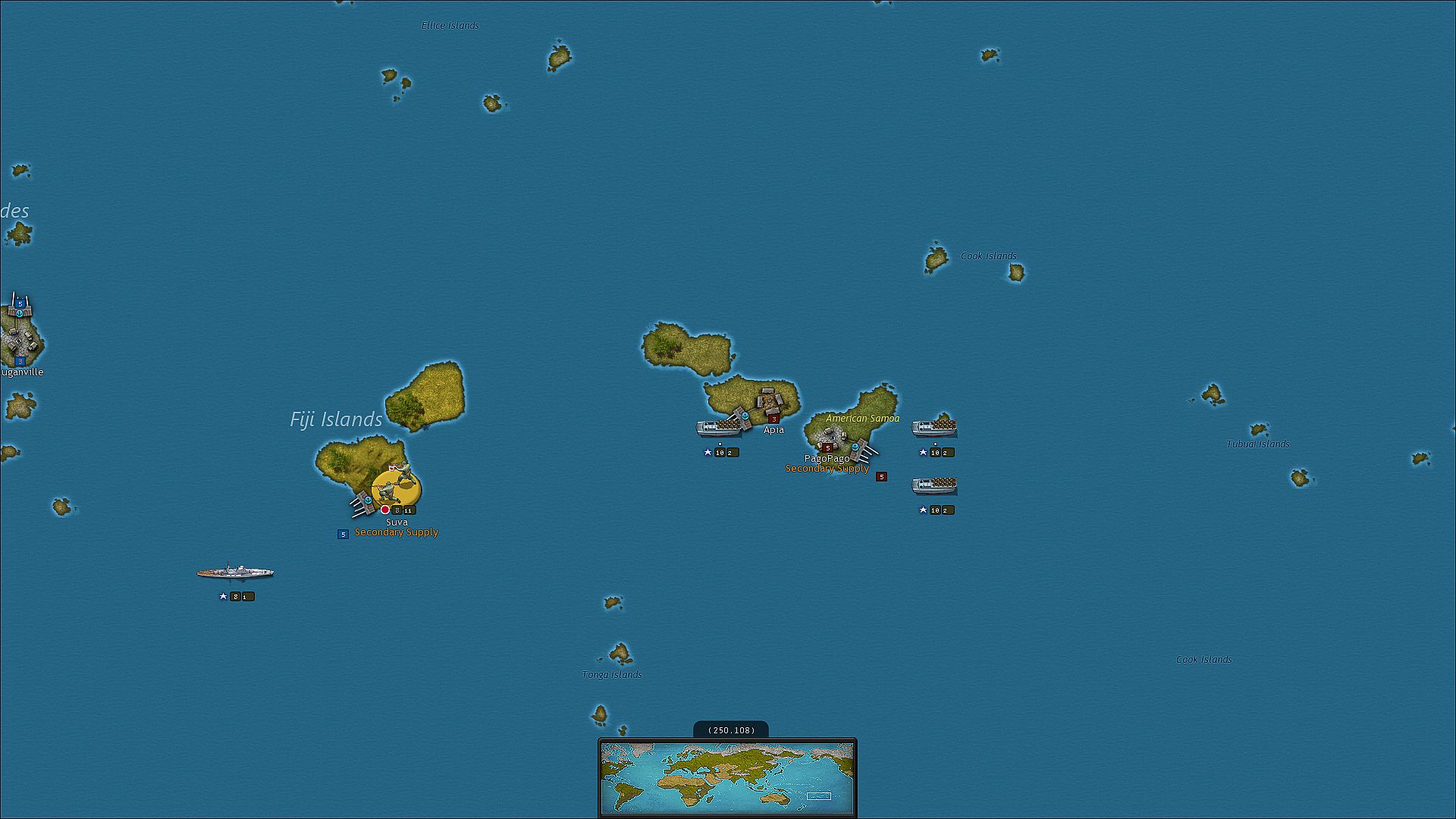
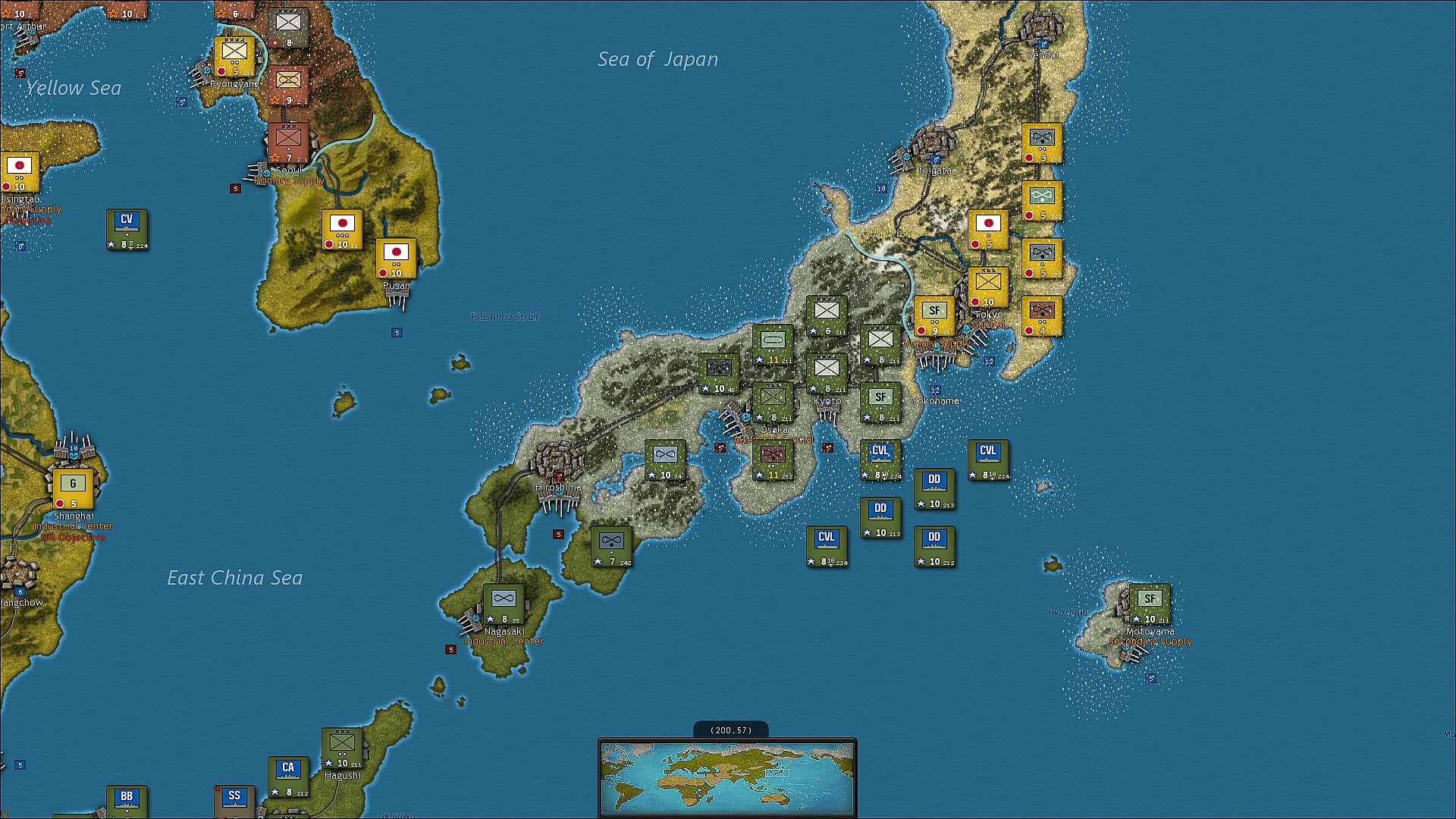
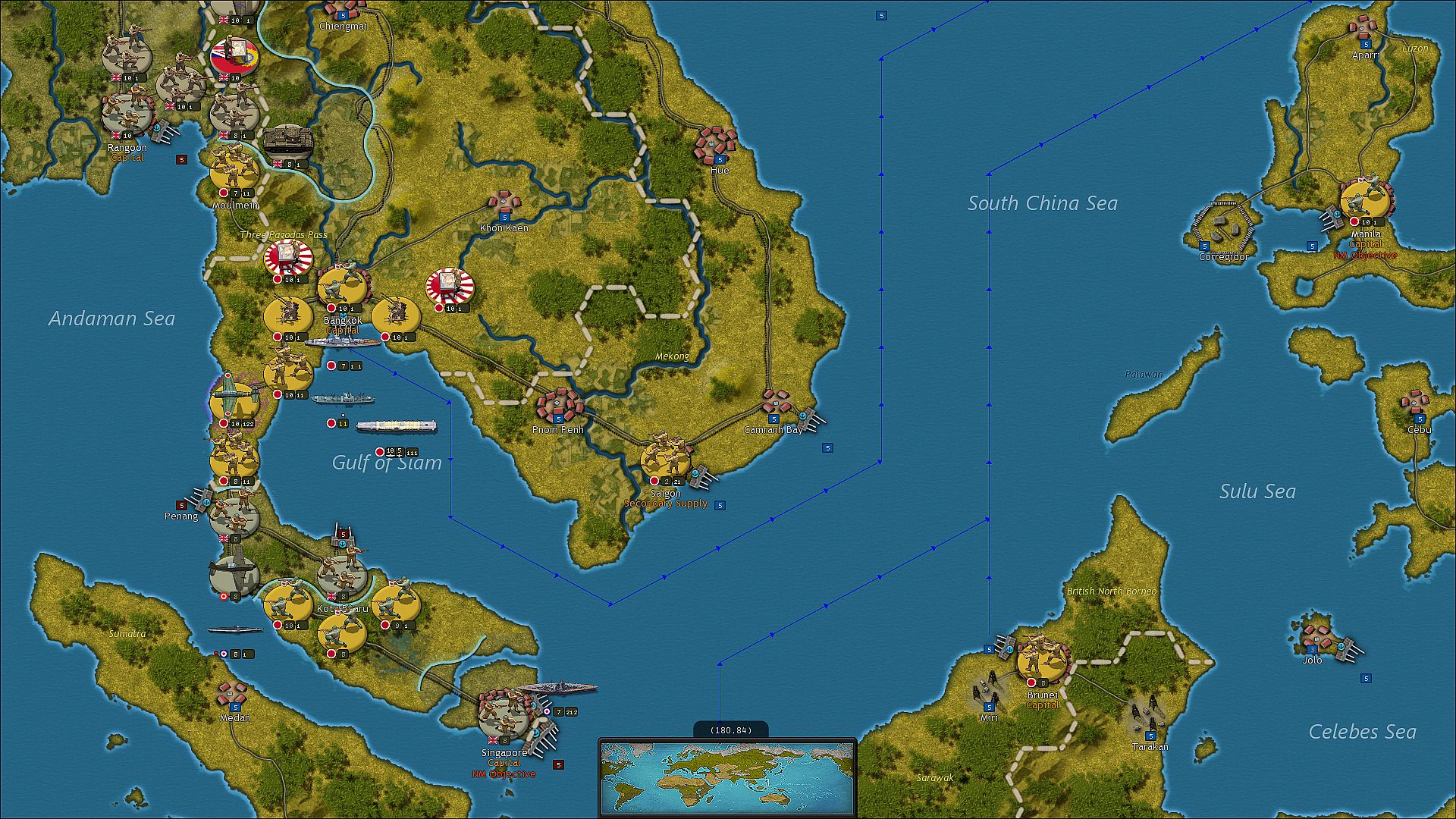
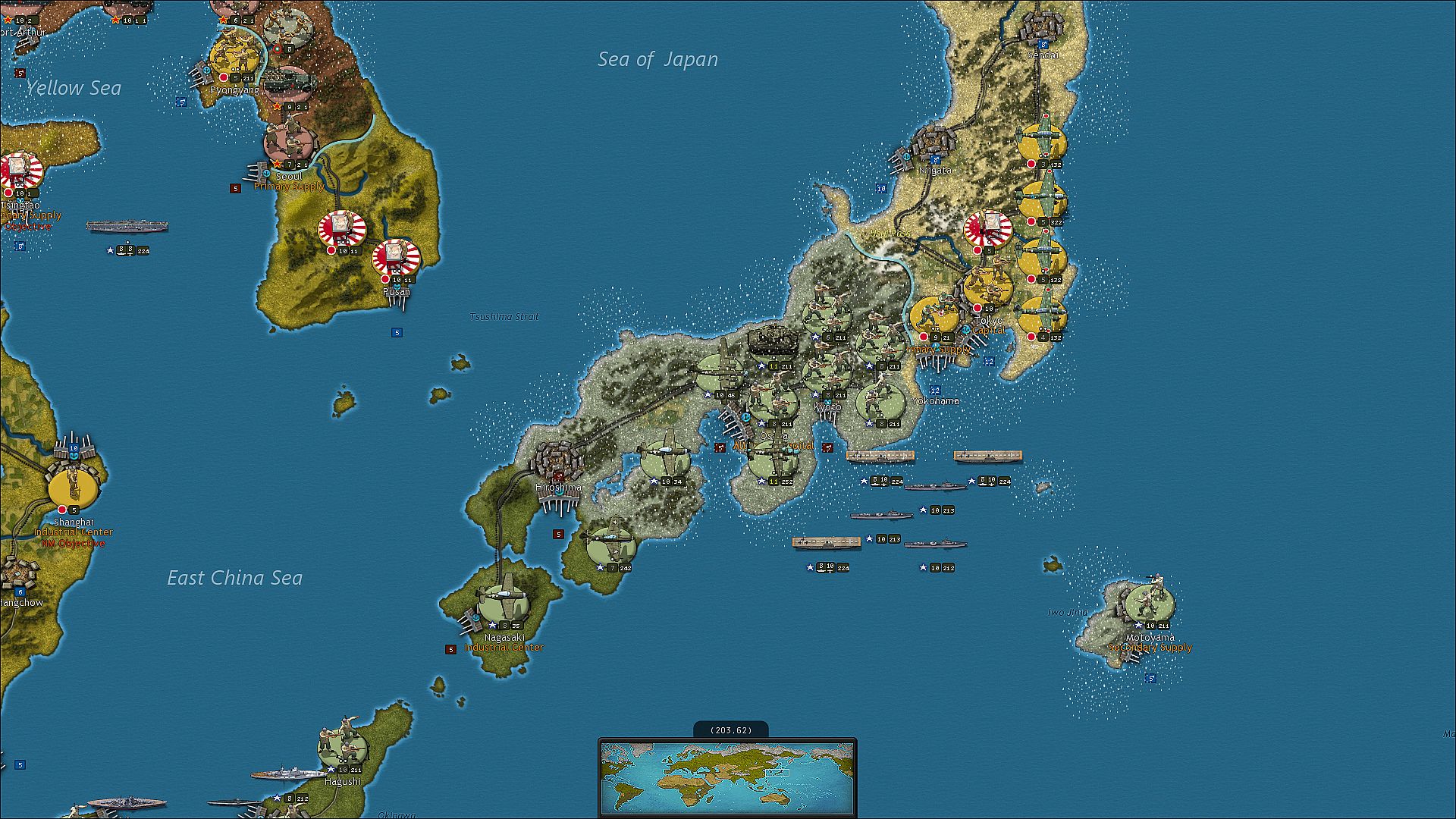
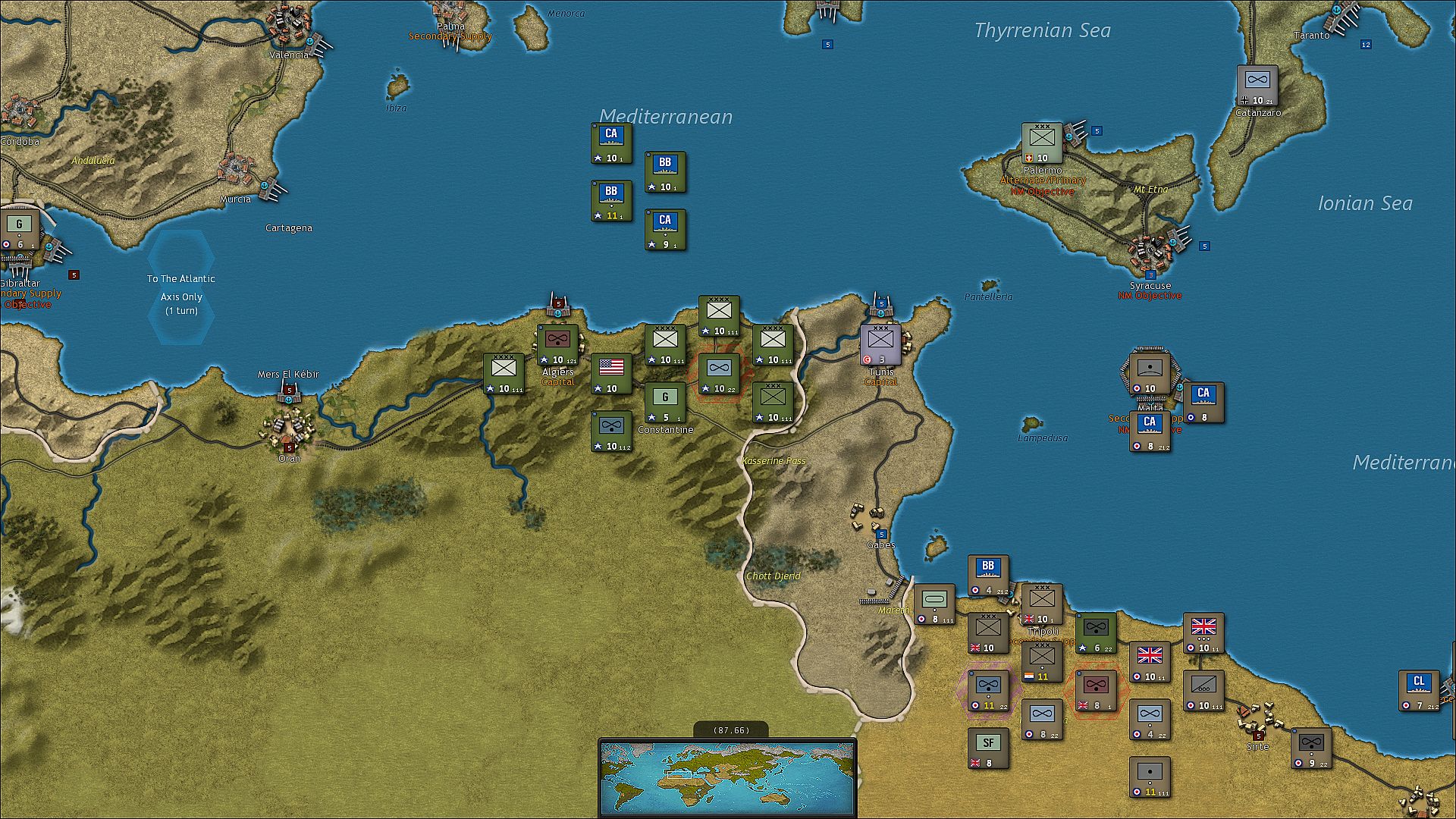
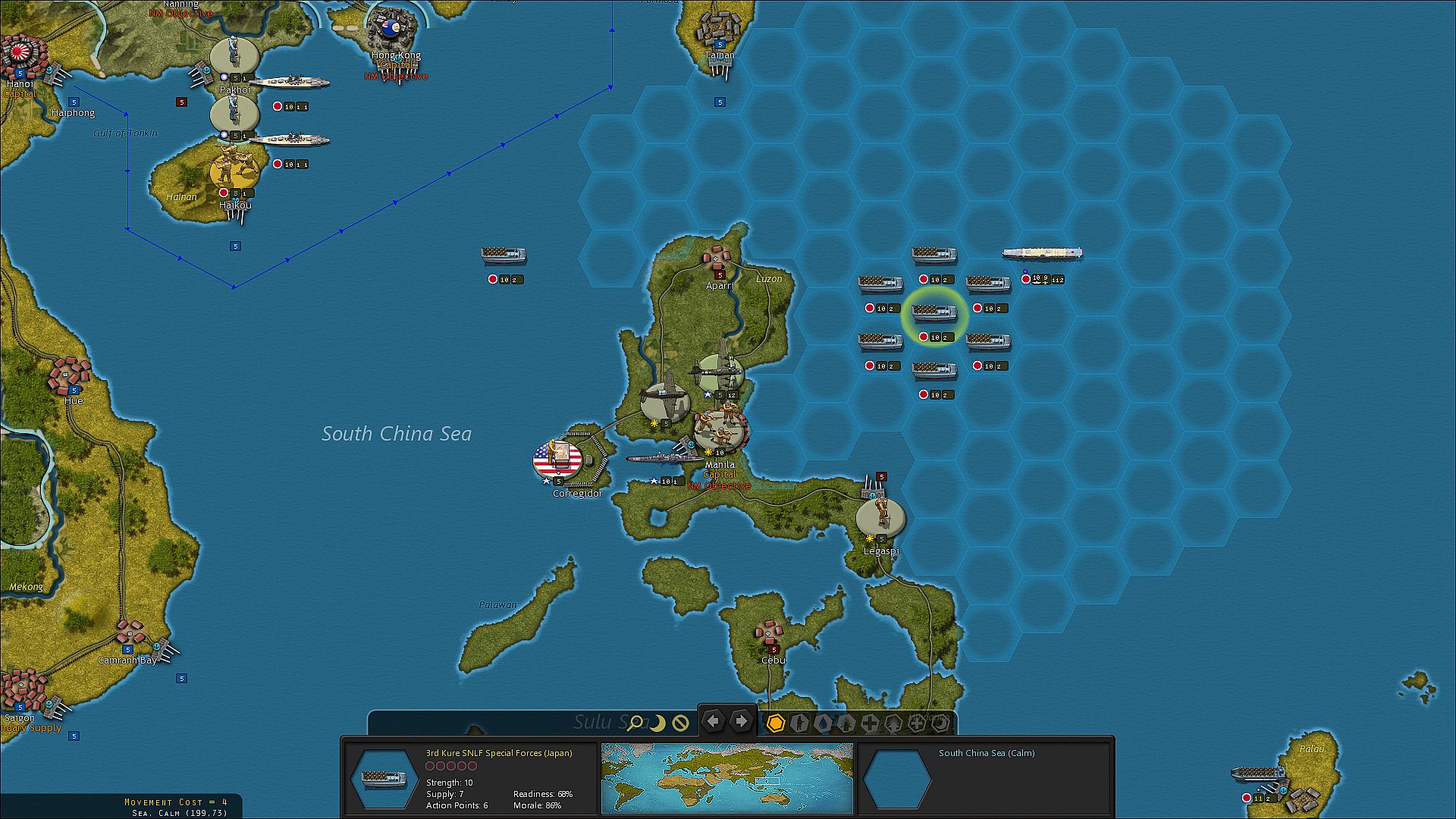
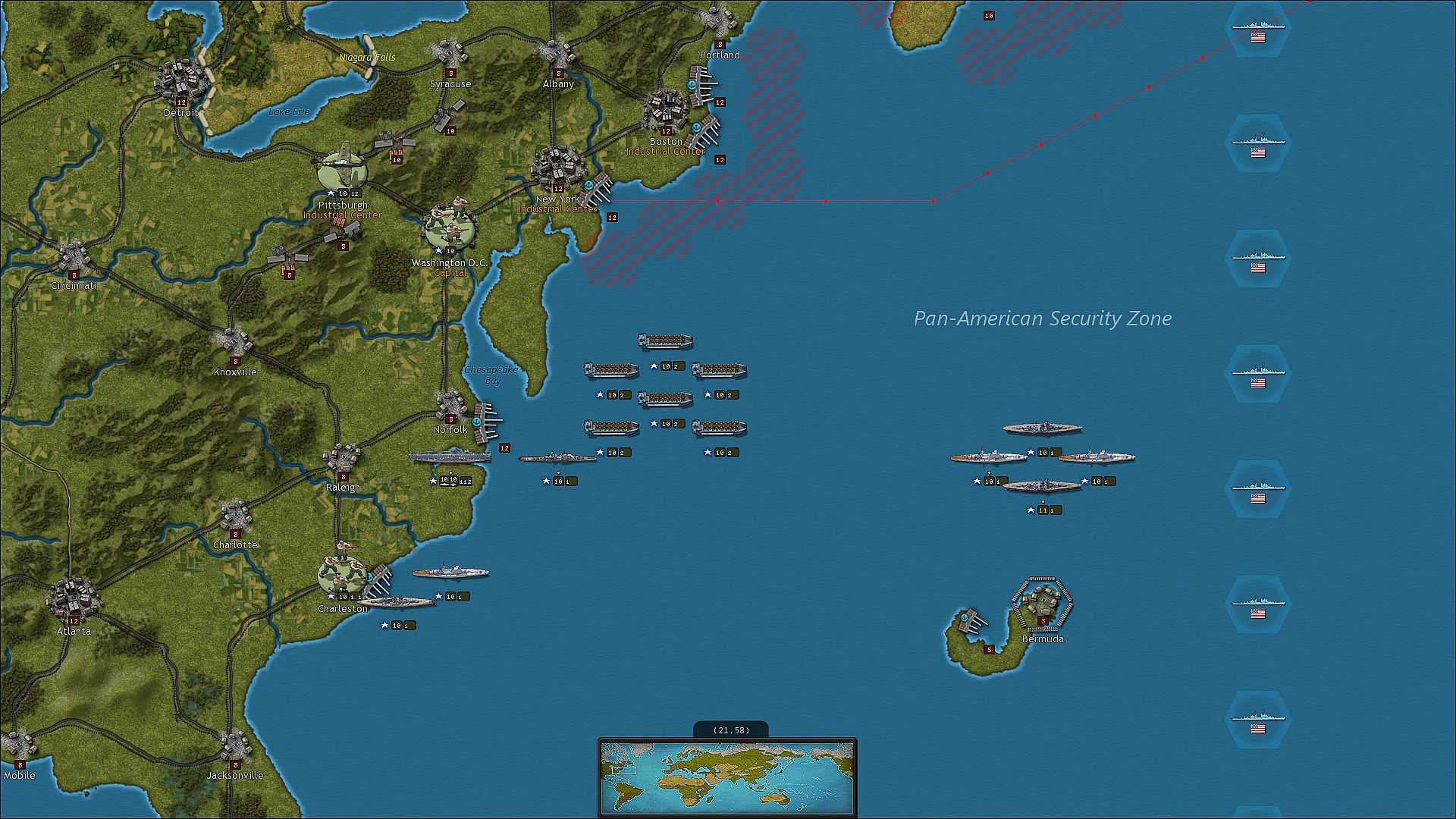
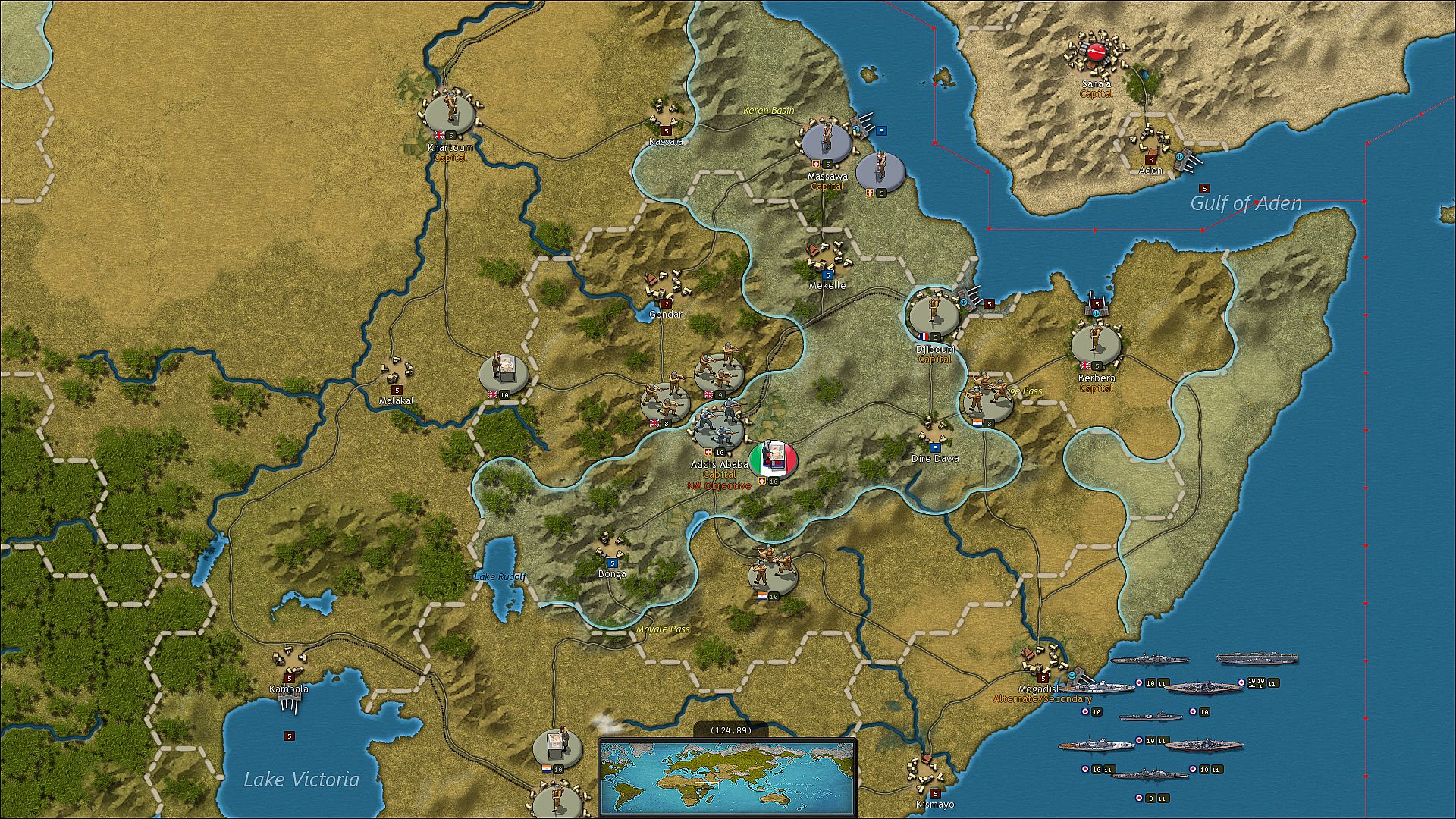
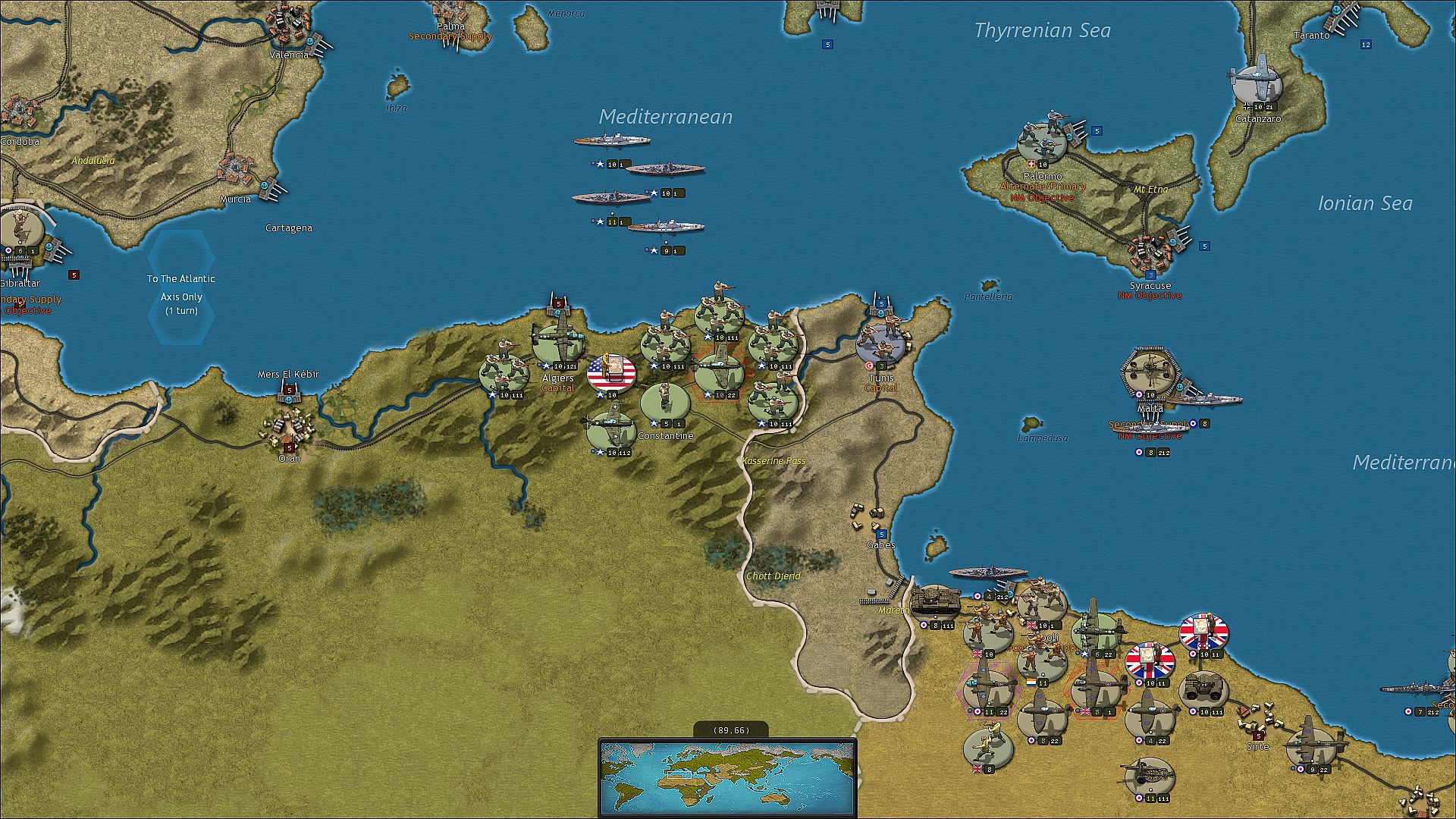
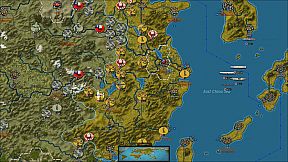
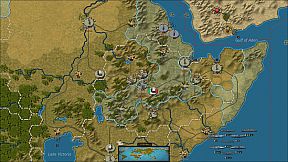
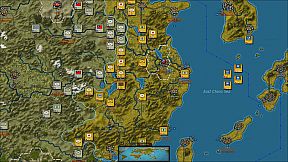
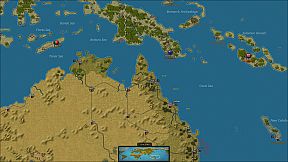
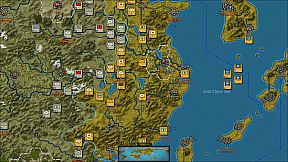
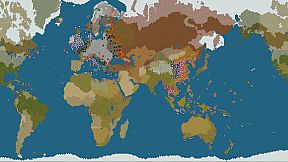
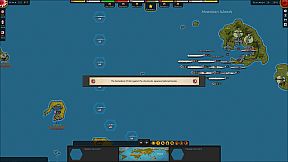
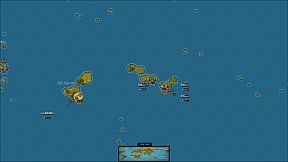
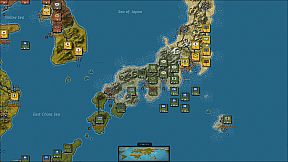
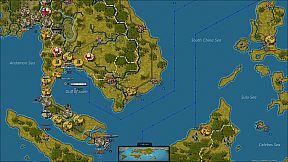
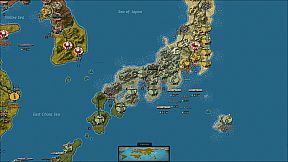
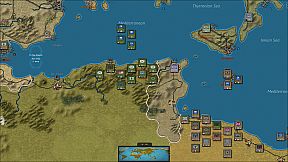
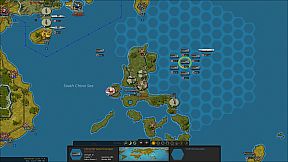
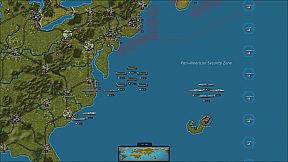
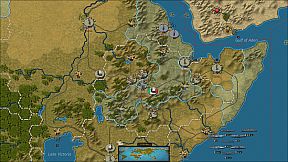
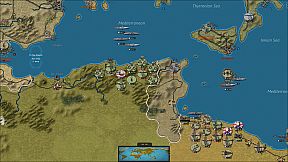
Strategic Command WWII: World at War is a turn-based strategy game that places players in command of either the Axis or Allied powers during the Second World War. The title spans a global hex-based map that stretches from Europe and North Africa through the Pacific and into Asia, allowing full control over major theaters from the 1939 invasion of Poland onward.
Gameplay
Core play revolves around managing resources, positioning units, and executing orders across turns on the large world map. Players handle production, movement, and combat for land, sea, and air forces while contending with a realistic fog of war that limits visibility of enemy positions and plans. Research options let commanders invest in specific upgrades such as improved infantry weapons, rocket technology, anti-submarine warfare, and amphibious capabilities, creating meaningful trade-offs between immediate needs and long-term advantages.
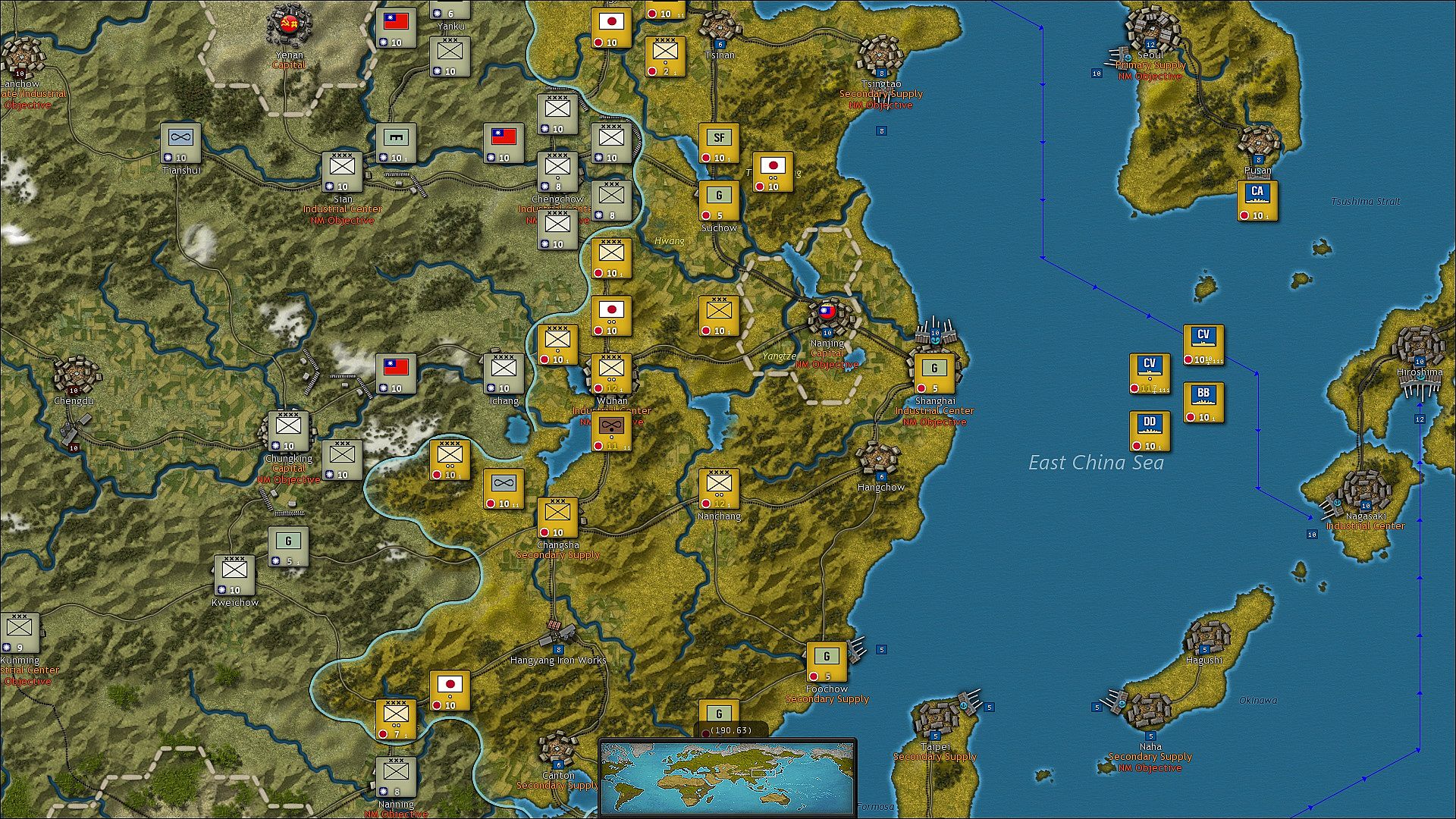
Diplomacy mechanics allow efforts to sway neutral nations or secure new allies, while intelligence operations can disrupt opponent strategies. A system of strategic decision events presents historical or alternate choices that shape the course of the war. Unit graphics can be switched between detailed three-dimensional models and traditional NATO-style counters to suit different preferences. New elements include limited naval repair options and the ability to deploy kamikaze attacks in relevant theaters.
Game Modes
The game supports a grand campaign that begins in 1939 and covers the entire conflict, alongside multiple shorter scenarios with distinct start dates and victory conditions. Single-player options include facing a competent artificial intelligence opponent, with the ability to assign the AI control over selected allied nations so attention can focus on preferred fronts. Multiplayer takes the form of hotseat play on a shared computer or play-by-email exchanges for remote opponents.
These modes emphasize strategic depth over rapid action, rewarding careful planning and adaptation to partial information. The structure encourages repeated playthroughs as different alliances, research paths, and event choices alter outcomes across the global theater.
Campaigns and Scenarios
Beyond the full grand campaign, the selection of shorter scenarios lets players explore specific phases or alternate starting points without committing to the entire war. Each scenario carries its own objectives and constraints, highlighting different aspects of supply lines, naval operations, or land offensives. The design keeps the focus on high-level command decisions rather than unit-level tactics, though combat resolution still incorporates terrain, supply, and unit quality factors.
Customization and Modding
An included editor supports creation of custom maps, campaigns, and what-if situations from scratch. The system accommodates up to ten major powers, opening possibilities for expanded or entirely new conflicts beyond the historical Second World War setting. An active community shares modifications that range from visual map changes to complete new campaigns, extending the base experience for those interested in further experimentation.
Is It Worth Playing?
Player feedback on the title remains very positive overall, with reviewers noting its balance between accessible controls and layered decision-making. The game suits those who enjoy deliberate, large-scale wargaming where research priorities, diplomatic maneuvering, and theater management matter more than fast reflexes. Its global scope and replayability through varied campaigns and scenarios provide substantial content for fans of the genre, while the editor and mod support add longevity for dedicated players. Those seeking a focused strategic simulation of the Second World War will find consistent depth without unnecessary complexity in the core systems.