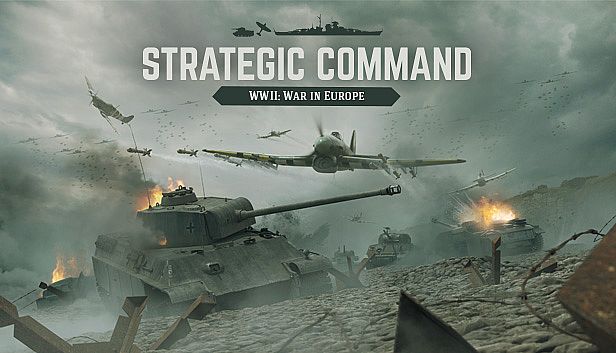















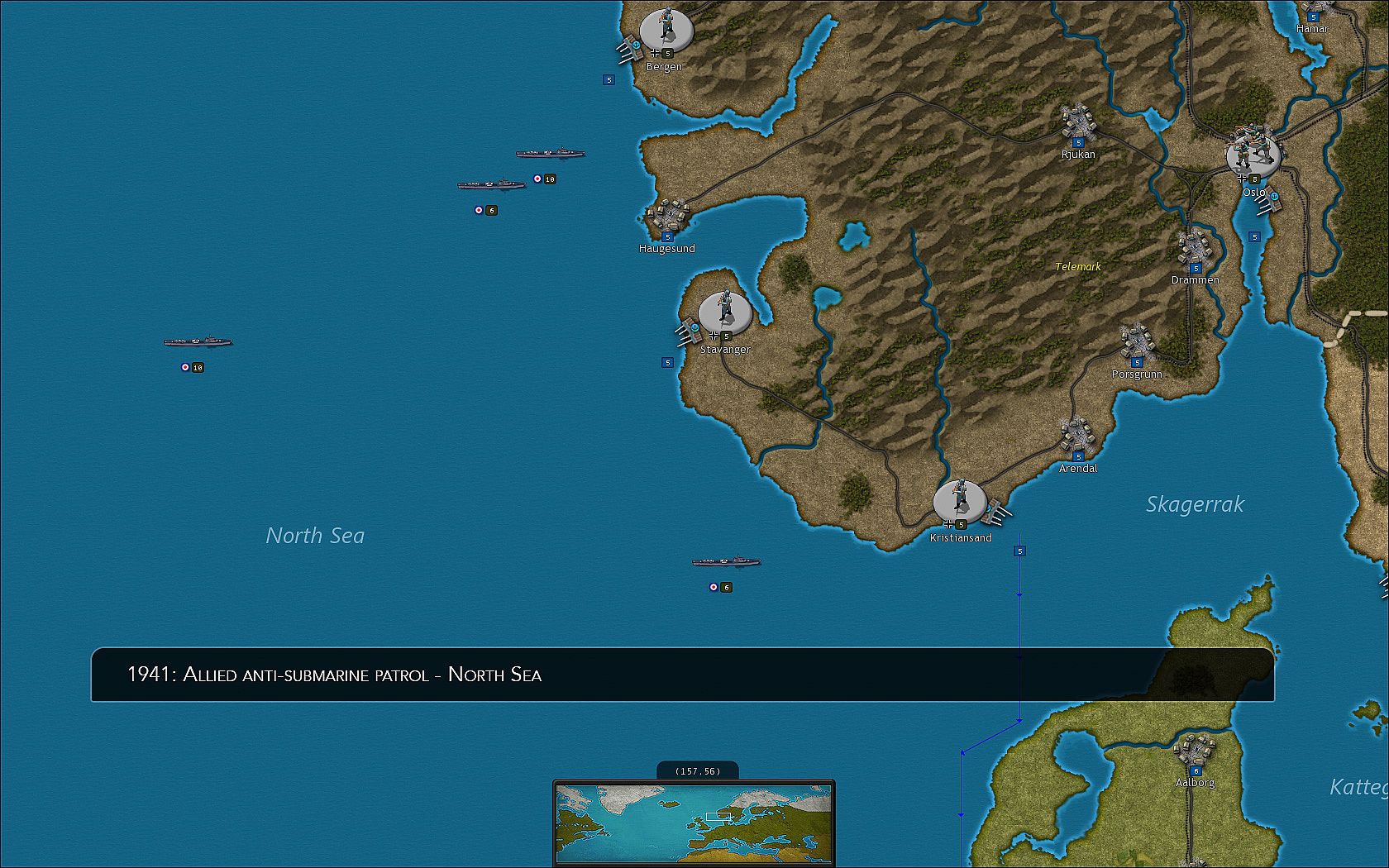
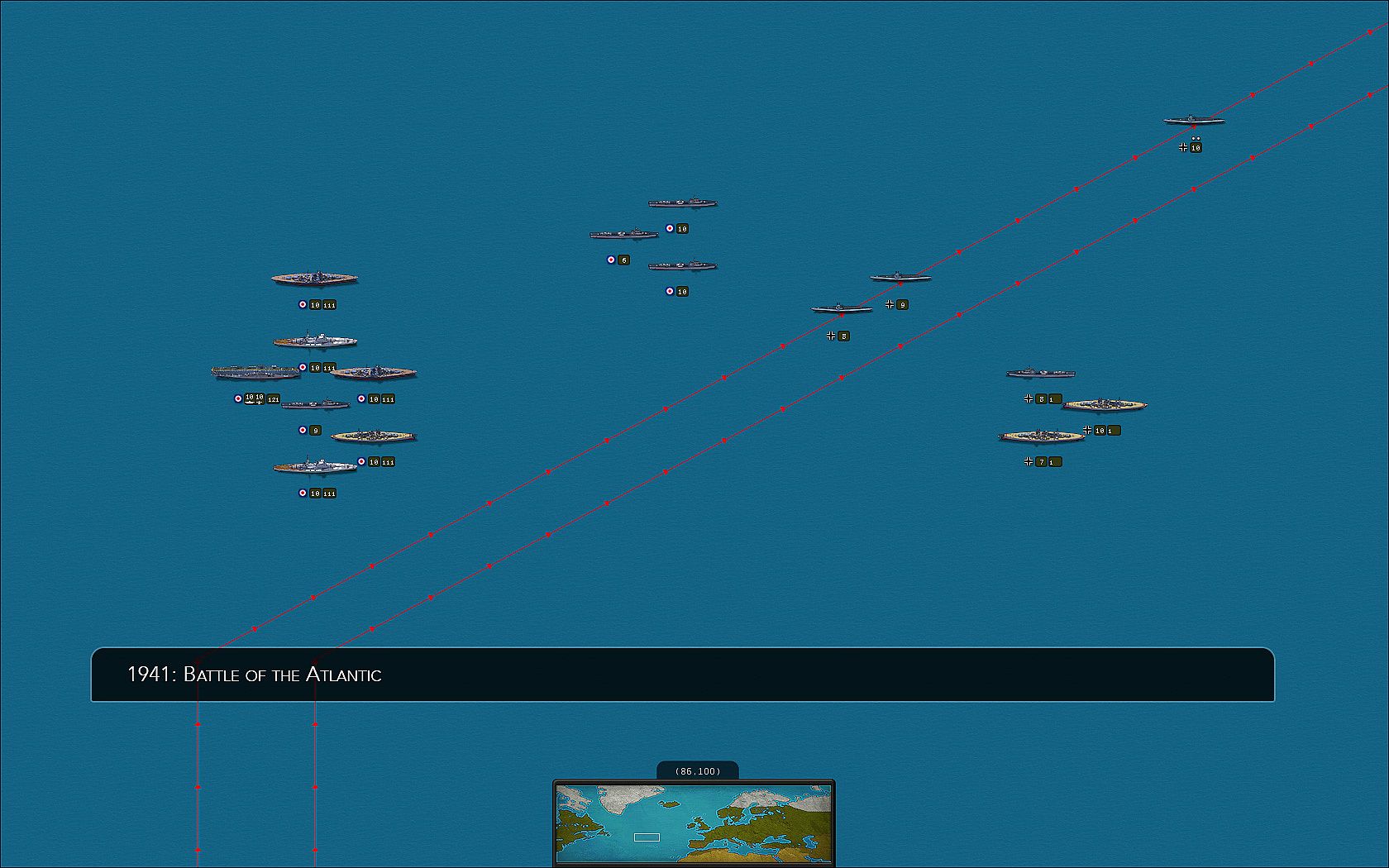
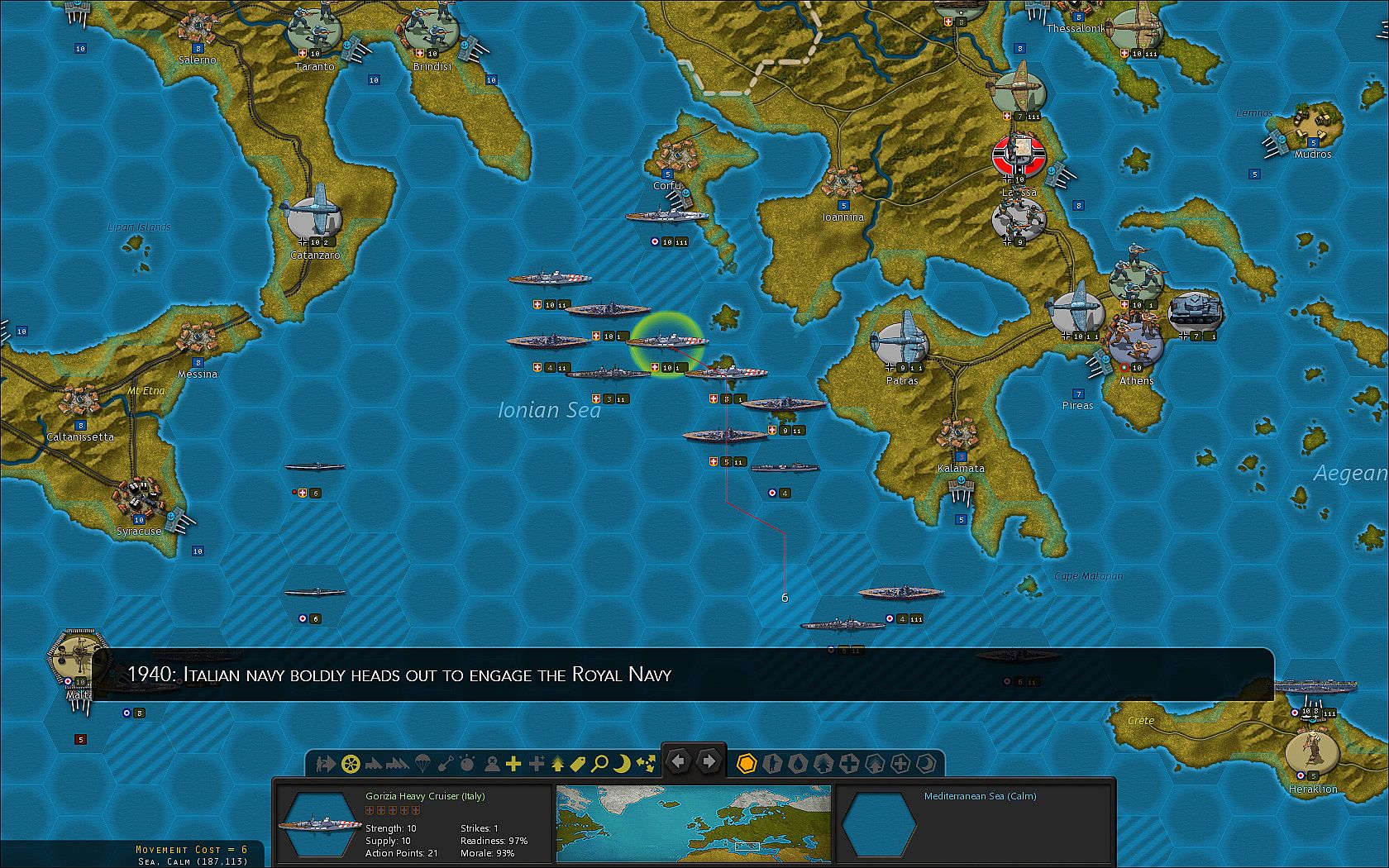
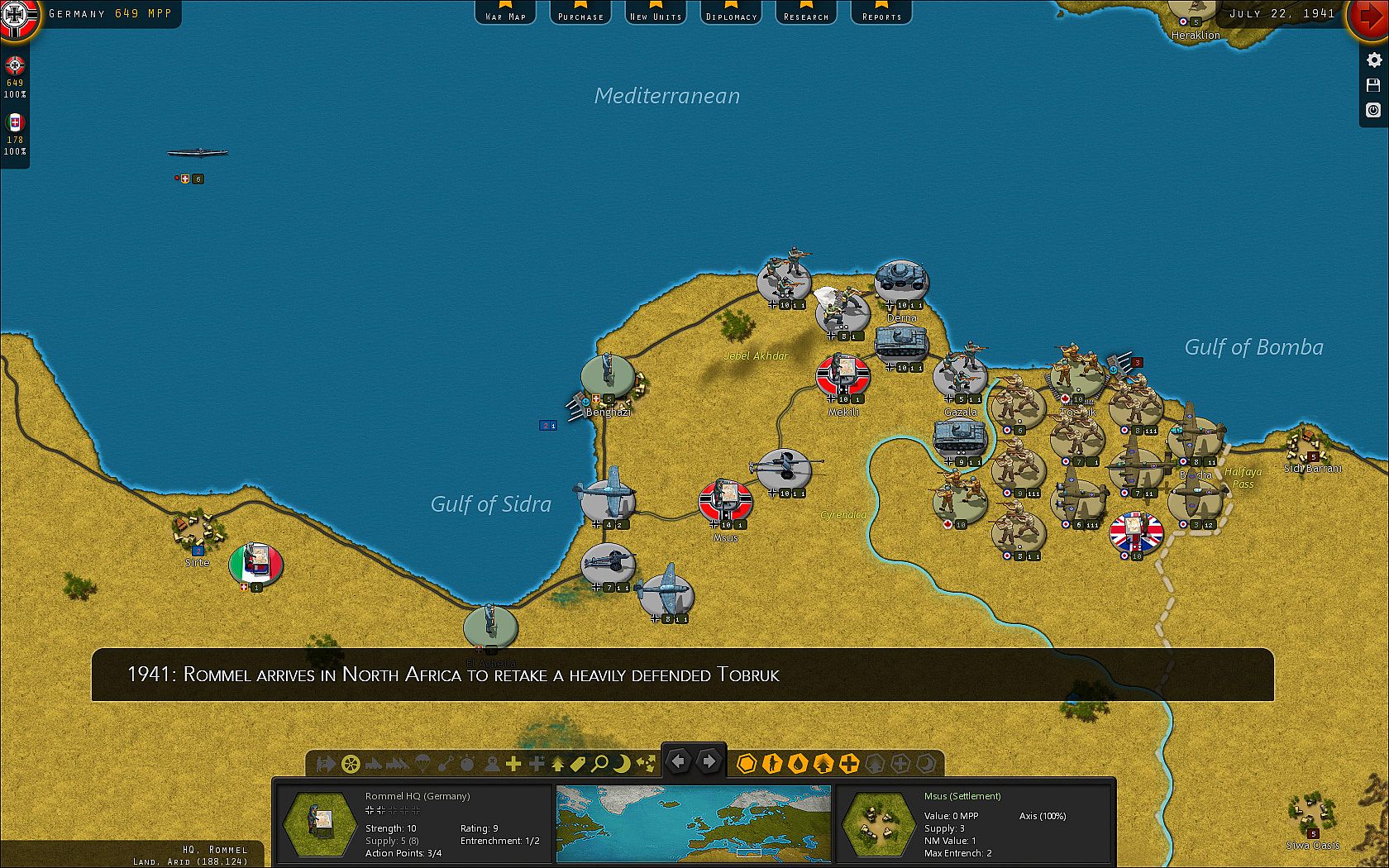
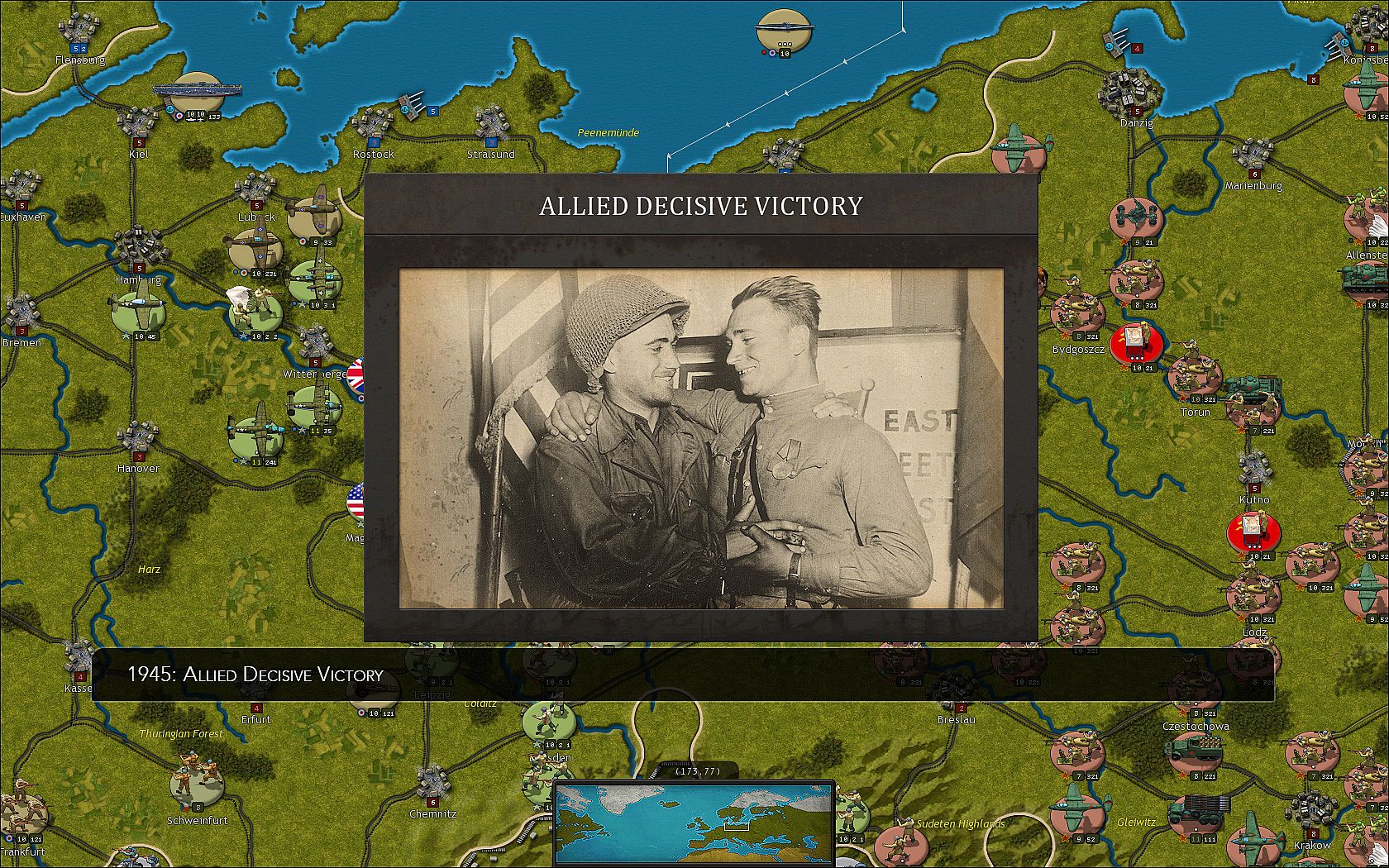
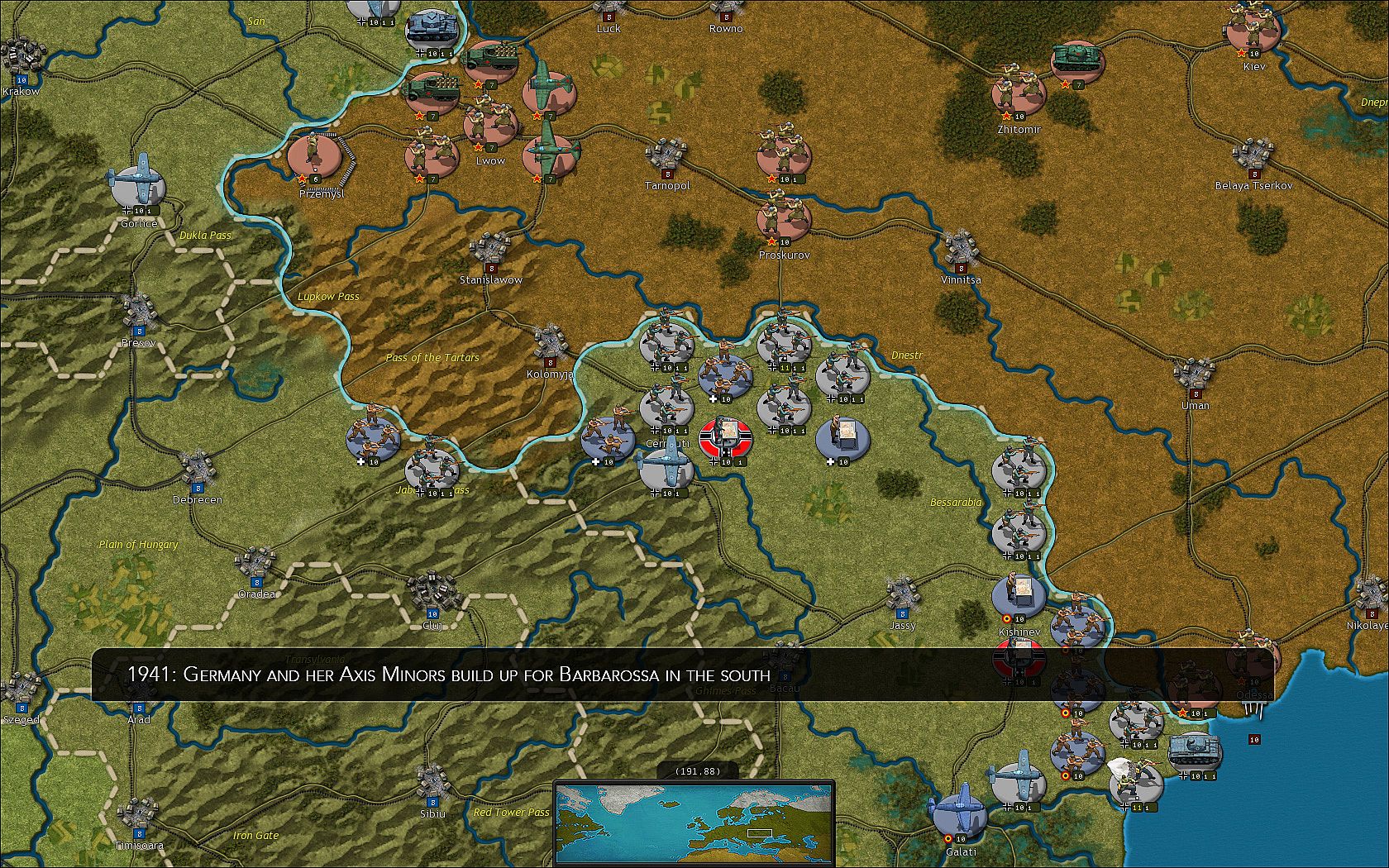

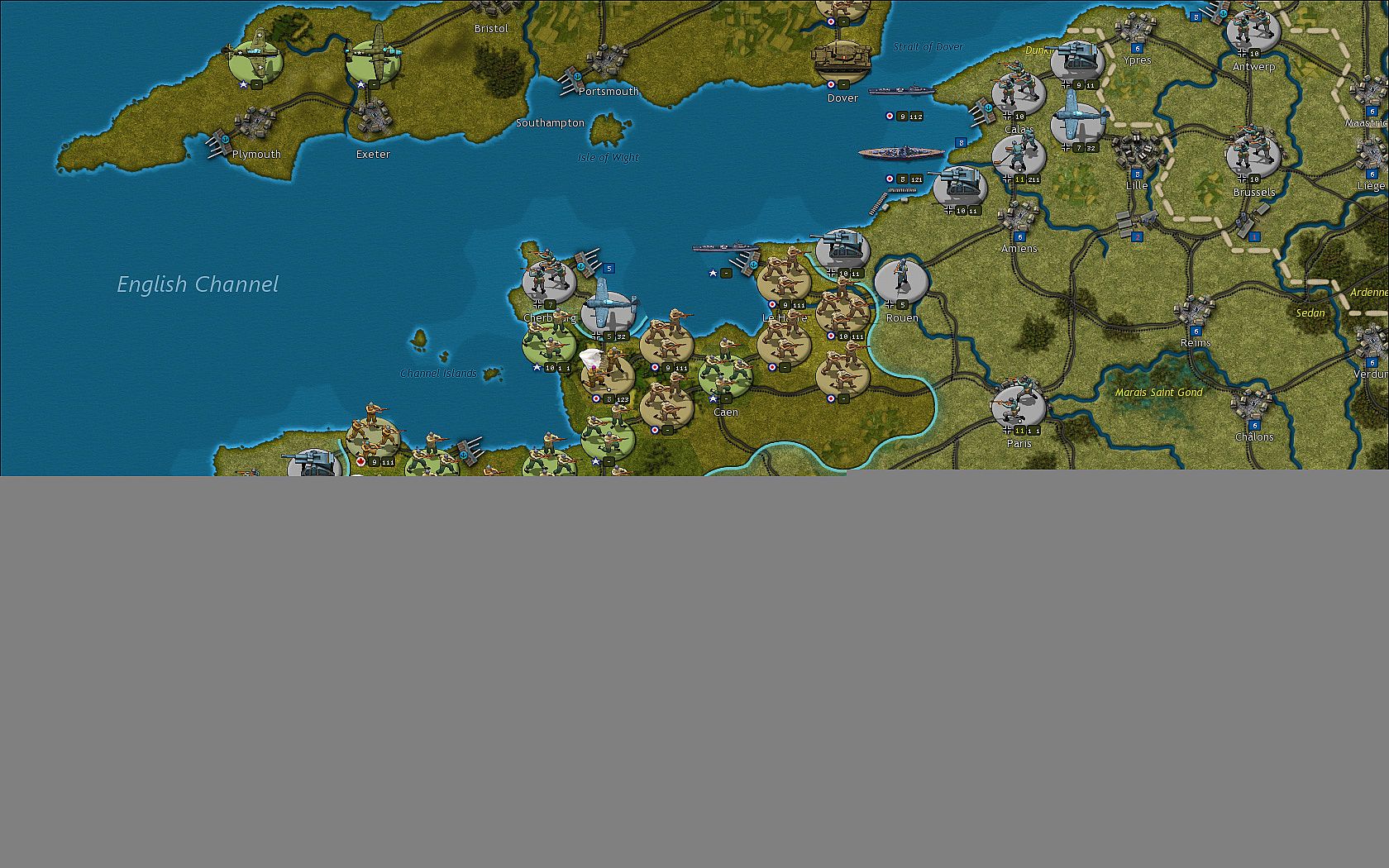
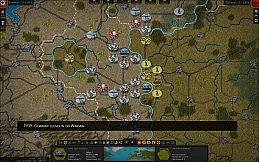
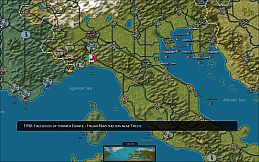
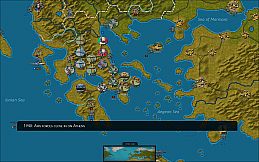
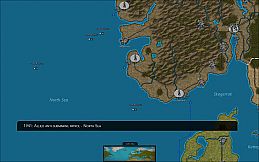
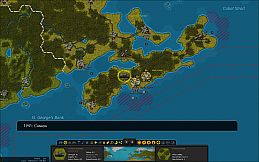
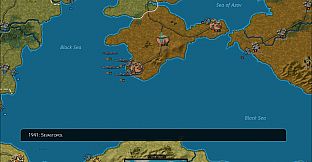
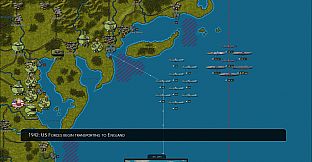
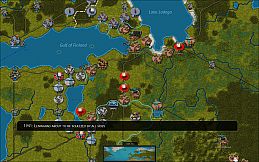

Strategic Command WWII: War in Europe is a turn-based strategy game set during the Second World War in Europe. Players direct the overall war effort for either the Axis or the Allies on a PC platform, managing coalitions of nations with distinct capabilities in technology, troops, and production.
Gameplay
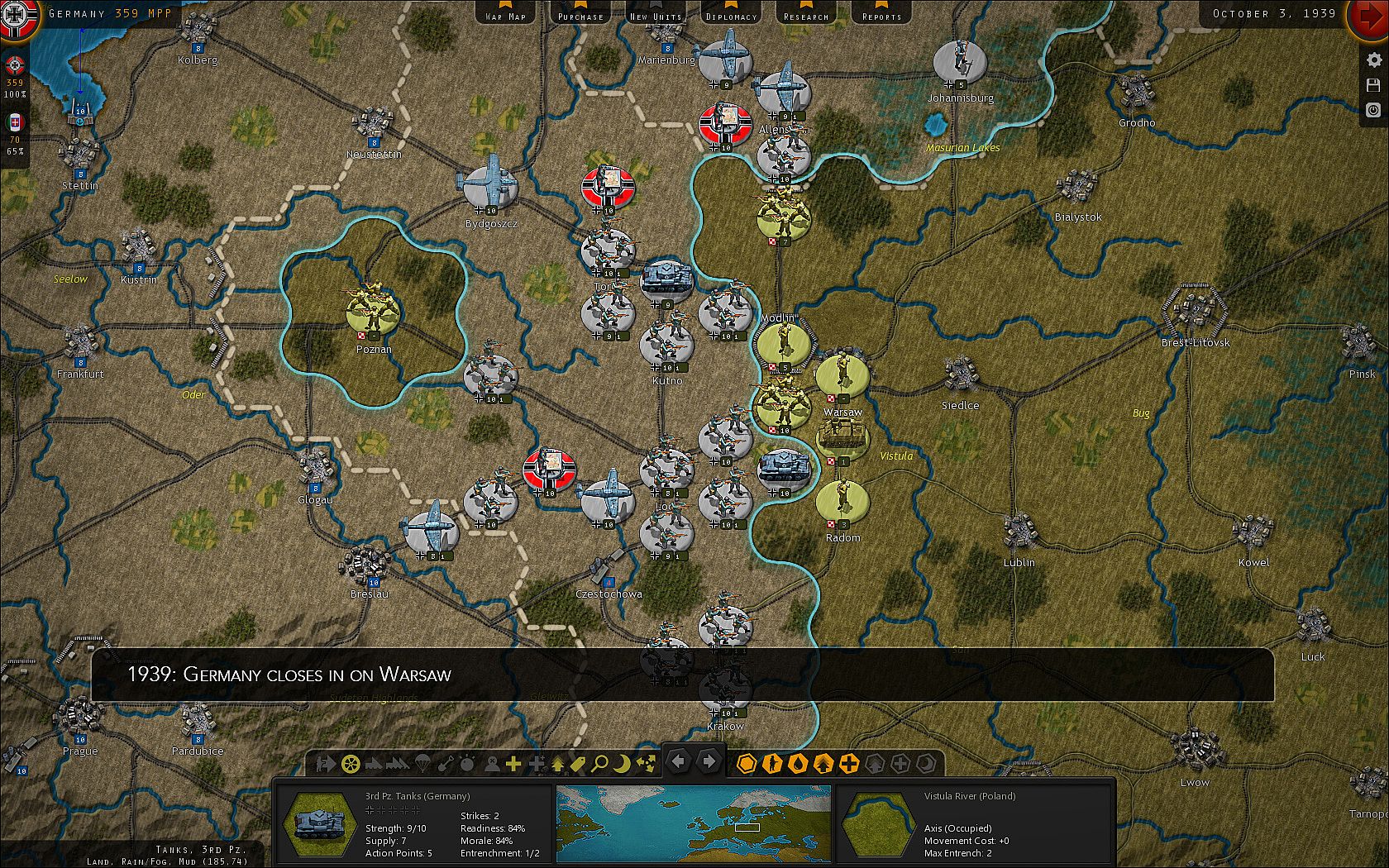
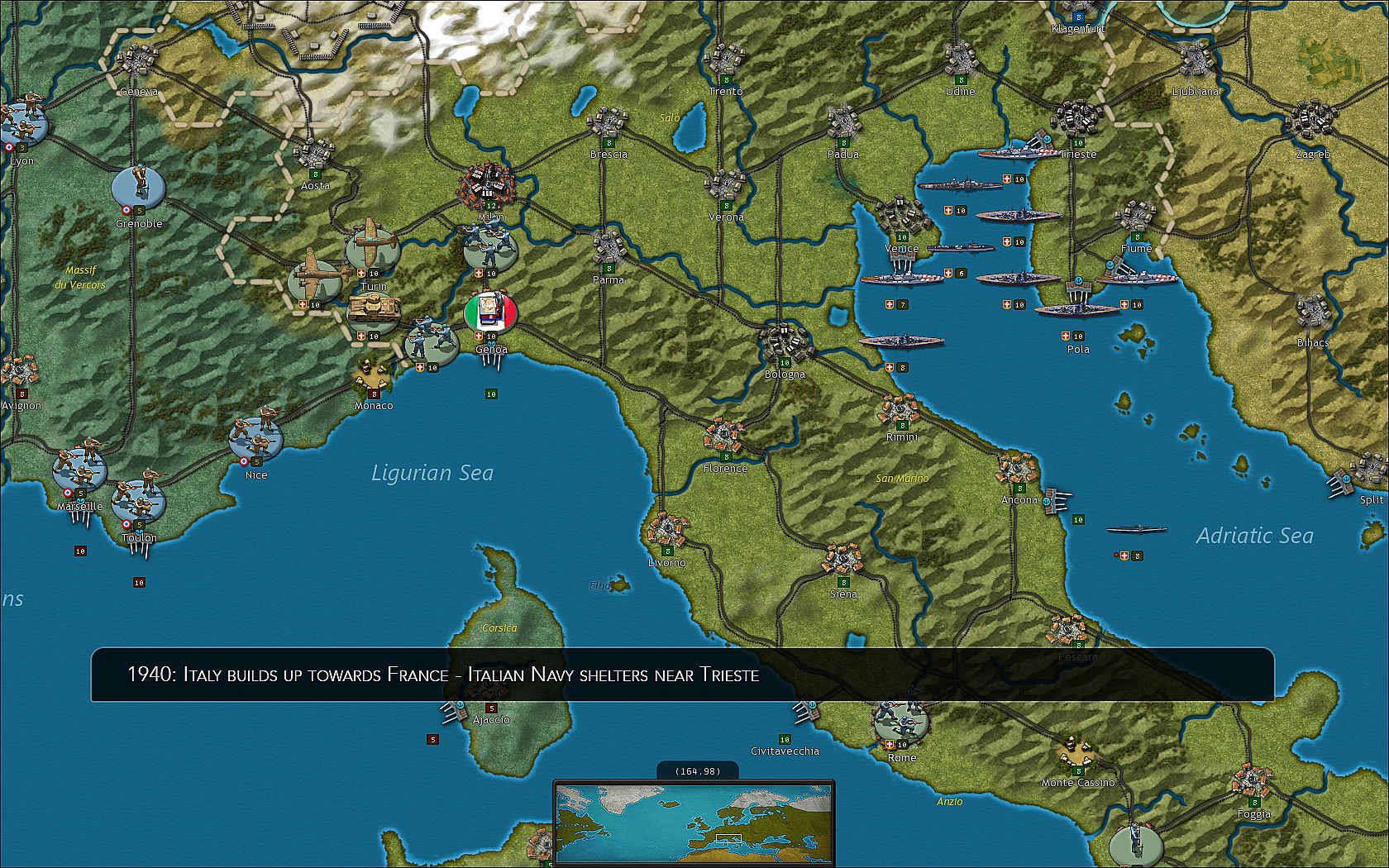
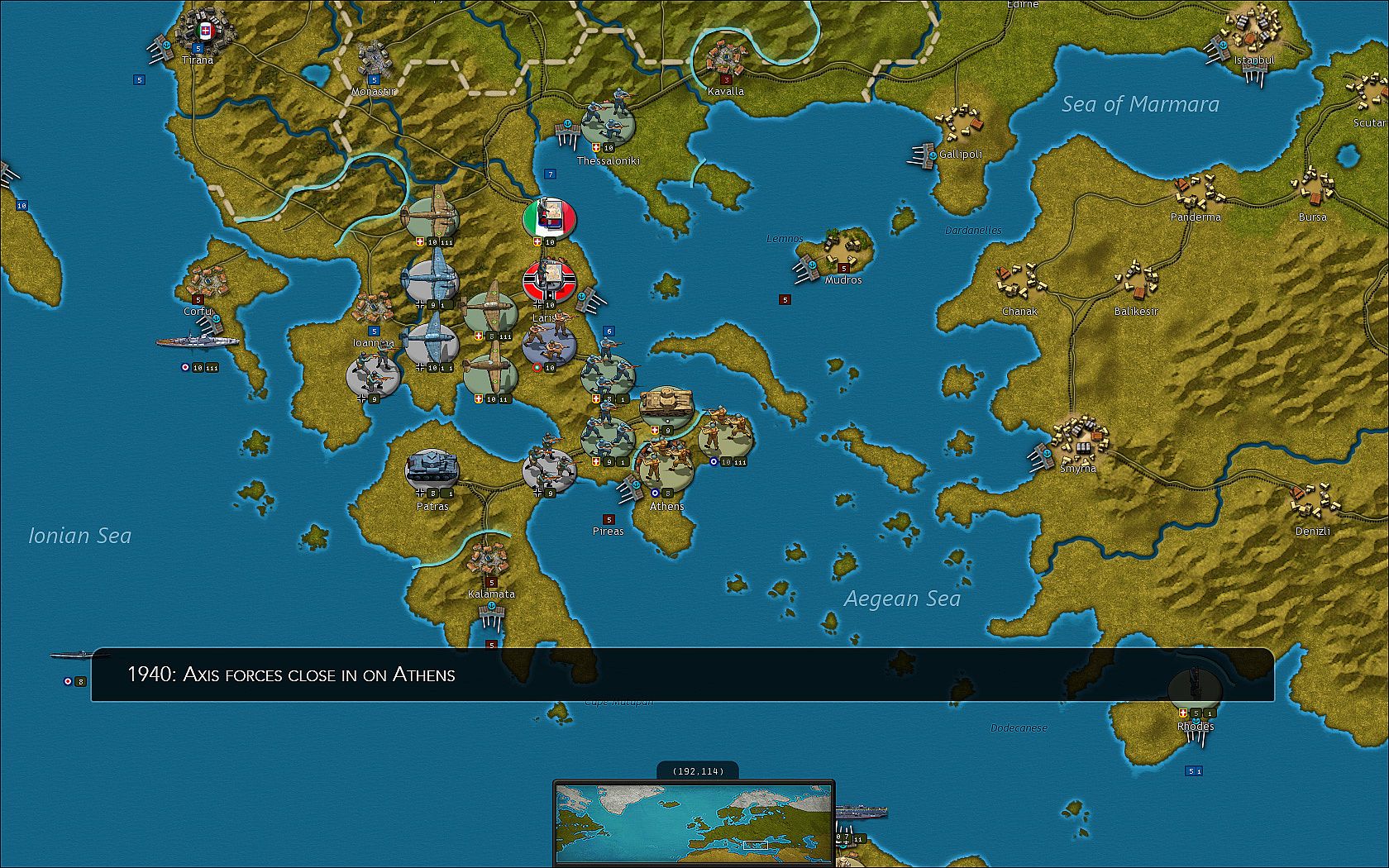
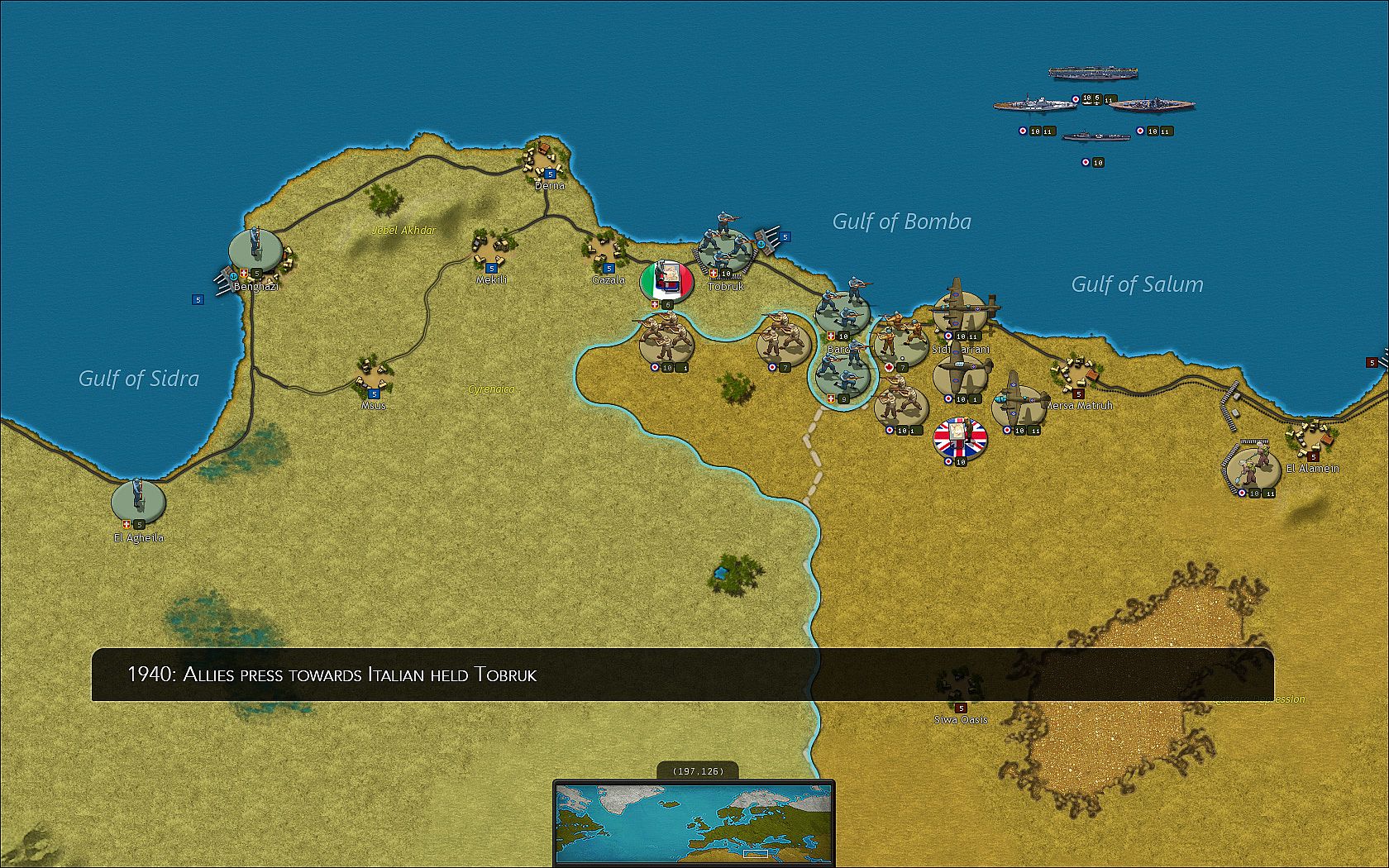
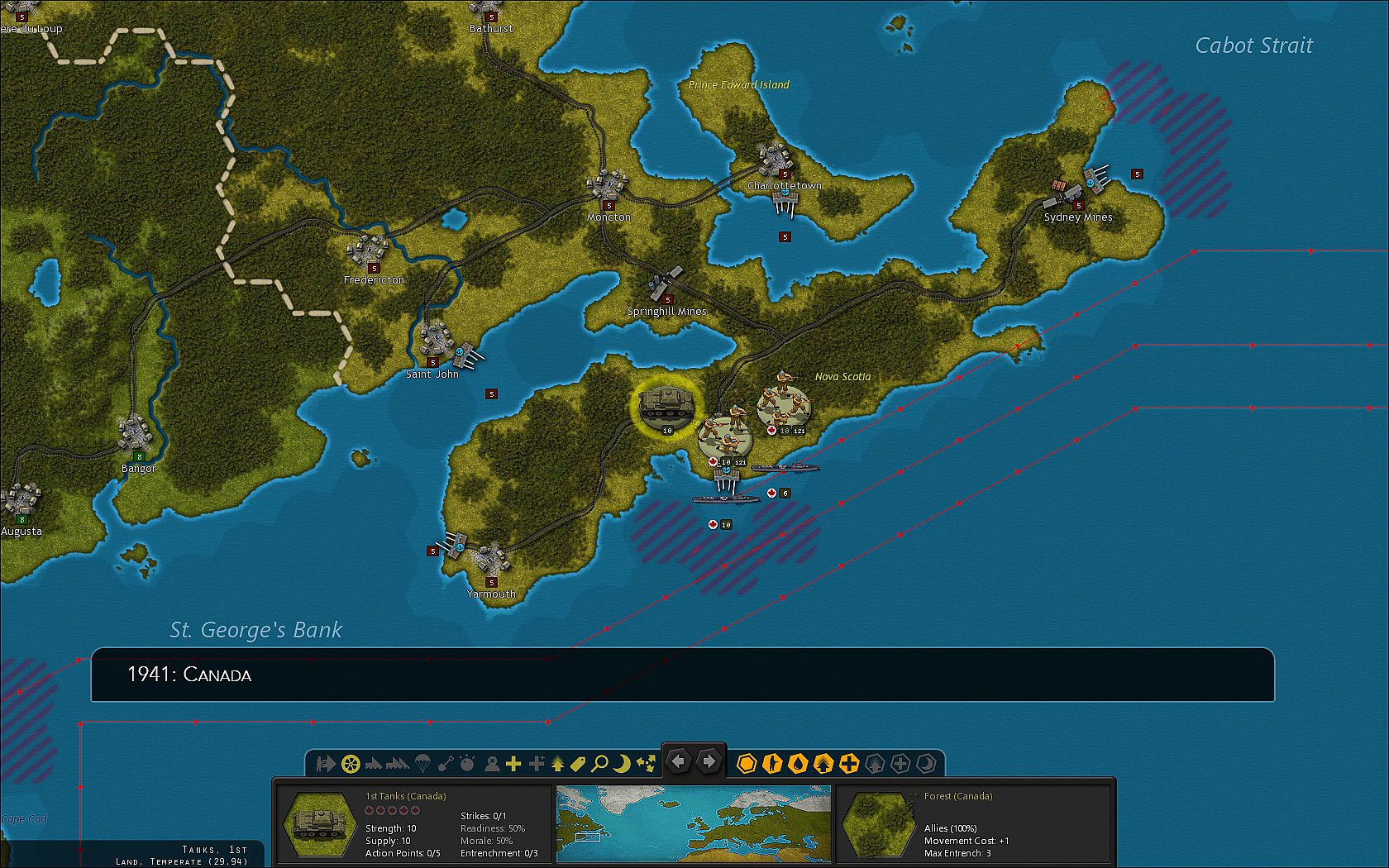
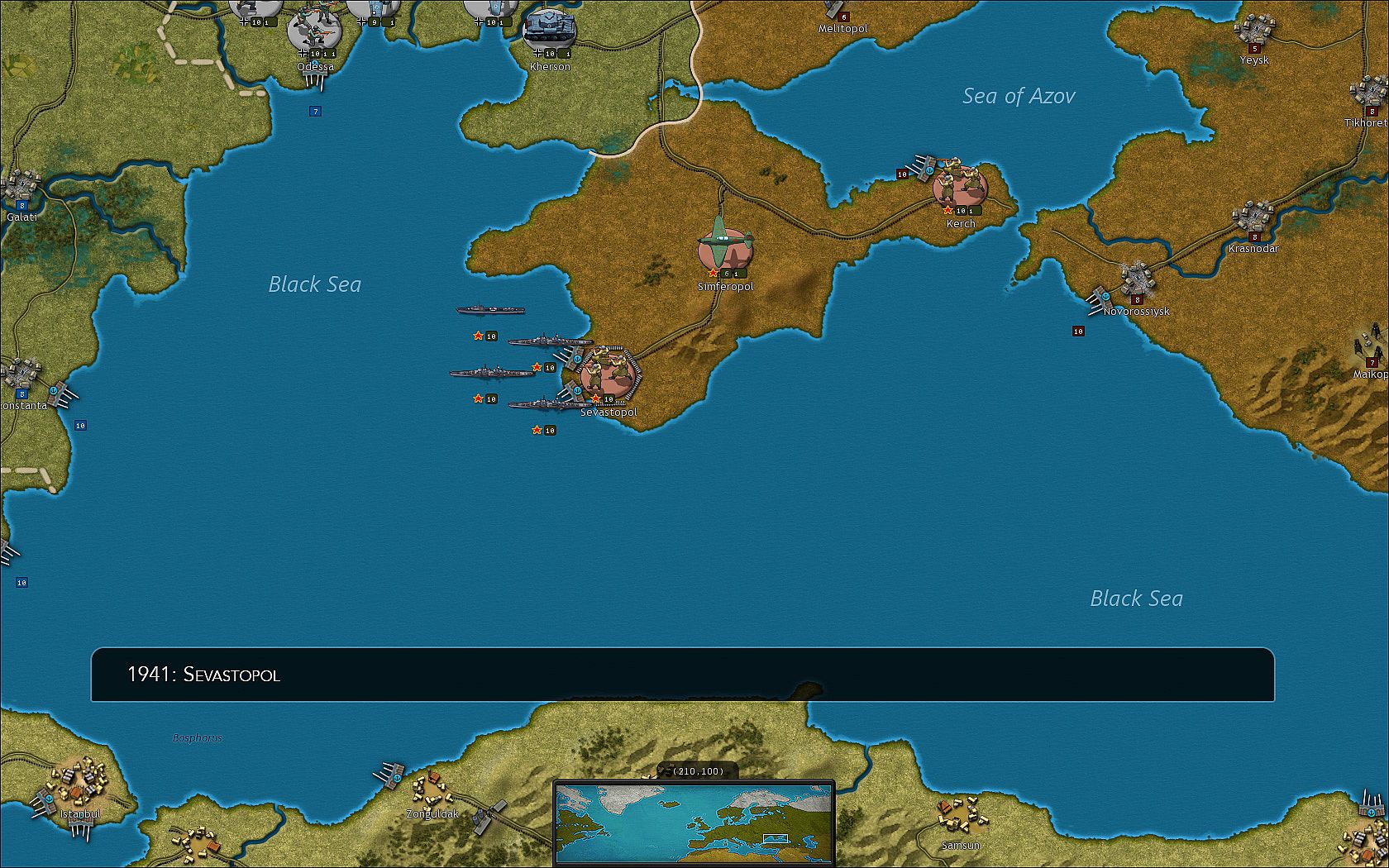
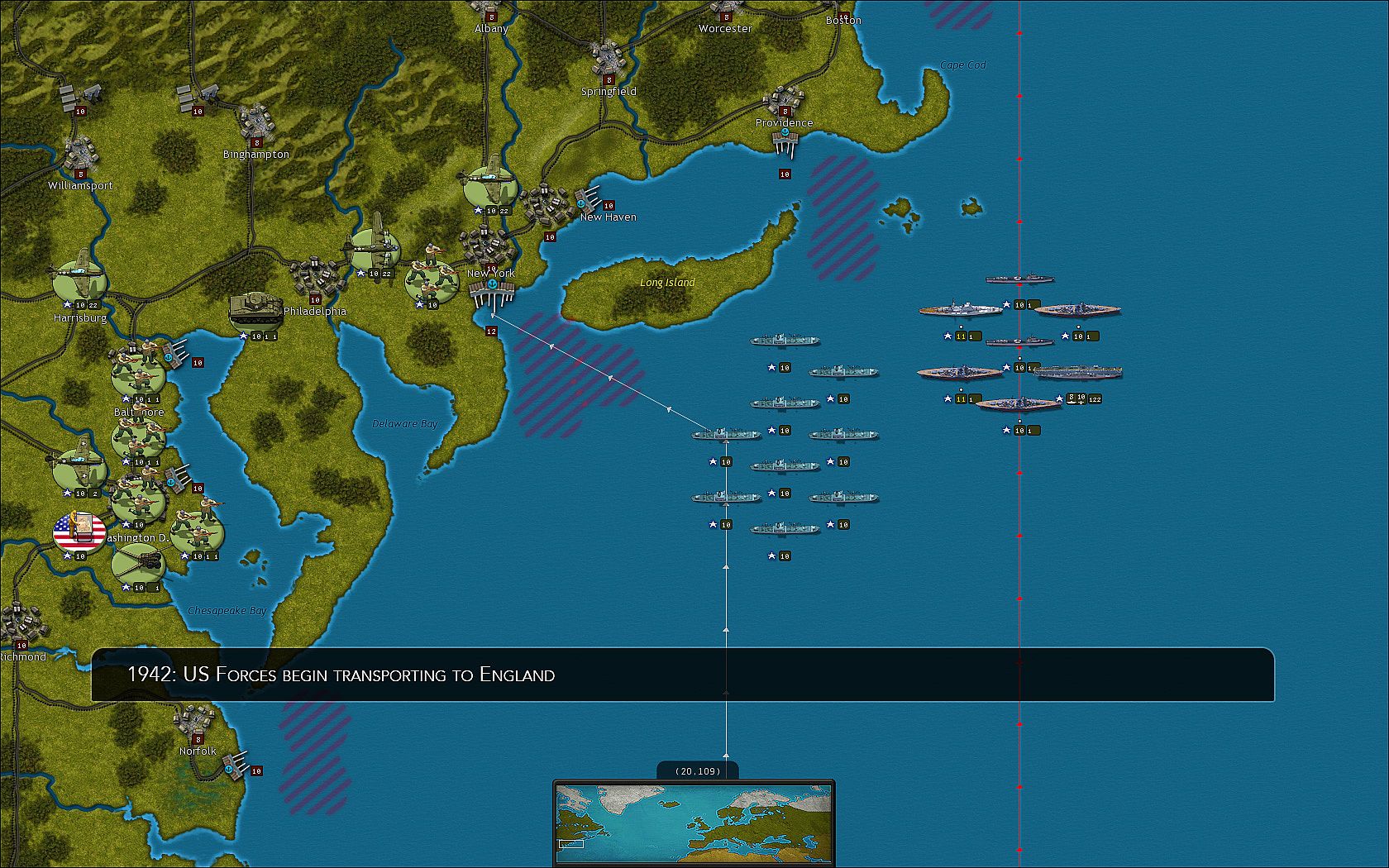
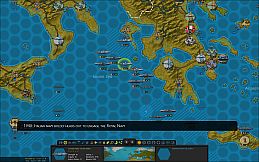
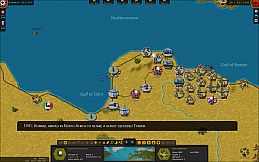
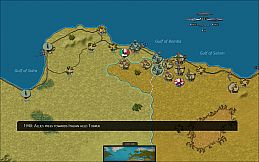
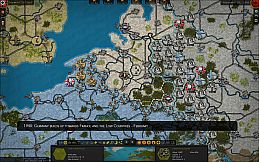
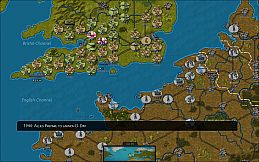
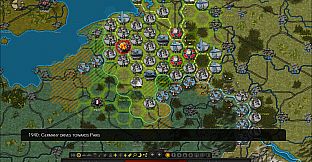
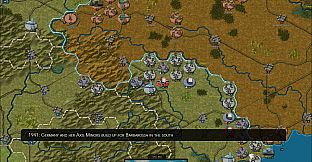
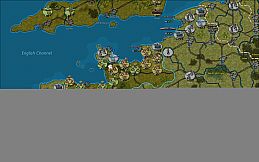
The core loop centers on seasonal turns across a hex-based map where each hex represents about 20 miles. Players allocate resources, plan operations on land, at sea, and in the air, and respond to enemy actions under a realistic fog of war that limits visibility of opponent positions and plans. Each nation under command brings unique strengths and weaknesses in industrial capacity and equipment, requiring careful prioritization of production and deployment.
Research and development form a key system, allowing upgrades across categories such as infantry weapons, rockets, anti-submarine warfare, and amphibious operations. These choices must balance immediate combat needs against longer-term strategic goals amid limited resources. Diplomacy offers tools to influence neutral countries, encouraging them to join an alliance or restricting their support to the enemy, while intelligence operations help undermine opponent efforts.
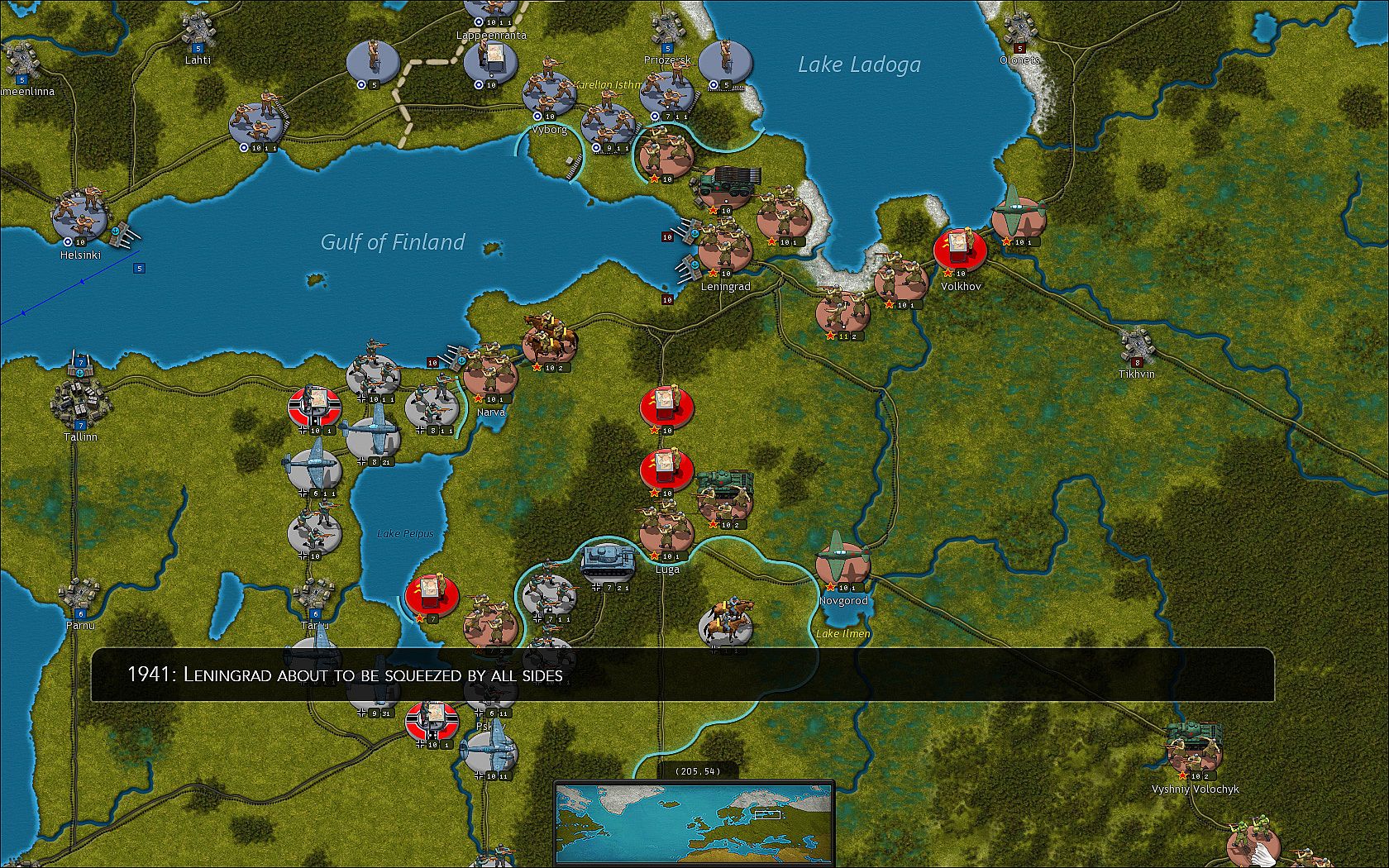
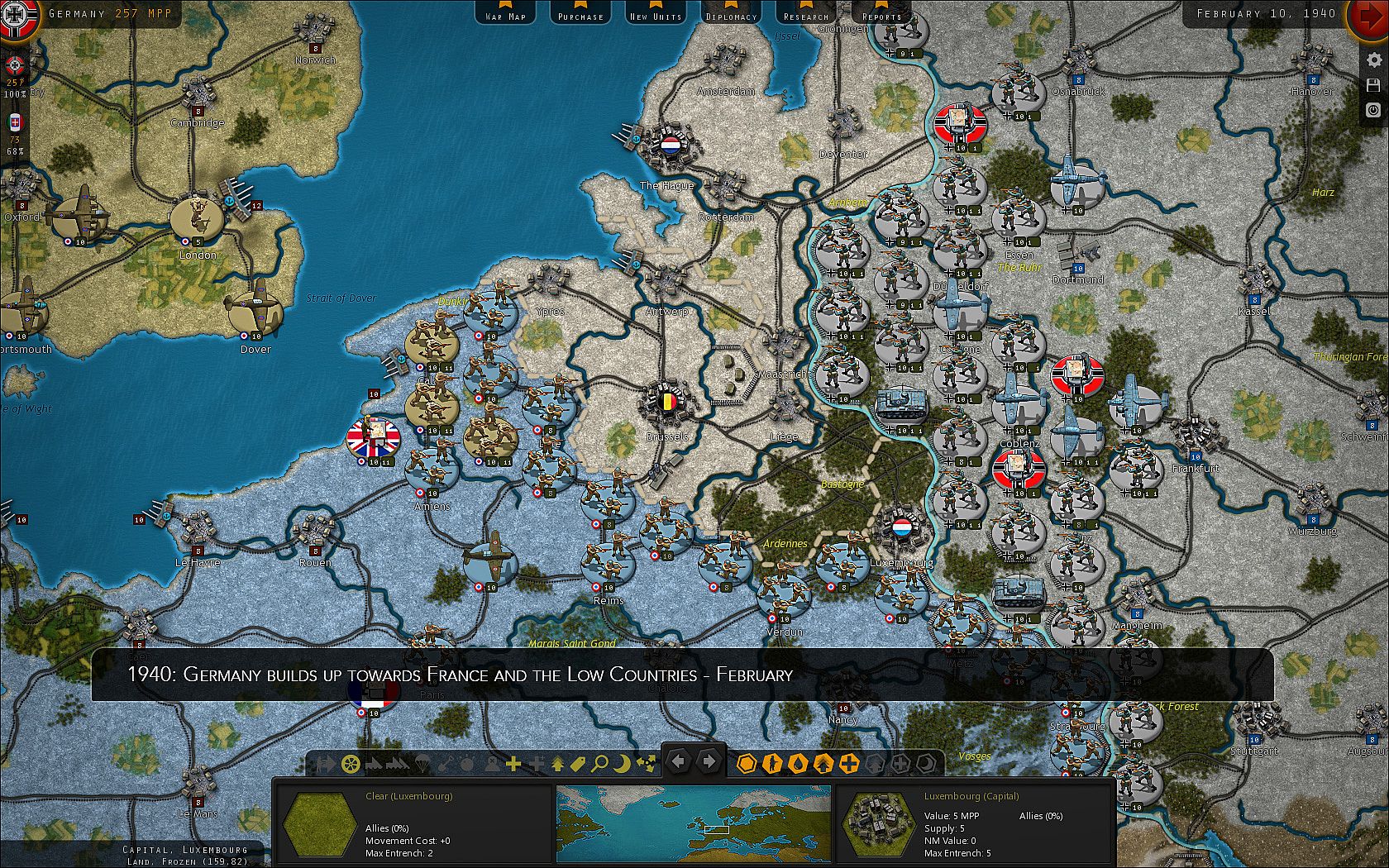
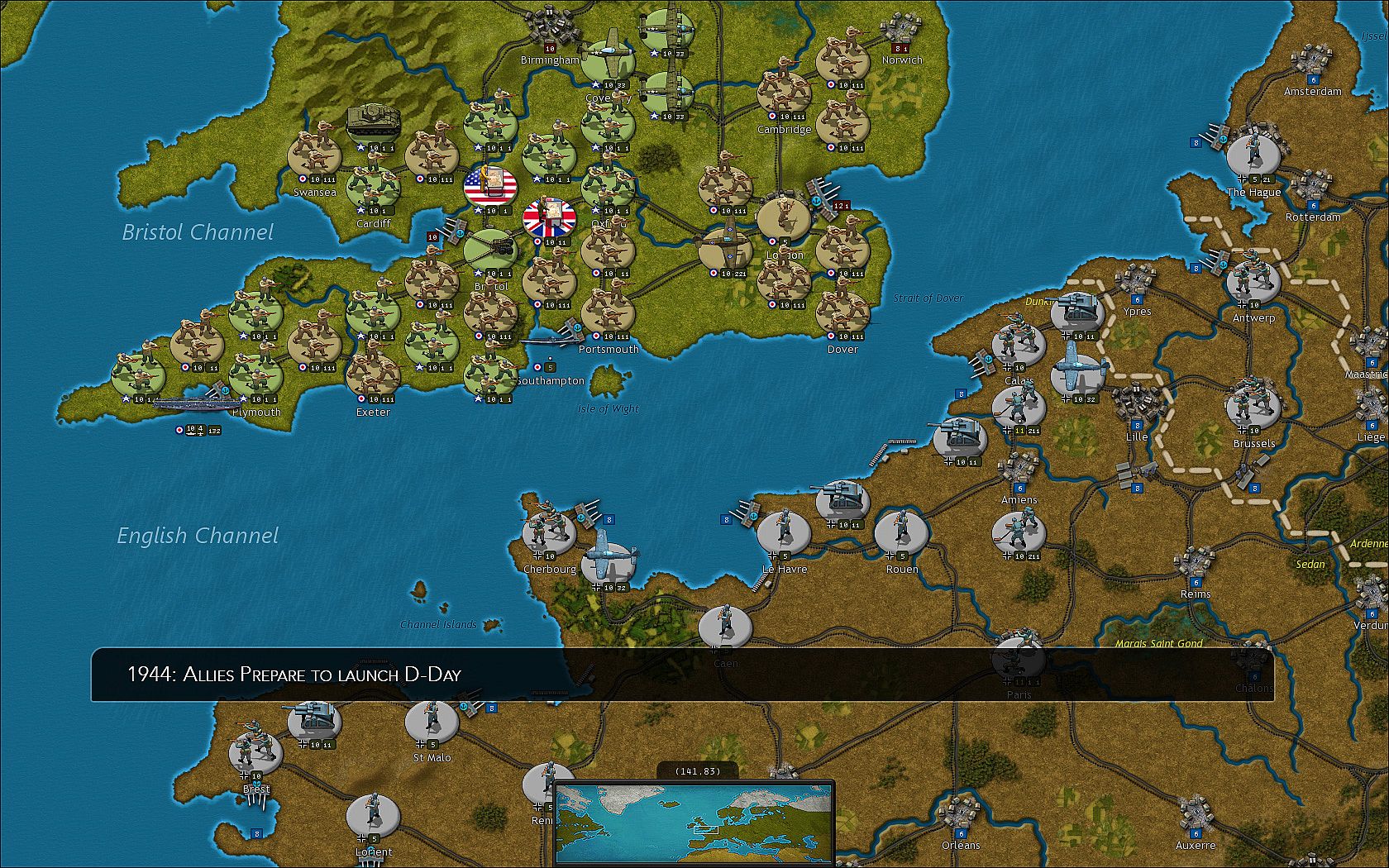
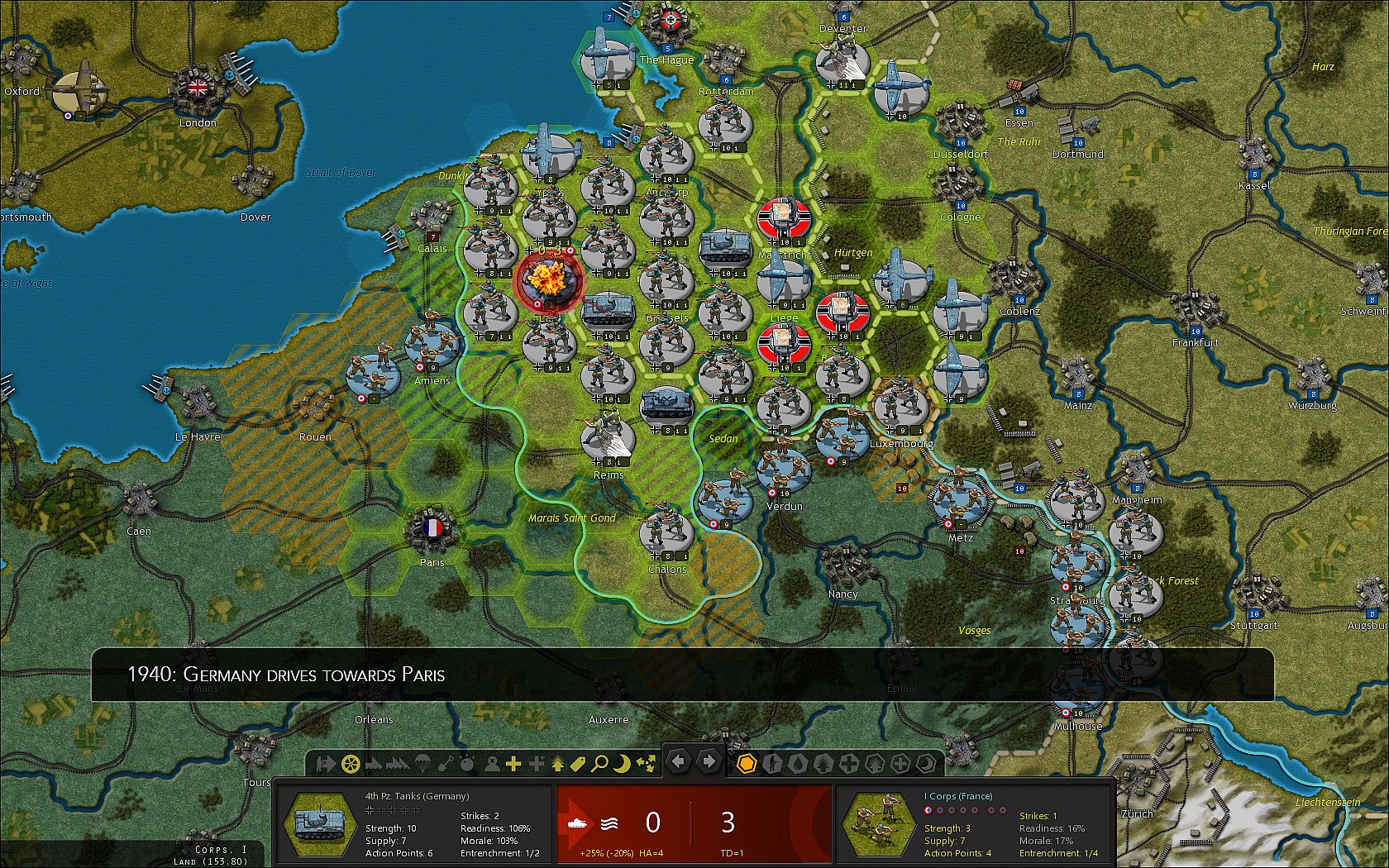
Over 100 strategic decision events add historical flavor and branching possibilities. The artificial intelligence challenges players by exploiting weaknesses, setting traps, and conducting coordinated campaigns across multiple fronts. Graphics options include three-dimensional unit models or traditional NATO-style counters for a more classic wargaming feel.
Game Modes
The primary experience is the grand campaign that begins in 1939 and covers the full European theater. Additional scenarios start in 1940, 1941, 1942, 1943, and 1944, each focusing on specific phases of the conflict with adjusted starting conditions and objectives.
Players can command individual nations or the entire coalition side. A built-in editor supports creation of custom scenarios, new maps, and alternative campaigns for personal or shared use. The design emphasizes single-player depth against the advanced AI, with mechanics that reward thoughtful resource management and adaptive planning over multiple turns.
Key Mechanics and Features
Logistics play a central role through control of railroads, key cities, and maritime trade routes that influence supply and movement. Unit variety spans historical types suited to different theaters, and technological upgrades can shift the balance in prolonged engagements. The game maintains accessibility for newcomers while offering layered systems that reward repeated playthroughs and experimentation with different national priorities.
Espionage integrates with diplomacy to create opportunities beyond direct military confrontation. Players must weigh short-term tactical gains against the need to sustain industrial output and research progress throughout the war years.
Is It Worth Playing?
Player feedback highlights the game's depth in economics and strategic decision-making, with many reporting hundreds or thousands of hours invested. Reviewers describe it as a strong entry in the genre that balances historical detail with approachable interfaces and effective artificial intelligence. It suits enthusiasts of turn-based wargames who enjoy managing coalitions, research trees, and multi-front operations without requiring constant micromanagement of individual units.
The included scenarios and editor extend replay value for those interested in alternative histories or custom challenges. No ongoing seasonal content or major post-launch updates appear in available records, so the experience remains as released with its original feature set. Those seeking a focused, single-player grand strategy title centered on World War II command decisions will find substantial content here.