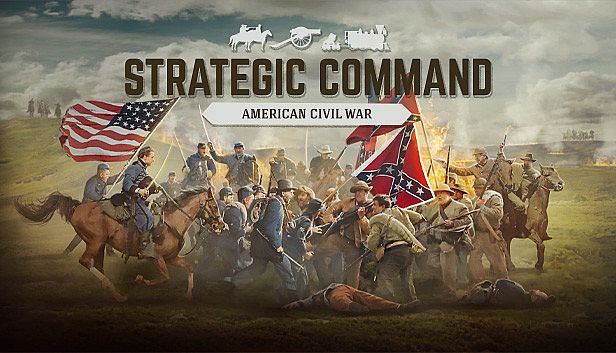

















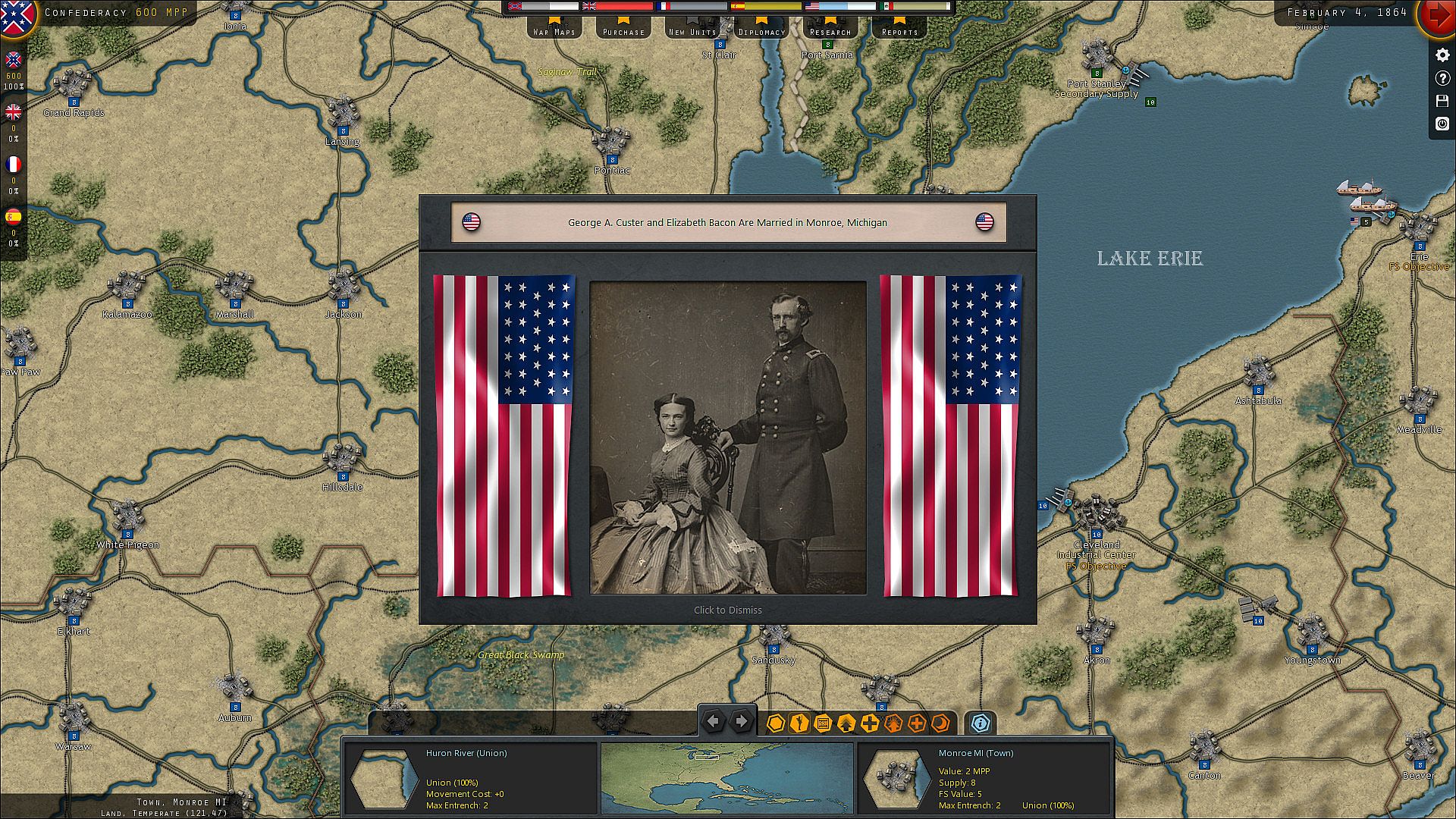
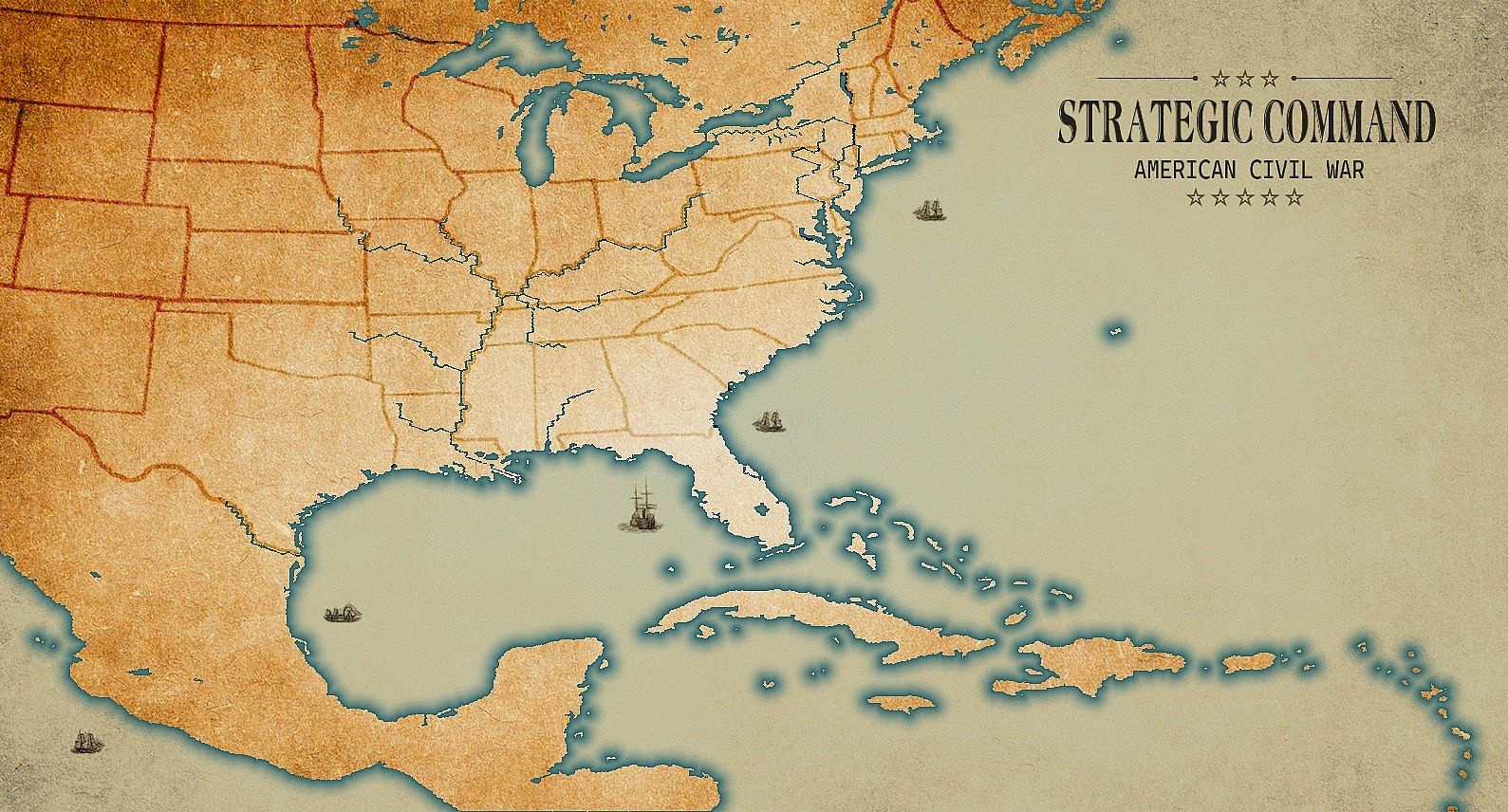
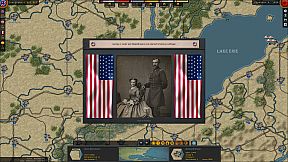
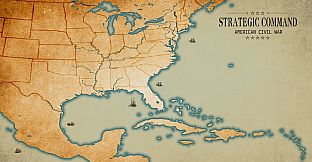
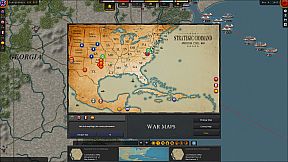
Strategic Command: American Civil War is a turn-based strategy game set during the American Civil War. Players take command of either the Union or the Confederacy on a vast hex-based map that spans North America. The title emphasizes grand strategic decisions involving army organization, technological research, production, and diplomatic maneuvering across land and water.
Gameplay
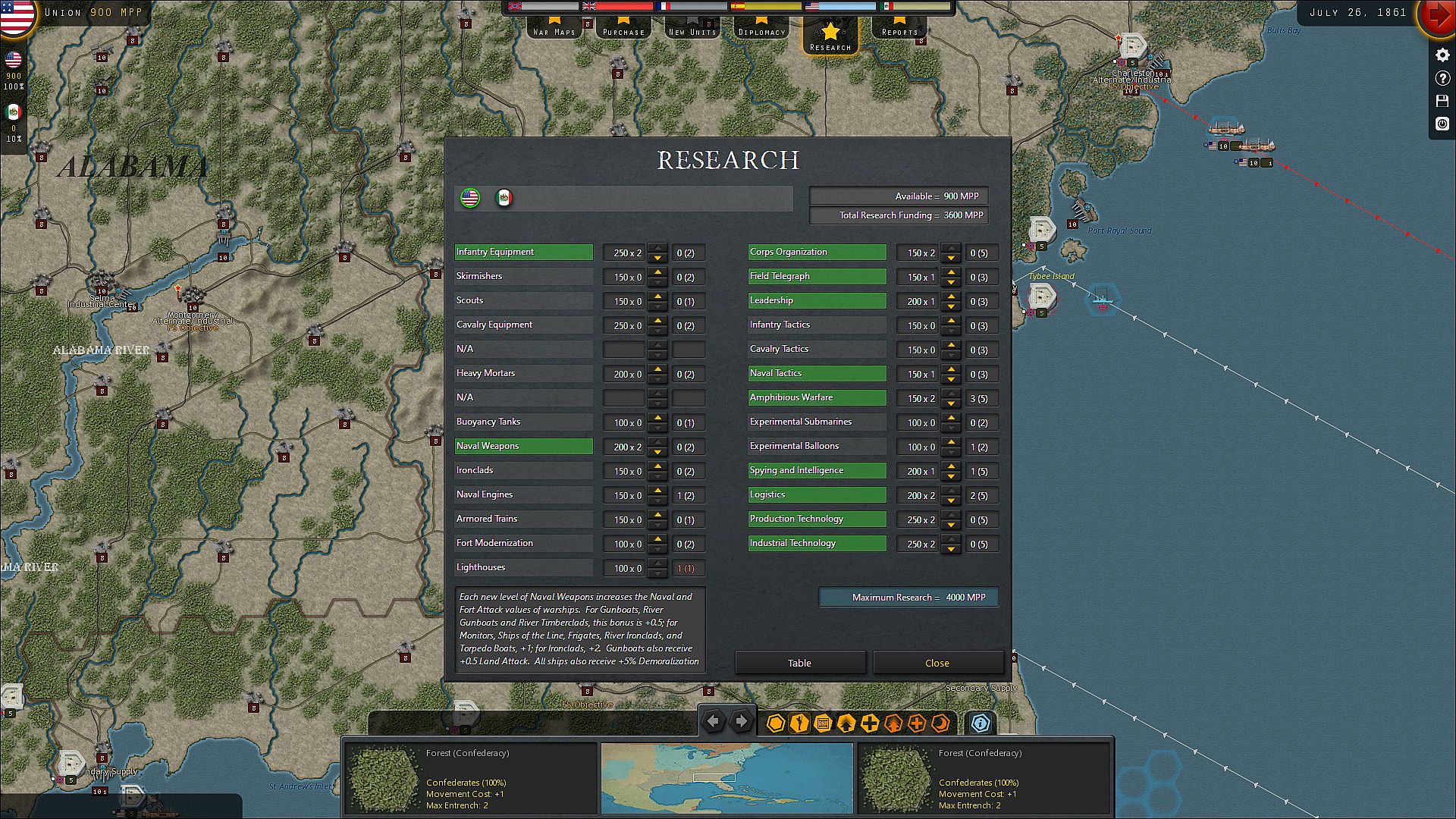
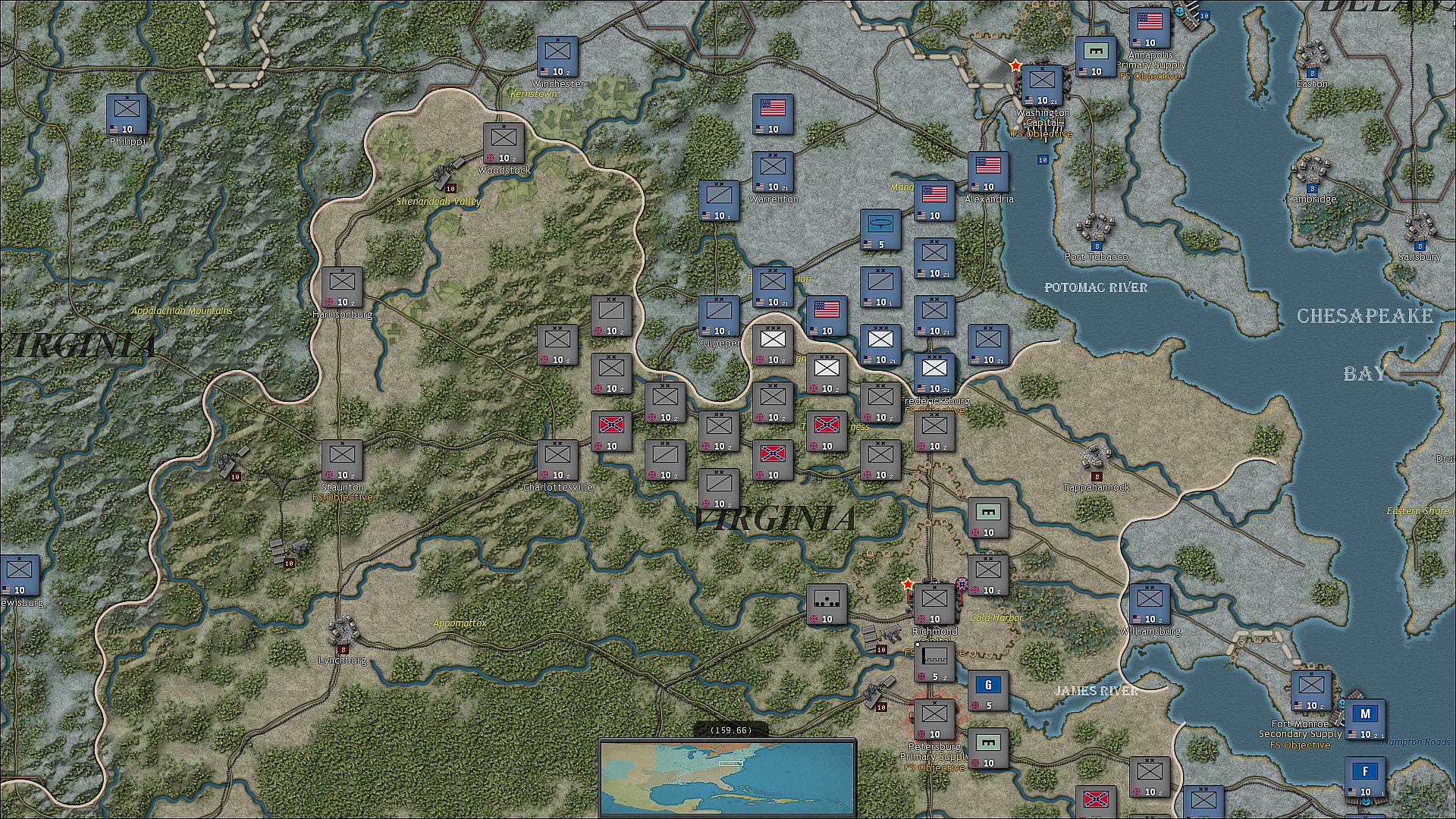
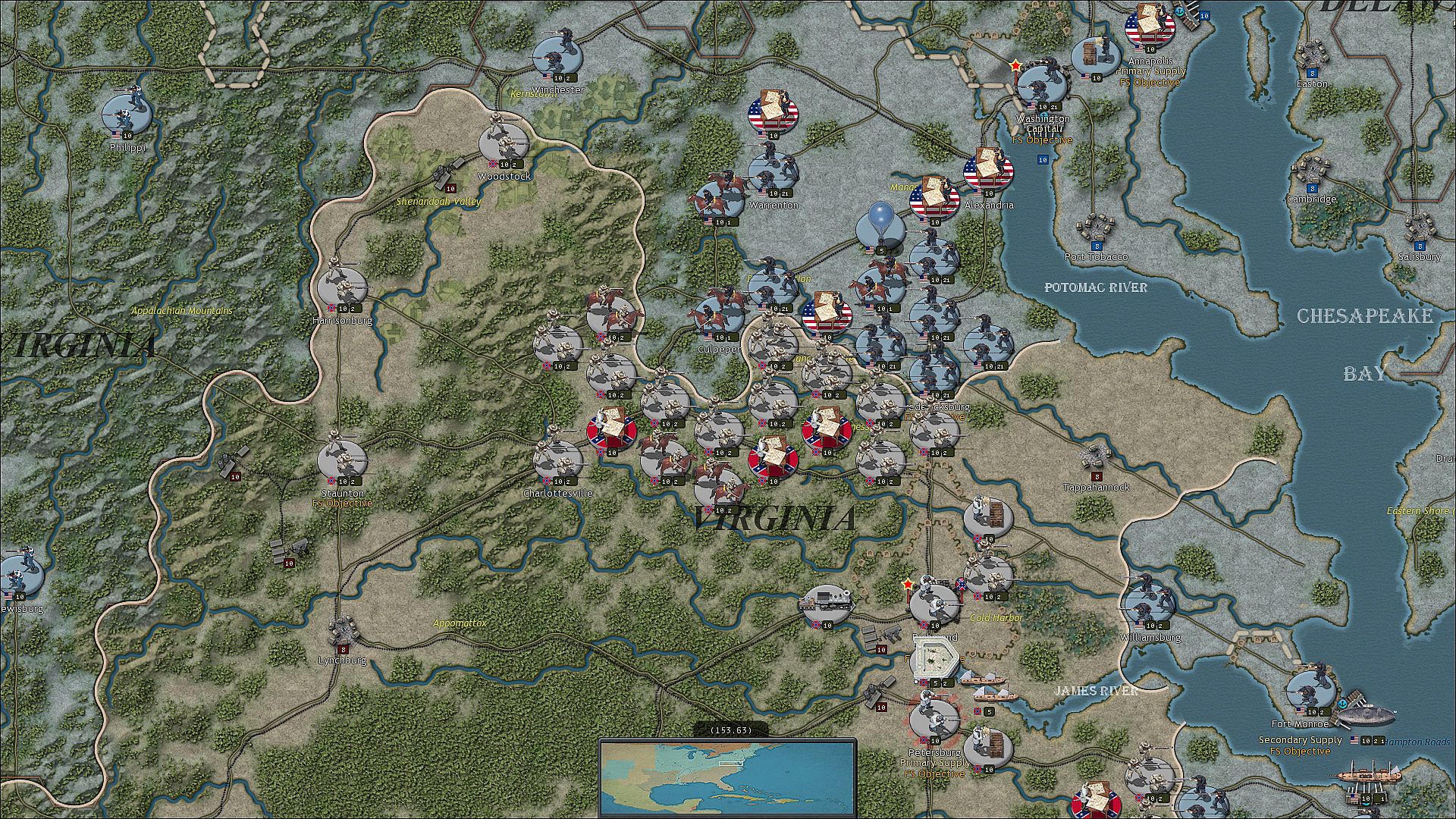
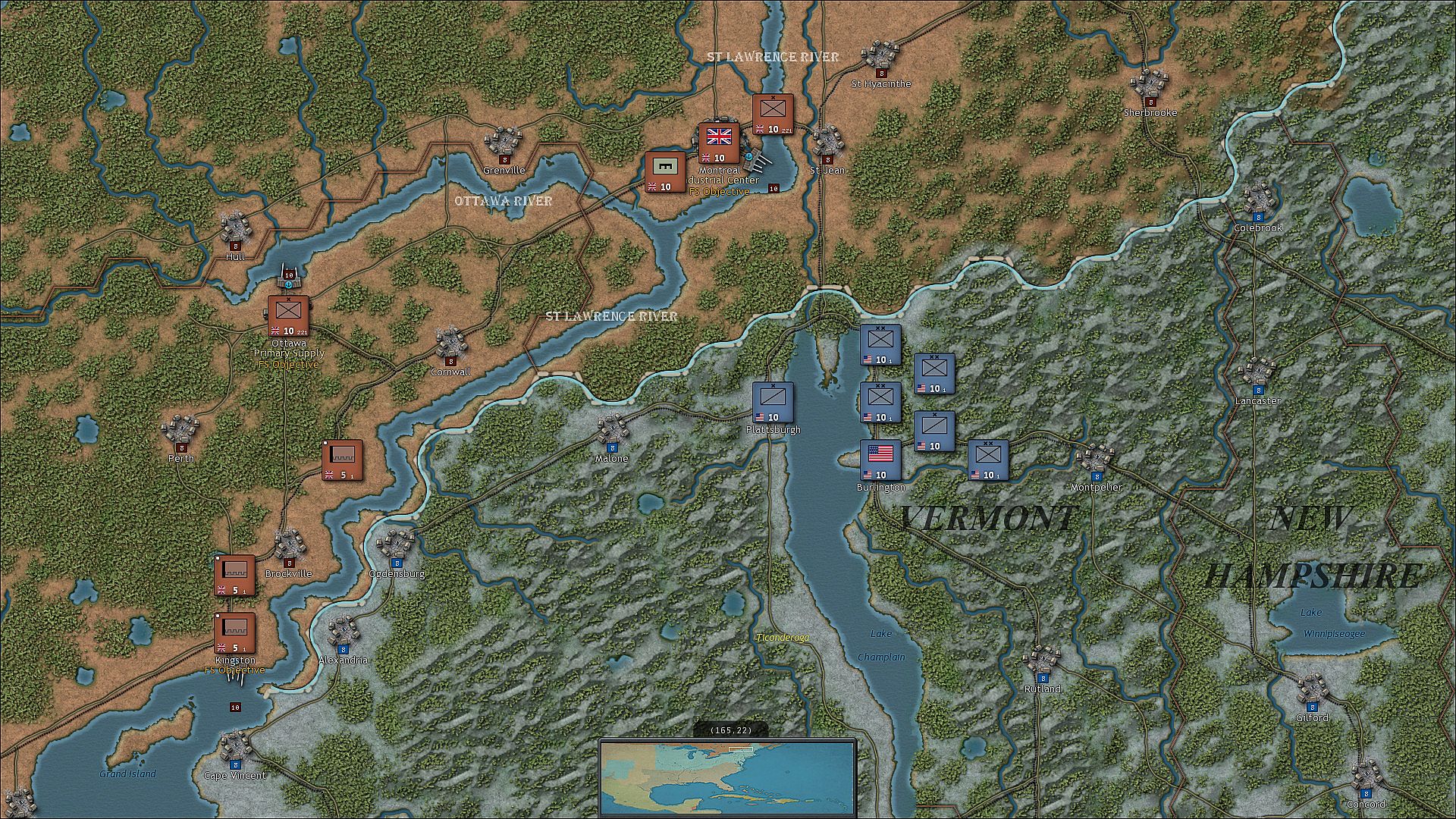
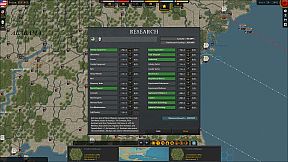
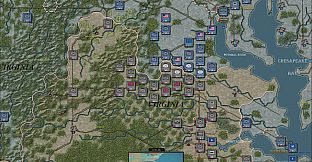
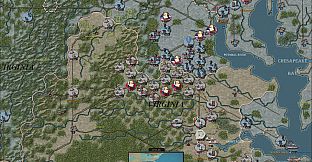
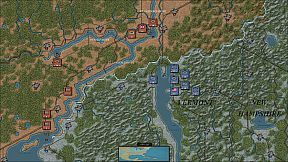
The core loop revolves around managing resources to build and upgrade forces while maneuvering them across a 66,000-hex map that covers territory from Canada to the Caribbean. Early in the conflict both sides start with limited professional troops, so players must recruit volunteers and form them into brigades, divisions, and corps. Research trees allow improvements to weapons, naval engines, ironclads, skirmishers, and field telegraphs. Once units are ready, historical generals such as Lee, Jackson, Grant, McClellan, Beauregard, and Sherman can be assigned to lead them, with their abilities often deciding the outcome of key engagements.
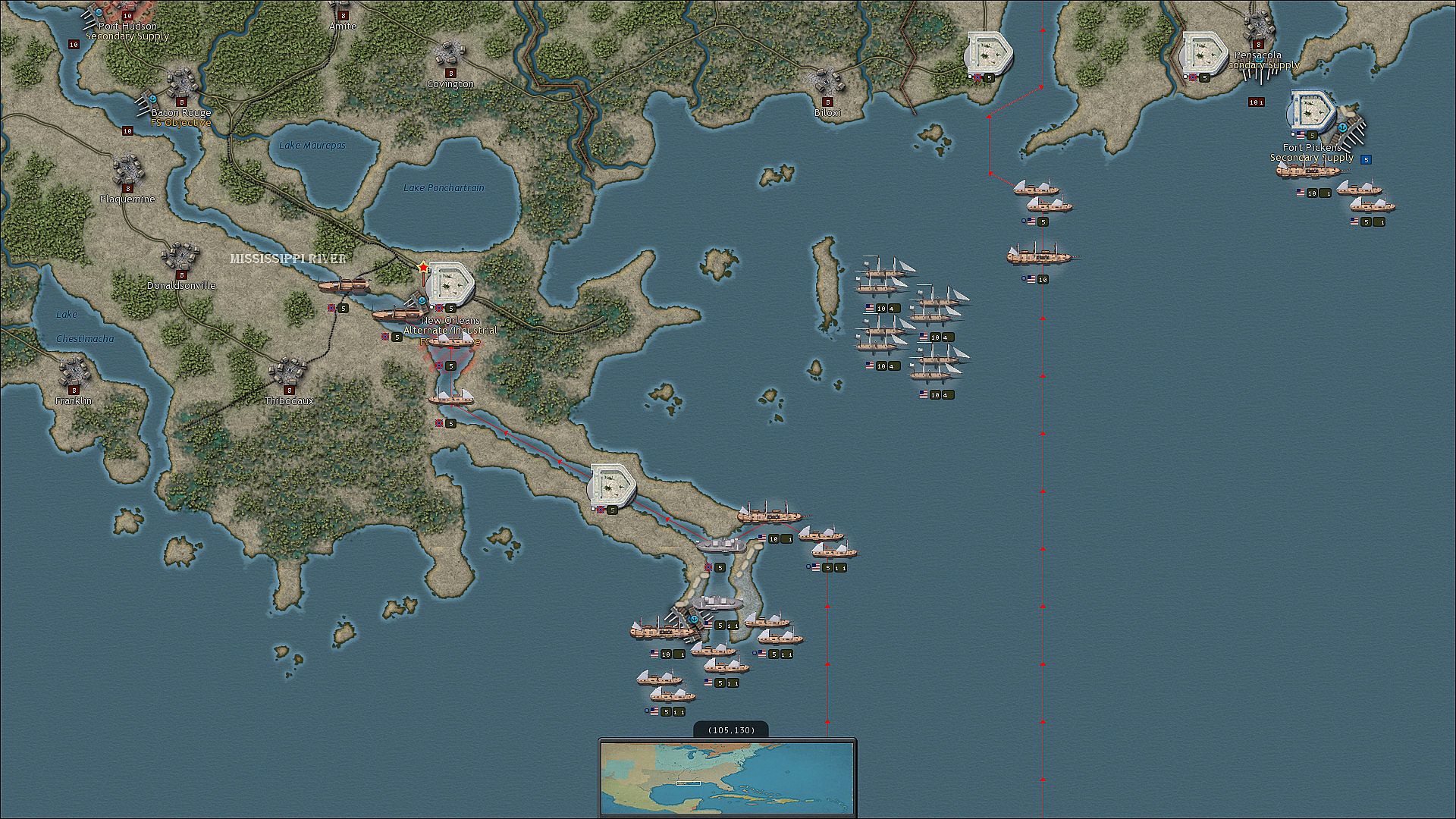
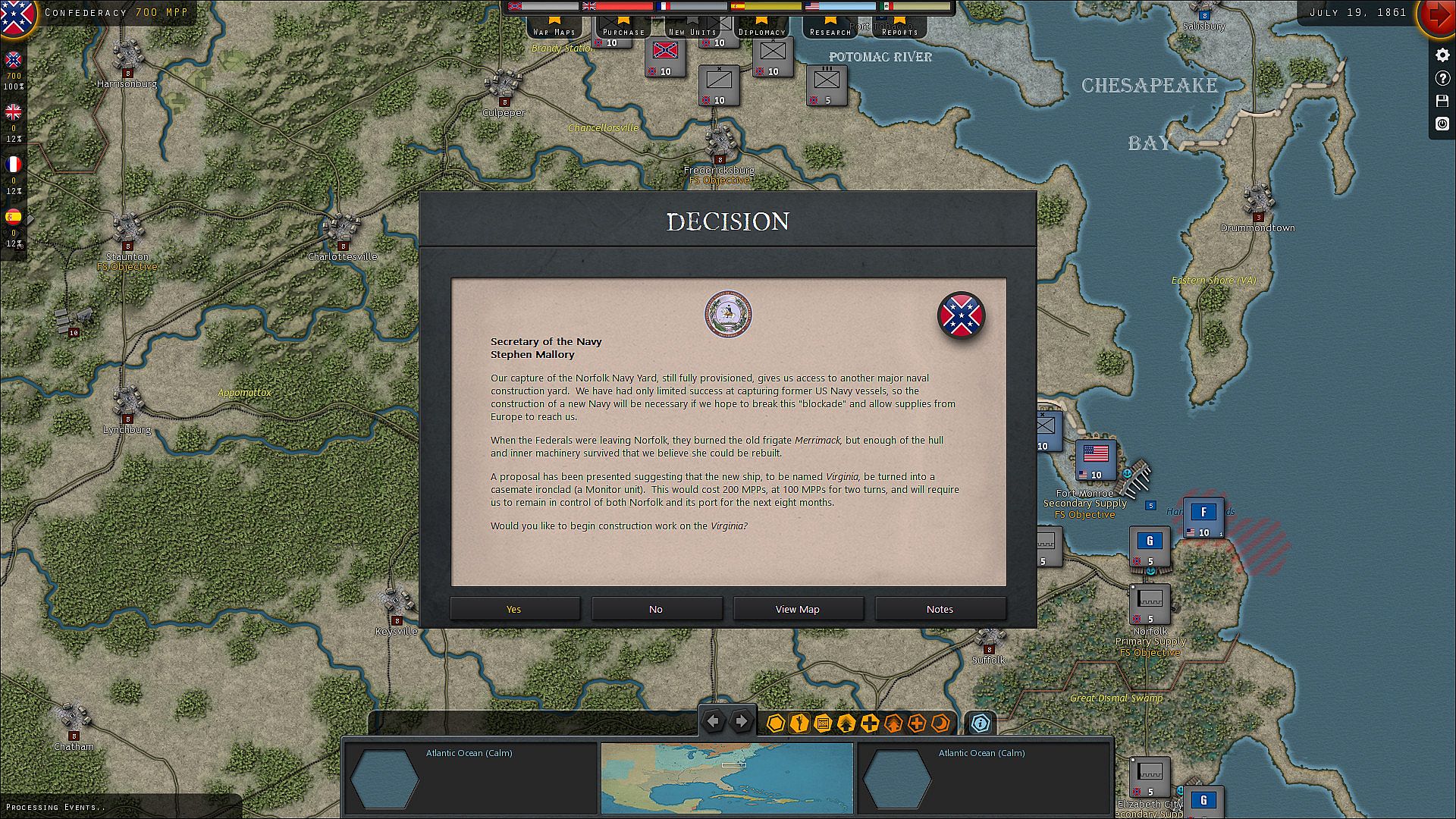
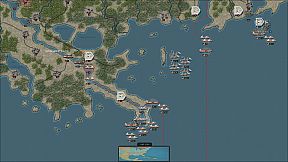
River systems including the Mississippi, Ohio, and Cumberland become playable waterways navigated by dedicated river warships. Ports along these routes enable rapid repositioning and create opportunities for amphibious operations. At sea, vessels are divided into rivercraft, coastal, and ocean-going types, with both wooden and ironclad hulls available. Reconnaissance plays a central role because of limited communications technology. Cavalry units locate enemy formations, while infantry scouts, partisan rangers, and armored trains expand visibility. Experimental options include observation balloons that extend sight lines from above.
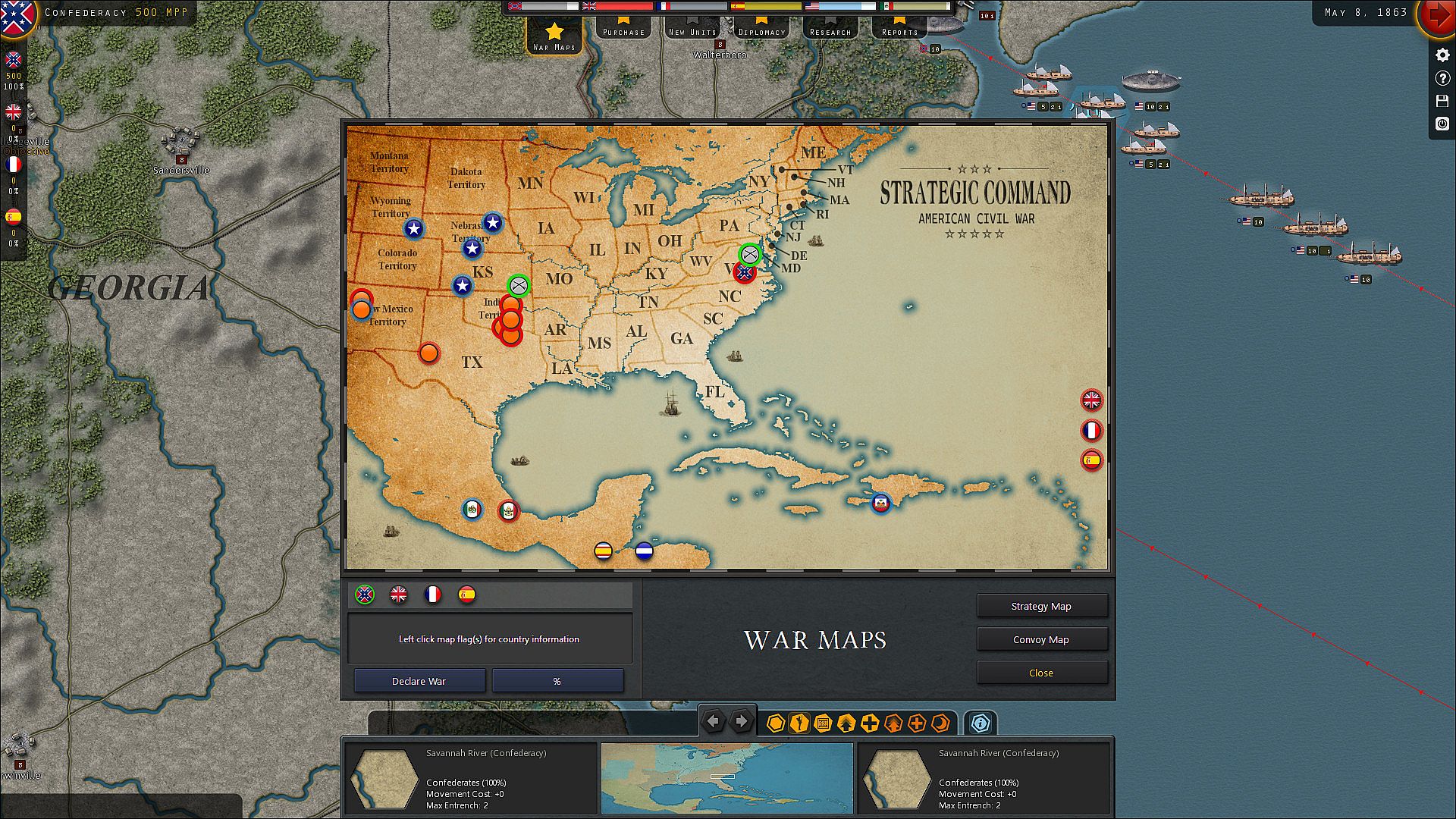
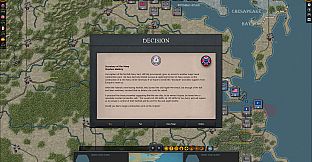
Diplomacy and battlefield results influence whether European powers intervene. Events tied to cotton sales or the Emancipation Proclamation can draw in Britain, France, or Spain on the Confederate side. The conflict in Mexico also unfolds in parallel, with French forces engaged there. If France enters the wider war, players may control Republican or Imperial Mexican forces as the theater expands across North America. Fortress defenses at key ports and waterways add another layer of strategic planning, with their positions known to both sides from the start.
Game Modes
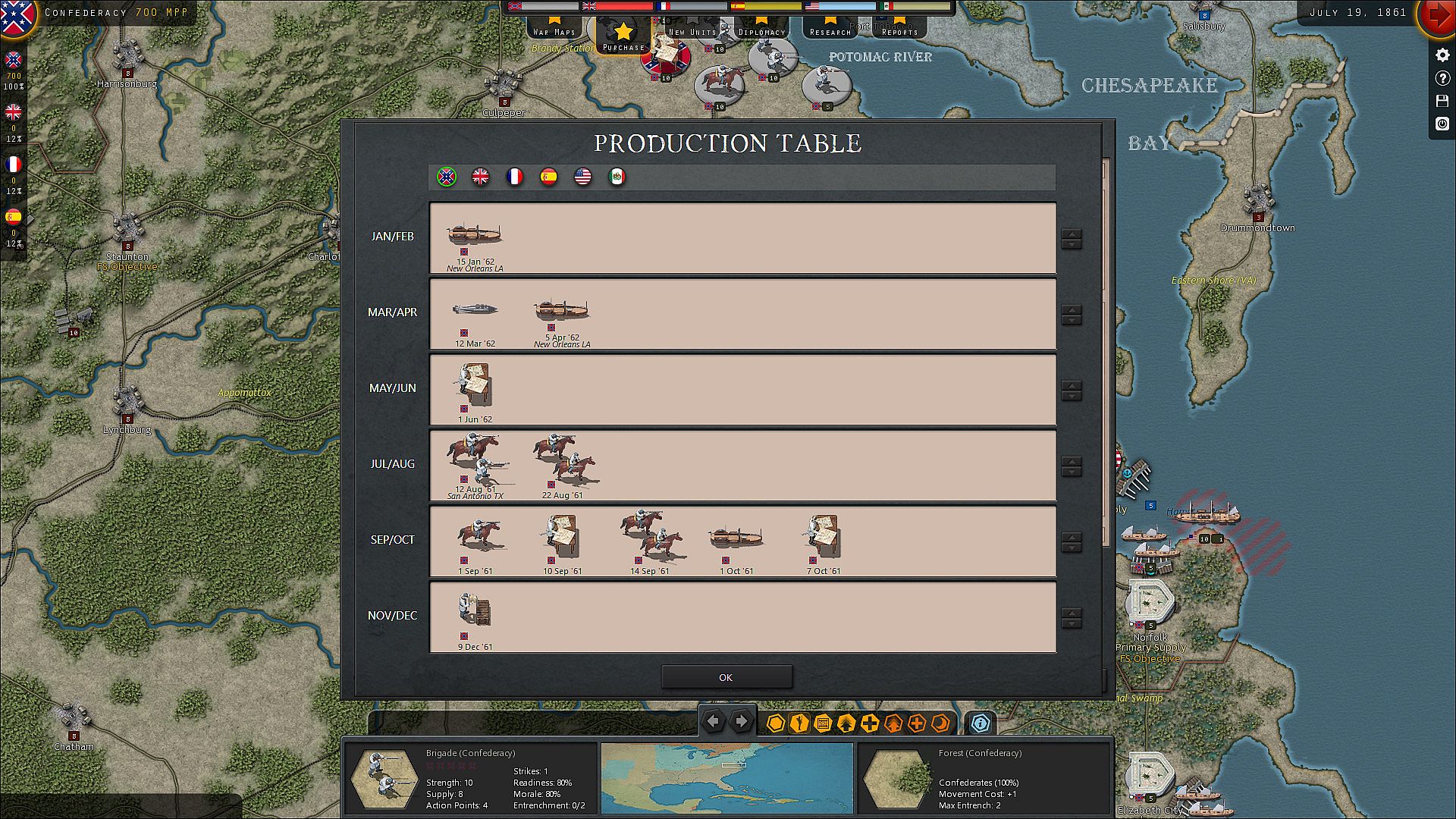
The game offers six distinct campaigns that cover the war from its opening shots through its conclusion. These scenarios vary in scope and starting conditions. The 1861 Blue and Gray campaign begins at the conflict's outset. The 1861 Manassas to Appomattox campaign follows a longer arc. The 1862 Scott's Great Snake scenario focuses on naval and riverine strategies. The 1862 Trent War introduces an alternate-history path where Britain recognizes the Confederacy. Later campaigns include 1863 Lee Rides North and 1864 Make Georgia Howl, each presenting different strategic challenges and objectives.
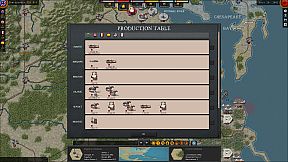
An included editor allows creation of custom campaigns or modifications. Official map style options are provided alongside the classic presentation used in earlier entries in the series. All campaigns support single-player play against the artificial intelligence, with mechanics for production queues, research allocation, and event-driven diplomacy remaining consistent across scenarios.
Additional Systems and Features
Coastal and inland fortresses guard critical locations and require dedicated planning to bypass or capture. Partisan activity, historical events, and European intervention can be toggled through single-event controls for customized experiences. New unit categories such as balloons, rangers, monitors, and river gunboats expand tactical options beyond standard infantry and artillery. The engine supports both historical and alternate paths, with riverine and naval combat integrated into the broader strategic picture.
Is It Worth Playing?
Strategic Command: American Civil War appeals to players who enjoy detailed turn-based wargames focused on resource management, army building, and long-term planning. The campaigns provide substantial single-player content with varied starting points and objectives. Ongoing patches have addressed balance and stability since release, and an editor supports community-created content. Those seeking a grand-strategy experience centered on the American Civil War, complete with river and naval elements plus diplomatic branching, will find a focused and replayable title. Players who prefer fast-paced action or real-time systems may want to look elsewhere.