

Store Tycoon Simulator is a strategy and simulation game for PC in which players build and operate a supermarket from the ground up. The experience centers on managing every operational detail of a retail business, from initial layout planning to long-term financial oversight. Players begin with limited resources and expand their operation through careful decisions on inventory, staffing, and customer service.
Gameplay
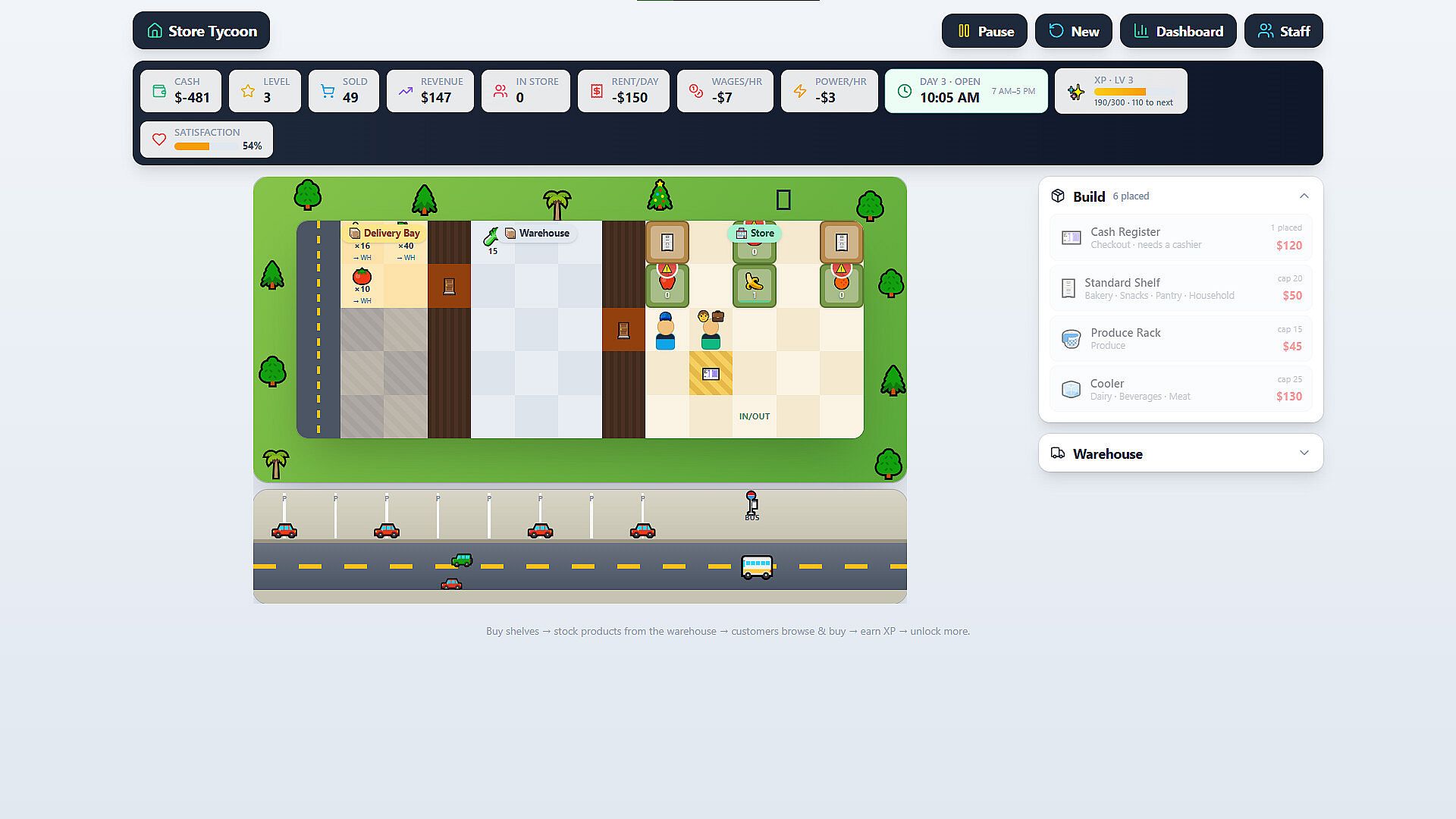
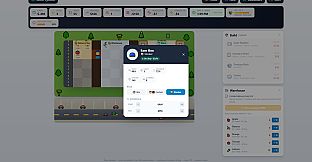
The core loop involves constructing and refining the store layout. Players purchase and position equipment such as cash registers, shelves, produce racks, and coolers. As revenue grows, the layout expands to accommodate higher customer volumes and additional product categories. Efficient placement directly influences traffic flow and sales potential.
Inventory management requires ordering stock and handling deliveries at the loading area. Goods move from the warehouse to shelves, with careful planning needed to avoid shortages that lose sales or overstocking that ties up capital. The system rewards balanced purchasing that matches demand patterns observed through daily operations.
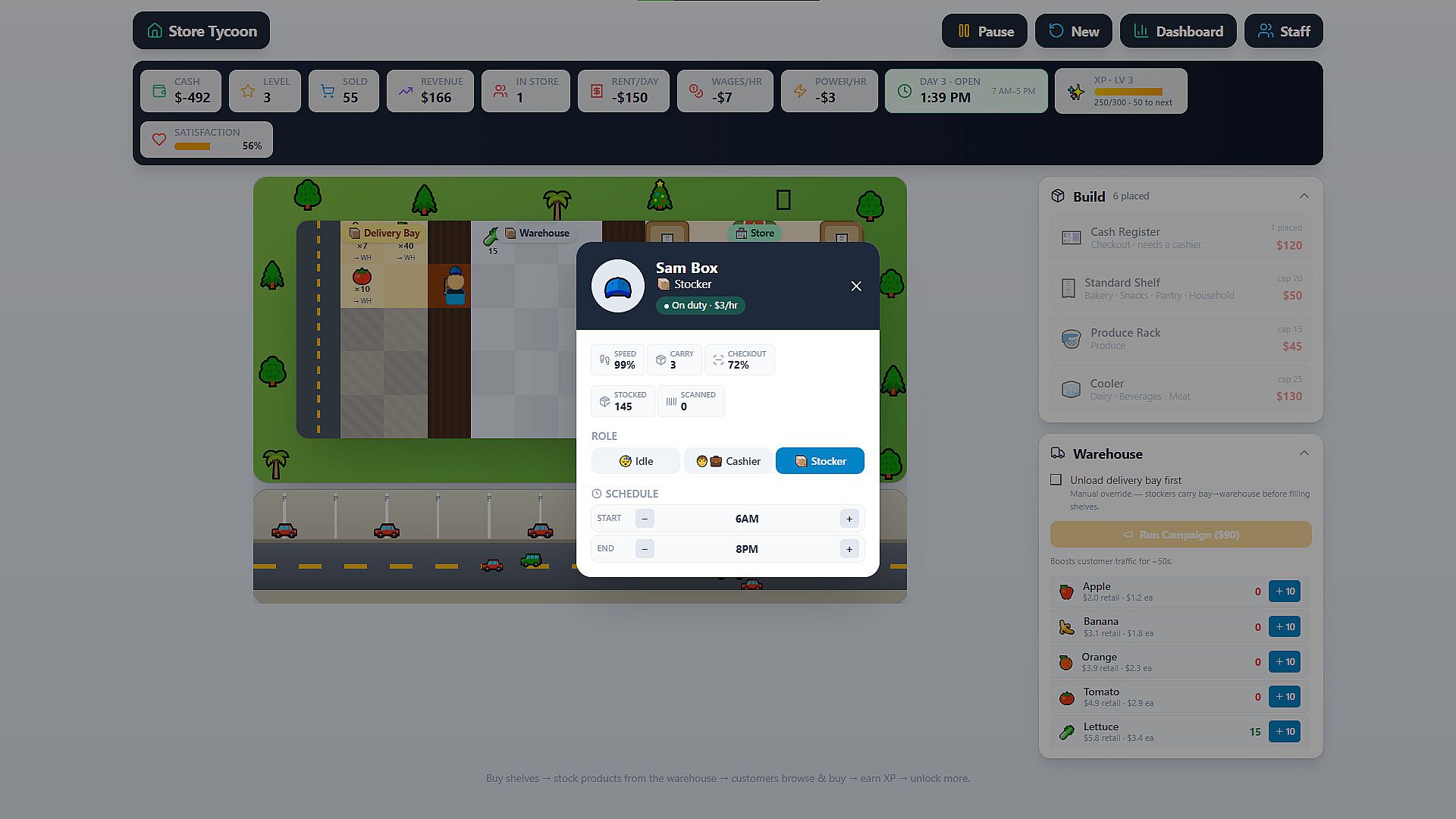
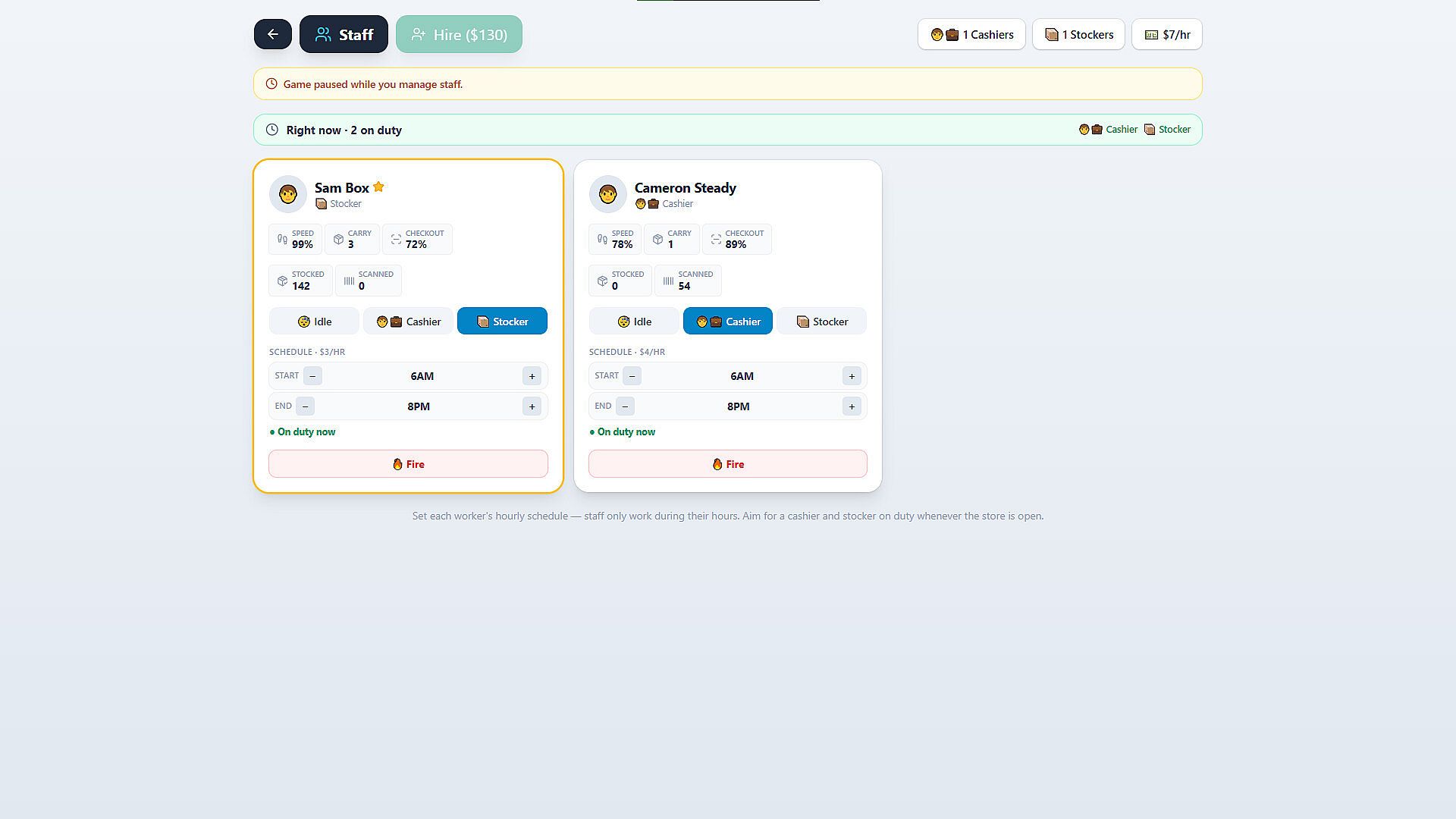
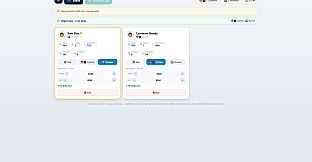
Staff hiring forms another key system. Cashiers and stockers each carry individual stats for speed, carrying capacity, and checkout performance. Players assign roles, set schedules, and balance wages against the benefits of reduced personal workload during peak hours. Monitoring satisfaction metrics helps maintain steady customer traffic.
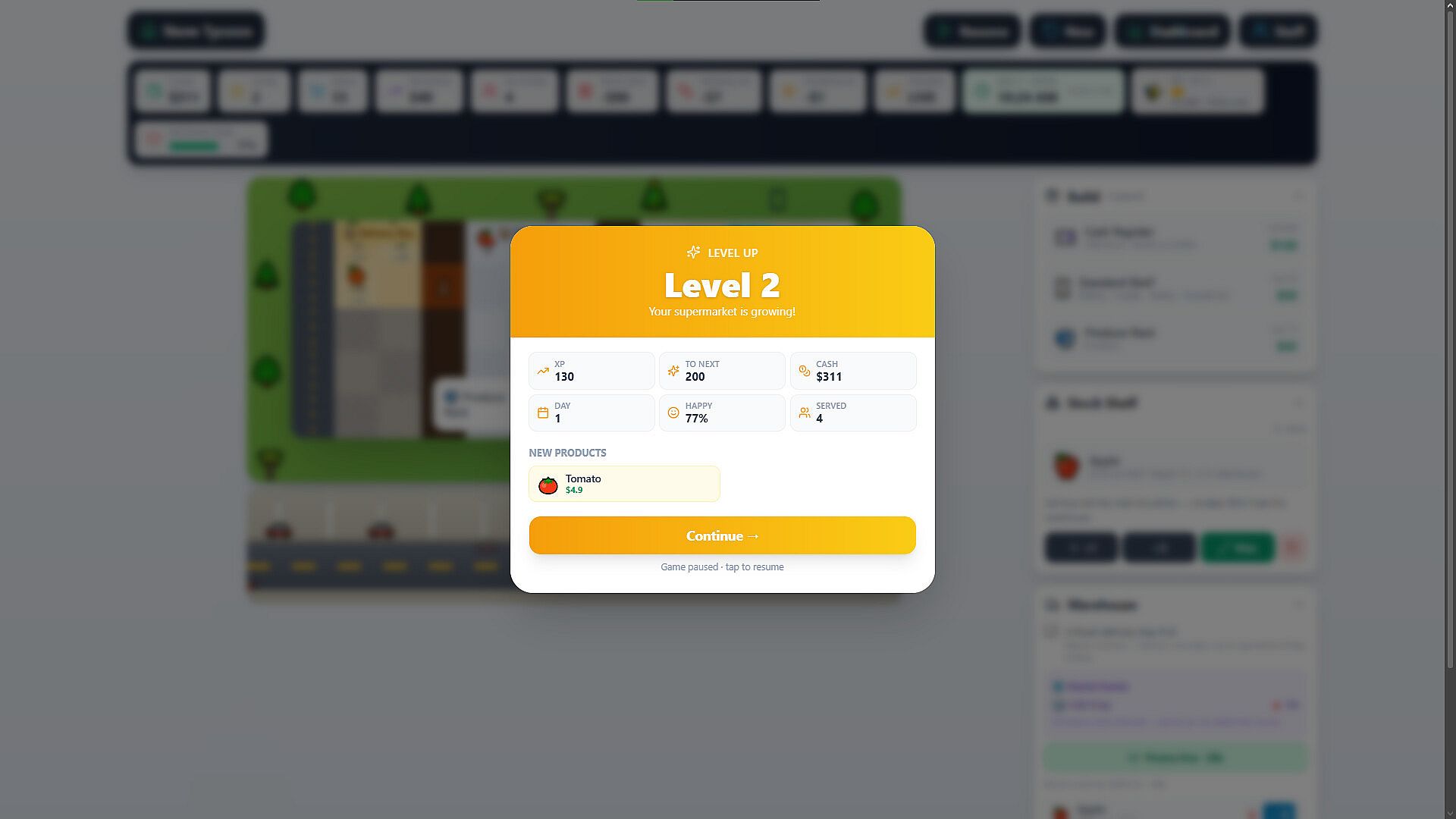
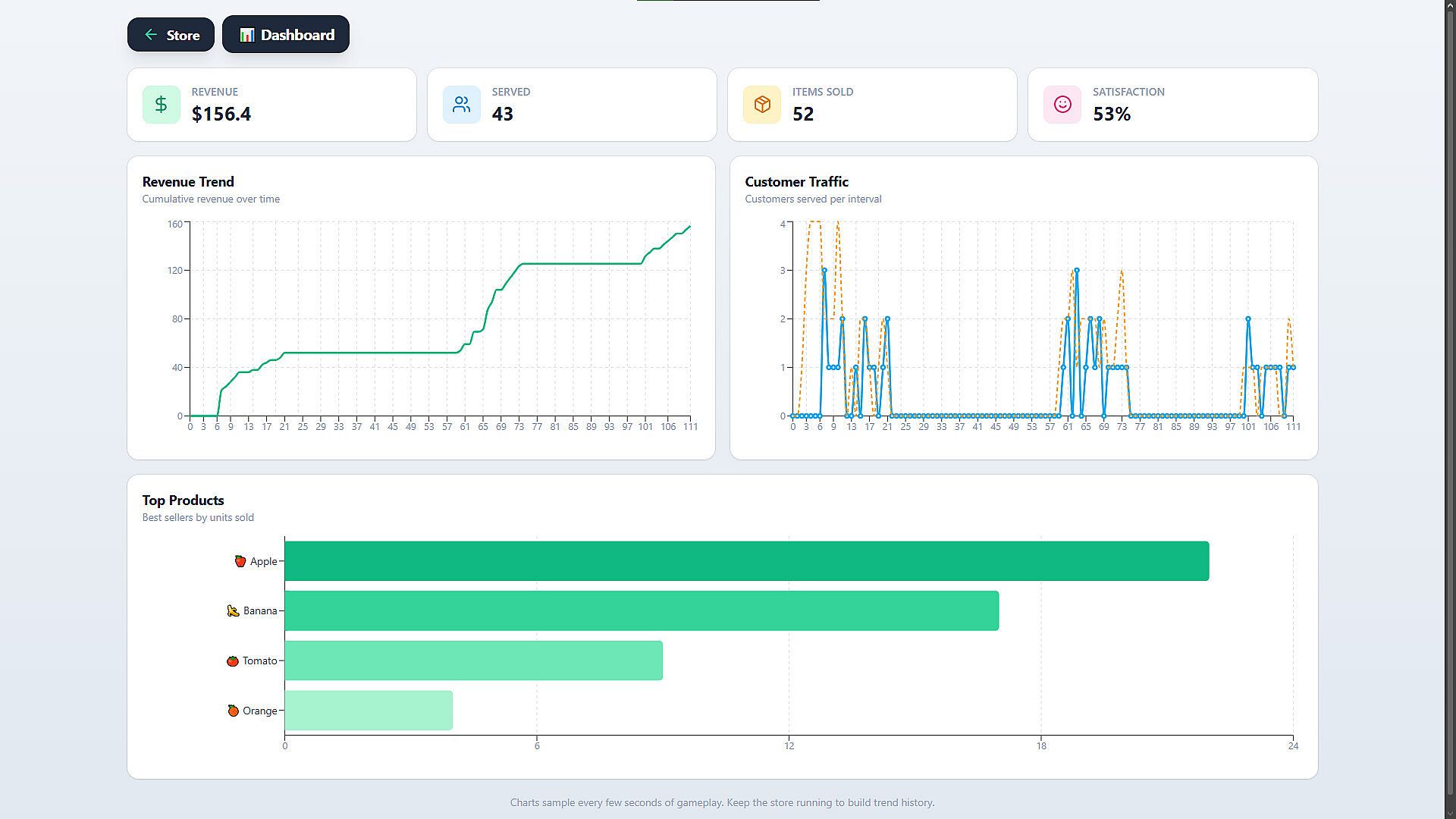
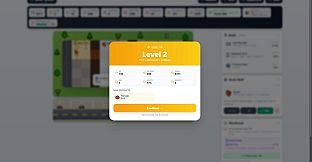
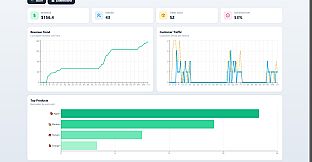
Financial tracking covers revenue alongside recurring costs including rent, wages, electricity, and restocking. A dashboard displays key indicators such as daily sales, item popularity, and overall satisfaction. Experience points accumulate with business growth, unlocking new products and equipment options as the store scales.
Game Modes
The game operates as a single continuous management experience without separate named modes. Players progress through stages of store development, starting small and expanding based on performance. This structure emphasizes iterative improvement rather than distinct scenarios or competitive variants.
Progression focuses on scaling operations while maintaining balance across systems. Early stages involve hands-on tasks, while later stages shift toward oversight of larger facilities and more complex staffing needs. No additional modes such as sandbox or challenge variants appear in the available details.
Business Management Systems
Customer behavior responds to shelf stock levels and checkout efficiency. Sustained performance opens options for marketing efforts that increase visitor numbers. The simulation tracks satisfaction in real time, providing feedback on layout and service quality.
Expense control extends beyond wages to include utilities and inventory purchases. Players review revenue and cost reports to time investments in upgrades or expansions. This layer adds depth to the strategy elements, as poor timing can strain cash flow even with strong sales.
Is It Worth Playing?
Store Tycoon Simulator suits players who enjoy methodical simulation and strategy games focused on resource allocation and incremental growth. The detailed systems for inventory, staffing, and layout create a satisfying loop for those interested in retail management themes. Because the title remains unreleased with a planned launch in late 2026, current interest depends on preference for this style of gameplay over immediate availability. The described mechanics align with established tycoon simulation conventions, offering depth in daily operations and long-term planning without confirmed multiplayer or additional content layers.