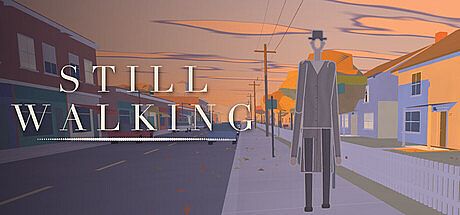


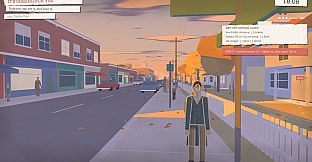
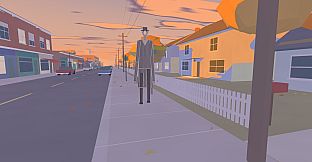

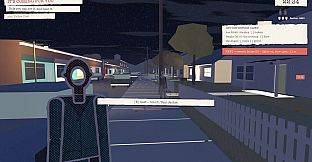

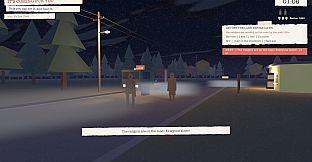
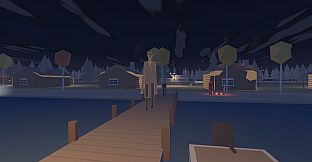


Still Walking is a first-person co-op horror adventure game developed for PC. Players navigate a small town at dusk where an unseen threat moves steadily toward them at walking pace. The experience blends exploration, tension, and teamwork across sessions that last through the night.
Gameplay
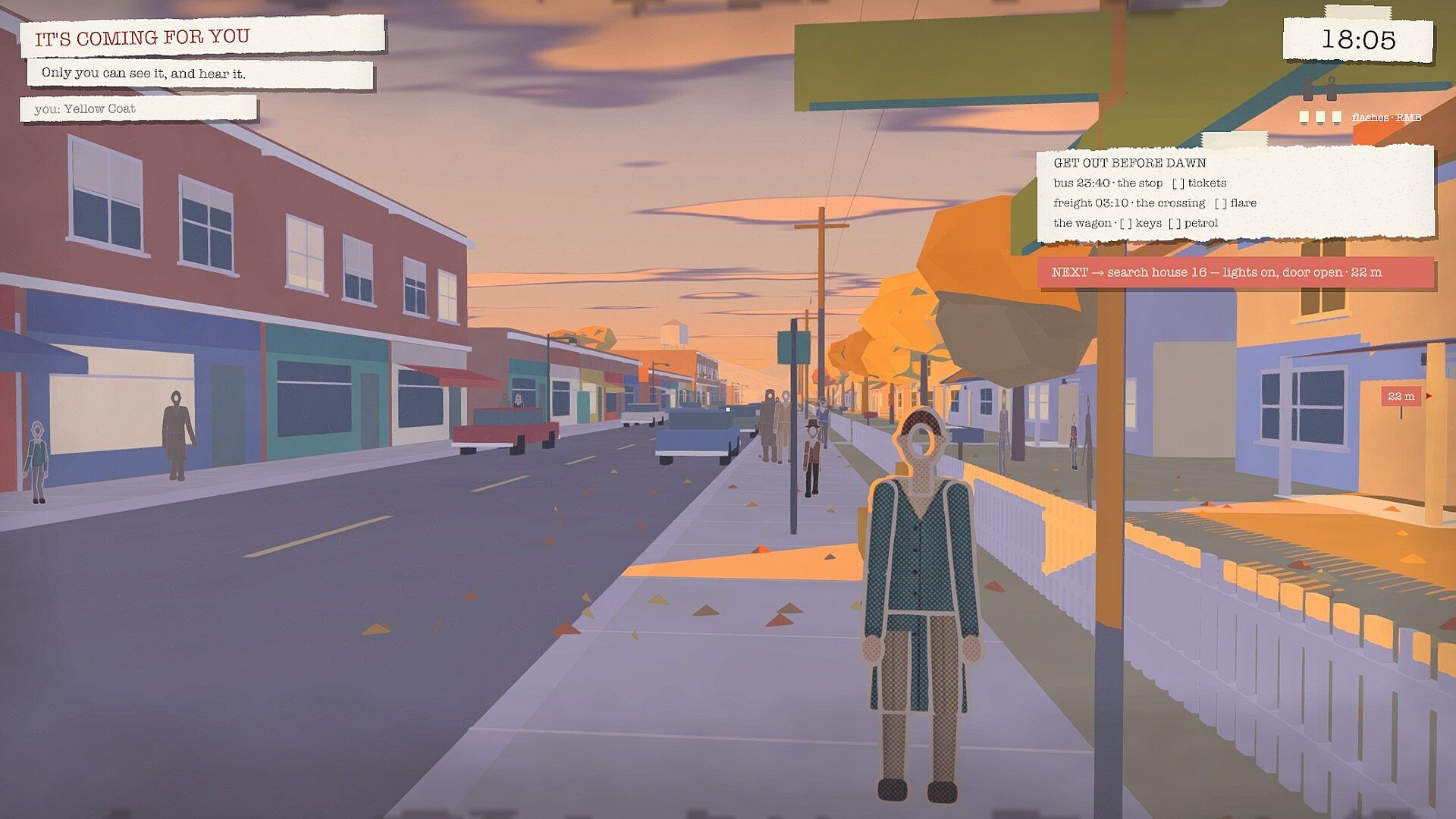
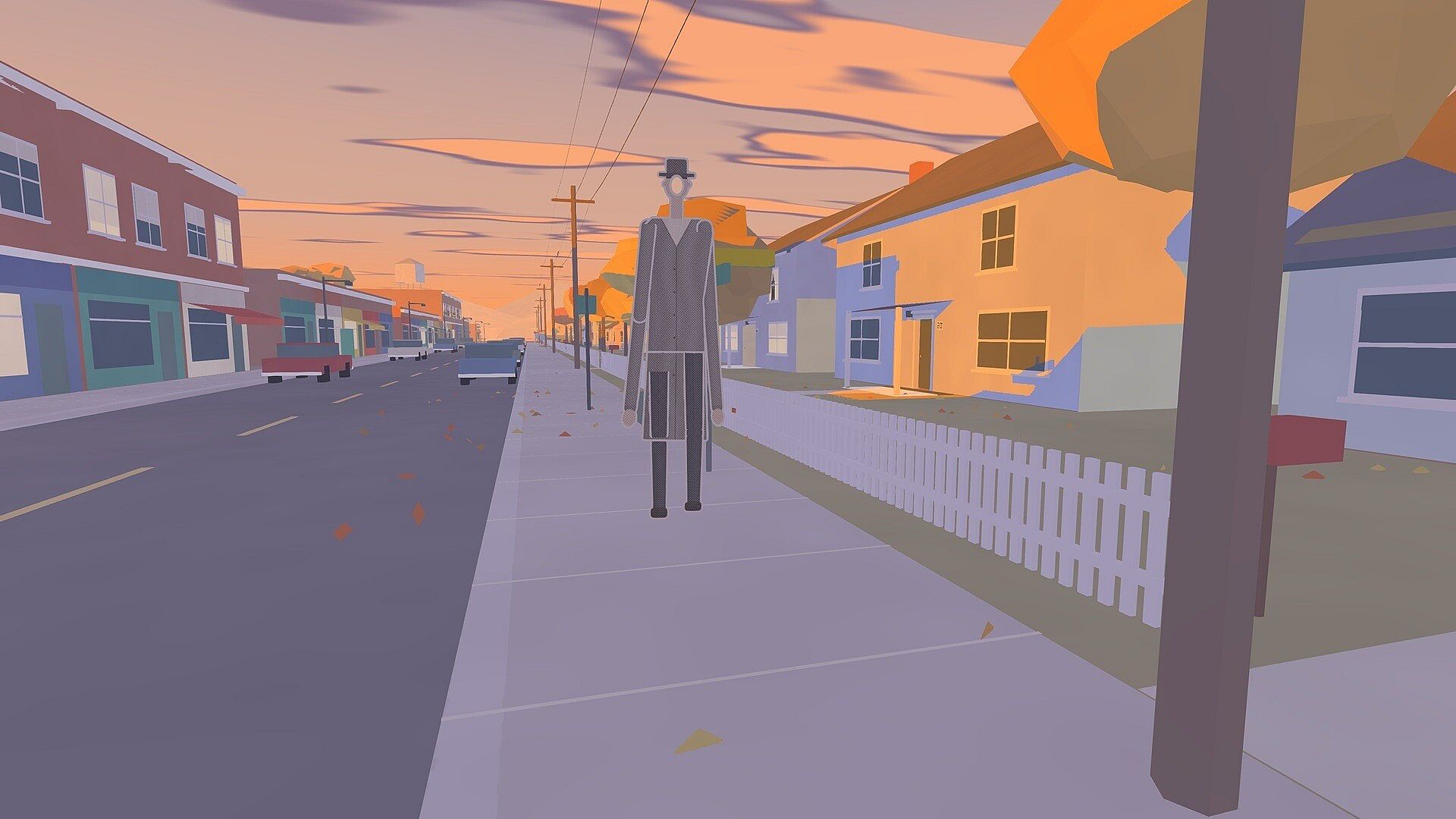
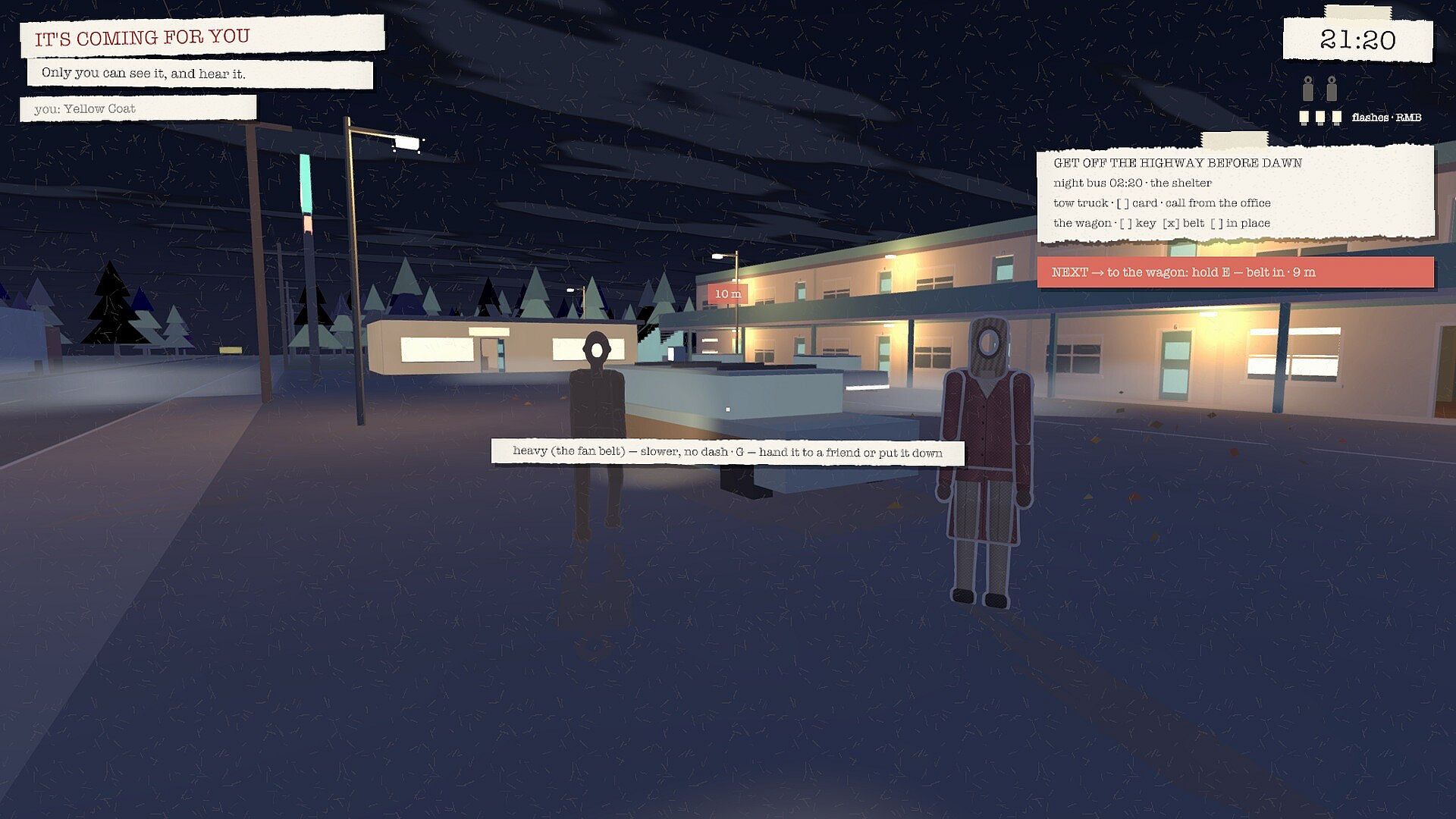
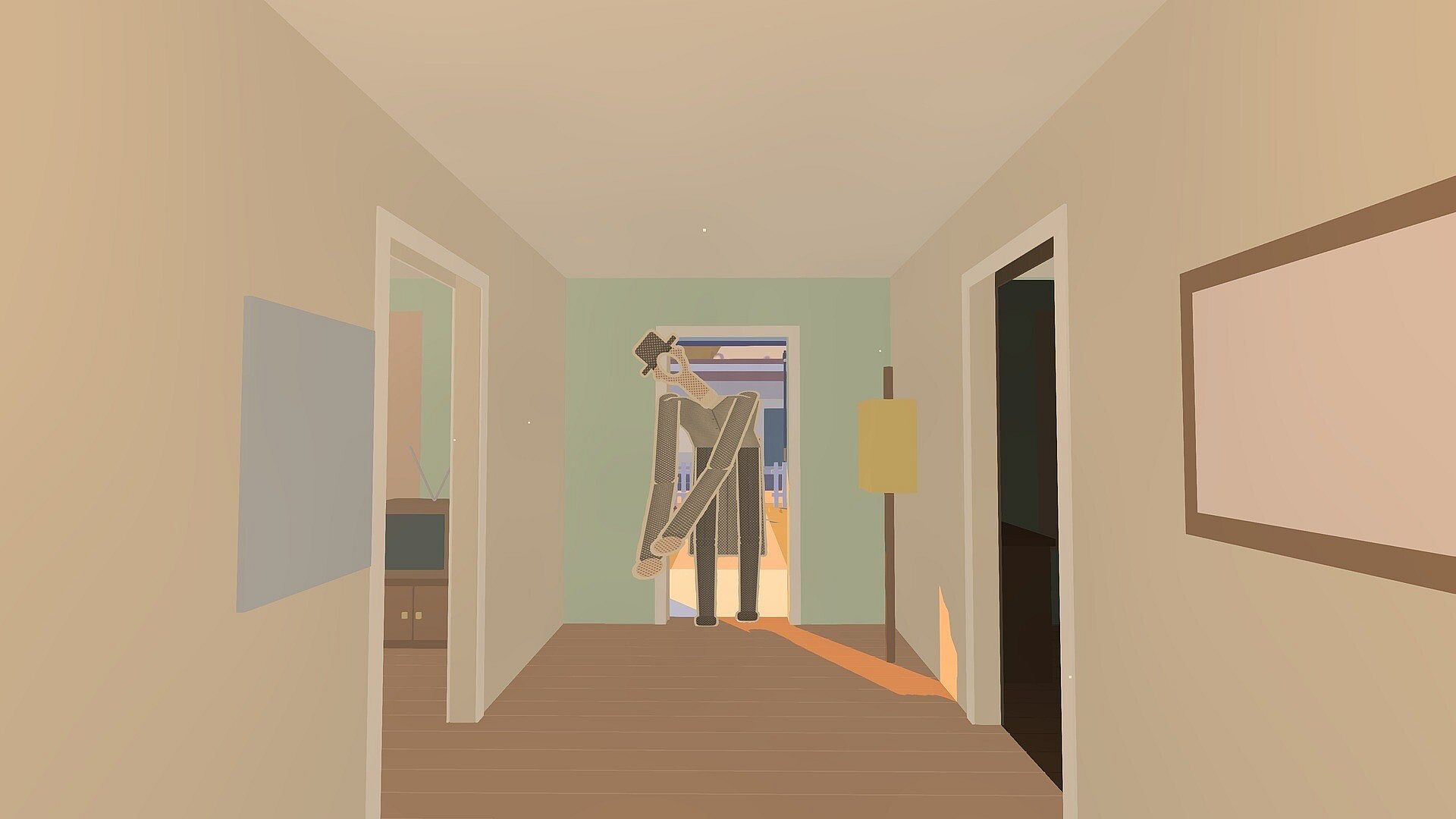
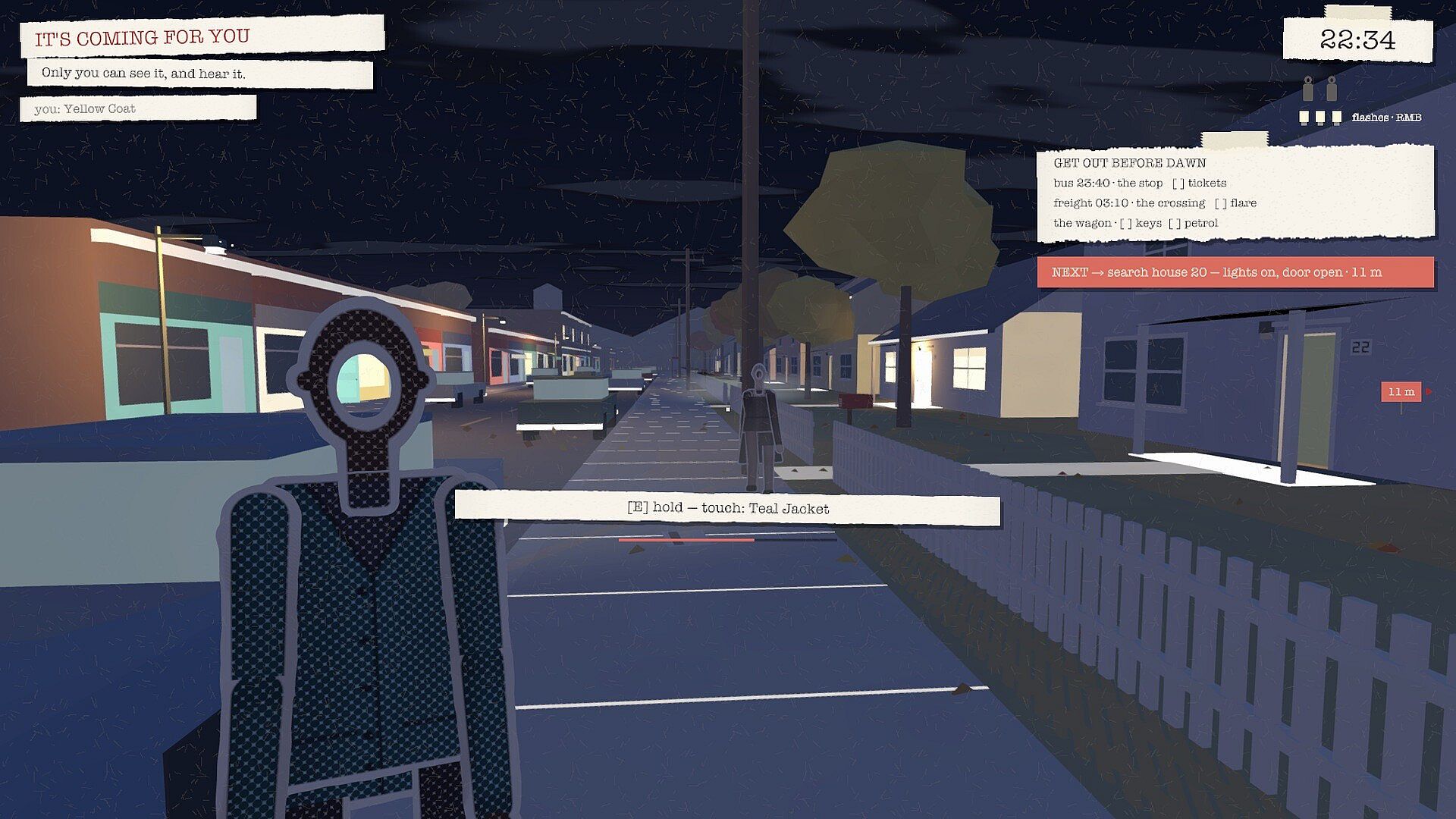
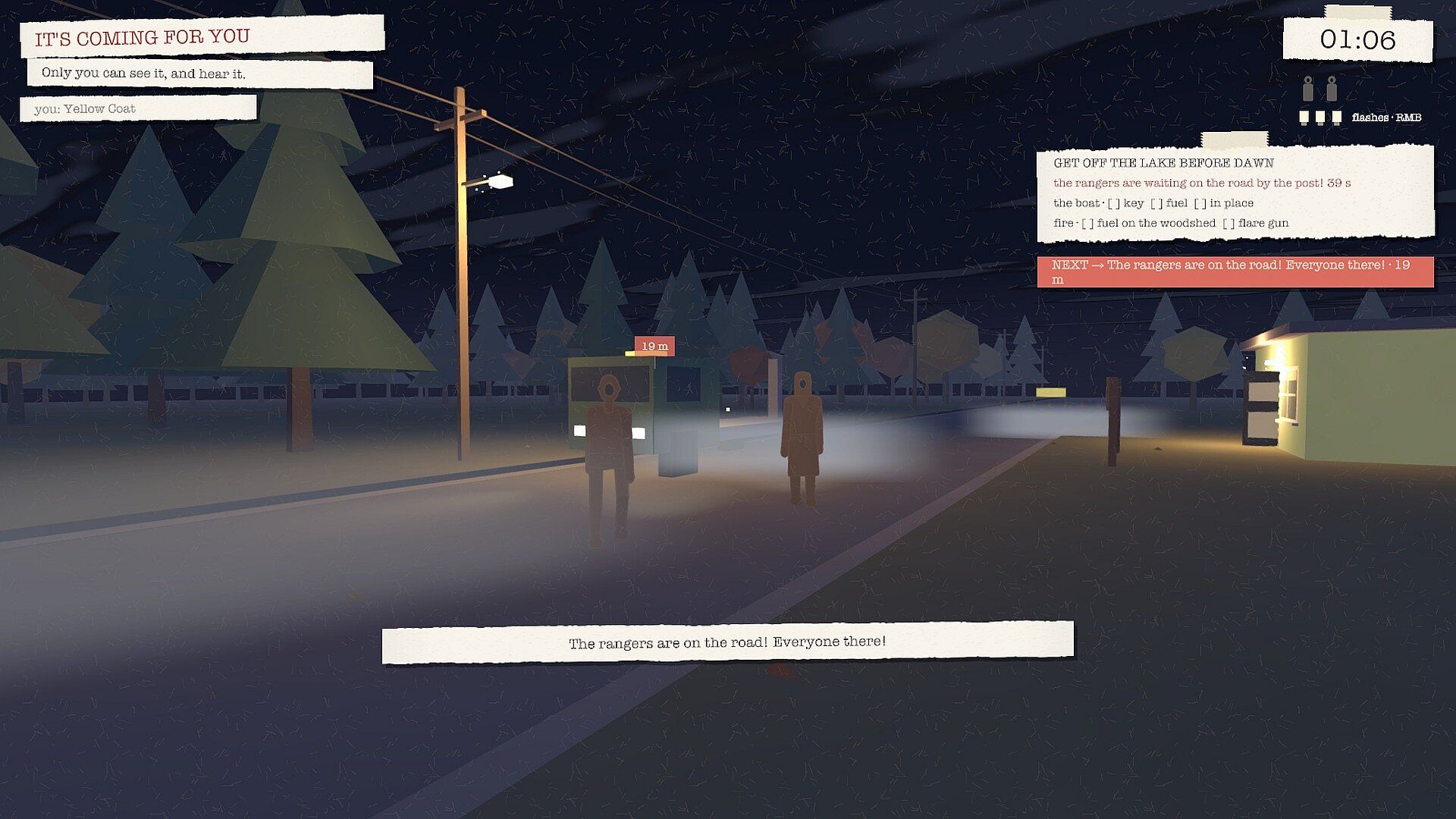
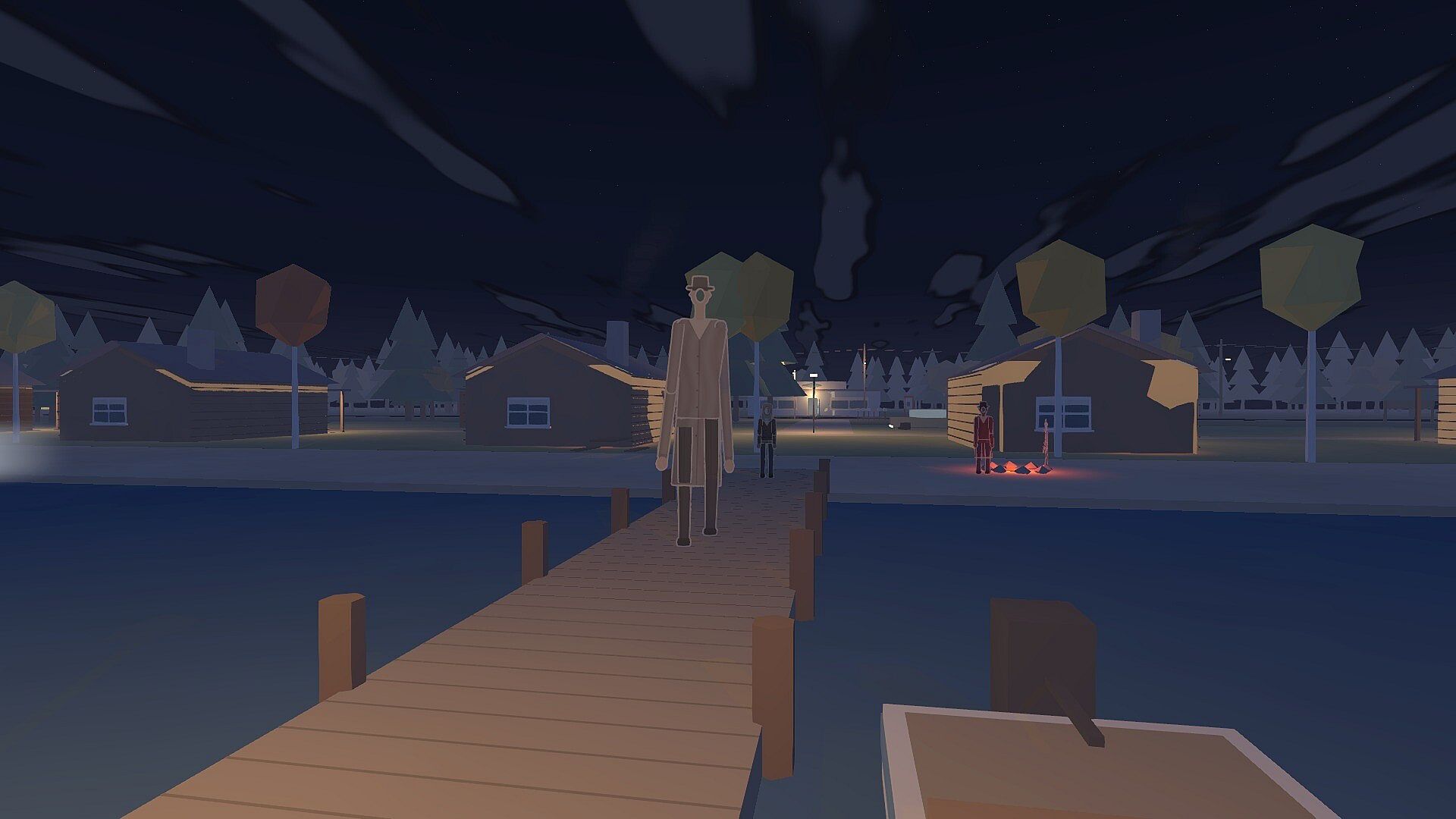
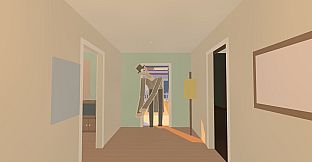
The core loop centers on survival until dawn while managing an entity that only one player can perceive at any time. That player sees a figure approaching from the street or inside buildings, while teammates observe only shadows or unexplained movements like doors opening on their own. The entity shifts appearance whenever players look away, blending into crowds of ordinary townspeople who approach with questions or requests.
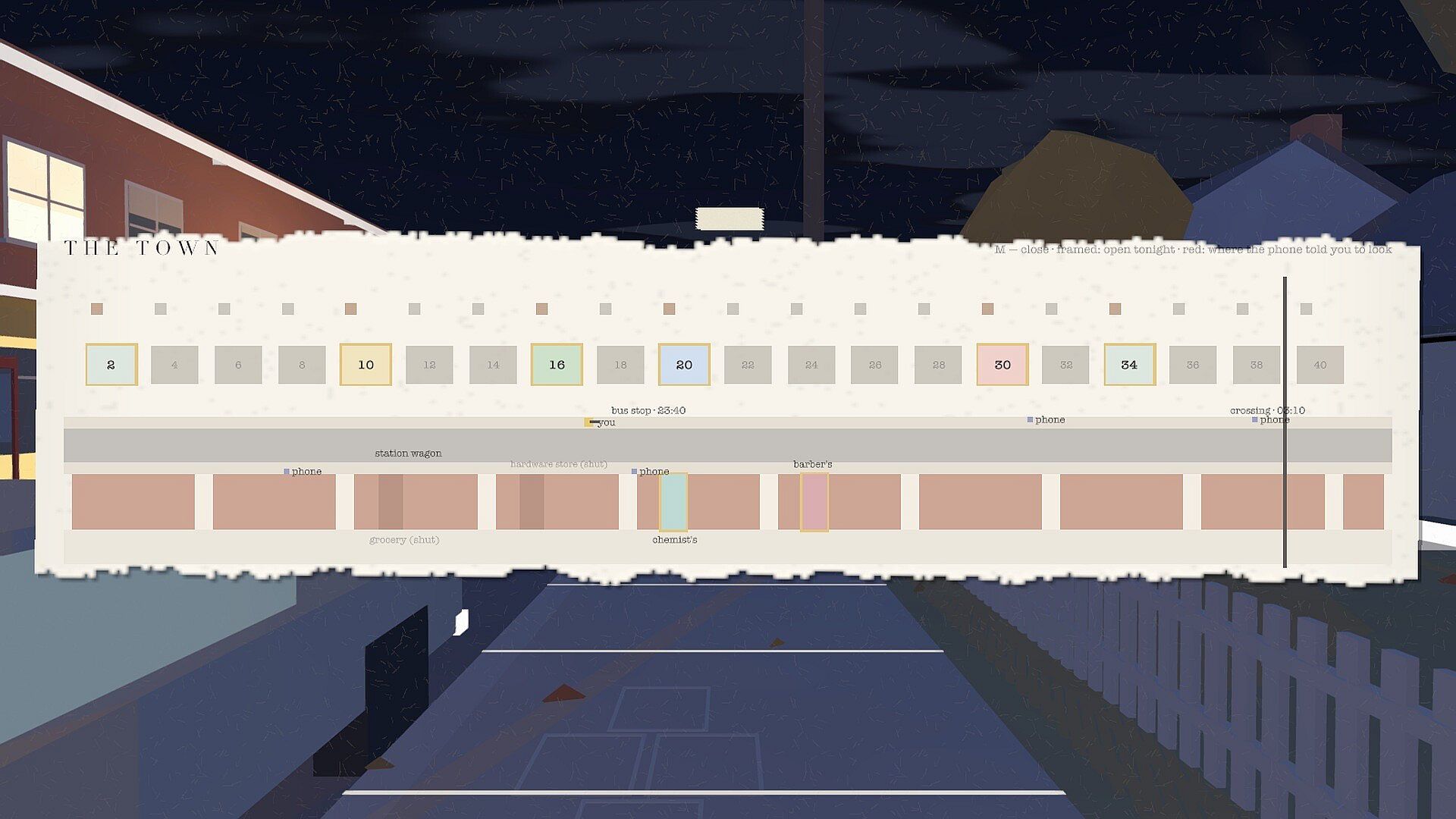
Communication becomes essential because teammates must interpret warnings and coordinate without direct visual confirmation of the threat. Players search houses, shops, and sheds for keys, fuel, tickets, and vehicle parts needed to escape. Tools such as camera flashes can temporarily blind the pursuer, while bolted doors and torchlight help navigate dark interiors. The town layout changes each night, forcing fresh routes and hiding spots.
Physical contact allows the targeted player to transfer the pursuit to another teammate. This mechanic creates shifting roles where one person watches the backs of others while the new target gains direct sight of the approaching figure. The process repeats until the group secures an exit route, whether by bus, train, tow truck, or a vehicle that requires repairs on the spot.
Game Modes
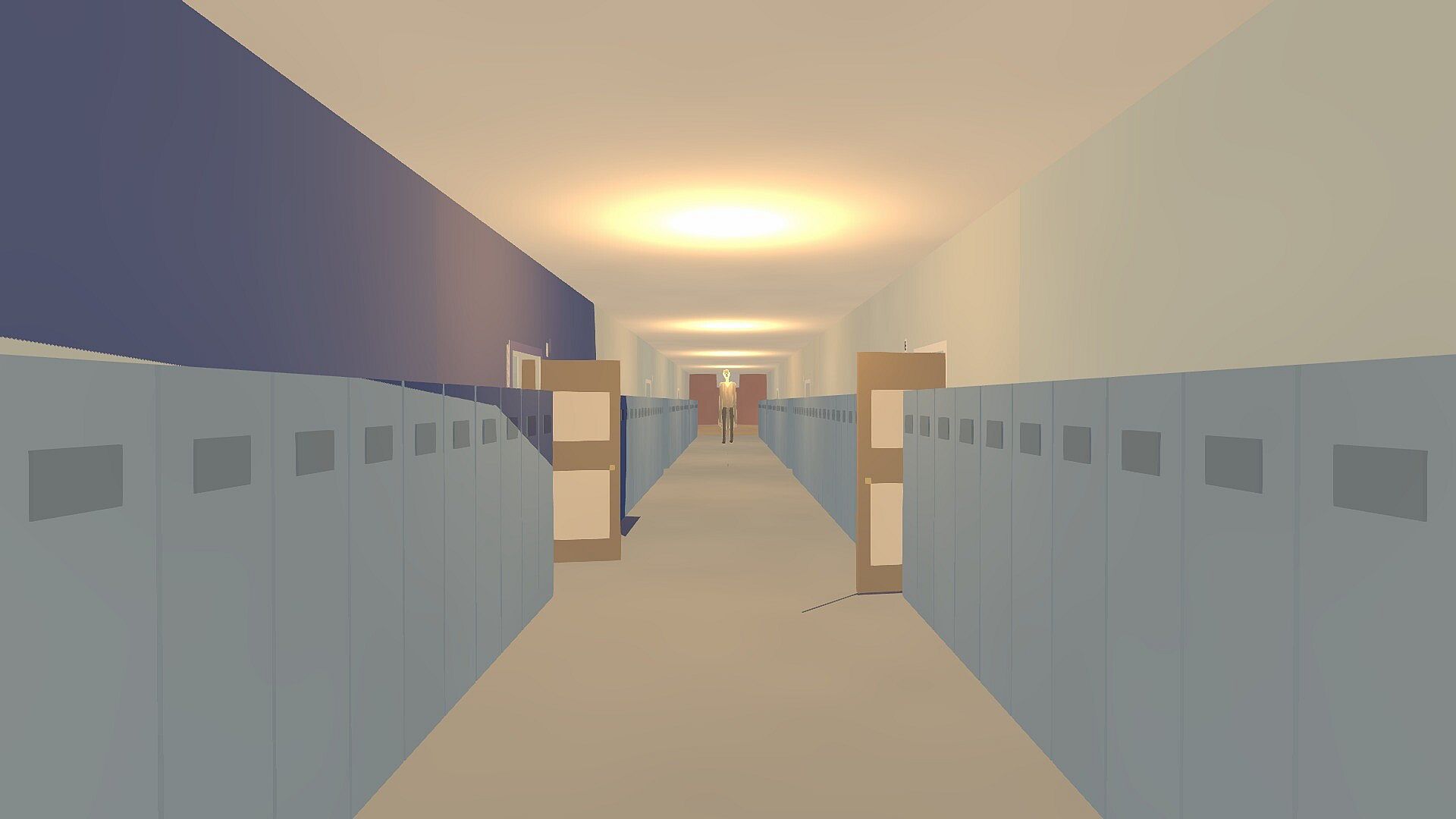
The game supports solo play or sessions with up to three participants in the same shared environment. The single-player option places the full burden of observation and decision-making on one person, while co-op distributes the visibility and transfer mechanics across the group. Sessions unfold across four distinct nights set in a small town, a highway motel, a hilltop school, and a lakeside house.
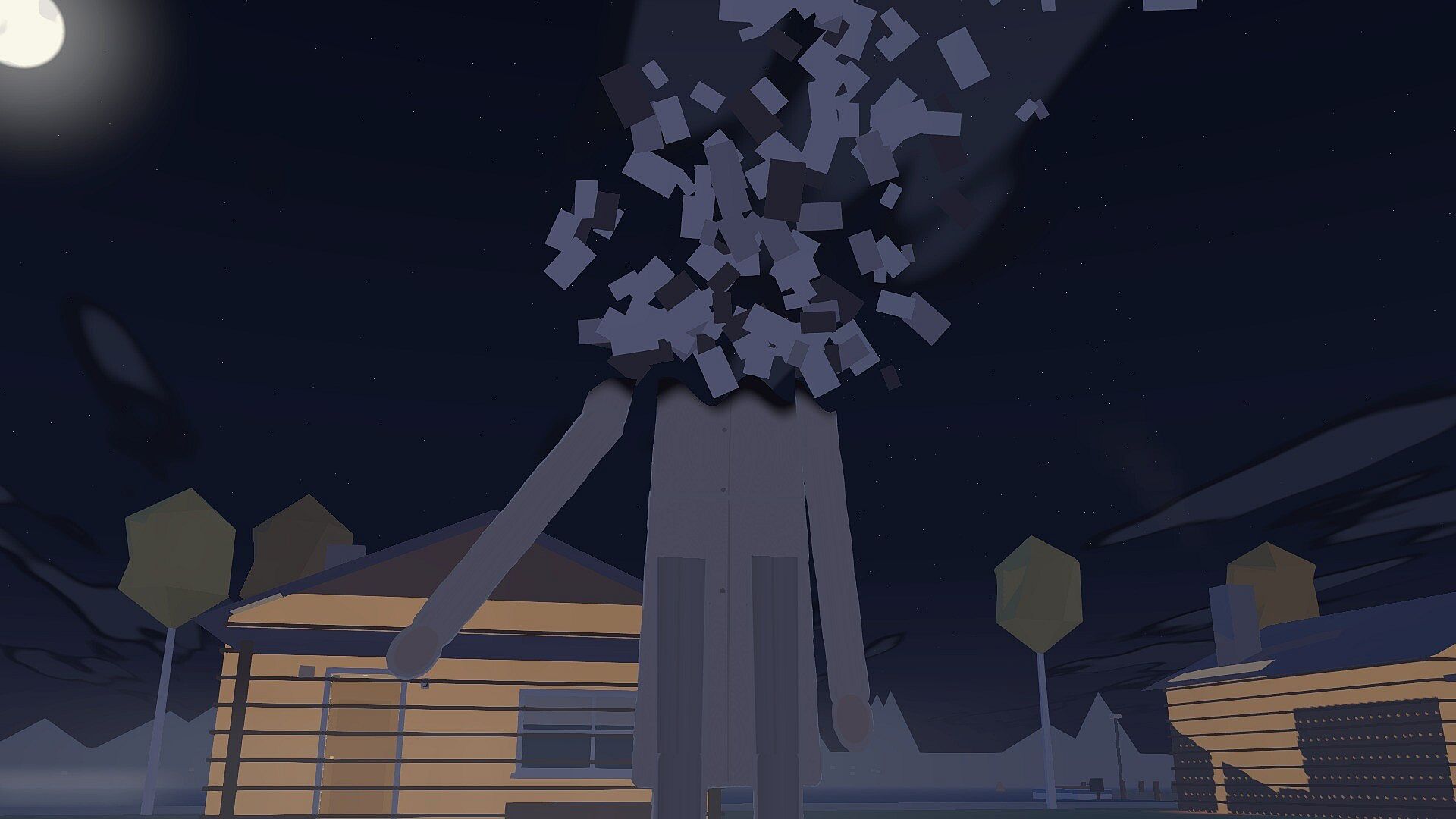
Each night presents the same core objective of locating escape items and avoiding contact with the entity, yet the changing locations introduce new layouts, interior spaces, and potential hiding places. The final night adds an alternative path where players can attempt to end the pursuit permanently rather than simply escaping.
Visual Style and Atmosphere
Environments evoke the quiet, painted quality of an Edward Hopper evening, with figures that appear almost cut from paper. Lighting shifts from dusk into deeper night, and the use of torch beams or sudden camera flashes creates stark contrasts against the otherwise subdued palette. Ordinary interactions with townsfolk add layers of uncertainty, as most encounters prove harmless while one proves fatal.
Sound design emphasizes footsteps at a consistent walking speed, distant voices, and the subtle creaks of doors or floorboards that signal the entity's presence to those who cannot see it directly. The overall tone remains grounded in everyday small-town details rather than overt supernatural effects until the final confrontation.
Is It Worth Playing?
Still Walking appeals to players who enjoy asymmetric co-op horror where information and roles change rapidly through simple mechanics like touch transfers and limited visibility. The emphasis on steady pacing, item scavenging, and group coordination suits groups that value communication over fast reflexes or combat. Solo players can experience the full tension of managing the entity alone across the four nights.
The game remains in development with a planned Steam release, so current details rest on the described systems and settings. Those drawn to indie adventures that combine exploration with persistent, slow-moving threats will find the core loop distinctive. The option to end the threat on the final night provides a narrative payoff for teams that gather enough clues and tools throughout the preceding nights.