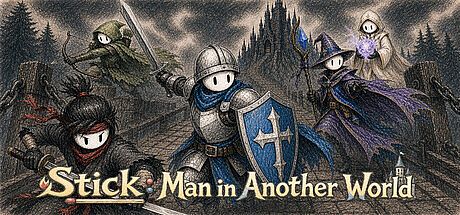


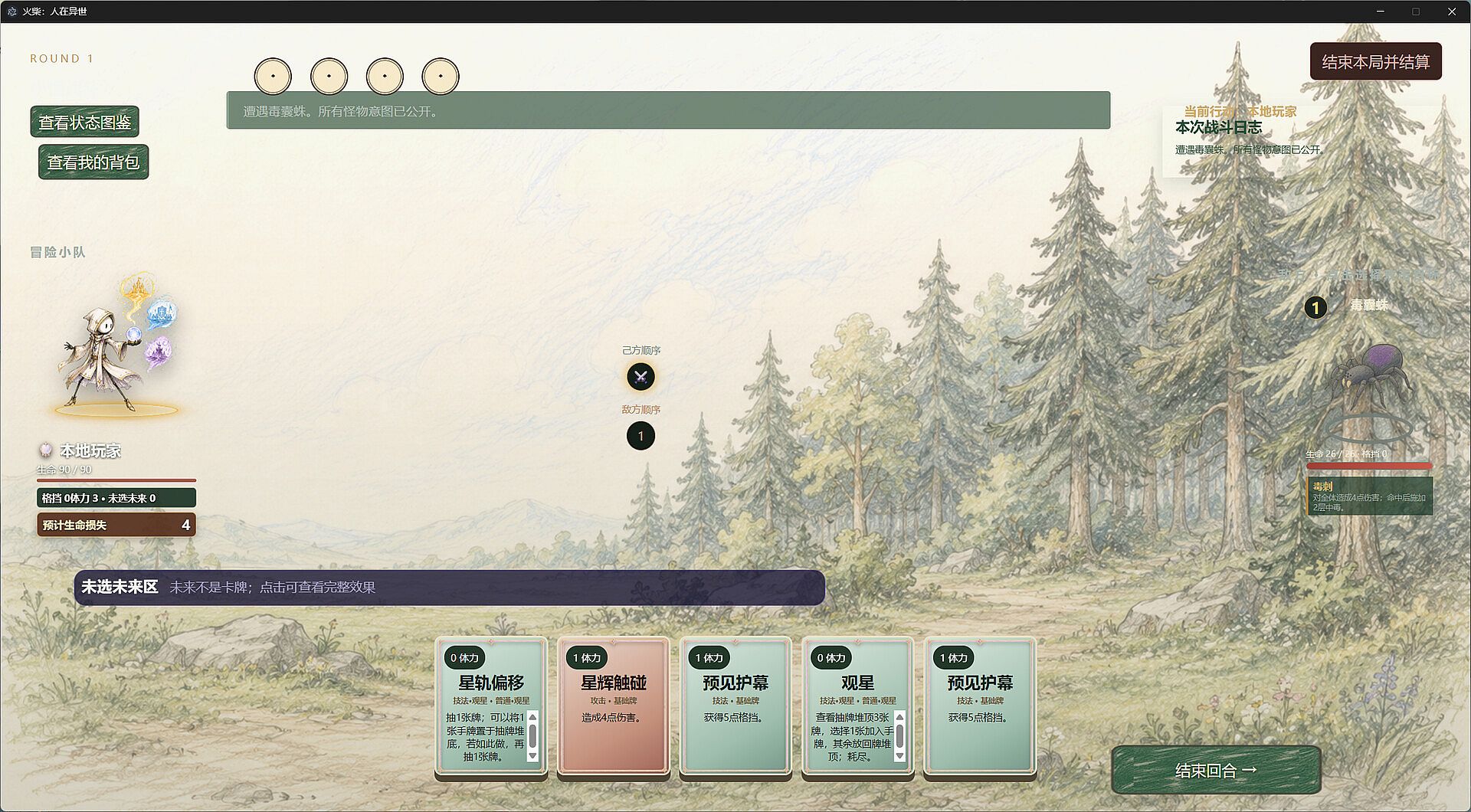
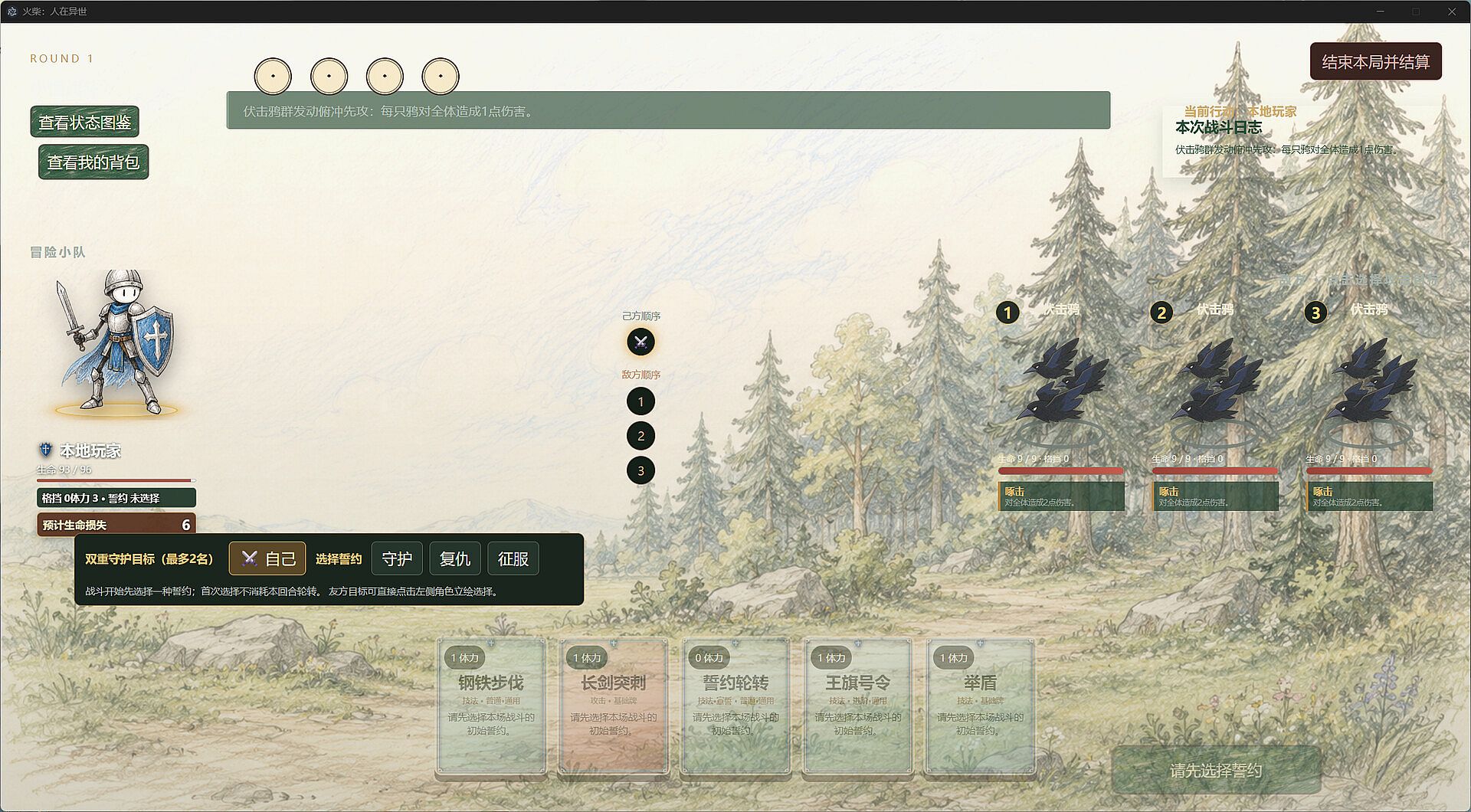
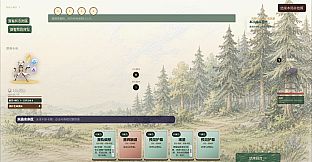
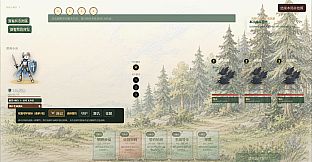
Stick: Man in Another World is a card-based strategy RPG with casual elements, available on PC in Early Access. Players select a hero and navigate an unfamiliar world through runs that combine deckbuilding, resource management, and tactical combat against escalating threats.
Gameplay
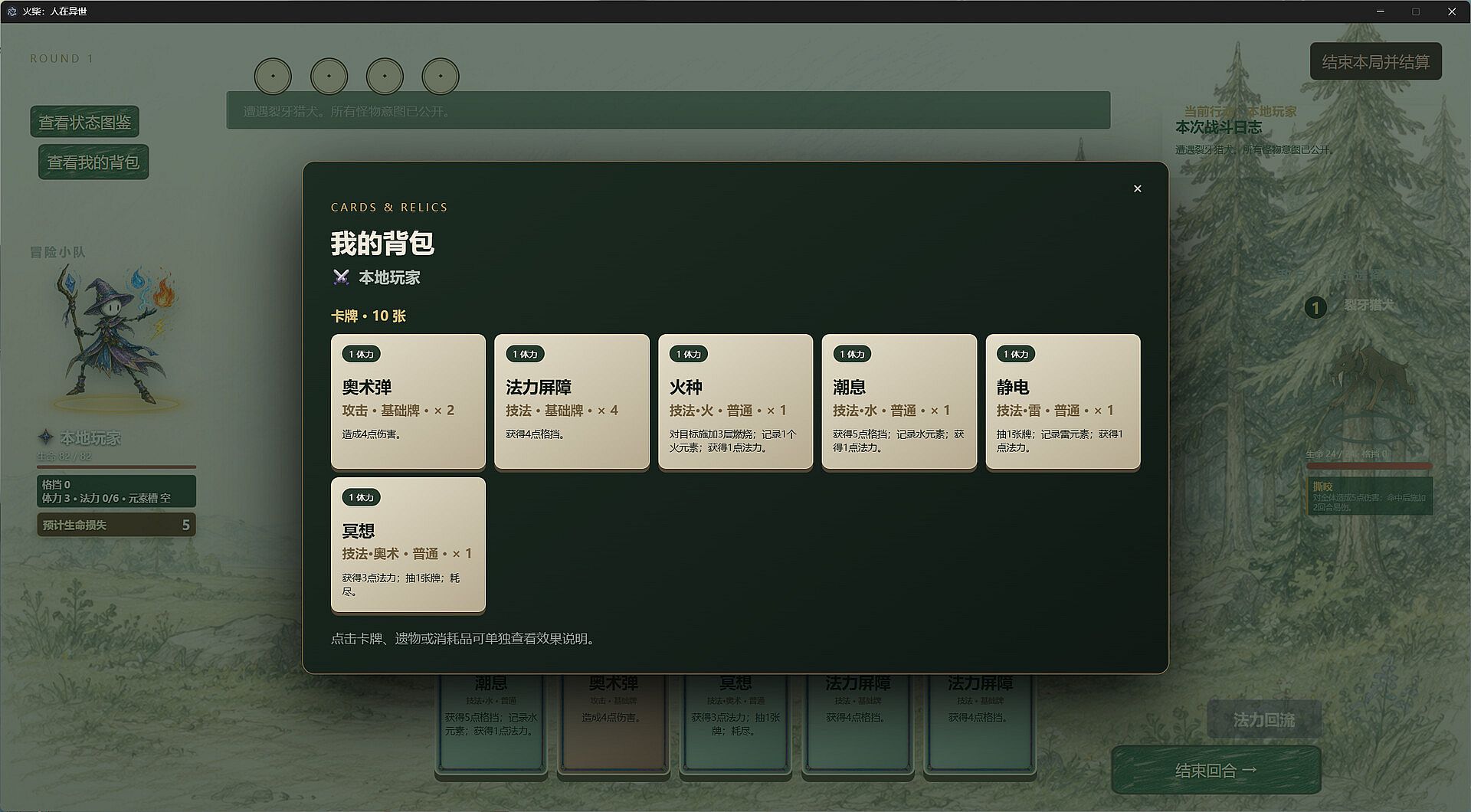
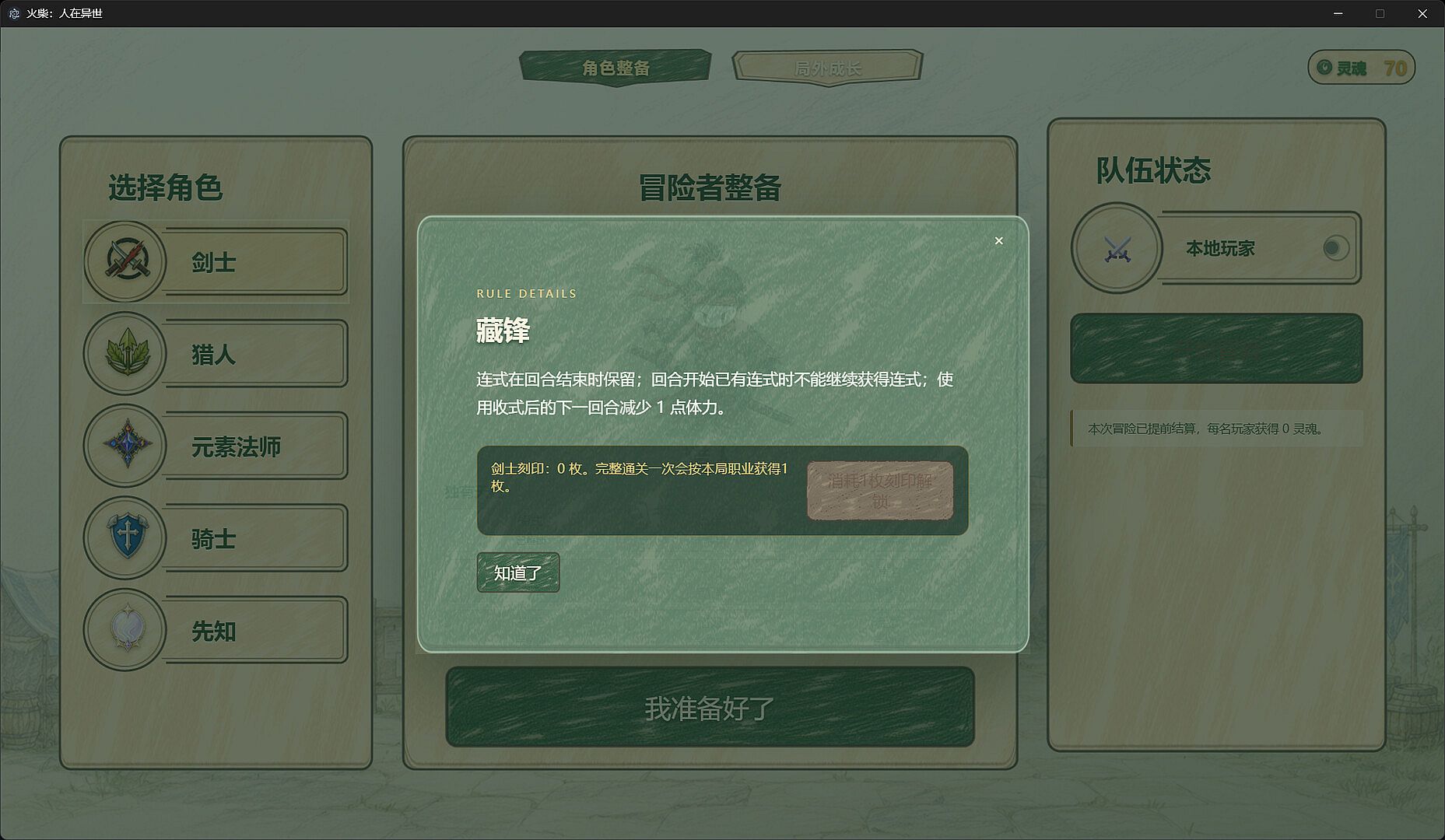
The core loop centers on building and refining a personal deck while progressing through an adventure. Each hero brings an independent card pool, unique resources, and a distinct combat system, so switching characters requires learning an entirely new set of mechanics rather than minor adjustments. New cards appear during runs, and players decide whether to strengthen existing combinations or pivot based on relics and event outcomes.
Deck size matters. Smaller decks improve consistency in drawing key cards, while larger ones provide flexibility against varied enemies. Success depends on how cards connect, how resources are managed, and when core abilities activate. Relics add lasting effects that can enhance a hero's mechanics, alter resource gain, or change battle flow, and their value often shifts depending on the current deck or chosen hero.
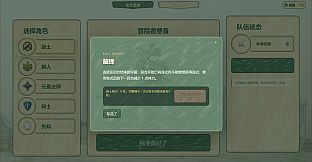
Events interrupt the journey with choices that trade immediate gains for long-term costs or vice versa. These can reward cards, relics, healing, or upgrades, yet they may also require sacrificing health or resources. Decisions hinge on the state of the deck and the challenges ahead rather than defaulting to the highest numbers.
Game Modes
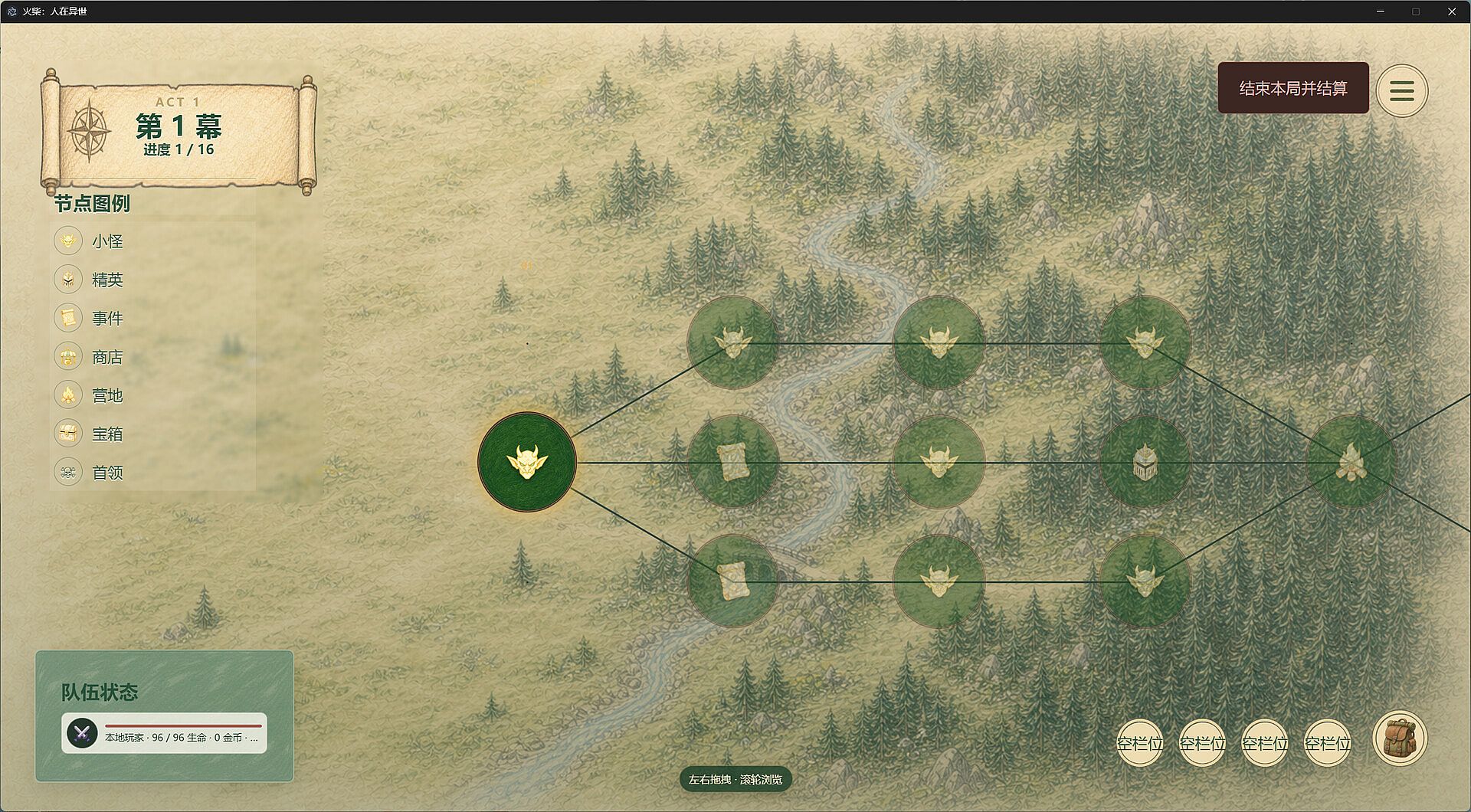
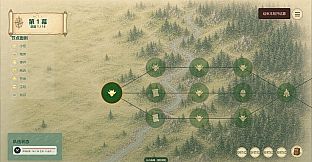
Play revolves around individual runs divided into three escalating stages. The early stage focuses on establishing a foundation. The middle stage tests coverage of weaknesses. The final stage demands consistency and power from the completed build. Enemies in later stages introduce mechanics that restrict resources, disrupt rhythm, or require quick finishes, forcing adaptation of card order and strategy.
Each run generates a unique progression path shaped by hero choice, card discoveries, relic pairings, and event resolutions. Failure provides knowledge of enemy behavior and card relationships that carries into subsequent attempts, allowing refinement of decisions without carrying over specific items.
Building a Combat Engine
Every hero operates on a distinct gameplay loop involving resource gathering, application of special states, and execution of card combinations that culminate in powerful payoffs. Cards function as interconnected parts of an engine that grows more efficient over the course of a run. An incomplete deck may feel inconsistent, but once key elements align, resources cycle back into the hand, effects chain together, and previously threatening enemies become manageable tests of build strength.
The challenge extends beyond finding a working loop. Players must accelerate activation, improve reliability, and prepare for enemy interference that can break the rhythm. Relics that support specific cards or strategies become integral to this process, and the same relic can serve different roles across heroes.
Is It Worth Playing?
Stick: Man in Another World suits players who enjoy single-player deckbuilding strategy games with roguelike elements and a focus on experimentation. The emphasis on hero-specific systems and the need to adapt plans around relics and events rewards those who analyze their current build rather than chasing raw power. As an Early Access title, the experience centers on iterative runs that teach through repeated attempts and gradual mastery of each hero's combat engine. Those seeking deep customization through card synergies and relic combinations will find the structure engaging, while players preferring fixed progression or multiplayer features may want to wait for further updates.