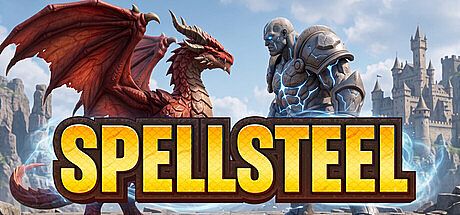


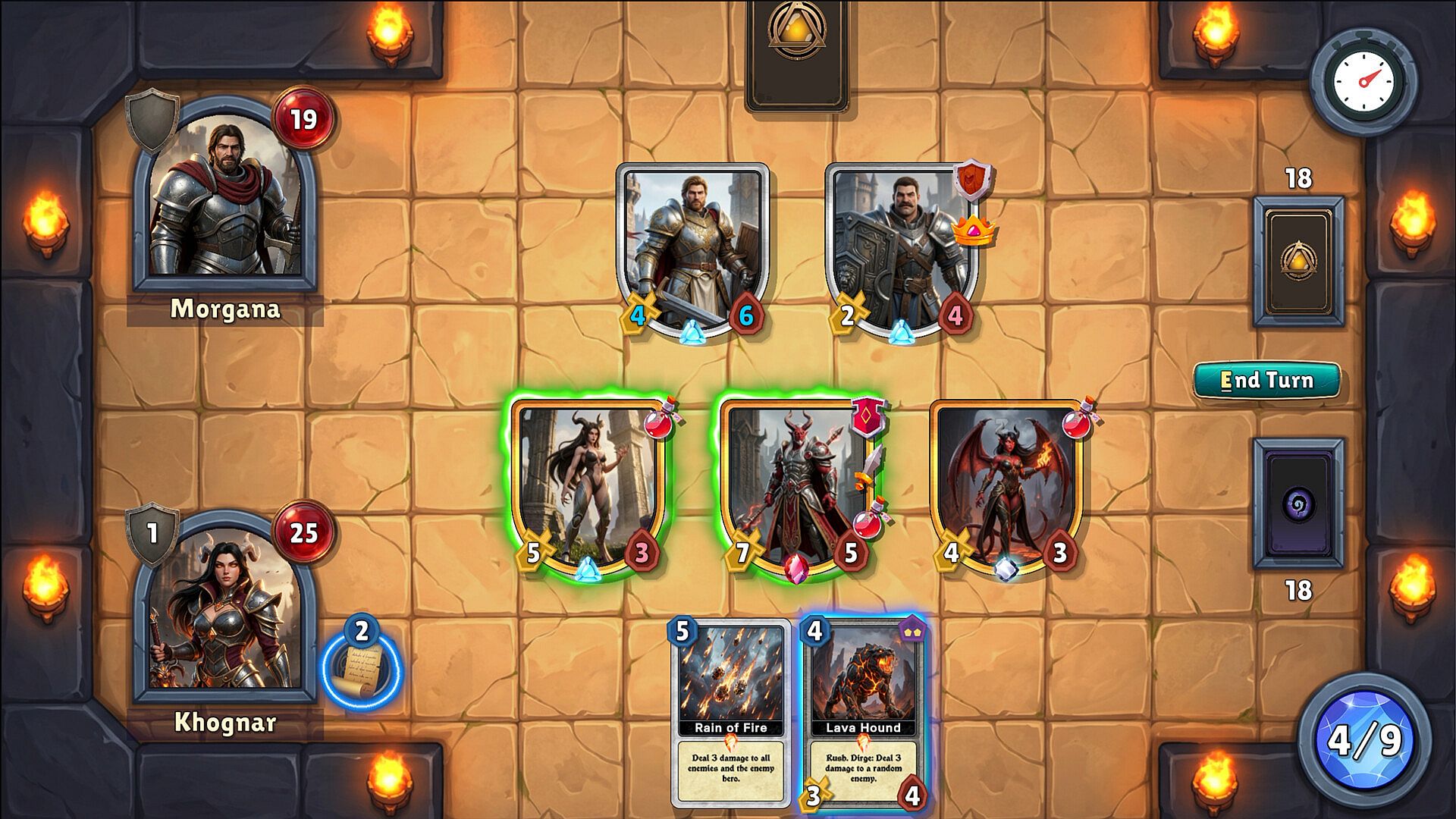
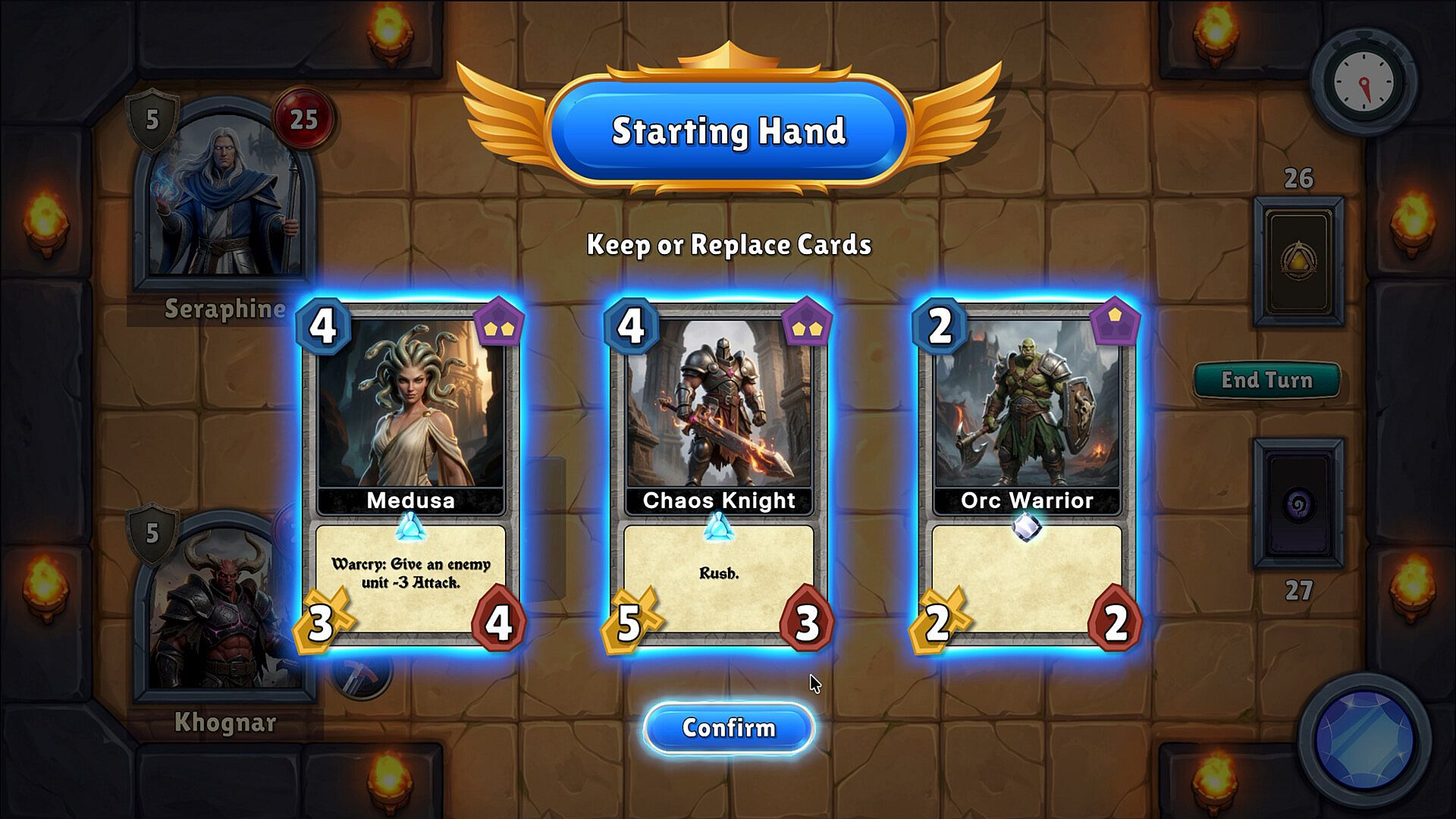
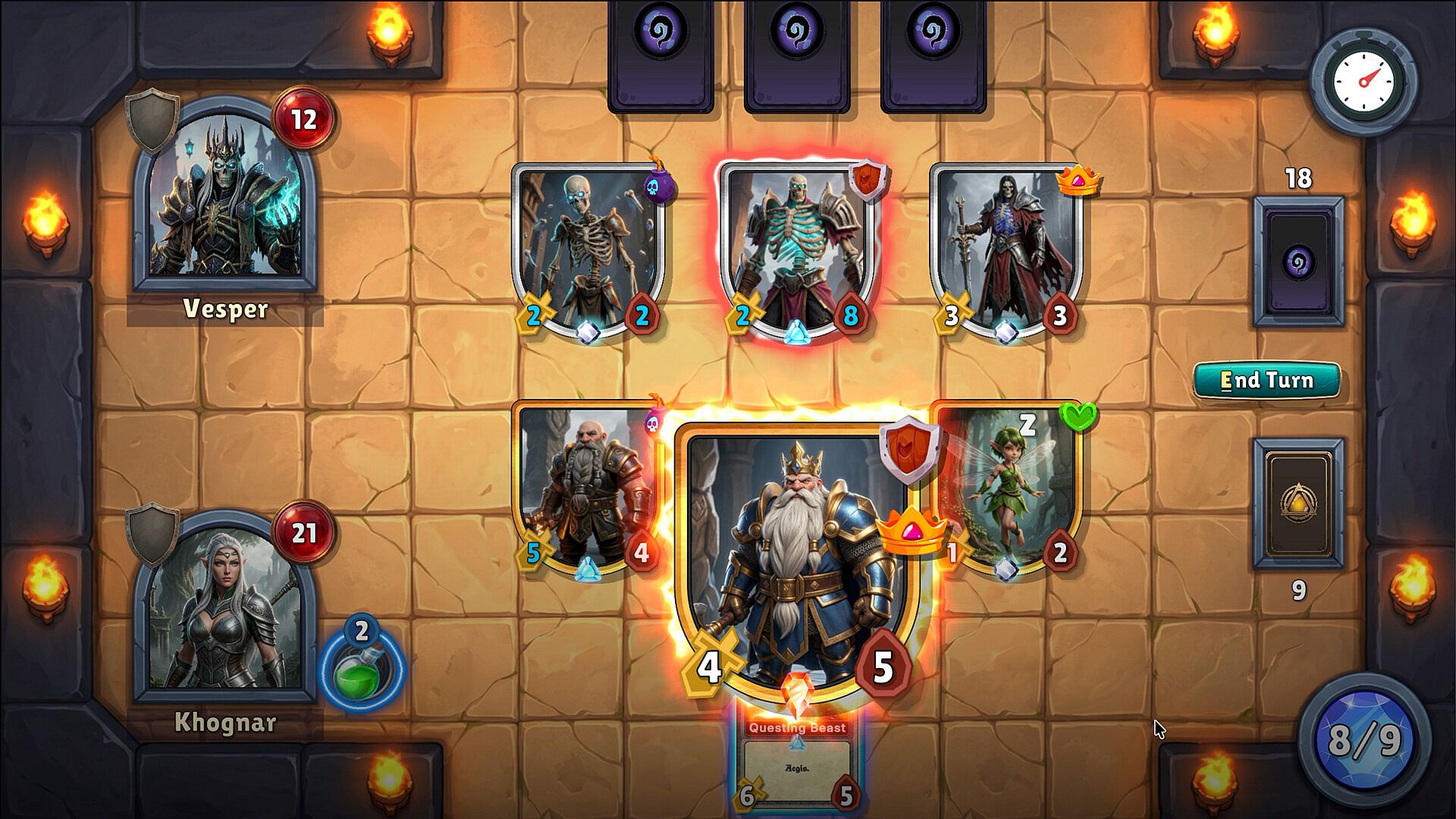
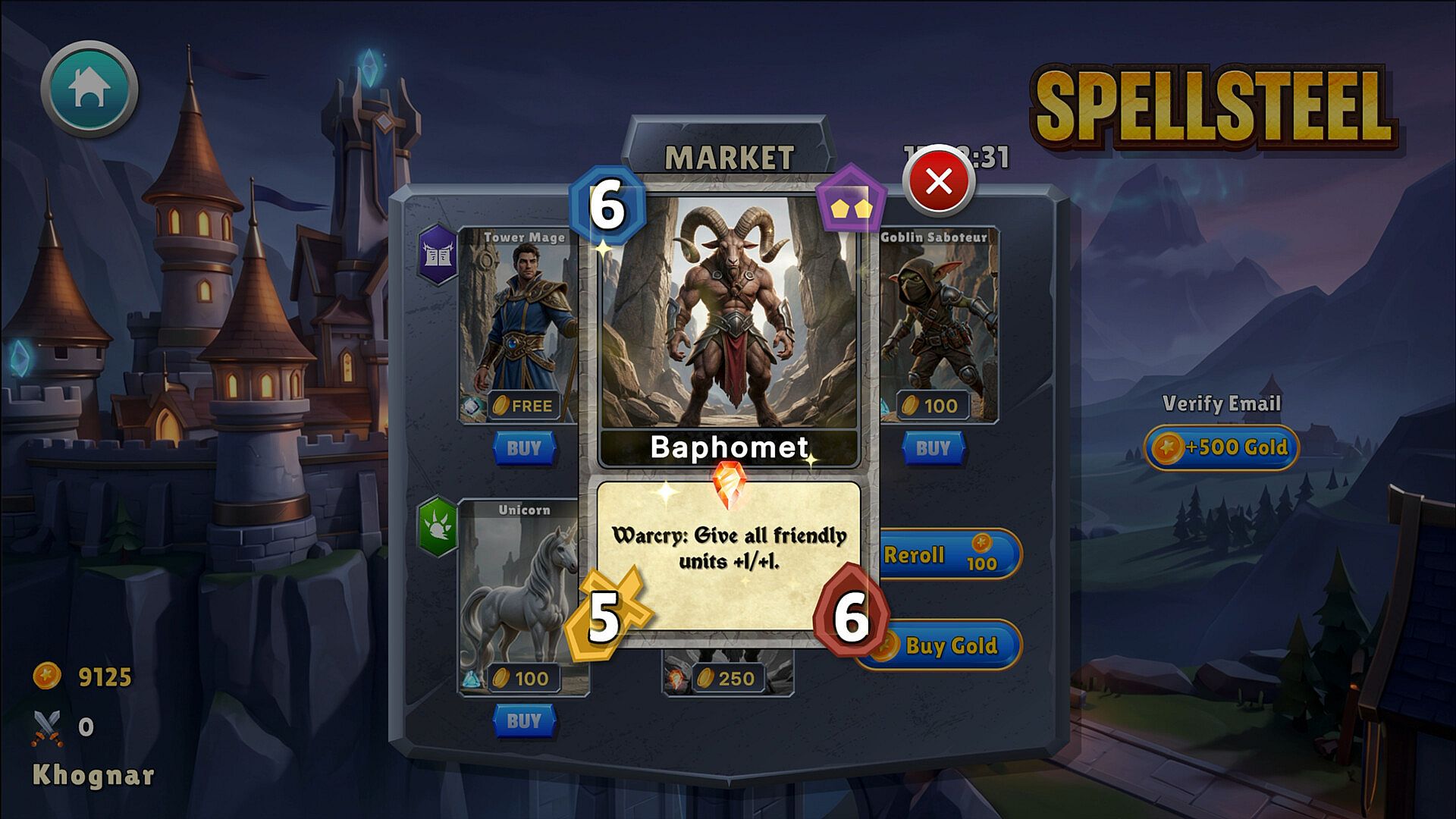
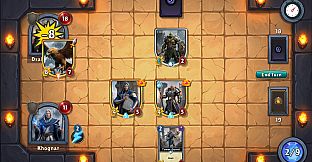
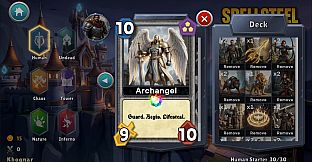
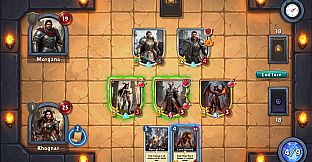
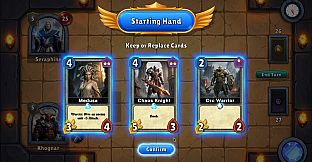
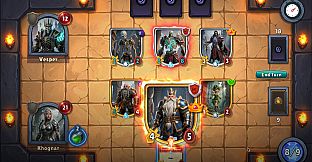
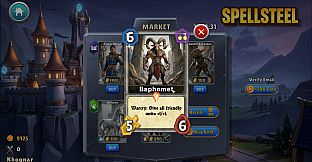
Spellsteel is a free-to-play competitive collectible card game developed for PC that places players in control of one of six civilizations vying for the ancient Kharadum Codex. The core loop centers on constructing decks from hundreds of unique cards, selecting a Champion with a distinct Hero Power, and engaging in tactical battles against other players. Every match rewards careful resource management and timely plays, as summoning creatures such as dragons, titans, demons, or undead legions can shift momentum quickly.
Gameplay
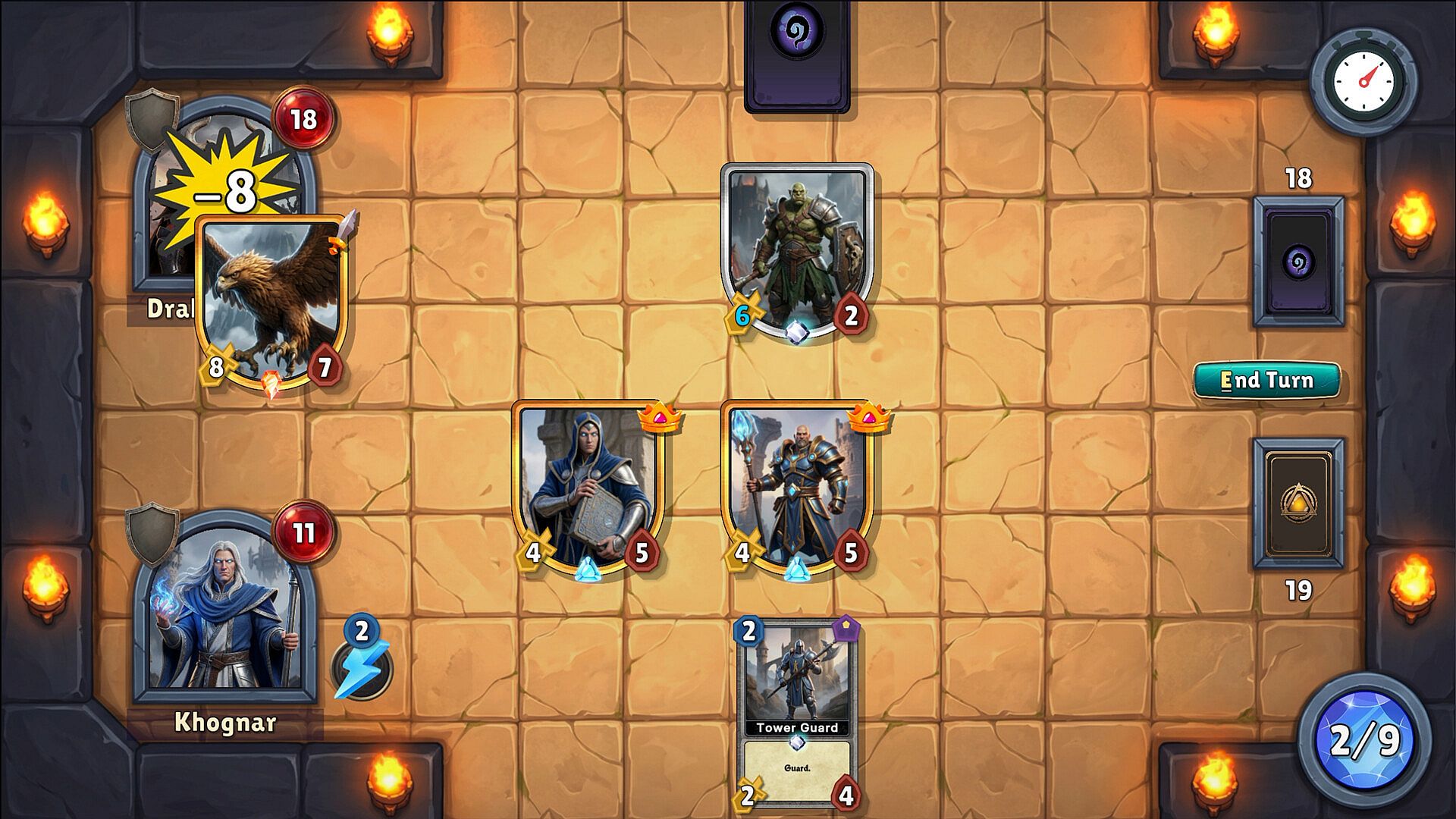
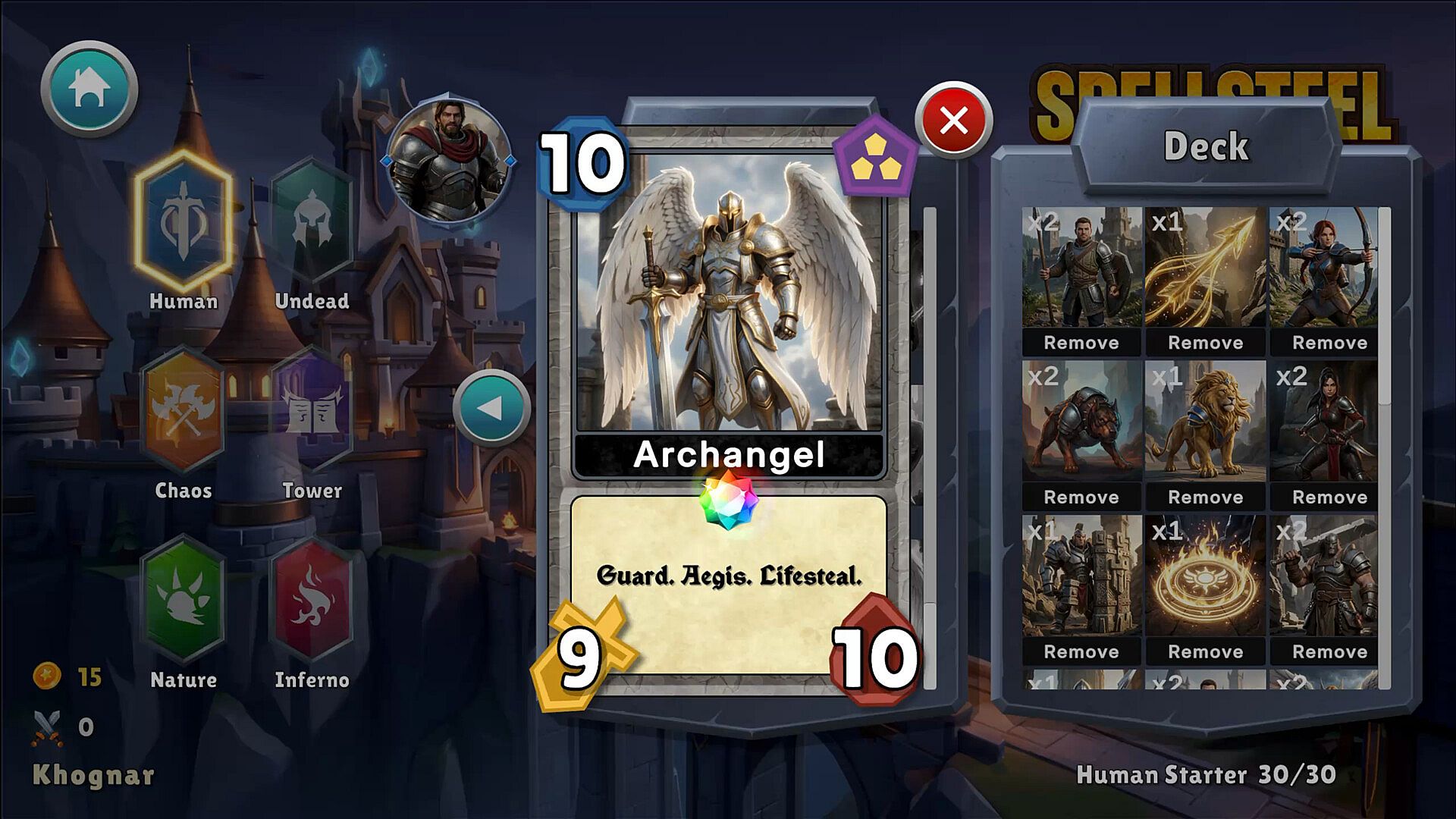
Matches unfold through alternating turns where players draw cards, spend resources to play units and spells, and activate abilities. The six civilizations each enforce a clear identity that shapes available strategies. Human decks emphasize disciplined formations and defensive positioning. Tower decks focus on spell control and long-term board dominance. Nature decks rely on resilient creatures that regenerate and grow stronger over time. Undead decks incorporate sacrifice mechanics to overwhelm opponents through attrition. Inferno decks pursue aggressive fire-based bursts that carry high risk. Chaos decks channel raw power through savage units and momentum-building effects.
Champions serve as the centerpiece of any build, granting a recurring Hero Power that influences every game. Players combine these powers with creatures, spells, and artifacts to form synergies that adapt to shifting board states. Hundreds of cards allow for varied archetypes, yet the emphasis remains on reading the opponent and responding to their threats rather than executing a single scripted plan.
Game Modes
The primary experience revolves around competitive online PvP matches. Players queue into battles where deck construction and in-game decisions determine the outcome. Cross-platform support expands the pool of opponents, while the free-to-play model removes barriers to entry. Single-player elements appear limited to practice or tutorial scenarios that help new players learn the systems before entering ranked or casual queues.
Because the game has not yet launched, additional structured modes such as tournaments or rotating formats remain unconfirmed. The current design centers on direct head-to-head competition where mastery of a chosen civilization and its synergies provides the clearest path to consistent results.
Civilization Strategies
Balance across the six factions stems from distinct mechanical identities rather than numerical advantages. Human play rewards patience and positioning. Tower rewards foresight in spell sequencing. Nature rewards investment in board presence that persists through removal. Undead rewards calculated losses that fuel larger threats. Inferno rewards calculated aggression that can end games abruptly. Chaos rewards sustained pressure that compounds over multiple turns. No faction holds an inherent edge, so success depends on adapting the chosen civilization to the current metagame and opponent tendencies.
Is It Worth Playing?
Spellsteel targets players who enjoy deep deck-building and tactical decision-making in a free-to-play format. The emphasis on civilization-specific playstyles and Champion abilities creates meaningful variety without requiring purchases to access core content. Because the game remains in development with a planned release in September 2026, interested players can follow updates through official channels to assess final balance and feature completeness before committing time.
Those who prefer fast, low-stakes card games may find the tactical depth rewarding once the full card pool and matchmaking systems are active. The absence of early reviews means prospective players should evaluate the free-to-play model and PvP focus against their preferred pace of competition. The design promises accessibility for newcomers alongside layers that reward repeated practice and experimentation with different civilizations.