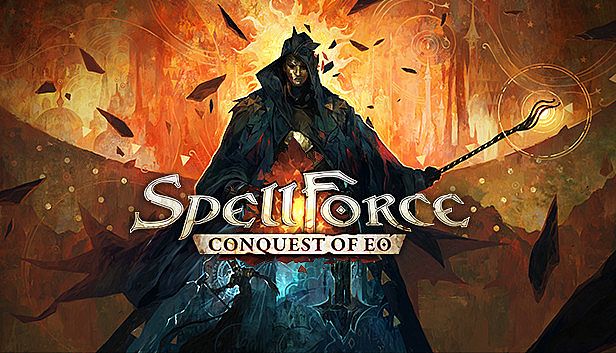





















SpellForce: Conquest of Eo is a turn-based strategy RPG set in a fantasy world where players assume the role of an apprentice mage inheriting a levitating wizard's tower. The game combines overworld exploration, resource management, tower customization, and tactical combat as the player seeks to master sources of magical power known as Allfire while contending with rival mages and various hostile forces.
Gameplay
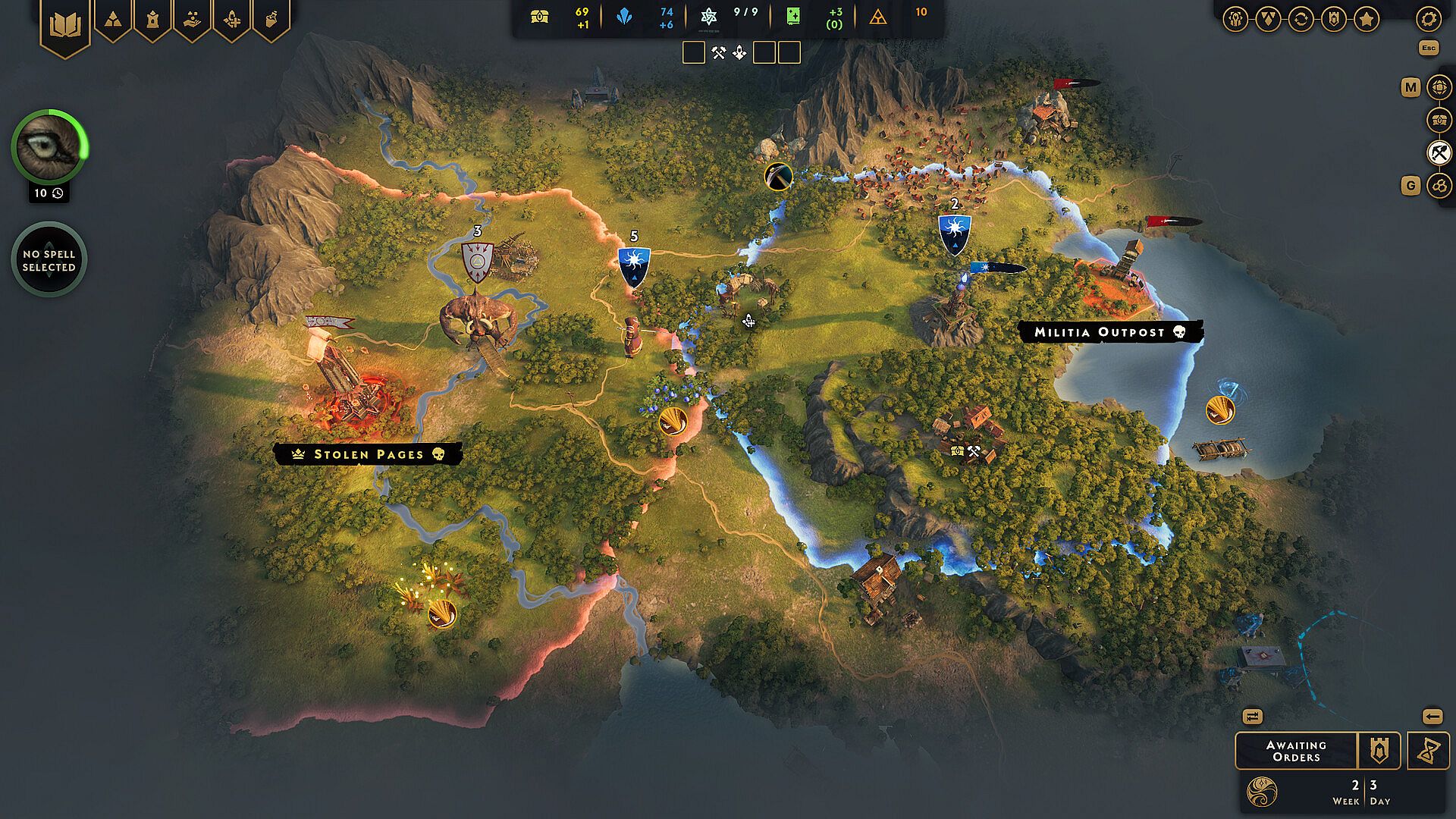
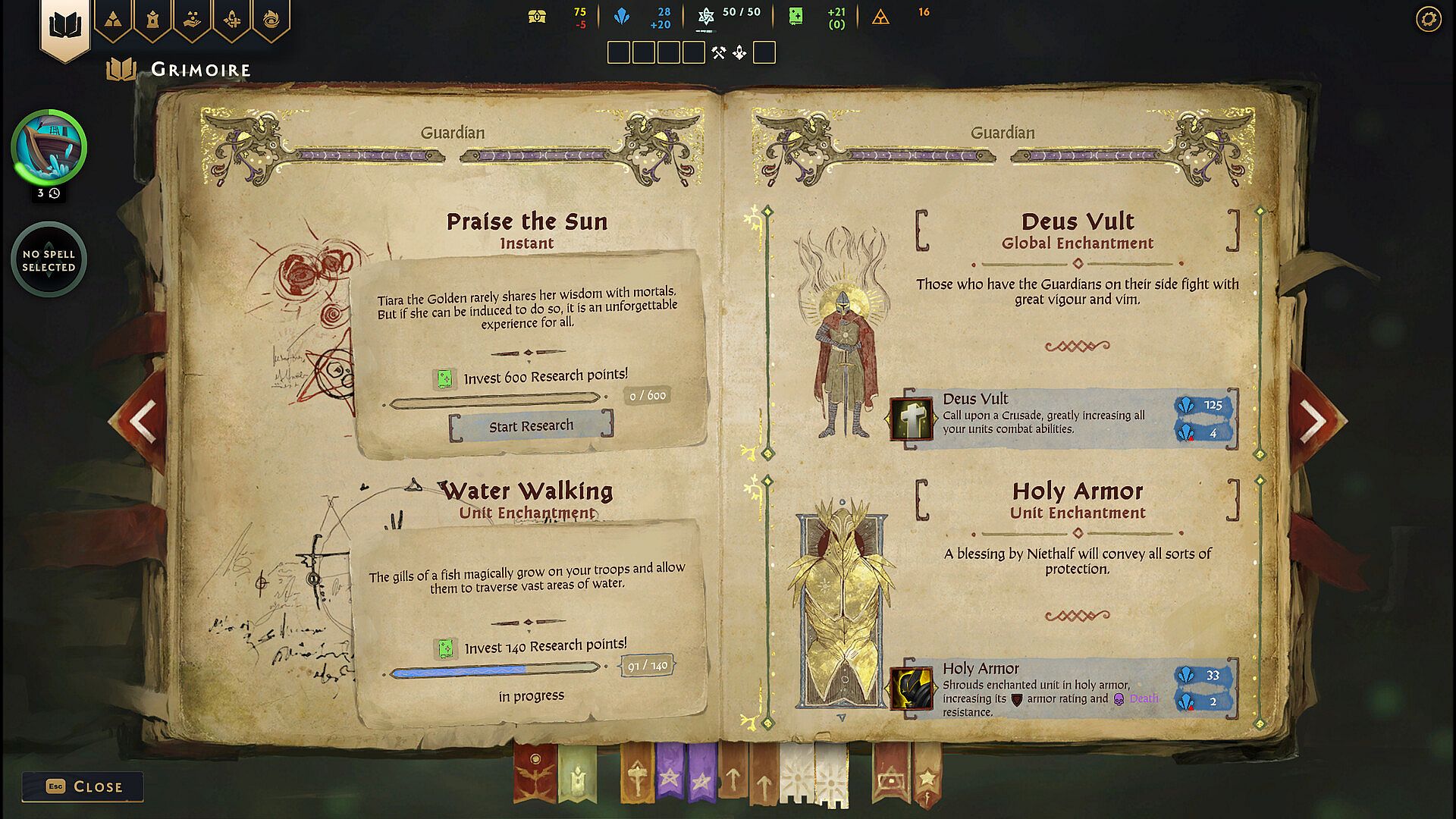
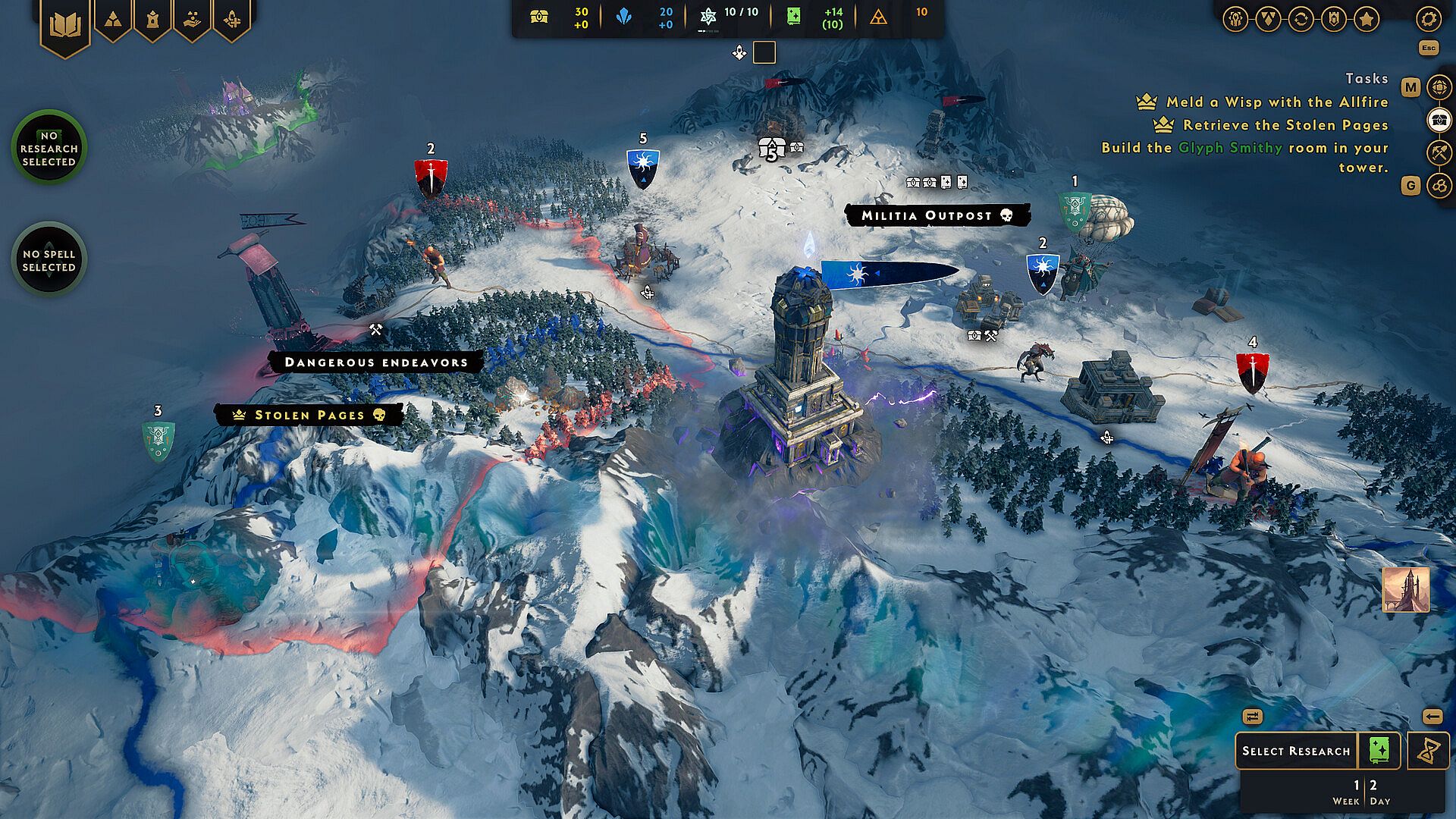
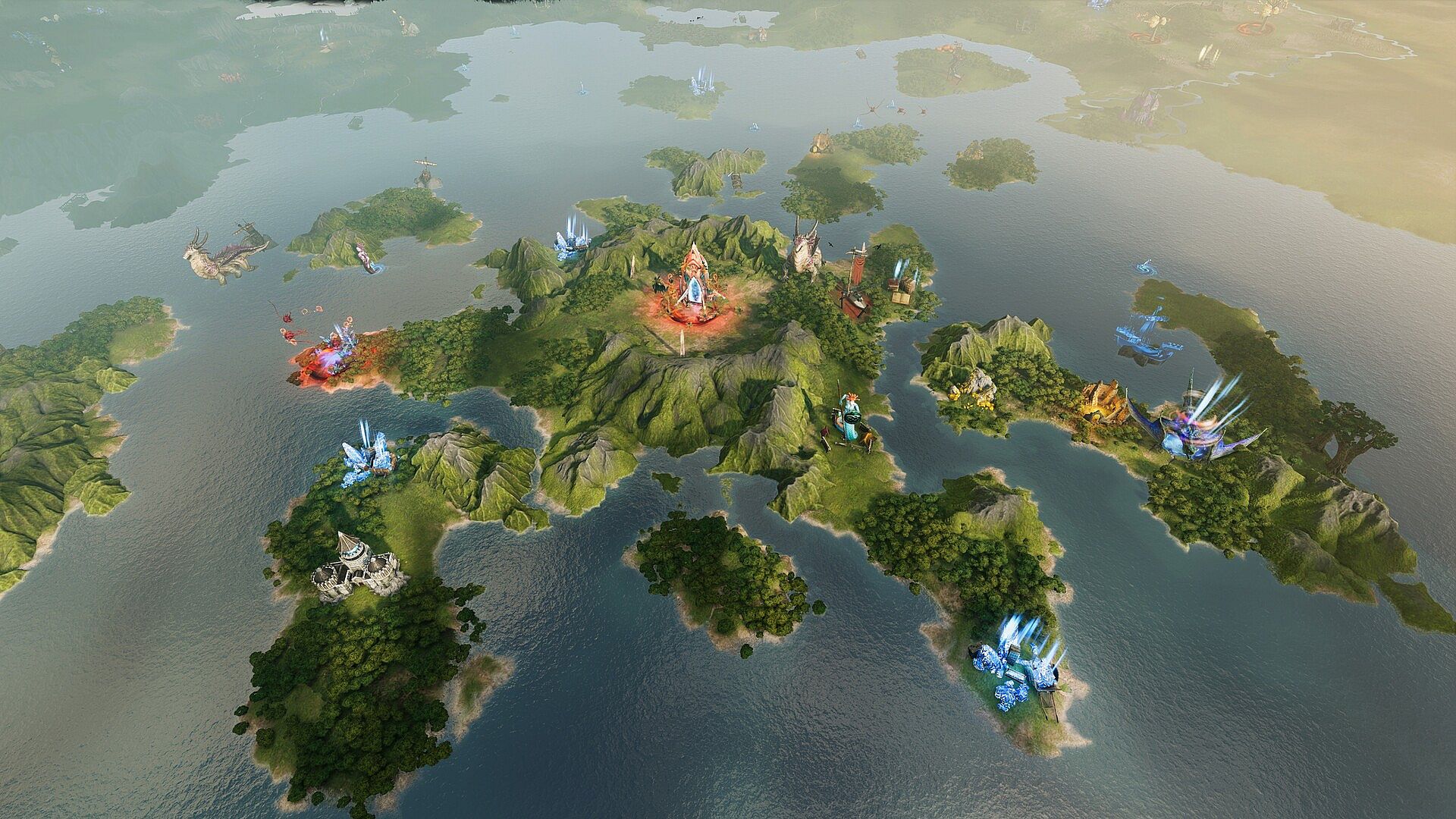
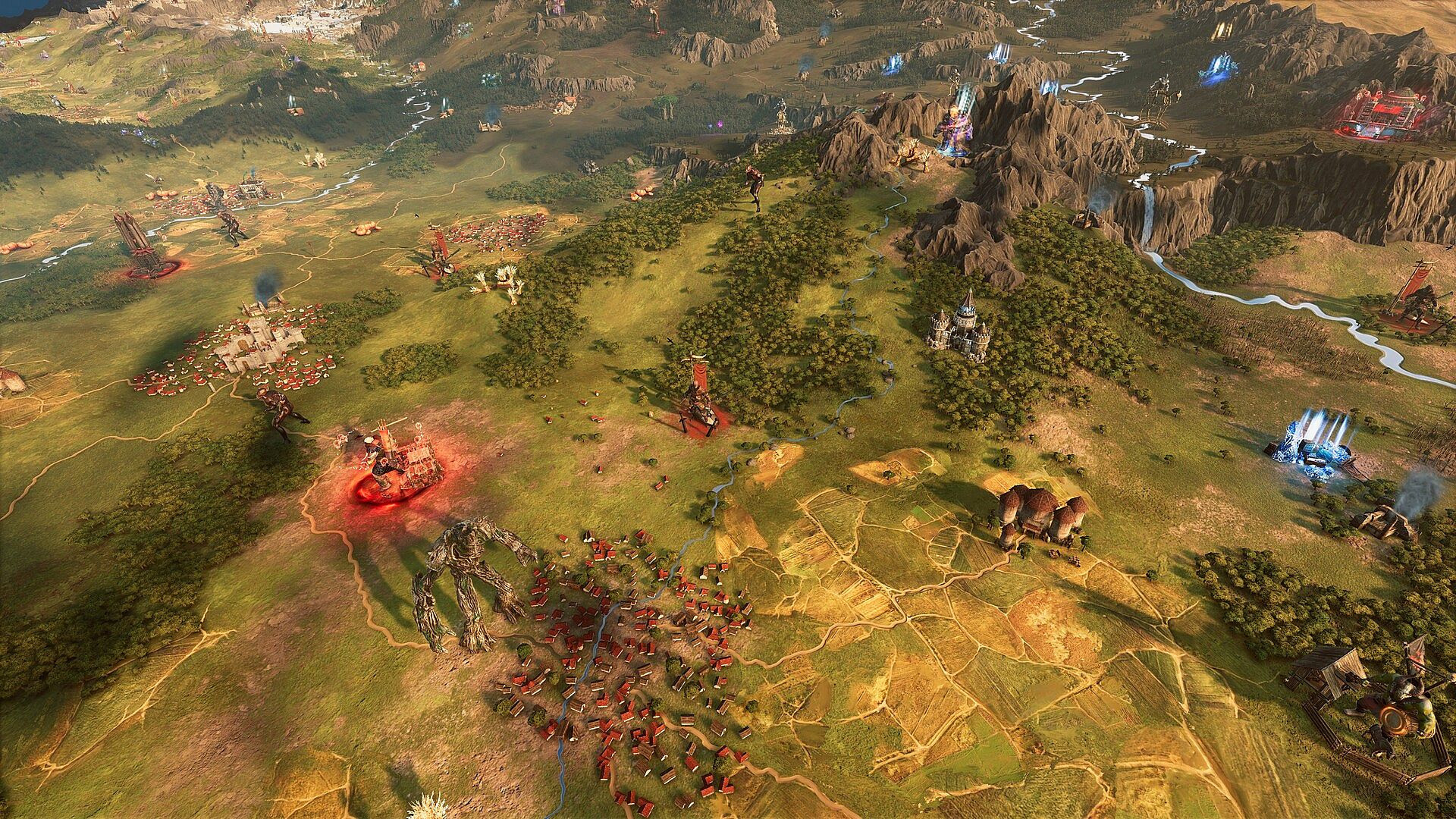
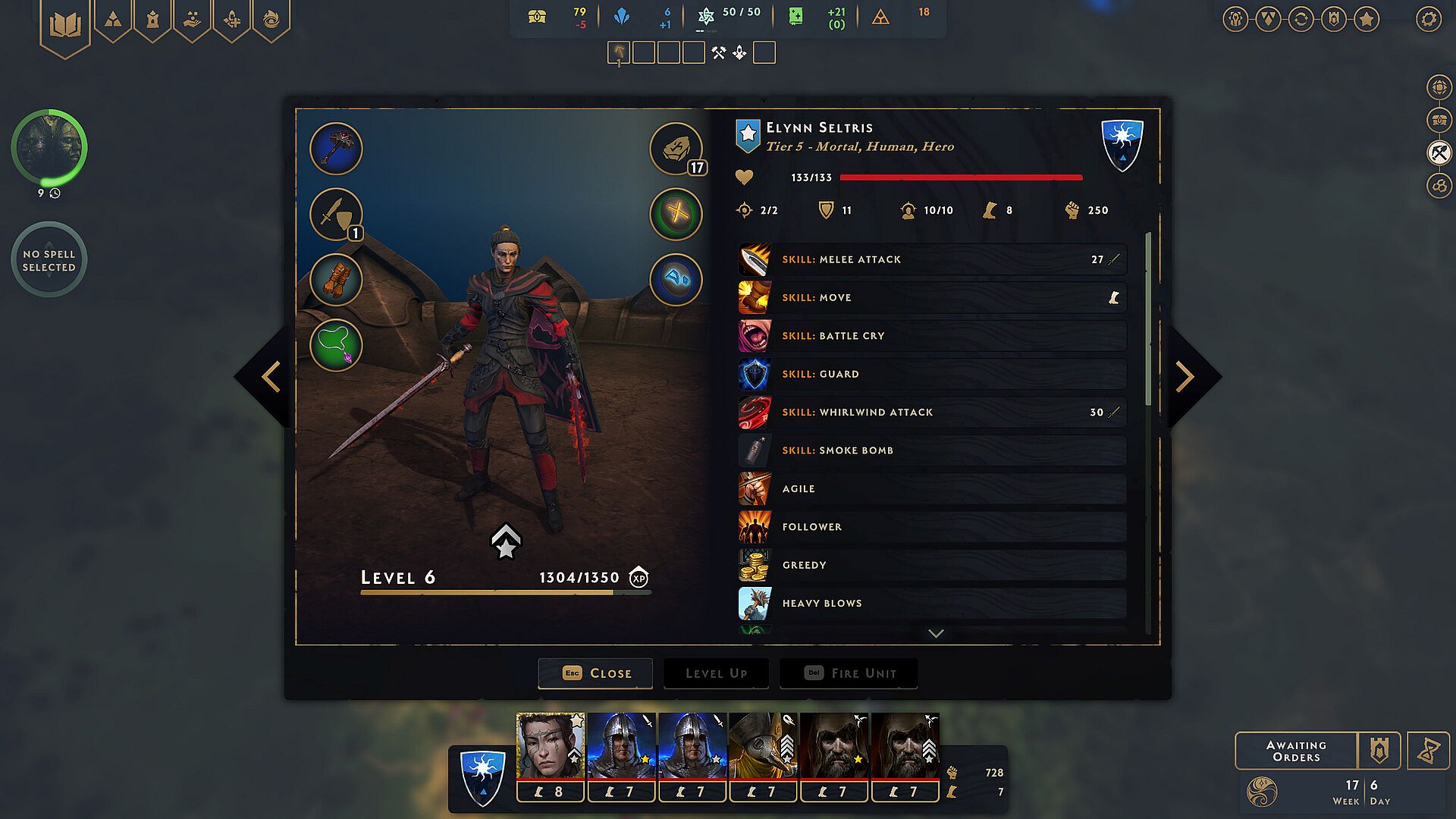
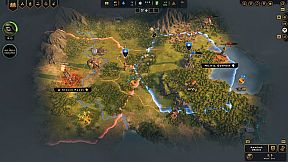
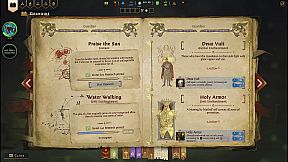
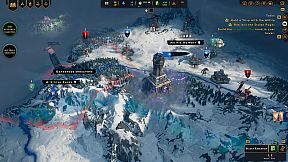
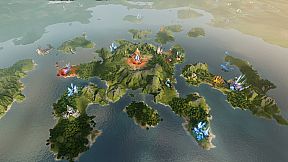
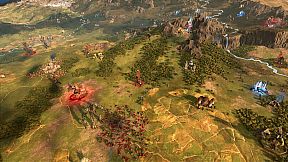
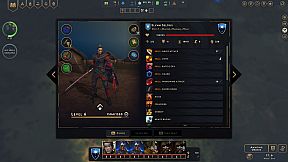
The core loop revolves around moving the tower across the map of Eo to gather resources, claim territory through outposts called lodges, and expand influence. Players recruit heroes and apprentices who undertake quests for artifacts, ingredients, or riches while workers harvest materials to support growth. The interactive grimoire serves as a central progression system, unlocking new spells through exploration and research.
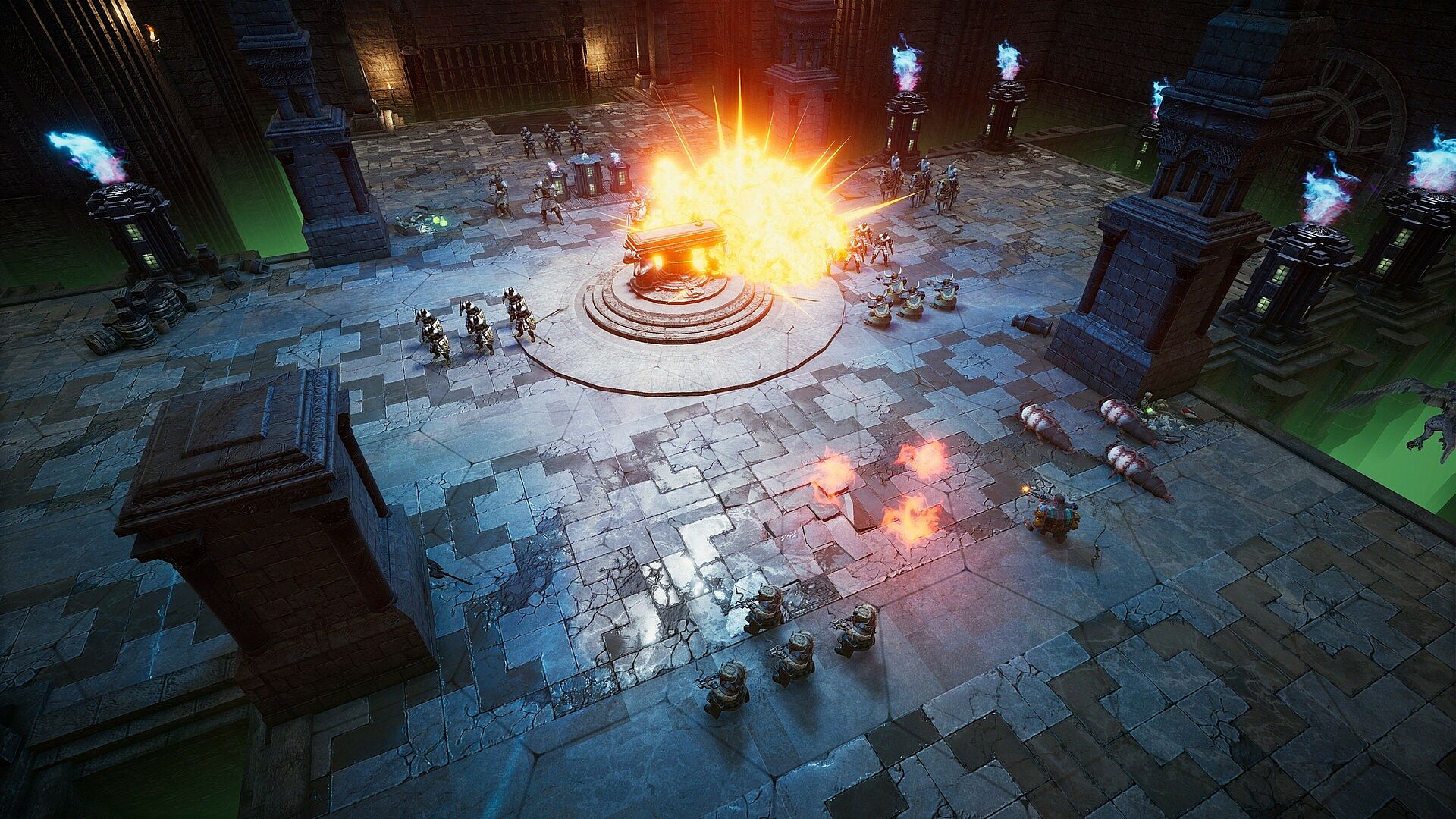
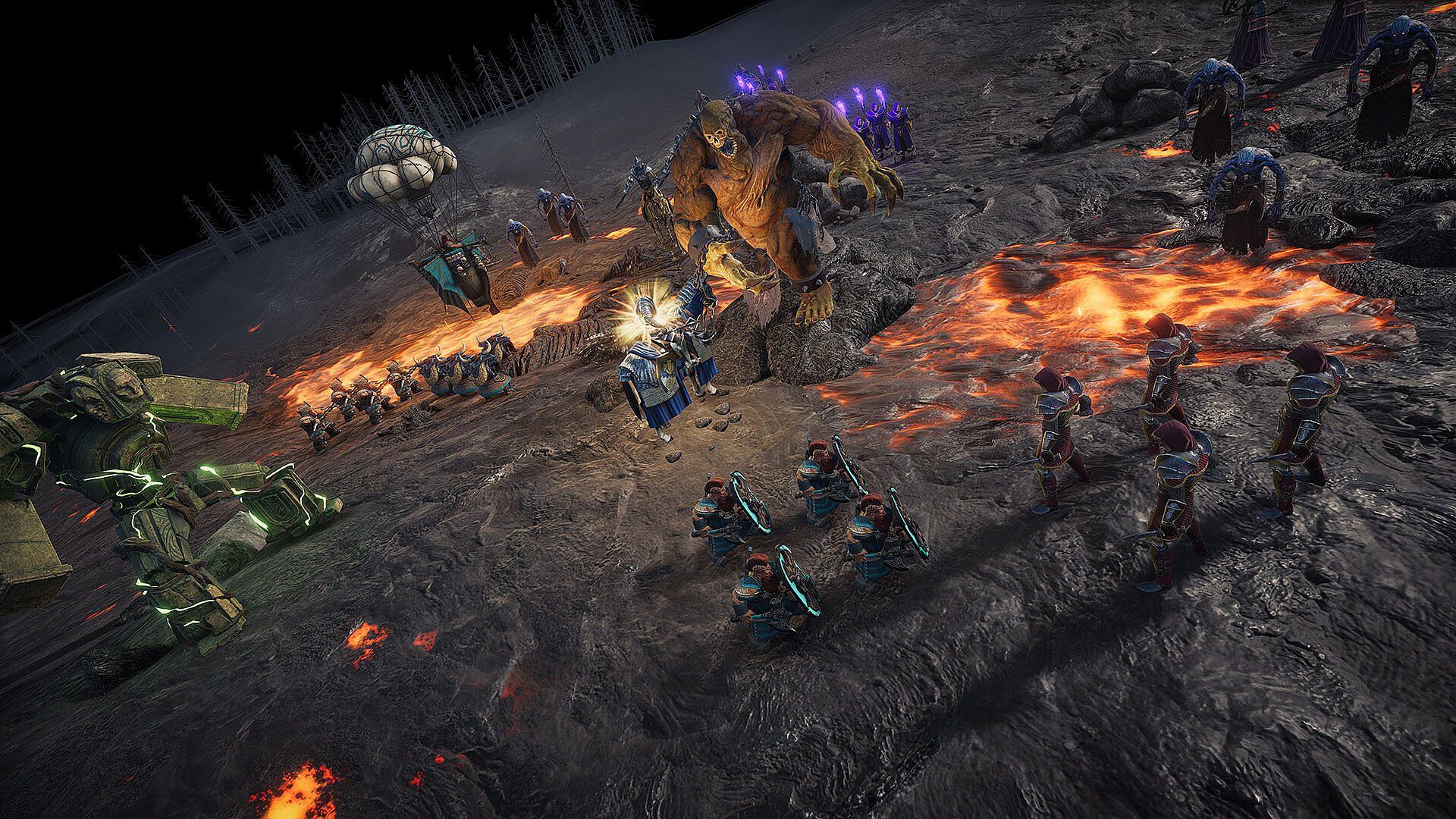
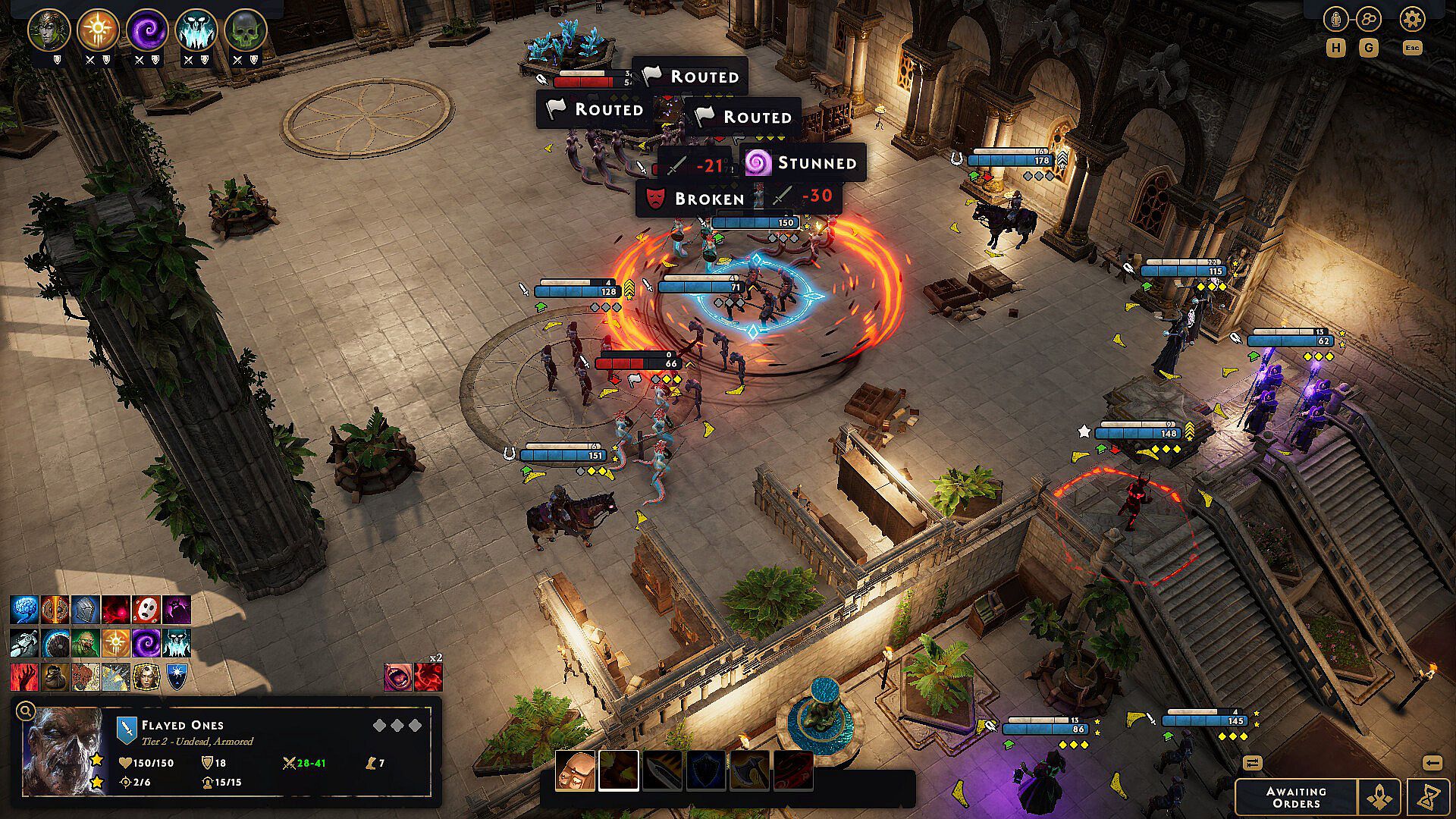
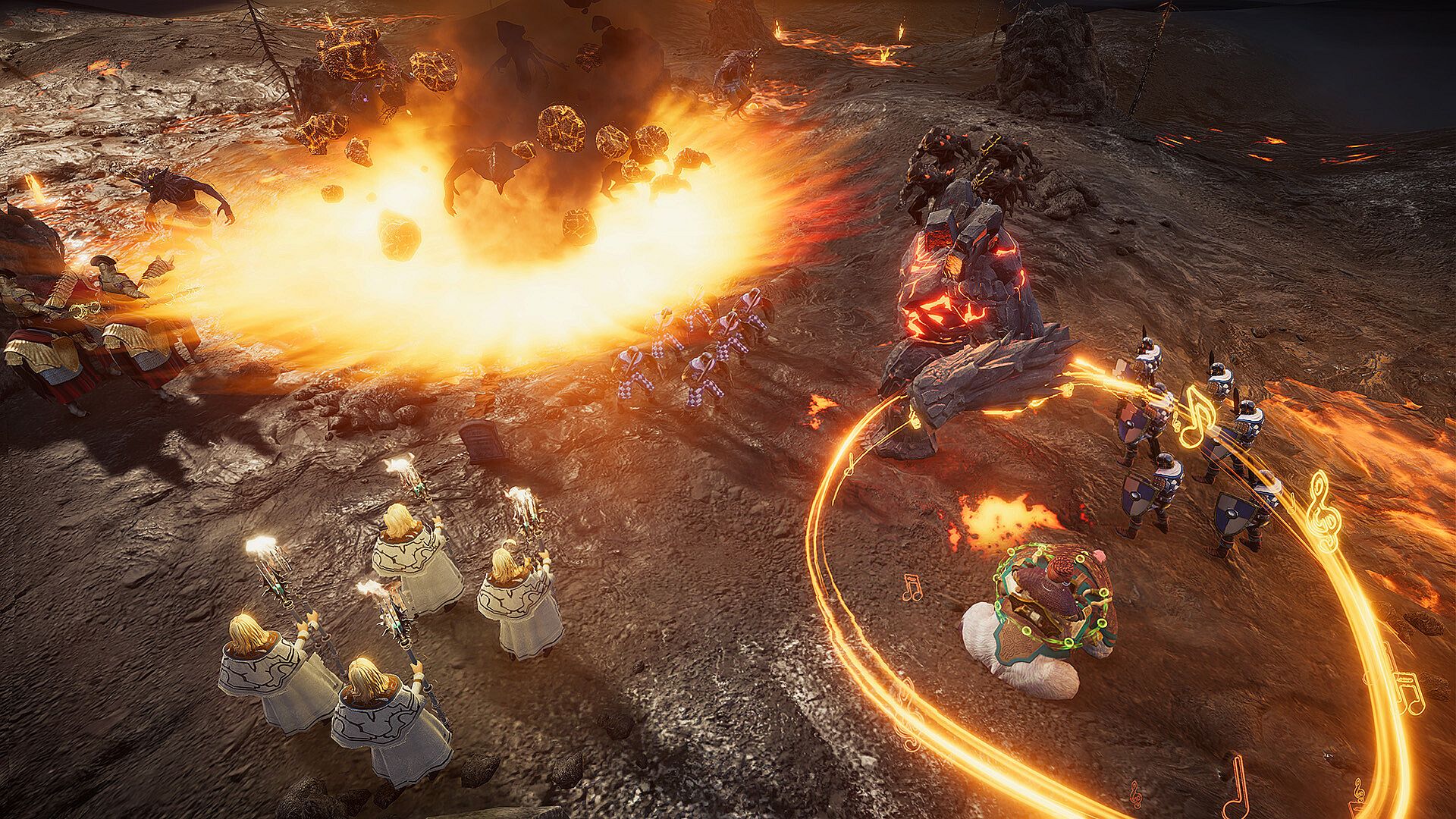
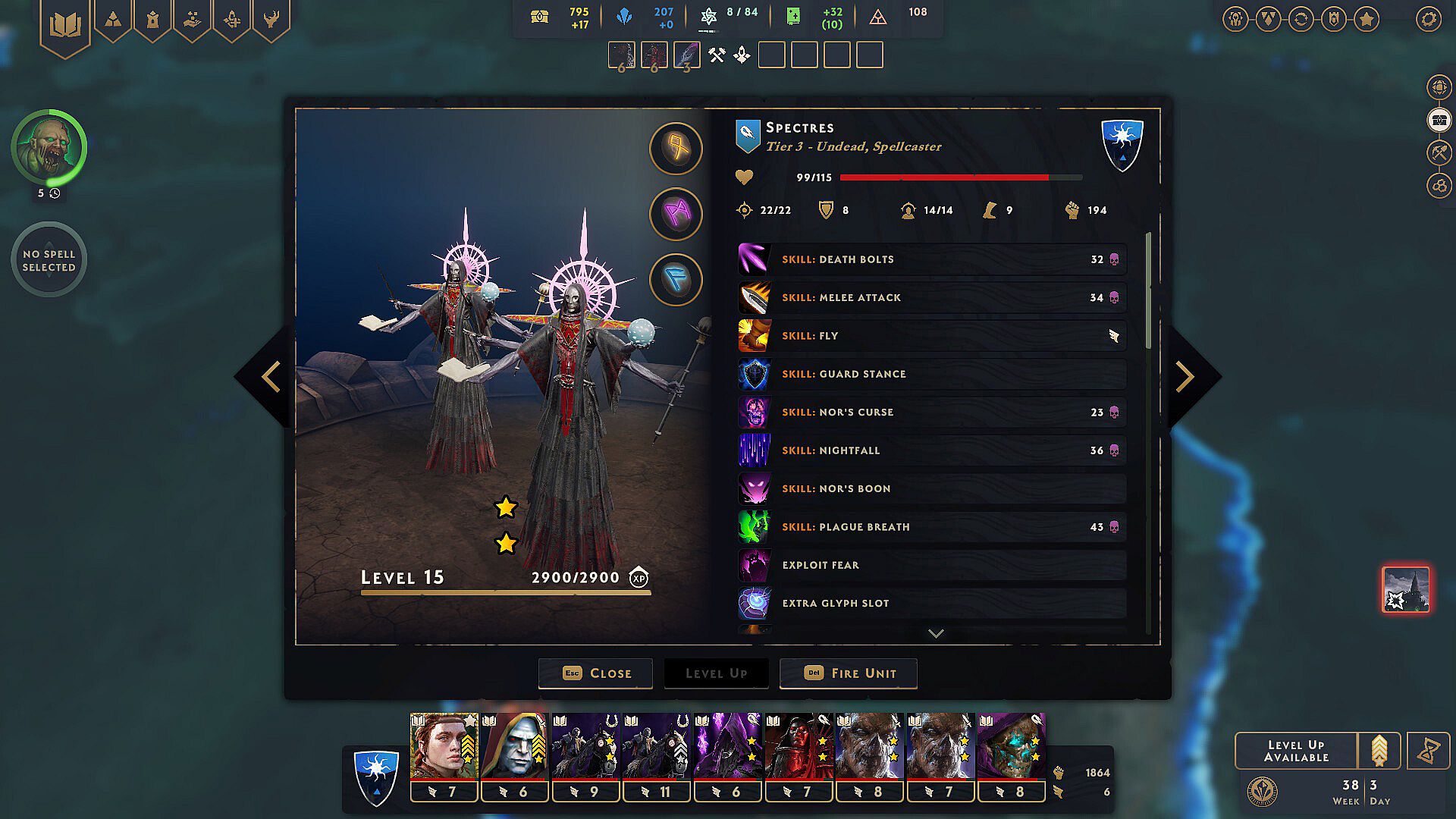
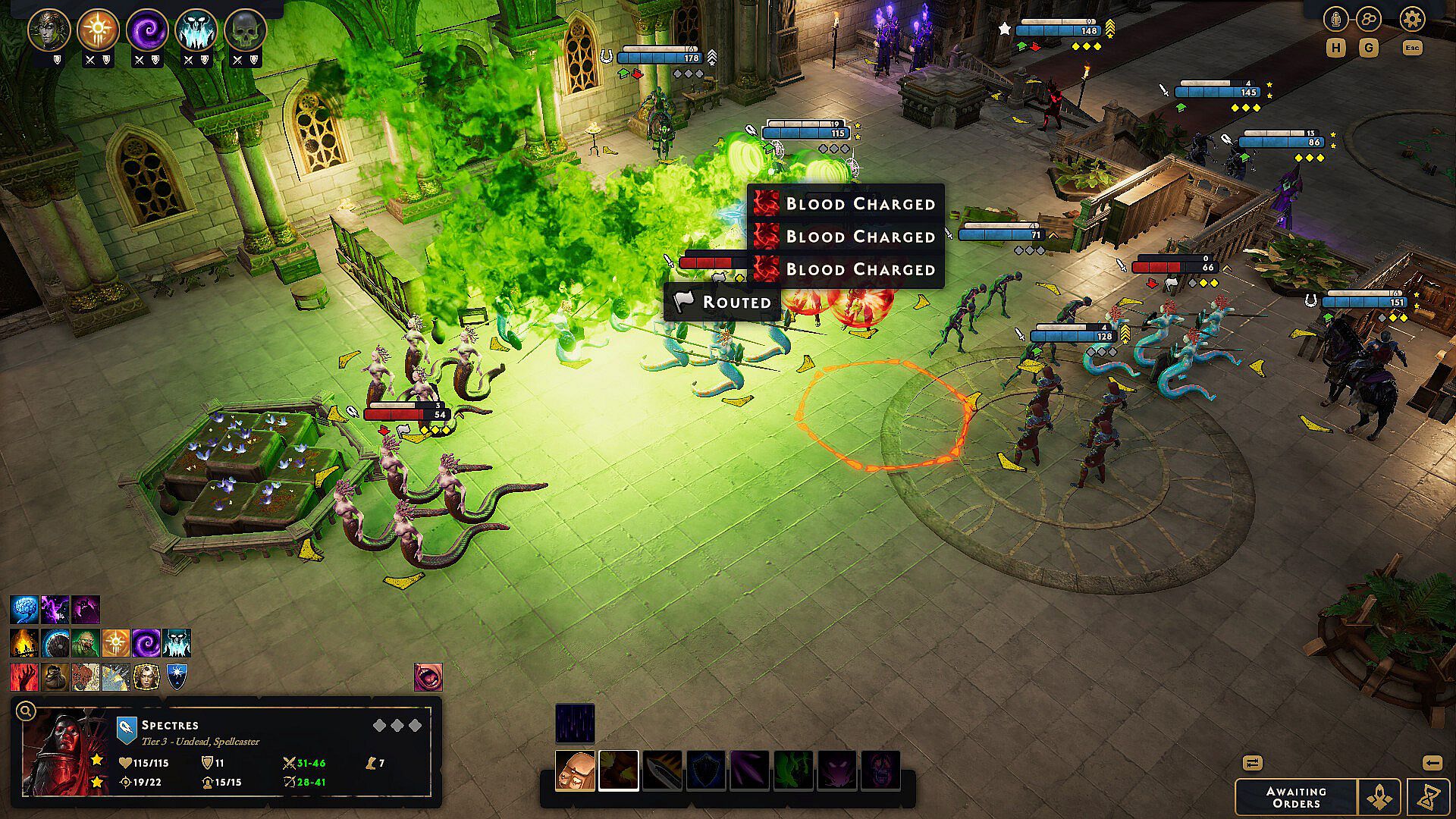
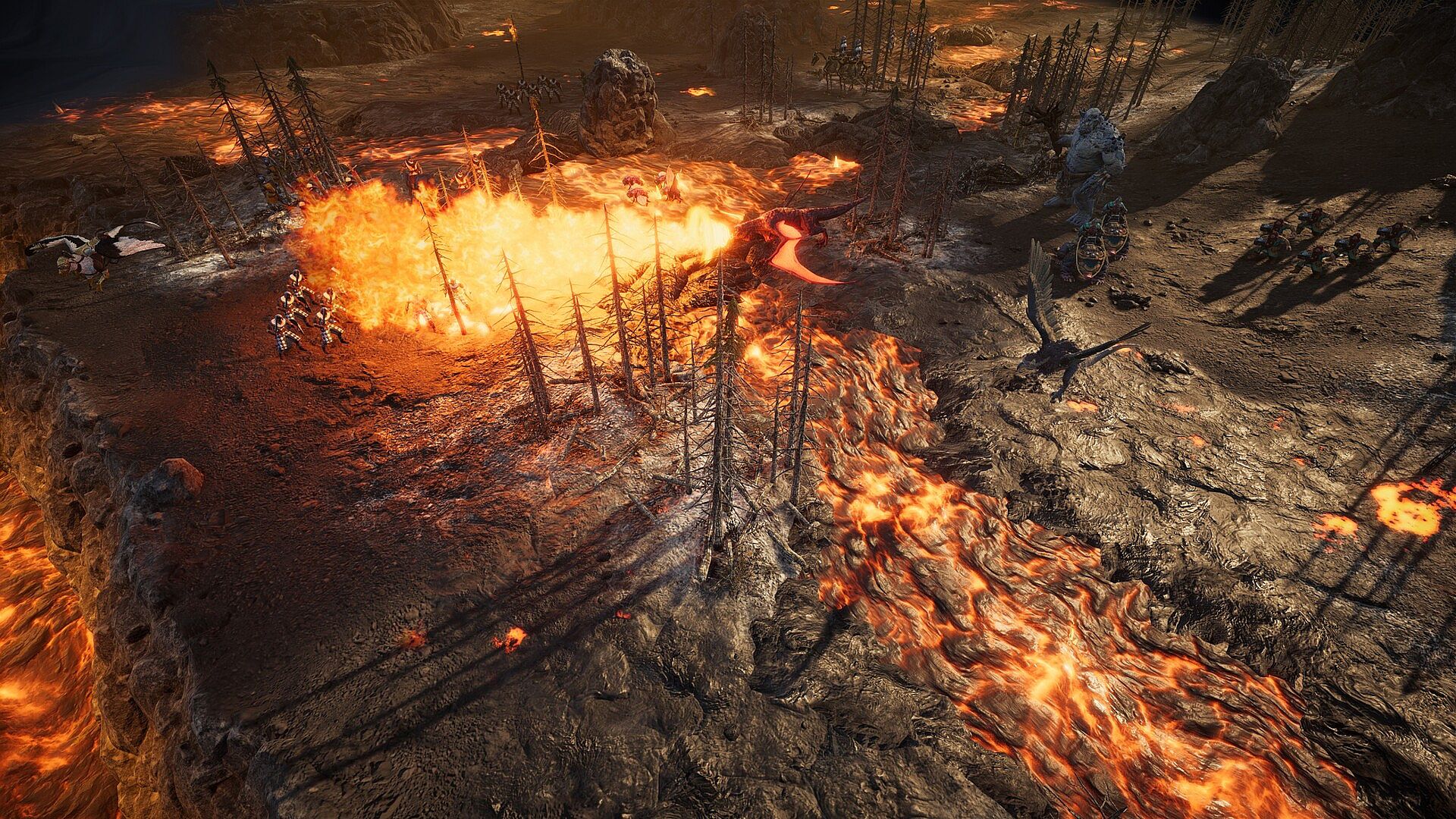
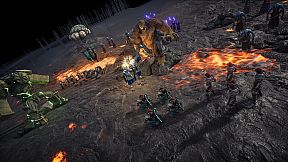
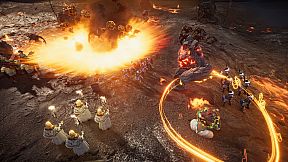
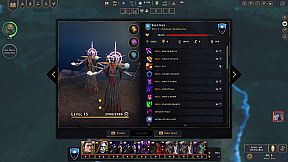
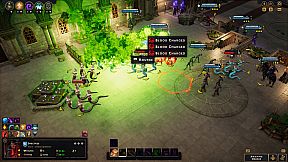
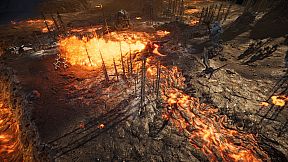
Combat occurs on detailed battlefields derived from the overworld map, using a turn-based system with action points that limit movement, attacks, defenses, and abilities. Terrain influences positioning and strategy, and units can exhaust action points through retaliation mechanics. Over 100 troop types range from basic goblins to powerful creatures like griffons, supported by more than 60 spells cast from the grimoire.
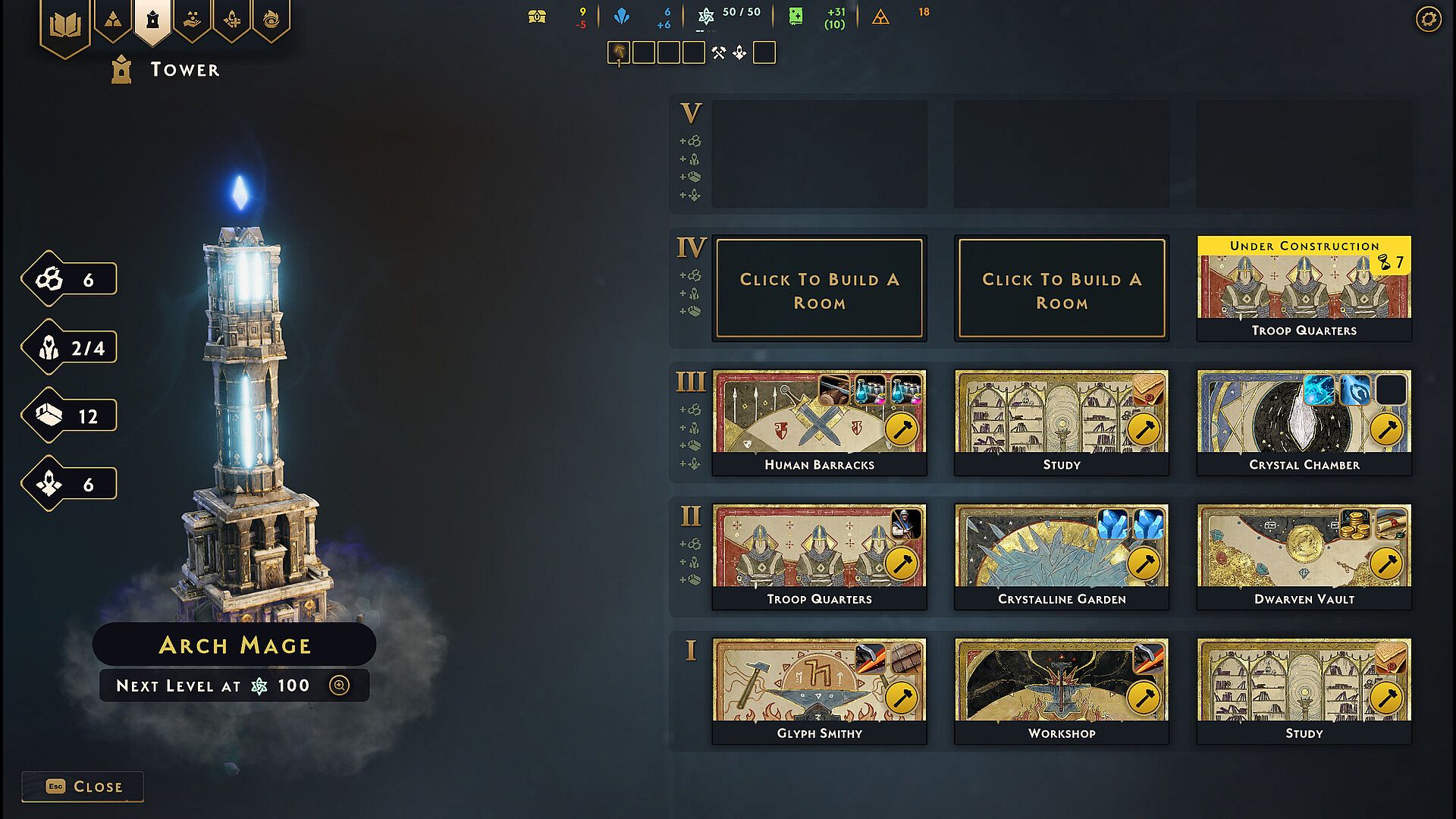
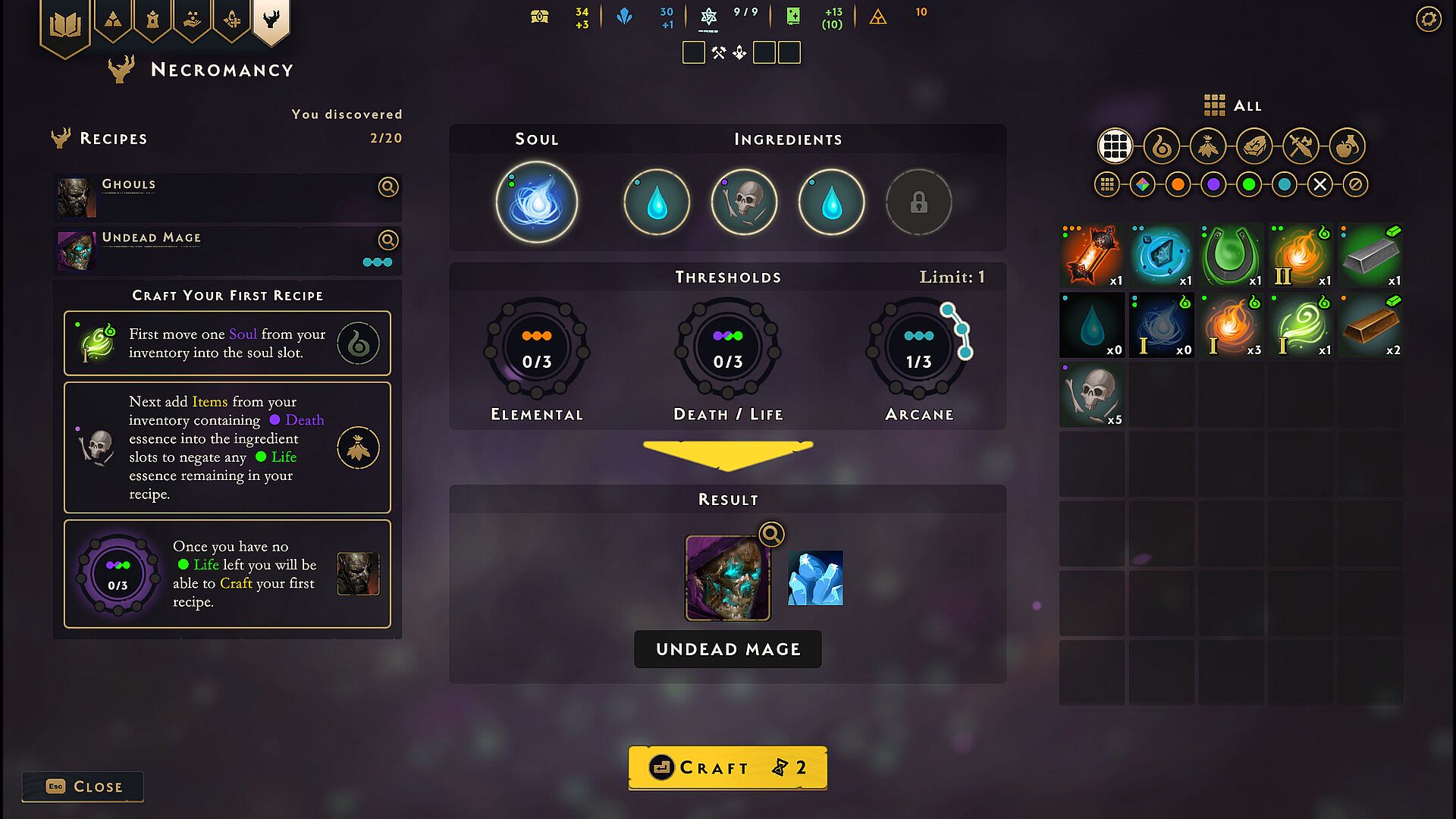
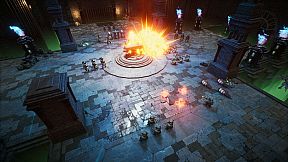
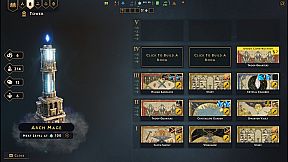
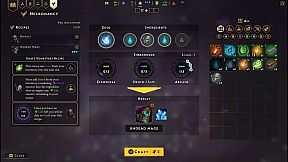
Tower upgrades involve constructing specialized rooms that enable crafting, summoning, or research tailored to the chosen archetype. Three primary archetypes shape available spells, minions, and playstyles: Necromancer focuses on undead creation with low upkeep, Alchemist emphasizes potions and explosives, and Artificer centers on glyphs and item enhancements for troops. A later expansion introduces the Demonologist archetype for summoning and binding demons.
Game Modes
The game centers on single-player campaigns that advance through story objectives tied to mastering Allfire and confronting rival mages. Two main campaign paths exist: Path of the Circle and Origins. These can be experienced on fixed maps or procedurally generated ones that alter layouts, encounters, and resource distribution for each playthrough.
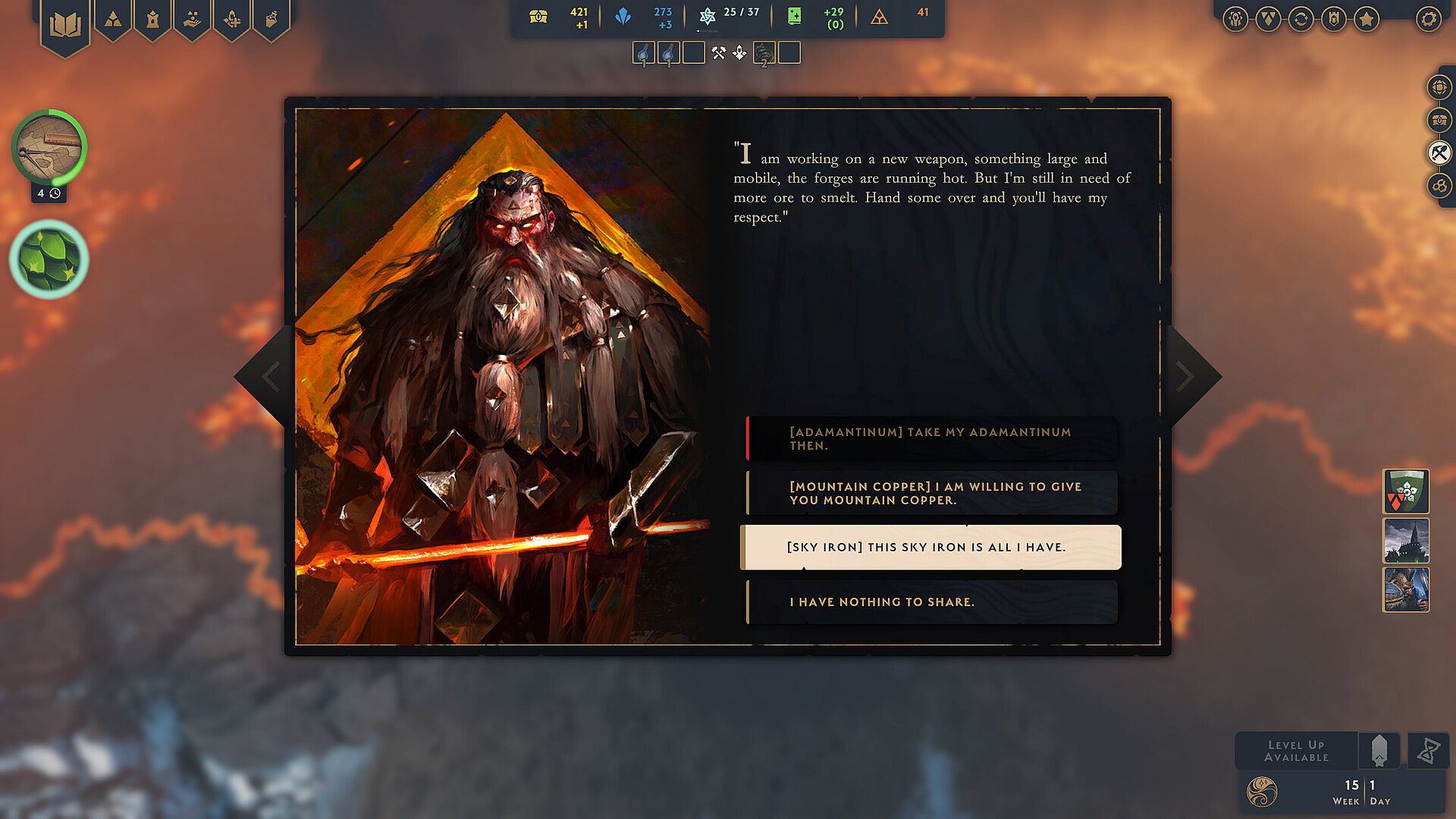
Shorter scenarios provide focused experiences on procedural maps, emphasizing quick objectives like exploration or defense. Procedural generation ensures varied adventures across hundreds of potential events, including interactions with settlements, ruins, and enemy groups such as Circle mages, bandits, fanatics, dwarves, orcs, and monsters. No multiplayer modes are present, keeping the focus on solo progression and replayability through randomization.
Exploration and Progression
Players navigate a living world filled with points of interest that trigger quests or random events. Befriending cities or harvesting nodes supports domain expansion while the grimoire reveals secrets and new spells over time. Tower customization extends beyond basic rooms to include specialized facilities that enhance summoning, crafting, or magical research, directly influencing army composition and capabilities.
Procedural elements extend to campaign structure, allowing repeated playthroughs with fresh combinations of heroes, artifacts, and conflicts. Enemies include organized armies from rival mages as well as independent threats like undead hordes or demonic incursions, requiring adaptive strategies in both overworld movement and battlefield tactics.
Is It Worth Playing?
SpellForce: Conquest of Eo delivers a distinctive blend of turn-based strategy and RPG elements through its tower-based empire building and archetype-driven customization. The procedural campaigns and scenarios offer strong replay value for players who enjoy managing resources, upgrading a central hub, and engaging in tactical battles without relying on traditional 4X empire sprawl.
Reception highlights the depth of combat systems, variety in unit and spell options, and narrative focus on mage rivalries as strengths that reward multiple runs. The game has received ongoing support through patches and expansions that add new archetypes and content. It suits fans of deliberate, campaign-driven strategy experiences who appreciate procedural variation and fantasy theming over fast-paced action or competitive multiplayer.
Those seeking accessible yet layered mechanics with clear progression through spells and troops will find consistent engagement across long play sessions. Availability on PC platforms supports broad access for strategy enthusiasts looking for a self-contained single-player title.