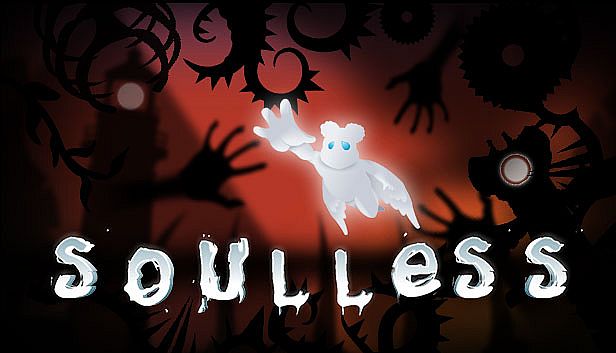












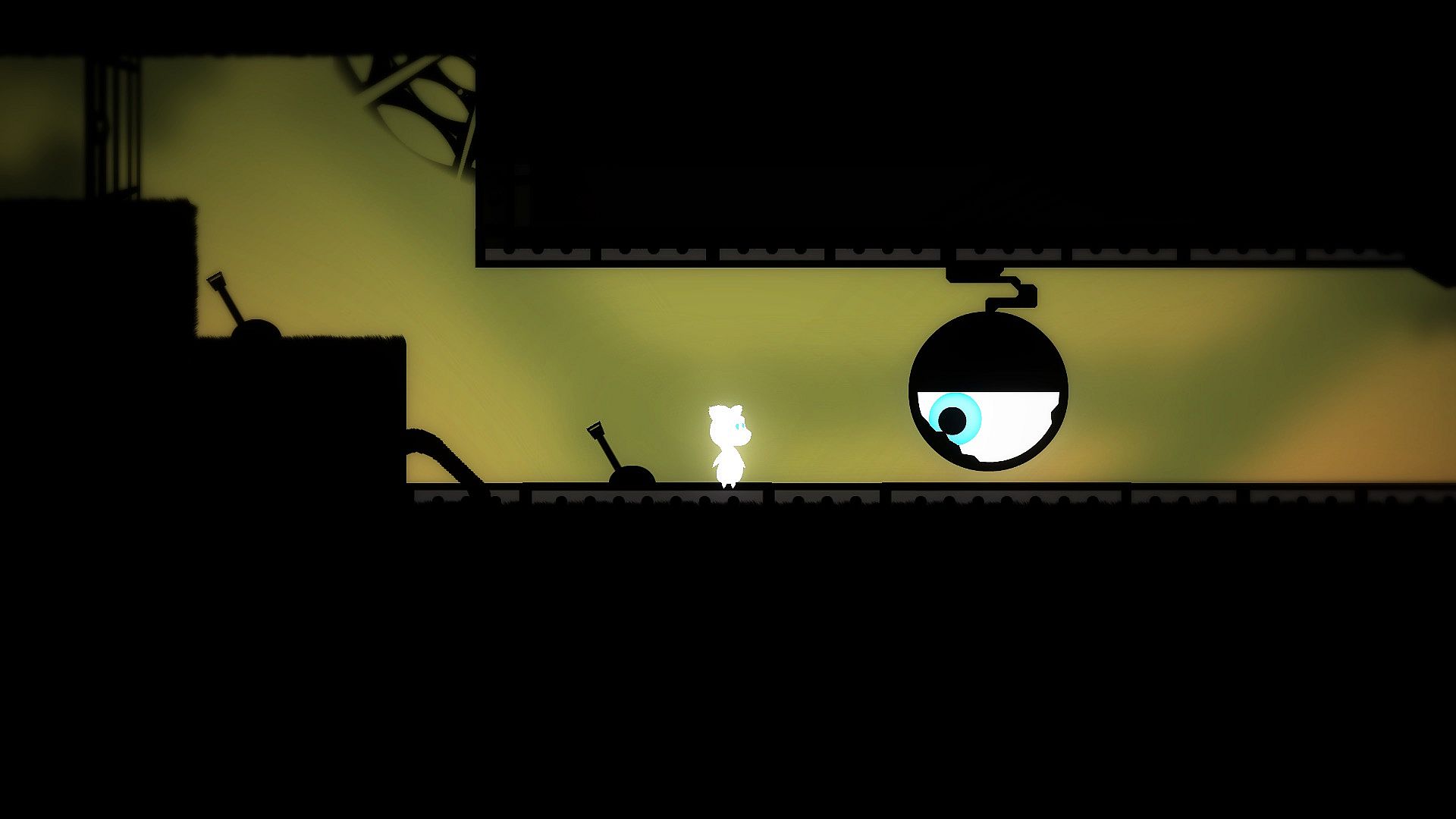
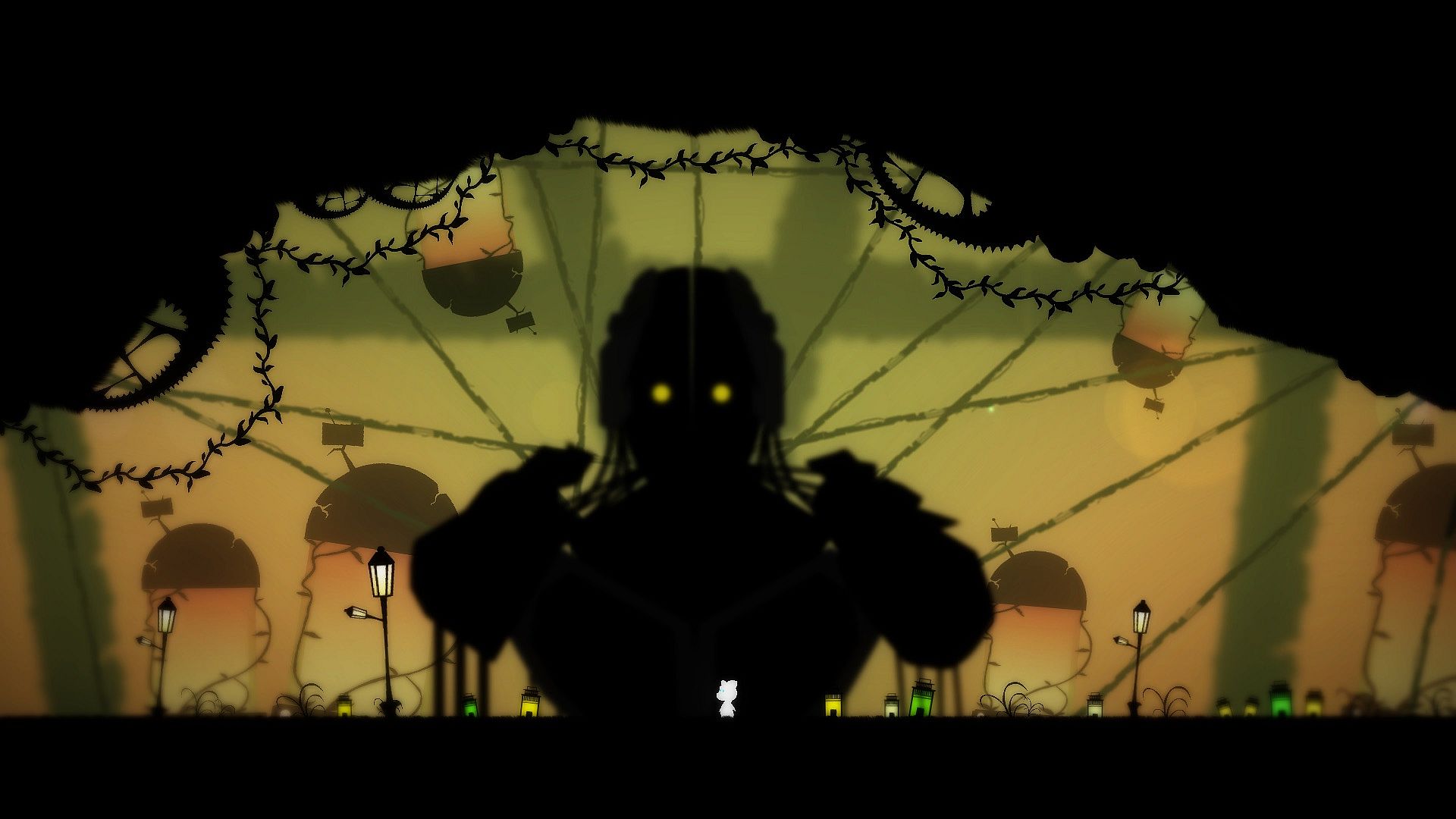
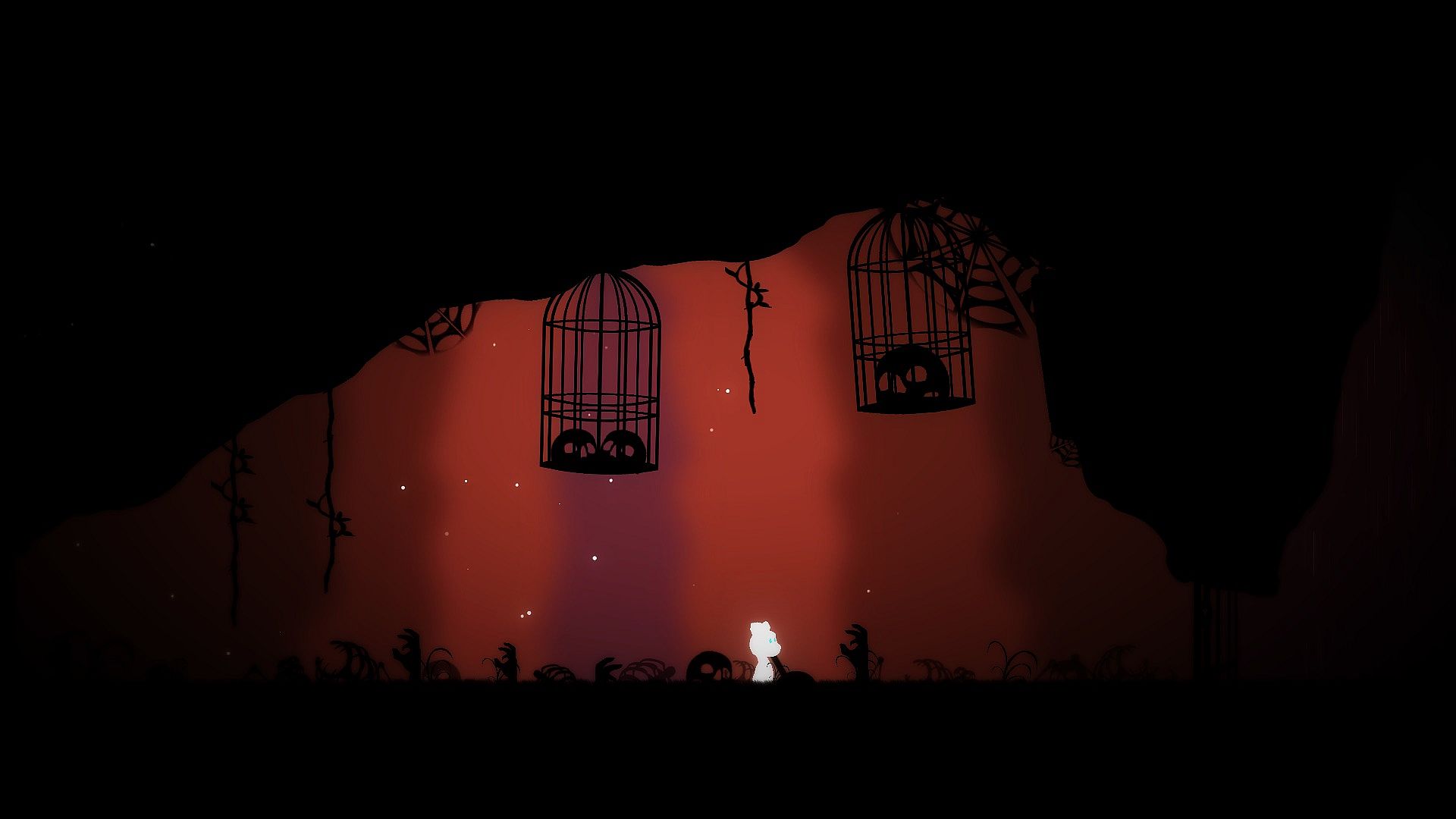
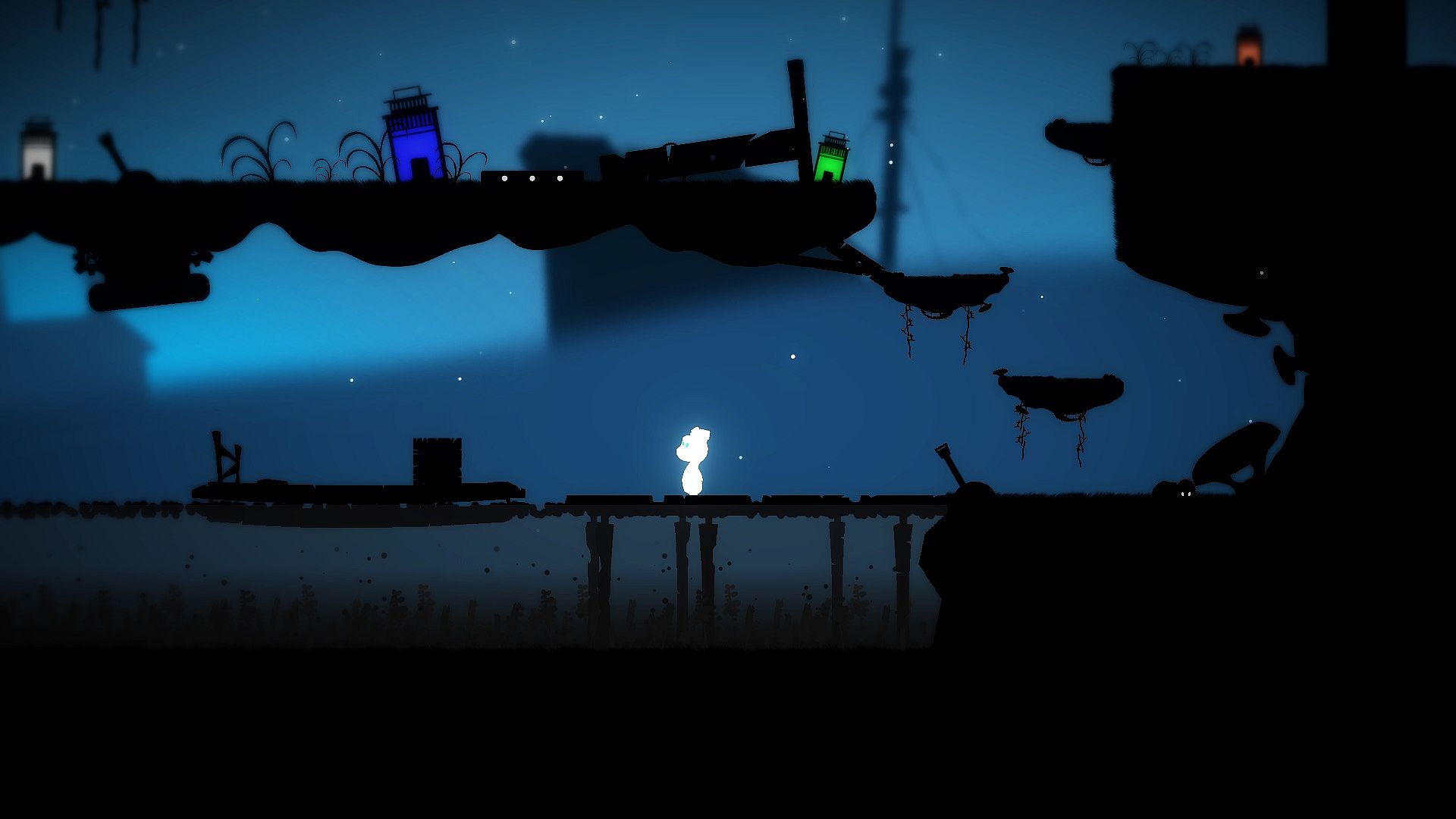

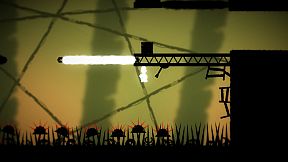
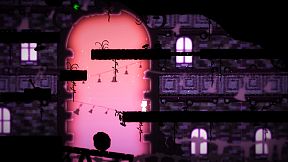
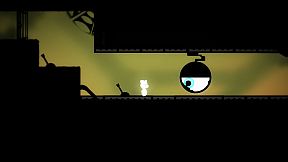

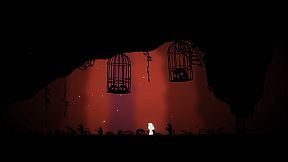
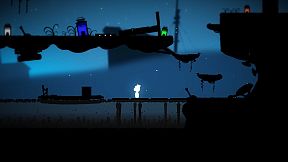
Soulless: Ray of Hope is an indie adventure game presented as a 2D platformer. It emphasizes story, exploration, and atmosphere over action or combat. Players control a lone figure moving through a dark, minimalist environment where progress depends on careful observation and steady traversal rather than quick reactions.
Gameplay
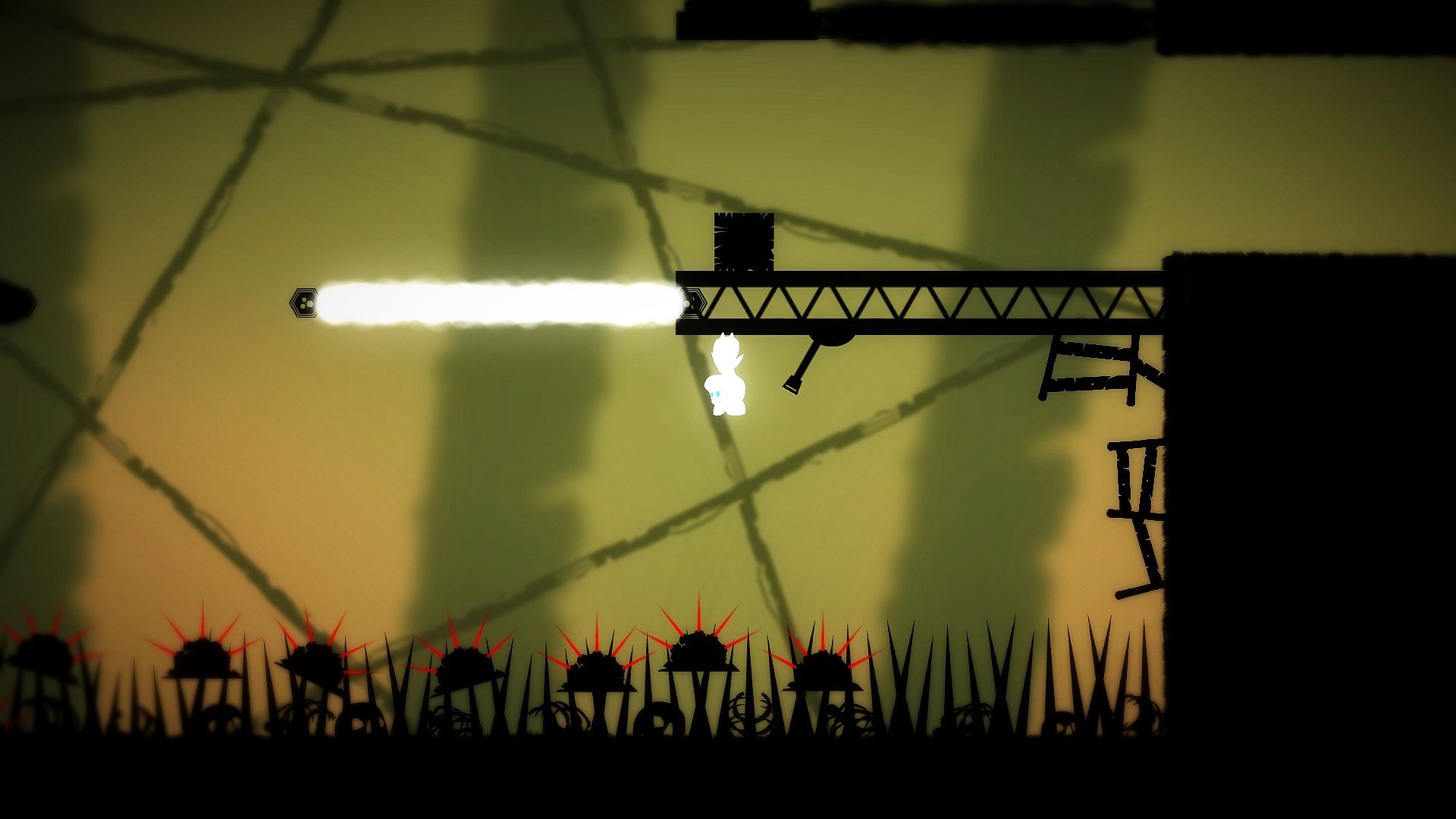
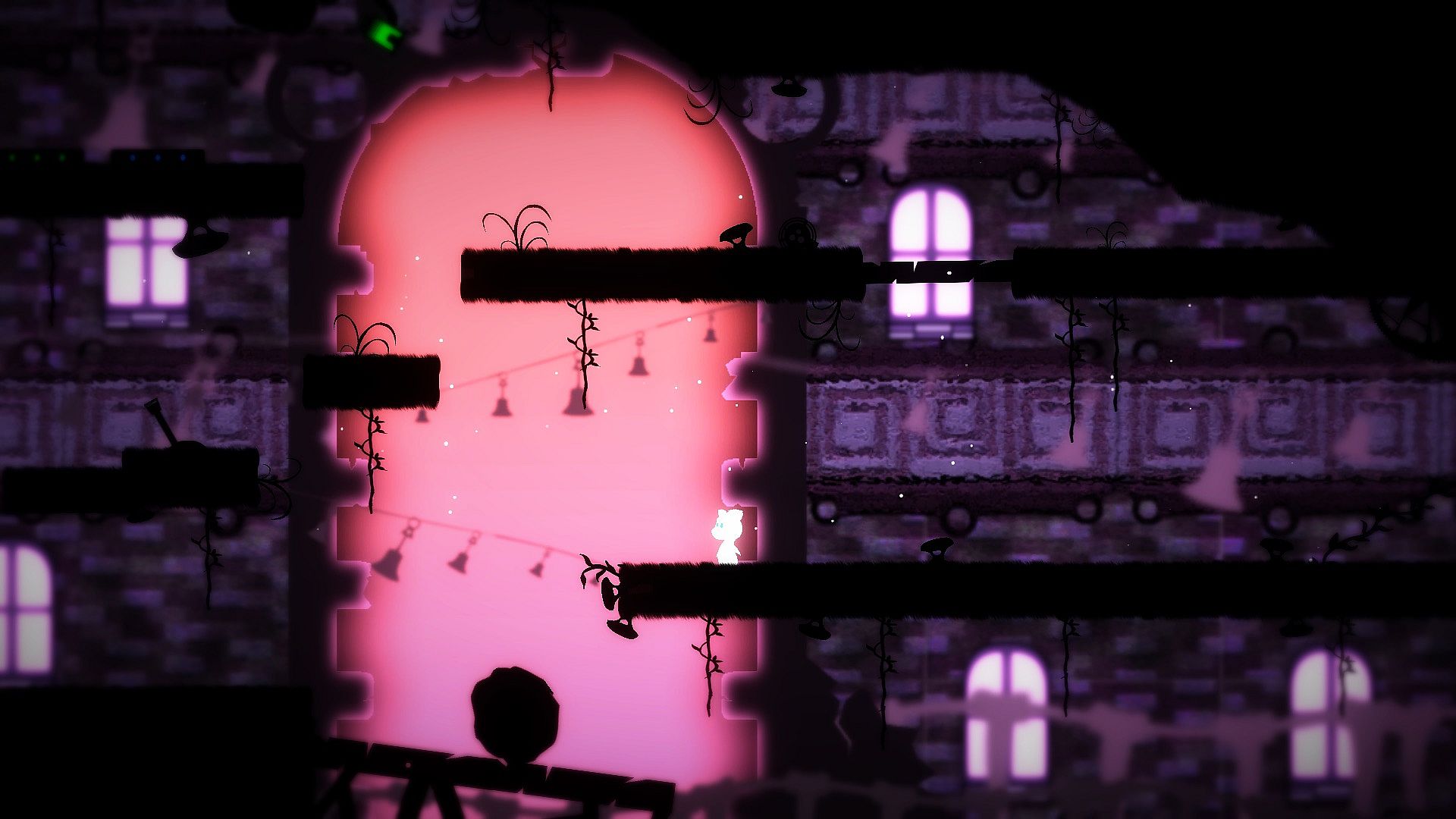
The core loop centers on platforming sequences combined with light puzzle elements. Movement involves jumping between platforms, navigating narrow paths, and interacting with the surroundings in subtle ways. Challenges arise from the layout of the levels themselves, encouraging players to study the environment and test different approaches without heavy guidance or timers.
Exploration forms the main activity. The world reveals its details gradually through visual cues and small environmental changes rather than direct instructions. This approach rewards patience, as players piece together the narrative by examining spaces and noting patterns in the design. Sound design supports the mood with restrained audio that highlights isolation and quiet tension.
Progression stays steady and reflective. There are no sudden difficulty spikes or precision demands that require repeated attempts. Instead, the focus remains on absorbing the setting at a personal pace while advancing through connected areas that build the overall experience.
Game Modes
The game operates entirely as a single-player experience. No multiplayer options or alternate modes exist. The structure follows a linear yet open-ended path through the narrative, with players free to backtrack and examine areas as they choose.
This single-player format keeps the emphasis on personal interpretation. Each session involves moving forward while uncovering story fragments embedded in the surroundings, creating a consistent reflective tone from start to finish.
Atmosphere and Narrative
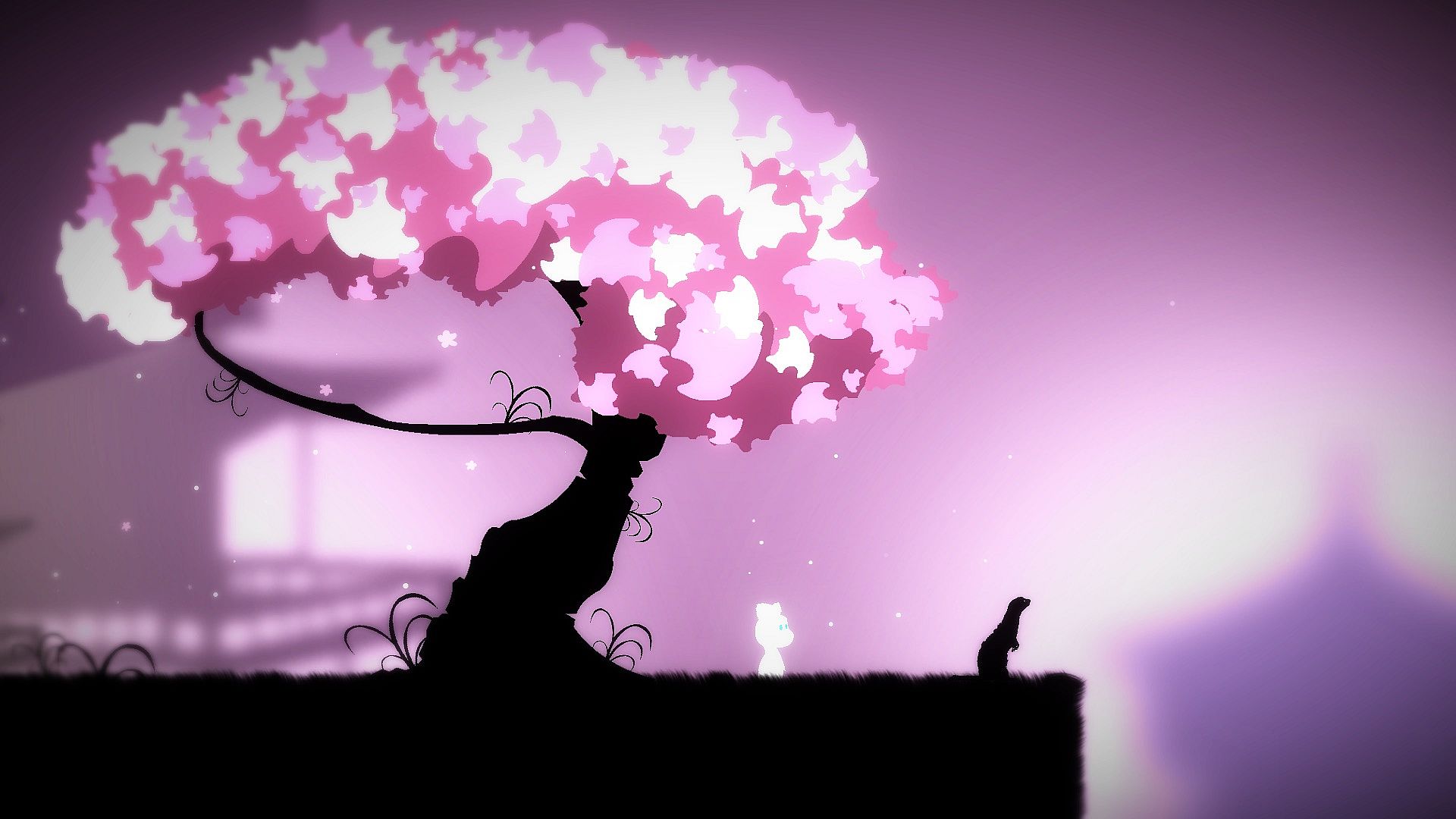
Visuals stay minimal with limited color palettes and simple shapes that convey a somber tone. The design avoids detailed character models or elaborate effects, directing attention toward the mood created by empty spaces and subtle lighting shifts.
Story delivery happens through the environment. Themes of loss, hope, and endurance emerge from the way levels are arranged and the objects placed within them. No spoken dialogue or text heavy exposition interrupts the flow, allowing the setting to communicate the emotional core directly.
The overall length supports this focused approach. Sessions remain concise, fitting the intent of a contained experience meant for one sitting or a few short returns rather than extended play.
Is It Worth Playing?
Reception on Steam stands at mostly positive based on 207 user reviews. Players who value atmospheric 2D platformers with an emphasis on mood and subtle storytelling often find the game satisfying. Those seeking fast-paced action or complex systems may find the simplicity limiting.
The title suits individuals interested in short, introspective adventures. Its minimalist style and exploration focus align with preferences for games that prioritize emotional resonance over mechanical depth. Availability on PC keeps it accessible for anyone drawn to this specific style of narrative platforming.
Eleven achievements provide minor additional goals for completionists, though the main draw remains the journey through the world itself. The game delivers a consistent, understated experience without ongoing updates or additional content layers.