


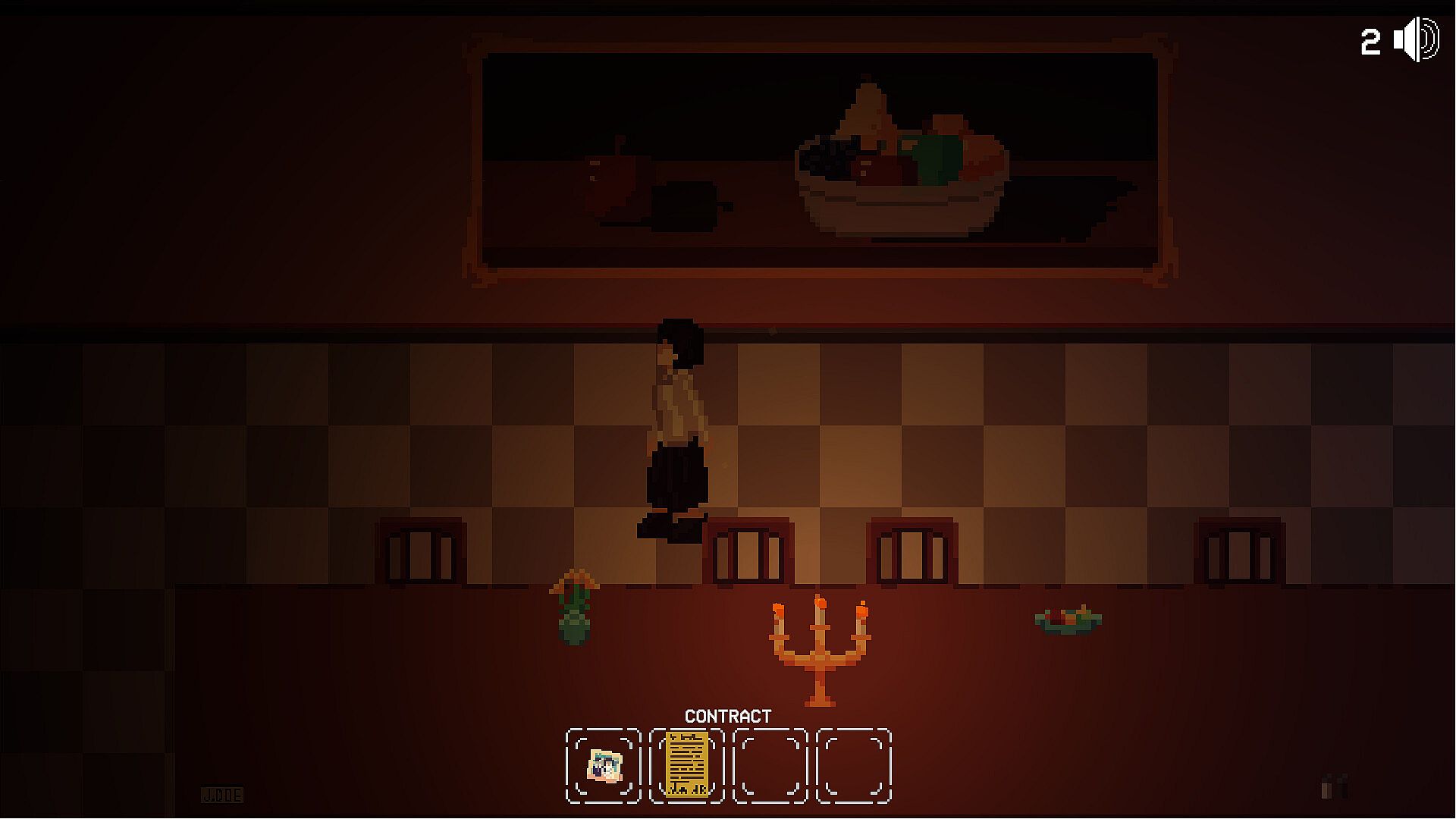

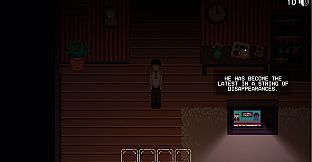
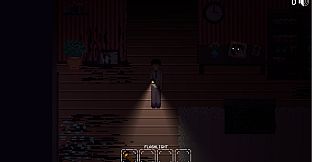

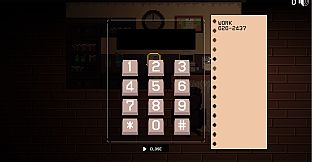
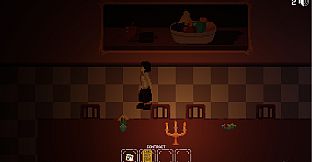
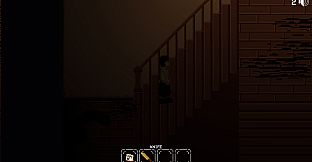
Something Outside Wants You to Die is an indie survival horror game set entirely within a single suburban home on PC. Players take on the role of a resident whose quiet evening turns into a tense struggle after an ominous note arrives, signaling that an unseen entity has targeted the house due to mistaken identity. The core experience revolves around stealth, environmental awareness, and careful decision making as the intruder searches for its intended victim.
Gameplay
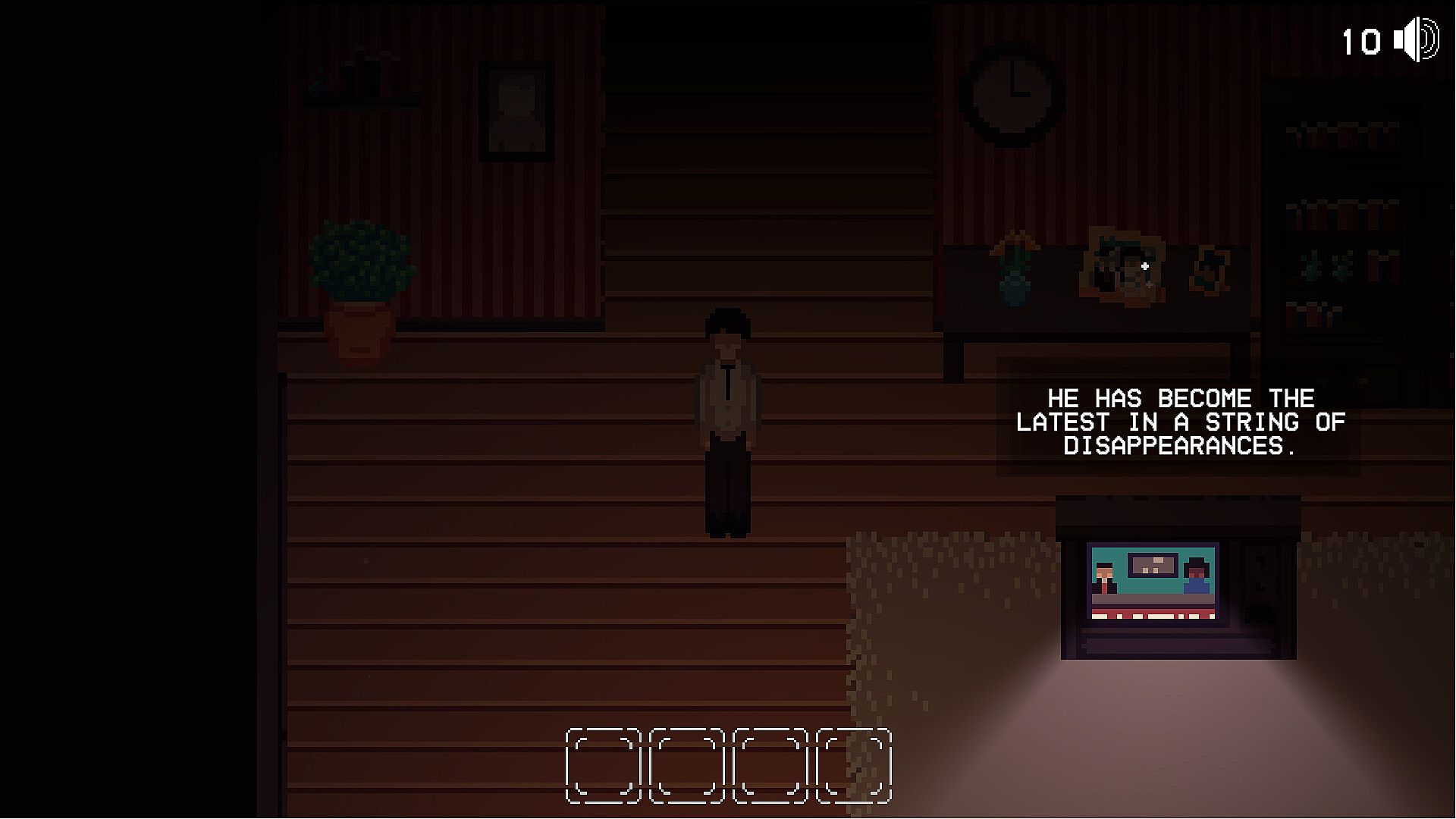
The gameplay centers on navigating a degrading home while avoiding detection. Sound plays a critical role because the entity relies on auditory cues rather than sight. Footsteps, television noise, or other actions can draw attention, forcing players to weigh movement against silence. Distractions become essential tools, such as activating the TV in one area to mask activity elsewhere.
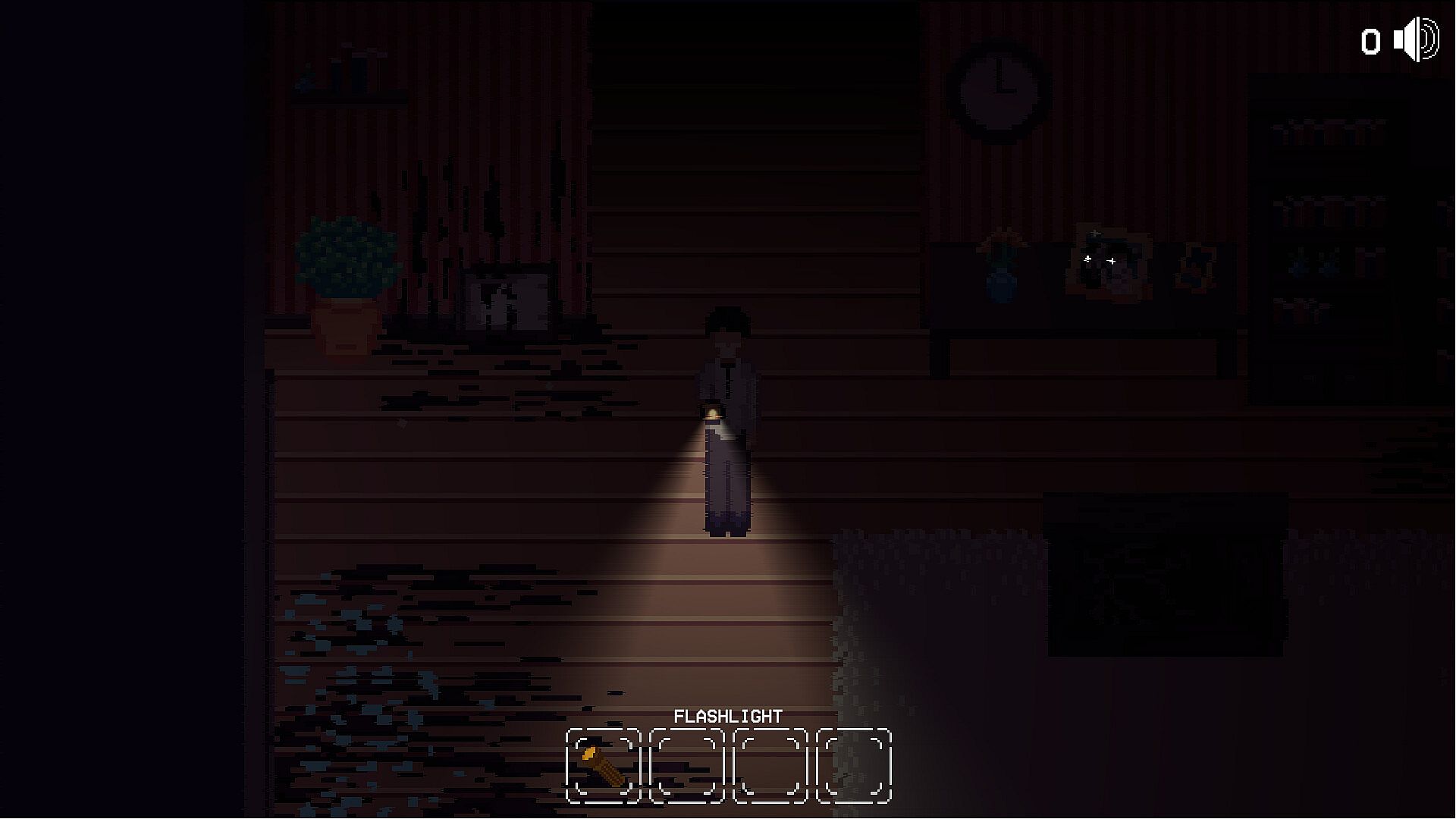
As time passes, the environment shifts. Strange substances appear on floors, furniture and decorations suffer damage, and structural elements like doors and windows break apart. These changes alter navigation paths and increase the challenge of moving safely through rooms. Players must adapt routes on the fly while monitoring the entity's presence through indirect signs.
Proving innocence requires active risk. Certain personal items, including a license, family photo, or trophy, can be placed in locations the entity has visited. If the intruder discovers these objects, it may accept them as evidence and shift its focus. This mechanic demands precise timing and awareness of the entity's patrol patterns, as getting caught ends the attempt.
Optional tasks from a mysterious benefactor offer deeper exploration for those who seek it. These side objectives can reveal additional context about the events unfolding, though they carry their own dangers in an already hostile setting.
Game Modes
The game operates as a single player experience with no separate multiplayer or competitive modes. The structure emphasizes one continuous session in the home, where player choices directly influence the outcome. Two distinct endings are available based on actions taken throughout the night, encouraging replay to explore different approaches to survival and proof of identity.
Progression follows a linear yet reactive path shaped by the entity's movements and the home's ongoing deterioration. There are no named difficulty presets or alternate scenarios beyond the core loop and the optional benefactor tasks. Subtitles support auditory elements, and options allow disabling flashing lights or flickering effects for accessibility.
Core Mechanics and Tension
Stealth forms the foundation, with the entity's limited vision offset by acute hearing. Players learn to pause, listen, and use the environment strategically. The home itself becomes an antagonist as damage accumulates, creating new obstacles and forcing reevaluation of safe zones.
Item placement adds a layer of proactive strategy. Leaving identifying objects behind serves as a calculated gamble that can redirect the threat or backfire if the entity locates the player first. This system rewards observation of the intruder's path and careful planning of when and where to act.
The overall loop blends tension from potential discovery with moments of deliberate stillness. Success hinges on reading subtle cues about the entity's location and managing limited resources like distractions without overcommitting noise.
Is It Worth Playing?
This title targets players who enjoy intimate, sound focused horror with survival elements. The single player format and emphasis on environmental interaction suit those drawn to tense, contained experiences rather than large scale action. The two endings provide replay incentive for those interested in different resolutions.
Since the game remains in development with a planned 2027 release and no reviews available yet, its appeal rests on the described systems of stealth, degradation, and identity proof. Fans of indie horror that prioritizes atmosphere and consequence over combat will find the setup promising. Those sensitive to auditory tension or home invasion scenarios should consider the content warnings for flashing effects and sound design.