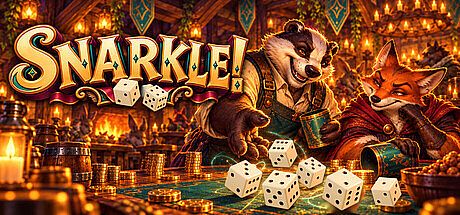


Snarkle! is a casual indie dice game for PC that puts a cheeky spin on classic push-your-luck mechanics. Players shake a cup of dice, decide which scoring combinations to keep, and choose whether to bank points safely or risk another roll for bigger gains. The core loop rewards nerve and timing while punishing overconfidence, all wrapped in a warm tavern atmosphere with animal characters and lighthearted sound design.
Gameplay
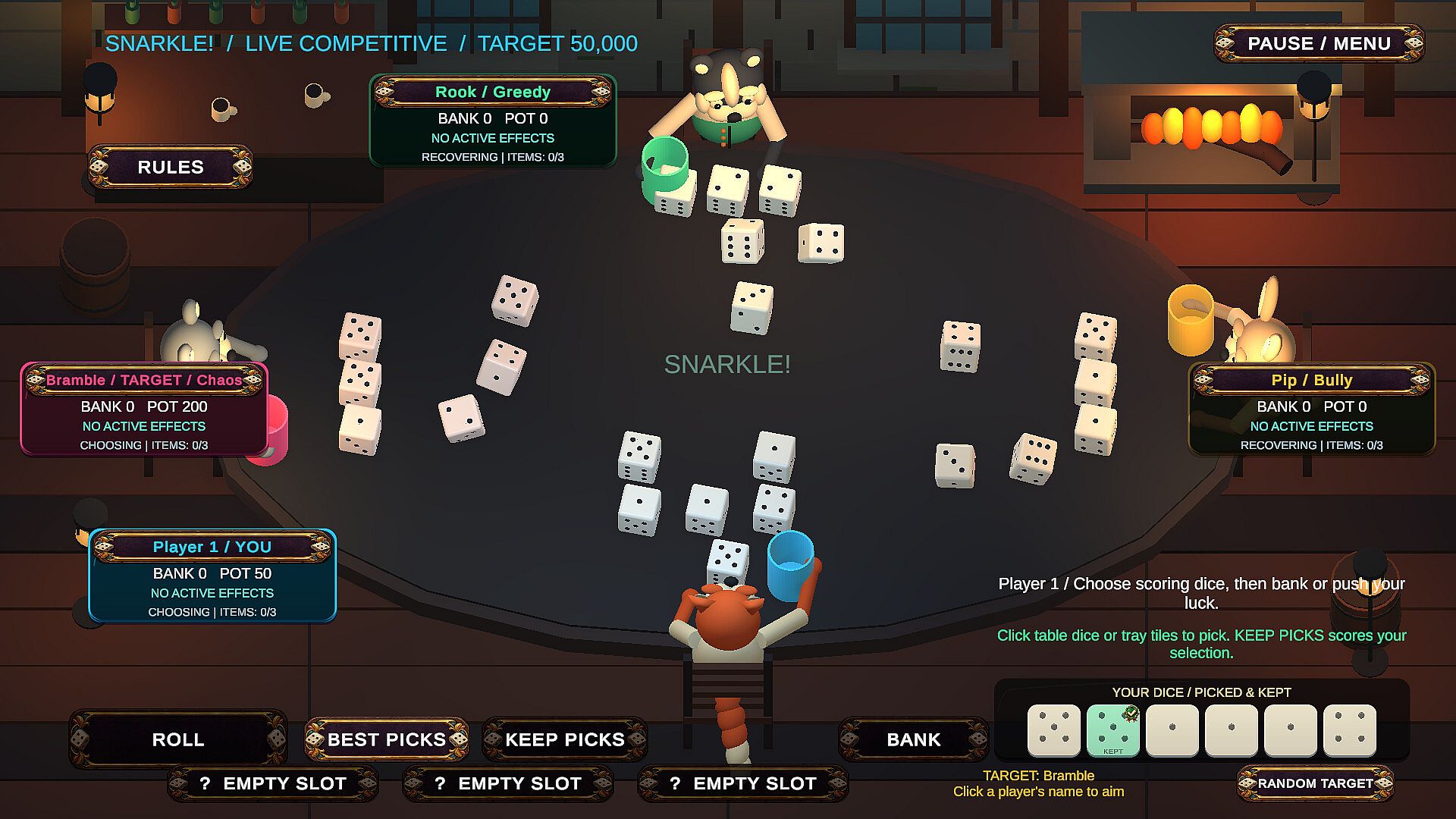
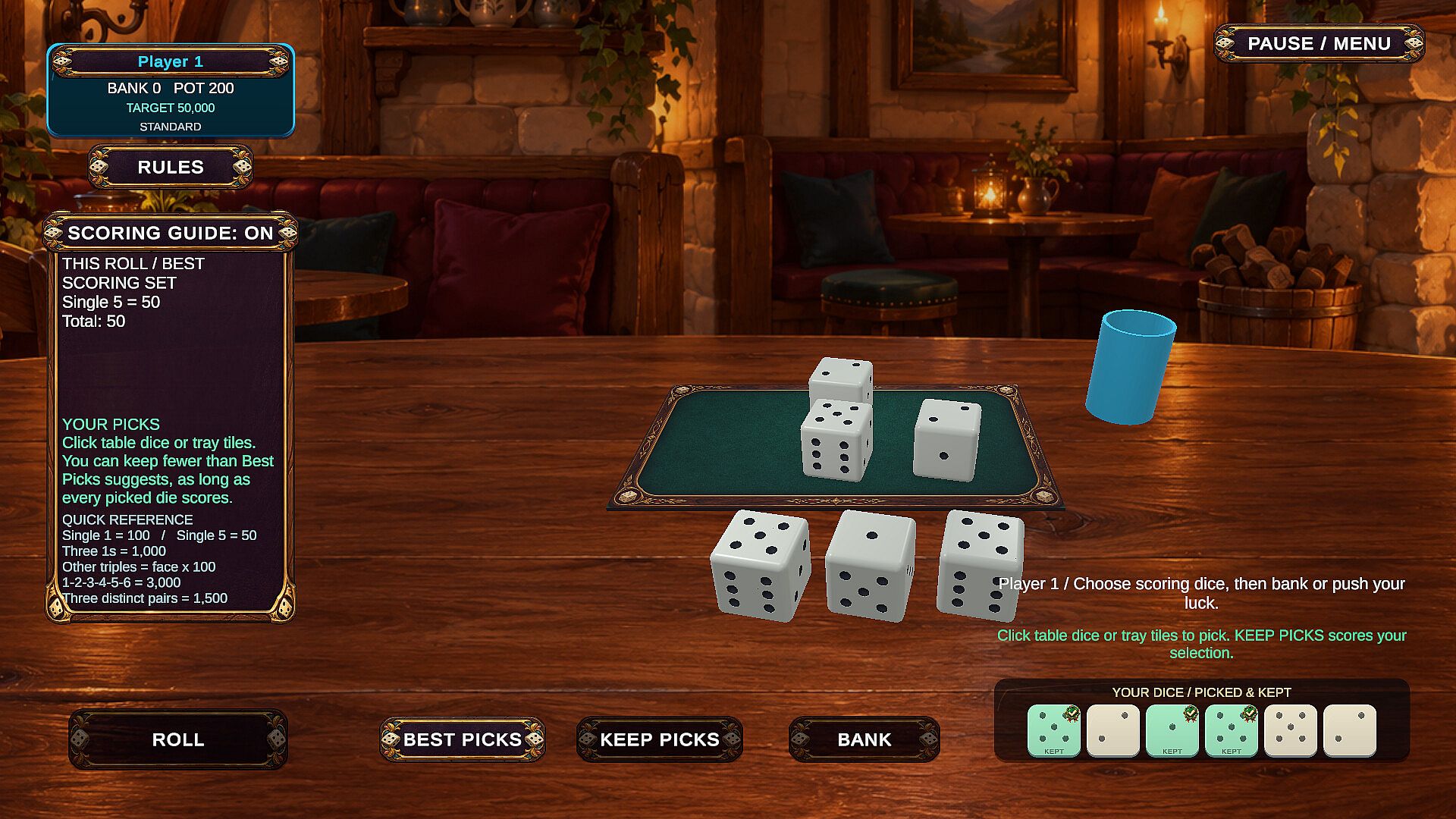
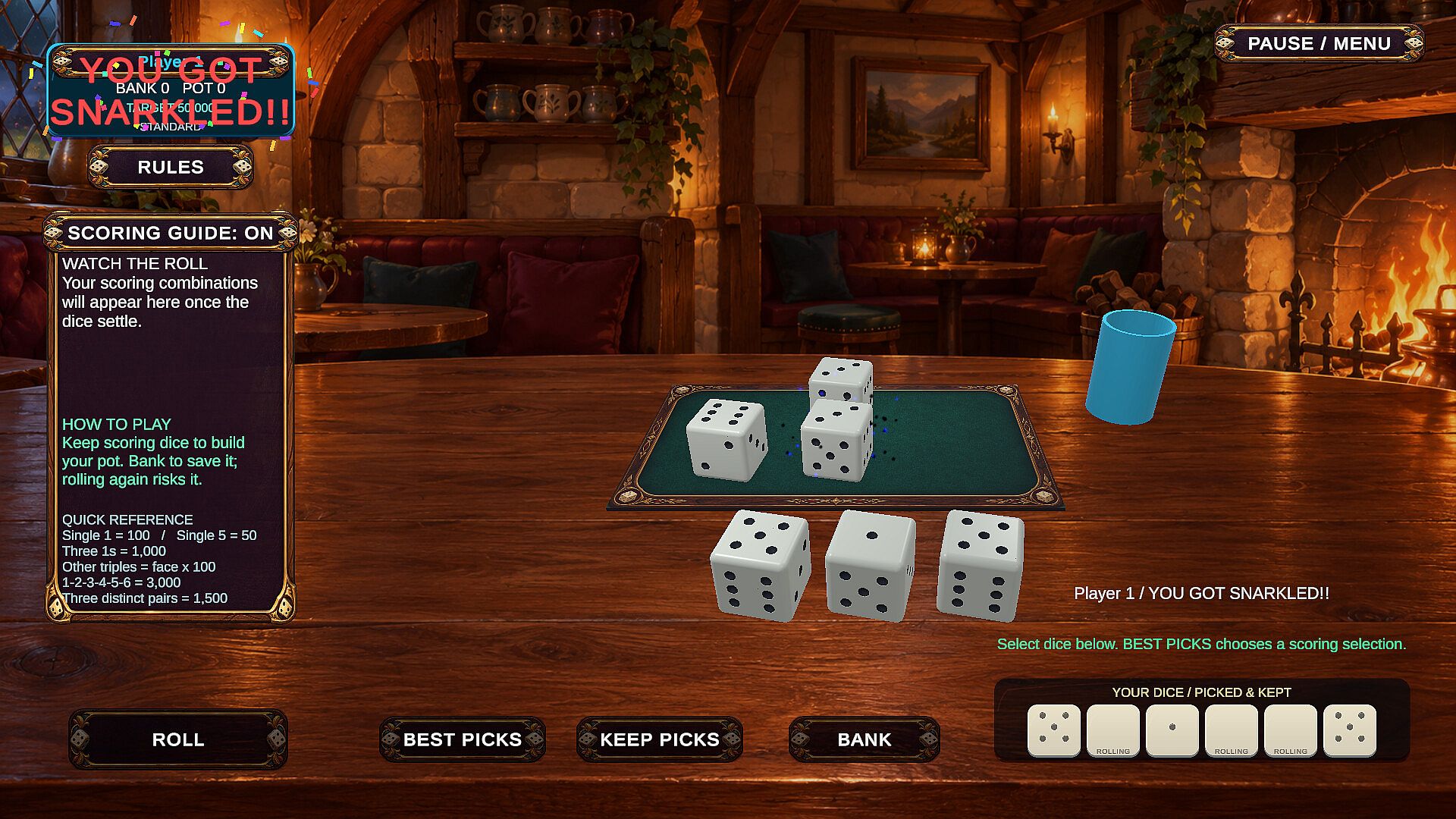
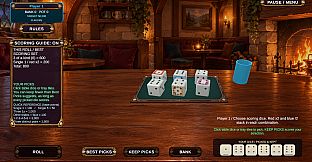
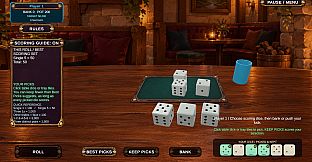
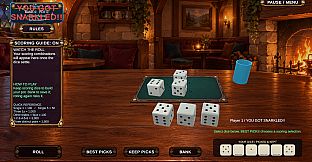
The central experience revolves around rolling six dice and selecting which ones contribute to your current pot. Single 1s and 5s always score, along with sets like three of a kind or straights, though the exact values follow familiar Farkle rules. After each roll, you can lock in points by banking them or continue rolling the remaining dice to build a larger total. A single throw with no scoring dice wipes out the turn's gains, creating tension between steady progress and the lure of higher rewards. Controls let you click and hold the cup to shake it physically before releasing, or use a simple roll button for quicker sessions. Selected dice appear clearly on screen so you can review your kept set before committing to the next action.
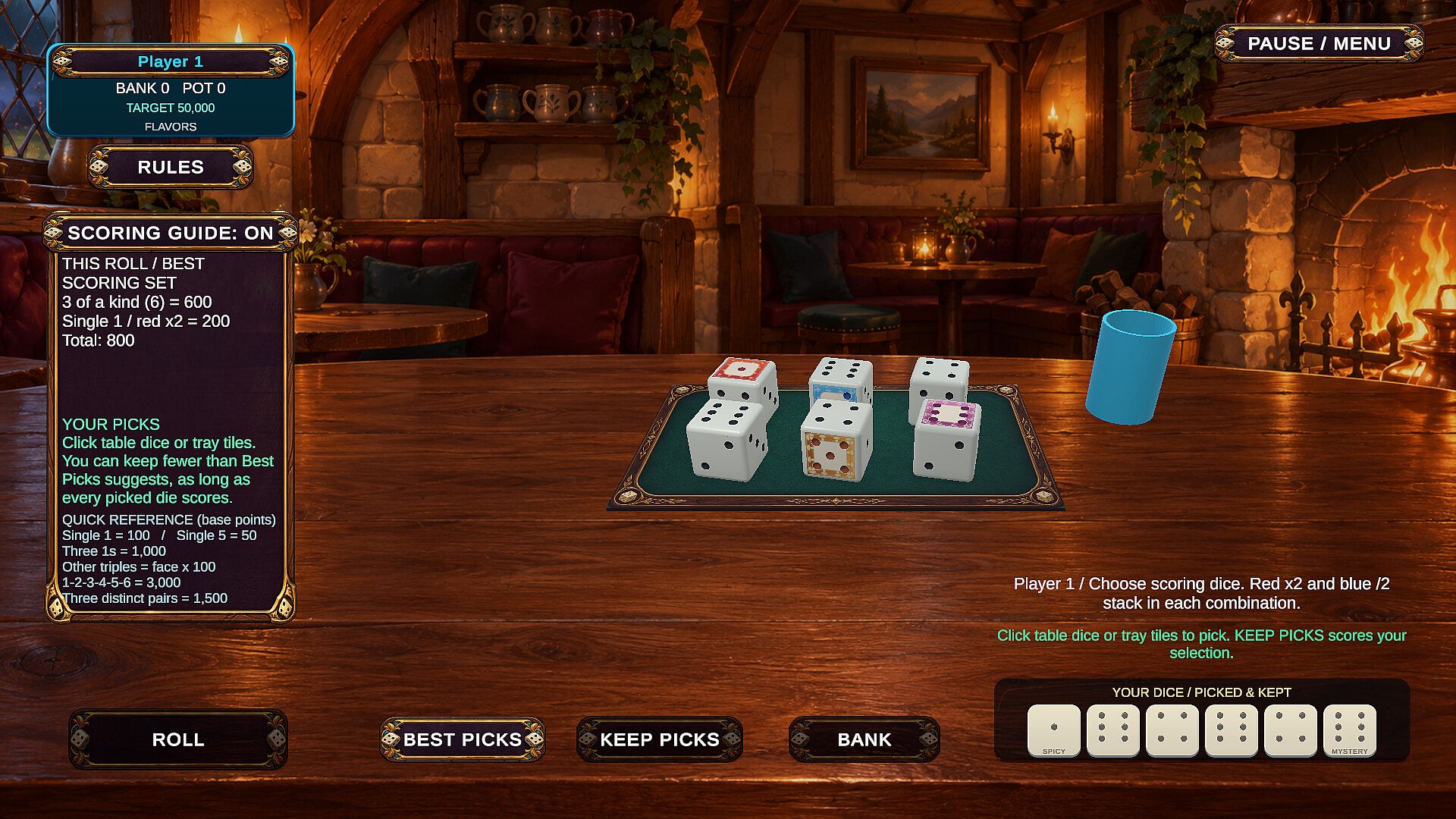
Visual and audio cues reinforce every decision. Dice tumble across a wooden table, and distinct chimes mark successful combinations or failed rolls. The setting stays cozy with soft lighting and character animations that react to big moments or spectacular busts. An optional scoring guide appears for those learning the combinations, showing exactly what each kept die contributes and what remains at stake on the next throw.
Game Modes
Three distinct modes shape how the dice interact and how opponents behave. Standard mode delivers the straightforward Farkle experience in a relaxed tavern setting. You can play solo against computer opponents or pass the controls around for local turns with friends on the same PC. The focus stays on personal risk management without extra layers.
Flavors mode alters the dice themselves with special properties. Spicy red faces double the value of scoring combinations, while sour blue faces halve them, and these effects combine when multiple flavored dice land together. Players select matching sets or mix their own six-die recipes to create custom risk profiles. The changes keep the core Farkle loop intact while adding new layers of strategy around which dice to favor or avoid.
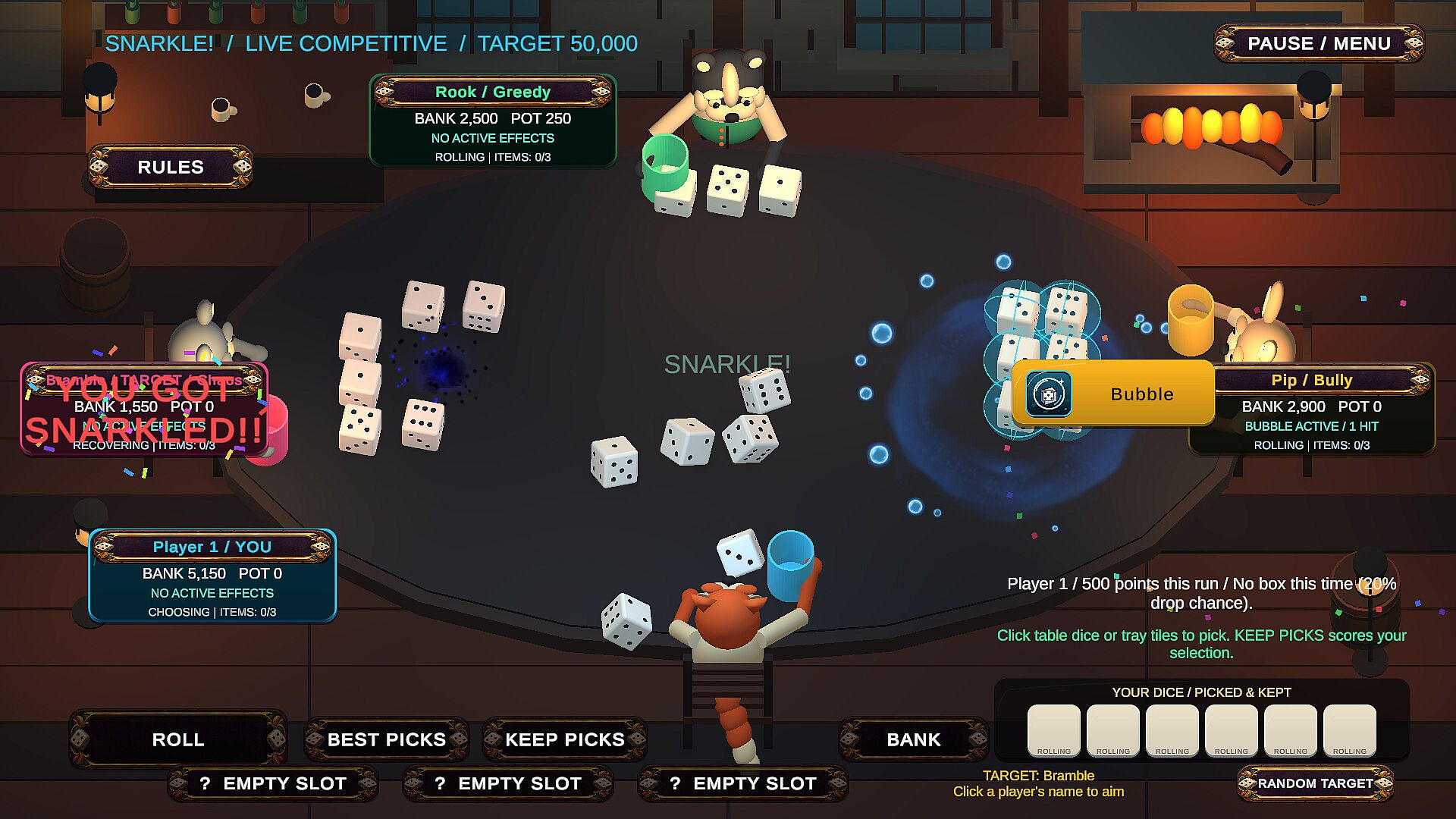
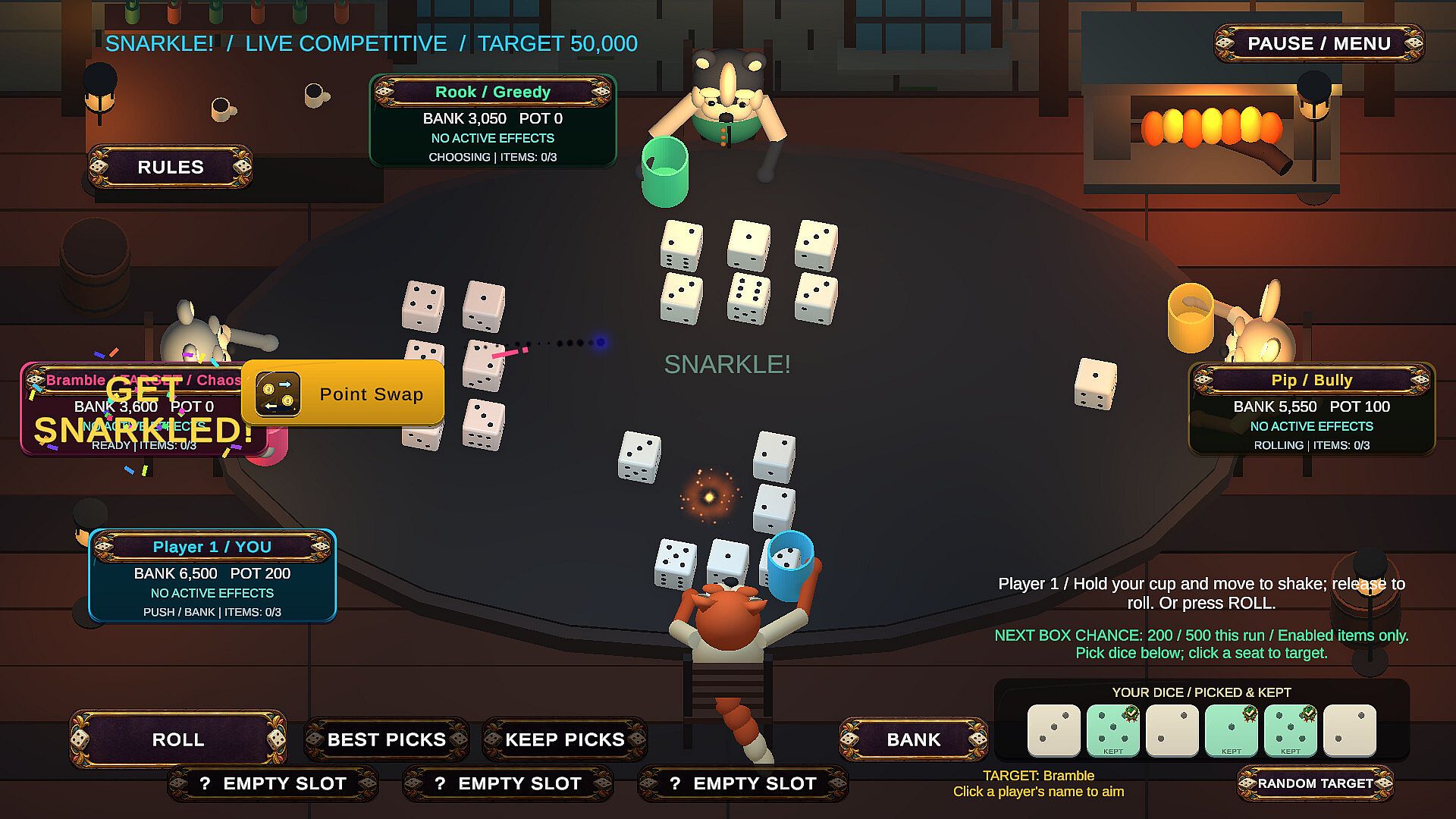
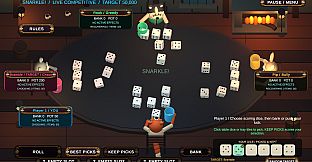
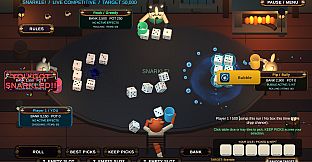
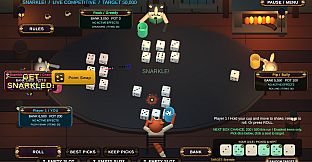
Competitive mode shifts to simultaneous play where everyone races toward a shared target score. Stronger scoring combinations increase the chance of receiving random item boxes. These items include attacks that can pin an opponent's dice or defensive options like a protective Bubble. Players aim attacks at specific rivals or let the system choose targets, and the host selects which items appear in a given match. Adjustable bot speeds let you practice against opponents that range from deliberate to quick-witted.
Progression and Features
Achievements track personal habits such as consistent banking or repeated high-risk plays, each illustrated with a badge that celebrates different approaches to the game. Sound and visual effects can be tuned independently so the table stays lively without overwhelming quieter sessions. The planned addition of Steam online multiplayer would extend Standard, Flavors, and Competitive modes to remote friends, turning local turns or frantic simultaneous rounds into shared online matches.
Computer opponents in all modes provide consistent practice. Their decision speeds adjust to match different play styles, from relaxed pacing that gives time to think to faster opponents that keep pressure high. This setup supports both solo learning and group sessions without requiring additional players at the table.
Is It Worth Playing?
Snarkle! suits players who enjoy short sessions of dice-driven tension and light strategy. The three modes offer clear variety while staying rooted in the same push-your-luck foundation, making it easy to switch between relaxed solo play and more chaotic group matches. Local multiplayer support already exists for Standard mode, and the planned online features would broaden its appeal further. Those who like experimenting with custom rules or collecting light progression elements will find enough depth to return for repeated sessions. The game rewards careful observation of risk versus reward without demanding long-term commitment, fitting casual play on PC whenever a quick round or longer match fits the evening.