













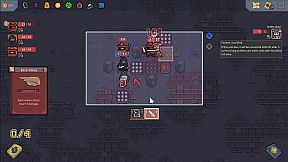
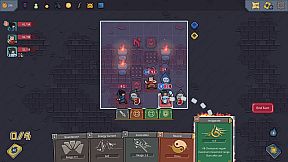
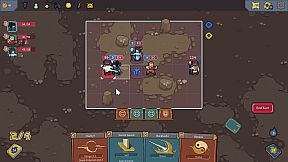
Sigil of the Magi is a strategy RPG with indie roots and adventure elements that places players in control of a party exploring ancient tombs and mysterious worlds through roguelite runs. The core loop centers on building and refining card decks for turn-based combat while navigating choices that shape each attempt to claim the central artifact.
Gameplay
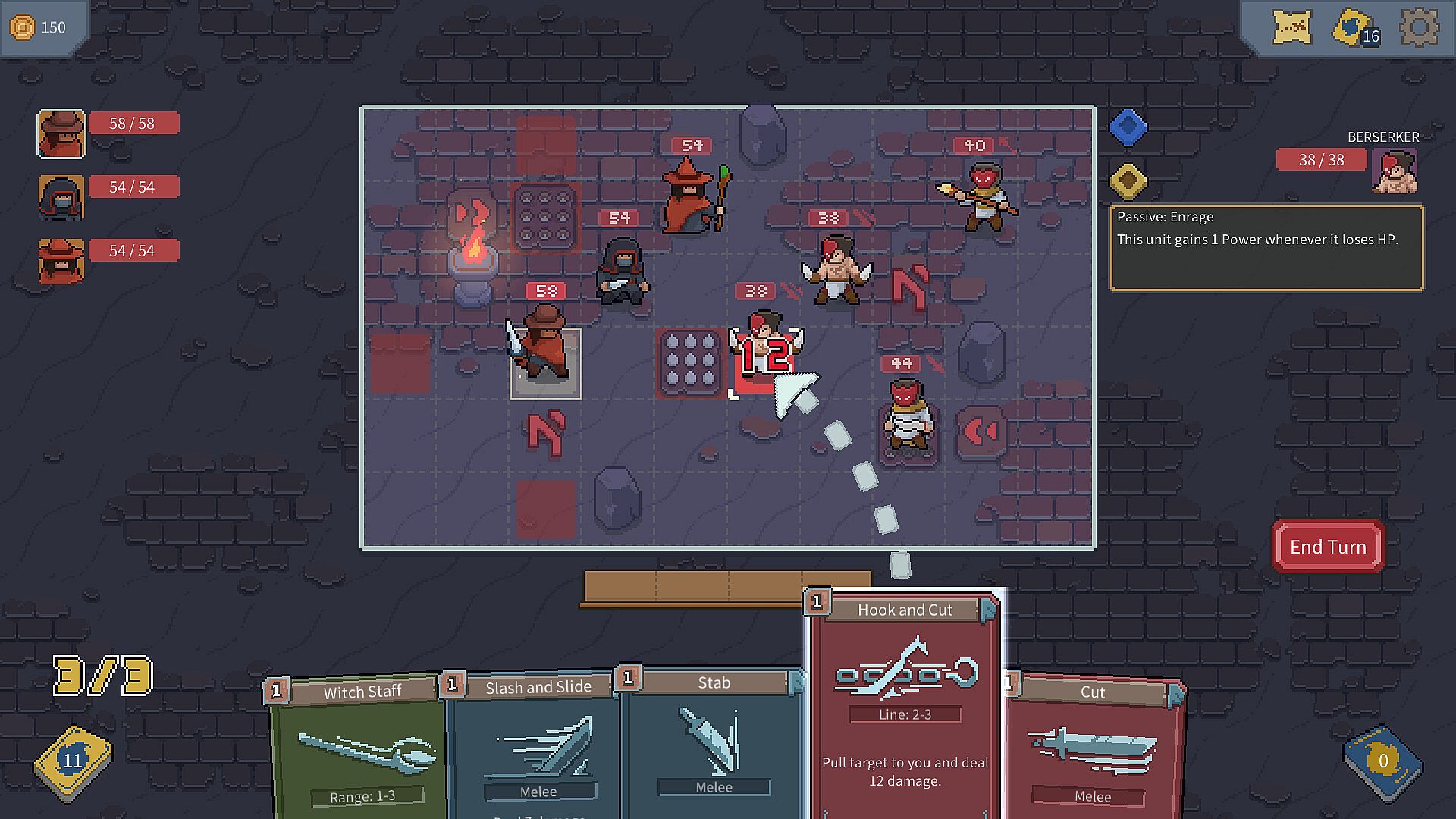
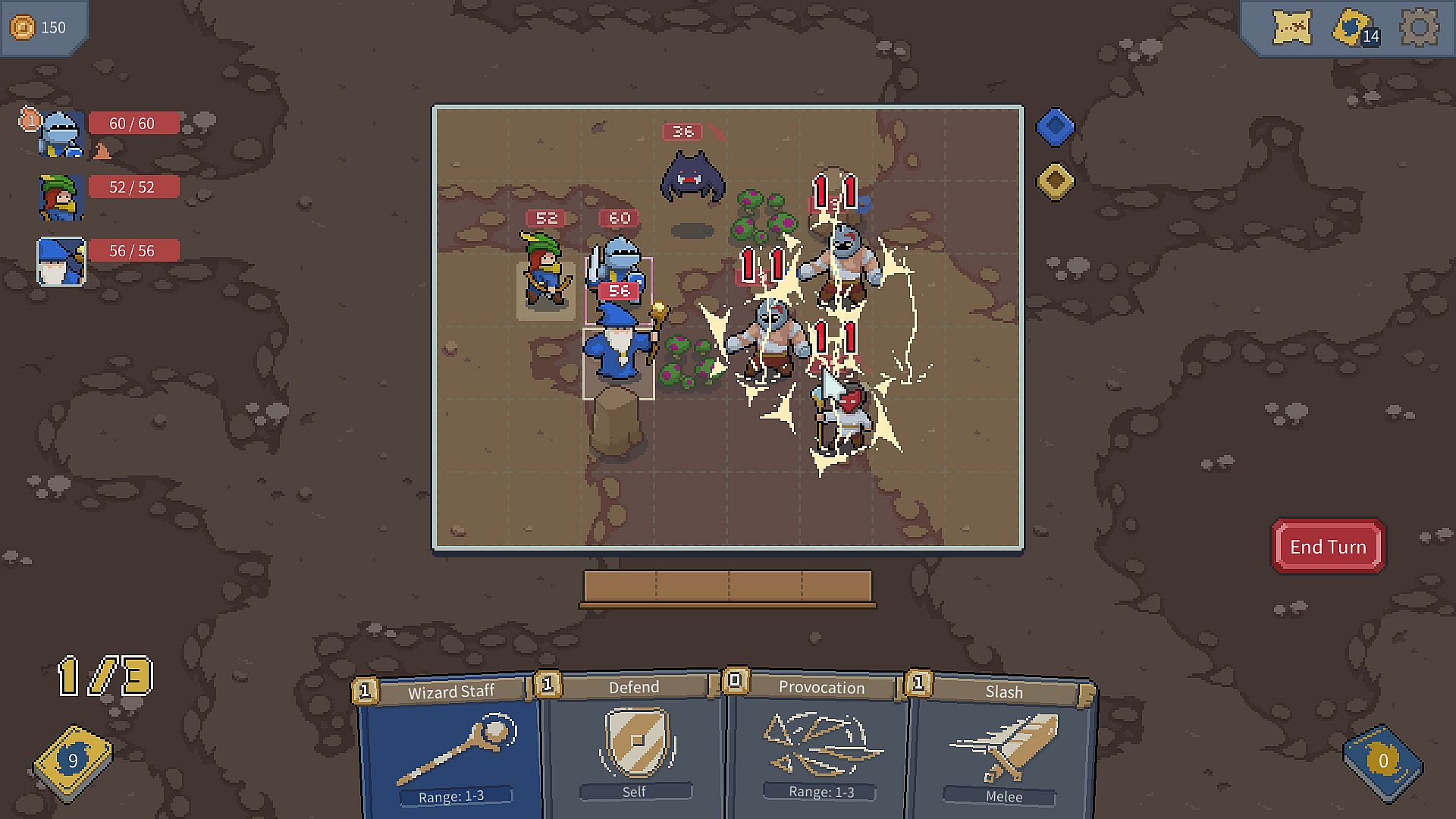
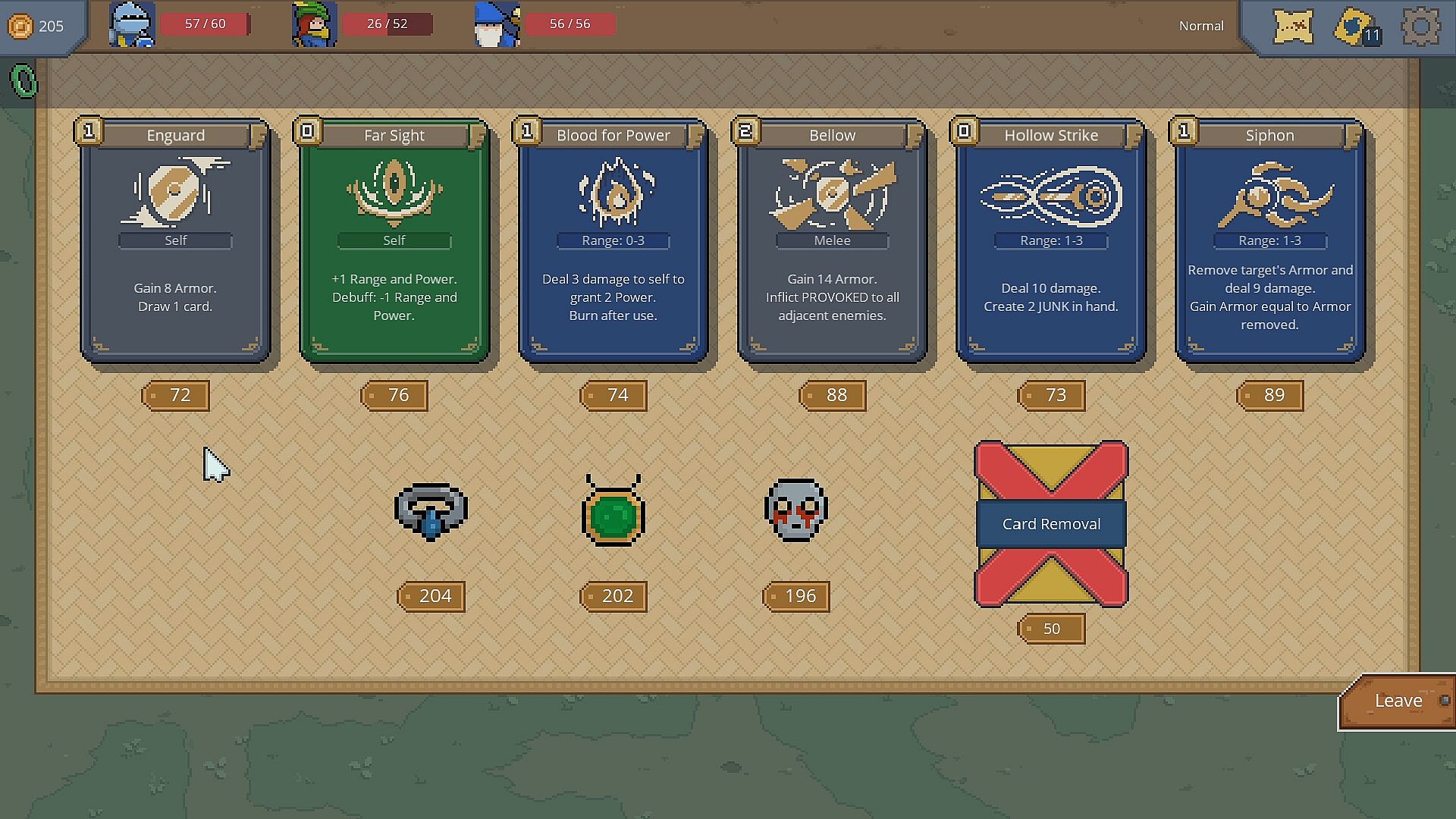
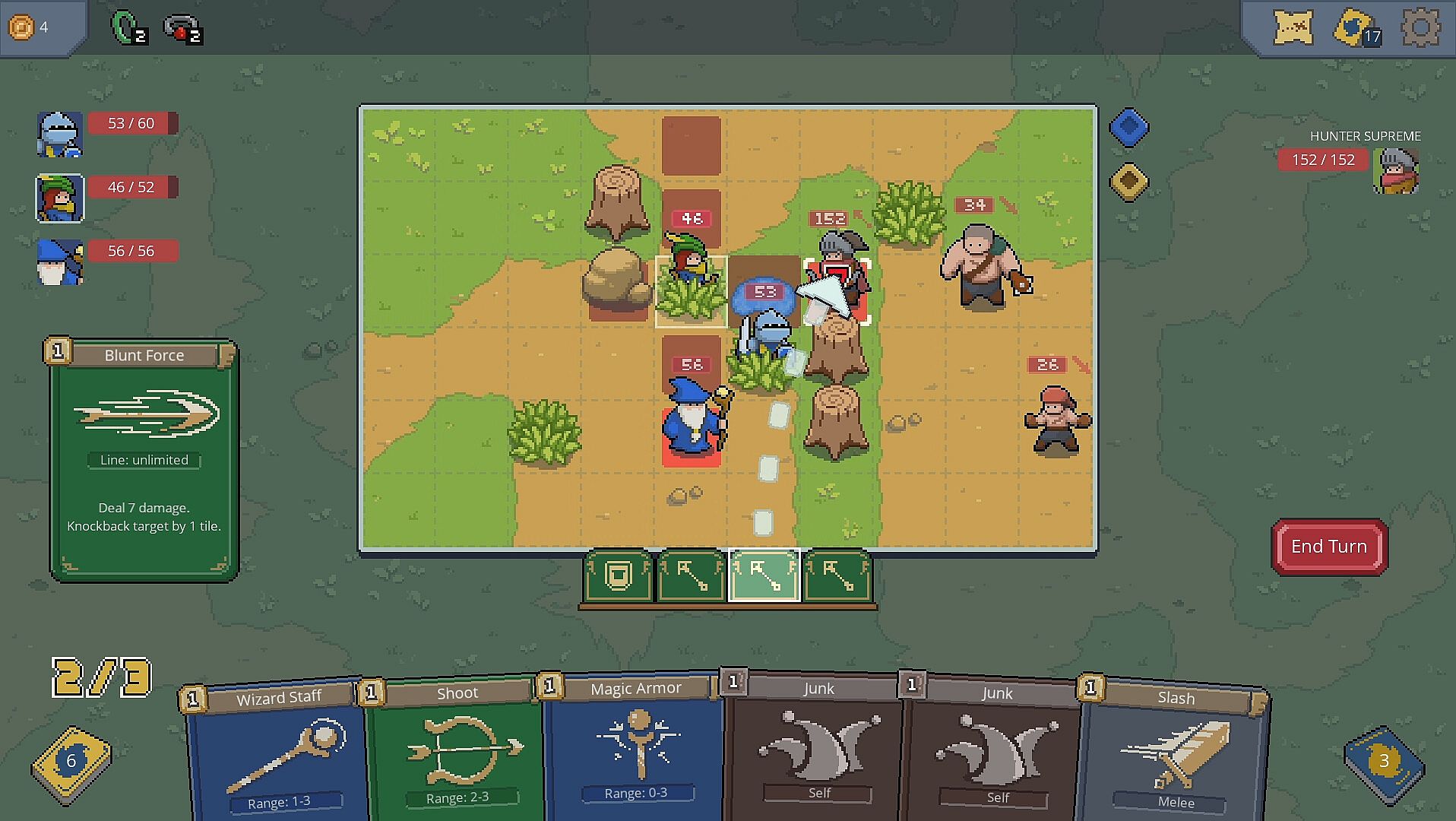
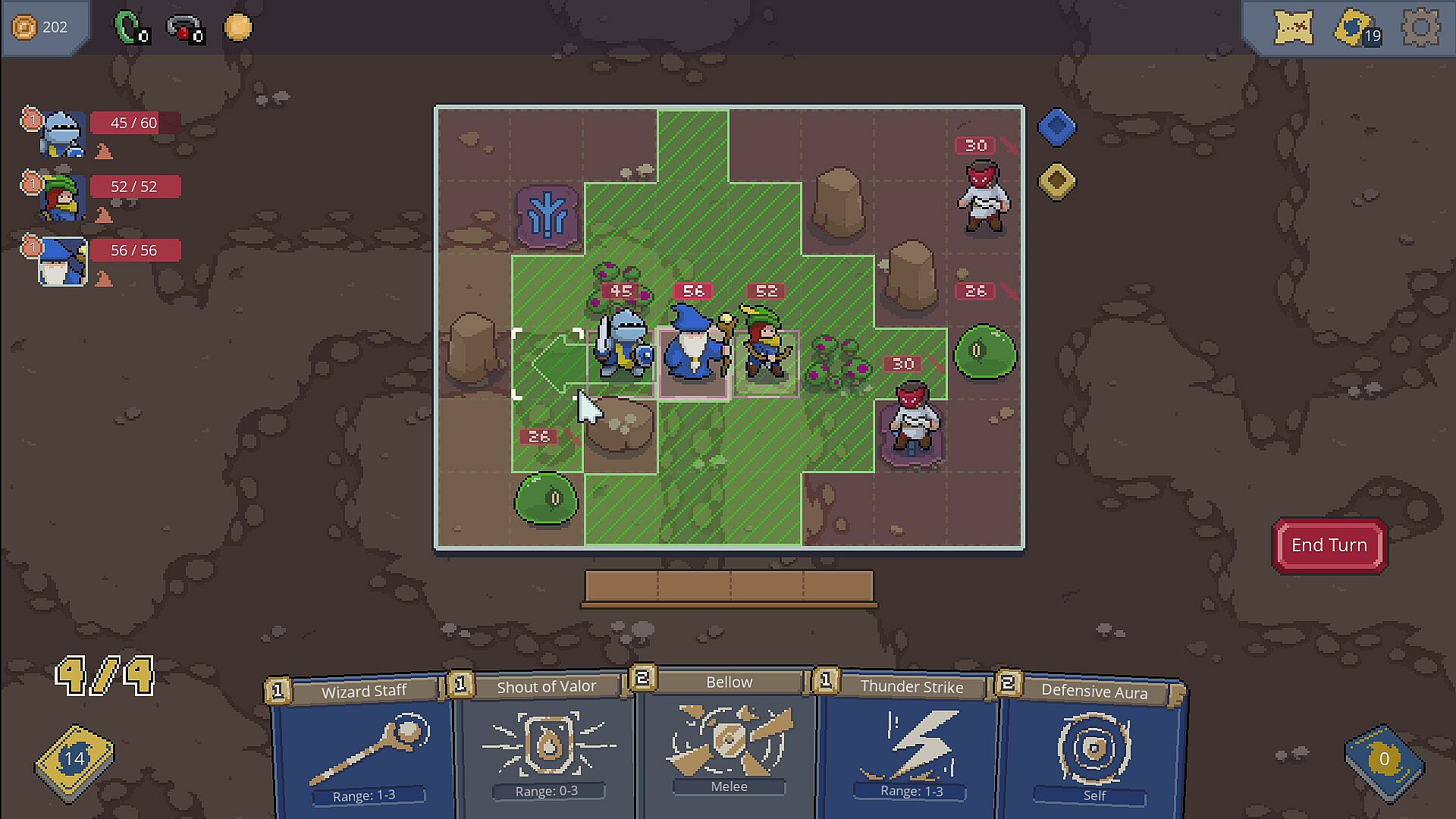
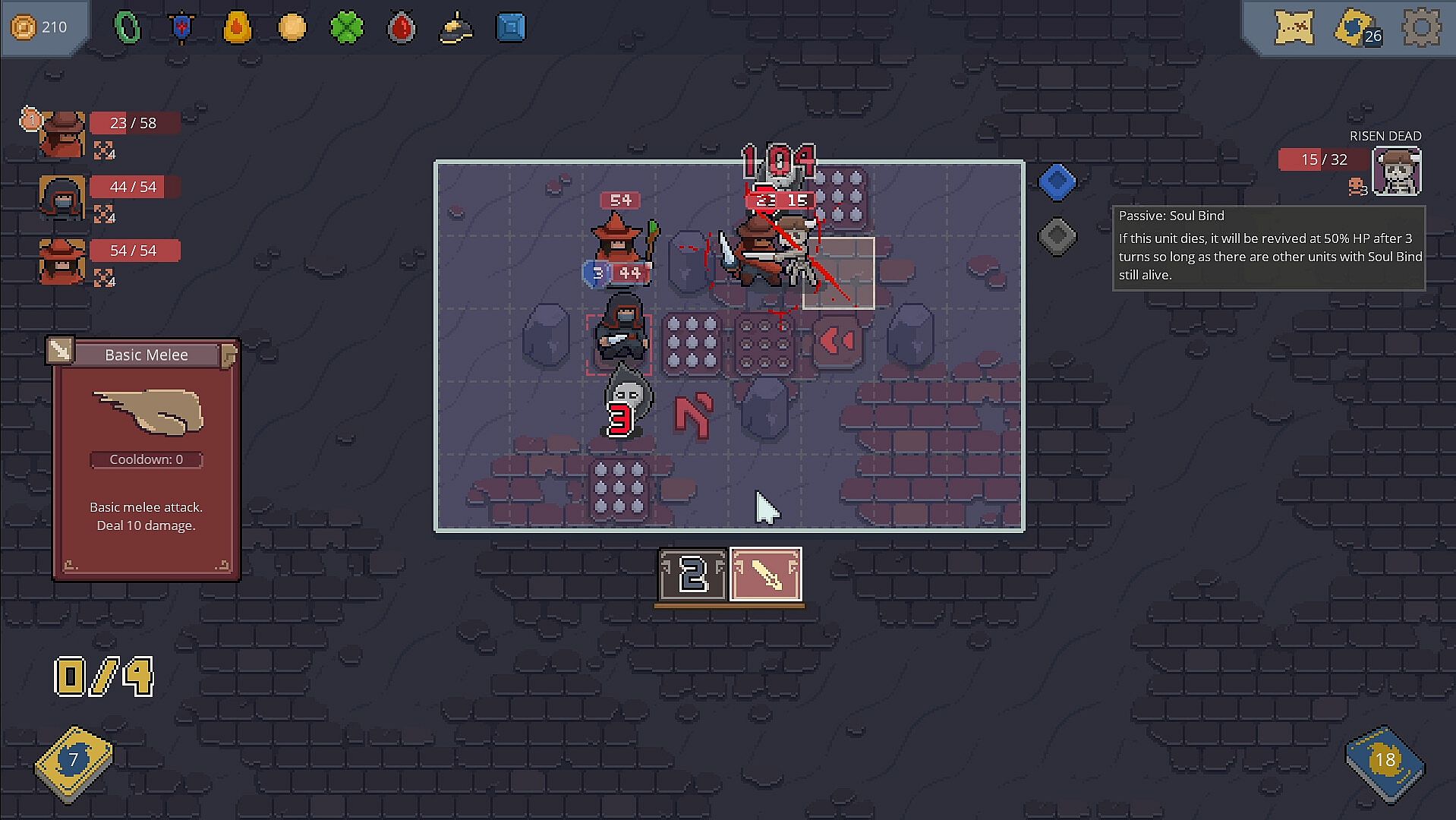
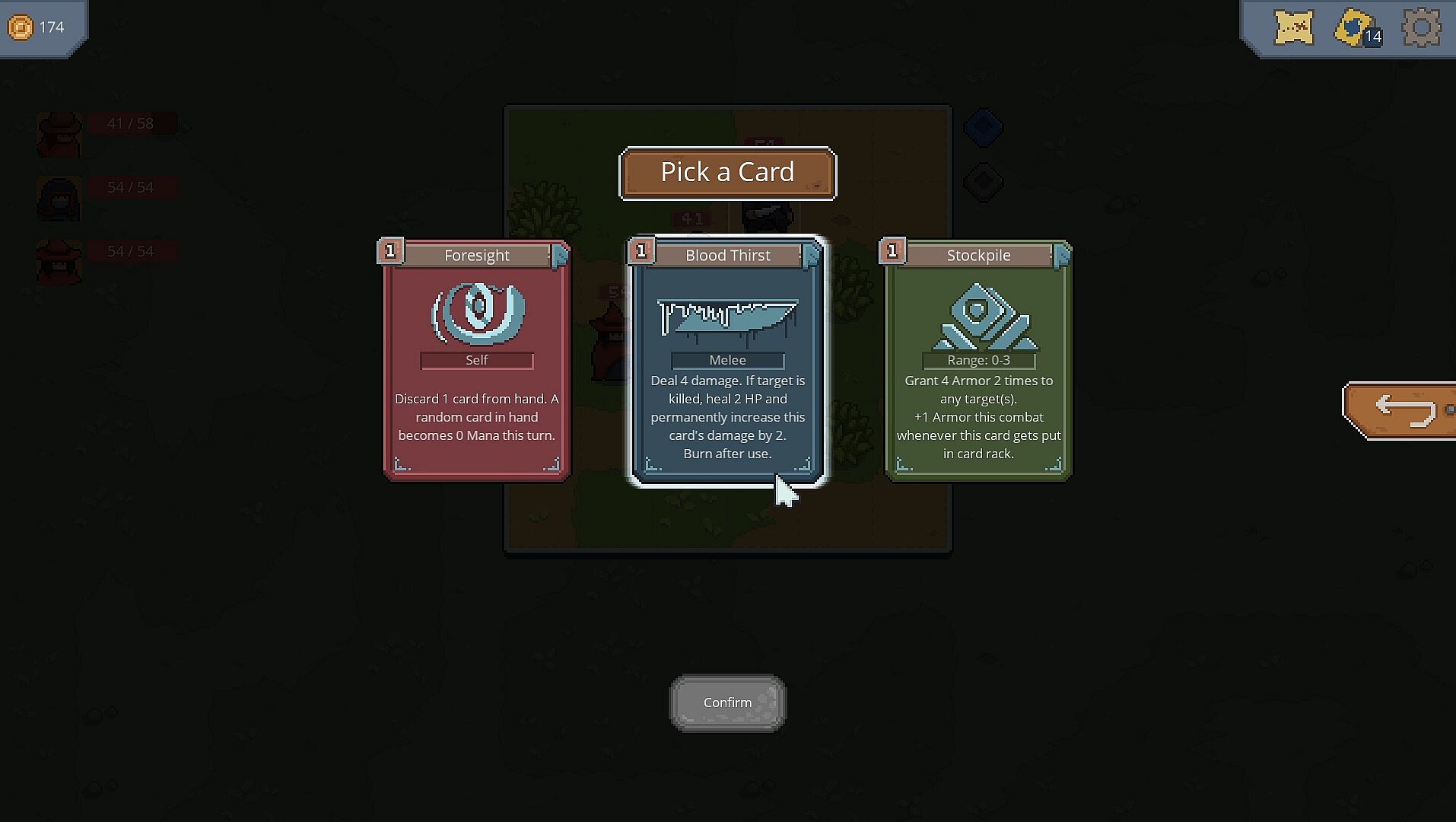
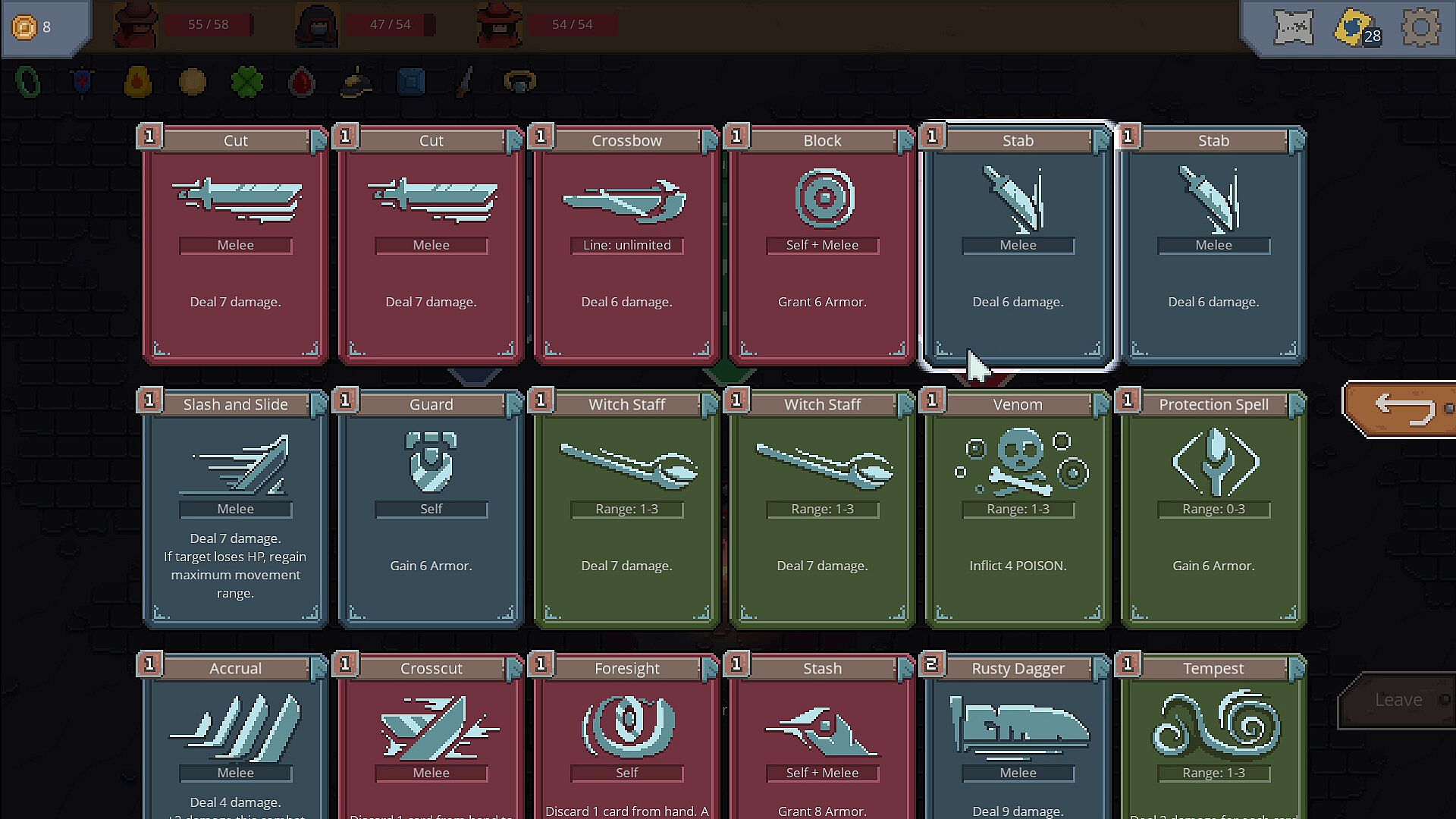
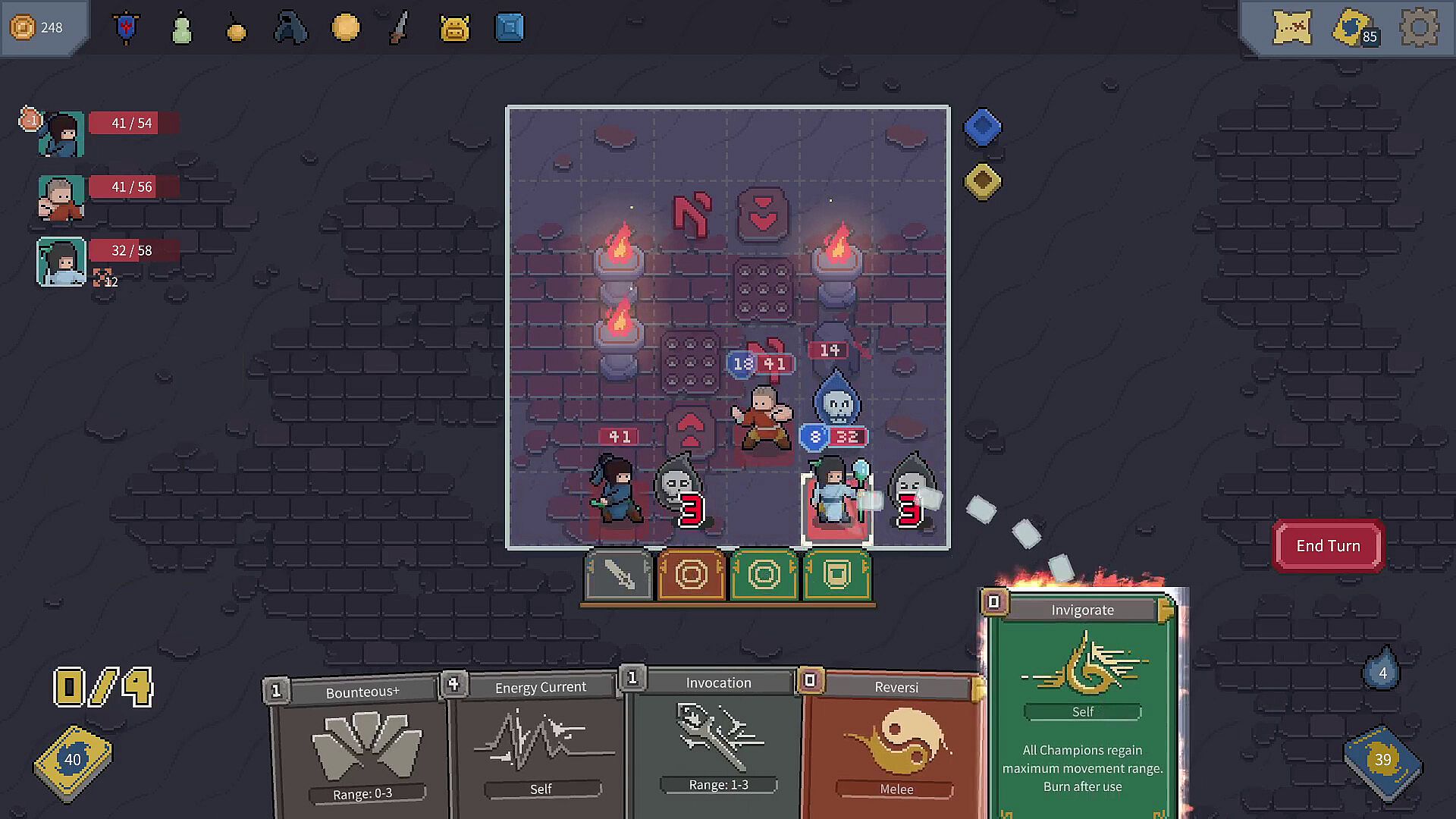
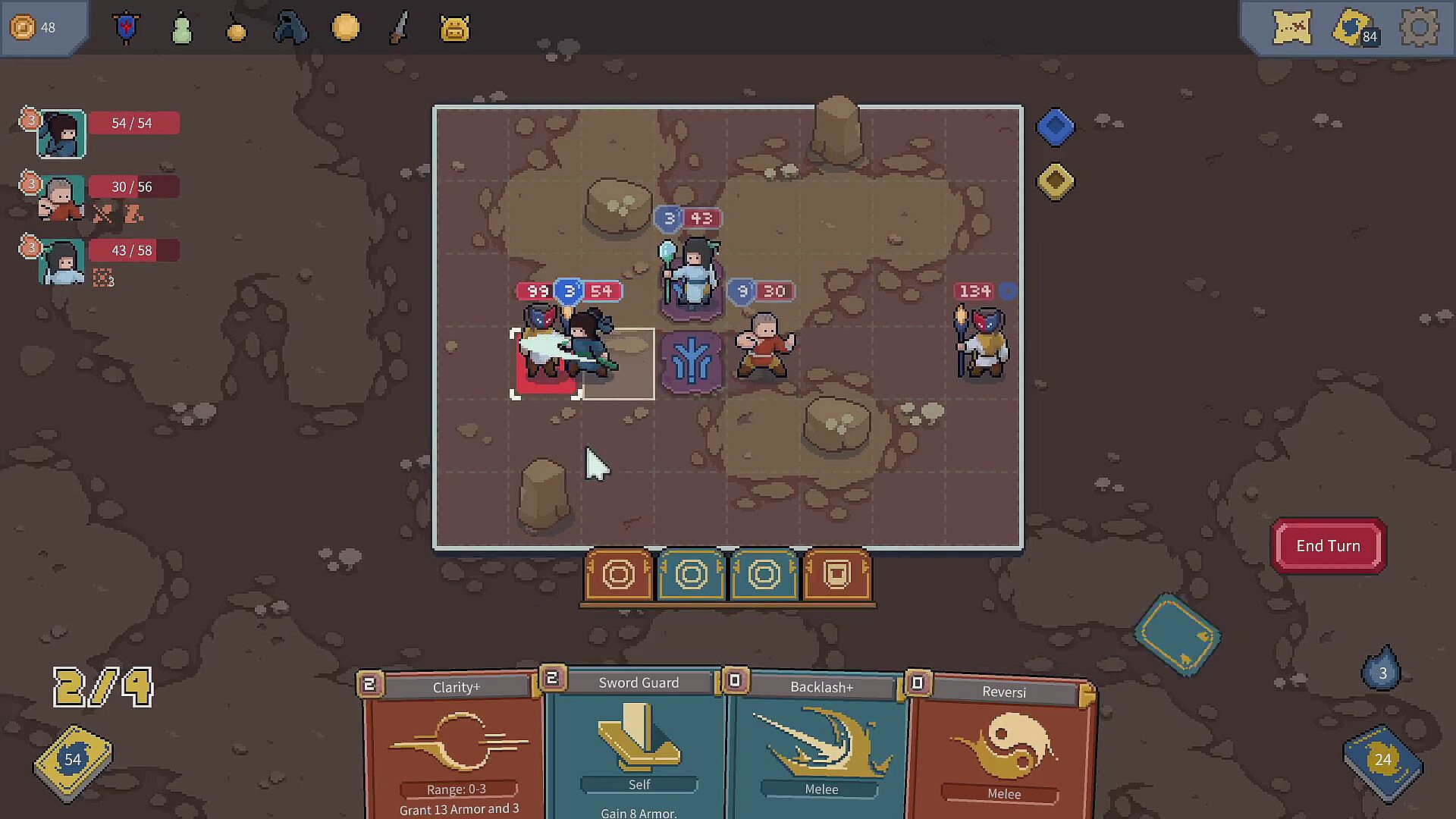
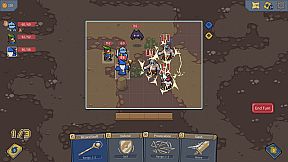
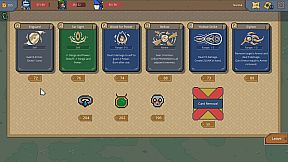
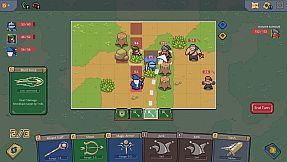
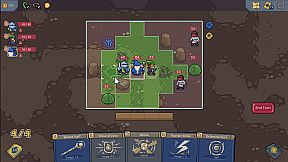
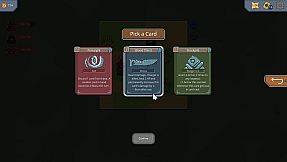
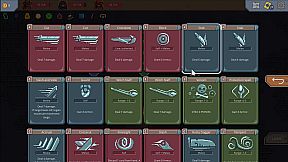
Combat unfolds as a skill-based card system where each champion brings a unique set of active and passive abilities. Players draft cards during runs to create synergistic combinations that counter varied enemies and bosses. The card rack mechanic lets users hold select cards for later turns, reducing reliance on random draws and rewarding forward planning. Relics collected along the way grant party-wide effects, some requiring specific conditions to activate, which adds layers to party management and resource decisions.
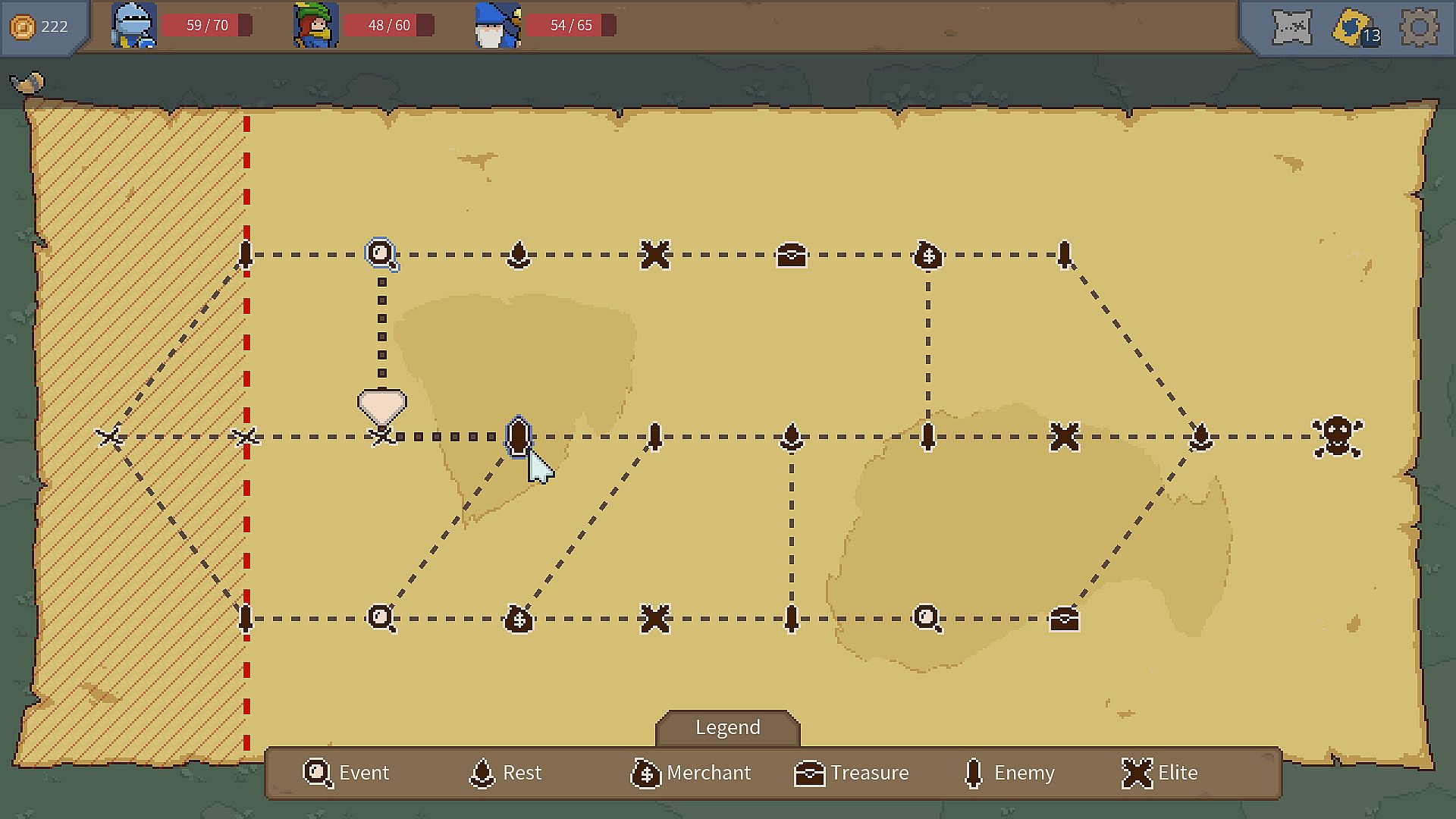
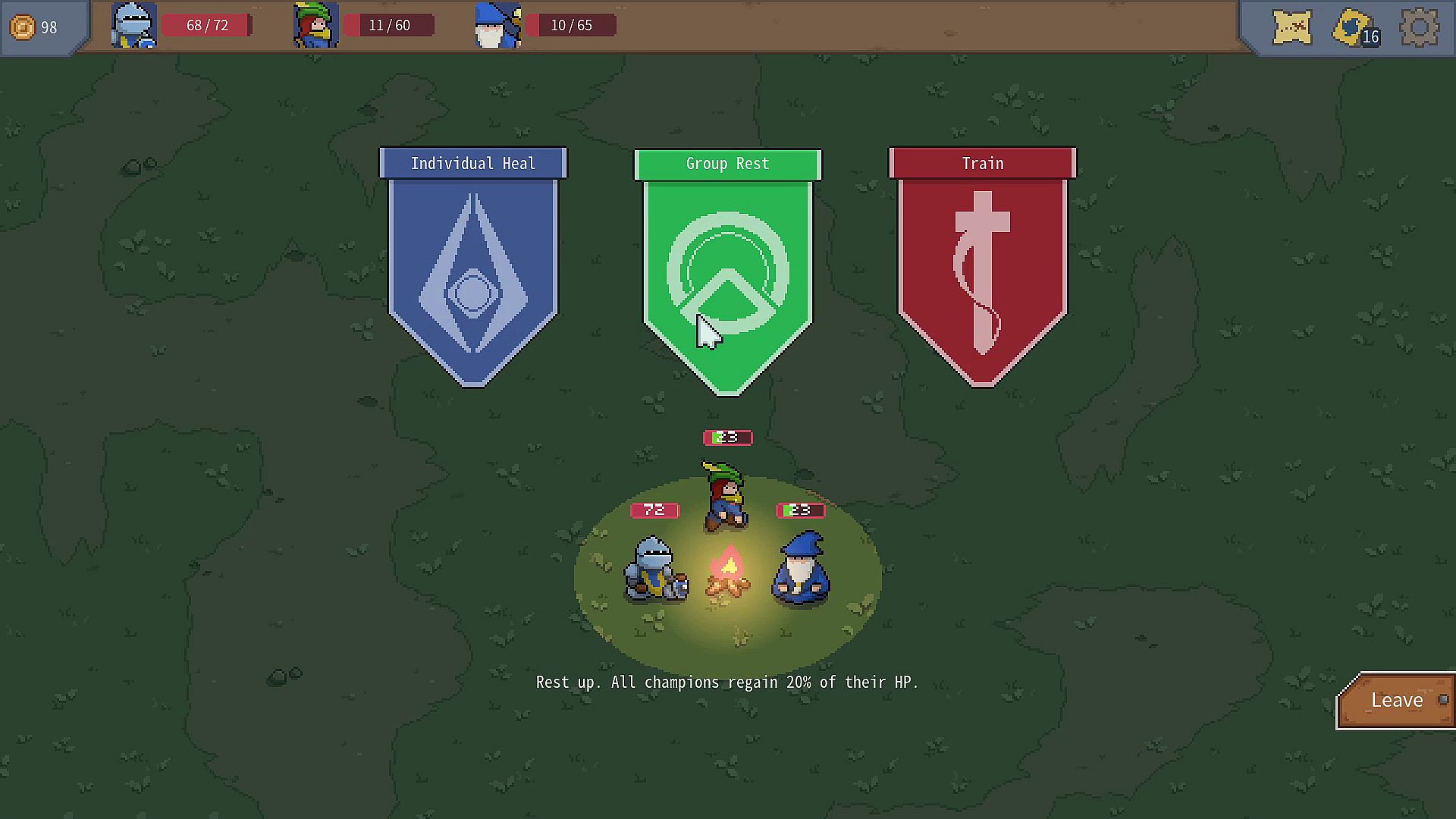
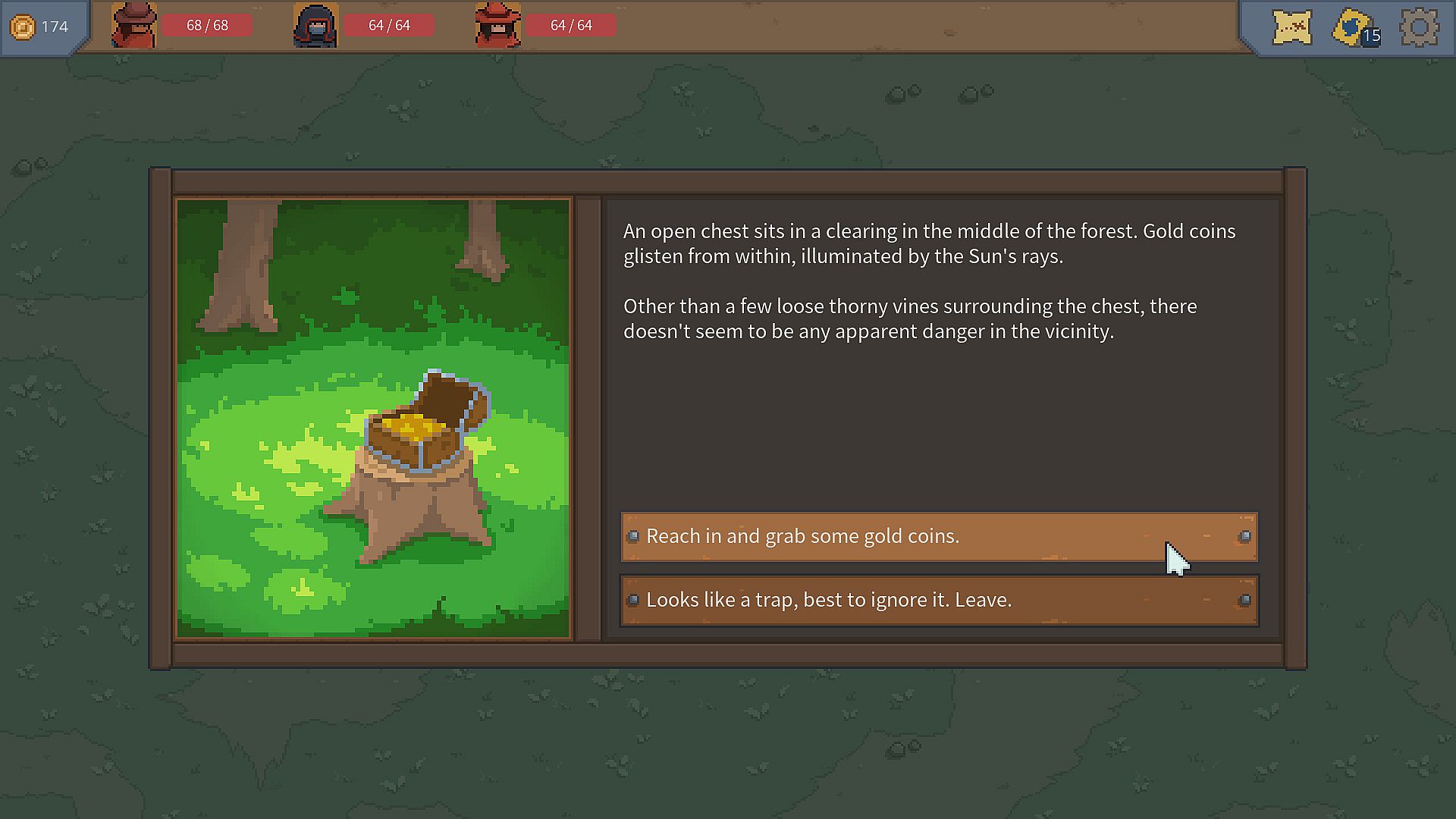
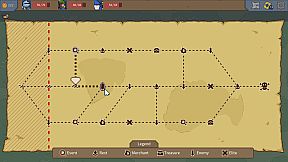
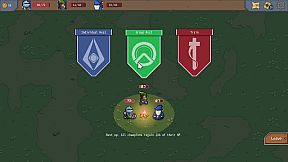
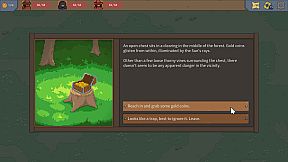
Exploration spans three distinct worlds filled with branching paths, hidden elements, and high-stakes encounters. Choices made at key points alter available options, enemy compositions, and rewards, encouraging repeated attempts to discover new combinations. Every run starts with faction and class selections that determine starting cards and playstyle, then evolves through unlocks and drafting sessions.
Game Modes
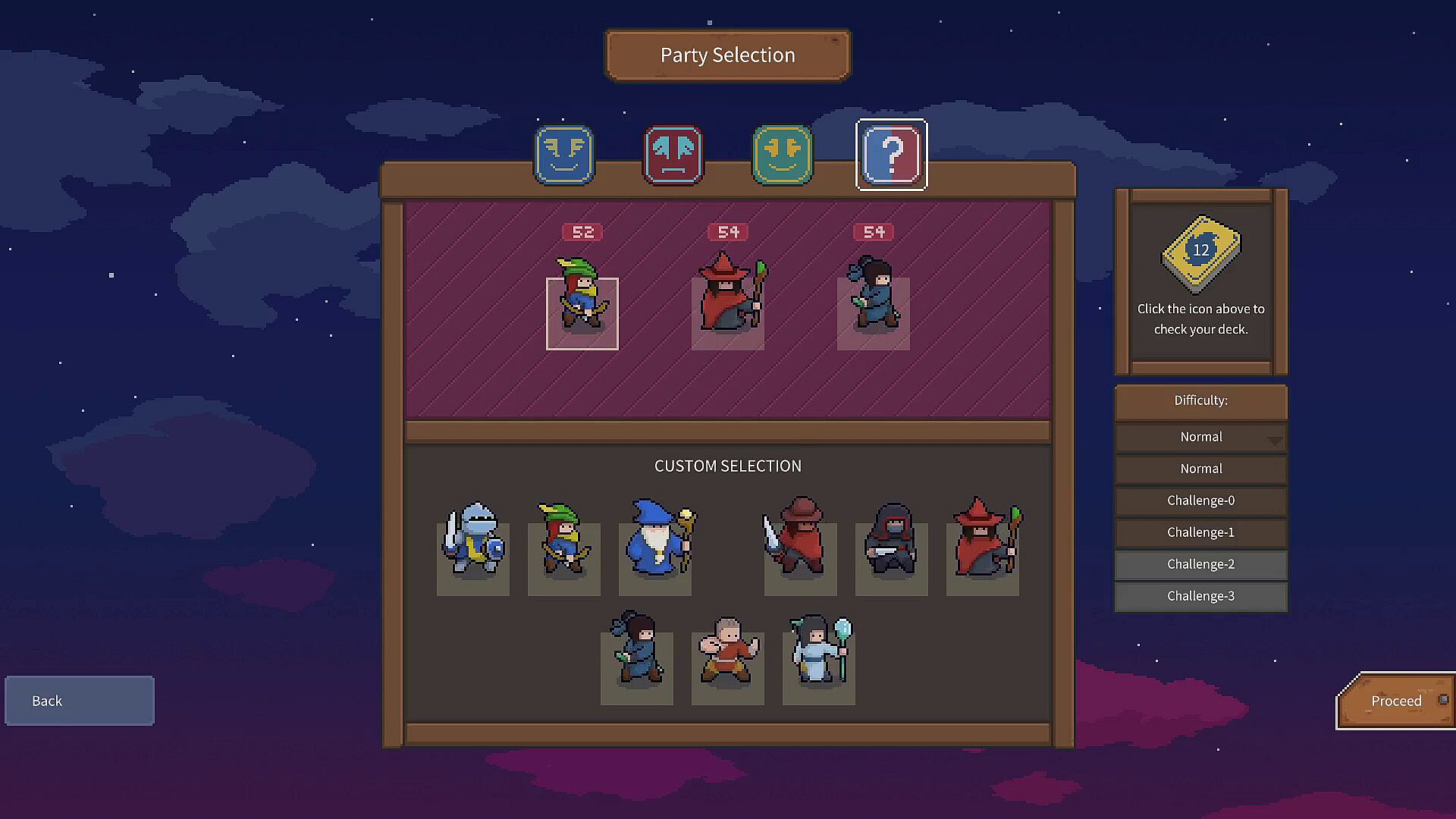
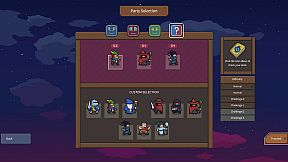
The experience revolves around single-player roguelite runs where the goal remains consistent: reach the end of each world and ultimately secure the Sigil. There are no separate competitive or cooperative modes, so all progression ties into refining strategies across successive attempts. Players select pre-made factions or mix classes freely at the start of each run, then adapt decks and relics based on what surfaces during the journey through the three worlds.
Each world concludes with a boss encounter that tests the accumulated deck and party setup. The structure emphasizes experimentation, as failed runs provide new cards, classes, and relics for future attempts without carrying over permanent progress beyond unlocks.
Factions, Classes, and Deck Building
Multiple factions and classes form the foundation for variety, with each champion holding dedicated cards that include both offensive options and supporting passives. Unlockable classes expand the pool over time, allowing fresh combinations on subsequent runs. Deck crafting focuses on synergy rather than raw power, as mismatched cards can leave a party vulnerable to specific threats encountered in the worlds.
Relics operate independently of individual champions, offering effects that benefit the full party or impose conditions for activation. This separation encourages players to consider overall composition when selecting paths and rewards.
Is It Worth Playing?
Reviews describe the title as a concise roguelite that delivers engaging deckbuilding and tactical combat for those drawn to strategy games with card mechanics. The mixed reception stems from its focused scope, with some players noting that the core loop holds interest for a handful of runs before repetition sets in. It suits individuals who value planning around the card rack and adapting to world choices over lengthy campaigns or multiplayer features.
Availability includes a demo for testing the combat and drafting systems before purchase. The game runs on standard PC hardware and supports multiple languages. Those seeking deep faction mixing and relic experimentation will find the most value, while players preferring extended content or varied modes may want to sample first.