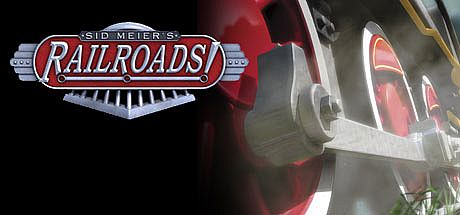


















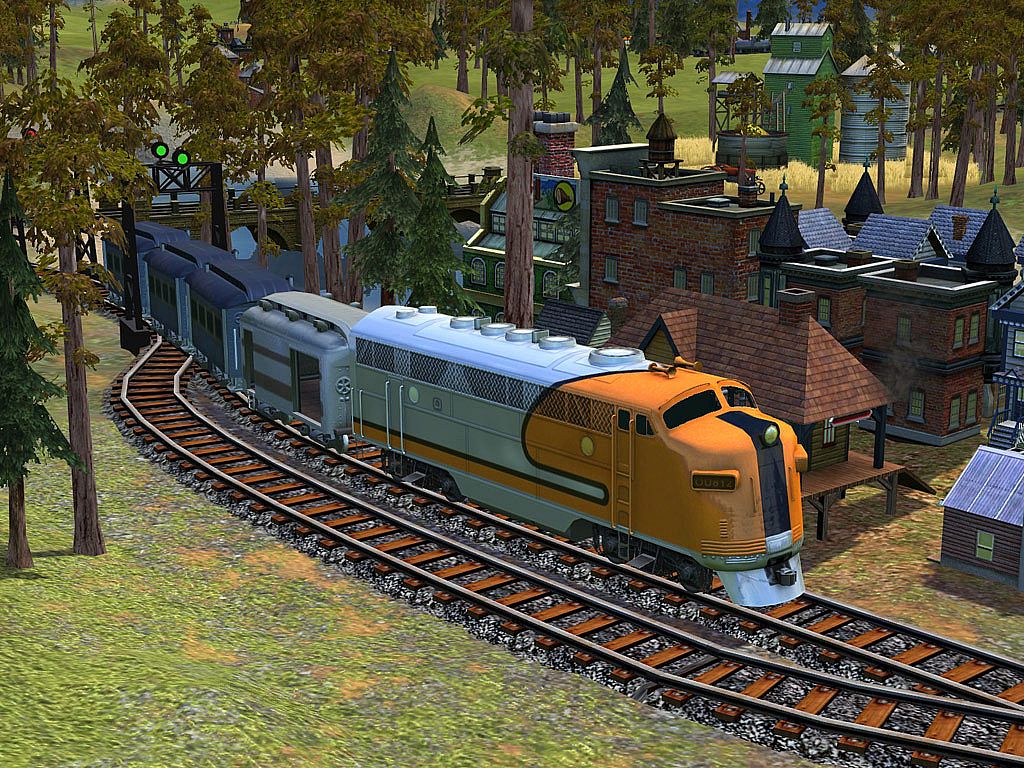
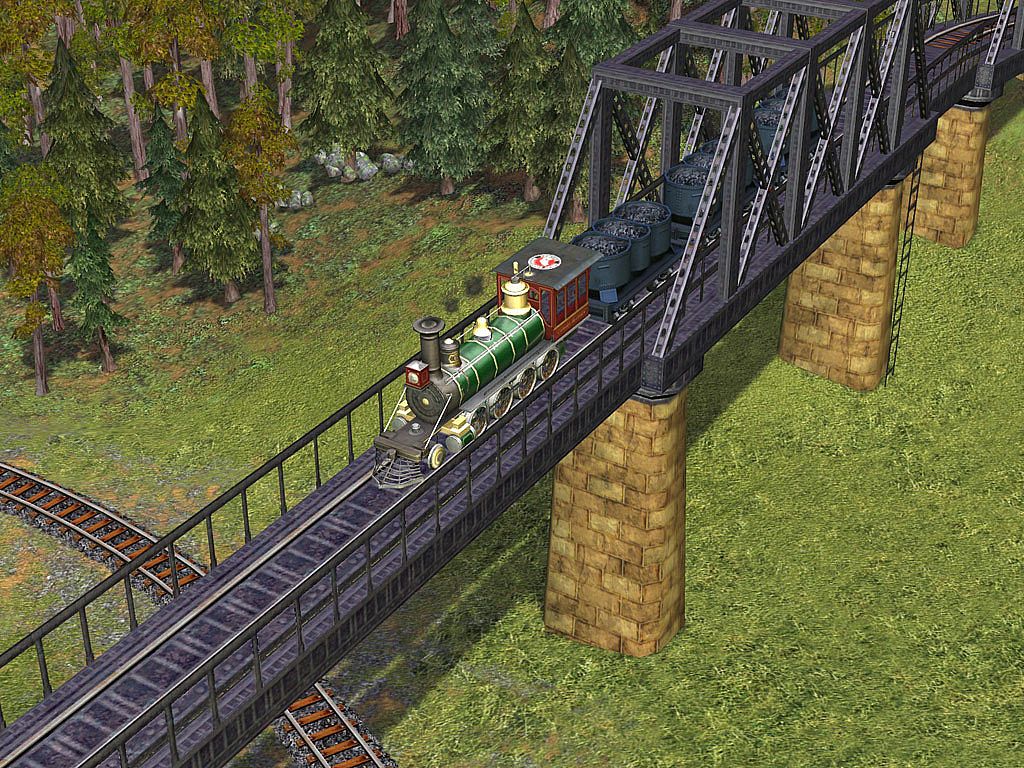
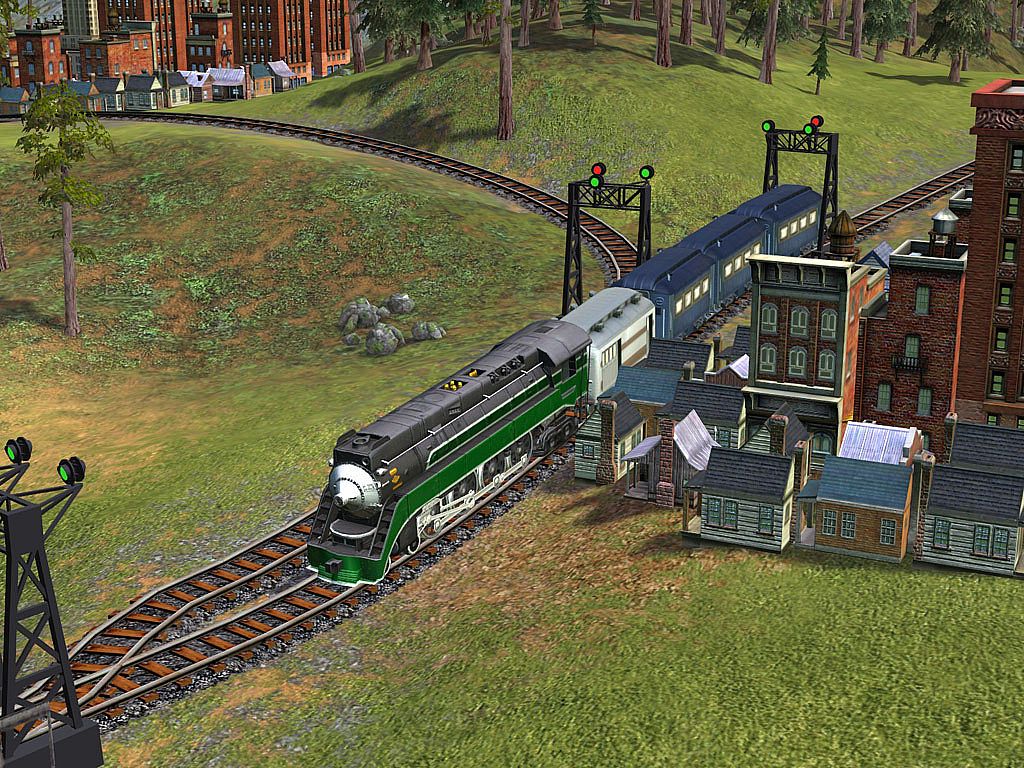
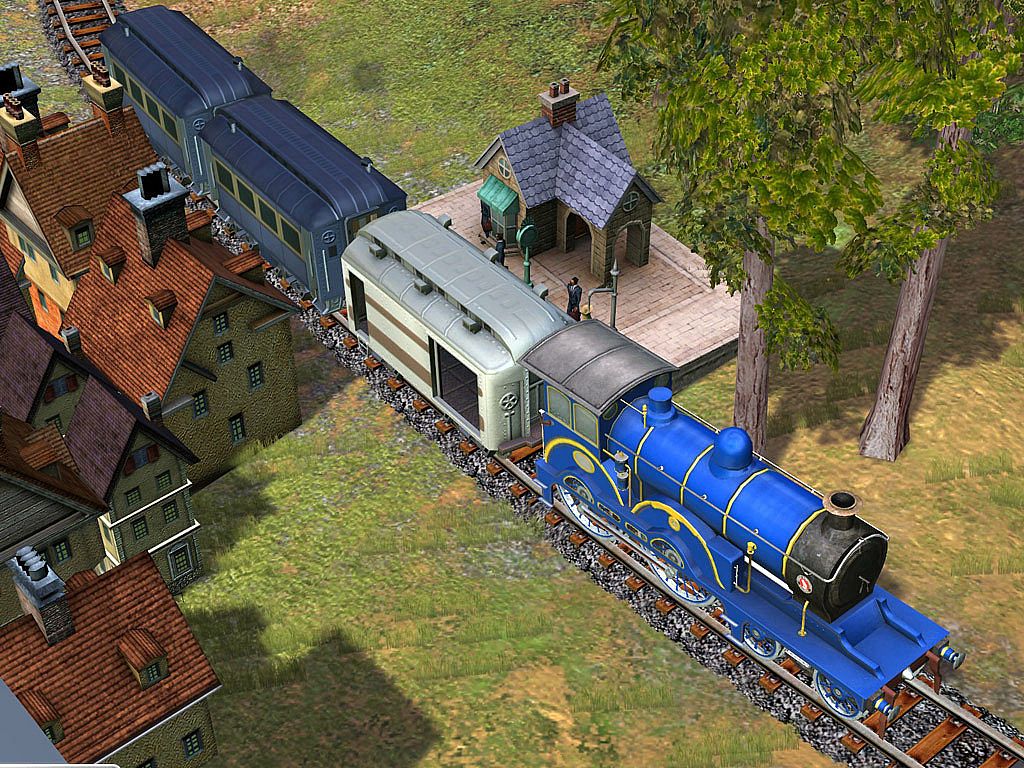
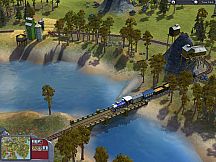
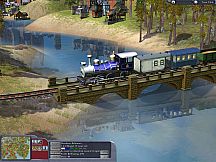
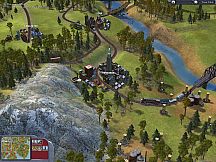
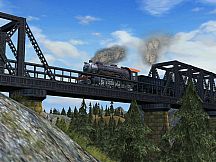
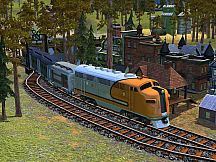
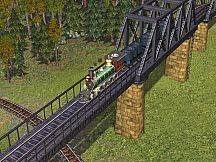
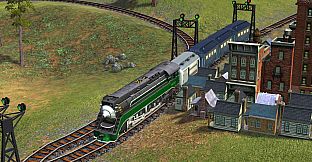
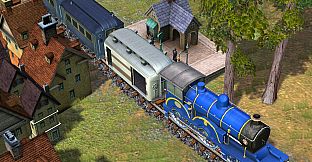
Sid Meier's Railroads! is a strategy game in the business simulation and tycoon genre. Players build and manage railroad networks across historical settings while handling cargo transport, industry development, and competition from rival companies.
Gameplay
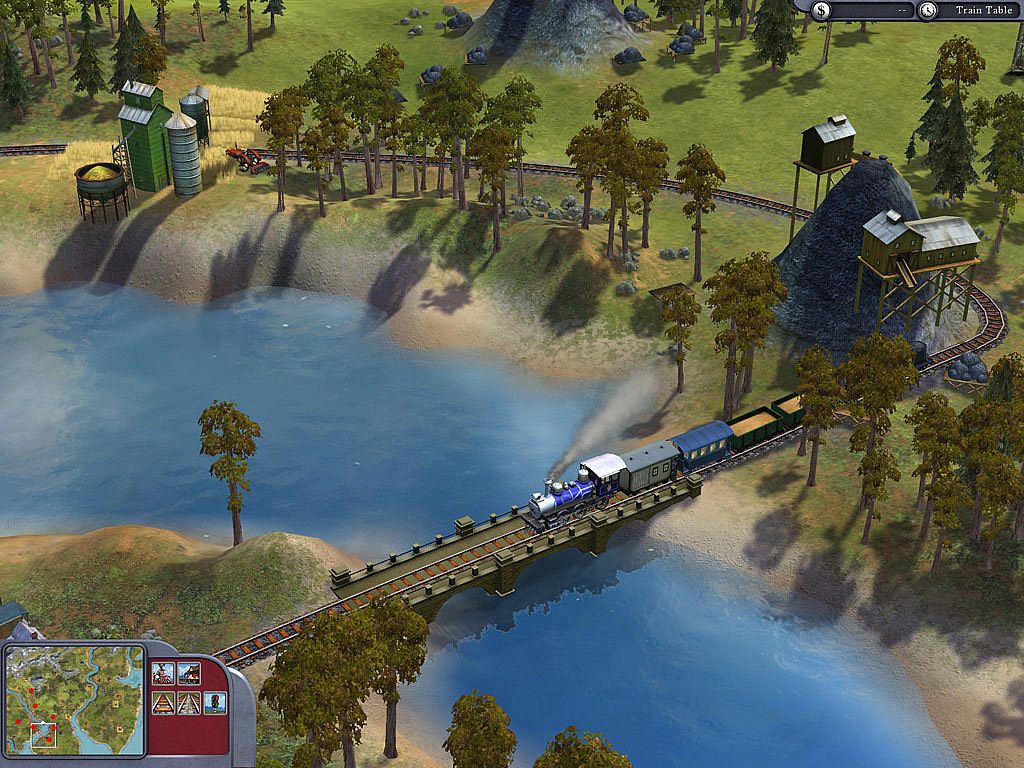
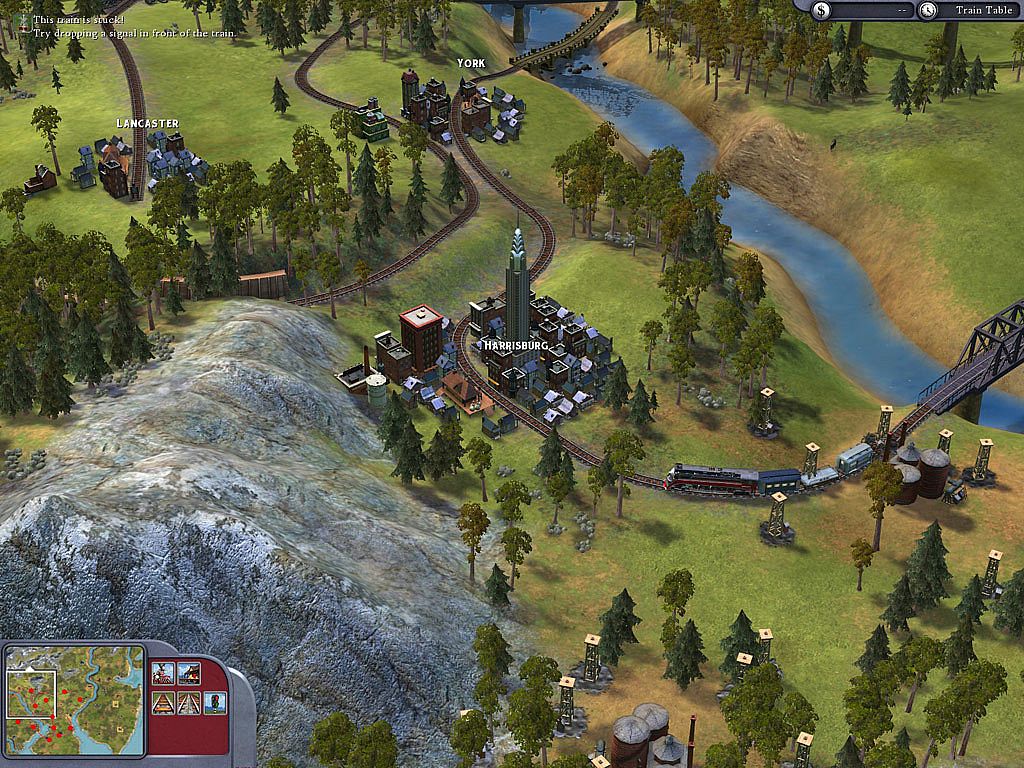
The core loop centers on constructing rail lines in a fully three-dimensional environment. Track placement is automated for efficiency, allowing focus on strategic routing through varied terrain such as hills, rivers, and mountains. Trains carry resources like wood, cattle, coal, and oil between locations, feeding into industries that process materials into finished goods.
Economics drive decisions at every stage. Players bid in auctions for new technologies, gaining exclusive use for a period, and for ownership of industries in cities. Owning and upgrading these facilities provides ongoing revenue from deliveries. The system emphasizes connecting primary resources to secondary processing chains for higher profits, while managing train schedules to avoid congestion on shared or single tracks.
Corporate competition adds tension through direct rivalry. Opponents build parallel networks, and players can purchase stock in rival companies to earn from their operations. The interface streamlines many management tasks compared to earlier simulations, making the experience accessible yet demanding in long-term planning and adaptation to market shifts.
Game Modes
Single-player content revolves around 16 scenarios set in locations including the Northeast and Western United States, England, and Western Europe. Each scenario presents specific goals, time pressures, and starting conditions that test rail expansion and financial growth against AI opponents.
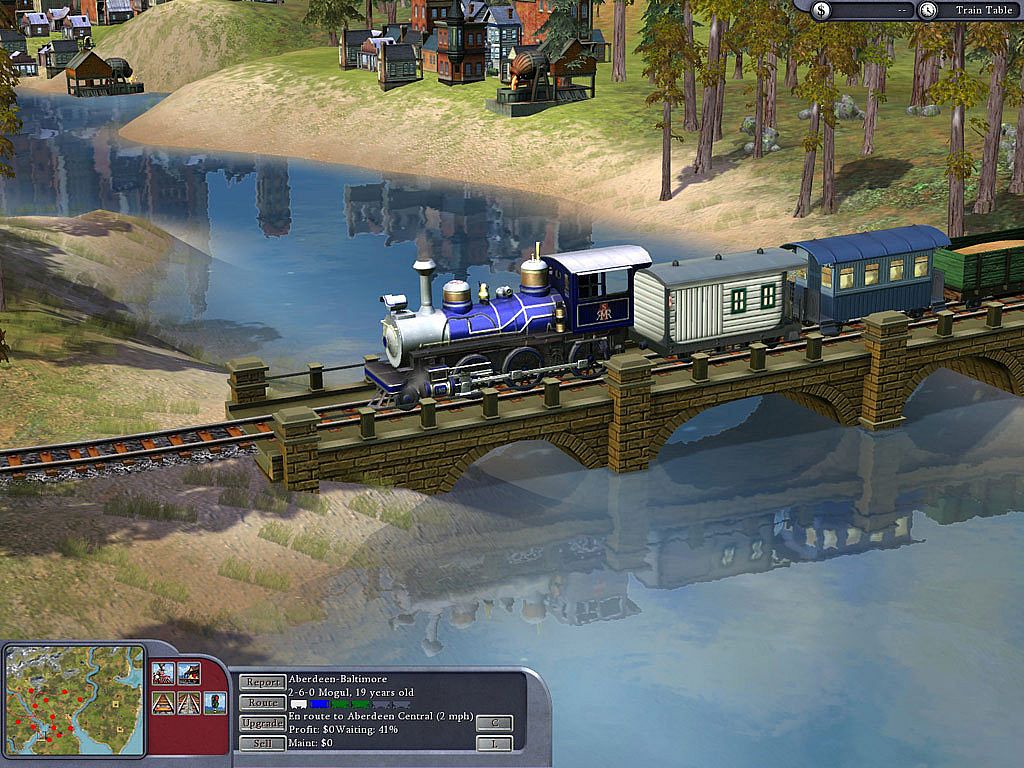
Train Table mode functions as an open sandbox. It removes time limits, financial constraints, and rival competition, letting players experiment freely with track layouts, engine selections from a roster of 40 real-life locomotives, and industry networks without external pressure.
Multiplayer supports up to four participants through local area network connections only. Games combine human and AI players in competitive rail empire building, with the same economic and construction rules applied across shared maps.
Core Mechanics and Systems
Resource management extends beyond simple transport. Industries upgrade over time when consistently supplied, increasing output rates. Players can buy existing facilities or establish new ones to capture delivery bonuses. Track systems support single, double, or triple lines, with signals placed automatically at junctions to regulate traffic flow.
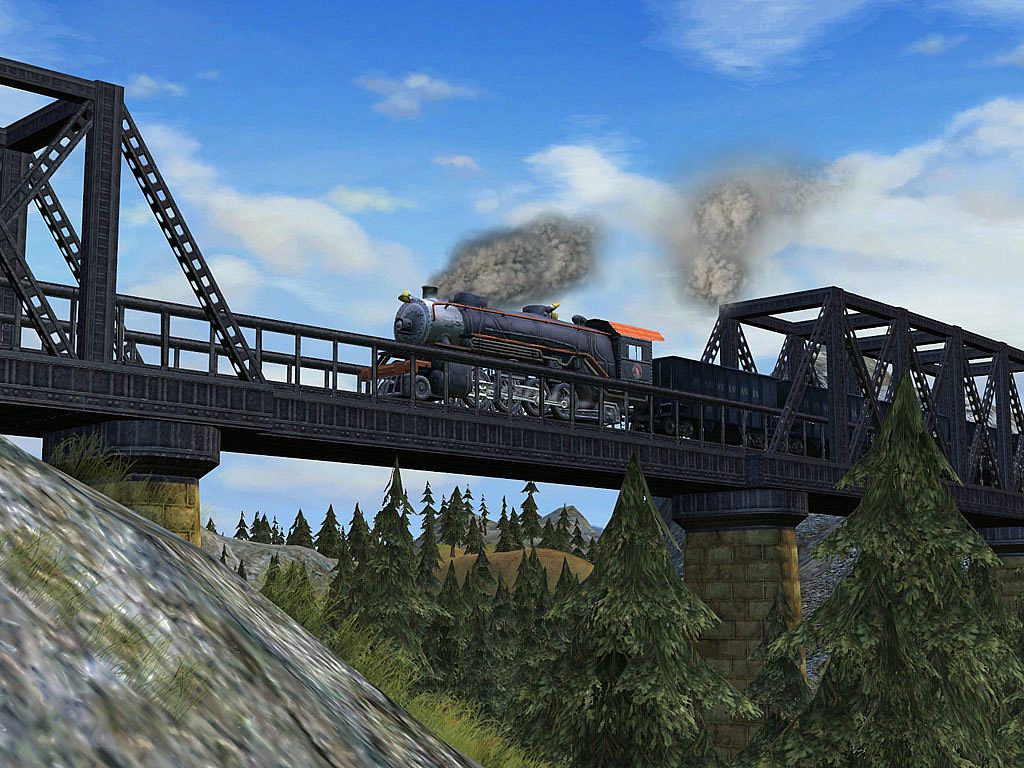
Technology progression occurs through auctions rather than linear unlocks. Securing early bids on engines or infrastructure improvements creates temporary advantages in speed or capacity. Terrain compression in the game world makes route choices more tactical, as long straightaways are limited and earthworks or bridges become frequent necessities.
Is It Worth Playing?
The game appeals to players who enjoy economic strategy titles focused on infrastructure and logistics. Its streamlined controls and 3D presentation reduce some of the complexity found in prior entries in the series while retaining depth in cargo chains and competitive bidding.
Single-player scenarios provide structured challenges with clear objectives, while Train Table mode supports unrestricted creativity for those who prefer building without opposition. LAN multiplayer offers head-to-head sessions for small groups interested in direct rivalry.
Availability remains on PC platforms with the original feature set intact, including the LAN-only multiplayer option. The title suits enthusiasts of tycoon-style management who value planning rail networks and optimizing industrial supply lines over fast-paced action or ongoing seasonal content.