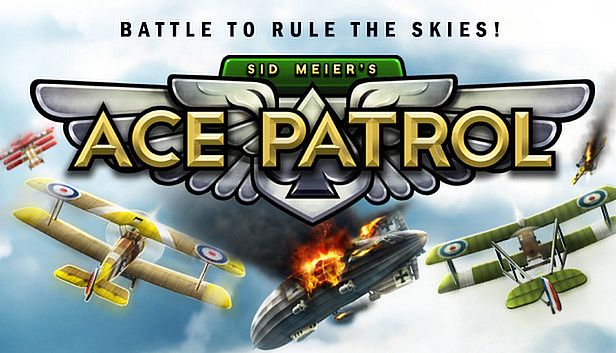














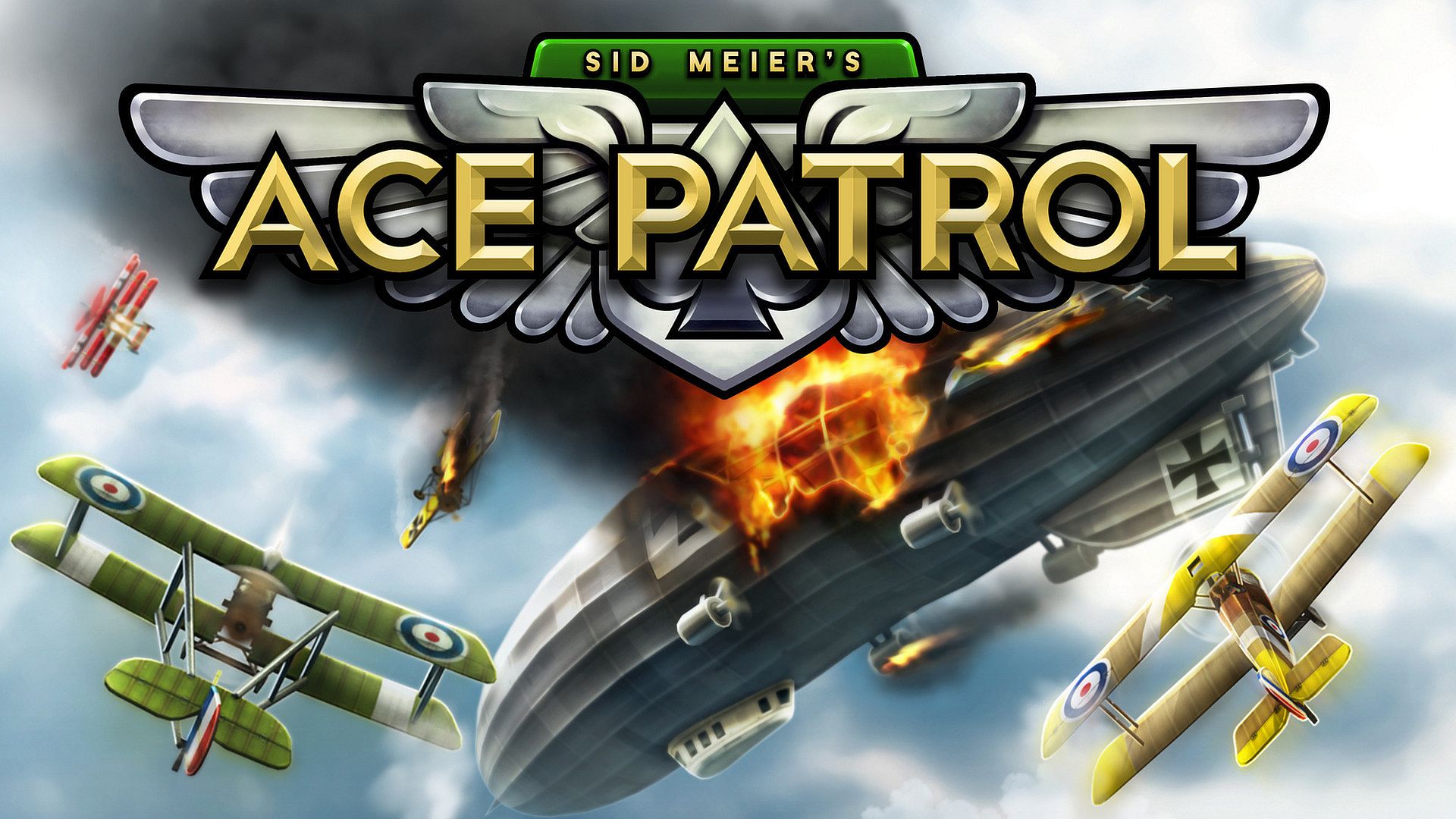
Sid Meier's Ace Patrol is a casual strategy game set during World War I that places players in command of fighter squadrons over the skies of Europe. The title emphasizes turn-based aerial combat with authentic aircraft from the period, where positioning, altitude, and pilot skill determine the outcome of each engagement. Developed by Firaxis Games and released for PC, it combines historical aircraft models with straightforward progression systems that reward careful mission planning and pilot development.
Gameplay
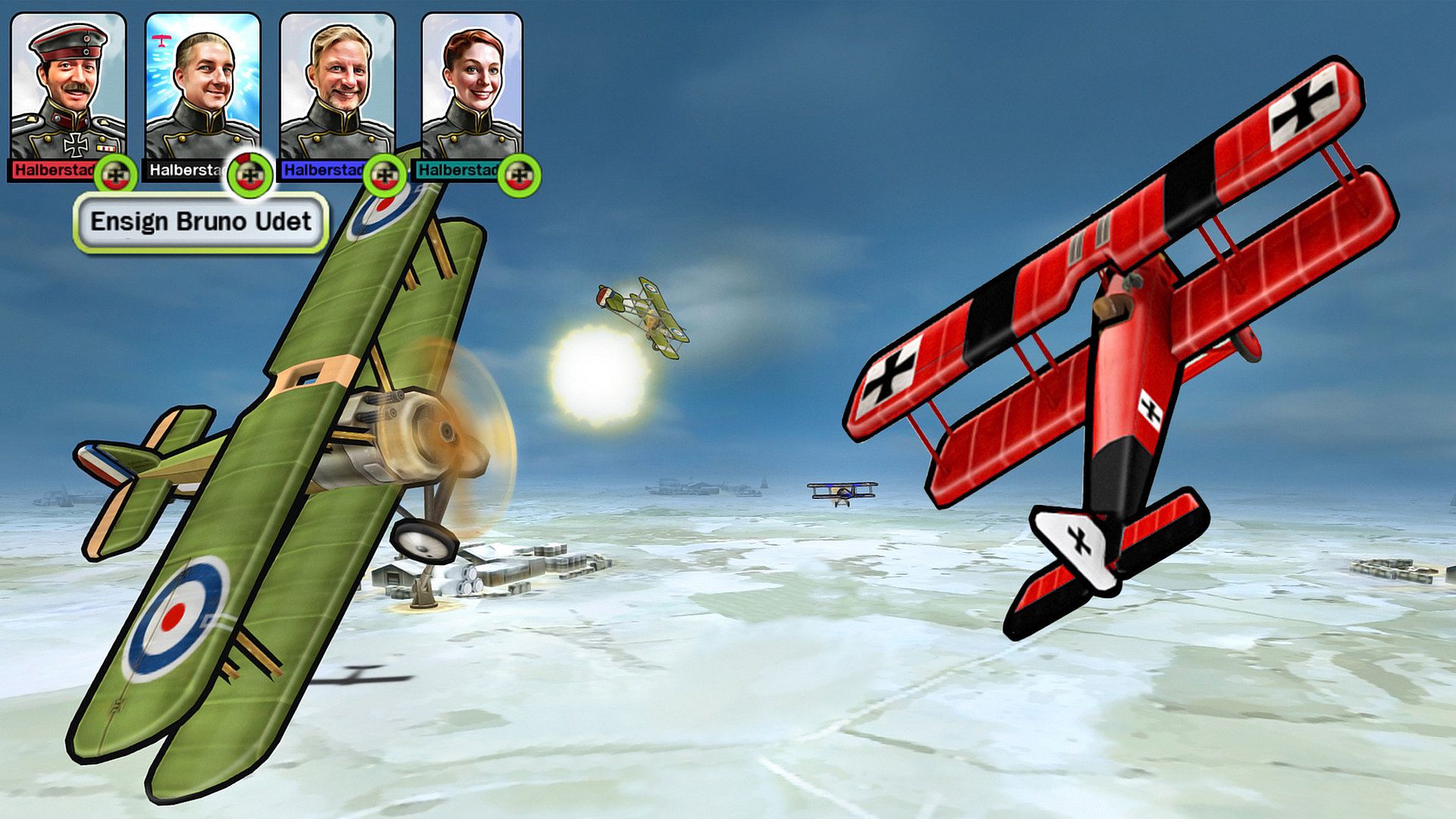
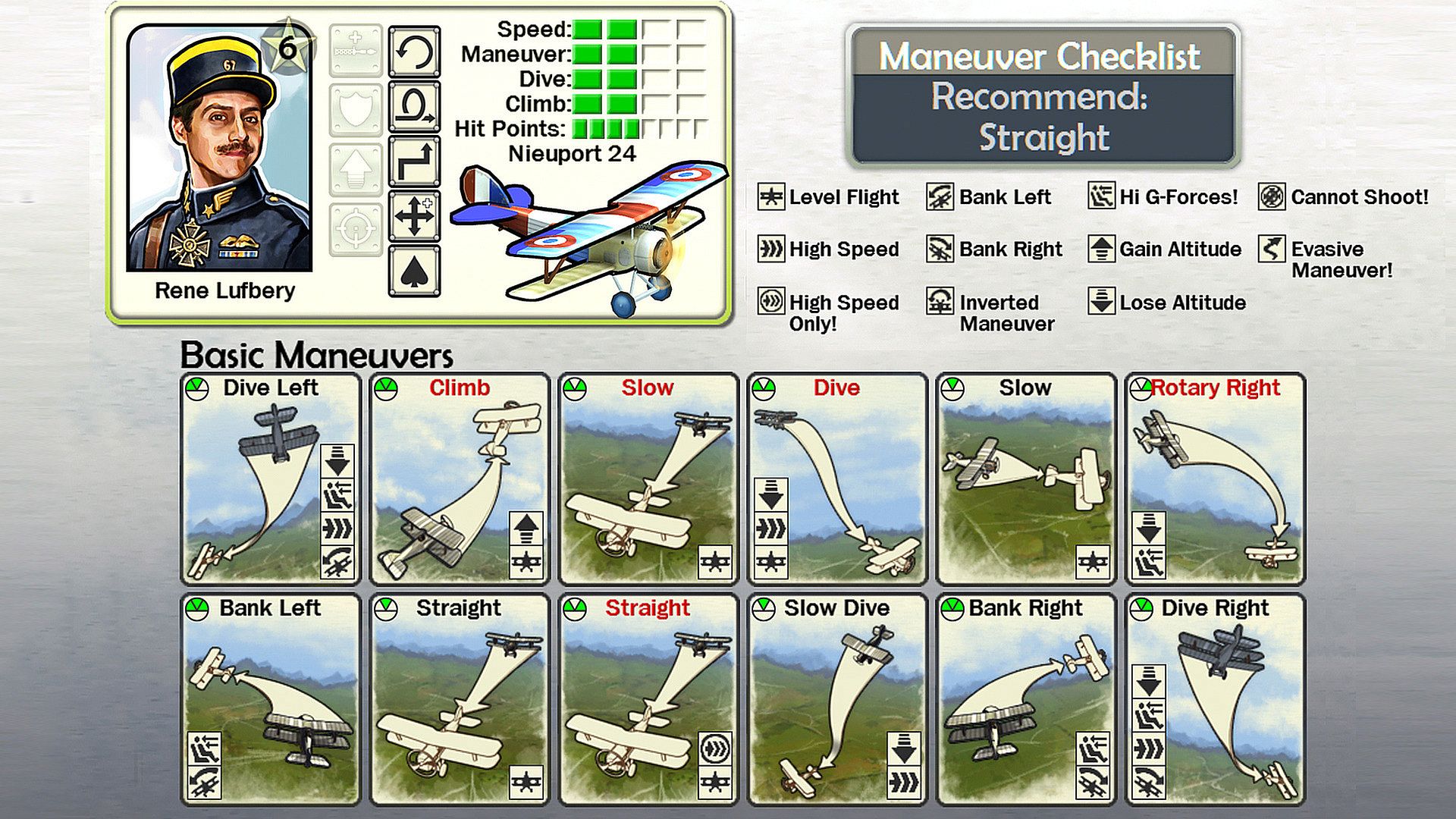
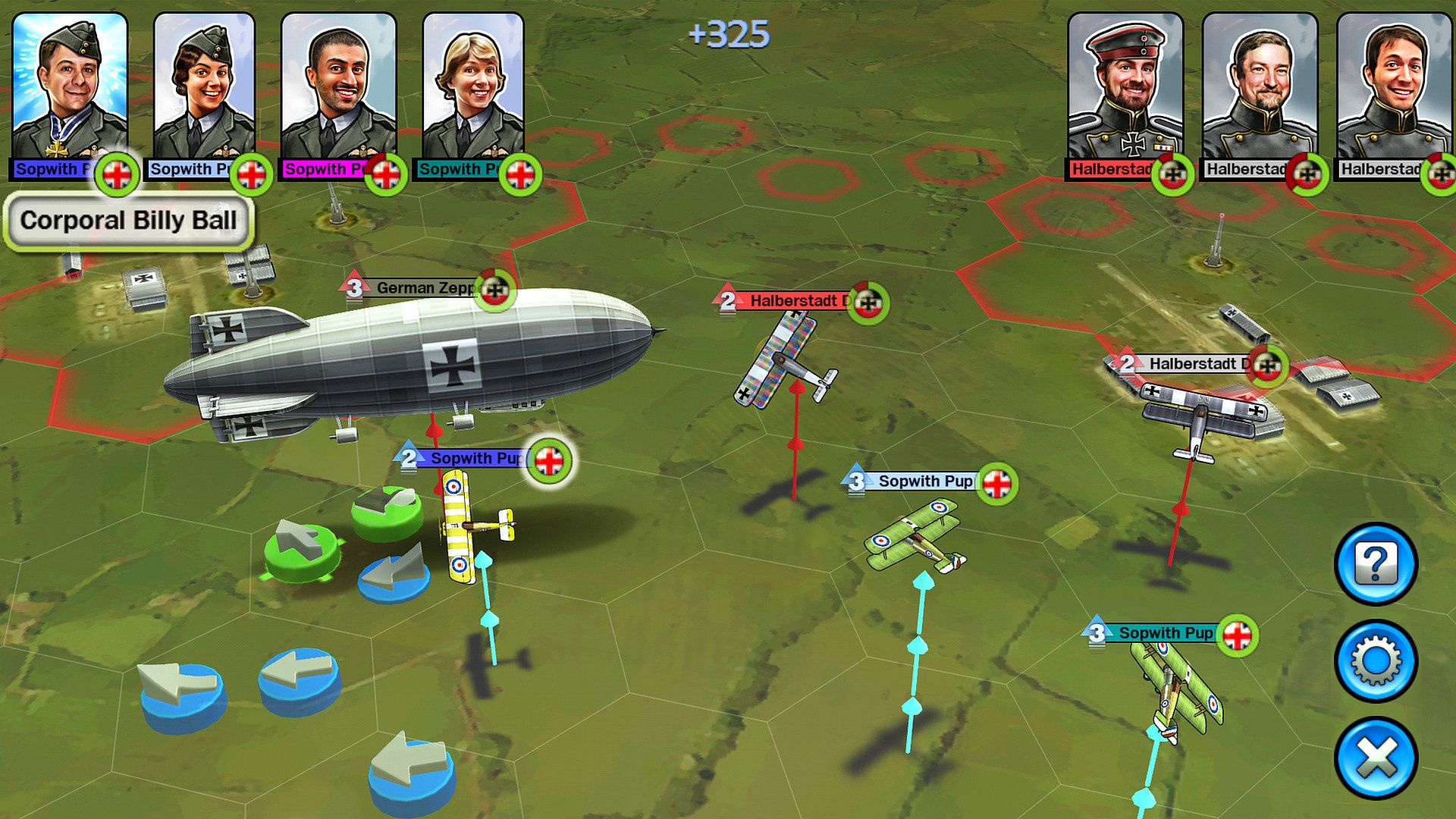
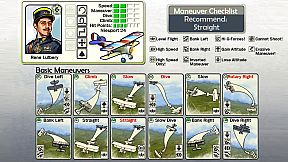
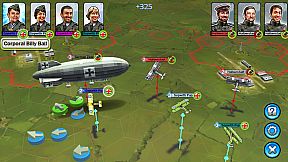
Core mechanics revolve around turn-based dogfights on simplified maps where each plane follows movement arrows influenced by its current altitude, speed, and the pilot's experience level. Players select maneuvers such as rolls, loops, and slips to gain advantageous positions or evade incoming fire. Clouds provide temporary concealment, while flying too close to enemy ground positions risks antiaircraft fire that can damage or destroy aircraft mid-mission. Resource management includes assigning pilots to missions, upgrading plane equipment for better performance, and earning promotions that unlock new skills for individual aces. These skills expand tactical options across repeated sorties, allowing experienced pilots to execute more complex flight paths or recover faster from damage.
Campaign progression tracks overall squadron performance through a series of linked missions. Success improves pilot ratings and unlocks additional aircraft types, while repeated failures can limit available upgrades. The system encourages replaying earlier missions to refine tactics before advancing to tougher objectives that involve larger formations or more aggressive enemy behavior.
Game Modes
The primary experience comes from the single-player campaign, which spans more than 180 missions built around historical WWI scenarios. Each mission presents specific objectives such as escorting bombers, intercepting enemy patrols, or dominating a sector of airspace. Leaderboards track performance metrics like mission completion time and enemy planes downed, adding a competitive layer even in solo play.
Hot seat multiplayer allows two players to alternate turns on the same device during dedicated mission sets. These scenarios mirror the campaign structure but focus on direct head-to-head confrontations without the overarching progression system. Leaderboards also support these matches, recording results for comparison across sessions.
Aircraft and Progression
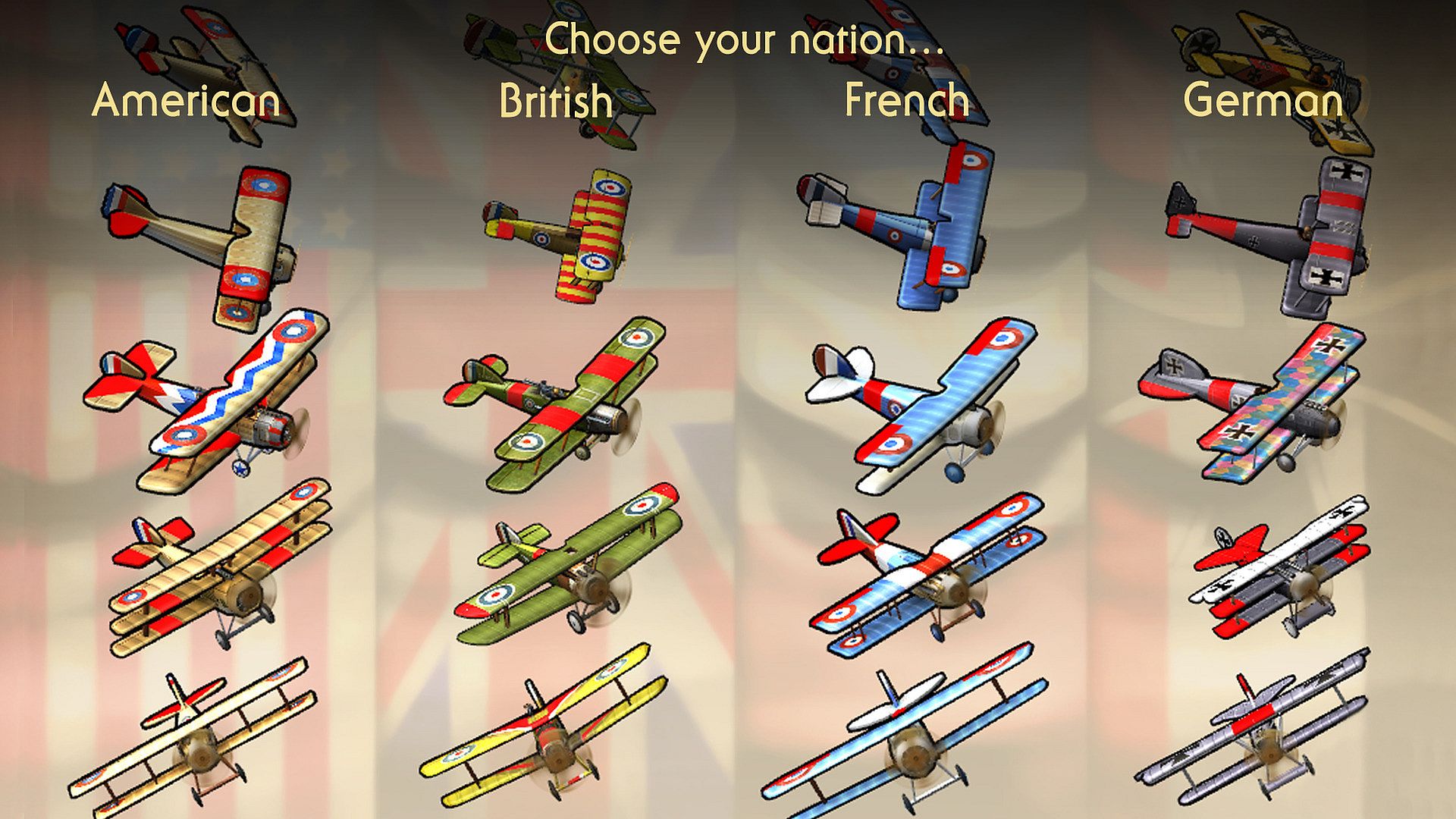
Thirty different WWI fighter designs appear in the game, each with distinct handling characteristics tied to real-world performance data. Early missions restrict players to basic models, while later stages introduce upgraded variants or entirely new types unlocked through campaign advancement. Equipment upgrades improve aspects such as speed, maneuverability, or armament, and these changes carry forward across missions once applied. Pilot promotion follows a similar track, granting specialized abilities that complement particular aircraft strengths and encourage experimentation with different squadron compositions.
Is It Worth Playing?
The game holds a Mostly Positive rating on its primary distribution platform based on several hundred user reviews, reflecting steady appreciation for its accessible take on aerial strategy. It suits players who enjoy deliberate, turn-based decision making over fast-paced action and who appreciate the historical setting of World War I aviation without requiring deep simulation knowledge. No major updates or ongoing seasonal content have been released in recent years, so the experience remains exactly as launched. Those seeking a compact strategy title with clear progression and light multiplayer options will find the core loop engaging, especially if they prefer shorter sessions that still reward tactical planning and incremental improvement of their squadron.