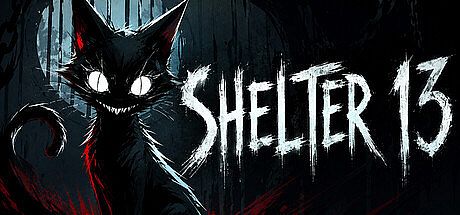


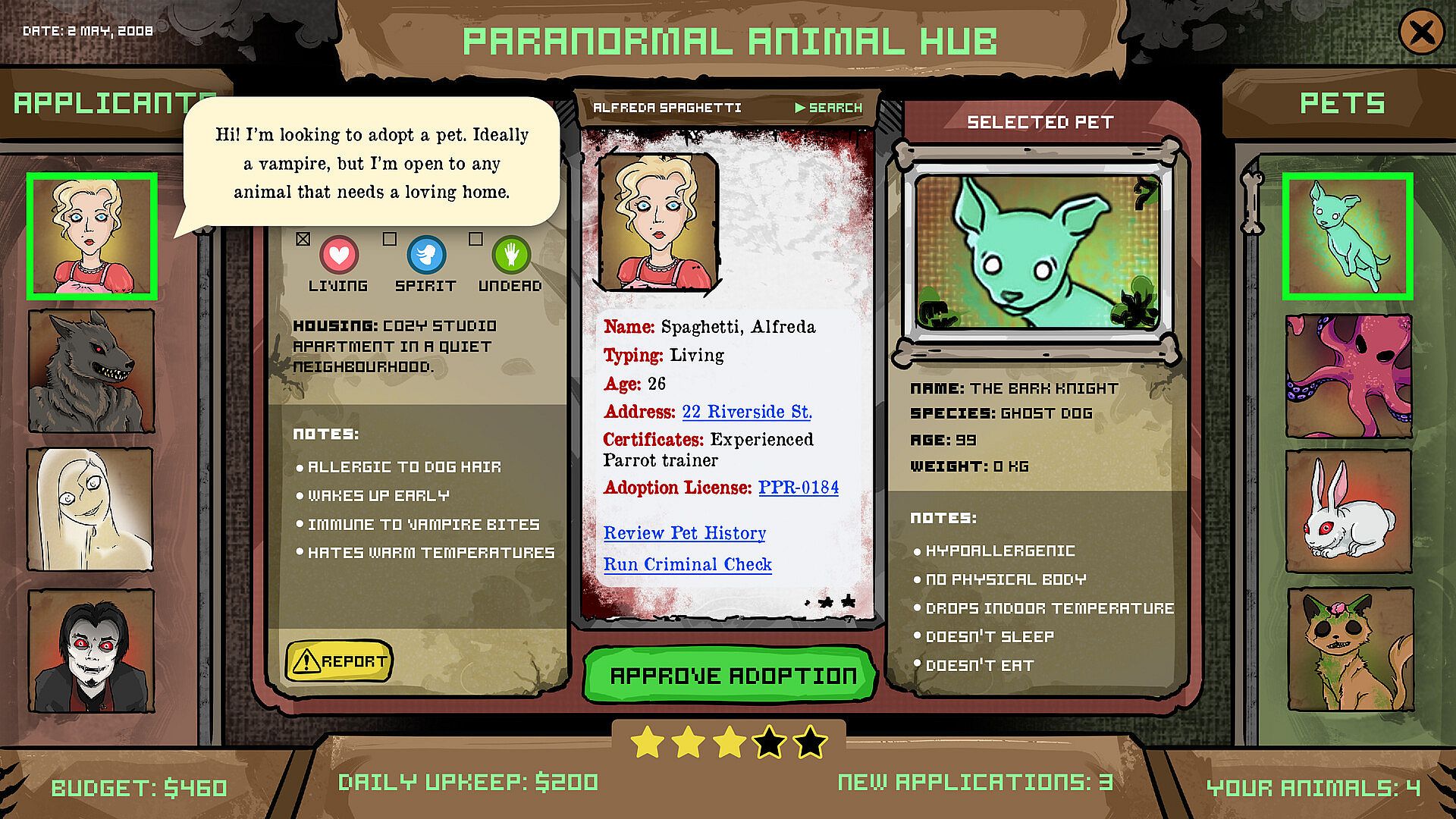
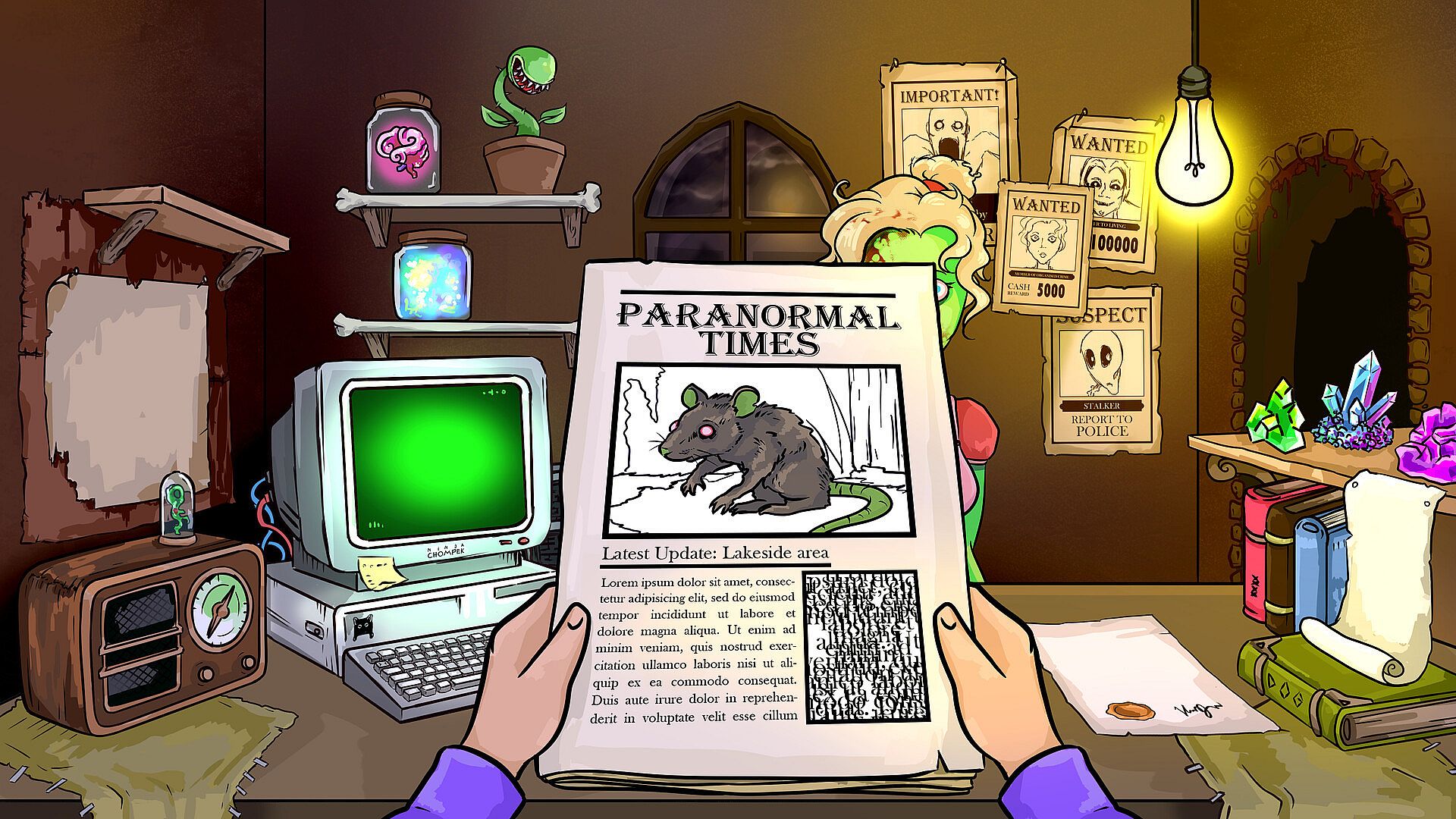
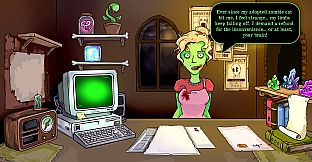
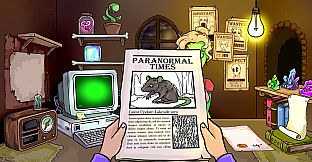
Shelter 13 is a strategy indie game for PC in which players manage a shelter dedicated to placing unusual animals with suitable owners. The core experience centers on reviewing paranormal pets such as zombie cats and vampire mosquitoes, then evaluating adoption applications to determine approvals, rejections, or reports. Decisions shape resources, standing, and the well-being of the creatures involved.
Gameplay
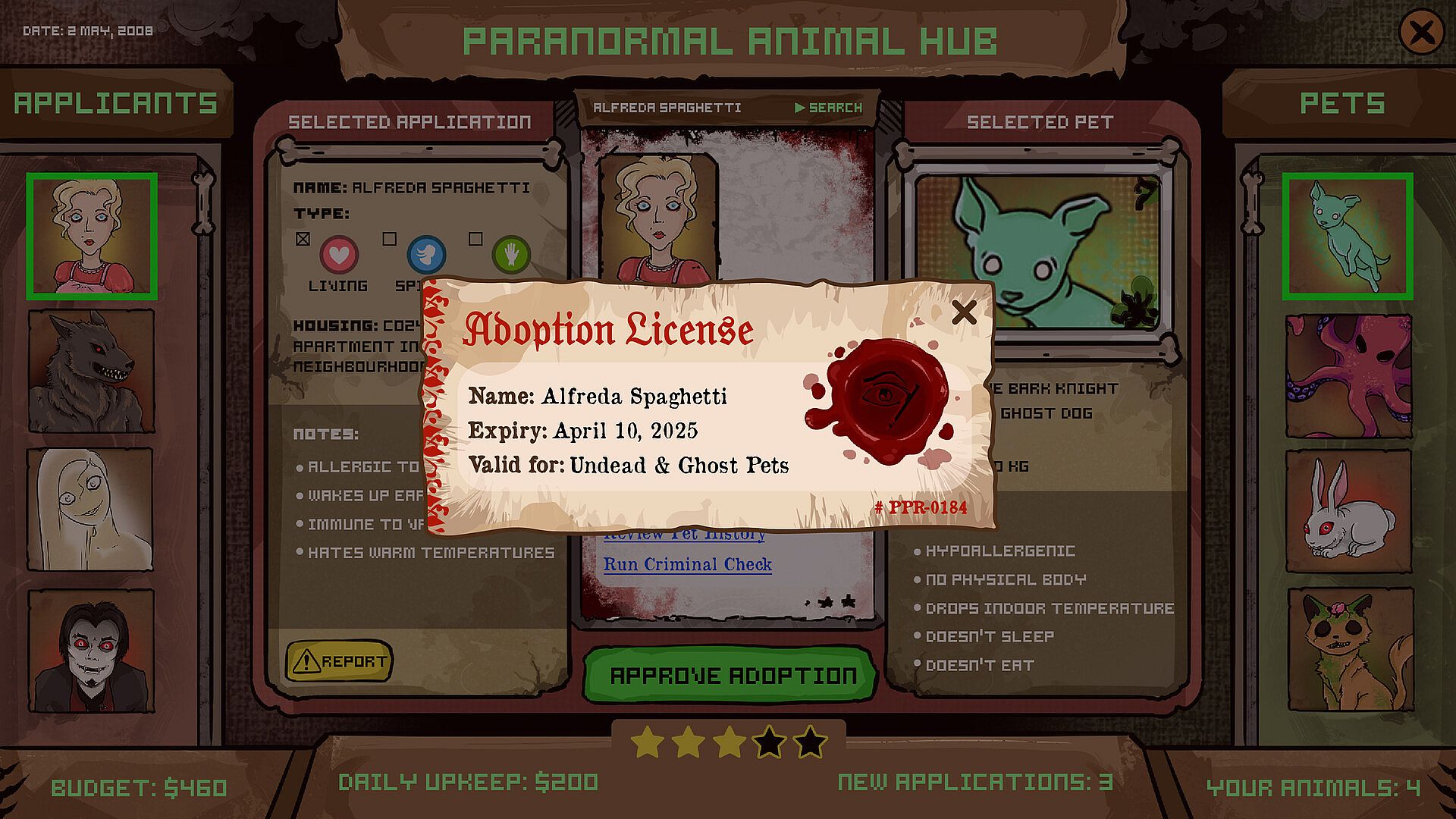
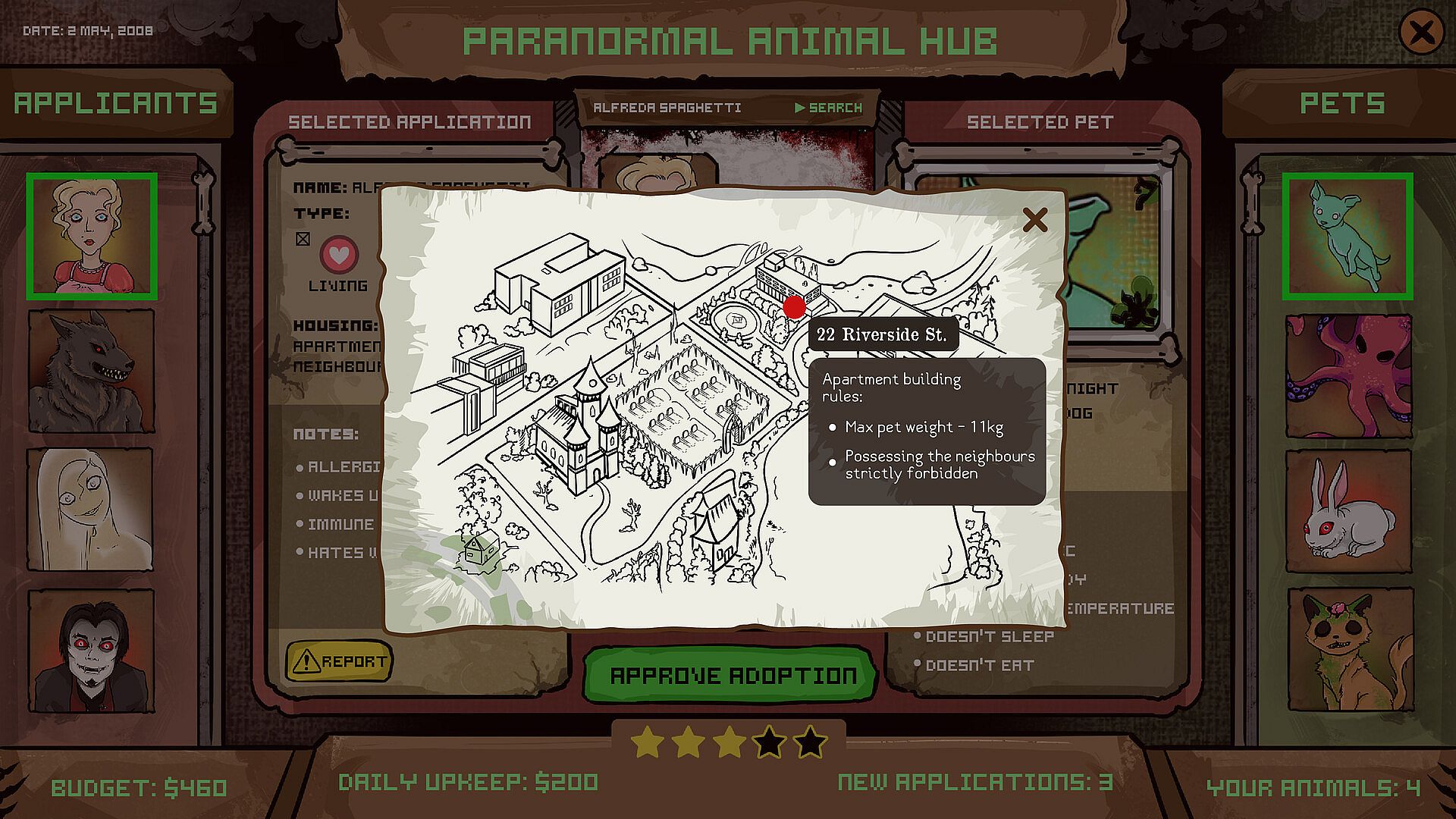
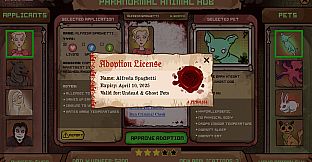
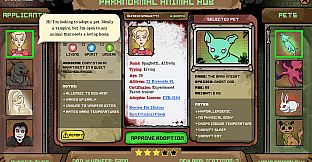
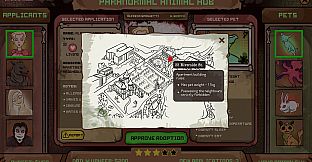
The main loop involves accepting animals into the facility, examining their traits and risks, and matching them against adopter profiles that may include preferences, secrets, or hidden motives. Players inspect applications, apply licensing rules and district policies, and handle special case files before finalizing each placement. Outcomes influence available funds, overall reputation, animal welfare standards, and community trust levels.
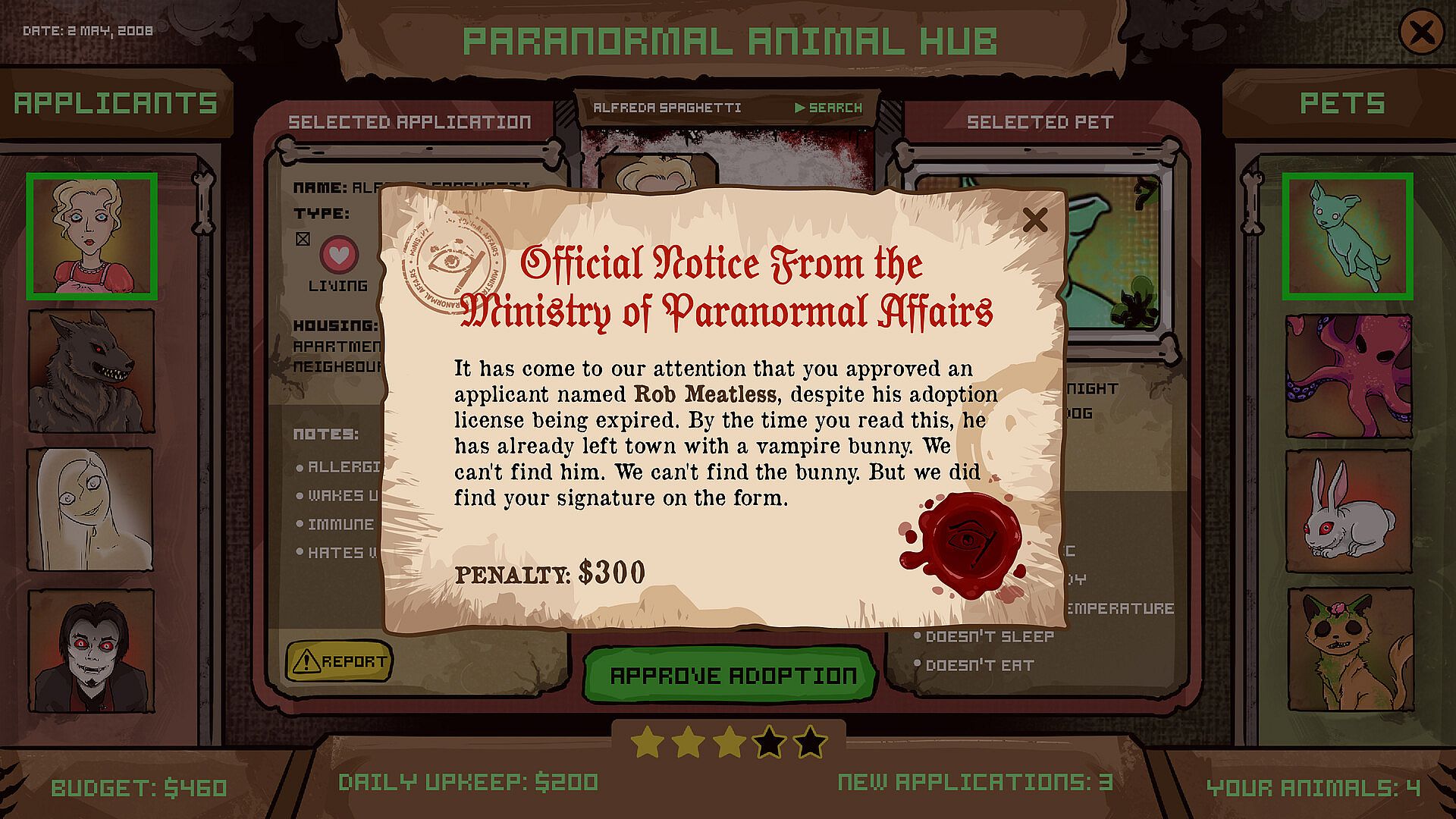
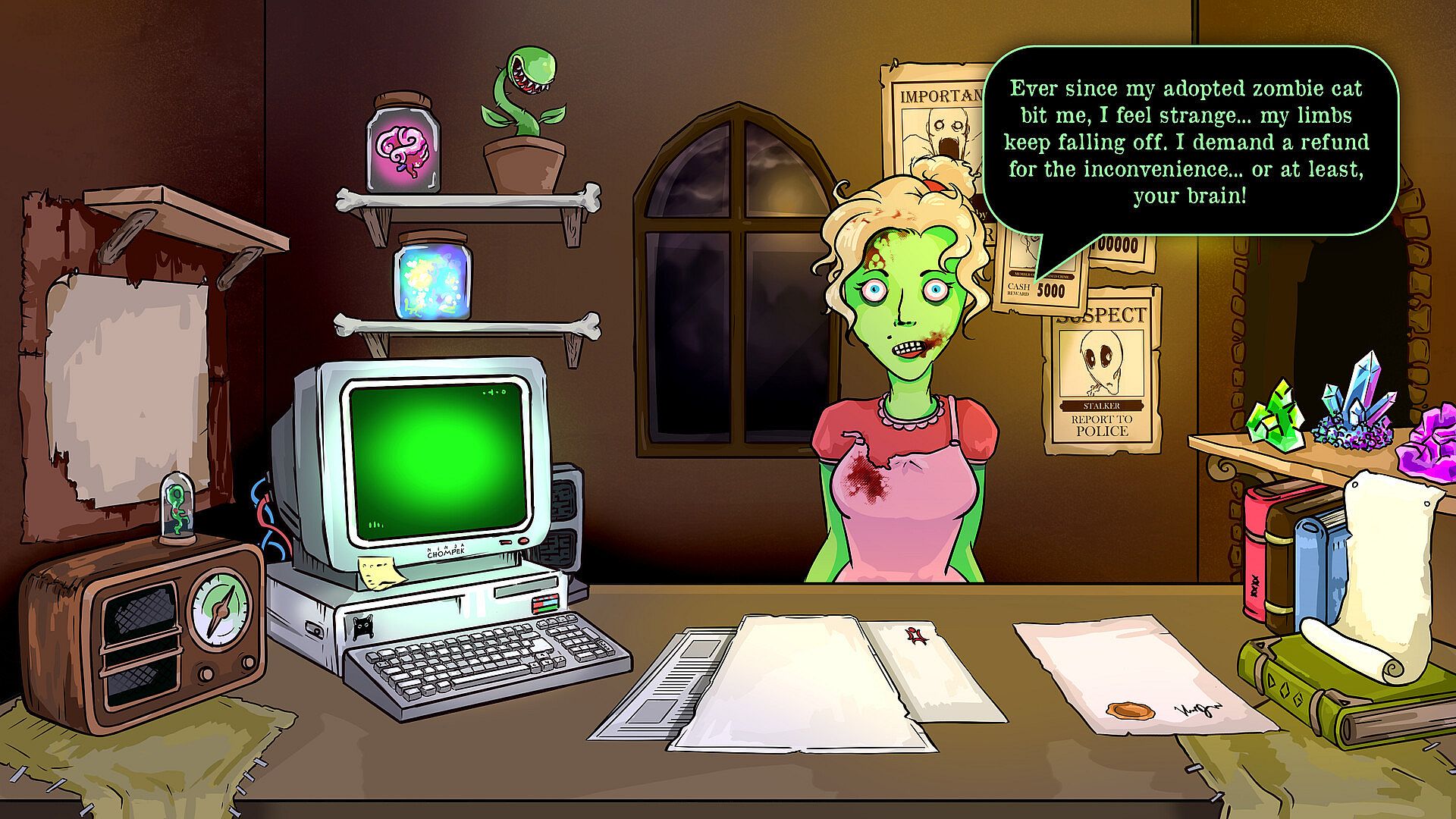
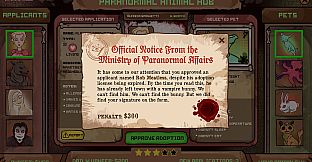
Consequences emerge directly from choices, including returns, complaints, or supernatural events that require further management. Progression unlocks additional animals, regulatory updates, expanded rooms, new tools, and shelter improvements. The system emphasizes careful judgment calls, such as pairing a nocturnal therapy option with a vampire or assessing whether neighbors can accommodate a wall-phasing cat during late hours.
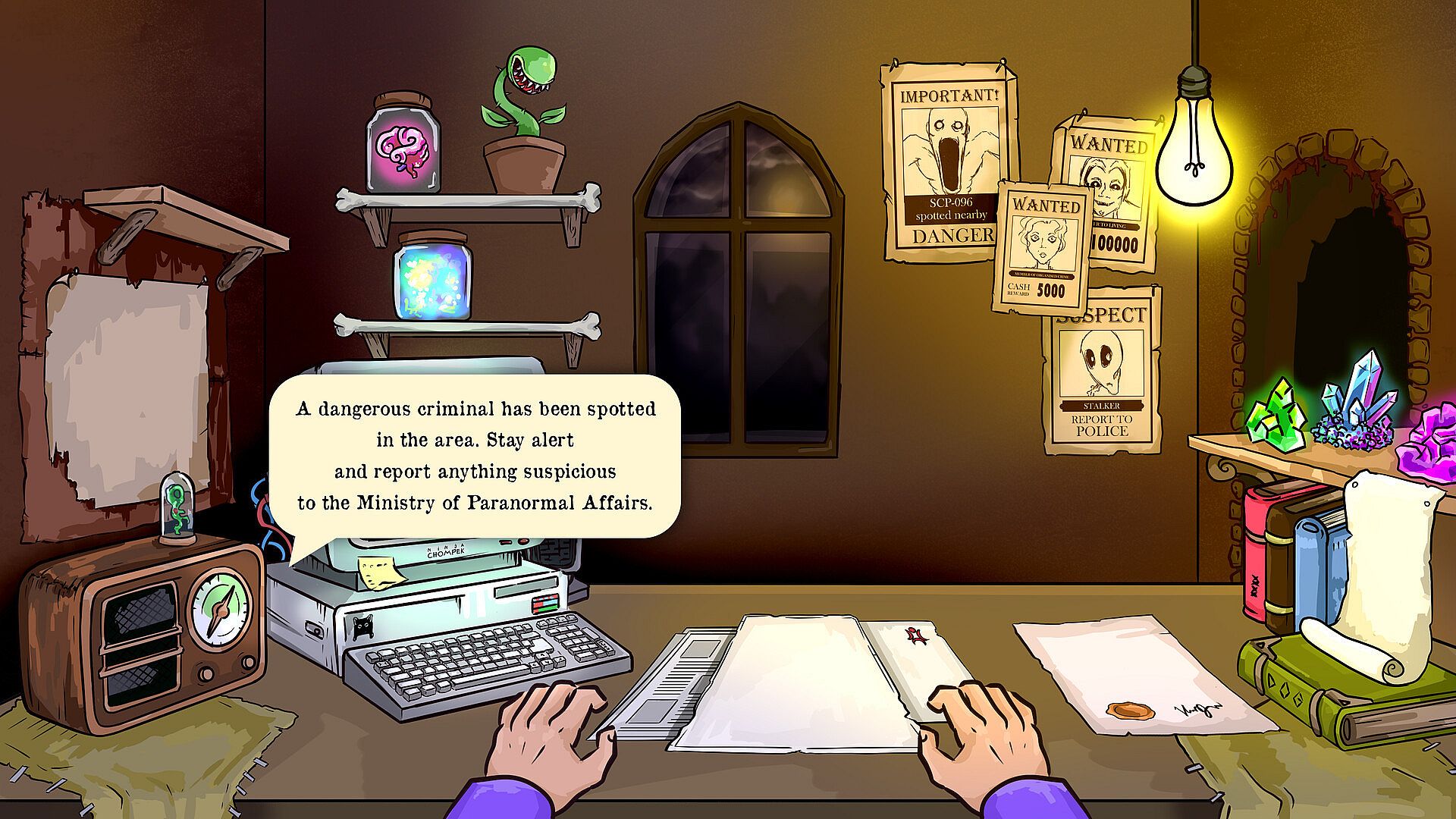
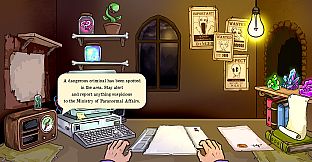
Branching results arise from each decision, creating varied paths through dark comedy scenarios and unusual cases. Players balance multiple priorities while deciding on suspicious applicants through approval, rejection, reporting, or deeper investigation.
Game Modes
Shelter 13 operates as a singleplayer strategy experience focused on sequential adoption cases. The structure builds around repeated cycles of intake, screening, and resolution, with player choices determining the flow and results of each sequence. No separate named modes exist beyond the central management process, which incorporates elements of resource allocation, risk assessment, and policy compliance throughout.
Key Mechanics and Features
Core systems revolve around animal evaluation for paranormal habits and potential hazards, followed by thorough application reviews. Players must weigh adopter suitability against shelter guidelines while tracking impacts on finances, reputation, and safety. Special files introduce additional layers of scrutiny for complex situations.
Upgrades expand operational capacity through new rooms, equipment, and animal varieties. The decision framework encourages repeated playthroughs by producing different results based on prior approvals or investigations. Public trust and creature outcomes remain central concerns across all activities.
Is It Worth Playing?
Shelter 13 suits players interested in management strategy with decision-driven narratives and unconventional themes. The emphasis on matching unusual animals to applicants, combined with consequences that affect multiple systems, provides a focused loop centered on judgment and resource trade-offs. Those who enjoy indie titles that blend procedural elements with branching outcomes from choices will find the structure engaging through its emphasis on careful screening and long-term shelter development. Availability on PC makes it accessible for those seeking a deliberate, choice-heavy strategy game without multiplayer components.